In today’s digital age, where music and audio are an integral part of our lives, it’s crucial to ensure that our MP3 files sound their best. Whether you’re a casual listener or an audiophile seeking perfection, this comprehensive guide is here to help you master the art of enhancing MP3 sound quality. I’m an audio expert, and I’ll take you on a journey through various techniques and strategies to elevate your MP3 listening experience.
The Importance of Quality MP3 Sound
Before we dive into the nitty-gritty details of improving MP3 sound, let’s first understand why it matters. MP3 is one of the most popular audio formats, known for its compatibility and convenience. However, the sound quality of MP3 files can vary widely, depending on factors like compression, source material, and encoding settings.
Factors Affecting MP3 Sound Quality
To achieve the best MP3 sound quality, you need to consider several key factors:
Bitrate
The bitrate determines the amount of data used to represent audio. Higher bitrates generally result in better sound quality but larger file sizes.
Compression
MP3 files are compressed to reduce their size. Understanding the balance between compression and quality is essential.
Source Material
The quality of the original audio source greatly influences the final MP3 sound. Starting with high-quality recordings is crucial.
Encoding Settings
Adjusting parameters during encoding, such as sample rate and stereo mode, can impact sound quality significantly.
Techniques for Enhancing MP3 Sound Quality
Now that we’ve established the importance of quality MP3 sound, let’s explore various techniques and strategies to enhance it. Whether you’re dealing with older low-bitrate MP3s or you want to optimize your new downloads, these methods will help you achieve the best possible sound.
1. Bitrate Selection
The choice of bitrate plays a fundamental role in MP3 sound quality. Higher bitrates, such as 320 kbps, preserve more audio details, resulting in clearer and more immersive sound. However, they also lead to larger file sizes, so you should strike a balance based on your storage capacity and listening preferences.
2. Source Material Enhancement
Improving MP3 sound quality starts with the source material. If you have control over the recording process, use high-quality microphones, eliminate background noise, and ensure proper mixing and mastering techniques are employed. Starting with a pristine source will yield better MP3s.
3. Proper Encoding Settings
When converting audio to MP3 format, it’s crucial to choose the right encoding settings. Opt for a higher sample rate (e.g., 44.1 kHz or 48 kHz) and stereo mode for richer sound. Experiment with different settings to find the sweet spot for your audio.
4. Noise Reduction
If your MP3s suffer from background noise or artifacts, consider using noise reduction software. This can help eliminate unwanted hisses, clicks, and pops, resulting in a cleaner listening experience.
5. Equalization (EQ)
Using an equalizer allows you to adjust the balance of frequencies in your MP3s. You can enhance bass, boost treble, or make other custom adjustments to tailor the sound to your preferences.
6. Volume Normalization
Normalization ensures consistent volume levels across your MP3 library. This prevents sudden volume jumps between tracks, providing a more enjoyable listening experience.
7. High-Quality Playback Devices
Investing in high-quality headphones or speakers can make a significant difference in how you perceive MP3 sound. Look for devices with accurate sound reproduction and comfortable fit for extended listening sessions.
8. Room Acoustics
If you primarily listen to MP3s in a room, consider optimizing the acoustics. Simple changes like adding acoustic panels or rearranging furniture can reduce reflections and enhance sound quality.
9. Lossless Formats
Consider archiving your favorite music in lossless formats like FLAC or WAV for the utmost audio fidelity. While these formats result in larger file sizes, they preserve audio quality without compression.
10. Regular Maintenance
Maintaining your MP3 library is essential. Periodically check for corrupted files, update metadata, and back up your collection to prevent data loss.
Final Words
Enhancing the sound quality of your MP3 files is a rewarding endeavor for any music lover. By understanding the factors influencing sound quality and employing the right techniques, you can elevate your MP3 listening experience to new heights. Whether you’re a casual listener or an audiophile, these strategies will help you make the most of your digital music collection. Remember, the quest for perfect sound is a journey, so enjoy every moment of it. Happy listening!
Video format enhancement is a multifaceted process that involves improving the quality, clarity, and overall visual appeal of video content. This enhancement can significantly impact the viewing experience and is crucial for various applications, from filmmaking to online streaming. In this comprehensive guide, we’ll delve deep into the intricacies of video format enhancement, covering everything from the fundamental principles to advanced techniques.
The Importance of Video Quality
Video quality is a paramount consideration in today’s digital age, where video content is ubiquitous across platforms and industries. Whether you’re a content creator, filmmaker, or business owner, the quality of your videos plays a pivotal role in capturing and retaining your audience’s attention.
Enhancing video formats begins with an understanding of the key factors that influence quality. This includes resolution, bit rate, frame rate, and compression techniques. Each of these elements contributes to the overall clarity and visual appeal of your videos.
Resolution: A Deep Dive
Resolution, often expressed in pixels (e.g., 1080p, 4K), is a critical aspect of video format enhancement. It determines the level of detail and sharpness in your videos. Higher resolutions offer more clarity and are especially beneficial for larger screens and cinematic experiences. However, it’s essential to strike a balance between high resolution and file size, as larger files can lead to longer loading times and may not be suitable for all viewing platforms.
Bit Rate and Compression
Bit rate and compression techniques are closely tied to video quality. Bit rate refers to the amount of data transmitted per unit of time, usually measured in megabits per second (Mbps). Higher bit rates result in less compression and better image quality but can lead to larger file sizes. Compression, on the other hand, reduces file size but may sacrifice some image detail.
Finding the right balance between bit rate and compression is a delicate art in video format enhancement. Advanced video codecs like H.265 offer improved compression efficiency, allowing for high-quality videos with reduced file sizes.
Advanced Techniques in Video Enhancement
While understanding the basics of video quality is crucial, true video format enhancement goes beyond resolution and bit rate adjustments. Advanced techniques involve post-production processes that fine-tune video elements for optimal results.
Color Grading and Correction
Color grading is a sophisticated process that involves adjusting the colors and tones in a video to achieve a specific look or mood. It can make a significant difference in the visual appeal of your content. Correcting color imbalances, enhancing contrast, and applying creative color grading techniques can elevate your videos to a professional level.
High Dynamic Range (HDR)
HDR technology enhances the contrast and brightness of videos, resulting in more vivid and lifelike images. It expands the range between the darkest and brightest parts of a video, capturing a broader spectrum of colors and details. HDR is particularly beneficial for creating stunning visuals in films and high-end productions.
Delivering Enhanced Videos to Your Audience
Enhancing video formats is not just about creating stunning visuals; it’s also about ensuring that your audience can enjoy your content seamlessly. As you optimize your video formats, consider compatibility with various devices and platforms, as well as efficient streaming solutions.
Adaptive Streaming
Adaptive streaming is a technique that adjusts video quality in real-time based on the viewer’s internet connection and device capabilities. This ensures smooth playback and a consistent viewing experience, even under varying network conditions. Implementing adaptive streaming protocols like DASH or HLS can enhance the accessibility of your content.
Choosing the Right Format
Lastly, selecting the appropriate video format for your content is essential. Different formats offer various advantages and disadvantages, so it’s crucial to align your choice with your audience’s preferences and the platforms you’ll be using for distribution.
In conclusion, video format enhancement is a multifaceted journey that encompasses resolution, bit rate, compression, color grading, HDR, and delivery methods. By mastering these elements, you can create visually stunning videos that captivate your audience and deliver an exceptional viewing experience. Whether you’re a filmmaker, content creator, or business owner, the art of enhancing video formats can set you apart in today’s digital landscape.
Future Trends in Video Format Enhancement
As technology continues to evolve, the field of video format enhancement is poised for exciting advancements. Understanding these emerging trends can help you stay ahead in the world of video production and distribution.
8K Ultra High Definition (UHD)
While 4K resolution is becoming the new standard, 8K UHD is emerging as the next frontier in video quality. With four times the pixels of 4K, 8K offers unparalleled clarity and detail. Although it’s currently in its early stages of adoption, we can expect to see more 8K content in the future, especially for high-end cinematic experiences.
Immersive Technologies: VR and AR
Virtual Reality (VR) and Augmented Reality (AR) are transforming how we consume video content. These immersive technologies require specialized formats and techniques to create truly captivating experiences. Video format enhancement in VR and AR involves considerations like spatial audio, 360-degree video, and interactive elements, opening up new creative possibilities.
The Importance of Audio Enhancement
While much attention is given to video quality, audio plays an equally crucial role in the overall viewer experience. Audio enhancement techniques, such as spatial audio, surround sound, and noise reduction, complement video format enhancement efforts. These audio enhancements immerse viewers in a more engaging auditory environment.
Spatial Audio for Immersion
Spatial audio technology simulates the three-dimensional soundscapes, creating a more immersive audio experience. Viewers can perceive sounds coming from specific directions, heightening their sense of presence within the content. Incorporating spatial audio into video format enhancement can make a significant difference, especially in VR and AR applications.
Surround Sound for Cinematic Impact
Surround sound systems are a staple in cinemas and high-end home theaters. They create a multi-dimensional audio experience by placing speakers strategically around the viewer. Enhancing video formats to support surround sound can add a cinematic touch to your content, making it more engaging and impactful.
Conclusion
In the ever-evolving landscape of video production and distribution, video format enhancement remains at the forefront. Understanding the intricacies of resolution, bit rate, compression, color grading, HDR, and audio enhancement techniques is essential for creating captivating videos that leave a lasting impression on your audience.
As technology continues to advance, embracing emerging trends like 8K UHD and immersive technologies such as VR and AR will set you apart in the competitive world of multimedia. Remember that video format enhancement is not just about achieving technical excellence; it’s about creating experiences that resonate with viewers and leave a lasting impact.
In this article, we’ve delved deep into the world of video format enhancement, exploring its core principles, advanced techniques, and future trends. Whether you’re a filmmaker, content creator, or simply someone passionate about the world of multimedia, mastering the art of video format enhancement can elevate your creations to new heights.
When it comes to digital video formats, WMV, or Windows Media Video, is a prominent player in the field. It boasts several advantages and disadvantages that are worth considering, especially for content creators and those involved in multimedia production.
WMV is a video compression format developed by Microsoft, primarily known for its compatibility with the Windows operating system. Its advantages include excellent compression efficiency, making it suitable for streaming and storage of multimedia content. The format’s compression capabilities are due to its advanced codecs, such as WMV9, which ensure that high-quality video can be delivered without excessive file sizes.
On the downside, one of the disadvantages of WMV is its limited compatibility with non-Windows platforms. While Windows-based devices seamlessly support WMV, users of other operating systems may encounter difficulties in playing WMV files. This compatibility issue can be a drawback when sharing multimedia across diverse devices and platforms.
The Pros and Cons of WMV Codecs
To delve deeper into the world of WMV, it’s crucial to explore the strengths and weaknesses of its codecs. WMV codecs are designed to efficiently compress video data while preserving image quality. This is achieved through various techniques, such as inter-frame compression and motion compensation, which minimize file sizes without compromising visual clarity.
On the flip side, one of the drawbacks of WMV codecs is their relatively lower video quality compared to some other formats, especially when dealing with high-definition content. While WMV is suitable for many applications, it may not be the best choice for projects requiring the utmost video fidelity.
Compatibility and Applications of WMV
WMV’s compatibility is a topic of significant interest. For Windows users, the advantages are clear: seamless playback and integration with Windows Media Player. However, when it comes to cross-platform use, WMV may present challenges.
One of the disadvantages of WMV is that it may not be as universally accepted as other formats like MP4 or AVI. This can pose problems when sharing videos with a diverse audience or when distributing content on the internet.
Despite these challenges, WMV has found its niche in various applications. It is commonly used for web streaming, video conferencing, and business presentations due to its compression efficiency. Additionally, WMV’s support for DRM (Digital Rights Management) makes it a choice for protecting copyrighted content.
Impact on Streaming and Bandwidth
The impact of WMV on streaming and bandwidth is a crucial consideration for many content providers. WMV’s compression capabilities shine in this area, as smaller file sizes translate to reduced bandwidth requirements during streaming. This means that viewers can enjoy smoother playback, even with limited internet connections.
However, there is a trade-off. WMV’s compression can lead to a loss of some video quality, which may be noticeable in high-definition content. Content creators must strike a balance between file size and visual fidelity to ensure a satisfying viewing experience.
Legal and Licensing Concerns
Legal and licensing considerations are paramount when working with any video format, including WMV. Understanding the advantages and disadvantages in this regard is essential for compliance with copyright and intellectual property laws.
WMV’s advantages include the support for DRM, which allows content creators to protect their work from unauthorized distribution. However, this can also be seen as a disadvantage, as DRM may limit the playback options for legitimate users.
Additionally, licensing fees may apply when using certain WMV codecs, which can impact the cost-effectiveness of using this format for large-scale video production.
Recommended Settings for WMV Encoding
To make the most of WMV’s advantages while mitigating its disadvantages, understanding the recommended settings for encoding is crucial. The encoding process can significantly influence the final video quality and file size.
Typically, it is advisable to use the latest WMV codecs for optimal compression efficiency. Adjusting parameters like bit rate, resolution, and frame rate should be based on the specific requirements of your project. Experimentation and testing can help strike the right balance between file size and video quality.
Audio Quality and Synchronization in WMV
Apart from video considerations, WMV’s impact on audio quality and synchronization is vital. WMV supports various audio codecs, including WMA (Windows Media Audio), which provides good audio quality with efficient compression.
However, one potential drawback is the synchronization of audio and video in WMV files. Poorly encoded WMV files may exhibit audio-video sync issues, which can be frustrating for viewers. To avoid this, it’s essential to use appropriate encoding settings and ensure proper synchronization during the encoding process.
Final Thoughts on WMV: A Balanced Perspective
In conclusion, WMV offers a mix of advantages and disadvantages that make it a suitable choice for certain applications. Its compression efficiency and compatibility with Windows systems are clear strengths, making it an excellent option for streaming and storage. However, its limited cross-platform support and potential licensing fees may pose challenges for some users.
When considering WMV for your multimedia projects, it’s essential to weigh the pros and cons carefully. By understanding its technical aspects, compatibility issues, and impact on streaming and bandwidth, you can make an informed decision on whether WMV aligns with your specific needs. Remember to tailor your encoding settings to achieve the desired balance between video quality and file size, and always be mindful of legal and licensing considerations.
Overcoming Compatibility Challenges
The compatibility of WMV files can be both an advantage and a disadvantage, depending on your perspective and intended audience. Windows users benefit from seamless playback and integration with Windows Media Player, making it a go-to format for many. However, the disadvantages arise when you need to share your multimedia content with a broader audience or across different platforms.
To overcome these compatibility challenges, consider providing alternative file formats alongside WMV, such as MP4 or AVI, to ensure that your content can be accessed by a wider range of users. Additionally, explore cross-platform media players and codecs that can help bridge the gap, making WMV files more accessible.
The Versatility of WMV Applications
Despite its limitations, WMV boasts a range of versatile applications that make it a valuable tool in multimedia production. Its compression efficiency, coupled with support for DRM, positions WMV as a popular choice for various purposes.
One of the advantages of WMV is its frequent use in web streaming. Its ability to provide reasonable video quality with smaller file sizes ensures a smoother streaming experience for viewers. Furthermore, WMV’s integration with video conferencing software makes it an ideal format for virtual meetings and presentations.
For those in the business world, WMV’s compatibility with PowerPoint presentations allows for the seamless embedding of videos into slideshows. This can enhance the visual appeal and engagement of your presentations.
Bandwidth Optimization Strategies
When considering the advantages and disadvantages of WMV, bandwidth optimization is a crucial factor. WMV’s compression efficiency significantly reduces the amount of data required for streaming, making it a practical choice for online content delivery.
To optimize bandwidth usage, it’s essential to strike a balance between file size and video quality. Adjusting bit rates, resolution, and frame rates can help achieve the desired results. Additionally, leveraging content delivery networks (CDNs) can further enhance the streaming experience by reducing latency and ensuring smoother playback.
Legal and Licensing Nuances
Navigating the legal and licensing aspects of WMV is essential for content creators and businesses alike. WMV’s support for DRM offers advantages in protecting copyrighted content from unauthorized distribution. However, this may also restrict the playback options for legitimate users.
Additionally, some WMV codecs may require licensing fees, which can affect the overall cost of using this format. It’s crucial to research and understand the licensing terms associated with your chosen WMV codecs and ensure compliance with copyright laws to avoid legal complications.
Fine-Tuning WMV Encoding
To make the most of WMV’s advantages and mitigate its disadvantages, fine-tuning the encoding process is critical. The encoding settings you choose can significantly impact the final video quality and file size.
Begin by selecting the appropriate WMV codec, taking into account the specific requirements of your project. Experiment with bit rate, resolution, and frame rate settings to strike the right balance between efficient compression and video quality. Regular testing and adjustments can help you achieve the desired results while optimizing your workflow.
Ensuring Audio Quality and Synchronization
In the realm of multimedia, audio quality and synchronization are paramount. WMV supports various audio codecs, such as WMA, which offer a balance between good audio quality and efficient compression.
However, one potential disadvantage of WMV can be audio-video synchronization issues in poorly encoded files. To ensure a seamless viewing experience, pay close attention to synchronization during the encoding process. Properly aligning audio and video tracks, along with selecting the right audio codec and settings, can help mitigate these issues.
Final Considerations: A Comprehensive View of WMV
In closing, a comprehensive understanding of the advantages and disadvantages of WMV is essential for anyone working with multimedia content. While WMV offers efficient compression, compatibility with Windows systems, and support for DRM, it also presents challenges in terms of cross-platform playback and potential licensing fees.
To maximize the benefits of WMV, consider strategies for overcoming compatibility issues, explore its versatile applications, and focus on bandwidth optimization. Be aware of the legal and licensing nuances associated with WMV, and fine-tune your encoding process to achieve the desired balance between video quality and file size. Lastly, prioritize audio quality and synchronization to deliver a polished multimedia experience to your audience. By taking a holistic approach to WMV, you can make informed decisions that align with your specific multimedia needs.
In the dynamic landscape of digital video, Bitrate stands as a linchpin of quality and performance. In this comprehensive guide, we embark on a meticulous journey to unravel the intricacies of Bitrate, unveiling its significance and multifaceted dimensions.
Video Bitrate Essentials
Video Bitrate
Video Bitrate is the pulse of digital video. It signifies the pace at which data flows per unit of time within a video. Picture it as the guardian of video fidelity, affecting every second of your viewing experience.
Bitrate in Digital Video
Bitrate in digital video wields the scepter of influence over the quality and performance of video content. Content creators and streaming platforms navigate its realm with care.
Video Encoding Bitrate
Understanding Video Encoding Bitrate is akin to grasping the intricacies of preserving video quality while managing file sizes efficiently. It’s a crucial element of the video production process.
Bitrate for Video Streaming
For online audiences, Bitrate for Video Streaming is the guardian of a buffer-free and high-quality viewing experience. This parameter is the bridge between content providers and viewers.
Optimal Bitrate for Video
Unlocking the secret of the Optimal Bitrate for Video is a quest for balance. It’s the equilibrium between video quality and storage efficiency, a key decision in content creation.
Decoding the Bitrate-Quality Nexus
Video Quality Bitrate
Video Quality Bitrate is the canvas upon which visual excellence is painted. Elevating the bitrate enhances not only clarity but also detail and motion fluidity—a hallmark of superb video quality.
Bitrate in Video Compression
Bitrate and video compression dance a delicate tango. Adjusting the bitrate influences not just quality but also file sizes. It’s a tightrope act content creators perform with finesse.
Variable Bitrate vs. Constant Bitrate
Variable Bitrate (VBR) and Constant Bitrate (CBR) represent two divergent paths. One adapts to the complexity of video content, while the other maintains a steady course. Knowing when to use each is an art.
Cracking the Bitrate Code
How does Bitrate affect video quality?
Bitrate’s role in shaping video quality is akin to the conductor of an orchestra. It orchestrates the symphony of pixels, ensuring each note is crisp and harmonious.
What is the difference between Bitrate and Resolution?
While Bitrate influences the flow of data, video resolution determines the canvas size. These two pillars of video quality work in tandem, each with its own significance.
How to calculate Bitrate for video streaming?
Calculating the ideal Bitrate for video streaming involves a mix of science and art. Factors like resolution, frame rate, and desired quality come together in a formula that ensures a smooth viewing experience.
Can a higher Bitrate improve low-light video?
Low-light situations challenge video quality, and Bitrate plays a role in addressing this challenge. Explore how increasing Bitrate can illuminate the darkest corners of your footage.
Does Bitrate impact file size?
Bitrate and file size share a symbiotic relationship. As Bitrate climbs, so does the appetite for storage. This understanding is pivotal in managing your video library efficiently.
What is the relationship between Bitrate and compression?
Bitrate and compression are the yin and yang of video storage. One influences quality, the other conserves space. Dive into their intricate relationship and its impact on your videos.
Is there a recommended Bitrate for 4K video?
4K video demands a bit more of everything, including Bitrate. Delve into the recommended Bitrate standards for the ultra-high-definition realm.
How do I choose the right Bitrate for live streaming?
Live streaming introduces real-time dynamics. The right Bitrate choice ensures your audience experiences your broadcast without hiccups. It’s a delicate balancing act.
What happens if my Bitrate is too low for my video?
A low Bitrate can mar the viewing experience, leading to pixelation and buffering. Explore the repercussions and strategies to remedy the situation.
Are there Bitrate standards for different video formats?
Different video formats have unique appetites for Bitrate. Familiarize yourself with the standards for common formats to ensure compatibility and optimal quality.
Navigating the Bitrate Seas
Diversity in Standards
Video formats march to their own drumbeat, each with its Bitrate requirements. Explore these standards to keep your content in harmony with different platforms and devices.
Adapting to Format Demands
Efficiency in video production and streaming comes from aligning with specific Bitrate standards. Embrace the versatility of Bitrate adjustments for an enhanced video journey.
As we conclude our voyage through the world of Bitrate in digital video, remember that mastering this element empowers content creators, streaming platforms, and viewers alike. Bitrate is the silent architect of video quality, and its nuances are yours to explore and leverage.
Adaptive Bitrate Streaming
A Formula for Viewer Satisfaction
Adaptive Bitrate Streaming is the secret sauce behind viewer satisfaction. It dynamically adjusts the video’s Bitrate in real-time to match the viewer’s internet connection speed. This means smoother playback, fewer interruptions, and a superior experience for your audience.
Enhancing User Experience
Imagine a scenario where a viewer with a slow internet connection tries to watch your video. Without adaptive streaming, they might experience constant buffering and frustration. Adaptive Bitrate Streaming, however, steps in to provide the best possible quality that their connection can handle. It’s the difference between a viewer hitting the “close” button in frustration and enjoying your content to the fullest.
Bitrate in Low-Light Video
The Role of Bitrate in Challenging Conditions
Low-light video situations can be tricky. When light is scarce, your camera sensor struggles to capture details. Bitrate becomes critical in these conditions because it determines how much data is allocated to represent the limited visual information. Higher Bitrates can help salvage some detail in low-light scenes.
Enhancing Low-Light Video
To enhance low-light video, you can make adjustments both in terms of hardware and software. Upgrading to a camera with better low-light performance is a hardware solution. On the software side, you can increase the Bitrate to capture more information. It’s all about finding the right balance to produce clear and engaging content even in challenging lighting situations.
Bitrate and File Size
The Trade-Off
Bitrate and file size share an interesting trade-off. As you increase the Bitrate to improve video quality, you simultaneously increase the file size. This can be a double-edged sword. While viewers get to enjoy higher quality, it also means your videos consume more storage space.
Video Compression and Bitrate
Video compression techniques come to the rescue when dealing with large file sizes. They are responsible for reducing the amount of data needed to represent a video while maintaining an acceptable level of quality. Bitrate and compression work hand in hand, allowing you to find the perfect balance between quality and storage efficiency.
Recommended Bitrate for 4K Video
Meeting the 4K Standard
Producing and streaming 4K video is a different ball game. It demands a significantly higher Bitrate compared to lower resolutions like 1080p. The recommended Bitrate ensures that your 4K content retains its stunning clarity and detail.
Variable vs. Constant Bitrate
When working with 4K video, you might consider using Variable Bitrate (VBR) instead of Constant Bitrate (CBR). VBR adapts to the complexity of the content, allocating more data to visually intricate scenes and less to simpler ones. This results in better quality for your 4K videos.
Choosing the Right Bitrate for Live Streaming
Live Streaming Dynamics
Live streaming introduces its own set of dynamics. Unlike pre-recorded content, you have no control over what’s coming next. Choosing the right Bitrate is crucial to ensure a smooth and uninterrupted live broadcast.
Failures and Solutions
In the world of live streaming, hiccups can occur. If your chosen Bitrate is too high for your available bandwidth, viewers may experience buffering. On the other hand, if it’s too low, the quality might suffer. This section explores common issues and provides solutions to keep your live stream running flawlessly.
Bitrate Standards for Different Video Formats
Diversity in Standards
Different video formats have unique Bitrate standards. H.264, H.265, VP9, and others each have their own requirements. Understanding and adhering to these standards is crucial to ensure your videos are compatible with various devices and platforms.
Adapting to Format Demands
To optimize your video content for different formats, you’ll need to adapt your Bitrate settings accordingly. By doing so, you can reach a wider audience and provide a superior viewing experience, regardless of the device or format your viewers choose.
As we conclude this in-depth exploration of Bitrate in digital video, you now possess a comprehensive understanding of its significance and the various factors that influence its utilization. Whether you’re a content creator aiming for the highest quality, a streaming platform seeking seamless viewer experiences, or a viewer looking for the best content, Bitrate is the silent maestro that shapes your digital video journey.
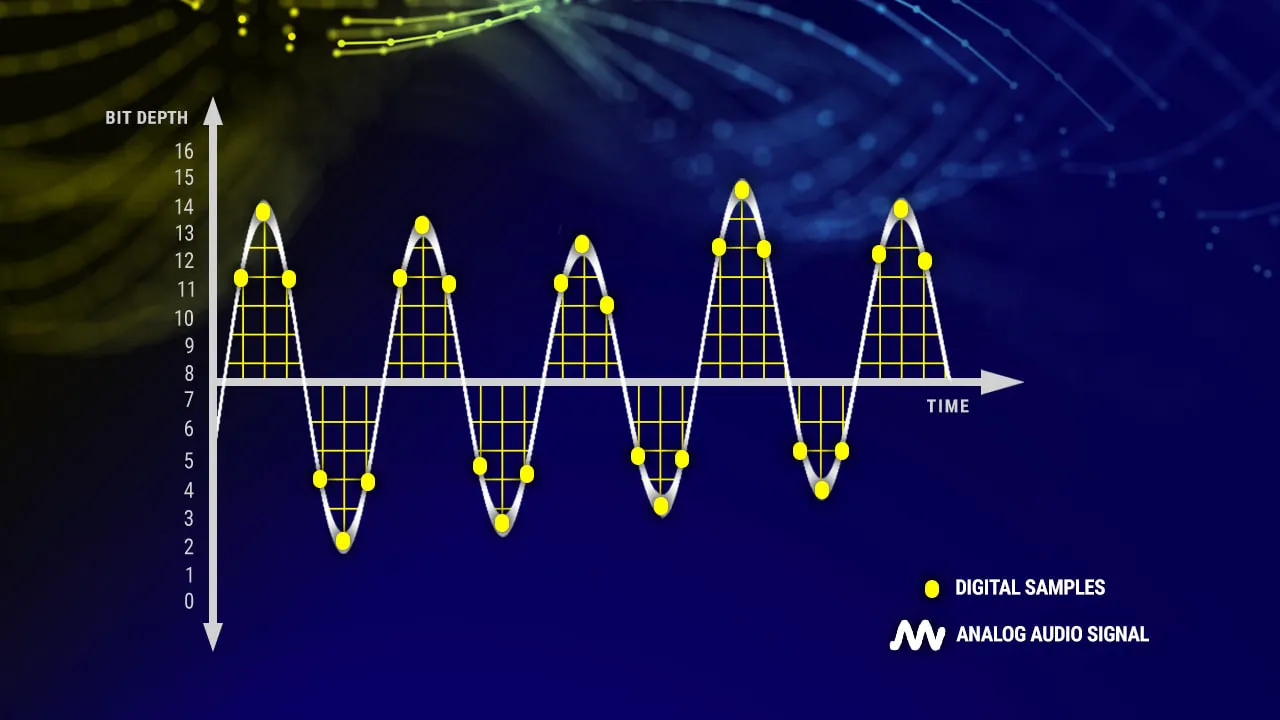
Digital bit depth in audio is a fundamental concept that impacts the quality and fidelity of digital sound. Bit depth, also known as audio resolution, refers to the number of bits used to represent the amplitude of an audio signal at a specific point in time. It essentially quantifies how finely audio samples are taken in the digital domain.
To put it simply, the bit depth determines the precision with which sound is captured and stored digitally. Common bit depths in digital audio are 16-bit, 24-bit, and 32-bit, with higher numbers providing greater precision.
Audio Bit Depth Explained
Understanding audio bit depth is essential for anyone seeking to grasp the intricacies of digital audio recording and playback. At its core, audio bit depth is a measure of how accurately an analog sound wave’s amplitude is captured and converted into a digital signal.
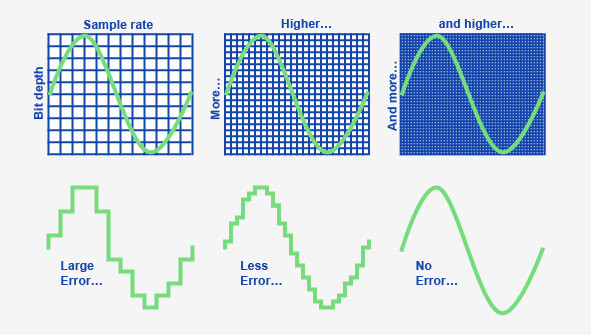
In practical terms, a higher bit depth signifies that the digital representation of an audio waveform closely mirrors the original analog signal, resulting in reduced quantization error or “noise.” Quantization error occurs when an analog value is approximated to the nearest digital value, and lower bit depths can make this error more noticeable, especially in quieter sections of audio.
Bit Depth and Audio Quality
Bit depth plays a pivotal role in determining the quality and precision of digital audio. The relationship between bit depth and audio quality is akin to an artist’s palette of colors. A higher bit depth provides a broader spectrum of shades and nuances, making the digital representation of sound more faithful to the original analog source.
For example, a 16-bit system offers 65,536 discrete amplitude levels, whereas a 24-bit system provides an astonishing 16,777,216 levels. This heightened precision results in smoother and more detailed audio representation, particularly in the subtle and quiet passages of a recording.
Digital Audio Resolution
Digital audio resolution, closely linked to bit depth, is a critical factor in capturing and reproducing sound accurately. It refers to the level of detail and clarity in digital audio. The greater the bit depth, the higher the resolution, and the finer the nuances that can be captured.
In the realm of audio production, higher digital audio resolution means that the subtle nuances, such as the intricacies of a singer’s voice or the delicate harmonics of a musical instrument, are preserved with remarkable fidelity.
Bit Depth in Music Recording
In the world of music recording, selecting the appropriate bit depth is a crucial decision that profoundly affects the final audio quality. Musicians and producers carefully consider bit depth when recording to ensure that the nuances and dynamics of their performances are accurately captured.
In practice, 24-bit recording is a popular choice among music professionals. This bit depth provides an ideal balance between precision and file size, allowing for the capture of subtle details while minimizing the risk of bit-depth noise in quieter sections of the recording.
Audio Signal Precision
Audio signal precision, often measured by bit depth, is a key consideration in professional audio production. It relates to how faithfully an audio system can reproduce the original sound. The higher the bit depth, the greater the precision in representing the analog signal, resulting in cleaner and more accurate audio playback.
For audio engineers and producers, achieving optimal audio signal precision is paramount. It ensures that the music they create is heard as intended, with all the intricacies and subtleties faithfully reproduced.
Bit Depth in Analog-to-Digital Conversion
Understanding how bit depth influences analog-to-digital conversion is essential for maintaining audio fidelity. Analog-to-digital conversion is the process of transforming continuous analog signals into discrete digital values. Bit depth determines the number of discrete values that can represent the amplitude of the analog signal during this conversion.
In essence, higher bit depth means that the analog-to-digital conversion process captures more precise details from the analog signal. This is particularly critical when working with high-quality audio sources where preserving every nuance is paramount.
Sound Fidelity and Bit Depth
Sound fidelity, the faithfulness with which audio is reproduced, is intricately linked to bit depth. A higher bit depth generally results in better audio fidelity, as it allows for the accurate representation of both subtle nuances and powerful crescendos in music.
Consider classical music or jazz, where dynamics play a significant role. With a higher bit depth, the audio system can faithfully reproduce the full range of soft and loud passages, ensuring that the listener experiences the music as intended by the performers and composers.
Impact of Bit Depth on Audio Playback
The impact of bit depth on audio playback is a critical factor in delivering a high-quality listening experience. When you listen to digital audio, the bit depth of the source file significantly affects what you hear.
In simple terms, higher bit depth in the source audio file results in a more faithful and detailed listening experience. This becomes especially noticeable in acoustic instruments, where the subtle nuances of a violin’s bowing or a pianist’s touch can be lost in lower bit depth recordings.
How Does Bit Depth Affect the Quality of Digital Audio?
Exploring how bit depth affects the quality of digital audio is crucial for audiophiles and audio professionals alike. It’s the bit depth that determines how accurately the audio signal is captured and reproduced, ultimately influencing the overall audio quality.
A higher bit depth translates to a more faithful representation of the original sound, with fewer imperfections or noise introduced during the recording and playback processes. This improvement in audio quality is particularly noticeable in genres that require a wide dynamic range and high levels of detail.
What Is the Role of Bit Depth in Recording Music Digitally?
The role of bit depth in recording music digitally is a multifaceted aspect of audio production. When musicians and engineers step into the studio, they must make critical decisions about bit depth to ensure that their recordings capture the essence of the music.
Choosing the appropriate bit depth is a balancing act. While higher bit depths provide greater precision and fidelity, they also result in larger file sizes. Musicians often opt for 24-bit recordings as they strike a harmonious balance between capturing subtle details and managing storage requirements.
How Is Audio Fidelity Influenced by Digital Bit Depth?
Understanding how digital bit depth influences audio fidelity is key to achieving top-tier sound quality. Audio fidelity, often described as the faithfulness of audio reproduction to the original source, is a critical consideration for audio professionals and enthusiasts.
With a higher bit depth, audio fidelity is enhanced because the digital representation of the sound is more detailed and accurate. This is especially crucial in professional audio production, where maintaining the highest possible fidelity is paramount.
Can You Explain the Importance of Bit Depth in Analog-to-Digital Conversion for Audio?
Explaining the importance of bit depth in analog-to-digital conversion sheds light on the intricacies of audio processing. Analog-to-digital conversion is the bridge that allows analog sound to be translated into a digital format that can be manipulated and stored. Bit depth plays a pivotal role in this process.
Higher bit depths ensure that the analog-to-digital conversion process captures more fine-grained details from the original analog signal. This is essential for preserving the richness and subtleties of audio, whether it’s a soaring vocal performance, the resonance of a musical instrument, or the ambiance of a recording environment.
What Is the Relationship Between Bit Depth and Dynamic Range in Digital Audio?
The relationship between bit depth and dynamic range in digital audio is a crucial one to understand. Dynamic range refers to the difference between the softest and loudest sounds that an audio system can reproduce. Bit depth plays a pivotal role in defining this dynamic range.
Higher bit depths translate to a wider dynamic range, allowing for the faithful reproduction of both subtle nuances and powerful crescendos in music. This is essential for maintaining audio fidelity, especially in genres with a wide range of dynamics, such as classical music and jazz.
How Does Bit Depth Impact the Accuracy of Audio Playback?
The impact of bit depth on the accuracy of audio playback cannot be overstated. When you listen to music or any digital audio content, the bit depth of the source file has a profound influence on what you hear.
Higher bit depth in the source audio file means that the playback faithfully represents the original recording. It allows for the subtlest details and nuances to shine through, creating a more immersive and engaging listening experience. In essence, higher bit depth contributes to the accuracy and realism of audio playback.
Are There Industry Standards for Bit Depth in Digital Audio Recording?
In the world of professional audio recording, industry standards play a vital role in guiding the use of bit depth. While there’s flexibility in choosing bit depths based on specific requirements, certain standards are commonly followed.
For instance, most audio CDs use 16-bit resolution, which offers high-quality playback suitable for the majority of consumers. However, in the realm of studio recording and mastering, 24-bit and even 32-bit formats are commonly employed to ensure the highest level of fidelity.
What Are the Advantages of Using Higher Bit Depth in Audio Processing?
Using higher bit depth in audio processing offers several distinct advantages. These advantages extend to both recording and post-production stages, and they significantly impact the overall quality of audio content.
Enhanced Audio Fidelity
One of the primary advantages is enhanced audio fidelity. Higher bit depths provide more precision in capturing and reproducing audio, resulting in recordings that faithfully preserve the original sound. This is particularly important in professional music production and critical listening environments.
Greater Dynamic Range
Higher bit depths also grant a greater dynamic range, allowing for the faithful representation of a wide range of sound intensities. This is particularly beneficial in genres of music or audio content with stark differences in volume, as it ensures that both delicate subtleties and powerful peaks are accurately reproduced.
How Can I Optimize Bit Depth for Better Audio Resolution?
For those involved in audio production or seeking the best listening experience, optimizing bit depth is crucial. It’s not just about using the highest available bit depth but also considering the entire audio workflow and ensuring that bit depth aligns with specific needs.
Matching Bit Depth to Audio Source
When recording audio, it’s essential to match the bit depth to the dynamic range of the audio source. For instance, a live jazz performance with wide dynamic swings benefits from 24-bit recording, while a podcast with a more consistent volume may suffice with 16-bit. This approach minimizes bit-depth noise while preserving audio quality.
Post-Production Considerations
During post-production, maintaining a high bit depth throughout the editing and mixing process is advisable. Only when preparing the final distribution format, such as a CD or streaming file, should the audio be converted to a lower bit depth to match the destination format.
The Benefits of Greater Bit Depth in Digital Audio Systems
As technology advances, digital audio systems are offering higher bit depths as an option. But what are the practical advantages of embracing these extended bit depths?
Future-Proofing Audio
One significant advantage is future-proofing your audio recordings. With higher bit depths, your recordings are better equipped to stand the test of time. As playback systems and formats improve, your high-bit-depth recordings will continue to sound exceptional, ensuring that your music or audio content remains relevant for years to come.
Editing Flexibility
Greater bit depths also provide increased editing flexibility. Audio engineers can apply effects and processing without worrying as much about introducing quantization errors or compromising audio quality. This freedom allows for more creative experimentation during the mixing and mastering stages, ultimately leading to more polished and refined audio content.
In conclusion, digital bit depth is a critical factor in the world of audio, influencing both recording and playback quality. Understanding its importance, selecting the appropriate bit depth for various scenarios, and embracing higher bit depths when possible can lead to an audio experience that is richer, more immersive, and of the highest fidelity. Whether you’re a musician, audio engineer, or simply a music enthusiast, appreciating the role of bit depth can elevate your audio journey to new heights.
How to Choose the Right Video Format to Get the Best Quality
In the world of digital media, video content has become a powerful means of communication. Whether you’re creating content for your website, social media, or professional projects, one critical decision you’ll face is choosing the right video format to ensure the best quality. Let’s delve into this topic and explore the factors that can help you make an informed choice.
Understanding Video Format Basics
Video format refers to the specific way in which your video file is encoded and stored. It determines the quality, file size, and compatibility of your video across various devices and platforms. The choice of video format can significantly impact the viewing experience. As film director Christopher Nolan once said, “Every film should have its own world, a logic, and feel to it that expands beyond the exact image that the audience is seeing.” In a similar vein, the video format you choose should align with the world you want to create for your audience.
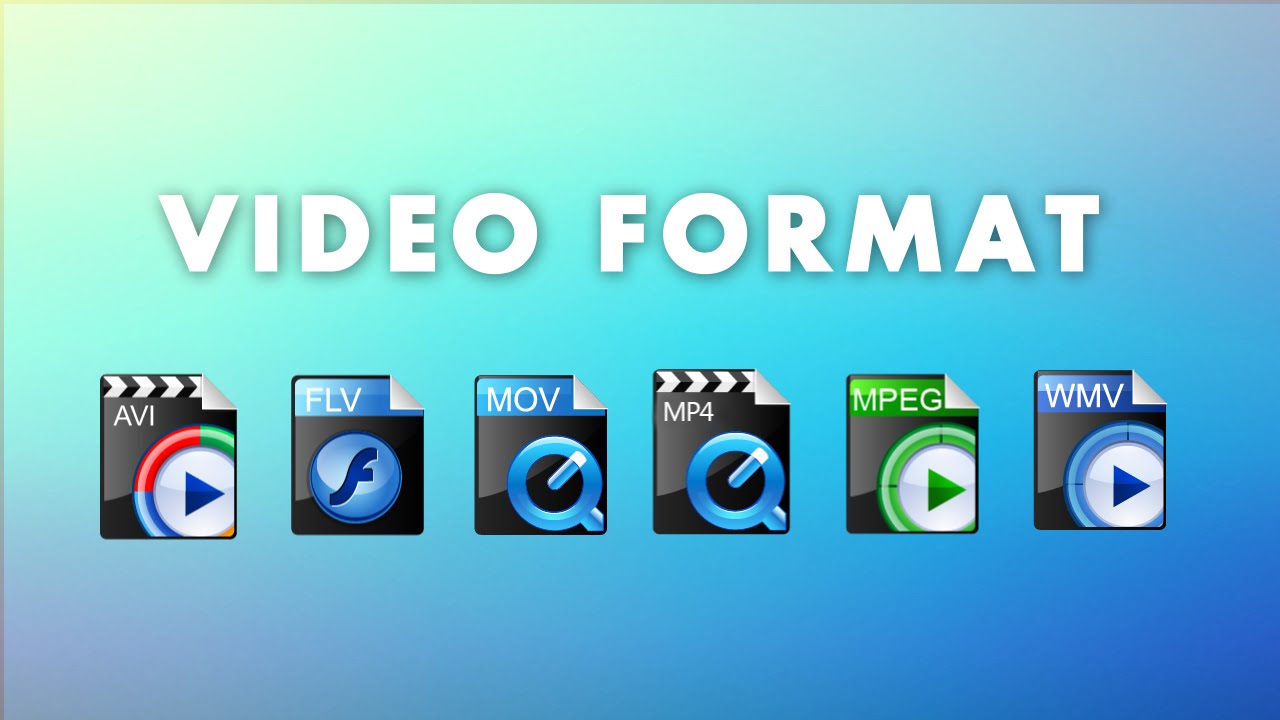
When considering video formats, you’ll often come across terms like MP4, AVI, MKV, MOV, and more. Each format has its strengths and weaknesses. For instance, MP4 is widely used for its compatibility with various devices and excellent compression, making it suitable for online streaming. On the other hand, MOV, developed by Apple, is known for its high-quality playback and is preferred by professionals.
Selecting the Right Resolution
Resolution is a crucial factor in video quality. It determines the number of pixels that make up each frame of your video. A higher resolution generally leads to crisper and more detailed visuals. However, the choice of resolution should align with your target audience and distribution platform. As filmmaker Stanley Kubrick once noted, “If it can be written or thought, it can be filmed.” In the context of video format selection, this means you should have a clear vision of your content’s purpose and how you want it to be perceived.
Common video resolutions include Full HD (1920×1080), Ultra HD (4K, 3840×2160), and even higher resolutions for specialized purposes. If your content is primarily intended for YouTube or social media, Full HD is a practical choice, as it balances quality and file size. However, for cinematic experiences or professional presentations, Ultra HD or even higher resolutions might be preferred to capture every detail.
Choosing the Right Codec
The codec, short for compressor-decompressor, plays a crucial role in video format selection. It determines how the video data is compressed and decompressed during playback. A well-chosen codec can optimize both quality and file size. As director Quentin Tarantino once said, “I didn’t go to film school; I went to films.” Similarly, understanding codecs and their impact can be more valuable than formal education when it comes to video production.
Common video codecs include H.264, H.265 (HEVC), VP9, and AV1. H.264 is widely supported and offers excellent compression, making it a go-to choice for online video. H.265 provides better quality at lower bitrates but may require more processing power. VP9 and AV1 are open-source codecs gaining popularity for their efficiency and quality. The choice of codec should align with your intended distribution platform and audience’s devices.
Final Words
Choosing the right video format is a critical decision in video production. It determines the quality of your content and its compatibility with various devices and platforms. To quote renowned filmmaker George Lucas, “Special effects are just a tool, a means of telling a story.” Similarly, the video format is a tool for conveying your story to the audience. By understanding the basics of video format, resolution, and codec, you can make informed choices that enhance your content’s quality and impact.
In summary, remember that your choice of video format should align with your content’s purpose, target audience, and distribution platform. It’s a powerful tool to create your unique storytelling world and make your videos stand out.
How to choose the right audio format to get the best audio quality
Choosing the right audio format is crucial for achieving the best audio quality. With so many options available, it can be overwhelming to determine which format is ideal for your needs. In this article, we will explore the top secrets and expert tips on how to choose the right audio format that will enhance your listening experience.
1. Understand the Different Audio Formats
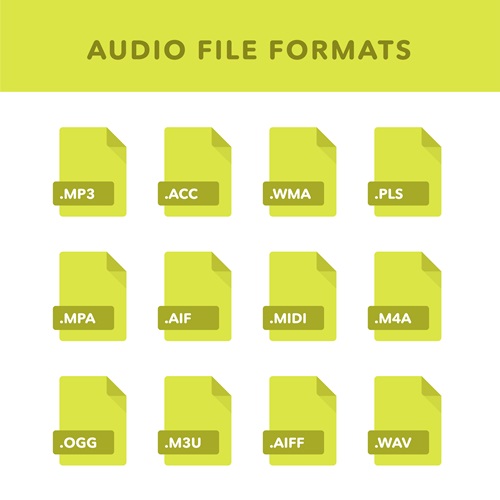
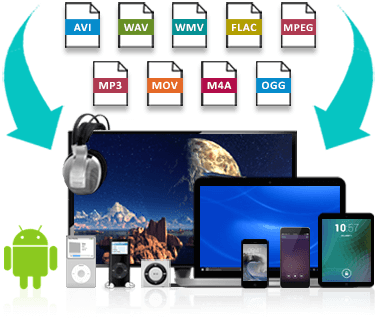
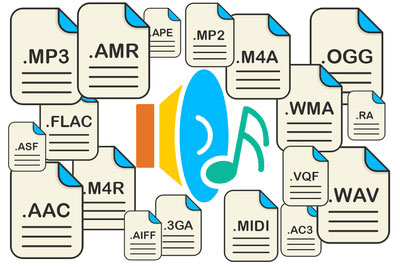
To make an informed decision, it’s essential to understand the various audio formats available. Some popular formats include MP3, FLAC, WAV, AAC, and OGG. Each format has its own advantages and disadvantages, such as file size, compression, and compatibility. By familiarizing yourself with these formats, you can narrow down your options and choose the one that suits your requirements.
Quote: “Music is the universal language of mankind.” – Henry Wadsworth Longfellow
2. Consider Audio Quality and File Size
When selecting an audio format, it’s crucial to strike a balance between audio quality and file size. Lossless formats like FLAC and WAV offer the highest audio quality but result in larger file sizes. On the other hand, lossy formats like MP3 and AAC provide smaller file sizes but sacrifice some audio quality. Assess your priorities and determine whether you prioritize pristine audio quality or a smaller file size that saves storage space.
Quote: “The only truth is music.” – Jack Kerouac
3. Evaluate Device Compatibility
Before settling on an audio format, consider the devices you’ll be using to play the audio files. Not all formats are universally supported across different devices and platforms. For example, if you primarily listen to music on your smartphone, ensure that the chosen format is compatible with your device’s operating system and media player. Compatibility issues can lead to playback problems or the need for additional software or conversions.
Quote: “Without music, life would be a mistake.” – Friedrich Nietzsche
4. Assess Storage and Bandwidth Constraints
Storage space and bandwidth limitations are crucial factors to consider, especially if you plan to store or stream audio files. Lossless formats consume more storage space and require higher bandwidth for streaming, which may not be feasible if you have limited resources. Evaluate your storage capacity and internet connection to determine whether you can accommodate larger file sizes or if you need to prioritize smaller, more compressed formats.
Quote: “Music expresses that which cannot be said and on which it is impossible to be silent.” – Victor Hugo
5. Take into Account Metadata and Tagging
Metadata and tagging play a significant role in organizing and managing your audio library. Some formats support extensive metadata, including album art, track information, and lyrics. If you value a well-organized music collection, consider formats that allow comprehensive tagging. This way, you can easily search, sort, and display relevant information about your audio files.
Quote: “One good thing about music, when it hits you, you feel no pain.” – Bob Marley
6. Consider Future Compatibility
Technology is constantly evolving, and audio formats may become obsolete over time. When choosing an audio format, consider its future compatibility. Look for formats that have stood the test of time and are widely supported across different platforms. Opting for a format with broad compatibility ensures that your audio files will remain accessible and playable in the future.
Quote: “Music is the strongest form of magic.” – Marilyn Manson
7. Seek Expert Recommendations
If you’re still unsure about which audio format to choose, seek recommendations from experts or audio enthusiasts. Online forums, communities, and audio-related websites can provide valuable insights and guidance. Engage in discussions, ask questions, and learn from the experiences of others. Their expertise can help you make an informed decision and discover lesser-known audio formats that might suit your needs.
Quote: “Music is the soundtrack of your life.” – Dick Clark
8. Test and Compare Audio Formats
To truly determine the audio format that provides the best quality for your ears, conduct your own tests and comparisons. Take a sample audio file and convert it into different formats. Listen to each version carefully, paying attention to nuances, clarity, and overall sound quality. By directly comparing the formats, you can make a subjective judgment based on your personal preferences and the audio equipment you use.
Quote: “Music is the art of thinking with sounds.” – Jules Combarieu
9. Consider the Source of Audio Files
The source of your audio files can also influence the choice of format. If you primarily obtain music from online stores or streaming services, they may offer files in specific formats. Consider the compatibility of these formats with your devices and whether they meet your desired audio quality standards. Additionally, if you rip audio from CDs or vinyl records, ensure that the chosen format preserves the original audio fidelity.
Quote: “Music is the greatest communication in the world. Even if people don’t understand the language that you’re singing in, they still know good music when they hear it.” – Lou Rawls
10. Experiment and Trust Your Ears
Ultimately, the choice of audio format is subjective and depends on your personal preferences. Experiment with different formats and trust your ears to guide you. Listen to various genres of music, podcasts, or audiobooks in different formats to determine which one delivers the best audio quality and overall listening experience for you. Remember, the goal is to enjoy the music or audio content in a format that resonates with you.
Quote: “Music is the wine that fills the cup of silence.” – Robert Fripp
Final Words
Choosing the right audio format is a crucial step in ensuring an immersive and high-quality audio experience. By understanding the different formats, considering audio quality and file size, evaluating device compatibility, and taking other factors into account, you can make an informed decision. Remember to experiment, seek expert recommendations, and trust your ears to find the audio format that best suits your needs and preferences.
Bitrate is a crucial factor when it comes to audio quality. It refers to the amount of data processed per unit of time in an audio file.
Audio Quality
Audio quality is directly influenced by the bitrate of an audio file. Higher bitrates result in better sound reproduction and a more accurate representation of the original sound.
Sound Reproduction
The level of detail and accuracy in sound reproduction is determined by the bitrate of an audio file. A higher bitrate allows for more information to be captured and preserved, resulting in a clearer and more immersive listening experience.
Data Compression
Bitrate and data compression go hand in hand. Lower bitrates often involve more aggressive compression techniques, which can lead to a loss of audio data and a reduction in audio quality.
File Size
The bitrate of an audio file directly affects its file size. Higher bitrates require more data to be stored, resulting in larger file sizes. It’s important to strike a balance between audio quality and file size, especially when considering storage limitations or bandwidth constraints.
Streaming Services
Streaming services rely on efficient compression techniques to deliver audio files over the internet. Bitrate plays a crucial role in determining the streaming quality. Higher bitrates result in better audio fidelity but require more bandwidth.
Internet Bandwidth
The choice of bitrate for streaming or downloading audio files depends on the available internet bandwidth. Higher bitrates require more bandwidth to ensure a smooth streaming experience without interruptions or buffering.
Audio Formats
Different audio formats support varying levels of bitrate and, consequently, audio quality. Lossless formats like FLAC and WAV offer the highest audio fidelity as they preserve all the original data. Lossy formats like MP3 and AAC sacrifice some audio data to reduce file size.
Lossless
Lossless audio formats preserve all the original data, resulting in the highest audio fidelity. They are ideal for audiophiles and professionals who require the utmost accuracy in sound reproduction.
Lossy
Lossy audio formats use compression algorithms to reduce file size by sacrificing some audio data. They offer a good balance between audio quality and file size, making them suitable for everyday listening and storage purposes.
Listening Environment
The listening environment can significantly impact the perception of audio quality. Factors such as background noise, acoustics, and speaker quality can affect our ability to discern subtle differences in bitrate.
Background Noise
In a noisy environment, a lower bitrate may be sufficient as the background noise masks some of the audio details. However, in a quiet and controlled environment, a higher bitrate becomes more noticeable, providing a more immersive and enjoyable listening experience.
Acoustics
The acoustics of a room or space can influence the way audio is perceived. Proper acoustic treatment can enhance the overall audio quality, allowing for better sound reproduction and minimizing unwanted reflections or distortions.
Speaker Quality
The quality of speakers or headphones used for audio playback also plays a significant role in the overall audio experience. Higher quality speakers can better reproduce the nuances and details captured in high-bitrate audio files.
Music
Bitrate is particularly important when it comes to music. Higher bitrates allow for a more accurate representation of the original recording, resulting in a richer and more immersive musical experience.
Podcasts
Podcasts, like music, can greatly benefit from higher bitrates. Clearer and more detailed audio reproduction enhances the listening experience, making it easier to follow conversations and understand the content being discussed.
Audio Content
Whether it’s music, podcasts, audiobooks, or other forms of audio content, bitrate plays a crucial role in delivering a high-quality listening experience. Choosing the right bitrate ensures that the audio is faithfully reproduced and enjoyed to its fullest potential.
Audio bit depth refers to the number of bits used to represent the amplitude of an audio signal at each sample point. In simpler terms, it determines the dynamic range of digital audio. A higher bit depth allows for a more detailed representation of sound, capturing subtle nuances and minimizing quantization noise.
Imagine bit depth as a measurement of how finely audio is divided into individual steps. For instance, a 16-bit audio recording has 65,536 possible amplitude levels, while a 24-bit recording offers a staggering 16,777,216 levels. This increased granularity results in smoother, more accurate sound reproduction.
Understanding Bit Depth in Audio
To grasp the significance of bit depth, consider it as the shades of color in a painting. A higher bit depth provides a broader palette of colors, allowing for a more accurate depiction of the original image. Similarly, in audio, a greater bit depth captures a wider range of volume levels, preserving the subtleties of a musical performance or the nuances of a voice.
In practical terms, when you listen to music or a podcast, a higher bit depth ensures that you can hear the softest whispers and the loudest drum hits without distortion or loss of detail. It’s like having a more precise lens to view the sonic landscape.
Audio Resolution and Bit Depth
Bit depth and audio resolution are closely linked. Audio resolution refers to the level of detail and accuracy in an audio recording. Bit depth plays a pivotal role in determining this resolution. Think of it as the difference between watching a video in standard definition versus high definition. A higher bit depth offers a more lifelike and faithful representation of sound.
When recording or listening to music, you’ll often encounter terms like “16-bit” or “24-bit.” These numbers indicate the bit depth of the audio, with 24-bit audio being the gold standard for high-quality recordings. It’s akin to having a sharper, more detailed image in photography.
Now, let’s explore more facets of bit depth in audio.
Importance of Bit Depth in Sound
Bit depth is paramount in the world of sound because it directly impacts audio fidelity and the ability to reproduce music or voice accurately. It ensures that every subtle nuance, from the softest piano notes to the powerful guitar riffs, is faithfully captured and played back with precision.
Consider this: when recording a classical piano performance, the pianist’s delicate touch on the keys is as vital as the thunderous crescendos. A higher bit depth preserves the intricate dynamics, making you feel as if you are sitting in the concert hall, immersed in the music.
Bit depth is the foundation of audio quality, and understanding its role can help you appreciate the importance of using higher bit depths in audio production and playback.
How Bit Depth Affects Audio Quality
The impact of bit depth on audio quality is akin to the role of paint quality in a masterpiece. Just as a skilled artist requires high-quality pigments for a vivid painting, audio engineers rely on a greater bit depth for lifelike and rich audio recordings.
A lower bit depth might result in noticeable “stepping” or quantization noise, especially in quiet passages of a recording. This noise can be distracting and diminish the overall listening experience. On the other hand, a higher bit depth provides a smooth, natural curve to the audio waveform, minimizing these artifacts and delivering pristine sound.
Consider your favorite music track—the artist’s emotions, the resonance of instruments, and the atmosphere of the recording venue. All these subtleties are better preserved and conveyed through higher bit depth, elevating your listening experience to a new level.
Bit Depth in Digital Audio
In the digital realm, bit depth plays a pivotal role in the accuracy of audio representation. Think of it as pixels in a high-resolution photograph; more pixels mean finer details. Similarly, a higher bit depth translates to a more accurate depiction of sound.
In applications like digital audio workstations (DAWs) and music players, you often have the option to choose between different bit depths for your audio projects. Opting for a higher bit depth can lead to more professional-sounding results, particularly in the realms of music production, film scoring, and sound design.
Bit Depth vs. Sample Rate
While bit depth and sample rate are both critical aspects of digital audio, they serve different purposes. Bit depth determines the accuracy of amplitude representation, while sample rate governs how often the audio waveform is sampled per second.
Picture bit depth as the color depth in a photograph and sample rate as the frames per second in a video. A higher bit depth allows for greater tonal accuracy, while a higher sample rate captures more audio snapshots per second, preserving high-frequency content.
In many scenarios, a balanced approach between bit depth and sample rate is essential to achieve optimal audio quality. The synergy between these two factors ensures that audio recordings faithfully capture the richness and subtleties of the original source.
Bit Depth in Music Production
For music producers, bit depth is a critical consideration when working on audio projects. It influences the quality of sound recordings and the ability to manipulate audio during the production process.
When mixing and mastering music, a higher bit depth provides ample headroom for processing audio without introducing artifacts or degrading quality. This allows producers to apply effects, equalization, and compression with greater precision.
Additionally, when releasing music, opting for a higher bit depth ensures that your audience experiences the full depth and nuance of your compositions, whether they’re listening through high-end headphones or a powerful sound system.
16-Bit vs. 24-Bit Audio
The choice between 16-bit and 24-bit audio often arises when considering audio quality and storage requirements. A 16-bit audio file occupies less space compared to a 24-bit file, but it also has limitations in capturing subtle audio details.
16-bit audio is akin to a compact camera with limited resolution, suitable for casual snapshots. In contrast, 24-bit audio offers the quality of a professional DSLR camera, capturing a broader dynamic range and preserving the finer nuances of sound.
When deciding between the two, it’s essential to consider the specific use case. For audiophiles, professional audio production, and high-end sound systems, 24-bit audio is the preferred choice for its ability to deliver an immersive and faithful listening experience.
Bit Depth for Audio Recording
In the realm of audio recording, selecting the appropriate bit depth is a pivotal decision. It directly affects the quality and flexibility of the recorded material, whether you’re tracking vocals, instruments, or ambient sounds.
Recording at a higher bit depth, such as 24-bit, provides audio engineers with a safety net during the recording process. It allows them to capture a wide dynamic range without the risk of clipping or distortion. This is particularly valuable when dealing with unpredictable elements in live recordings or capturing the subtleties of acoustic instruments.
In essence, bit depth choice during audio recording is like choosing the canvas size for a painting. A larger canvas provides more room for creativity and detail, and a higher bit depth offers greater sonic canvas for audio professionals.
Final Words
In the realm of audio, bit depth serves as the bedrock of quality and fidelity. It determines how faithfully sound is captured, preserved, and reproduced. Understanding the importance of bit depth allows you to appreciate the nuances in your favorite music, the clarity in podcasts, and the immersive soundscapes in movies.
Whether you’re an aspiring musician, an audio engineer, or simply a passionate listener, recognizing the role of bit depth in audio enriches your experience. It’s the difference between seeing the world in black and white and experiencing it in full color.
So, the next time you enjoy your favorite song or immerse yourself in a cinematic adventure, remember that bit depth is the silent hero behind the scenes, ensuring that every sonic detail reaches your ears with precision and clarity.
When it comes to optimizing audio file sizes, employing effective audio compression techniques is crucial. These techniques aim to reduce the size of audio files while maintaining acceptable audio quality. Here are some key audio compression methods:
Lossless Compression: Lossless compression algorithms, such as FLAC (Free Lossless Audio Codec), reduce file sizes without compromising audio quality. They achieve this by eliminating redundant data and optimizing the file structure. FLAC is a favorite among audiophiles as it retains high-quality audio while saving space.
Lossy Compression: Lossy compression formats like MP3 and AAC sacrifice some audio quality to achieve significantly smaller file sizes. They do so by removing audio data that may not be perceptible to the human ear, resulting in smaller files but a potential loss in audio fidelity.
Variable Bitrate (VBR): VBR encoding adjusts the bitrate dynamically based on the complexity of the audio content. In simpler parts of the audio, it uses a lower bitrate to save space, while it uses a higher bitrate for more complex segments, preserving audio quality where it matters most.
Reducing audio file size
Reducing the size of audio files can be essential for various reasons, such as conserving storage space or improving the efficiency of data transmission. Here are some strategies to effectively reduce audio file sizes:
Bitrate Adjustment: Lowering the bitrate of an audio file decreases its size but can lead to a noticeable loss in audio quality. Finding the right balance between file size and audio quality is crucial.
Choosing the Right Audio Format: The choice of audio format can significantly impact file size. Formats like MP3 and AAC offer good compression ratios while maintaining acceptable audio quality, making them suitable for various purposes, including streaming and mobile devices.
Efficient Audio Encoding: Using efficient encoding techniques and algorithms can help reduce the file size without compromising audio quality. Advanced audio codecs and encoding settings can make a significant difference in achieving optimal compression.
Minimizing audio file size
Minimizing audio file size is essential for optimizing storage and ensuring smooth audio streaming. Here are some additional tips to achieve this:
Removing Unnecessary Data: Eliminating metadata and unused audio tracks can trim down the file size without affecting the core audio content. This is particularly useful for audio files with extensive metadata.
Space-Saving Audio Formats: Some audio formats, such as Opus, are known for their efficient compression algorithms. Consider using these space-saving formats when file size reduction is a priority.
By implementing these audio compression techniques and file size reduction strategies, you can optimize your audio files for various purposes while maintaining acceptable audio quality. Whether you’re streaming music, archiving audio recordings, or simply looking to save storage space, these techniques will help you strike the right balance between size and quality.
Final Words
Optimizing audio file sizes is a valuable skill in today’s digital age. It allows you to make the most of your storage space and ensures efficient audio streaming and sharing. Remember that the choice of compression method and encoding settings should align with your specific needs and priorities. Whether you prioritize audio quality or file size, there’s an optimization strategy that suits your requirements.