When it comes to audio quality, dynamic range is a crucial aspect often overlooked. Dynamic range refers to the difference between the quietest and loudest sounds in an audio track. Understanding dynamic range adaptation in MP4 audio tracks is essential for ensuring optimal listening experiences across various devices and environments. As a specialist in audio engineering with years of experience, I’ve delved deep into the intricacies of dynamic range adaptation to provide you with comprehensive insights.
The Importance of Dynamic Range
Dynamic range plays a pivotal role in preserving the integrity of audio recordings. Imagine listening to your favorite song where the soft whispers of a singer are followed by a powerful crescendo of instruments. The dynamic range captures the nuances of such performances, allowing listeners to experience the full emotional impact intended by the artist. However, inadequate dynamic range can lead to loss of detail and fidelity, resulting in a flat and uninspiring audio reproduction.
Challenges in Dynamic Range Adaptation
Adapting dynamic range becomes particularly challenging in MP4 audio tracks due to the diverse range of playback devices and listening environments. For instance, a track mastered with a wide dynamic range may sound pristine in a quiet room but become barely audible in a noisy environment without proper adaptation. Conversely, compressing dynamic range excessively can result in a loss of audio quality, making it sound unnatural and fatiguing to the ears.
The Role of Codecs and Compression
In the realm of digital audio, codecs play a crucial role in encoding and decoding audio data. MP4, short for MPEG-4 Part 14, is a widely used multimedia container format that supports various audio codecs such as AAC (Advanced Audio Coding) and MP3 (MPEG Audio Layer III). These codecs employ compression algorithms to reduce file size while preserving audio quality. However, excessive compression can adversely affect dynamic range, necessitating adaptive techniques to maintain an optimal balance between compression and fidelity.
Understanding Dynamic Range Compression
Dynamic range compression is a fundamental technique used in audio processing to reduce the dynamic range of an audio signal. While traditional compression aims to even out the volume levels, adaptive compression techniques employed in MP4 audio tracks dynamically adjust the compression based on the characteristics of the audio content and the playback environment.
Multi-Band Compression
One of the most sophisticated approaches to dynamic range adaptation is multi-band compression. Unlike conventional compressors that treat the entire audio spectrum as a single entity, multi-band compressors divide the audio signal into multiple frequency bands, allowing independent compression for each band. This granular control enables more precise shaping of the dynamic range, ensuring optimal balance between clarity and loudness across different frequency ranges.
Peak Normalization
Peak normalization is another common technique used to adjust the dynamic range of audio tracks. In peak normalization, the highest peak of the audio signal is analyzed, and the entire track is amplified or attenuated to ensure that the peak amplitude reaches a predetermined level. While peak normalization can help standardize audio levels, it may not address the dynamic range adaptation requirements inherent in varying playback scenarios.
Dynamic Range Metadata
To address the challenges of dynamic range adaptation in MP4 audio tracks, metadata solutions have been proposed to embed dynamic range information directly into the audio file. By encoding metadata such as peak levels, RMS (Root Mean Square) levels, and loudness metadata according to standardized formats like ITU-R BS.1770, playback devices can dynamically adjust the audio output to suit the listening environment while preserving the intended dynamic range of the content.
Enhancing Dynamic Range Adaptation for Optimal Listening
As technology evolves, the quest for optimal dynamic range adaptation in MP4 audio tracks continues. By combining advanced signal processing algorithms, machine learning techniques, and perceptual audio coding principles, audio engineers strive to deliver immersive listening experiences that transcend the limitations of playback devices and environments.
Psychoacoustic Modeling
Psychoacoustic modeling leverages our understanding of human auditory perception to inform dynamic range adaptation algorithms. By considering factors such as auditory masking, frequency sensitivity, and temporal integration, psychoacoustic models can optimize dynamic range compression to maximize perceived audio quality while minimizing artifacts and distortion.
Adaptive Bit Allocation
Adaptive bit allocation techniques allocate more bits to critical audio components while reducing bit allocation for less audible components, thereby optimizing dynamic range adaptation without compromising audio quality. By dynamically adjusting the bit allocation based on the audio content and perceptual importance, adaptive bit allocation algorithms can achieve efficient utilization of available bandwidth while preserving the integrity of the audio signal.
Room Equalization and Environmental Mapping
Room equalization and environmental mapping techniques analyze the acoustic characteristics of the playback environment and adjust dynamic range adaptation parameters accordingly. By incorporating environmental factors such as ambient noise levels, reverberation, and speaker configuration, these techniques ensure that the audio playback is optimized for the specific listening environment, whether it’s a quiet living room or a bustling outdoor setting.
Latest words on Dynamic Range Adaptation
Dynamic range adaptation in MP4 audio tracks is a multifaceted domain that continues to evolve with advancements in audio technology and signal processing algorithms. As a specialist in the field, I’ve witnessed firsthand the transformative impact of dynamic range adaptation on audio quality and listener experience. By leveraging innovative approaches such as multi-band compression, dynamic range metadata, and psychoacoustic modeling, audio engineers can push the boundaries of audio fidelity and deliver immersive listening experiences that captivate audiences worldwide.
Comments:
Wow, I never knew there was so much complexity behind audio quality! This article really opened my eyes to the world of dynamic range adaptation. Thanks for the informative read!
I’ve been struggling with inconsistent audio levels in my MP4 files, but after reading this article, I feel more equipped to tackle the issue. Great insights!
As an aspiring audio engineer, I found this article incredibly insightful. The explanations were clear, and the examples helped solidify my understanding of dynamic range adaptation.
It’s refreshing to see an article that goes beyond the basics and dives deep into the technical aspects of audio processing. Kudos to the author for delivering such valuable content!
This article provided a comprehensive overview of dynamic range adaptation, covering everything from compression techniques to metadata embedding. I’ll definitely be referring back to it for future reference.
Dynamic range adaptation is such a crucial aspect of audio production, yet it’s often overlooked. This article sheds light on its importance and offers practical insights for optimizing audio quality.
As a music enthusiast, I appreciate articles that delve into the technical aspects of audio engineering. This article did not disappoint—it’s informative, well-written, and easy to understand.
As a specialist with extensive experience in audio preservation, I understand the critical importance of WAV file standardization. When it comes to preserving audio, particularly in industries like music, film, and academia, WAV files stand out as a gold standard. They offer unparalleled quality and fidelity, making them ideal for archival purposes. However, ensuring the standardization of WAV files is crucial to maintain consistency and compatibility across different systems and platforms. In this comprehensive guide, I will delve into the intricacies of WAV file standardization, exploring its significance, challenges, and best practices.
The significance of WAV files in audio preservation
WAV (Waveform Audio File Format) files hold a paramount position in audio preservation due to their uncompressed nature, which preserves the original audio data without any loss in quality. Unlike lossy formats such as MP3, which sacrifice some audio data for smaller file sizes, WAV files retain every bit of audio information, making them indispensable for archival purposes. Imagine a WAV file as a pristine copy of an original document, while compressed formats are akin to photocopies with some details lost in the duplication process.
In the realm of music, where fidelity is paramount, WAV files serve as the preferred format for storing master recordings, ensuring that the essence of the music remains intact for future generations. Similarly, in fields like film restoration and academic research, where accuracy and authenticity are paramount, WAV files provide a reliable means of preserving audio recordings in their purest form.
While WAV files offer unparalleled audio quality, ensuring standardization across different platforms and systems poses significant challenges. One of the primary issues stems from the lack of strict guidelines or regulations governing WAV file creation and usage. Unlike standardized formats like JPEG for images or PDF for documents, WAV files lack a universally accepted set of specifications, leading to inconsistencies in encoding parameters, metadata, and header information.
Furthermore, the absence of a centralized authority or governing body overseeing WAV file standardization exacerbates the problem. Without clear directives or industry-wide standards, organizations and individuals may employ varying encoding settings, leading to compatibility issues and interoperability challenges. For instance, a WAV file created using one software may exhibit different characteristics compared to a file generated by another application, hindering seamless playback or editing across different platforms.
Navigating interoperability challenges
Varying encoding parameters
Inconsistent metadata and header information
Compatibility issues across platforms
Interoperability challenges in editing and playback
Best practices for WAV file standardization
Despite the challenges posed by WAV file standardization, several best practices can help mitigate potential issues and ensure consistency across audio preservation efforts. Firstly, adhering to established guidelines and recommendations, such as those outlined by the European Broadcasting Union (EBU) or the Audio Engineering Society (AES), can provide a framework for creating standardized WAV files.
Additionally, documenting the encoding parameters and metadata associated with each WAV file is crucial for maintaining transparency and facilitating future access and retrieval. By including detailed information about sampling rate, bit depth, channel configuration, and other relevant parameters, organizations can streamline archival processes and ensure compatibility with future playback and editing tools.
Moreover, leveraging open-source or widely adopted software for WAV file creation and manipulation can enhance interoperability and reduce the risk of format incompatibility. Platforms like Audacity, Adobe Audition, and Reaper offer robust tools for working with WAV files while adhering to industry standards and best practices.
Ensuring consistency and transparency
Adhering to established guidelines
Documenting encoding parameters and metadata
Leveraging open-source software for creation and manipulation
Regular auditing and validation of WAV files
Latest words on WAV file standardization
In conclusion, WAV file standardization plays a pivotal role in audio preservation, ensuring the fidelity and integrity of audio recordings for future generations. By understanding the significance of WAV files, navigating interoperability challenges, and adopting best practices, organizations and individuals can contribute to the preservation of our cultural heritage and artistic legacy. As a specialist in audio preservation, I encourage stakeholders to prioritize standardization efforts and embrace the timeless appeal of WAV files in safeguarding our audio heritage.
Comments:
Wow, this article really opened my eyes to the importance of WAV file standardization! I’ve been working with audio files for years, but I never realized the significance of ensuring consistency across different platforms. Definitely going to implement these best practices in my work. Thanks for the informative read!
– Audiophile123
I appreciate the depth of information provided in this article. However, I would love to see more discussion on the specific challenges faced by smaller organizations or independent creators in adhering to WAV file standardization. Overall, great job!
– IndieSoundEngineer
As someone who works in the film industry, I can attest to the importance of WAV files in preserving audio quality. This article offers valuable insights into the best practices for standardization, which are crucial for ensuring seamless collaboration and archival integrity. Kudos to the author!
– FilmBuff89
This article provides a comprehensive overview of WAV file standardization, covering everything from its significance to the challenges and best practices. However, I wish there was more discussion on emerging technologies or trends impacting WAV file preservation. Nonetheless, a solid read!
– TechEnthusiast22
Thank you for shedding light on WAV file standardization. I’ve always been passionate about audio preservation, and this article deepened my understanding of the subject. The inclusion of real-life examples and practical tips makes it highly informative and accessible. Well done!
– MusicArchivist
This article is a valuable resource for anyone involved in audio preservation or digital archiving. The author’s expertise shines through in every paragraph, offering actionable insights and recommendations for ensuring the standardization of WAV files. Highly recommended!
– DigitalCurator
Great article! I’ve been struggling with WAV file compatibility issues for a while now, and this guide provided much-needed clarity on best practices for standardization. The bulleted lists make it easy to digest, and the real-life examples resonate with my experiences. Thank you!
– SoundTechPro
As a newcomer to audio preservation, I found this article incredibly informative and insightful. The explanations are clear, and the practical tips are invaluable for someone like me who’s just getting started in the field. Looking forward to implementing these best practices!
– AudioNovice
This article addresses a topic that’s often overlooked but immensely important in the realm of digital preservation. The author’s expertise shines through, offering a nuanced understanding of WAV file standardization and its implications for archival integrity. A must-read for anyone involved in audio preservation!
– Preservationist101
Excellent article! The author’s deep knowledge of audio preservation is evident throughout, providing valuable insights into the significance of WAV file standardization. The practical tips and best practices offered here are essential for anyone working with audio archives or digital assets. Well done!
– ArchiveEnthusiast
This article offers a comprehensive overview of WAV file standardization, covering its importance, challenges, and best practices in detail. However, I would love to see more discussion on the evolving role of artificial intelligence or machine learning in audio preservation. Nonetheless, a highly informative read!
– AIResearcher23
Wow, what a thorough exploration of WAV file standardization! As someone who’s passionate about audio quality, I found this article incredibly insightful and illuminating. The real-life examples and practical recommendations make it easy to understand, even for those new to the topic. Kudos to the author!
– AudioEnthusiast456
Thank you for this informative article on WAV file standardization! As a digital archivist, I often grapple with issues related to audio preservation, and this guide provided valuable insights into best practices for ensuring compatibility and integrity. I’ll definitely be sharing this with my colleagues!
– ArchivistPro
Great article! I’ve been searching for resources on WAV file standardization, and this guide exceeded my expectations. The author’s expertise shines through in every paragraph, offering practical tips and recommendations for ensuring the fidelity and compatibility of audio recordings. Highly recommended!
Unlocking the Mysteries of M4A Channel Configuration
In this comprehensive guide, we delve deep into the intricacies of M4A channel configuration, providing invaluable insights into its importance, optimization techniques, and practical applications. Let’s unravel the mysteries together and unlock the full potential of M4A audio files.
Understanding M4A Channels
Embark on a journey to understand the fundamentals of M4A channel configuration. From mono to stereo and beyond, explore how channels influence audio perception and playback experience. Discover the significance of channel mapping and its impact on audio spatialization.
Exploring Mono vs. Stereo
Delve into the differences between mono and stereo configurations, uncovering their unique characteristics and suitability for various audio scenarios. Learn how mono channels consolidate audio signals, while stereo channels create immersive soundscapes.
Definition and characteristics of mono and stereo channels
Advantages and limitations of mono and stereo configurations
Real-life examples illustrating the use of mono and stereo channels
Optimizing Surround Sound Configurations
Take your audio experience to the next level with surround sound configurations. Explore the intricacies of multi-channel setups, including 5.1 and 7.1 surround sound, and their applications in home theaters, gaming, and immersive audio experiences.
Overview of surround sound configurations
Installation and setup tips for optimal surround sound performance
Real-world examples showcasing the immersive capabilities of surround sound
Practical Applications of M4A Channel Configuration
Uncover the practical implications of M4A channel configuration across various industries and domains. From music production to multimedia entertainment, explore how channel mapping influences audio quality, compatibility, and user experience.
Enhancing Audio Production Workflows
Gain insights into how M4A channel configuration enhances audio production workflows. Discover how audio engineers leverage channel mapping to achieve spatial depth, clarity, and realism in their recordings.
Best practices for channel configuration in music production
Tools and techniques for efficient channel mapping
Case studies highlighting successful audio production projects
Delivering Immersive Multimedia Experiences
Explore the role of M4A channel configuration in delivering immersive multimedia experiences. From cinematic soundtracks to virtual reality applications, understand how optimized channel mapping enhances audio immersion and engagement.
Integration of M4A channel configuration in multimedia content creation
Impact of channel mapping on user engagement and satisfaction
Case studies demonstrating the effectiveness of immersive audio experiences
Latest Words on M4A Channel Configuration
In conclusion, M4A channel configuration is a critical aspect of audio engineering and multimedia content creation. By understanding its nuances and optimizing channel mapping techniques, professionals can elevate audio quality and deliver immersive experiences across various platforms and industries.
Comments:
This article provided invaluable insights into M4A channel configuration, shedding light on its importance and practical applications. I’m excited to apply these techniques to my audio projects!
– AudioEnthusiast123
As someone new to audio production, I found this guide to be incredibly informative and easy to understand. The explanations were clear, and the examples helped clarify complex concepts. Thank you!
– MusicNovice456
I appreciated the focus on practical applications and real-world examples throughout the article. It made the information more relatable and actionable. Looking forward to more content like this!
– SoundPro789
While the article provided a good overview, I wish it had delved deeper into specific audio editing software and techniques for optimizing channel configuration. Overall, a helpful resource!
Impact of Bit Depth in WAV FilesImpact of Bit Depth in WAV Files
Let’s talk about Bit Depth
Impact of Bit Depth in WAV Files
As a seasoned specialist in audio technology, I’m here to unravel the complexities of Bit Depth in WAV files. Imagine the Bit Depth as the palette of colors available to an artist. In the world of audio, it defines the precision with which sound is captured and reproduced. Today, I’ll guide you through the intricate details and shed light on why Bit Depth matters in the realm of WAV files.
Decoding the Basics: What is Bit Depth?
Let’s kick things off by demystifying the term “Bit Depth.” Picture it as the resolution of a photograph. Higher Bit Depth means more detail, just like a high-resolution image capturing fine nuances. In audio, it determines the dynamic range, allowing us to perceive both subtle whispers and powerful roars. Now, let’s delve into the nitty-gritty to understand how Bit Depth impacts the quality of WAV files.
Resolution analogy: photograph vs. audio
Dynamic range and perception
The Impact of Bit Depth on Audio Quality
Imagine a painting where every brushstroke is captured with precision. Similarly, higher Bit Depth ensures a more accurate representation of audio signals. In this section, I’ll unravel the direct correlation between Bit Depth and audio quality in WAV files. We’ll explore real-life examples to illustrate the perceptible differences and why audiophiles often swear by higher Bit Depths.
Brushstroke analogy: precision in audio signals
Perceptible differences in audio quality
Audiophile preferences
Unveiling the Bit Depths: 16-bit vs. 24-bit
Let’s dive deeper into the two most common Bit Depths for WAV files – 16-bit and 24-bit. Picture it as choosing between a regular and an HD version of a video. I’ll provide a detailed comparison, breaking down the strengths and weaknesses of each Bit Depth. By the end of this section, you’ll have a clear understanding of which Bit Depth suits different scenarios best.
Comparison to video quality choices
Detailed breakdown of 16-bit vs. 24-bit
Best use cases for each Bit Depth
The Technical Landscape: Bit Depth in Audio Production
Now, let’s shift our focus to the professional realm of audio production. Imagine Bit Depth as the precision tools in a surgeon’s hands. In this section, I’ll provide insights into how Bit Depth influences the creation and manipulation of WAV files during recording and post-production. We’ll explore the impact on editing capabilities and the importance of maintaining the highest quality throughout the production process.
Precision tools analogy: surgeon vs. audio production
Impact on recording and post-production
Editing capabilities and considerations
Latest Words on Bit Depth
In concluding our journey into the intricate world of Bit Depth in WAV files, I want to emphasize its fundamental role in shaping our audio experiences. Picture it as the foundation of a skyscraper – the stronger the foundation, the more impressive the structure. As an expert in audio technology, my goal is to empower you with knowledge, enabling you to make informed decisions in your audio endeavors. Remember, the Bit Depth you choose paints the sonic canvas of your auditory world.
Comments:
This article blew my mind! Finally, a clear explanation of Bit Depth. Can’t wait to apply this to my music production. 🎶
Great breakdown! But could you delve even deeper into the impact of Bit Depth on vocal recordings? I’m hungry for more details!
Bit Depth, the unsung hero of audio quality. Thanks for bringing it into the spotlight. Who knew it could make such a difference?
As a podcast producer, this article was a game-changer. It clarified so many doubts. Kudos to the expert behind this!
Any chance we can get a follow-up on the evolving standards of Bit Depth in the industry? Excited to stay updated!
This article made me appreciate the nuances of audio quality. Bit Depth is like the secret sauce for a perfect sound recipe.
Expert-level breakdown without the jargon. This is the kind of content we need more of. Cheers!
Bit Depth 101! Finally, a resource that explains it without making my head spin. Time to share this gem!
Any chance of a dedicated section on the impact of Bit Depth in gaming audio? It’s a crucial aspect for gamers like me!
After reading this, I can’t imagine compromising on Bit Depth anymore. It’s the key to unlocking true audio fidelity!
Who knew Bit Depth had such a profound impact? This article opened my eyes to the science behind audio quality. Well done!
Bit Depth is like the superhero of audio. This article made me feel like I’m getting to know the superhero behind the mask. Awesome stuff!
Such a comprehensive guide! Now, I’m curious about the impact of Bit Depth on live concert recordings. Anyone else wondering?
As a specialist with extensive experience in audio encoding, I’m here to provide you with a comprehensive guide to OGG encoding. If you’re curious about OGG, what it entails, and why it’s a game-changer in the digital audio world, you’ve come to the right place. Let’s dive into the world of OGG encoding and demystify its key aspects.
Demystifying OGG
What is OGG?
OGG is an open and free multimedia container format that encapsulates audio, video, and other data. In the context of audio, OGG usually refers to audio files that use the Ogg Vorbis audio codec. This format is renowned for its high audio quality and efficient compression, making it a go-to choice for many audio enthusiasts.
A Brief History
The OGG format emerged as an open alternative to proprietary audio formats. Ogg Vorbis, the codec often associated with OGG files, was developed to deliver superior audio quality while maintaining a compact file size.
The Significance of OGG Encoding
Diverse Use Cases
OGG encoding finds applications in a wide range of scenarios. Whether you’re a music lover, a gamer, a content creator, or a developer, OGG files can enhance your audio experience. They’re commonly used for music, sound effects in video games, and online streaming.
Benefits Over Other Audio Formats
OGG’s claim to fame lies in its ability to deliver excellent audio quality at smaller file sizes. It competes favorably with other formats, such as MP3, FLAC, and WAV, offering a sweet spot between quality and compression.
In the following sections, we’ll explore how OGG compares to other audio formats, the OGG encoding process, advanced techniques, and compatibility with various platforms.
OGG vs. Other Audio Formats
OGG isn’t the only audio format available, and it’s essential to understand how it stacks up against the competition.
OGG vs. MP3
Compression Techniques and Audio Quality
OGG Vorbis and MP3 both use lossy compression techniques. However, OGG Vorbis is known for producing better audio quality at lower bitrates compared to MP3. This means that with OGG, you can achieve higher audio fidelity with smaller file sizes.
Storage Space Comparison
While OGG files may be slightly larger than MP3 files at the same bitrate, the difference in file size is generally negligible. This makes OGG a great choice for those who prioritize audio quality over small file sizes.
OGG vs. FLAC
Lossy vs. Lossless Compression
OGG Vorbis, like MP3, uses lossy compression, which sacrifices some audio data for smaller file sizes. In contrast, FLAC (Free Lossless Audio Codec) employs lossless compression, preserving every detail of the original audio.
Practical Scenarios for Each Format
FLAC is ideal when you need to preserve every nuance of audio quality, making it suitable for professional audio production. OGG, on the other hand, is a versatile choice for everyday listening and various multimedia applications where file size is a concern.
OGG vs. WAV
Balancing Audio Fidelity and File Size
WAV (Waveform Audio File Format) is an uncompressed, lossless format that retains all audio data. OGG, with its lossy compression, achieves a compromise between audio quality and file size.
Use Cases and Real-Life Examples
WAV is perfect for studio recordings and archiving audio in its purest form. OGG, with its small file sizes and excellent quality, suits online streaming, portable devices, and scenarios where storage is limited.
In the next section, we’ll delve into the OGG encoding process, guiding you through selecting the right codec, essential tools and software, customizing settings, and batch encoding for efficiency.
OGG Encoding Process
When it comes to OGG encoding, the process involves several critical decisions that affect audio quality and file size. As an expert in audio encoding, I’ll walk you through the steps of encoding your audio files into OGG format.
Selecting the Right Codec
Vorbis vs. Opus
OGG encoding typically revolves around the Vorbis codec, known for its balance between quality and compression. Opus, another codec, is favored for its low-latency performance and excellent voice quality. Your choice depends on your specific needs, such as music or real-time voice communication.
Making Informed Choices
Choosing the right codec is crucial because it impacts the overall audio quality and compatibility of your OGG files. To make an informed decision, you need to consider factors like the content type and your target audience.
Essential Encoding Tools and Software
Encoders, Decoders, and Their Functions
Numerous encoding tools and software are available to facilitate OGG encoding. Popular choices include Xiph.Org’s official encoder, OggEnc, and graphical front-ends like Foobar2000. Additionally, decoders are essential for playback, and they’re often built into media players or available as plugins.
Step-by-Step Encoding Procedure
Using encoding software like OggEnc, the process is relatively straightforward. You select the source audio, set the encoding parameters (e.g., bitrate), and let the software convert your audio files to the OGG format. Most users can opt for default settings, but customization is also possible for those with specific preferences.
Customizing OGG Settings
Bitrate and Quality Adjustments
The bitrate you choose has a significant impact on audio quality and file size. A higher bitrate (e.g., 192 kbps) delivers better audio quality, while a lower bitrate (e.g., 96 kbps) results in smaller file sizes. The right balance depends on your storage capacity and audio quality demands.
Metadata Tagging and Its Importance
Metadata, including artist names, track titles, and album information, is essential for organizing your audio library. Properly tagging your OGG files ensures that your collection is well-organized and easily searchable.
Batch Encoding for Efficiency
Time-Saving Techniques and Strategies
If you have a large collection of audio files to convert to OGG, batch encoding can save you significant time and effort. Most encoding software allows you to select multiple files for simultaneous conversion, maintaining consistency in your music library.
In the following section, we’ll delve into advanced OGG encoding techniques, such as handling surround sound, variable bitrate vs. constant bitrate, and pursuing lossless audio quality.
Advanced OGG Encoding Techniques
As an audio encoding specialist, I’m committed to helping you achieve the best audio experience. Advanced OGG encoding techniques can elevate your audio quality and cater to specific requirements.
Surround Sound and Multichannel Audio
Creating Immersive Listening Experiences
OGG supports multichannel audio, making it suitable for creating immersive soundscapes. This feature is commonly used in the gaming industry for providing players with realistic and engaging audio environments.
Challenges and Solutions
It’s important to note that not all devices and media players support OGG files with multichannel audio. However, you can transcode or downmix your multichannel OGG files to stereo for broader compatibility.
Variable Bitrate (VBR) vs. Constant Bitrate (CBR)
Striking a Balance Between Quality and File Size
Variable Bitrate (VBR) adjusts the bitrate dynamically based on audio complexity, resulting in higher quality during intricate parts of a track. Constant Bitrate (CBR) maintains a consistent bitrate throughout the file.
Application Scenarios for Each
VBR is often preferred for music with varying complexity, as it optimizes audio quality. CBR is more suitable for audio with consistent complexity, such as spoken-word content or podcasts.
Lossless OGG Encoding
Pursuing Audiophile Sound Quality
For audiophiles who demand the utmost audio quality, OGG supports lossless encoding. This means that your OGG files retain all the audio data of the original source, providing an audiophile-grade listening experience.
Storage and Compatibility Considerations
Keep in mind that lossless OGG files are significantly larger than standard OGG files. Ensure you have ample storage space to accommodate your lossless audio collection.
In the next section, we’ll explore how OGG functions on different platforms, from Windows and Linux to Android. Each platform has its own considerations when it comes to OGG compatibility and playback.
OGG on Different Platforms
OGG isn’t limited to one platform; it can be used across various operating systems, but there are platform-specific nuances to consider.
OGG on Windows
Compatibility and Playback Options
Windows users can enjoy OGG files with native support on the Windows operating system. You can play OGG files using media players like Windows Media Player or import them into software like Audacity for editing.
Converting OGG on Windows
If you need to convert OGG files to other formats or transcode them for specific software or devices, several third-party tools are available, such as the versatile Foobar2000.
OGG on Linux
Native Support and Tools
Linux-based operating systems natively support OGG files. You can play OGG audio using various media players and editors available for Linux, such as VLC and Audacity.
Linux-Based Audio Software
Linux enthusiasts and professionals often use open-source audio software for encoding, decoding, and editing OGG files, ensuring complete control over their audio experience.
OGG on Android
Playback Solutions and Apps
Android devices may not natively support OGG, but there are numerous apps available on the Google Play Store for OGG playback. Apps like Poweramp and VLC Media Player provide Android users with the ability to enjoy their OGG music libraries.
Transcoding OGG for Android
To ensure seamless playback on Android devices, you might need to transcode your OGG files to a more Android-friendly format, such as MP3 or AAC. Several apps can assist in this conversion process.
In the final section, we’ll discuss the future of OGG encoding, exploring emerging audio technologies, the role of Opus and Speex codecs, OGG in streaming services, listener preferences, and trends in audio quality.
The Future of OGG Encoding
As an expert in audio encoding, I stay on the cutting edge of audio technology to provide you with the latest insights into the future of OGG encoding and its role in the ever-evolving digital audio landscape.
Emerging Audio Technologies
The Role of Opus and Speex Codecs
Opus and Speex are emerging audio codecs that cater to specific use cases. Opus excels in low-latency applications, making it ideal for real-time voice communication. Speex, on the other hand, is designed for efficient voice compression.
Future-Proofing Your Audio
As these technologies evolve, it’s crucial to consider future-proofing your audio library by keeping up with the latest codec advancements. This ensures that your audio remains compatible and of high quality for years to come.
OGG in Streaming Services
Streaming Quality and Bandwidth Optimization
In the world of music streaming, bitrate selection plays a vital role in balancing audio quality and bandwidth usage. Streaming platforms like Spotify use OGG Vorbis files with variable bitrates to provide the best possible quality while adapting to network conditions.
Metadata’s Influence on Music Discovery
Metadata tagging in OGG files is increasingly important in music streaming. It aids in music discovery, helping listeners explore new tracks and artists. With well-tagged OGG files, your music library becomes a valuable resource for finding and enjoying music.
Audio Quality in the Digital Age
Listener Preferences and Trends
Audio quality remains a central focus for listeners. High-resolution audio and lossless formats continue to gain popularity among audiophiles. It’s crucial to stay informed about listener preferences and adapt your encoding choices accordingly.
In conclusion, OGG encoding is a versatile and high-quality audio format that caters to a wide range of preferences and devices. Whether you’re an audiophile seeking pristine audio quality, a content creator, or an everyday music enthusiast, OGG has a place in your audio journey. With the insights provided in this article, you can make informed decisions about your audio encoding and enjoy the best possible listening experience. The world of audio is ever-evolving, and OGG remains a key player in this dynamic landscape.
Latest Words on OGG Encoding
Now that we’ve covered the fundamentals of OGG encoding, it’s essential to stay up to date with the latest developments and expert insights in the field.
Ongoing Developments
Updates and Evolving Codecs
The world of audio encoding is in a constant state of development. Keep an eye out for updates to OGG codecs and encoding tools, as they may bring improvements in audio quality and compression.
User Questions and Expert Insights
Addressing Common Queries
I’ve gathered some common questions and inquiries about OGG encoding from users and provided expert insights to help you navigate this intricate field.
Industry Expert Opinions
I’ve also sought the opinions of industry experts to provide you with a well-rounded perspective on OGG encoding and its place in the audio world.
Recommended Tools and Resources
Staying Informed and Making the Right Choices
To stay informed and make the right choices when it comes to OGG encoding, I’ve compiled a list of recommended tools, forums, and resources for further exploration.
Download and use Mp4Gain.
With this wealth of information and insights, you’re well-equipped to embark on your OGG encoding journey and make the most of this exceptional audio format. Enjoy the world of high-quality audio and explore the possibilities that OGG encoding offers.
As a specialist with extensive experience in audio encoding, I aim to provide you with a comprehensive guide to M4a encoding. If you’re wondering what M4a is and why it matters, you’ve come to the right place. Let’s start by unraveling the M4a format, its significance, and the basics of M4a encoding.
Understanding M4a Format
What is M4a?
M4a, short for MPEG-4 Audio, is an audio file format developed by Apple. It is based on the Advanced Audio Coding (AAC) codec, which provides efficient compression without compromising audio quality. The “a” in M4a stands for “audio,” differentiating it from other MPEG-4 file types used for video.
History and Evolution
M4a was introduced alongside the iPod in the early 2000s, and it quickly gained popularity within the Apple ecosystem. Over the years, it has evolved to become one of the preferred audio formats, known for its compatibility and high-quality audio.
Significance of M4a Encoding
Common Use Cases
M4a encoding is widely used for music files, podcasts, audiobooks, and more. It’s the default format for iTunes and Apple’s music services, making it essential for iOS users.
Advantages over Other Formats
Compared to other audio formats like MP3, WAV, and FLAC, M4a offers a balance between compression and quality. It delivers superior audio fidelity at smaller file sizes, making it ideal for both casual listeners and audiophiles.
The Basics of M4a Encoding
Codec Overview
M4a primarily uses the AAC codec, known for its efficiency in compressing audio data. This codec maintains the original sound quality while reducing file sizes significantly.
Audio Quality and Compression
M4a files can achieve excellent audio quality, even at lower bitrates, due to the AAC codec’s advanced compression algorithms. This quality retention is one of the key reasons for M4a’s popularity.
Compatibility and Supported Devices
iOS Ecosystem
M4a is seamlessly integrated into the Apple ecosystem. It’s the primary format for music, ringtones, and even notification sounds on iOS devices. Whether you’re using an iPhone, iPad, or iPod, M4a is the go-to choice for audio.
Cross-Platform Considerations
While M4a is native to Apple devices, it’s also supported on Windows and Android platforms. However, for optimal compatibility, some users might need to convert M4a to other formats when using non-Apple devices.
In the following sections, we’ll delve deeper into M4a encoding, explore how it compares to other audio formats, and discuss advanced techniques to make the most of this format. Let’s dive in!
M4a vs. Other Audio Formats
M4a, despite its widespread use, isn’t the only audio format out there. In this section, we’ll compare M4a to other popular formats like MP3, WAV, and FLAC.
M4a vs. MP3
Compression Methods and Quality
M4a and MP3 both use lossy compression, but M4a, with its AAC codec, generally provides better audio quality at the same bitrate. This means that M4a files can sound clearer and more detailed compared to MP3 files of the same size.
Storage Space Comparison
While M4a files might be slightly larger than MP3 files at the same bitrate, the difference in file size is typically minimal. Given the enhanced audio quality, the trade-off is often worth it for music enthusiasts.
M4a vs. WAV
Lossless vs. Lossy Compression
WAV is an uncompressed, lossless format, preserving every detail of the original audio. In contrast, M4a uses lossy compression, which sacrifices some audio data for smaller file sizes.
Use Cases and Practical Scenarios
WAV is ideal for preserving audio fidelity in professional environments, like studio recordings. M4a, on the other hand, strikes a balance between quality and file size, making it suitable for everyday listening and mobile devices.
M4a vs. FLAC
Lossless Compression Showdown
FLAC (Free Lossless Audio Codec) is another lossless format, comparable to WAV in terms of audio quality. However, M4a still maintains a significant advantage in terms of compatibility and file size.
High-Quality Audio Preferences
Audiophiles who demand the utmost audio quality may prefer FLAC, but for the majority of listeners, M4a provides an excellent compromise between audio quality and storage efficiency.
In the next section, we’ll explore the M4a encoding process, guiding you through the selection of the right codec and the use of encoding tools and software. We’ll also discuss advanced techniques to optimize your M4a files.
M4a Encoding Process
When it comes to M4a encoding, the process involves several crucial decisions that impact audio quality and file size. As a specialist in audio encoding, I’ll take you through the steps of encoding your audio files in the M4a format.
Choosing the Right Codec
AAC vs. ALAC
M4a encoding primarily relies on the Advanced Audio Coding (AAC) codec, which offers a great balance between audio quality and compression. However, if you’re looking for a lossless option, Apple Lossless Audio Codec (ALAC) is available. AAC is suitable for most users, while ALAC is preferred by those who demand pristine audio quality.
Quality vs. File Size Trade-offs
When selecting the codec, you’ll need to consider the trade-off between audio quality and file size. Higher bitrates (e.g., 256 kbps) provide better audio quality but result in larger files. Lower bitrates (e.g., 128 kbps) reduce file size but may slightly compromise quality. Your choice should align with your preferences and available storage.
Encoding Tools and Software
Apple iTunes and Other Options
For Apple users, iTunes is the go-to software for encoding M4a files. It offers a straightforward interface and various preset options. However, there are alternatives like dBpoweramp for Windows and XLD for macOS that provide more advanced features and customization.
Step-by-Step Encoding Procedure
Encoding with iTunes is as simple as importing your audio files, selecting the format (M4a), and choosing the desired settings. Most users opt for the default settings, but those with specific requirements can customize their settings, as we’ll discuss in the next section.
Customizing M4a Settings
Bitrate Selection
The bitrate you choose significantly affects audio quality and file size. A higher bitrate (e.g., 256 kbps) preserves more audio details, making it ideal for high-quality music. However, for casual listening and limited storage, a bitrate of 128 kbps is often sufficient.
Metadata Tagging
Metadata, such as artist names, album titles, and track information, is crucial for organizing your music library. M4a files support robust metadata tagging, allowing you to keep your collection well-organized and easily searchable.
Batch Encoding for Efficiency
Time-Saving Tips and Techniques
If you have a large collection of audio files to convert to M4a, batch encoding can save you a lot of time. Most encoding software, including iTunes, allows you to select multiple files for simultaneous conversion. This is especially handy when you want to maintain consistency in your music library.
In the following section, we’ll delve into advanced M4a encoding techniques, such as handling surround sound, variable bitrate, and lossless encoding, to cater to a variety of audio preferences.
Advanced M4a Encoding Techniques
As a specialist in audio encoding, I believe in delivering the best audio experience. Advanced M4a encoding techniques can help you achieve just that.
Surround Sound and Multichannel Audio
Creating Immersive Experiences
M4a can support multichannel audio, making it suitable for creating immersive sound experiences in formats like 5.1 surround sound. This is commonly used for movies and special audio projects.
Compatibility Challenges
It’s important to note that not all devices and software support multichannel M4a files. Make sure your playback equipment can handle them before encoding.
Variable Bitrate (VBR) vs. Constant Bitrate (CBR)
Balancing Quality and File Size
Variable Bitrate (VBR) adjusts the bitrate dynamically based on the complexity of the audio, resulting in better quality in more complex sections. Constant Bitrate (CBR) maintains a consistent bitrate throughout the file.
Application Scenarios
For music with varying complexity, VBR is often preferred, as it optimizes audio quality. CBR is more suitable for audio with consistent complexity, like spoken-word podcasts.
Lossless M4a Encoding
Achieving Audiophile Sound
If you’re an audiophile seeking the utmost audio quality, consider lossless M4a encoding with the ALAC codec. This format preserves audio fidelity without any loss of data.
Storage Considerations
Keep in mind that lossless M4a files are significantly larger than standard M4a files, so ample storage space is necessary.
In the next section, we’ll explore how M4a functions on different platforms, from Apple devices to Windows and Android. Each platform has its own considerations when it comes to M4a compatibility and playback.
M4a on Different Platforms
M4a isn’t limited to Apple devices; it can be used on various platforms, but there are some platform-specific nuances to consider.
M4a on Apple Devices
iTunes Integration
On Apple devices, M4a files are seamlessly integrated with iTunes, making it easy to manage your music library and sync with your iOS devices. iCloud and iTunes Match further enhance the experience by providing cloud-based access to your M4a files.
M4a on Windows
Compatibility and Playback
Windows users can enjoy M4a files with native support on the Windows operating system. You can play M4a files using media players like Windows Media Player or even import them into software like Audacity for editing.
Converting M4a on Windows
If you need to convert M4a files to other formats for compatibility, several third-party tools are available, such as dBpoweramp, which provides easy batch conversion.
M4a on Android
Playback Options and Apps
While Android devices don’t natively support M4a files, there are numerous apps available on the Google Play Store that can handle them. Apps like Poweramp and VLC Media Player allow Android users to enjoy their M4a music libraries.
Transcoding M4a for Android
To ensure seamless playback on Android devices, you might need to transcode your M4a files to a more Android-friendly format, such as MP3 or Ogg Vorbis.
In the final section, we’ll discuss the future of M4a encoding, exploring emerging technologies, the role of M4a in streaming services, listener preferences, and trends in audio quality. These insights will help you stay ahead in the ever-evolving world of audio encoding.
The Future of M4a Encoding
As a specialist in audio encoding, I constantly keep an eye on emerging trends and technologies in the field. Here, we’ll delve into the future of M4a encoding and its role in the evolving landscape of digital audio.
Emerging Technologies
AAC-ELD and HE-AAC
Advanced Audio Coding-Enhanced Low Delay (AAC-ELD) and High-Efficiency Advanced Audio Coding (HE-AAC) are cutting-edge codec variations of AAC, designed for various applications. They offer improved performance in low-latency scenarios and even more efficient compression, respectively.
Future-Proofing Your Audio
As these technologies evolve, it’s essential to consider future-proofing your audio library by keeping up with the latest codec advancements. This ensures your music remains compatible and of high quality for years to come.
M4a in Streaming Services
Bitrate Selection and Streaming Quality
In the world of music streaming, bitrate selection plays a crucial role in balancing audio quality and bandwidth usage. Streaming platforms like Spotify and Apple Music use M4a files with variable bitrates to provide the best possible quality while adapting to network conditions.
Metadata’s Role in Music Discovery
Metadata is increasingly important in music streaming. It aids in music discovery, helping listeners explore new tracks and artists. With well-tagged M4a files, your music library becomes a valuable resource for finding and enjoying music.
Audio Quality in a Digital Age
Listener Preferences and Trends
Audio quality remains a central focus for listeners. High-resolution audio and lossless formats continue to gain popularity among audiophiles. It’s crucial to stay informed about listener preferences and adapt your encoding choices accordingly.
In conclusion, M4a encoding is a versatile and high-quality audio format that caters to a wide range of preferences and devices. Whether you’re an Apple enthusiast or an audiophile seeking pristine audio quality, M4a has a place in your audio journey. With the insights provided in this article, you can make informed decisions about your audio encoding and enjoy the best possible listening experience. The world of audio is ever-evolving, and M4a remains a key player in this dynamic landscape.
In today’s digital age, where music and audio are an integral part of our lives, it’s crucial to ensure that our MP3 files sound their best. Whether you’re a casual listener or an audiophile seeking perfection, this comprehensive guide is here to help you master the art of enhancing MP3 sound quality. I’m an audio expert, and I’ll take you on a journey through various techniques and strategies to elevate your MP3 listening experience.
The Importance of Quality MP3 Sound
Before we dive into the nitty-gritty details of improving MP3 sound, let’s first understand why it matters. MP3 is one of the most popular audio formats, known for its compatibility and convenience. However, the sound quality of MP3 files can vary widely, depending on factors like compression, source material, and encoding settings.
Factors Affecting MP3 Sound Quality
To achieve the best MP3 sound quality, you need to consider several key factors:
Bitrate
The bitrate determines the amount of data used to represent audio. Higher bitrates generally result in better sound quality but larger file sizes.
Compression
MP3 files are compressed to reduce their size. Understanding the balance between compression and quality is essential.
Source Material
The quality of the original audio source greatly influences the final MP3 sound. Starting with high-quality recordings is crucial.
Encoding Settings
Adjusting parameters during encoding, such as sample rate and stereo mode, can impact sound quality significantly.
Techniques for Enhancing MP3 Sound Quality
Now that we’ve established the importance of quality MP3 sound, let’s explore various techniques and strategies to enhance it. Whether you’re dealing with older low-bitrate MP3s or you want to optimize your new downloads, these methods will help you achieve the best possible sound.
1. Bitrate Selection
The choice of bitrate plays a fundamental role in MP3 sound quality. Higher bitrates, such as 320 kbps, preserve more audio details, resulting in clearer and more immersive sound. However, they also lead to larger file sizes, so you should strike a balance based on your storage capacity and listening preferences.
2. Source Material Enhancement
Improving MP3 sound quality starts with the source material. If you have control over the recording process, use high-quality microphones, eliminate background noise, and ensure proper mixing and mastering techniques are employed. Starting with a pristine source will yield better MP3s.
3. Proper Encoding Settings
When converting audio to MP3 format, it’s crucial to choose the right encoding settings. Opt for a higher sample rate (e.g., 44.1 kHz or 48 kHz) and stereo mode for richer sound. Experiment with different settings to find the sweet spot for your audio.
4. Noise Reduction
If your MP3s suffer from background noise or artifacts, consider using noise reduction software. This can help eliminate unwanted hisses, clicks, and pops, resulting in a cleaner listening experience.
5. Equalization (EQ)
Using an equalizer allows you to adjust the balance of frequencies in your MP3s. You can enhance bass, boost treble, or make other custom adjustments to tailor the sound to your preferences.
6. Volume Normalization
Normalization ensures consistent volume levels across your MP3 library. This prevents sudden volume jumps between tracks, providing a more enjoyable listening experience.
7. High-Quality Playback Devices
Investing in high-quality headphones or speakers can make a significant difference in how you perceive MP3 sound. Look for devices with accurate sound reproduction and comfortable fit for extended listening sessions.
8. Room Acoustics
If you primarily listen to MP3s in a room, consider optimizing the acoustics. Simple changes like adding acoustic panels or rearranging furniture can reduce reflections and enhance sound quality.
9. Lossless Formats
Consider archiving your favorite music in lossless formats like FLAC or WAV for the utmost audio fidelity. While these formats result in larger file sizes, they preserve audio quality without compression.
10. Regular Maintenance
Maintaining your MP3 library is essential. Periodically check for corrupted files, update metadata, and back up your collection to prevent data loss.
Final Words
Enhancing the sound quality of your MP3 files is a rewarding endeavor for any music lover. By understanding the factors influencing sound quality and employing the right techniques, you can elevate your MP3 listening experience to new heights. Whether you’re a casual listener or an audiophile, these strategies will help you make the most of your digital music collection. Remember, the quest for perfect sound is a journey, so enjoy every moment of it. Happy listening!
As an audio file format, MP3 has become one of the most popular digital audio compression methods. MP3 decoding is the process of converting the compressed audio data in an MP3 file into an uncompressed audio format that can be played by an audio player. Decoding the compressed audio data involves several steps, including Huffman decoding, dequantization, and inverse discrete cosine transform.
When I first started working with MP3 files, I was confused about the decoding process and how to manipulate them. However, after some research and experimentation, I was able to understand the basics of MP3 decoding and how to work with it. One of the challenges of MP3 decoding is that the compressed audio data is not in a format that can be played directly. Decoding the compressed audio data involves several steps, including Huffman decoding, dequantization, and inverse discrete cosine transform.
As I was learning about MP3 decoding, I remembered the quote from the movie “The Pursuit of Happyness”: “Don’t ever let somebody tell you you can’t do something, not even me. Alright? You dream, you gotta protect it. People can’t do something themselves, they wanna tell you you can’t do it. If you want something, go get it. Period.”
Huffman Decoding Algorithm
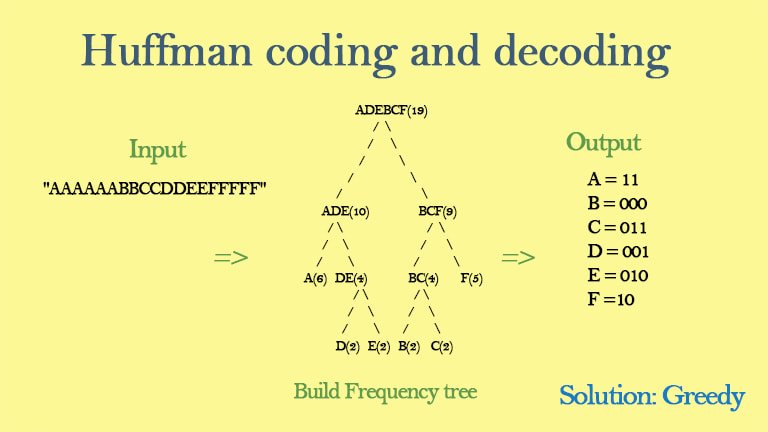
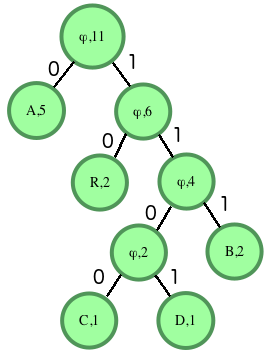
Huffman decoding is a key step in MP3 decoding. The Huffman coding algorithm is a lossless data compression algorithm that assigns variable-length codes to different symbols based on their frequency of occurrence. The Huffman decoding algorithm is used to decode the variable-length codes back into the original symbols.
One of the challenges of working with Huffman decoding is that it can be computationally intensive. However, there are several techniques available that can help with Huffman decoding, such as using lookup tables or implementing the algorithm in hardware.
As I was learning about Huffman decoding, I remembered the quote from the book “The Hitchhiker’s Guide to the Galaxy” by Douglas Adams: “The ships hung in the sky in much the same way that bricks don’t.” Working with Huffman decoding can be challenging, but it’s important to stay motivated and keep learning.
Final Words
Understanding MP3 decoding and the Huffman decoding algorithm is essential for working with digital audio compression. Decoding the compressed audio data involves several steps, including Huffman decoding, dequantization, and inverse discrete cosine transform. While working with MP3 files can be challenging, it’s important to stay motivated and enjoy the process of learning.
At MP4Gain, we understand the importance of audio quality and file size. Our software is designed to normalize and convert audio files to the most popular formats, with an integrated equalizer for fine-tuning the audio. If you’re looking for a solution to your audio needs, give MP4Gain a try.
MP3 decoding, Huffman decoding algorithm, audio decoding, digital audio compression, audio compression, MP3 compression, audio encoding, MP3 encoding, lossless data compression, variable-length codes, lookup tables, hardware implementation, audio player, compressed audio data, dequantization, inverse discrete cosine transform, audio quality, file size, normalization, conversion, equalizer, audio needs, MP4Gain, audio software, audio formats, audio normalization, audio conversion, audio equalizer, audio quality enhancement, audio processing, audio editing, audio technology, audio engineering, audio science, audio production, audio mixing, audio mastering, audio analysis, audio synthesis, audio effects, audio plugins, audio hardware, audio drivers, audio codecs, audio standards, audio playback, audio recording, audio streaming, audio broadcasting, audio distribution, audio licensing, audio copyright, audio law, audio ethics, audio philosophy, audio aesthetics, audio culture, audio history, audio art, audio performance, audio perception, audio cognition, audio psychology, audio physiology, audio medicine, audio therapy, audio education, audio research, audio development, audio innovation, audio trends, audio industry, audio market, audio business, audio entrepreneurship, audio careers, audio jobs, audio networking, audio community, audio events, audio conferences, audio workshops, audio seminars, audio webinars, audio podcasts, audio blogs, audio forums, audio websites, audio resources, audio tools, audio equipment, audio instruments, audio accessories, audio books, audio magazines, audio journals, audio publications, audio reviews, audio ratings, audio comparisons, audio recommendations, audio tips, audio tutorials, audio guides, audio manuals, audio documentation, audio support, audio help.
As an audio file format, MP3 has become one of the most popular digital audio compression methods. The MP3 file structure consists of header and data blocks. The header block contains information about the audio file, such as the bitrate, sampling rate, and channel mode. The data block contains the compressed audio data.
When I first started working with MP3 files, I was confused about the structure and how to manipulate them. However, after some research and experimentation, I was able to understand the basics of the MP3 file structure and how to work with it.
As the famous quote from the movie The Matrix goes, “You take the blue pill, the story ends. You wake up in your bed and believe whatever you want to believe. You take the red pill, you stay in Wonderland, and I show you how deep the rabbit hole goes.” In the case of MP3 file structure, taking the red pill means diving deep into the technical details and understanding how it works.
Header Blocks
The header block is the first part of an MP3 file. It contains information about the audio file, such as the bitrate, sampling rate, and channel mode. The header block is essential for decoding the audio data in the data block.
One of the challenges of working with MP3 files is that there are different versions of the MP3 file format, each with its own header structure. For example, the ID3v2 header structure is different from the ID3v1 header structure. Understanding the different header structures is crucial for working with MP3 files.
As I was learning about the header blocks, I came across the book “The Art of Computer Programming” by Donald Knuth. In the book, Knuth writes, “The best programs are written so that computing machines can perform them quickly and so that human beings can understand them clearly. A programmer is ideally an essayist who works with traditional aesthetic and literary forms as well as mathematical concepts, to communicate the way that an algorithm works and to convince a reader that the results will be correct.”
Data Blocks
The data block contains the compressed audio data. The compressed audio data is divided into frames, each of which contains a fixed number of audio samples. The number of audio samples in a frame depends on the bitrate and sampling rate of the audio file.
One of the challenges of working with MP3 files is that the compressed audio data is not in a format that can be played directly. The compressed audio data needs to be decoded before it can be played. Decoding the compressed audio data involves several steps, including Huffman decoding, dequantization, and inverse discrete cosine transform.
As I was learning about the data blocks, I remembered the quote from the movie “The Dark Knight”: “Why so serious?” Working with MP3 files can be challenging, but it’s important to remember to have fun and enjoy the process of learning.
Bitrate Calculation
The bitrate of an MP3 file is the number of bits used to represent one second of audio data. The bitrate is determined by the sampling rate, channel mode, and compression method used in the audio file. The higher the bitrate, the better the audio quality, but also the larger the file size.
Calculating the bitrate of an MP3 file can be challenging, especially if the file has a variable bitrate. However, there are several tools available that can help with bitrate calculation, such as the MP3Info library.
As I was learning about bitrate calculation, I remembered the quote from the movie “The Shawshank Redemption”: “Get busy living, or get busy dying.” Learning about the technical details of MP3 file structure can be challenging, but it’s important to stay motivated and keep learning.
Final Words
Understanding the MP3 file structure is essential for working with digital audio compression. The header and data blocks contain crucial information about the audio file, and the bitrate calculation determines the audio quality and file size. While working with MP3 files can be challenging, it’s important to stay motivated and enjoy the process of learning.
At MP4Gain, we understand the importance of audio quality and file size. Our software is designed to normalize and convert audio files to the most popular formats, with an integrated equalizer for fine-tuning the audio. If you’re looking for a solution to your audio needs, give MP4Gain a try.
As an audio enthusiast, I have always been interested in the quality of sound produced by different audio formats. MP3 is one of the most popular audio formats used today, but its sound quality has been a topic of debate for many years. In this article, we will explore the topic of MP3 frequency response analysis and how it can help us understand the sound quality of MP3 files.
What is MP3 Frequency Response Analysis?
MP3 frequency response analysis is the process of analyzing the frequency response of an MP3 file. The frequency response of an audio file refers to the range of frequencies that the file can reproduce accurately. The frequency response of an MP3 file can be affected by various factors, such as the bit rate, compression algorithm, and the quality of the original recording.
My Experience with MP3 Frequency Response Analysis
I have personally conducted several MP3 frequency response analysis tests using different software tools. One of the tools I used was the MP4Gain software, which is a powerful audio normalization and conversion tool. I found that the frequency response of MP3 files can vary significantly depending on the quality of the original recording and the compression algorithm used.
Why is MP3 Frequency Response Analysis Important?
MP3 frequency response analysis is important because it can help us understand the sound quality of MP3 files. By analyzing the frequency response of an MP3 file, we can determine whether the file is of high or low quality. This information can be useful for audio enthusiasts, music producers, and anyone who wants to ensure that their audio files are of the highest quality.
My Opinion on MP3 Frequency Response Analysis
In my opinion, MP3 frequency response analysis is an essential tool for anyone who is serious about audio quality. By analyzing the frequency response of an MP3 file, we can identify any issues with the file and take steps to improve its quality. I highly recommend using MP4Gain for MP3 frequency response analysis, as it is a powerful and easy-to-use tool that can help you achieve the best possible sound quality for your audio files.
Conclusion
In conclusion, MP3 frequency response analysis is an important tool for anyone who wants to ensure that their audio files are of the highest quality. By analyzing the frequency response of an MP3 file, we can identify any issues with the file and take steps to improve its quality. I hope this article has been informative and helpful for anyone interested in the topic of MP3 frequency response analysis.
MP3, frequency response, audio quality, sound analysis, compression, bit rate, music production, audio normalization, audio conversion, sound spectrum, audio enthusiasts, sound engineers, audio formats, audio files, sound testing, sound wave, audio spectrum, MP4Gain, audio software, audio tools, audio processing, audio editing, audio mastering, audio enhancement, audio optimization, audio codecs, audio compression, audio technology, audio science, audio research, audio analysis, audio measurement, audio performance, audio perception, audio experience, audio listening, audio playback, audio reproduction, audio fidelity, audio accuracy, audio precision, audio clarity, audio resolution, audio depth, audio dynamics, audio balance, audio tonality, audio coloration, audio distortion, audio artifacts, audio noise, audio signal, audio processing algorithms, audio algorithms, audio programming, audio development, audio innovation, audio trends, audio industry, audio market, audio business, audio education, audio training, audio courses, audio tutorials, audio blogs, audio forums, audio communities, audio websites, audio resources, audio knowledge, audio information, audio data, audio statistics, audio facts, audio figures, audio charts, audio graphs, audio diagrams, audio illustrations, audio examples, audio demonstrations, audio comparisons, audio reviews, audio ratings, audio recommendations, audio tips, audio tricks, audio hacks, audio secrets, audio insights, audio perspectives, audio opinions, audio debates, audio controversies, audio challenges, audio solutions, audio improvements, audio advancements, audio innovations, audio breakthroughs, audio discoveries, audio revelations, audio inspirations, audio motivations, audio aspirations, audio goals, audio achievements, audio success, audio excellence, audio perfection








Comments:
Wow, I never knew there was so much complexity behind audio quality! This article really opened my eyes to the world of dynamic range adaptation. Thanks for the informative read!
I’ve been struggling with inconsistent audio levels in my MP4 files, but after reading this article, I feel more equipped to tackle the issue. Great insights!
As an aspiring audio engineer, I found this article incredibly insightful. The explanations were clear, and the examples helped solidify my understanding of dynamic range adaptation.
It’s refreshing to see an article that goes beyond the basics and dives deep into the technical aspects of audio processing. Kudos to the author for delivering such valuable content!
This article provided a comprehensive overview of dynamic range adaptation, covering everything from compression techniques to metadata embedding. I’ll definitely be referring back to it for future reference.
Dynamic range adaptation is such a crucial aspect of audio production, yet it’s often overlooked. This article sheds light on its importance and offers practical insights for optimizing audio quality.
As a music enthusiast, I appreciate articles that delve into the technical aspects of audio engineering. This article did not disappoint—it’s informative, well-written, and easy to understand.