AC-3 Audio Codec in AVI: The Ultimate Guide


Free Download Mp4Gain
picture

AC-3 Audio Codec in AVI: The Ultimate Guide

AC-3 Audio Codec in AVI: The Ultimate Guide

AC-3 Audio Codec in AVI: The Ultimate Guide

Let’s talk about AC-3 audio codec in AVI

As a specialist with extensive experience in audio and video codecs, let me delve into the intricacies of AC-3 audio codec in the AVI container format. AC-3, also known as Dolby Digital, is a widely used audio codec known for its efficiency in compressing audio without significant loss in quality. When combined with AVI, a popular multimedia container format, it becomes essential to understand how AC-3 works within this framework to ensure optimal audio quality and compatibility.

When it comes to multimedia playback and distribution, compatibility is key. AC-3 codec in AVI files ensures that audio content is efficiently compressed while maintaining high-quality playback. Understanding the nuances of this codec and its integration with the AVI format is crucial for anyone working with multimedia content, whether it’s for professional editing or casual playback.

Understanding AC-3 Audio Codec

The AC-3 audio codec, developed by Dolby Laboratories, is renowned for its ability to compress audio streams while preserving audio quality. It employs perceptual coding techniques to reduce the file size without compromising on fidelity, making it ideal for various applications, including DVDs, Blu-ray discs, streaming services, and digital broadcasts.

Perceptual Coding

Perceptual coding is a technique used by AC-3 to remove audio data that is less perceptible to the human ear. By analyzing the audio signal and removing redundant or less essential information, AC-3 achieves significant compression ratios while maintaining audio quality. This process is essential for minimizing file size without sacrificing the listening experience.

Channel Configuration

AC-3 supports various channel configurations, including mono, stereo, and surround sound setups. It allows content creators to deliver immersive audio experiences tailored to the capabilities of playback devices. Whether it’s a simple stereo setup or a sophisticated surround sound system, AC-3 ensures that the audio is optimized for the intended environment.

Bitrate Control

Bitrate control is crucial for balancing audio quality and file size. AC-3 provides flexible bitrate control options, allowing users to adjust the compression level according to their specific needs. Higher bitrates result in better audio quality but larger file sizes, while lower bitrates sacrifice some quality for reduced file size. Finding the right balance is essential for optimizing audio performance in AVI files.

Integration with AVI Container Format

AVI (Audio Video Interleave) is a multimedia container format developed by Microsoft, commonly used for storing audio and video content. It supports various audio and video codecs, including AC-3 for audio compression. When AC-3 is used in conjunction with AVI, it offers a versatile solution for storing multimedia content with efficient audio compression.

Compatibility

One of the key advantages of using AC-3 in AVI files is compatibility. Most media players and editing software support AVI files with AC-3 audio, ensuring seamless playback and editing workflows. Whether you’re creating multimedia presentations, editing home videos, or distributing digital content, AC-3 in AVI provides a reliable solution that works across different platforms and devices.

File Size Optimization

By utilizing AC-3 audio compression, AVI files can maintain high audio quality while keeping file sizes manageable. This is especially important for applications where storage space or bandwidth is limited, such as online streaming or portable media devices. AC-3’s efficient compression algorithms help reduce the overall footprint of AVI files without sacrificing audio fidelity.

Flexibility in Editing

When working with AVI files containing AC-3 audio, editing flexibility is crucial. AC-3’s compatibility with popular editing software allows users to manipulate audio tracks without compromising quality. Whether it’s adjusting volume levels, applying effects, or synchronizing audio with video, AC-3 ensures that editing workflows remain smooth and efficient.

Latest words on AC-3 Audio Codec in AVI

In conclusion, understanding the role of AC-3 audio codec in AVI is essential for anyone involved in multimedia production, distribution, or playback. By leveraging the capabilities of AC-3 within the AVI container format, users can ensure optimal audio quality, compatibility, and flexibility in various multimedia applications. Whether you’re a professional filmmaker, content creator, or casual enthusiast, AC-3 in AVI offers a reliable solution for delivering immersive audio experiences.

Remember, when it comes to multimedia, audio quality matters. By choosing AC-3 codec in AVI, you’re not just compressing audio – you’re preserving the essence of sound, ensuring that every listening experience is as immersive and enjoyable as possible.

Comments:

Wow, I never knew AC-3 audio codec could be so important for AVI files! Thanks for the detailed explanation!

Could you provide more information about the compatibility of AC-3 in different media players?

I’ve been struggling with audio quality in my AVI files. This article helped me understand how AC-3 can make a difference.

As a filmmaker, I appreciate articles like this that dive deep into technical aspects. Great job!

Does AC-3 work well with older AVI files, or is it better suited for newer formats?

This article convinced me to try using AC-3 in my next multimedia project. Excited to see the results!

Thanks for explaining the benefits of AC-3 in AVI. I’ll definitely keep this in mind for future projects.

Can you recommend any software for editing AVI files with AC-3 audio?

Great article! It’s refreshing to find such in-depth information on niche topics like this.

More articles like this, please! It’s hard to find reliable information on multimedia technologies.

I had no idea AC-3 had such a significant impact on audio quality. Thanks for enlightening me!


Free Download Mp4Gain
picture


Mp4Gain Main Window
picture


Mp4Gain Features
picture


Free Download Mp4Gain
picture

Intelligent Content Prediction in MPEG-H Audio

Intelligent Content Prediction in MPEG-H Audio

Intelligent Content Prediction in MPEG-H Audio

Intelligent Content Prediction in MPEG-H Audio

Let’s Talk About Intelligent Content Prediction in MPEG-H Audio

When we watch a movie or play a video game, we often underestimate the power of sound in shaping our experience. But imagine if the audio dynamically adjusted to every scene, heightening the tension in an action sequence or enveloping us in the ambiance of a serene landscape. This is precisely what intelligent content prediction in MPEG-H Audio aims to achieve. As an audio technology specialist, I’ve witnessed firsthand how this innovative feature revolutionizes our auditory experience, seamlessly integrating with visual content to create a truly immersive environment.

The Evolution of Audio Technology

Over the years, audio technology has undergone remarkable advancements, from the early days of mono recordings to the widespread adoption of surround sound systems. However, MPEG-H Audio represents a significant leap forward by introducing intelligent content prediction into the mix. This technology analyzes audiovisual content in real-time, anticipating changes and adjusting the audio parameters accordingly. The result? A seamless fusion of sound and image that enhances our engagement with various forms of media, whether it’s movies, video games, or virtual reality experiences.

Real-time Analysis

Advanced Algorithms: MPEG-H Audio employs sophisticated algorithms to analyze audiovisual content on the fly.
Contextual Understanding: These algorithms consider factors such as scene dynamics, spatial positioning, and auditory cues to anticipate audio events.
Predictive Capabilities: By comprehensively understanding the context of the content, MPEG-H Audio can predict upcoming audio elements and dynamically adjust the sound in response.

Dynamic Audio Adjustment

Real-time Adaptation: Based on the analysis, MPEG-H Audio dynamically adjusts various audio parameters to optimize the listening experience.
Volume and Spatial Positioning: This adjustment includes changes in volume levels, spatial positioning of sound elements, and adjustments to the dynamic range.
Enhanced Immersion: The goal is to ensure that the audio remains immersive and engaging, seamlessly aligning with the visuals to create a cohesive viewing experience.

The Benefits of Intelligent Content Prediction

The incorporation of intelligent content prediction in MPEG-H Audio offers a plethora of benefits for both content creators and consumers alike. For creators, it provides greater creative freedom, allowing them to focus on storytelling without getting bogged down in intricate audio details. Meanwhile, consumers enjoy a heightened level of immersion, feeling more connected to the content they’re experiencing. Let’s delve deeper into some of these benefits:

Enhanced Immersion

Seamless Integration: Intelligent content prediction ensures that the audio seamlessly integrates with the visuals, enhancing immersion.
Engaging Experience: Viewers feel more immersed in the narrative, whether it’s a heart-pounding action sequence or a poignant dialogue exchange.
Emotional Impact: The dynamic adjustment of audio elements heightens the emotional impact of key moments, drawing viewers deeper into the story.

Adaptive to Any Environment

Versatility: MPEG-H Audio’s adaptive nature allows it to perform optimally in any environment, whether it’s a bustling movie theater or a quiet living room.
Consistent Quality: Regardless of external factors such as background noise or room acoustics, the audio remains clear, balanced, and engaging.
Universal Appeal: This adaptability makes MPEG-H Audio suitable for a wide range of applications, from cinematic experiences to mobile gaming and beyond.

Future Applications and Innovations

Looking ahead, the potential applications and innovations of intelligent content prediction in MPEG-H Audio are limitless. As technology continues to evolve, we can expect even more sophisticated algorithms and features that further enhance the audio experience. Imagine attending a live concert where the sound dynamically adjusts based on your location within the venue or watching a movie with personalized audio commentary tailored to your preferences. The possibilities are endless.

Personalized Audio Experiences

Tailored Preferences: Intelligent content prediction opens the door to personalized audio experiences tailored to individual preferences.
Accessibility Features: From adjusting audio balance for hearing-impaired viewers to enhancing bass for music enthusiasts, MPEG-H Audio can accommodate diverse needs.
Inclusive Design: This level of personalization fosters inclusivity, ensuring that everyone can enjoy an optimal audio experience regardless of their unique requirements.

Integration with Emerging Technologies

Augmented Reality (AR) Integration: MPEG-H Audio is poised to integrate seamlessly with emerging technologies such as augmented reality (AR).
Spatial Computing: By combining intelligent content prediction with AR overlays and spatial audio, developers can create immersive audio experiences that blur the line between the virtual and physical worlds.
New Frontiers: This integration opens up new frontiers for storytelling, gaming, education, and more, ushering in a new era of interactive audio experiences.

Latest Words on Intelligent Content Prediction in MPEG-H Audio

In conclusion, MPEG-H Audio’s intelligent content prediction capabilities represent a significant advancement in audio technology. By analyzing audiovisual content in real-time and dynamically adjusting the sound, MPEG-H Audio enhances the immersion, engagement, and personalization of audio experiences across various media platforms. As technology continues to evolve, we can expect even more innovative applications and enhancements that further elevate the audio experience for audiences worldwide.

Comments:

This article is incredibly insightful! As a movie enthusiast, I’ve always been fascinated by the role of sound in storytelling. This article sheds light on a revolutionary technology that promises to take our audiovisual experiences to new heights.

– CinephileJoe

Wow, I never knew that audio technology had advanced to this level! The idea of personalized audio experiences tailored to individual preferences sounds like something straight out of science fiction. Can’t wait to see where this technology takes us!

– TechExplorer456

This article provides a comprehensive overview of MPEG-H Audio and its intelligent content prediction capabilities. However, I would have liked to see more discussion about the potential challenges and limitations of this technology. It’s important to consider factors such as compatibility issues, adoption rates, and the impact on traditional audio production workflows.

– AudioTechPro

I’ve been using MPEG-H Audio with my home theater system, and the difference in sound quality is astounding! It’s like being transported into the middle of the action. Highly recommend!

– MovieBuff82

Thank you for breaking down the complex world of audio technology into digestible chunks! I feel like I learned a lot from reading this article.

– LearningLurker

WMA Variable Bit Rate Encoding

WMA Variable Bit Rate Encoding

WMA Variable Bit Rate Encoding

WMA Variable Bit Rate Encoding

Let’s talk about WMA Variable Bit Rate Encoding

When it comes to audio file formats and encoding techniques, understanding WMA (Windows Media Audio) Variable Bit Rate (VBR) encoding can significantly enhance your audio experience. As a specialist with years of experience in audio engineering, I’ve delved deep into the intricacies of WMA VBR encoding and its implications for audio quality and file size optimization.

What is WMA VBR Encoding?

At its core, WMA VBR encoding is a method used to compress audio files while maintaining a variable level of quality throughout the encoding process. Unlike constant bit rate (CBR) encoding, which encodes audio at a fixed bit rate, VBR encoding adjusts the bit rate dynamically based on the complexity of the audio being encoded. This means that simpler audio passages are encoded at a lower bit rate, while more complex passages are encoded at a higher bit rate, resulting in superior audio quality with smaller file sizes.

The Benefits of WMA VBR Encoding

One of the key advantages of WMA VBR encoding is its ability to preserve audio quality while minimizing file size. By dynamically adjusting the bit rate, WMA VBR encoding ensures that audio files maintain a consistent level of quality, even during passages of varying complexity. This makes it ideal for streaming audio over the internet or storing music on portable devices with limited storage capacity.

Moreover, WMA VBR encoding offers greater flexibility compared to CBR encoding. With CBR encoding, audio files are encoded at a fixed bit rate, which can result in wasted space for simpler passages and reduced audio quality for complex passages. In contrast, WMA VBR encoding adapts to the specific characteristics of the audio being encoded, maximizing efficiency and preserving quality.

How WMA VBR Encoding Works

To understand how WMA VBR encoding works, it’s essential to grasp the concept of psychoacoustic modeling. Psychoacoustic modeling is a technique used in audio encoding to take advantage of the limitations of human hearing. By analyzing the frequency and amplitude of audio signals, psychoacoustic models identify sounds that are less likely to be perceived by the human ear and allocate fewer bits to encode them.

During the WMA VBR encoding process, audio is divided into small segments, and a psychoacoustic model analyzes each segment to determine the appropriate bit rate for encoding. Simple segments with fewer audible details are encoded at a lower bit rate, while complex segments with more audible details are encoded at a higher bit rate. This adaptive approach ensures that audio quality is maintained while minimizing file size.

Comparing WMA VBR Encoding to Other Methods

While WMA VBR encoding offers many benefits, it’s essential to compare it to other encoding methods to understand its place in the audio landscape. One common alternative to WMA VBR encoding is constant bit rate (CBR) encoding, which encodes audio at a fixed bit rate regardless of its complexity. While CBR encoding is simple and predictable, it may result in larger file sizes and reduced audio quality compared to WMA VBR encoding.

Another alternative is variable bit rate (VBR) encoding using other codecs, such as MP3 or AAC. While these codecs also offer VBR encoding capabilities, WMA VBR encoding is specifically optimized for the Windows Media Audio format, offering seamless integration with Windows-based devices and software.

Optimizing Audio Quality with WMA VBR Encoding

As an audio engineer, I’ve found that mastering the art of WMA VBR encoding can significantly enhance the quality and efficiency of audio production workflows. By leveraging the adaptive nature of VBR encoding and the power of psychoacoustic modeling, audio professionals can achieve superior results with minimal effort.

When using WMA VBR encoding, it’s essential to consider factors such as target audience, playback environment, and distribution platform. By tailoring encoding settings to specific requirements, you can ensure that your audio files meet the highest standards of quality and compatibility.

In conclusion, WMA VBR encoding represents a powerful tool for audio professionals and enthusiasts alike. Its ability to preserve audio quality while minimizing file size makes it ideal for a wide range of applications, from streaming audio over the internet to storing music on portable devices. By mastering the principles of WMA VBR encoding, you can take your audio projects to the next level and deliver an exceptional listening experience to your audience.

  • Preserves audio quality
  • Minimizes file size
  • Adapts to audio complexity
  • Optimizes efficiency
  • Seamless integration with Windows devices

Latest words on WMA Variable Bit Rate Encoding

When it comes to audio encoding, WMA VBR encoding stands out as a versatile and efficient solution. Its adaptive nature and integration with Windows-based devices make it a popular choice for audio professionals and enthusiasts alike. By mastering the principles of WMA VBR encoding, you can unlock new possibilities for audio production and distribution.

Comments:

Wow, I never knew there was so much to learn about audio encoding! This article really opened my eyes to the world of WMA VBR encoding. Thanks for the insightful information!

I’ve been struggling to optimize the audio quality of my music files, but this article provided some valuable insights into WMA VBR encoding. I can’t wait to try it out and see the results!

This article did a great job of breaking down the complexities of WMA VBR encoding in a way that’s easy to understand. I feel much more confident in my ability to use this technique effectively now.

As someone who’s passionate about audio production, I found this article to be incredibly informative and well-written. It’s clear that the author has a deep understanding of the subject matter.

I’ve been looking for ways to optimize the audio quality of my podcast recordings, and this article provided some valuable tips on using WMA VBR encoding. I can’t wait to implement these strategies in my workflow!

This article was a game-changer for me! I never realized how much of a difference WMA VBR encoding could make in terms of audio quality and file size. Thanks for sharing this valuable information!

As an aspiring audio engineer, I found this article to be incredibly helpful in understanding the principles of WMA VBR encoding. It’s clear that the author has a wealth of knowledge on the subject.

This article provided some fascinating insights into the world of audio encoding. I never knew there were so many factors to consider when optimizing audio quality!

Thanks for this informative article! I’ve been searching for ways to improve the audio quality of my video projects, and WMA VBR encoding seems like the perfect solution.

This article was a bit too technical for my taste, but I appreciate the effort to explain the concepts of WMA VBR encoding in layman’s terms. It’s definitely a topic worth exploring further!

WAV File Compression: Lossless vs. Lossy Approaches

WAV File Compression: Lossless vs. Lossy Approaches

WAV File Compression: Lossless vs. Lossy Approaches

WAV File Compression: Lossless vs. Lossy Approaches

Let’s talk about WAV File Compression

Hey there, fellow music enthusiast! Are you wondering about the best ways to compress your WAV files without sacrificing quality? Well, you’ve come to the right place. As a seasoned audio engineer with years of experience in the industry, I’m here to guide you through the intricacies of WAV file compression, specifically exploring the differences between lossless and lossy approaches. By the end of this article, you’ll have a solid understanding of the various compression methods available and how to choose the right one for your needs.

Understanding WAV Files

Before diving into compression techniques, let’s quickly revisit what WAV files are. WAV (Waveform Audio File Format) is a widely used audio file format known for its uncompressed, high-quality sound. Unlike formats like MP3 or AAC, which use lossy compression to reduce file size, WAV files retain all the original audio data captured during recording. As a result, they offer pristine audio fidelity but tend to have larger file sizes.

Lossless Compression

  • Lossless compression preserves all the original audio data while reducing file size.
  • Techniques such as FLAC (Free Lossless Audio Codec) and ALAC (Apple Lossless Audio Codec) are commonly used for WAV file compression.
  • These methods achieve compression by identifying and eliminating redundant or unnecessary data without compromising audio quality.

Lossless compression is like packing a suitcase efficiently – you’re maximizing space without leaving anything behind. It’s perfect for situations where maintaining audio integrity is paramount, such as professional music production or archival purposes. Plus, with lossless compression, you can always unpack your files without any loss of quality.

Lossy Compression

  • Lossy compression sacrifices some audio quality to achieve greater file size reduction.
  • Popular formats like MP3 and AAC use lossy compression algorithms.
  • During compression, non-essential audio data is discarded based on psychoacoustic principles, resulting in smaller file sizes.

Think of lossy compression as decluttering your room – you’re getting rid of unnecessary items to free up space. While this approach may lead to some loss of audio detail, it’s often imperceptible to the average listener, making it ideal for streaming, portable devices, and online distribution.

Choosing the Right Compression Method

Now that you understand the differences between lossless and lossy compression, how do you decide which method to use? It ultimately depends on your specific needs and priorities.

Considerations for Lossless Compression

  • If you require the highest possible audio quality without compromise, lossless compression is the way to go.
  • Lossless formats are well-suited for professional audio production, mastering, and archival purposes.
  • They’re also ideal for situations where storage space isn’t a significant concern.

For audiophiles and professionals who demand pristine sound reproduction, lossless compression offers the best of both worlds – reduced file sizes without sacrificing audio fidelity.

Considerations for Lossy Compression

  • Lossy compression is more suitable for scenarios where file size is a primary consideration.
  • If you’re distributing music online, streaming content, or using portable devices with limited storage capacity, lossy formats are a practical choice.
  • Most listeners won’t notice the slight loss in quality introduced by lossy compression, especially when listening through typical consumer audio equipment.

While purists may prefer the uncompromising quality of lossless formats, the convenience and efficiency of lossy compression make it a practical solution for everyday audio needs.

Conclusion

In the realm of WAV file compression, choosing between lossless and lossy approaches boils down to finding the right balance between audio quality and file size. Whether you prioritize pristine fidelity or efficient storage, there’s a compression method suited to your needs. By understanding the differences between these approaches, you can make informed decisions when managing your audio library or preparing content for distribution. So go ahead, experiment with different compression techniques, and enjoy the best of what WAV files have to offer!

Comments:

This article is so helpful! I’ve been struggling to understand the difference between lossless and lossy compression, but now it’s crystal clear. Thanks a bunch!

As a musician, I appreciate the detailed explanation of WAV file compression. It’s essential to strike the right balance between quality and file size, and this article nails it!

Could you dive deeper into the technical aspects of lossless compression algorithms? I’m intrigued by the science behind it and would love to learn more.

I’ve been using MP3 files for years without realizing there was a difference between lossy and lossless compression. This article opened my eyes to a whole new world of audio quality!

As a DJ, file size is always a concern when managing my music library. Learning about the pros and cons of lossless and lossy compression helps me make smarter choices when selecting formats for my tracks.

Great article! I appreciate the practical examples and real-world comparisons. Understanding WAV file compression is crucial for anyone working with audio, and this article delivers the information in an accessible way.

Could you provide some recommendations for software or tools that support lossless compression? I’m eager to try it out for myself!

This article does an excellent job of demystifying WAV file compression. I feel much more confident navigating the world of audio formats now. Keep up the fantastic work!

I never knew there was so much to consider when it comes to compressing WAV files. This article sheds light on the complexities of audio compression and offers valuable insights for both beginners and experienced users.

As a music producer, I’m always looking for ways to optimize my workflow. Understanding the nuances of WAV file compression helps me deliver high-quality tracks while conserving storage space. Thanks for sharing your expertise!

M4A Channel Configuration Insights

M4A Channel Configuration Insights

M4A Channel Configuration Insights

M4A Channel Configuration Insights

Unlocking the Mysteries of M4A Channel Configuration

In this comprehensive guide, we delve deep into the intricacies of M4A channel configuration, providing invaluable insights into its importance, optimization techniques, and practical applications. Let’s unravel the mysteries together and unlock the full potential of M4A audio files.

Understanding M4A Channels

Embark on a journey to understand the fundamentals of M4A channel configuration. From mono to stereo and beyond, explore how channels influence audio perception and playback experience. Discover the significance of channel mapping and its impact on audio spatialization.

Exploring Mono vs. Stereo

Delve into the differences between mono and stereo configurations, uncovering their unique characteristics and suitability for various audio scenarios. Learn how mono channels consolidate audio signals, while stereo channels create immersive soundscapes.

  • Definition and characteristics of mono and stereo channels
  • Advantages and limitations of mono and stereo configurations
  • Real-life examples illustrating the use of mono and stereo channels

Optimizing Surround Sound Configurations

Take your audio experience to the next level with surround sound configurations. Explore the intricacies of multi-channel setups, including 5.1 and 7.1 surround sound, and their applications in home theaters, gaming, and immersive audio experiences.

  • Overview of surround sound configurations
  • Installation and setup tips for optimal surround sound performance
  • Real-world examples showcasing the immersive capabilities of surround sound

Practical Applications of M4A Channel Configuration

Uncover the practical implications of M4A channel configuration across various industries and domains. From music production to multimedia entertainment, explore how channel mapping influences audio quality, compatibility, and user experience.

Enhancing Audio Production Workflows

Gain insights into how M4A channel configuration enhances audio production workflows. Discover how audio engineers leverage channel mapping to achieve spatial depth, clarity, and realism in their recordings.

  • Best practices for channel configuration in music production
  • Tools and techniques for efficient channel mapping
  • Case studies highlighting successful audio production projects

Delivering Immersive Multimedia Experiences

Explore the role of M4A channel configuration in delivering immersive multimedia experiences. From cinematic soundtracks to virtual reality applications, understand how optimized channel mapping enhances audio immersion and engagement.

  • Integration of M4A channel configuration in multimedia content creation
  • Impact of channel mapping on user engagement and satisfaction
  • Case studies demonstrating the effectiveness of immersive audio experiences

Latest Words on M4A Channel Configuration

In conclusion, M4A channel configuration is a critical aspect of audio engineering and multimedia content creation. By understanding its nuances and optimizing channel mapping techniques, professionals can elevate audio quality and deliver immersive experiences across various platforms and industries.

Comments:

This article provided invaluable insights into M4A channel configuration, shedding light on its importance and practical applications. I’m excited to apply these techniques to my audio projects!

– AudioEnthusiast123

As someone new to audio production, I found this guide to be incredibly informative and easy to understand. The explanations were clear, and the examples helped clarify complex concepts. Thank you!

– MusicNovice456

I appreciated the focus on practical applications and real-world examples throughout the article. It made the information more relatable and actionable. Looking forward to more content like this!

– SoundPro789

While the article provided a good overview, I wish it had delved deeper into specific audio editing software and techniques for optimizing channel configuration. Overall, a helpful resource!

– AudioEditor2022

Audio Channel Remapping

Audio Channel Remapping


Audio Channel Remapping

Audio channel remapping is a powerful technique that allows you to reconfigure how audio signals are distributed across different speakers or channels in a sound system. This process is essential in the world of audio engineering, as it can significantly impact the quality of sound output in various applications. In this article, I will delve into the intricacies of audio channel remapping, providing you with a comprehensive understanding of the subject and addressing related questions that you might have.

The Basics of Audio Channel Remapping

To start, audio channel remapping involves the alteration of audio signals to achieve specific spatial audio effects or to adapt to various playback configurations. It’s commonly used in home theaters, surround sound setups, and even in professional audio production. Imagine you have a 5.1 surround sound system, and you want to enjoy a movie that’s mixed in 7.1 surround. Audio channel remapping can help redistribute the audio elements to your available channels, delivering an immersive experience.

Consider this scenario: You’re watching a high-octane action scene in a movie, and the sound of a car approaching from behind should be heard from the rear speakers. With audio channel remapping, the sound can be dynamically redirected to the appropriate speakers, creating a more realistic and engaging audio experience.

Remapping Audio Channels in Software

One of the most common questions related to audio channel remapping is, “How do I remap audio channels in software?” This is a crucial aspect, as software solutions offer a flexible way to adjust audio channel assignments. Various audio editing and playback software tools, such as Adobe Audition or VLC Media Player, allow you to remap channels to your liking.

For instance, you can change the default audio channel mapping for a video in VLC. By going to Tools > Preferences > Audio, you can set your preferred audio output configuration, effectively remapping the channels based on your sound system’s setup. This level of customization empowers you to optimize your audio experience for any media.

Enhancing Surround Sound with Audio Channel Remapping

Now, let’s address the question of whether audio channel remapping can improve surround sound. The answer is a resounding yes. By reallocating audio channels effectively, you can enhance the immersion of your surround sound setup. Let’s return to the example of a 5.1 system playing 7.1 content. Audio channel remapping allows you to adapt the audio so that you don’t miss out on any details. You can make sure that the dialogue remains clear from the center speaker, while ambient sounds and effects are distributed to the appropriate channels, delivering a more enveloping experience.

The Benefits of Audio Channel Remapping

Finally, let’s explore the benefits of audio channel remapping. This technique not only caters to home theater enthusiasts but also holds significance in the realm of professional audio production. It enables sound engineers to optimize audio for various playback scenarios, ensuring that the intended impact is achieved. In summary, audio channel remapping offers the following advantages:

Customization: You can adapt audio to your specific speaker configuration.
Enhanced Immersion: It improves surround sound experiences.
Compatibility: Allows you to enjoy diverse audio content on your system.
Last Words about Audio Channel Remapping

In conclusion, audio channel remapping is a valuable tool for audio enthusiasts and professionals alike. With the ability to customize audio distribution, enhance surround sound, and achieve compatibility with various audio formats, it plays a vital role in delivering an exceptional auditory experience. I hope this article has provided you with valuable insights into the world of audio channel remapping and its applications.

Audio Transients

Exploring Audio Transients: The Heartbeat of Sound

Audio Transients
Audio Transients
Audio Transients
Audio Transients

Audio transients are like the heartbeat of sound, the dynamic moments that give life and character to music and audio recordings. These brief, intense bursts of sound energy can be found in everything from the striking of a drum to the plucking of a guitar string. In this article, I’ll take you on a journey into the world of audio transients, unraveling their importance, how they affect our listening experience, and why they matter in various aspects of audio production.

Unveiling Audio Transients: The Basics

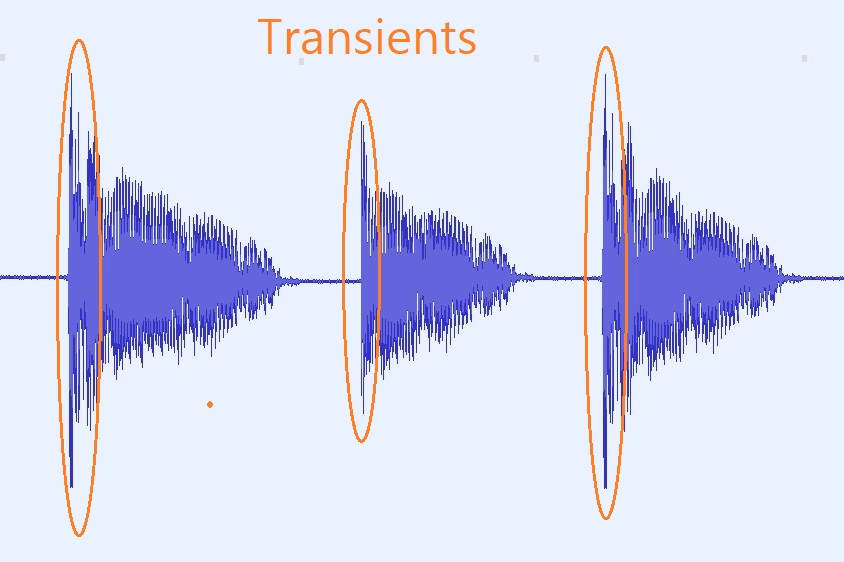
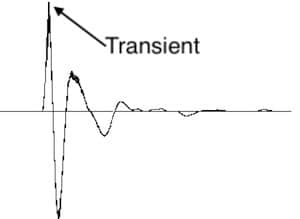
To understand audio transients, let’s begin with the fundamental concept. A transient is a sudden, short-lived spike in audio signal amplitude. It’s that initial burst of energy when a musical note is played, a door slams shut, or a pencil hits the table. Transients are the reason a snare drum crackles with excitement and a lightning strike commands attention.

Think of audio transients as the punctuation marks in a sentence. They emphasize and give context to the sound that follows. Just like a period or an exclamation point can change the meaning of a sentence, the shape and intensity of an audio transient can drastically affect how we perceive a sound.

People Also Asked: Answering Your Curiosities

Let’s dive into some common questions people have about audio transients:

How Do Audio Transients Impact Music?

Audio transients are the pulse of music. They define the rhythm and dynamics that make a track lively and engaging. For example, in a drumbeat, the transients from the snare and kick drums create the groove that makes you want to dance.

Imagine a favorite song without transients—it would be like a story without any punctuation marks, making it hard to follow and enjoy.

Can Audio Transients Be Controlled?

Yes, they can! Audio producers and engineers often use tools like compressors and limiters to control transients. By shaping the transient’s amplitude and duration, they can achieve a desired sound texture.

Think of it as adjusting the force with which a hammer strikes a nail. Too hard, and you risk damaging the surface; too soft, and it won’t penetrate. Engineers find that sweet spot to shape the sound precisely.

What Is Peak vs. RMS in Audio Transients?

Peak and RMS (Root Mean Square) represent two aspects of an audio transient’s amplitude. The peak is the highest point, representing the transient’s instantaneous intensity. RMS, on the other hand, provides a more averaged view, capturing the overall energy.

Picture a heartbeat monitor. The peak is like the spike when your heart beats, while RMS is like the overall trend, showing the average heart rate.

Keywords with Identical Search Intent

Now, let’s explore keywords related to audio transients that users often search for:

Transient Shaping Techniques: Crafting Audio Dynamics

Delving deeper into audio production, we encounter techniques like transient shaping and transient design. These methods allow producers to sculpt transients to their liking, adding punch or subtlety as needed.

Consider transient shaping as sculpting clay. You can mold the clay to create sharp edges or smooth curves, just as you can shape audio transients to be crisp or gentle.

Audio Transients in Live Sound: A Vital Element

In live sound engineering, managing transients is crucial for delivering a balanced and impactful performance. Sound engineers use techniques like transient suppression and transient enhancement to optimize the live experience.

Imagine a live concert as a massive puzzle. Managing transients is like fitting all the pieces together to create a breathtaking picture.

Mastering Transients in Audio Recording

Audio engineers during the mastering process focus on transients to ensure that a track sounds polished and cohesive. Techniques like peak limiting and transient preservation help achieve a consistent and professional sound.

Think of mastering as the final touch-up on a painting. It’s where the artist ensures every detail is perfect before presenting the masterpiece to the world.

Last Words

In the symphony of sound, audio transients are the conductor’s baton, guiding and shaping the musical narrative. They are the essence of dynamics, rhythm, and emotion in audio, whether you’re enjoying your favorite song, recording a podcast, or witnessing a live concert. Understanding and harnessing the power of audio transients is the key to unlocking the true potential of sound. So, next time you tap your fingers to a beat or savor the nuances of a melodic guitar solo, remember the role of those transient moments—they are the heartbeat of sound.

Audio Routing

Understanding Audio Routing: Navigating the Sonic Highway

Audio Routing
Audio Routing
Audio Routing
Audio Routing

Audio routing is the invisible highway that allows sound to flow seamlessly from one source to another. It’s the backbone of our modern audio experience, whether we’re listening to music on our headphones, watching a movie, or attending a live concert. In this article, we’ll explore the intricacies of audio routing, diving deep into the technical aspects while keeping things relatable with real-life examples.

Demystifying Audio Routing: The Basics

At its core, audio routing is about directing audio signals from their source to their destination. Think of it as the GPS for sound, guiding it through various paths and devices to reach our ears. This process involves numerous components, including mixers, cables, software, and hardware, all working together harmoniously.

One of the fundamental concepts in audio routing is the “signal chain.” Just like a relay race, audio signals pass through a sequence of devices, each contributing its unique flavor or function. For instance, in a home audio setup, your music might start with a streaming service on your smartphone. From there, it travels through Bluetooth or a wired connection to your speakers or headphones, possibly passing through an amplifier or equalizer along the way. Each step in this chain can shape the sound, adjusting volume, tone, or effects.

Answering Your Curiosities

Now, let’s address some of the common questions people have about audio routing:

How Does Audio Routing Impact Sound Quality?

The impact of audio routing on sound quality is substantial. Imagine you’re at a concert, and the sound system isn’t properly routed. The result? Muffled vocals, distorted instruments, and a less-than-enjoyable experience. On the other hand, precise routing ensures that sound retains its clarity and fidelity as it travels from source to destination.

To put it in everyday terms, think of audio routing as a relay race. If each runner (audio device) passes the baton (sound signal) smoothly, the final sprint (your ears) benefits from the efficiency.

What Are the Key Components of an Audio Routing System?

Audio routing systems can be complex, comprising various components. These include mixers, audio interfaces, digital audio workstations (DAWs), and even physical cables. Mixers act as traffic controllers, directing audio to the right destination, while DAWs provide digital pathways for editing and manipulation.

Picture it like a traffic network in a city. Mixers are the traffic lights, cables are the roads, and DAWs are the control center that can reroute traffic or apply special effects.

Is Audio Routing Only Important in Professional Settings?

While audio routing is crucial in professional studios and live performances, it’s equally significant in everyday scenarios. Consider your home entertainment setup. If your TV’s audio isn’t correctly routed to your soundbar or speakers, you miss out on the immersive experience of your favorite movie or video game.

Think of audio routing as the delivery route for a pizza. Even if you’re not a professional pizza chef, ensuring the right route ensures the pizza arrives hot and delicious.

Audio Signal Routing Techniques: A Deep Dive

Delving into advanced audio signal routing techniques, we uncover methods like parallel processing, sidechain compression, and audio bussing. These techniques offer precision and creativity in shaping soundscapes.

To illustrate, think of audio bussing as a split highway. You can send specific sounds down different lanes, processing them uniquely before merging them back into the main road.

Audio Routing in Home Theater Systems

Home theater enthusiasts often seek guidance on optimizing audio routing for the best cinematic experience. Topics may include setting up surround sound, calibrating audio systems, and integrating streaming devices.

Imagine your home theater as a cinema complex. Proper audio routing ensures each seat in your living room gets the full blockbuster experience.

Audio Routing in Virtual Reality (VR) Environments

VR audio takes immersion to the next level. Here, audio routing is crucial for creating realistic 3D soundscapes, tracking head movements, and ensuring sound matches the visual experience.

Picture wearing VR goggles in a virtual forest. Audio routing directs bird songs to your left when you turn your head, enhancing the illusion of a real forest.

Last Words

Audio routing is the unsung hero of our audio experiences, working tirelessly behind the scenes to deliver clear and captivating sound. Whether you’re a music producer, a home theater enthusiast, or simply someone who enjoys quality audio, understanding the nuances of audio routing can elevate your sonic journey. So, the next time you enjoy your favorite tunes or immerse yourself in a movie, remember the intricate web of audio routing that makes it all possible.

Newest Audio Codecs

Newest Audio Codecs: Unlocking the Future of Sound

Newest Audio Codecs
Newest Audio Codecs
Newest Audio Codecs
Newest Audio Codecs

As an audio expert, I’m excited to delve into the world of the newest audio codecs, which are transforming how we experience sound. These cutting-edge technologies have the power to shape the audio landscape, and I’m here to share my insights and experiences.

Audio Compression Techniques

Let’s start by discussing the backbone of these newest audio codecs – audio compression techniques. Imagine audio compression as the art of creating a perfectly crafted miniature sculpture of a grand masterpiece. In the world of audio codecs, this process involves reducing the size of audio files while preserving exceptional sound quality.

One of the most prominent techniques used in these codecs is Perceptual Audio Coding, which is similar to how our brain focuses on essential details in a complex image. Perceptual audio coding identifies and retains the most crucial elements of an audio signal while discarding less perceptible information. This allows for significant file size reduction without compromising the listening experience.

Another fascinating approach is Audio Spatial Coding, which can be likened to creating a 3D model of a real-world object. Audio spatial coding focuses on reproducing sound in a three-dimensional space, offering a more immersive listening experience. It’s often used in applications like virtual reality and gaming to provide users with an unparalleled sense of presence.

These techniques are pivotal in the development of the newest audio codecs. By employing innovative compression methods, these codecs can deliver audio that is not only compact but also stunningly clear, making them ideal for a wide range of applications, from streaming high-fidelity music to enhancing the realism of virtual environments.

Bitrate in Audio Streaming

Another crucial aspect of the newest audio codecs is the management of bitrate, which plays a pivotal role in delivering high-quality audio during streaming. Picture bitrate as the flow rate of a pristine river. In the context of audio streaming, it represents the rate at which audio data is transmitted from the source to your device. The higher the bitrate, the more data can be transmitted per second, resulting in superior audio quality.

Consider a scenario where you’re streaming your favorite song online. If the codec employs a low bitrate, it’s akin to a narrow river with a sluggish flow. You receive the audio data slowly, leading to a compromised listening experience. In contrast, a high bitrate is like a wide river with a swift current, delivering an abundance of data per second and ensuring that every note and nuance reaches your ears in exceptional detail.

The newest audio codecs excel in optimizing bitrate dynamically. It’s as if they have a smart water flow controller, adjusting the flow rate based on your internet connection’s capabilities. This dynamic management ensures that you enjoy a seamless audio streaming experience, even on limited bandwidth, without sacrificing audio quality.

Understanding Audio Masking in Psychoacoustics

Now, let’s shift our focus to the intriguing world of audio masking in psychoacoustics. This area of study is like deciphering the mysteries of the mind’s inner workings when it comes to sound perception. Understanding audio masking is fundamental for the newest audio codecs as it helps them allocate resources effectively.

Psychoacoustic Principles

Psychoacoustic principles are the cornerstone of audio masking. Think of it as understanding how our brain prioritizes and filters sounds, much like how we pay attention to a conversation in a noisy room. Auditory masking is a central concept in this field, similar to how a louder conversation can drown out a quieter one in a crowded space. This phenomenon occurs when a louder sound, known as the “masker,” makes it challenging to perceive a quieter sound, known as the “masked” sound.

Frequency masking is another key concept. It’s akin to trying to distinguish one instrument in a symphony when they are all playing together. Certain frequencies can mask or conceal others, making it crucial to allocate resources wisely when encoding audio. The newest audio codecs leverage psychoacoustic principles to ensure that the most critical audio information remains perceptible while optimizing file size by discarding less crucial data.

Audio Compression Algorithms

To truly grasp the capabilities of the newest audio codecs, we must delve into the intricate world of audio compression algorithms. These algorithms are like the secret recipes behind our favorite dishes, combining mathematical prowess and encoding techniques to achieve the perfect balance of quality and file size reduction.

One such algorithm is the Modified Discrete Cosine Transform (MDCT), which breaks down audio signals into smaller, manageable components, much like solving a complex puzzle piece by piece. The MDCT is the foundation of codecs like AAC and Opus, known for their exceptional audio quality and efficiency.

Additionally, variable bitrate (VBR) encoding is a crucial technique, like adjusting your car’s speed to navigate varying road conditions. VBR encoding allocates more bits to complex audio segments and fewer bits to simpler ones, ensuring consistent audio quality across the entire file. This approach is instrumental in preserving high-quality audio, even in the presence of psychoacoustic masking effects.

In conclusion, the newest audio codecs are a testament to the remarkable progress in the field of audio technology. With advanced compression techniques, dynamic bitrate management, and a deep understanding of psychoacoustic principles, these codecs are shaping the future of how we experience sound. Whether you’re a music enthusiast, a gamer, or a professional in the audio industry, these codecs are set to provide you with audio experiences that are nothing short of extraordinary. So, as we journey into this exciting soundscape, remember that the newest audio codecs are your gateway to a world of unparalleled sonic delight.

Audio Equalization Filters

Audio Equalization Filters

Audio Equalization Filters

Audio Equalization Filters Explained

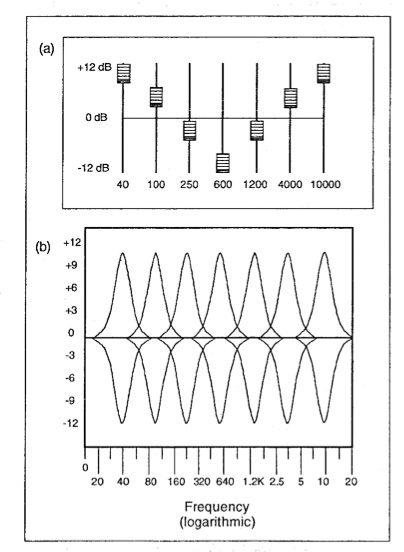
Audio equalization filters are like the control knobs on a sound system, allowing you to fine-tune and shape the audio output to your liking. Imagine them as the equalizer settings on your music player or car stereo. These filters work by adjusting the intensity of different frequency ranges within an audio signal. It’s akin to adjusting the bass, midrange, and treble levels on your home stereo system to achieve the perfect sound balance.

For instance, if you’re listening to music and the bass is overwhelming, you can use equalization filters to reduce the bass frequencies and create a more balanced and enjoyable listening experience. Conversely, if you want to emphasize the vocals in a podcast, you can boost the midrange frequencies to make the voice clearer.

Audio equalization filters are essential tools in the world of sound engineering and music production. They allow professionals to shape and enhance audio quality in recordings, live performances, and various audio applications.

Importance of Audio Equalization

As a seasoned audio engineer, I can attest to the critical role that audio equalization plays in creating high-quality audio content. It’s like being a chef who uses different seasonings to bring out the flavors in a dish. Properly applied equalization enhances the sonic characteristics of audio, making it sound cleaner, more balanced, and more appealing to the ears.

Consider a live concert scenario where you have a mix of instruments and vocals. Without proper equalization, the sound may become muddied and unclear. By using equalization filters, you can isolate and emphasize specific frequencies, making the guitar sound crisp, the vocals shine, and the drums punchy.

Audio equalization is not limited to music alone; it extends to podcasts, films, gaming, and even phone calls. Imagine watching a movie where the dialogue is drowned out by background noise. Skilled audio engineers use equalization to reduce unwanted noise and ensure that the dialogue is clear and intelligible.

Types of Audio Equalization Filters

Audio equalization filters come in various types, each designed for specific purposes. Think of them as different brushes for an artist, each suited for a particular style of painting. Here are some common types of equalization filters:

Graphic Equalizers: These are like multi-colored paint palettes, allowing you to adjust a set of fixed frequency bands. They are user-friendly and often found on consumer audio devices.

Parametric Equalizers: Parametric equalizers are like precision tools for audio professionals. They allow you to adjust not only the frequency bands but also the bandwidth (Q) and gain with great precision.

Shelving Equalizers: Imagine these as specialized brushes for broad strokes. Shelving equalizers are used to boost or cut all frequencies above or below a certain point, useful for adjusting bass or treble.

Notch Filters: These are like erasers for unwanted sounds. Notch filters target and eliminate specific frequencies, ideal for removing unwanted hums, buzzes, or feedback.

High-Pass and Low-Pass Filters: High-pass filters allow high frequencies to pass while attenuating low frequencies, while low-pass filters do the opposite. They are like sieves that filter out unwanted elements in audio.

Understanding when and how to use these different types of equalization filters is crucial for achieving the desired audio quality in various scenarios, from music production to live sound reinforcement.

Common Questions About Audio Equalization Filters

When it comes to audio equalization filters, many questions arise, much like curious minds seeking answers. Let’s address some common queries:

1. What’s the best equalization setting for music?

Equalization settings depend on personal preferences and the audio source. There’s no one-size-fits-all answer. Experiment and adjust to suit your taste.
2. Can equalization fix poor-quality recordings?

While equalization can improve audio quality to some extent, it can’t completely salvage a poorly recorded source. Quality in, quality out still applies.
3. Are expensive equalizer plugins better than free ones?

Not necessarily. The effectiveness of an equalizer depends on its features and your skill in using it. Free plugins can be excellent if used correctly.

Mastering Audio Equalization Techniques

Mastering audio equalization is like becoming a skilled painter, capable of creating stunning visuals on a canvas. To excel in this art, you need to practice, experiment, and learn from experience. Start with simple adjustments and gradually delve into more complex equalization techniques.

Consider the analogy of a chef crafting a signature dish. Just as a chef refines their recipe through trial and error, audio engineers refine their equalization techniques by actively listening, experimenting with different filters, and paying attention to detail.

Remember that context matters. Equalization for a rock concert differs from equalization for a classical orchestra recording. It’s crucial to understand the specific requirements of each audio project and tailor your equalization accordingly.

Advanced Applications of Equalization Filters

Advanced applications of equalization filters are like pushing the boundaries of artistic expression. As you become more proficient, you can use equalization creatively. Imagine being a sculptor who can carve intricate details into their work.

For instance, you can use equalization to create unique sound effects in films, simulate vintage audio characteristics, or shape the sonic identity of a musical genre. It’s akin to an artist using various brush strokes and techniques to evoke different emotions in their paintings.

Additionally, advanced equalization techniques involve dynamic equalization, where the filter settings change in real-time based on the audio input. This dynamic approach is like choreographing a dance, where the moves adapt to the music’s rhythm and intensity.

In conclusion, audio equalization filters are powerful tools in the hands of skilled audio professionals. They enable us to shape sound, enhance quality, and create captivating auditory experiences across a wide range of media and applications. Much like artists refining their craft, mastering the art of audio equalization takes time and dedication, but the results are music to the ears.