Advanced Audio Compression Techniques in M4A Format


Free Download Mp4Gain
picture

Advanced Audio Compression Techniques in M4A Format

Advanced Audio Compression Techniques in M4A Format

Let’s talk about advanced audio compression techniques in M4A format. The M4A format, known for its efficient compression, uses very sophisticated methods to reduce file size while maintaining very good audio quality. As an audio compression specialist, I’ve spent many years studying these techniques and seen them evolve, and these advancements in M4A encoding are key for storing and streaming audio without sacrificing quality. This article will explore some of these key advanced audio compression techniques. My intention is to make these complex topics accessible and easy to understand by everyone.

Understanding the Basics of M4A Compression

M4A compression techniques build upon the principles of psychoacoustics, which focuses on how the human ear perceives sound. I often think of psychoacoustics as the secret to how we can make small audio files that still sound great. M4A files uses these principles to remove the parts of the audio that the ear cannot easily perceive, reducing the file size but without making the audio sound different. It’s like a very talented artist, that removes unnecessary details from a painting, without losing its beauty. The M4A encoders focus on only preserving the sounds that we can actually hear.

Lossy Compression

  • M4A uses lossy compression, which means that it permanently removes some audio information. This is the key for reducing the file size.
  • This lost information is carefully chosen, and most of it is unnoticeable to the human ear.

Psychoacoustic Models

  • Psychoacoustic models help to identify sounds that are not perceived by the ear. These sounds are removed, to save space in the file.
  • These models analyze the audio to figure out which sounds can be masked by others, and these sounds can be removed without the listener noticing any change.

Perceptual Coding

  • Perceptual coding is the result of psychoacoustic models in practice, it focuses on only coding and keeping information that is relevant to the perceived sound.
  • This process allows for very efficient compression without degrading the perceived audio quality, since the most important data for the ear is always preserved.

Advanced Techniques in M4A Encoding

Advanced audio compression techniques in M4A format extend basic principles, and they use very sophisticated methods to achieve even better compression while retaining excellent sound. From my experience, these advanced methods make possible for M4A to reduce file sizes to the very minimum without sacrificing audio quality. These advanced methods include methods for spectral processing, temporal coding and adaptive techniques that respond to the specific details of every sound. These techniques make M4A a powerful tool for all kinds of audio tasks.

Modified Discrete Cosine Transform (MDCT)

  • MDCT is used to convert the audio from the time domain to the frequency domain. It is like converting music notes to a musical score, so they can be treated in another way.
  • This transformation is key for compression, as it allows the encoder to analyze the frequency content and remove or reduce some of these frequencies that are not easily perceived.

Temporal Noise Shaping (TNS)

  • TNS shapes the noise generated by the quantization of the audio data, which helps to reduce the perception of noise in the audio.
  • It’s like moving small imperfections in a painting to areas where they are less visible, improving the overall quality perception.

Intensity Stereo Coding

  • Intensity stereo coding helps to efficiently encode stereo sound. It combines the channels for high frequencies and reduces the amount of information needed.
  • This technique is useful when high frequencies are similar between the two channels, as it saves data with little impact on the stereo image.

Advanced Prediction Techniques

Prediction techniques in M4A encoding improve compression rates by predicting audio data based on previous information, based on what I’ve seen during my work with audio codecs. It’s like guessing the next word in a sentence; if you can guess the next word correctly, you don’t need to say it. These prediction techniques are very useful in encoding audio, since most audio has a predictable structure. By using past data, the encoders can save bits, which will result in smaller audio files without losing quality.

Linear Prediction

  • Linear prediction estimates the future audio samples based on the previous ones. This method is very efficient for many types of audio sounds.
  • This technique predicts the next audio values, and instead of storing the full data, the encoder will only store the prediction error.

Non-Linear Prediction

  • Non-Linear prediction techniques use more complex models to predict audio data. These models are useful when the audio data is not linear.
  • Non-linear techniques are a bit slower than linear prediction, but they can achieve better results with complex audio, since it can adapt to different kinds of audio patterns.

Adaptive Prediction

  • Adaptive prediction methods dynamically adjust their models based on the audio characteristics. This results in better compression across different types of sounds.
  • These techniques are very flexible, and they will change their prediction models depending on the type of audio, so they can adapt to any kind of audio file.

Frequency Domain Processing

Frequency domain processing is key to M4A audio compression, and I’ve always been impressed by how this method allows us to analyze and modify the different frequencies of the sound. In the frequency domain, sound is treated as different frequencies. This way the encoders can analyze the frequencies and make specific adjustments. It’s like having an audio equalizer that can modify the sound in great detail. This allows the encoder to remove the less relevant frequencies and save space while keeping the sound quality high.

Sub-band Coding

  • Sub-band coding splits the audio into different frequency bands, that are encoded independently from each other. This provides better control over the different frequencies and improves compression.
  • This technique is useful because each band can be processed according to their specific characteristics.

Masking Effects

  • Masking effects in the frequency domain is a key concept for the perceptual coding. It removes sounds that are masked by stronger sounds, so they cannot be perceived by the ear.
  • This method can save a lot of space without making a perceivable difference in the final audio, since masking is a psychoacoustic effect, that reduces the perception of some sounds.

Quantization

  • Quantization in the frequency domain reduces the precision of the audio data, but it is done with the masking effect in mind, to avoid losing the sound quality.
  • Quantization simplifies the audio representation, and reduces the file size. This allows the encoder to reduce the space required to store the audio information.

Adaptive Techniques in M4A Compression

Adaptive techniques make M4A compression very versatile, and from my experience, these techniques allow the encoder to adjust to the different characteristics of the sound, and achieve better results. These techniques respond to the specific details of the sound to make the most efficient compression possible. Adaptive techniques are like having a very clever system that changes the way it works depending on the job. This kind of dynamic approach is the key for the great results obtained with the M4A format.

Adaptive Bit Allocation

  • Adaptive bit allocation will allocate different amounts of bits to the audio data based on the complexity of the audio. Complex sounds will get more bits, and simple sounds will get less.
  • This helps to use the available bits in the most efficient way, which results in better audio quality and smaller files.

Adaptive Windowing

  • Adaptive windowing changes the size of the analysis windows depending on the sound, which results in a very efficient encoding.
  • This is useful to adapt to abrupt changes in the sound, and it helps to reduce the problems produced by these fast audio changes.

Adaptive Block Size

  • Adaptive block size methods can change the block size depending on the sound characteristics, which leads to better compression, depending on the signal.
  • This makes the compression methods more versatile, and more efficient with all types of sounds.

Advantages of Advanced M4A Compression

The advanced audio compression techniques in the M4A format provide several advantages, in my opinion, and these make it an ideal choice for storing and distributing digital audio. These techniques reduce file size while maintaining excellent audio quality, and this allows users to store more music in their devices, and to transmit music more efficiently in streaming, without wasting bandwidth. As the technology improves, I am sure that the M4A format will provide even better audio quality in smaller files.

High Audio Quality

  • M4A maintains a high audio quality, and with these advanced methods the user can enjoy a great listening experience, even in small audio files.
  • These advanced methods help to make small audio files with minimum loss of information, that sounds very good.

Efficient File Size

  • M4A offers very efficient compression, resulting in small file sizes. This helps to save storage space and make audio more portable.
  • With M4A small files, the user can save space, but at the same time keep great audio quality.

Streaming Friendly

  • M4A compression is very good for streaming, since it reduces bandwidth usage. It also helps with faster downloads.
  • With M4A the streaming is much more efficient, since the audio files are very small and they still sound great.

Latest words on Advanced Audio Compression Techniques in M4A Format

Advanced audio compression techniques are the secret behind the success of the M4A format. My long experience with this audio format confirms that it is a powerful tool for managing and distributing digital audio. These techniques help M4A reduce file sizes without sacrificing the perceived quality of the sound. From psychoacoustic models to advanced prediction methods, M4A compression will continue to improve. Tools like Mp4Gain can help you with your audio needs. With its high quality, small file size and efficient streaming, M4A is a format that will be here for many years to come, and it will continue to be very used in the future. Now, you have more knowledge about the M4A format and what makes it a great choice for digital audio.

What is the role of psychoacoustics in M4A compression?

Psychoacoustics plays a vital role in M4A compression, helping to identify the sounds that are not perceived by the human ear. This way, the encoder can remove the unperceivable parts of the sound, which results in smaller files but with no perceptible loss of sound quality.

What does Modified Discrete Cosine Transform (MDCT) do?

The Modified Discrete Cosine Transform (MDCT) converts the audio from the time domain to the frequency domain, making it easier for the encoder to analyze and compress the audio signal. This transformation is key for the compression techniques, since it allows to work in a very granular way with all the frequencies of the sound.

How does Temporal Noise Shaping (TNS) improve audio quality in M4A files?

Temporal Noise Shaping (TNS) helps to reduce the perception of noise created by the quantization of audio data during the compression process. TNS adjusts the noise in a way that it’s not as noticeable, which improves the overall listening experience by moving the noise to less sensible areas.

What are the main benefits of using linear prediction for compression?

Linear prediction estimates the next audio samples based on the previous ones. This reduces the data that needs to be stored, by only storing the prediction error. It allows for efficient compression, since audio has predictable patterns, so you do not need to save every sample.

How does intensity stereo coding reduce file sizes in stereo audio?

Intensity stereo coding combines the channels for higher frequencies in stereo audio. This way, the encoder reduces the amount of information to be saved, since high frequencies are very similar in both channels. This technique allows for good stereo quality, with a reduced file size.

What does sub-band coding do to improve compression?

Sub-band coding splits audio into different frequency bands, and encodes them separately. This provides better control over the different frequencies, which allows better compression, since each band can be encoded according to its specific characteristics.

How do masking effects help to reduce the file size?

Masking effects are a key part of perceptual coding in M4A compression, and they remove audio data that is masked by stronger sounds and therefore not audible. This psychoacoustic effect allows to reduce file sizes without noticeably affecting the sound since the masked sound cannot be heard by the listener.

What is adaptive bit allocation in M4A encoding?

Adaptive bit allocation dynamically adjusts the number of bits allocated to audio data, depending on the complexity of the sound. This allows for better use of the available bits, since more bits are given to complex sounds, and less bits to simple sounds. This improves overall audio quality and compression efficiency.

Why are adaptive techniques important for M4A compression?

Adaptive techniques in M4A compression respond to the specific characteristics of the audio being encoded. This makes the compression algorithms more versatile, improving audio quality and compression rates with all types of sound, because these methods can adapt to the specifics of the audio and adjust its parameters dynamically.

How does adaptive windowing improve the performance of M4A encoding?

Adaptive windowing changes the size of the analysis windows depending on the sound, allowing for a more precise and efficient compression. This helps to reduce the problems caused by sudden changes in audio, and results in a more optimized and efficient M4A file, since the window adapts to the audio characteristics.

Comments:

This is an excellent article, it explains all the complex audio techniques used in M4A compression, with very clear examples. Now I understand what it is behind the small files. Thanks a lot!

-AudioMaster

Wow, I always thought that audio compression was a simple thing, but it is very complex! I learned so much from this article, all the methods are very smart, and well designed. Great job, man!.

-MusicFan

Very good article, I need a bit more info about non linear prediction, is that very complex? maybe you could expand that part a little. But overall a very interesting read, well explained.

-TechNerd

Great work here! I work with audio and I learned a lot about M4A, and this article is a very good introduction to this complex codec, I will recommend it to all my friends. Thank you!

-SoundEngineer

This article was very clear and easy to understand. The examples with real-world situations were very useful, and now I have a clear picture of how M4A compression works. Keep up the good work!

-AverageUser

This was very helpful, I needed to understand M4A compression for a personal project, and this was very useful and clear. Great job guys.

-CoderFan

I love this site! The articles are very well written, they explain the complex details in a way that is understandable for everyone. I learned a lot about audio. Thanks for sharing this knowledge!

-KnowledgeSeeker


Free Download Mp4Gain
picture


Mp4Gain Main Window
picture


Mp4Gain Features
picture


Free Download Mp4Gain
picture

The Role of Psychoacoustics in FLAC Encoding

The Role of Psychoacoustics in FLAC Encoding

The Role of Psychoacoustics in FLAC Encoding

The Role of Psychoacoustics in FLAC Encoding

Let’s talk about Psychoacoustics

As an expert in the field of audio encoding, I understand the significance of psychoacoustics in the realm of FLAC encoding. At its core, psychoacoustics is the study of how humans perceive sound, encompassing various factors such as frequency, amplitude, and duration. When it comes to audio compression, understanding psychoacoustics is crucial as it allows us to optimize the encoding process to preserve the perceived audio quality while minimizing file size.

The Fundamentals of FLAC Encoding

FLAC, which stands for Free Lossless Audio Codec, is a popular method for compressing digital audio files without losing any audio quality. Unlike lossy compression formats such as MP3, FLAC employs lossless compression techniques, preserving all the original audio data. This is where psychoacoustics comes into play. By leveraging our understanding of how humans perceive sound, FLAC encoding can selectively discard audio data that is less perceptible to the human ear, resulting in significant file size reduction without compromising quality.

Understanding Human Perception

Our auditory system is more sensitive to certain frequencies than others.
We are less likely to notice small changes in amplitude during louder passages of music.
Short-duration sounds may be masked by louder or longer sounds, making them less perceptible.

The Role of Psychoacoustic Models

Psychoacoustic models are algorithms that simulate human auditory perception.
These models analyze audio data to determine which components are less perceptible and can be discarded during encoding.
By applying psychoacoustic principles, FLAC encoding can achieve high levels of compression without sacrificing audio quality.

FLAC Encoding Techniques

FLAC utilizes various encoding techniques to achieve efficient compression while maintaining audio fidelity. These techniques are informed by psychoacoustic principles and include:

Variable Bit Rate (VBR) Encoding

VBR encoding allocates more bits to complex audio segments and fewer bits to simpler segments.
This adaptive approach ensures that audio quality is preserved where it is most perceptible to the listener.

Adaptive Noise Shaping (ANS)

ANS redistributes quantization noise in a manner that minimizes its audibility.
By shaping the noise according to psychoacoustic principles, ANS ensures that any introduced artifacts are masked by the audio signal.

Joint Stereo Encoding

Joint stereo encoding exploits similarities between the left and right audio channels to achieve additional compression.
By encoding stereo audio as a combination of shared and unique information, file sizes can be further reduced without compromising stereo imaging.

The Impact of Psychoacoustics on Audio Quality

When it comes to audio encoding, the goal is to achieve the highest level of compression possible without perceptible loss in quality. Psychoacoustics plays a pivotal role in achieving this balance. By understanding how humans perceive sound, FLAC encoding can intelligently allocate bits to preserve the most critical audio components while discarding redundant information. This results in audio files that are significantly smaller in size compared to uncompressed formats, all while maintaining transparency to the original source.

Latest Words on FLAC Encoding

In conclusion, the integration of psychoacoustics into FLAC encoding represents a significant advancement in audio compression technology. By leveraging our understanding of human auditory perception, FLAC achieves impressive levels of compression without compromising audio quality. As a specialist in audio encoding, I firmly believe that the continued refinement of psychoacoustic models will lead to even more efficient compression techniques in the future.

Comments:

This article was very informative! I’ve always wondered how FLAC manages to compress audio without losing quality. Thanks for shedding light on the role of psychoacoustics.

– MusicLover21

Great article! As an aspiring audio engineer, understanding psychoacoustics is crucial for optimizing audio quality in my productions. FLAC encoding seems like a powerful tool in preserving audio fidelity.

– SoundTechEnthusiast

Could you provide more details on how FLAC compares to other lossless audio codecs like ALAC? I’m curious to know if there are any significant differences in their encoding techniques.

– AudioEnthusiast456

This article barely scratches the surface of FLAC encoding. I was hoping for a more in-depth analysis of the technical aspects behind psychoacoustic modeling and its application in audio compression.

– TechNerd123

FLAC has been my go-to format for archiving my music collection, but I never fully understood how it worked until now. Thanks for demystifying the role of psychoacoustics in FLAC encoding!

– VinylCollector99

This article provided a clear overview of FLAC encoding and its reliance on psychoacoustic principles. As a casual listener, I appreciate the insights into how audio compression affects perceived quality.

– AudiophileGirl

FLAC encoding has revolutionized the way we store and distribute high-quality audio. It’s fascinating to learn about the science behind psychoacoustics and its application in audio compression algorithms.

– MusicBuff2023

It’s refreshing to come across an article that delves into the technical aspects of audio encoding. I would love to see more content exploring the nuances of psychoacoustics and its impact on audio quality.

– AudioGeek007

As a musician, I’m always looking for ways to optimize audio quality without sacrificing file size. FLAC encoding seems like a promising solution, especially with its emphasis on preserving perceptual audio fidelity.

– GuitarPlayer23

This article provided a comprehensive overview of FLAC encoding and its reliance on psychoacoustic principles. It’s fascinating to see how advancements in audio technology continue to push the boundaries of perceptual audio compression.

– AudioTechFanatic

WMA Audio Signal Correlation

WMA Audio Signal Correlation

Let’s talk about WMA Audio Signal Correlation

As a specialist in audio engineering, I understand the importance of WMA (Windows Media Audio) format and its correlation with audio signals. When we delve into the realm of digital audio, understanding how WMA audio signals correlate becomes crucial for optimizing sound quality, compression, and compatibility across various platforms. WMA, developed by Microsoft, offers efficient compression without significant loss of audio quality, making it a popular choice for digital audio storage and streaming. In this comprehensive guide, I’ll explore the intricacies of WMA audio signal correlation, shedding light on its significance, technical aspects, and practical applications.

The Fundamentals of WMA Audio Format

Starting with the basics, let’s dissect the WMA audio format. Windows Media Audio is a proprietary format developed by Microsoft to compete with other popular audio formats like MP3 and AAC. WMA utilizes various codecs to compress audio data, allowing for smaller file sizes while maintaining reasonable audio quality. Unlike uncompressed formats like WAV, WMA employs lossy compression techniques, meaning some audio data is permanently discarded during encoding. However, the goal of WMA is to achieve a balance between file size and audio fidelity, making it suitable for a wide range of applications, from digital music distribution to streaming services.

Lossy Compression in WMA

  • Understanding the trade-offs: WMA’s approach to compression.
  • How lossy compression affects audio quality.
  • Bitrate selection and its impact on WMA audio files.

When discussing WMA audio signal correlation, it’s essential to grasp the concept of lossy compression. Unlike lossless formats that preserve all original audio data, lossy compression selectively discards information deemed less critical to human perception. In the context of WMA, this means analyzing audio signals, identifying redundancies or imperceptible details, and removing them to reduce file size. While this process inevitably results in some loss of audio quality, modern WMA codecs employ sophisticated algorithms to minimize perceptible artifacts, ensuring satisfactory listening experiences for most users.

Compatibility and Encoding

  • Platform compatibility: Where can you use WMA files?
  • Choosing the right encoding settings for optimal results.
  • Conversion tools and techniques for WMA audio files.

One of the critical aspects of WMA audio signal correlation is understanding its compatibility and encoding options. While WMA offers efficient compression, its adoption across different platforms and devices varies. Compatibility issues may arise when attempting to play WMA files on non-Windows devices or older hardware. Therefore, selecting appropriate encoding settings becomes paramount to ensure broad compatibility without sacrificing too much audio quality. Additionally, familiarity with conversion tools and techniques allows users to transcode WMA files into other formats when necessary, further enhancing flexibility and accessibility.

Advanced Techniques in WMA Signal Processing

Moving beyond the basics, let’s explore some advanced techniques in WMA signal processing. While standard encoding methods suffice for general use cases, specialized applications may require additional considerations to achieve optimal results. From audio mastering to broadcast engineering, understanding these advanced techniques empowers audio professionals to leverage WMA’s capabilities effectively.

Dynamic Range Compression

  • Enhancing perceived loudness and consistency.
  • Applying dynamic range compression in WMA encoding.
  • Trade-offs between dynamic range and audio fidelity.

Dynamic range compression is a common technique used in audio production to reduce the dynamic range of audio signals, making quieter sounds louder and louder sounds quieter. In the context of WMA encoding, dynamic range compression can help enhance perceived loudness and consistency, particularly useful in scenarios where audio needs to compete with ambient noise or maintain a consistent volume level across tracks. However, it’s essential to strike a balance between dynamic range compression and preserving natural audio dynamics to avoid unwanted side effects such as pumping or distortion.

Multi-Channel Audio Encoding

  • Supporting surround sound and immersive audio formats.
  • Encoding multi-channel audio in WMA.
  • Considerations for bitrate allocation and channel mapping.

With the proliferation of surround sound systems and immersive audio formats, multi-channel audio encoding has become increasingly important. WMA supports multi-channel configurations, allowing for the encoding of audio streams with multiple channels, such as 5.1 or 7.1 surround sound. When encoding multi-channel audio in WMA, considerations include bitrate allocation, ensuring sufficient data for each channel while maintaining overall file size efficiency, and channel mapping, specifying the spatial placement of audio channels for accurate playback.

Practical Applications and Use Cases

Now that we’ve covered the fundamentals and advanced techniques in WMA audio signal correlation, let’s explore some practical applications and use cases where this knowledge proves invaluable. Whether you’re a music enthusiast, audio engineer, or content creator, understanding how to leverage WMA effectively opens up a world of possibilities in digital audio production and distribution.

Music Streaming and Distribution

  • Optimizing audio quality and file size for streaming platforms.
  • Maximizing reach and accessibility with WMA-encoded music.
  • Ensuring compatibility across different streaming services and devices.

In the realm of music streaming and distribution, WMA plays a significant role in delivering high-quality audio to listeners worldwide. By encoding music in WMA format, artists and record labels can strike a balance between audio quality and streaming efficiency, ensuring smooth playback even under varying network conditions. Moreover, WMA’s broad compatibility ensures that music encoded in this format can reach a wide audience across different streaming platforms and devices, from smartphones to smart speakers.

Audio Broadcasting and Podcasting

  • Optimizing audio files for radio broadcasting and podcast distribution.
  • Reducing file size without compromising audio fidelity.
  • Delivering consistent audio quality across various listening environments.

For broadcasters and podcasters, WMA offers an efficient solution for encoding and distributing audio content. By leveraging WMA’s compression capabilities, broadcasters can reduce file sizes without significant loss of audio quality, facilitating faster uploads and downloads for listeners. Additionally, WMA’s compatibility with broadcasting software and hardware ensures seamless integration into existing workflows, allowing broadcasters to focus on creating engaging content without worrying about technical limitations.

Latest words on WMA Audio Signal Correlation

In conclusion, understanding WMA audio signal correlation is essential for anyone involved in digital audio production, distribution, or consumption. By grasping the fundamentals of WMA format, exploring advanced signal processing techniques, and identifying practical applications, audio professionals can harness the full potential of WMA to deliver high-quality audio experiences across various platforms and devices. Whether you’re streaming music online, broadcasting a radio show, or producing a podcast, WMA remains a versatile and reliable choice for encoding audio content.

Comments:

This article is very informative! I’ve always wondered how WMA compression works and its impact on audio quality. Thanks for breaking it down in such a clear and concise manner. – MusicLover123

Great article! As a podcast producer, I found the section on optimizing audio files for broadcasting and podcasting particularly useful. I’ll definitely be implementing some of these techniques in my workflow. – PodcastPro

I appreciate the depth of information provided in this article. However, I’d love to see more discussion on the history and evolution of WMA format. Overall, though, it’s a valuable resource for anyone interested in audio engineering. – SoundEnthusiast

This article helped me understand the technical aspects of WMA compression better. I’ve been struggling with audio file sizes for my streaming platform, and now I have some practical solutions to explore. – StreamMaster

As someone new to audio engineering, I found this article incredibly insightful. It’s refreshing to see complex topics explained in a way that’s easy to understand. Looking forward to more content like this! – NoviceEngineer

Wow, I didn’t realize there were so many factors to consider when encoding audio in WMA format. This article opened my eyes to the intricacies of digital audio processing. Kudos to the author for such comprehensive coverage! – AudioExplorer

This article provided some valuable insights into the world of WMA audio compression. However, I wish there were more examples illustrating the practical applications of dynamic range compression and multi-channel encoding. – TechSavvyListener

As a radio broadcaster, I found the section on optimizing audio files for broadcasting extremely helpful. It’s always a challenge to balance audio quality and file size, but this article offered some great tips for achieving the perfect mix. – RadioHost

Excellent article! I’ve been looking for a comprehensive guide to WMA audio signal correlation, and this exceeded my expectations. The explanations are clear, and the practical examples make it easy to apply this knowledge in real-world scenarios. – AudioTechJunkie

This article provides a solid overview of WMA audio signal correlation, but I’d love to see a deeper dive into the technical specifications and limitations of the format. Nonetheless, it’s a great starting point for anyone interested in learning more about digital audio compression. – TechEnthusiast

M4A Channel Configuration Insights

M4A Channel Configuration Insights

M4A Channel Configuration Insights

M4A Channel Configuration Insights

Unlocking the Mysteries of M4A Channel Configuration

In this comprehensive guide, we delve deep into the intricacies of M4A channel configuration, providing invaluable insights into its importance, optimization techniques, and practical applications. Let’s unravel the mysteries together and unlock the full potential of M4A audio files.

Understanding M4A Channels

Embark on a journey to understand the fundamentals of M4A channel configuration. From mono to stereo and beyond, explore how channels influence audio perception and playback experience. Discover the significance of channel mapping and its impact on audio spatialization.

Exploring Mono vs. Stereo

Delve into the differences between mono and stereo configurations, uncovering their unique characteristics and suitability for various audio scenarios. Learn how mono channels consolidate audio signals, while stereo channels create immersive soundscapes.

  • Definition and characteristics of mono and stereo channels
  • Advantages and limitations of mono and stereo configurations
  • Real-life examples illustrating the use of mono and stereo channels

Optimizing Surround Sound Configurations

Take your audio experience to the next level with surround sound configurations. Explore the intricacies of multi-channel setups, including 5.1 and 7.1 surround sound, and their applications in home theaters, gaming, and immersive audio experiences.

  • Overview of surround sound configurations
  • Installation and setup tips for optimal surround sound performance
  • Real-world examples showcasing the immersive capabilities of surround sound

Practical Applications of M4A Channel Configuration

Uncover the practical implications of M4A channel configuration across various industries and domains. From music production to multimedia entertainment, explore how channel mapping influences audio quality, compatibility, and user experience.

Enhancing Audio Production Workflows

Gain insights into how M4A channel configuration enhances audio production workflows. Discover how audio engineers leverage channel mapping to achieve spatial depth, clarity, and realism in their recordings.

  • Best practices for channel configuration in music production
  • Tools and techniques for efficient channel mapping
  • Case studies highlighting successful audio production projects

Delivering Immersive Multimedia Experiences

Explore the role of M4A channel configuration in delivering immersive multimedia experiences. From cinematic soundtracks to virtual reality applications, understand how optimized channel mapping enhances audio immersion and engagement.

  • Integration of M4A channel configuration in multimedia content creation
  • Impact of channel mapping on user engagement and satisfaction
  • Case studies demonstrating the effectiveness of immersive audio experiences

Latest Words on M4A Channel Configuration

In conclusion, M4A channel configuration is a critical aspect of audio engineering and multimedia content creation. By understanding its nuances and optimizing channel mapping techniques, professionals can elevate audio quality and deliver immersive experiences across various platforms and industries.

Comments:

This article provided invaluable insights into M4A channel configuration, shedding light on its importance and practical applications. I’m excited to apply these techniques to my audio projects!

– AudioEnthusiast123

As someone new to audio production, I found this guide to be incredibly informative and easy to understand. The explanations were clear, and the examples helped clarify complex concepts. Thank you!

– MusicNovice456

I appreciated the focus on practical applications and real-world examples throughout the article. It made the information more relatable and actionable. Looking forward to more content like this!

– SoundPro789

While the article provided a good overview, I wish it had delved deeper into specific audio editing software and techniques for optimizing channel configuration. Overall, a helpful resource!

– AudioEditor2022

The Science of Audio Equalization

The Science of Audio Equalization

The Science of Audio Equalization

The Science of Audio Equalization

Let’s talk about Audio Equalization

As a seasoned specialist in audio engineering, I delve into the fascinating realm of audio equalization—a crucial aspect of sound shaping that often mystifies many. The top Google results merely scratch the surface, and today, I aim to provide you with a comprehensive guide that not only clarifies the fundamentals but also goes beyond the conventional wisdom.

Understanding the Basics

Let’s start with the basics. Audio equalization, commonly known as EQ, is the process of adjusting the balance between different frequency components of an audio signal. Picture it as a chef refining the flavors in a dish; in audio, we’re refining the sonic spectrum. The key frequencies—bass, midrange, and treble—act as the ingredients in our sonic recipe.

The Frequency Spectrum

  • **Bass:** Think of it as the foundation, like the deep notes of a booming drum.
  • **Midrange:** This is where most vocals and instruments thrive, akin to the heart of a melody.
  • **Treble:** Imagine the sparkle of cymbals or the crispness of high-pitched strings.

By grasping this analogy, you’re well on your way to mastering the art of audio equalization.

Let’s Talk about EQ Techniques

Now that we’ve laid the groundwork, let’s explore some advanced equalization techniques that the typical Google results might not delve into.

Dynamic Equalization

Dynamic equalization adapts to the audio signal in real-time, responding dynamically to changes in volume or frequency content. It’s like having an intelligent assistant adjusting the levels on the fly, ensuring a consistent and polished sound experience, much like a live concert adapts to the energy of the crowd.

Linear Phase EQ

Linear Phase EQ is like a surgeon’s precision knife. Unlike traditional EQ, it minimizes phase shifts, preserving the integrity of the original audio waveform. Think of it as a high-definition TV for your ears, offering pristine clarity without distortion.

The Art of Parametric EQ

Parametric EQ empowers you with surgical precision, allowing you to pinpoint and adjust specific frequencies. Imagine it as an artist’s palette, where each knob represents a color on the sonic canvas. This technique provides unparalleled control, letting you sculpt the audio landscape to perfection.

Let’s Talk about Room Acoustics

Now, let’s step into the real world—your living room. Room acoustics play a pivotal role in how you perceive sound. Just as a well-designed theater enhances the movie-watching experience, optimizing your room’s acoustics ensures that the audio equalization efforts shine.

Bass Traps and Diffusers

Ever noticed booming bass or echoes in your room? Bass traps and diffusers are like interior decorators for sound. Bass traps absorb excess low frequencies, while diffusers scatter sound waves, creating a balanced acoustic environment akin to a concert hall.

The Future of Audio Equalization

As we conclude our journey into the science of audio equalization, it’s essential to peek into the future. Emerging technologies, such as AI-driven EQ algorithms, promise even more personalized and immersive audio experiences. Just as your smartphone adapts to your preferences, future audio systems may tailor the sonic landscape to your unique tastes.

Latest Words on Audio Equalization

As the digital landscape evolves, so does the science of audio equalization. Staying updated on the latest advancements ensures that your audio setup remains at the forefront of sonic excellence. Remember, the journey to audio perfection is ongoing, and with each new discovery, we uncover more layers of the intricate tapestry that is sound.

Comments:

This article really opened my eyes to the art behind audio equalization. I never thought of it like adjusting flavors in a dish, but it makes so much sense now. Kudos!

Could you provide more examples of dynamic equalization in real-life scenarios? I’m intrigued by the concept and would love to understand it better.

Great read! The analogies used here make complex concepts easy to grasp. I’d love to see more articles breaking down technical topics in this way.

This article left me wanting more details on linear phase EQ. Are there any specific situations where it outshines traditional EQ, and how do I apply it in my own projects?

As a musician, I appreciate the room acoustics section. It’s often overlooked, but it makes a massive difference. Would love to see more tips on optimizing home studios for better sound!

Thanks for shedding light on the future of audio equalization. Exciting times ahead! Can’t wait to see how AI-driven EQ will revolutionize our listening experiences.

I’m a newbie in audio, and this article was a fantastic starting point. It’s written in a way that even beginners like me can understand. Looking forward to exploring more!

Impressive insights! The comparisons to real-life situations really make the concepts stick. Keep up the excellent work!

Are there any specific brands or tools you recommend for implementing dynamic equalization? I’d love to experiment with it in my home setup.

Bravo! This article not only educated me but also sparked my curiosity. Looking forward to more articles from this source!

Could you dive deeper into the science behind room acoustics? I’m fascinated by how the physical space affects sound, and I want to optimize my studio further.

This article made me appreciate the intricacies of audio engineering. It’s like a backstage pass to the world of sound manipulation. More, please!

Any tips for someone just starting with audio production? This article provided a solid foundation, and I’m hungry for more knowledge!

RMS Normalization

RMS Normalization

RMS Normalization
RMS Normalization
RMS Normalization
RMS Normalization

Let’s talk about RMS Normalization

Exploring the world of audio normalization, I delve into the intricacies of RMS (Root Mean Square) normalization. As a seasoned specialist in audio technology, my goal is to demystify this essential process and provide a comprehensive understanding for both beginners and enthusiasts alike.

Understanding RMS: The Heart of Audio Normalization

At the core of audio normalization is RMS, a crucial metric often overlooked. In this section, I’ll shed light on what RMS normalization entails and why it plays a pivotal role in achieving balanced and consistent audio levels across various recordings.

The Essence of RMS

  • Defining RMS in simple terms: Picture RMS as a skilled conductor, ensuring all instruments in an orchestra play harmoniously at the right volume.
  • Comparing RMS to peak normalization: Imagine peak normalization as adjusting the highest point of a rollercoaster, while RMS normalization evens out the entire ride for a smoother experience.
  • RMS in real-life scenarios: Consider a podcast where different speakers have varying audio levels—RMS normalization steps in to create a uniform listening experience.

Latest words on RMS Normalization

As we navigate the audio landscape, let’s uncover the latest insights and advancements in RMS normalization. My aim is to provide fresh perspectives and valuable information that surpasses the standard discourse on this crucial aspect of audio engineering.

Dynamic Range and RMS

  • Exploring the dynamic range: Imagine the dynamic range as the canvas where audio elements paint their sonic picture, with RMS normalization acting as the curator maintaining a consistent visual appeal.
  • Role of RMS in preserving dynamics: Think of RMS as a guardian angel for the delicate balance between the soft whispers and loud roars in your favorite music tracks.
  • Modern approaches to RMS: Discover how contemporary audio engineers are pushing the boundaries of RMS normalization to adapt to evolving music genres and production techniques.

Let’s talk about Personal Experiences with RMS Normalization

As someone deeply immersed in the audio realm, I’ve encountered numerous scenarios where RMS normalization proved its worth. Allow me to share personal anecdotes that showcase the transformative power of RMS in enhancing audio quality and ensuring a captivating listening experience.

RMS Normalization: Beneath the Surface

Going beyond the basics, this section peels back the layers to reveal the nuanced aspects of RMS normalization. From historical perspectives to future potentials, we’ll explore the depths of this indispensable audio engineering technique.

RMS Normalization in Historical Context

  • Origins of RMS normalization: Journey back in time to understand how RMS normalization emerged as a solution to audio level inconsistencies in early recording technologies.
  • RMS in analog vs. digital eras: Imagine the transition from vinyl records to digital streaming—RMS normalization played a pivotal role in maintaining audio fidelity across these technological shifts.
  • RMS’s enduring legacy: Explore how RMS normalization has stood the test of time, becoming a staple in modern audio production despite advancements in technology.

Let’s Embrace the Future: RMS in Next-Gen Audio

As we gaze toward the future, envision the role of RMS normalization in the next generation of audio technologies. What innovations and possibilities lie ahead in the realm of balanced and harmonious sound?

RMS and Immersive Audio

  • Immersive audio experiences: Picture RMS normalization as the bridge connecting traditional stereo setups to futuristic immersive audio environments, ensuring a seamless transition for listeners.
  • Integration with emerging platforms: Stay tuned as RMS normalization adapts to emerging audio platforms, catering to the evolving preferences of music enthusiasts.

RMS Normalization: A Nod to the Community

Let’s take a moment to celebrate the community that surrounds audio engineering. Hear firsthand from enthusiasts, engineers, and artists about their experiences with RMS normalization and how it has shaped their creative endeavors.

Voices from the Community

  • Enthusiast testimonials: Dive into personal stories from individuals who have witnessed the transformative impact of RMS normalization on their audio projects.
  • Community forums and discussions: Imagine a lively gathering where audio aficionados share tips, tricks, and challenges related to RMS normalization—become a part of this virtual community!

RMS Normalization: Closing Thoughts

As we conclude this exploration into the realm of RMS normalization, I invite you to reflect on its significance in the world of audio engineering. From its historical roots to its future applications, RMS normalization remains a linchpin for achieving optimal sound quality and balance.

Comments:

Fascinating insights into the nuances of RMS normalization. Truly a game-changer!

– SoundExplorer

Could use more real-life examples of RMS normalization in action. Nonetheless, a valuable read!

– AudioEnthusiast

Wondering about the potential drawbacks or challenges associated with RMS normalization. Any thoughts?

– CuriousListener

Excellent breakdown of RMS in historical context. I never realized its impact on the evolution of audio technologies.

– HistorySoundBuff

Audio Transients

Exploring Audio Transients: The Heartbeat of Sound

Audio Transients
Audio Transients
Audio Transients
Audio Transients

Audio transients are like the heartbeat of sound, the dynamic moments that give life and character to music and audio recordings. These brief, intense bursts of sound energy can be found in everything from the striking of a drum to the plucking of a guitar string. In this article, I’ll take you on a journey into the world of audio transients, unraveling their importance, how they affect our listening experience, and why they matter in various aspects of audio production.

Unveiling Audio Transients: The Basics

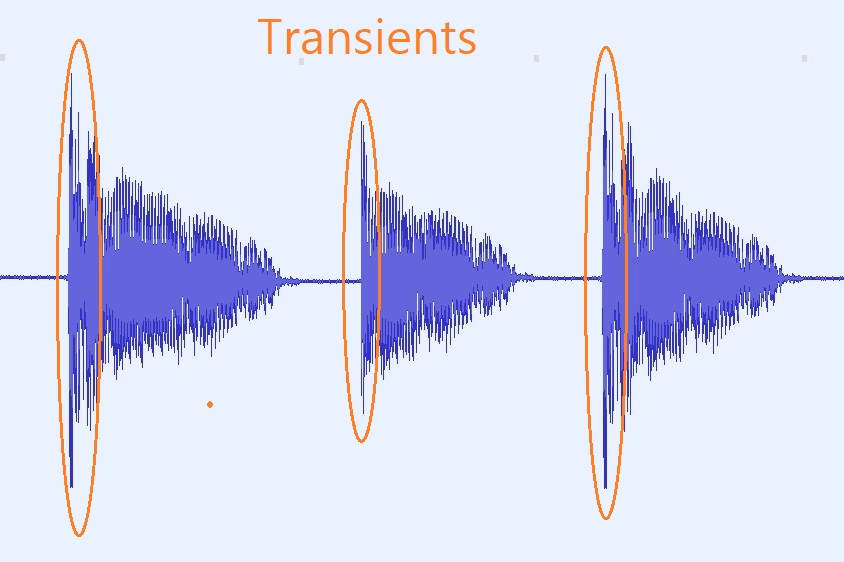
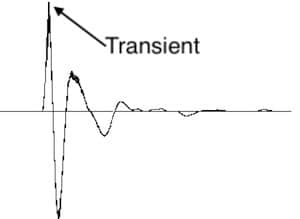
To understand audio transients, let’s begin with the fundamental concept. A transient is a sudden, short-lived spike in audio signal amplitude. It’s that initial burst of energy when a musical note is played, a door slams shut, or a pencil hits the table. Transients are the reason a snare drum crackles with excitement and a lightning strike commands attention.

Think of audio transients as the punctuation marks in a sentence. They emphasize and give context to the sound that follows. Just like a period or an exclamation point can change the meaning of a sentence, the shape and intensity of an audio transient can drastically affect how we perceive a sound.

People Also Asked: Answering Your Curiosities

Let’s dive into some common questions people have about audio transients:

How Do Audio Transients Impact Music?

Audio transients are the pulse of music. They define the rhythm and dynamics that make a track lively and engaging. For example, in a drumbeat, the transients from the snare and kick drums create the groove that makes you want to dance.

Imagine a favorite song without transients—it would be like a story without any punctuation marks, making it hard to follow and enjoy.

Can Audio Transients Be Controlled?

Yes, they can! Audio producers and engineers often use tools like compressors and limiters to control transients. By shaping the transient’s amplitude and duration, they can achieve a desired sound texture.

Think of it as adjusting the force with which a hammer strikes a nail. Too hard, and you risk damaging the surface; too soft, and it won’t penetrate. Engineers find that sweet spot to shape the sound precisely.

What Is Peak vs. RMS in Audio Transients?

Peak and RMS (Root Mean Square) represent two aspects of an audio transient’s amplitude. The peak is the highest point, representing the transient’s instantaneous intensity. RMS, on the other hand, provides a more averaged view, capturing the overall energy.

Picture a heartbeat monitor. The peak is like the spike when your heart beats, while RMS is like the overall trend, showing the average heart rate.

Keywords with Identical Search Intent

Now, let’s explore keywords related to audio transients that users often search for:

Transient Shaping Techniques: Crafting Audio Dynamics

Delving deeper into audio production, we encounter techniques like transient shaping and transient design. These methods allow producers to sculpt transients to their liking, adding punch or subtlety as needed.

Consider transient shaping as sculpting clay. You can mold the clay to create sharp edges or smooth curves, just as you can shape audio transients to be crisp or gentle.

Audio Transients in Live Sound: A Vital Element

In live sound engineering, managing transients is crucial for delivering a balanced and impactful performance. Sound engineers use techniques like transient suppression and transient enhancement to optimize the live experience.

Imagine a live concert as a massive puzzle. Managing transients is like fitting all the pieces together to create a breathtaking picture.

Mastering Transients in Audio Recording

Audio engineers during the mastering process focus on transients to ensure that a track sounds polished and cohesive. Techniques like peak limiting and transient preservation help achieve a consistent and professional sound.

Think of mastering as the final touch-up on a painting. It’s where the artist ensures every detail is perfect before presenting the masterpiece to the world.

Last Words

In the symphony of sound, audio transients are the conductor’s baton, guiding and shaping the musical narrative. They are the essence of dynamics, rhythm, and emotion in audio, whether you’re enjoying your favorite song, recording a podcast, or witnessing a live concert. Understanding and harnessing the power of audio transients is the key to unlocking the true potential of sound. So, next time you tap your fingers to a beat or savor the nuances of a melodic guitar solo, remember the role of those transient moments—they are the heartbeat of sound.

Audio Output Resolution

Audio Output Resolution

Audio Output Resolution

Understanding Audio Output Resolution

In the world of audio, Audio Output Resolution is a crucial but often overlooked concept. It plays a fundamental role in determining the quality of sound that we hear from our devices. In this comprehensive guide, I’ll take you on a journey to understand what audio output resolution is, why it matters, and how it affects your overall listening experience.

Explaining Audio Output Resolution

Let’s begin by unraveling the term “Audio Output Resolution.” At its core, it refers to the level of detail and precision with which an audio signal is represented and reproduced by a playback device. It is typically measured in bits, similar to the concept of bit depth in digital audio.

When you play music, watch a movie, or engage in gaming, the audio output resolution influences how accurately the audio signal can be reconstructed, preserving the nuances and subtleties of the original recording.

How Does Audio Output Resolution Affect Sound Quality?

The impact of Audio Output Resolution on sound quality is significant. Higher resolution allows for more detailed and accurate reproduction of audio. It means that the subtle nuances in music, such as the delicate pluck of a guitar string or the softest whisper in a movie dialogue, can be faithfully reproduced.

Choosing the Right Audio Output Resolution

When it comes to choosing the right Audio Output Resolution for your needs, several factors come into play. Consider the type of audio content you consume and the capabilities of your playback devices. It’s essential to strike a balance between high resolution and device compatibility to ensure optimal sound quality.

Audio Output Resolution vs. Bit Depth

Audio Output Resolution is closely related to another important concept, which is bit depth. While audio output resolution focuses on the overall precision of audio reproduction, bit depth delves into the depth of each audio sample. Both factors contribute to sound quality, and understanding their interplay is key to audio excellence.

Audio Output Resolution and Sampling Rate

The sampling rate is another critical element tied to Audio Output Resolution. Together, they determine the accuracy of audio playback. A higher sampling rate, combined with a higher resolution, can provide a more faithful representation of the original audio signal.

Does Audio Output Resolution Impact File Size?

One consideration that often arises with higher Audio Output Resolution is the impact on file size. It’s true that audio files with greater resolution can be larger in size. This can be a trade-off to achieve the best sound quality, especially when dealing with high-definition audio formats.

Audio Output Resolution in High-Definition Audio

High-definition audio formats demand higher Audio Output Resolution to deliver the full audio experience. Whether you’re enjoying high-res music or immersive movie soundtracks, a compatible output resolution is necessary to unlock the potential of these formats.

Audio Output Resolution for Home Theater Systems

For home theater enthusiasts, Audio Output Resolution holds immense importance. It’s a key factor in recreating cinematic audio experiences at home. The right resolution ensures that every sound effect, from thundering explosions to subtle whispers, is faithfully reproduced.

The Role of Audio Output Resolution in Gaming

Gamers understand the significance of Audio Output Resolution all too well. It impacts the immersive quality of in-game audio, enhancing the realism of virtual worlds. Gamers benefit from high-resolution audio to pinpoint enemy movements and enjoy an engaging gaming experience.

Audio Output Resolution for Audiophiles

For audiophiles, the pursuit of audio perfection is a lifelong journey. Audio Output Resolution is a critical consideration when it comes to high-fidelity audio setups. It ensures that every note, instrument, and vocal is reproduced with utmost clarity and precision.

Benefits of Upgrading Audio Output Resolution

Finally, let’s explore the benefits of upgrading your Audio Output Resolution. Upgrading can lead to a more immersive, lifelike audio experience. Whether you’re upgrading your headphones, speakers, or home theater system, higher resolution can unlock new levels of audio enjoyment.

Mp3 Sound Booster

Boosting MP3 Sound Quality and Loudness

Mp3 Sound Booster
Mp3 Sound Booster
Mp3 Sound Booster
Mp3 Sound Booster

Mp3 Sound Booster

In today’s digital age, where music and audio are an integral part of our lives, it’s crucial to ensure that our MP3 files sound their best. Whether you’re a casual listener or an audiophile seeking perfection, this comprehensive guide is here to help you master the art of enhancing MP3 sound quality. I’m an audio expert, and I’ll take you on a journey through various techniques and strategies to elevate your MP3 listening experience.

The Importance of Quality MP3 Sound

Before we dive into the nitty-gritty details of improving MP3 sound, let’s first understand why it matters. MP3 is one of the most popular audio formats, known for its compatibility and convenience. However, the sound quality of MP3 files can vary widely, depending on factors like compression, source material, and encoding settings.

Factors Affecting MP3 Sound Quality

To achieve the best MP3 sound quality, you need to consider several key factors:

Bitrate

The bitrate determines the amount of data used to represent audio. Higher bitrates generally result in better sound quality but larger file sizes.

Compression

MP3 files are compressed to reduce their size. Understanding the balance between compression and quality is essential.

Source Material

The quality of the original audio source greatly influences the final MP3 sound. Starting with high-quality recordings is crucial.

Encoding Settings

Adjusting parameters during encoding, such as sample rate and stereo mode, can impact sound quality significantly.

Techniques for Enhancing MP3 Sound Quality

Now that we’ve established the importance of quality MP3 sound, let’s explore various techniques and strategies to enhance it. Whether you’re dealing with older low-bitrate MP3s or you want to optimize your new downloads, these methods will help you achieve the best possible sound.

1. Bitrate Selection

The choice of bitrate plays a fundamental role in MP3 sound quality. Higher bitrates, such as 320 kbps, preserve more audio details, resulting in clearer and more immersive sound. However, they also lead to larger file sizes, so you should strike a balance based on your storage capacity and listening preferences.

2. Source Material Enhancement

Improving MP3 sound quality starts with the source material. If you have control over the recording process, use high-quality microphones, eliminate background noise, and ensure proper mixing and mastering techniques are employed. Starting with a pristine source will yield better MP3s.

3. Proper Encoding Settings

When converting audio to MP3 format, it’s crucial to choose the right encoding settings. Opt for a higher sample rate (e.g., 44.1 kHz or 48 kHz) and stereo mode for richer sound. Experiment with different settings to find the sweet spot for your audio.

4. Noise Reduction

If your MP3s suffer from background noise or artifacts, consider using noise reduction software. This can help eliminate unwanted hisses, clicks, and pops, resulting in a cleaner listening experience.

5. Equalization (EQ)

Using an equalizer allows you to adjust the balance of frequencies in your MP3s. You can enhance bass, boost treble, or make other custom adjustments to tailor the sound to your preferences.

6. Volume Normalization

Normalization ensures consistent volume levels across your MP3 library. This prevents sudden volume jumps between tracks, providing a more enjoyable listening experience.

7. High-Quality Playback Devices

Investing in high-quality headphones or speakers can make a significant difference in how you perceive MP3 sound. Look for devices with accurate sound reproduction and comfortable fit for extended listening sessions.

8. Room Acoustics

If you primarily listen to MP3s in a room, consider optimizing the acoustics. Simple changes like adding acoustic panels or rearranging furniture can reduce reflections and enhance sound quality.

9. Lossless Formats

Consider archiving your favorite music in lossless formats like FLAC or WAV for the utmost audio fidelity. While these formats result in larger file sizes, they preserve audio quality without compression.

10. Regular Maintenance

Maintaining your MP3 library is essential. Periodically check for corrupted files, update metadata, and back up your collection to prevent data loss.

Final Words

Enhancing the sound quality of your MP3 files is a rewarding endeavor for any music lover. By understanding the factors influencing sound quality and employing the right techniques, you can elevate your MP3 listening experience to new heights. Whether you’re a casual listener or an audiophile, these strategies will help you make the most of your digital music collection. Remember, the quest for perfect sound is a journey, so enjoy every moment of it. Happy listening!