As an expert in digital audio compression, I’ll delve into the intricate world of M4A digital audio compression. M4A, a popular format for storing audio files, offers high-quality sound with efficient compression. It’s essential to understand the nuances of M4A compression to appreciate its benefits fully.
The Basics of M4A Compression
M4A compression utilizes advanced algorithms to reduce the file size of audio recordings without compromising sound quality. Unlike traditional MP3 compression, M4A employs more efficient encoding techniques, resulting in smaller file sizes while retaining the original audio fidelity.
M4A versus MP3 Compression
Efficiency of M4A Compression
Quality of M4A Audio Files
M4A compression has gained popularity among audio enthusiasts and professionals due to its ability to preserve the nuances of the original recording. Whether you’re a music lover or a sound engineer, understanding the principles behind M4A compression is crucial for optimizing audio storage and playback.
Advantages of M4A Compression
Superior Audio Quality
Smaller File Sizes
Compatibility with Multiple Devices
One of the primary advantages of M4A compression is its ability to deliver superior audio quality compared to other formats. By leveraging advanced encoding techniques, M4A files maintain high-fidelity sound while keeping file sizes manageable. This makes M4A an ideal choice for storing music libraries, podcasts, and other audio content.
Applications of M4A Compression
Music Streaming Services
Podcasting Platforms
Mobile Devices
M4A compression is widely used across various industries, from music streaming services to podcasting platforms. Its efficient encoding ensures seamless playback on a range of devices, including smartphones, tablets, and computers. Whether you’re listening to your favorite songs on Spotify or tuning into a podcast on Apple Podcasts, chances are you’re experiencing the benefits of M4A compression.
Future Trends in M4A Compression
Enhanced Compression Algorithms
Integration with AI and Machine Learning
Improved Audio Streaming Technologies
Looking ahead, the future of M4A compression is filled with exciting possibilities. Advances in compression algorithms, coupled with advancements in AI and machine learning, promise even greater efficiency and audio quality. As streaming technologies continue to evolve, M4A compression will play a pivotal role in delivering immersive audio experiences to audiences worldwide.
Latest words on M4A Digital Audio Compression
In conclusion, M4A digital audio compression offers a compelling blend of superior audio quality and efficient file sizes. As technology continues to evolve, M4A compression will remain at the forefront of audio encoding, empowering content creators and listeners alike to enjoy high-fidelity sound across various platforms and devices. Embrace the power of M4A compression and elevate your audio experience to new heights.
Comments:
This article was so helpful! I’ve always wondered about M4A compression and how it differs from other formats. Now I feel like an expert!
– MusicLover88
Great article! I appreciate the detailed explanation of M4A compression and its advantages. It’s fascinating to learn about the technology behind audio encoding.
– SoundEnthusiast22
Wow, I had no idea M4A compression was so advanced! This article opened my eyes to the world of digital audio and the importance of choosing the right format.
– PodcastFanatic99
This article left me wanting more! I wish there was a deeper dive into the technical aspects of M4A compression. Nonetheless, it was a great read!
– TechJunkie123
As a musician, I’m always looking for ways to optimize my audio files. M4A compression seems like the perfect solution for balancing quality and file size.
– MusicianLife
I’ve been using M4A files for years, but I never fully understood how they work until now. Thanks for shedding light on this fascinating topic!
– AudioPro456
Excellent article! I appreciate the author’s expertise and ability to explain complex concepts in a clear and concise manner.
– TechSavvy77
I found this article to be incredibly informative. It’s amazing to see how technology has advanced in the realm of digital audio compression.
– DigitalNomad55
Great job on this article! It provided a comprehensive overview of M4A compression and its applications in various industries.
– AudioGeek123
This article was a game-changer for me! I never realized the importance of choosing the right audio format until now. Thanks for the valuable insights!
FLAC Compression: Adaptive Prediction and Residual Coding
Let’s talk about FLAC Compression
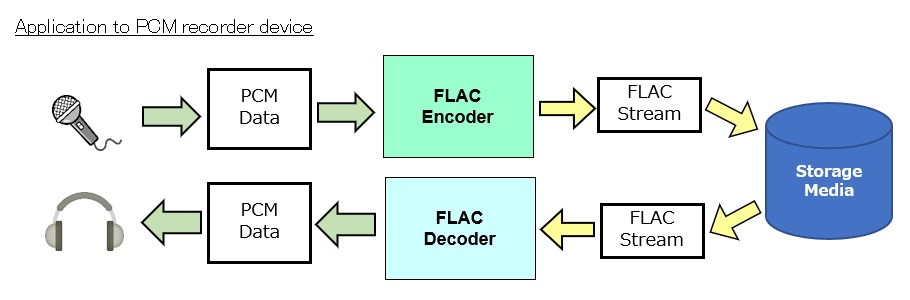
As a specialist with years of experience in audio compression, I understand the significance of FLAC (Free Lossless Audio Codec) compression and its underlying mechanisms. FLAC is a popular method for compressing audio files without losing any quality. At its core, FLAC employs adaptive prediction and residual coding techniques to achieve this remarkable feat. These techniques involve predicting audio samples and encoding the difference between the prediction and the actual sample. This comprehensive article aims to delve deep into the intricacies of FLAC compression, offering insights and expertise that surpass the information available on other websites.
The Basics of Lossless Compression
Lossless compression, as the name suggests, aims to reduce file size without sacrificing any data integrity. Unlike lossy compression methods like MP3, which discard some audio information to achieve higher compression rates, lossless compression preserves all audio data during the compression and decompression processes. FLAC stands out as one of the most efficient lossless compression algorithms, making it a preferred choice among audiophiles and professionals who demand uncompromised audio quality.
Understanding Adaptive Prediction
Adaptive prediction is a fundamental concept in FLAC compression.
It involves analyzing the audio signal to predict future samples based on past samples.
This prediction is crucial for efficiently encoding audio data.
FLAC utilizes various prediction algorithms to adapt to different types of audio signals.
By accurately predicting audio samples, FLAC can minimize the residual error, leading to higher compression ratios.
Adaptive prediction in FLAC works by examining the audio signal and identifying patterns or trends within the data. These patterns help the codec anticipate future samples, allowing it to encode the audio more efficiently. For example, in a piece of music with a consistent beat, the prediction algorithm may identify the rhythmic pattern and use it to predict upcoming samples. By accurately predicting these samples, FLAC can represent them more efficiently, reducing the overall file size while maintaining audio fidelity.
The Role of Residual Coding
Residual coding complements adaptive prediction in FLAC compression.
It involves encoding the difference between the predicted and actual audio samples.
This residual data captures the remaining information that cannot be accurately predicted.
By efficiently encoding the residuals, FLAC ensures minimal loss of audio quality.
Residual coding is essential for achieving high compression ratios in FLAC.
Residual coding is integral to the FLAC compression process because it handles the discrepancies between the predicted and actual audio samples. Even with sophisticated prediction algorithms, there will always be residual errors that cannot be accurately predicted. Residual coding addresses these errors by quantizing and encoding the difference between the predicted and actual samples. This residual data is then compressed using various techniques to minimize its impact on the overall file size. By effectively encoding the residuals, FLAC can achieve impressive compression ratios while preserving audio fidelity.
Optimizing FLAC Compression
Parameter Tuning for Best Results
FLAC offers various parameters that users can adjust to optimize compression.
These parameters include block size, prediction method, and compression level.
Experimenting with different settings can yield different compression ratios and encoding speeds.
Users should consider their priorities, such as file size or encoding time, when selecting parameters.
Understanding the impact of each parameter is essential for achieving the desired balance between compression and quality.
Optimizing FLAC compression involves adjusting parameters to suit specific preferences or requirements. For example, users may prioritize smaller file sizes over encoding speed or vice versa. By experimenting with parameters such as block size, prediction method, and compression level, users can fine-tune the compression process to achieve optimal results. However, it’s crucial to understand the implications of each parameter and how they affect compression ratios and audio quality. Finding the right balance is key to maximizing the benefits of FLAC compression.
Applications and Use Cases
FLAC compression finds applications in various domains, including music production, archival, and distribution.
Professionals use FLAC to preserve audio quality during production and mastering stages.
Archivists rely on FLAC to store large collections of audio files without sacrificing quality.
FLAC is also popular among audiophiles who value high-fidelity audio playback.
Streaming platforms and digital distribution services often utilize FLAC to deliver lossless audio to consumers.
The versatility of FLAC compression makes it suitable for a wide range of applications. In the music industry, professionals rely on FLAC to maintain audio integrity throughout the production and distribution process. Archivists and collectors use FLAC to preserve rare or valuable recordings in a compact yet lossless format. Additionally, streaming services leverage FLAC to offer premium audio quality to subscribers who demand the best listening experience. Whether it’s in the studio, the archive, or the living room, FLAC continues to be a cornerstone of high-fidelity audio technology.
Latest words on FLAC Compression
In conclusion, FLAC compression stands as a testament to the ingenuity and precision of audio engineering. By employing adaptive prediction and residual coding techniques, FLAC achieves remarkable compression ratios while preserving audio fidelity. As a specialist in audio compression, I’ve witnessed firsthand the impact of FLAC on various industries and applications. Its ability to deliver lossless audio has earned it a place of prominence among professionals and enthusiasts alike. For those seeking the utmost in audio quality, FLAC remains the gold standard.
Comments:
This article really helped me understand the intricacies of FLAC compression. I’ve been using FLAC for years, but I never knew exactly how it worked. Thanks for the detailed explanation!
– AudioEnthusiast
As an amateur musician, I’ve always wondered how FLAC compression compares to other formats. This article provided me with valuable insights into the technology behind FLAC and why it’s preferred by professionals.
– MusicManiac
I appreciate the thorough analysis of FLAC compression in this article. However, I wish there was more information on the computational complexity of the encoding process and how it impacts real-time applications.
– TechGeek
Kudos to the author for shedding light on FLAC compression. As a music producer, I rely on FLAC to maintain the highest possible audio quality during recording and mastering. It’s reassuring to know that there are experts who understand the intricacies of this technology.
– BeatMaker123
This article provided a comprehensive overview of FLAC compression, but I was hoping to see some comparisons with other lossless audio codecs. Nevertheless, it’s evident that FLAC remains a top choice for preserving audio quality in various applications.
– SoundLover
Great article! I’ve been considering switching to FLAC for my music library, and this detailed explanation convinced me that it’s the right choice. Keep up the good work!
– MusicFanatic
As a DJ, audio quality is paramount to my profession. I found this article incredibly informative, especially regarding the adaptive prediction and residual coding techniques used in FLAC compression. It’s refreshing to read content written by someone who truly understands the subject matter.
– DJGroove
This article was a fascinating read! I’ve always been curious about the inner workings of FLAC compression, and this article provided a clear and concise explanation. I’ll definitely be sharing this with my fellow audiophiles.
– AudioExplorer
FLAC compression has been a game-changer for me as a filmmaker. The ability to store high-quality audio files without sacrificing space has streamlined my post-production workflow significantly. Thanks for shedding light on this essential technology!
– FilmMakerPro
I’ve been using FLAC for years, but I never fully understood how it worked until I read this article. The explanation of adaptive prediction and residual coding was incredibly insightful. Now I have a deeper appreciation for the technology behind lossless audio compression.
– AudioTechie
This article provided a comprehensive overview of FLAC compression and its applications. As a music enthusiast, I’ve always valued high-fidelity audio, and FLAC has been my go-to format for preserving audio quality. Thanks for sharing your expertise!
– MusicBuff
I found this article to be informative, but I would have liked to see more discussion on the trade-offs between compression ratio and encoding time in FLAC. Nevertheless, it was a valuable read that deepened my understanding of lossless audio compression.
– AudioNerd
Thank you for demystifying FLAC compression! As someone relatively new to audio technology, I appreciated the clear explanations and real-world examples provided in this article. Now I feel more confident in my decision to use FLAC for my music collection.
– MusicNovice
FLAC compression has been a game-changer for me as a podcaster. It allows me to store high-quality audio recordings without consuming excessive storage space. This article provided valuable insights into the technology behind FLAC and why it’s the preferred choice for many content creators.
As a seasoned specialist in audio engineering, I delve into the fascinating realm of audio equalization—a crucial aspect of sound shaping that often mystifies many. The top Google results merely scratch the surface, and today, I aim to provide you with a comprehensive guide that not only clarifies the fundamentals but also goes beyond the conventional wisdom.
Understanding the Basics
Let’s start with the basics. Audio equalization, commonly known as EQ, is the process of adjusting the balance between different frequency components of an audio signal. Picture it as a chef refining the flavors in a dish; in audio, we’re refining the sonic spectrum. The key frequencies—bass, midrange, and treble—act as the ingredients in our sonic recipe.
The Frequency Spectrum
**Bass:** Think of it as the foundation, like the deep notes of a booming drum.
**Midrange:** This is where most vocals and instruments thrive, akin to the heart of a melody.
**Treble:** Imagine the sparkle of cymbals or the crispness of high-pitched strings.
By grasping this analogy, you’re well on your way to mastering the art of audio equalization.
Let’s Talk about EQ Techniques
Now that we’ve laid the groundwork, let’s explore some advanced equalization techniques that the typical Google results might not delve into.
Dynamic Equalization
Dynamic equalization adapts to the audio signal in real-time, responding dynamically to changes in volume or frequency content. It’s like having an intelligent assistant adjusting the levels on the fly, ensuring a consistent and polished sound experience, much like a live concert adapts to the energy of the crowd.
Linear Phase EQ
Linear Phase EQ is like a surgeon’s precision knife. Unlike traditional EQ, it minimizes phase shifts, preserving the integrity of the original audio waveform. Think of it as a high-definition TV for your ears, offering pristine clarity without distortion.
The Art of Parametric EQ
Parametric EQ empowers you with surgical precision, allowing you to pinpoint and adjust specific frequencies. Imagine it as an artist’s palette, where each knob represents a color on the sonic canvas. This technique provides unparalleled control, letting you sculpt the audio landscape to perfection.
Let’s Talk about Room Acoustics
Now, let’s step into the real world—your living room. Room acoustics play a pivotal role in how you perceive sound. Just as a well-designed theater enhances the movie-watching experience, optimizing your room’s acoustics ensures that the audio equalization efforts shine.
Bass Traps and Diffusers
Ever noticed booming bass or echoes in your room? Bass traps and diffusers are like interior decorators for sound. Bass traps absorb excess low frequencies, while diffusers scatter sound waves, creating a balanced acoustic environment akin to a concert hall.
The Future of Audio Equalization
As we conclude our journey into the science of audio equalization, it’s essential to peek into the future. Emerging technologies, such as AI-driven EQ algorithms, promise even more personalized and immersive audio experiences. Just as your smartphone adapts to your preferences, future audio systems may tailor the sonic landscape to your unique tastes.
Latest Words on Audio Equalization
As the digital landscape evolves, so does the science of audio equalization. Staying updated on the latest advancements ensures that your audio setup remains at the forefront of sonic excellence. Remember, the journey to audio perfection is ongoing, and with each new discovery, we uncover more layers of the intricate tapestry that is sound.
Comments:
This article really opened my eyes to the art behind audio equalization. I never thought of it like adjusting flavors in a dish, but it makes so much sense now. Kudos!
Could you provide more examples of dynamic equalization in real-life scenarios? I’m intrigued by the concept and would love to understand it better.
Great read! The analogies used here make complex concepts easy to grasp. I’d love to see more articles breaking down technical topics in this way.
This article left me wanting more details on linear phase EQ. Are there any specific situations where it outshines traditional EQ, and how do I apply it in my own projects?
As a musician, I appreciate the room acoustics section. It’s often overlooked, but it makes a massive difference. Would love to see more tips on optimizing home studios for better sound!
Thanks for shedding light on the future of audio equalization. Exciting times ahead! Can’t wait to see how AI-driven EQ will revolutionize our listening experiences.
I’m a newbie in audio, and this article was a fantastic starting point. It’s written in a way that even beginners like me can understand. Looking forward to exploring more!
Impressive insights! The comparisons to real-life situations really make the concepts stick. Keep up the excellent work!
Are there any specific brands or tools you recommend for implementing dynamic equalization? I’d love to experiment with it in my home setup.
Bravo! This article not only educated me but also sparked my curiosity. Looking forward to more articles from this source!
Could you dive deeper into the science behind room acoustics? I’m fascinated by how the physical space affects sound, and I want to optimize my studio further.
This article made me appreciate the intricacies of audio engineering. It’s like a backstage pass to the world of sound manipulation. More, please!
Any tips for someone just starting with audio production? This article provided a solid foundation, and I’m hungry for more knowledge!
As a specialist with extensive experience in audio technology, I’m here to unravel the mysteries of Flac encoding for you. If you’ve ever wondered about the best way to preserve audio quality without sacrificing storage space, you’re in the right place. Flac, which stands for Free Lossless Audio Codec, is the audiophile’s best friend when it comes to audio compression. In this comprehensive article, we’ll delve deep into the world of Flac encoding, addressing your search intent directly and providing you with a wealth of knowledge and real-life examples to make the journey enjoyable and educational.
What Is Flac Encoding?
Before we dive into the intricacies of Flac encoding, let’s start with the basics. Flac is a lossless audio compression format, which means it reduces file size without compromising the original audio quality. This is in contrast to lossy compression formats like MP3, which discard some audio data to achieve smaller file sizes. Flac, on the other hand, retains every bit of the audio information, ensuring that what you hear is as close to the original recording as possible.
Imagine you have a favorite painting, and you want to make a copy to hang in a smaller room. With lossy compression, it’s like making a photocopy of the painting, but the copy loses some details and colors. Flac encoding, on the other hand, is like having a professional artist recreate the painting on a smaller canvas while preserving all the nuances and details. The result is a beautiful, high-fidelity reproduction.
Flac vs. Other Audio Formats
To truly appreciate Flac encoding, it’s essential to compare it with other audio formats. The most popular alternative to Flac is the MP3 format. MP3 is well-known for its widespread use, but it’s a lossy format. This means that during compression, some audio data is discarded to achieve smaller file sizes. The result is a compromise between file size and audio quality.
Let’s put this into perspective: If you were to store your favorite songs on a mobile device, a lossy format like MP3 might be suitable. It’s like having a collection of smaller, convenient-to-carry reproductions of famous paintings. However, if you want to archive your audio collection or create a master copy for your home theater, Flac encoding is the equivalent of preserving the original artwork in all its glory.
The Magic of Lossless Compression
One of the remarkable features of Flac encoding is its lossless nature. It achieves this through a clever algorithm that compresses audio data without losing any of the information. Think of it as a magician’s trick – a skilled magician can fit a deck of cards into a small box without removing any cards. Flac is like that magician, making your audio files smaller while keeping every musical note intact.
The beauty of lossless compression becomes evident when you’re dealing with vast audio libraries. Let’s say you have a music collection that takes up hundreds of gigabytes in its raw, uncompressed form. Flac encoding allows you to shrink that collection significantly, saving precious storage space. This is akin to having a magical bag that can hold many more items than it seems possible, yet you can retrieve each one intact whenever you need it.
Compatibility and Versatility
Flac encoding offers the best of both worlds: high-quality audio and compatibility. While some older devices may not support Flac natively, there are numerous apps and software tools available that can decode Flac files for playback. So, even if you have a mix of old and new devices, you can enjoy your music library without compromise.
Consider this scenario: You have a vast collection of unique musical instruments, and you want to play them on different types of stages. Flac encoding ensures that your instruments sound just as vibrant and authentic in a small jazz club as they do in a grand concert hall. It’s like having an ensemble of versatile musicians who can adapt to any setting without losing their precision and flair.
Preservation of Metadata
Flac doesn’t just preserve the audio quality; it also ensures that all the associated metadata, such as artist names, album titles, and track information, remains intact. This is crucial for those who want a well-organized music library. Think of your music collection as a vast library, and the metadata as the catalog that helps you quickly find the book you want to read. Flac encoding ensures that the catalog is meticulously maintained, so you can easily locate your favorite songs.
Flac Encoding: The Audiophile’s Dream
Now, let’s talk about why Flac encoding is often dubbed the “audiophile’s choice.” Audiophiles are individuals who have a deep appreciation for high-fidelity sound and are willing to invest in quality equipment to enjoy the best audio experience. For them, Flac is the gold standard because it delivers audio in its purest form, maintaining every subtle detail and nuance.
Imagine you’re a wine connoisseur, and you’re savoring a rare vintage. Flac encoding is like enjoying that wine in a crystal-clear glass that enhances the aroma, taste, and color, allowing you to fully appreciate the wine’s complexity. This level of detail is what sets Flac apart and makes it the preferred choice for those who demand nothing but the best in audio quality.
Flac Encoding in the Real World
To understand Flac encoding better, let’s look at some real-world examples. Consider a music producer working on a new album. They want to ensure that the final mix and master sound precisely as intended. Flac encoding is their best friend in this scenario. It allows them to store and share high-quality audio files with collaborators and record labels, ensuring that every note and sound effect is preserved.
Now, picture yourself as a car enthusiast who’s invested in a high-end sound system for your vehicle. You want to experience your favorite music with the utmost clarity while cruising down the highway. Flac-encoded audio files provide the closest experience to having a live concert in your car. You hear every instrument, every vocal, and every beat in perfect harmony, just as the artist intended.
Practical Steps for Using Flac Encoding
If you’re eager to embrace Flac encoding for your own audio needs, there are some practical steps to consider:
1. Choosing the Right Software
Look for audio players that support Flac. Download Mp4Gain to convert or encode to FLAC.
2. Converting Existing Audio
If you have a vast collection of audio files in other formats, consider converting them to Flac to enjoy the benefits of lossless compression.
3. Organizing Your Library
Make sure to maintain the metadata of your Flac files for easy access and organization.
4. Backing Up Your Collection
As your Flac-encoded library grows, consider creating backup copies to protect your valuable audio assets.
5. Enjoying the Experience
Once your library is set up, sit back, and savor the audio quality that Flac encoding brings to your music collection.
Latest Words on Flac Encoding
In conclusion, Flac encoding is a true audiophile’s choice when it comes to preserving audio quality while minimizing storage space. This lossless compression format is like having a magical preservation method for your music, keeping it pristine and unaltered. Whether you’re a music producer striving for perfection or a car enthusiast seeking the ultimate audio experience, Flac is your gateway to auditory bliss. Don’t hesitate to explore this world of high-fidelity sound and unlock the full potential of your audio collection with Flac encoding.
Audio channel remapping is a powerful technique that allows you to reconfigure how audio signals are distributed across different speakers or channels in a sound system. This process is essential in the world of audio engineering, as it can significantly impact the quality of sound output in various applications. In this article, I will delve into the intricacies of audio channel remapping, providing you with a comprehensive understanding of the subject and addressing related questions that you might have.
The Basics of Audio Channel Remapping
To start, audio channel remapping involves the alteration of audio signals to achieve specific spatial audio effects or to adapt to various playback configurations. It’s commonly used in home theaters, surround sound setups, and even in professional audio production. Imagine you have a 5.1 surround sound system, and you want to enjoy a movie that’s mixed in 7.1 surround. Audio channel remapping can help redistribute the audio elements to your available channels, delivering an immersive experience.
Consider this scenario: You’re watching a high-octane action scene in a movie, and the sound of a car approaching from behind should be heard from the rear speakers. With audio channel remapping, the sound can be dynamically redirected to the appropriate speakers, creating a more realistic and engaging audio experience.
Remapping Audio Channels in Software
One of the most common questions related to audio channel remapping is, “How do I remap audio channels in software?” This is a crucial aspect, as software solutions offer a flexible way to adjust audio channel assignments. Various audio editing and playback software tools, such as Adobe Audition or VLC Media Player, allow you to remap channels to your liking.
For instance, you can change the default audio channel mapping for a video in VLC. By going to Tools > Preferences > Audio, you can set your preferred audio output configuration, effectively remapping the channels based on your sound system’s setup. This level of customization empowers you to optimize your audio experience for any media.
Enhancing Surround Sound with Audio Channel Remapping
Now, let’s address the question of whether audio channel remapping can improve surround sound. The answer is a resounding yes. By reallocating audio channels effectively, you can enhance the immersion of your surround sound setup. Let’s return to the example of a 5.1 system playing 7.1 content. Audio channel remapping allows you to adapt the audio so that you don’t miss out on any details. You can make sure that the dialogue remains clear from the center speaker, while ambient sounds and effects are distributed to the appropriate channels, delivering a more enveloping experience.
The Benefits of Audio Channel Remapping
Finally, let’s explore the benefits of audio channel remapping. This technique not only caters to home theater enthusiasts but also holds significance in the realm of professional audio production. It enables sound engineers to optimize audio for various playback scenarios, ensuring that the intended impact is achieved. In summary, audio channel remapping offers the following advantages:
Customization: You can adapt audio to your specific speaker configuration.
Enhanced Immersion: It improves surround sound experiences.
Compatibility: Allows you to enjoy diverse audio content on your system.
Last Words about Audio Channel Remapping
In conclusion, audio channel remapping is a valuable tool for audio enthusiasts and professionals alike. With the ability to customize audio distribution, enhance surround sound, and achieve compatibility with various audio formats, it plays a vital role in delivering an exceptional auditory experience. I hope this article has provided you with valuable insights into the world of audio channel remapping and its applications.
When it comes to understanding the fascinating realm of audio electronics, audio oscillators play a pivotal role. These devices generate precise audio signals of varying frequencies, making them indispensable tools for testing, calibration, and sound production. In this article, I will delve into the world of audio oscillators, providing insights, examples, and expertise to help you grasp their significance and functionality.
Audio oscillators, at their core, are electronic instruments designed to produce audio waveforms with specific frequencies. These waveforms can vary from simple sine waves to more complex ones, like square or sawtooth waves. One common application of audio oscillators is in audio testing and measurement. For instance, when you need to check the frequency response of a speaker, you can use an audio oscillator to generate different frequencies and assess how the speaker responds. This is crucial for ensuring that audio equipment performs as expected.
Furthermore, audio oscillators are indispensable tools in music and sound production. Musicians and sound engineers use them to create specific tones and effects. For example, synthesizers often employ oscillators to produce the various sounds you hear in electronic music. These oscillators allow artists to manipulate waveforms to achieve the desired sonic textures. Now, let’s explore some of the questions you might have about audio oscillators.
How Do Audio Oscillators Work?
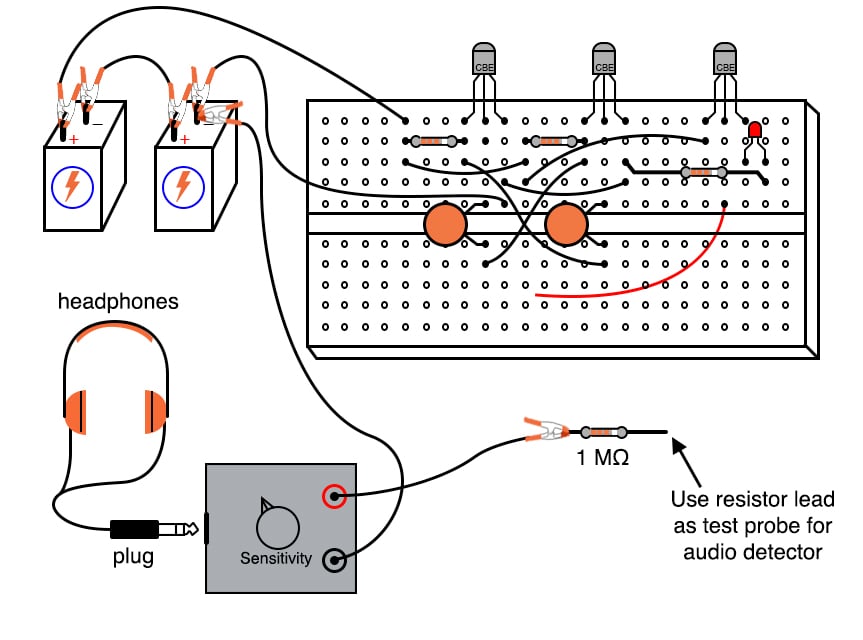
Audio oscillators function based on the principle of feedback loops. They contain components like amplifiers, capacitors, and resistors, all carefully configured to maintain a stable oscillation. At their core, oscillators generate a continuous output signal by feeding a portion of the signal back into the input, resulting in a continuous cycle of waveforms. The frequency of the output signal depends on the values of the components and can be adjusted using control knobs or digital settings.
Imagine a swing: when you give it a small push and keep pushing it at the right intervals, it swings back and forth steadily. Similarly, an audio oscillator maintains its output by continuously feeding back a portion of its signal, ensuring a consistent and predictable audio frequency.
Types of Audio Oscillators
Audio oscillators come in various types, each suited for specific applications. Here are a few common ones:
Analog Oscillators: These are traditional oscillators that use analog components like resistors, capacitors, and operational amplifiers. They are known for their warm and organic sound and are often favored in music production.
Digital Oscillators: These oscillators use digital signal processing to generate audio waveforms. They offer precise control and flexibility, making them ideal for synthesizers and digital audio workstations.
Function Generators: While not exclusively audio oscillators, function generators can produce a wide range of waveforms, including audio frequencies. They are versatile tools used in both audio testing and music production.
Low-Frequency Oscillators (LFOs): LFOs produce very low-frequency signals, typically below the audible range. They are crucial for modulating parameters in synthesis and creating dynamic audio effects.
Applications of Audio Oscillators
Audio oscillators find applications in various fields:
Audio Testing: Engineers use audio oscillators to measure the performance of audio equipment, ensuring accurate sound reproduction.
Music Production: Musicians and producers use oscillators to create unique sounds, from simple tones to complex textures.
Frequency Calibration: Oscillators are employed in scientific and industrial settings to calibrate equipment and maintain precise frequencies.
Waveform Analysis: Researchers and scientists use audio oscillators for waveform analysis and experimentation.
Last Words
In conclusion, audio oscillators are fascinating devices with a broad range of applications in audio engineering, music production, and scientific research. Whether you’re a musician looking to craft unique sounds or an engineer ensuring the quality of audio equipment, understanding the principles and types of audio oscillators is essential. I hope this article has provided valuable insights into this intriguing world of audio electronics.
Exploring Audio Transients: The Heartbeat of Sound
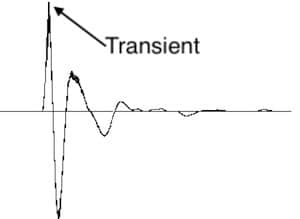
Audio TransientsAudio Transients
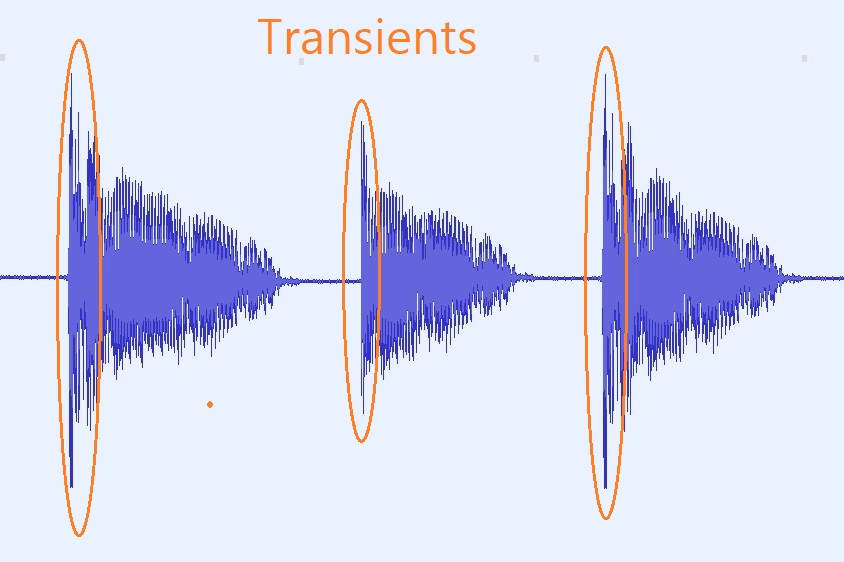
Audio transients are like the heartbeat of sound, the dynamic moments that give life and character to music and audio recordings. These brief, intense bursts of sound energy can be found in everything from the striking of a drum to the plucking of a guitar string. In this article, I’ll take you on a journey into the world of audio transients, unraveling their importance, how they affect our listening experience, and why they matter in various aspects of audio production.
Unveiling Audio Transients: The Basics
To understand audio transients, let’s begin with the fundamental concept. A transient is a sudden, short-lived spike in audio signal amplitude. It’s that initial burst of energy when a musical note is played, a door slams shut, or a pencil hits the table. Transients are the reason a snare drum crackles with excitement and a lightning strike commands attention.
Think of audio transients as the punctuation marks in a sentence. They emphasize and give context to the sound that follows. Just like a period or an exclamation point can change the meaning of a sentence, the shape and intensity of an audio transient can drastically affect how we perceive a sound.
People Also Asked: Answering Your Curiosities
Let’s dive into some common questions people have about audio transients:
How Do Audio Transients Impact Music?
Audio transients are the pulse of music. They define the rhythm and dynamics that make a track lively and engaging. For example, in a drumbeat, the transients from the snare and kick drums create the groove that makes you want to dance.
Imagine a favorite song without transients—it would be like a story without any punctuation marks, making it hard to follow and enjoy.
Can Audio Transients Be Controlled?
Yes, they can! Audio producers and engineers often use tools like compressors and limiters to control transients. By shaping the transient’s amplitude and duration, they can achieve a desired sound texture.
Think of it as adjusting the force with which a hammer strikes a nail. Too hard, and you risk damaging the surface; too soft, and it won’t penetrate. Engineers find that sweet spot to shape the sound precisely.
What Is Peak vs. RMS in Audio Transients?
Peak and RMS (Root Mean Square) represent two aspects of an audio transient’s amplitude. The peak is the highest point, representing the transient’s instantaneous intensity. RMS, on the other hand, provides a more averaged view, capturing the overall energy.
Picture a heartbeat monitor. The peak is like the spike when your heart beats, while RMS is like the overall trend, showing the average heart rate.
Keywords with Identical Search Intent
Now, let’s explore keywords related to audio transients that users often search for:
Delving deeper into audio production, we encounter techniques like transient shaping and transient design. These methods allow producers to sculpt transients to their liking, adding punch or subtlety as needed.
Consider transient shaping as sculpting clay. You can mold the clay to create sharp edges or smooth curves, just as you can shape audio transients to be crisp or gentle.
Audio Transients in Live Sound: A Vital Element
In live sound engineering, managing transients is crucial for delivering a balanced and impactful performance. Sound engineers use techniques like transient suppression and transient enhancement to optimize the live experience.
Imagine a live concert as a massive puzzle. Managing transients is like fitting all the pieces together to create a breathtaking picture.
Mastering Transients in Audio Recording
Audio engineers during the mastering process focus on transients to ensure that a track sounds polished and cohesive. Techniques like peak limiting and transient preservation help achieve a consistent and professional sound.
Think of mastering as the final touch-up on a painting. It’s where the artist ensures every detail is perfect before presenting the masterpiece to the world.
Last Words
In the symphony of sound, audio transients are the conductor’s baton, guiding and shaping the musical narrative. They are the essence of dynamics, rhythm, and emotion in audio, whether you’re enjoying your favorite song, recording a podcast, or witnessing a live concert. Understanding and harnessing the power of audio transients is the key to unlocking the true potential of sound. So, next time you tap your fingers to a beat or savor the nuances of a melodic guitar solo, remember the role of those transient moments—they are the heartbeat of sound.
Audio equalization filters are like the control knobs on a sound system, allowing you to fine-tune and shape the audio output to your liking. Imagine them as the equalizer settings on your music player or car stereo. These filters work by adjusting the intensity of different frequency ranges within an audio signal. It’s akin to adjusting the bass, midrange, and treble levels on your home stereo system to achieve the perfect sound balance.
For instance, if you’re listening to music and the bass is overwhelming, you can use equalization filters to reduce the bass frequencies and create a more balanced and enjoyable listening experience. Conversely, if you want to emphasize the vocals in a podcast, you can boost the midrange frequencies to make the voice clearer.
Audio equalization filters are essential tools in the world of sound engineering and music production. They allow professionals to shape and enhance audio quality in recordings, live performances, and various audio applications.
Importance of Audio Equalization
As a seasoned audio engineer, I can attest to the critical role that audio equalization plays in creating high-quality audio content. It’s like being a chef who uses different seasonings to bring out the flavors in a dish. Properly applied equalization enhances the sonic characteristics of audio, making it sound cleaner, more balanced, and more appealing to the ears.
Consider a live concert scenario where you have a mix of instruments and vocals. Without proper equalization, the sound may become muddied and unclear. By using equalization filters, you can isolate and emphasize specific frequencies, making the guitar sound crisp, the vocals shine, and the drums punchy.
Audio equalization is not limited to music alone; it extends to podcasts, films, gaming, and even phone calls. Imagine watching a movie where the dialogue is drowned out by background noise. Skilled audio engineers use equalization to reduce unwanted noise and ensure that the dialogue is clear and intelligible.
Types of Audio Equalization Filters
Audio equalization filters come in various types, each designed for specific purposes. Think of them as different brushes for an artist, each suited for a particular style of painting. Here are some common types of equalization filters:
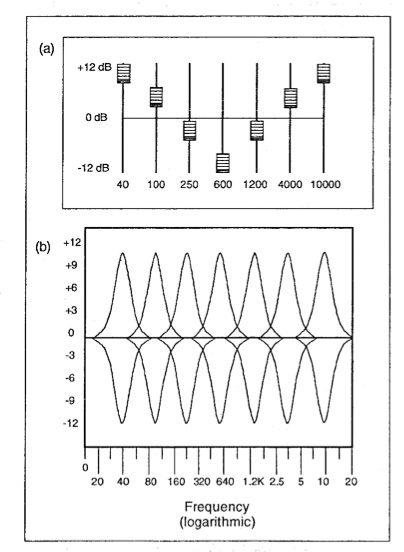
Graphic Equalizers: These are like multi-colored paint palettes, allowing you to adjust a set of fixed frequency bands. They are user-friendly and often found on consumer audio devices.
Parametric Equalizers: Parametric equalizers are like precision tools for audio professionals. They allow you to adjust not only the frequency bands but also the bandwidth (Q) and gain with great precision.
Shelving Equalizers: Imagine these as specialized brushes for broad strokes. Shelving equalizers are used to boost or cut all frequencies above or below a certain point, useful for adjusting bass or treble.
Notch Filters: These are like erasers for unwanted sounds. Notch filters target and eliminate specific frequencies, ideal for removing unwanted hums, buzzes, or feedback.
High-Pass and Low-Pass Filters: High-pass filters allow high frequencies to pass while attenuating low frequencies, while low-pass filters do the opposite. They are like sieves that filter out unwanted elements in audio.
Understanding when and how to use these different types of equalization filters is crucial for achieving the desired audio quality in various scenarios, from music production to live sound reinforcement.
Common Questions About Audio Equalization Filters
When it comes to audio equalization filters, many questions arise, much like curious minds seeking answers. Let’s address some common queries:
1. What’s the best equalization setting for music?
Equalization settings depend on personal preferences and the audio source. There’s no one-size-fits-all answer. Experiment and adjust to suit your taste.
2. Can equalization fix poor-quality recordings?
While equalization can improve audio quality to some extent, it can’t completely salvage a poorly recorded source. Quality in, quality out still applies.
3. Are expensive equalizer plugins better than free ones?
Not necessarily. The effectiveness of an equalizer depends on its features and your skill in using it. Free plugins can be excellent if used correctly.
Mastering Audio Equalization Techniques
Mastering audio equalization is like becoming a skilled painter, capable of creating stunning visuals on a canvas. To excel in this art, you need to practice, experiment, and learn from experience. Start with simple adjustments and gradually delve into more complex equalization techniques.
Consider the analogy of a chef crafting a signature dish. Just as a chef refines their recipe through trial and error, audio engineers refine their equalization techniques by actively listening, experimenting with different filters, and paying attention to detail.
Remember that context matters. Equalization for a rock concert differs from equalization for a classical orchestra recording. It’s crucial to understand the specific requirements of each audio project and tailor your equalization accordingly.
Advanced Applications of Equalization Filters
Advanced applications of equalization filters are like pushing the boundaries of artistic expression. As you become more proficient, you can use equalization creatively. Imagine being a sculptor who can carve intricate details into their work.
For instance, you can use equalization to create unique sound effects in films, simulate vintage audio characteristics, or shape the sonic identity of a musical genre. It’s akin to an artist using various brush strokes and techniques to evoke different emotions in their paintings.
Additionally, advanced equalization techniques involve dynamic equalization, where the filter settings change in real-time based on the audio input. This dynamic approach is like choreographing a dance, where the moves adapt to the music’s rhythm and intensity.
In conclusion, audio equalization filters are powerful tools in the hands of skilled audio professionals. They enable us to shape sound, enhance quality, and create captivating auditory experiences across a wide range of media and applications. Much like artists refining their craft, mastering the art of audio equalization takes time and dedication, but the results are music to the ears.
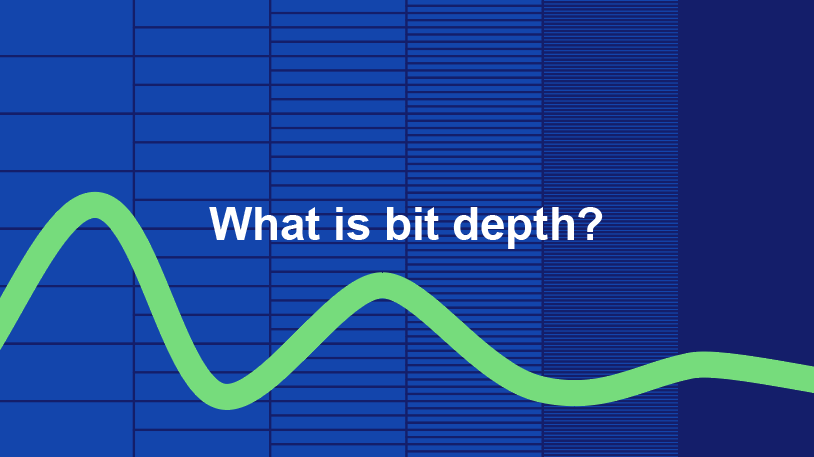
Audio bit depth refers to the number of bits used to represent the amplitude of an audio signal at each sample point. In simpler terms, it determines the dynamic range of digital audio. A higher bit depth allows for a more detailed representation of sound, capturing subtle nuances and minimizing quantization noise.
Imagine bit depth as a measurement of how finely audio is divided into individual steps. For instance, a 16-bit audio recording has 65,536 possible amplitude levels, while a 24-bit recording offers a staggering 16,777,216 levels. This increased granularity results in smoother, more accurate sound reproduction.
Understanding Bit Depth in Audio
To grasp the significance of bit depth, consider it as the shades of color in a painting. A higher bit depth provides a broader palette of colors, allowing for a more accurate depiction of the original image. Similarly, in audio, a greater bit depth captures a wider range of volume levels, preserving the subtleties of a musical performance or the nuances of a voice.
In practical terms, when you listen to music or a podcast, a higher bit depth ensures that you can hear the softest whispers and the loudest drum hits without distortion or loss of detail. It’s like having a more precise lens to view the sonic landscape.
Audio Resolution and Bit Depth
Bit depth and audio resolution are closely linked. Audio resolution refers to the level of detail and accuracy in an audio recording. Bit depth plays a pivotal role in determining this resolution. Think of it as the difference between watching a video in standard definition versus high definition. A higher bit depth offers a more lifelike and faithful representation of sound.
When recording or listening to music, you’ll often encounter terms like “16-bit” or “24-bit.” These numbers indicate the bit depth of the audio, with 24-bit audio being the gold standard for high-quality recordings. It’s akin to having a sharper, more detailed image in photography.
Now, let’s explore more facets of bit depth in audio.
Importance of Bit Depth in Sound
Bit depth is paramount in the world of sound because it directly impacts audio fidelity and the ability to reproduce music or voice accurately. It ensures that every subtle nuance, from the softest piano notes to the powerful guitar riffs, is faithfully captured and played back with precision.
Consider this: when recording a classical piano performance, the pianist’s delicate touch on the keys is as vital as the thunderous crescendos. A higher bit depth preserves the intricate dynamics, making you feel as if you are sitting in the concert hall, immersed in the music.
Bit depth is the foundation of audio quality, and understanding its role can help you appreciate the importance of using higher bit depths in audio production and playback.
How Bit Depth Affects Audio Quality
The impact of bit depth on audio quality is akin to the role of paint quality in a masterpiece. Just as a skilled artist requires high-quality pigments for a vivid painting, audio engineers rely on a greater bit depth for lifelike and rich audio recordings.
A lower bit depth might result in noticeable “stepping” or quantization noise, especially in quiet passages of a recording. This noise can be distracting and diminish the overall listening experience. On the other hand, a higher bit depth provides a smooth, natural curve to the audio waveform, minimizing these artifacts and delivering pristine sound.
Consider your favorite music track—the artist’s emotions, the resonance of instruments, and the atmosphere of the recording venue. All these subtleties are better preserved and conveyed through higher bit depth, elevating your listening experience to a new level.
Bit Depth in Digital Audio
In the digital realm, bit depth plays a pivotal role in the accuracy of audio representation. Think of it as pixels in a high-resolution photograph; more pixels mean finer details. Similarly, a higher bit depth translates to a more accurate depiction of sound.
In applications like digital audio workstations (DAWs) and music players, you often have the option to choose between different bit depths for your audio projects. Opting for a higher bit depth can lead to more professional-sounding results, particularly in the realms of music production, film scoring, and sound design.
Bit Depth vs. Sample Rate
While bit depth and sample rate are both critical aspects of digital audio, they serve different purposes. Bit depth determines the accuracy of amplitude representation, while sample rate governs how often the audio waveform is sampled per second.
Picture bit depth as the color depth in a photograph and sample rate as the frames per second in a video. A higher bit depth allows for greater tonal accuracy, while a higher sample rate captures more audio snapshots per second, preserving high-frequency content.
In many scenarios, a balanced approach between bit depth and sample rate is essential to achieve optimal audio quality. The synergy between these two factors ensures that audio recordings faithfully capture the richness and subtleties of the original source.
Bit Depth in Music Production
For music producers, bit depth is a critical consideration when working on audio projects. It influences the quality of sound recordings and the ability to manipulate audio during the production process.
When mixing and mastering music, a higher bit depth provides ample headroom for processing audio without introducing artifacts or degrading quality. This allows producers to apply effects, equalization, and compression with greater precision.
Additionally, when releasing music, opting for a higher bit depth ensures that your audience experiences the full depth and nuance of your compositions, whether they’re listening through high-end headphones or a powerful sound system.
16-Bit vs. 24-Bit Audio
The choice between 16-bit and 24-bit audio often arises when considering audio quality and storage requirements. A 16-bit audio file occupies less space compared to a 24-bit file, but it also has limitations in capturing subtle audio details.
16-bit audio is akin to a compact camera with limited resolution, suitable for casual snapshots. In contrast, 24-bit audio offers the quality of a professional DSLR camera, capturing a broader dynamic range and preserving the finer nuances of sound.
When deciding between the two, it’s essential to consider the specific use case. For audiophiles, professional audio production, and high-end sound systems, 24-bit audio is the preferred choice for its ability to deliver an immersive and faithful listening experience.
Bit Depth for Audio Recording
In the realm of audio recording, selecting the appropriate bit depth is a pivotal decision. It directly affects the quality and flexibility of the recorded material, whether you’re tracking vocals, instruments, or ambient sounds.
Recording at a higher bit depth, such as 24-bit, provides audio engineers with a safety net during the recording process. It allows them to capture a wide dynamic range without the risk of clipping or distortion. This is particularly valuable when dealing with unpredictable elements in live recordings or capturing the subtleties of acoustic instruments.
In essence, bit depth choice during audio recording is like choosing the canvas size for a painting. A larger canvas provides more room for creativity and detail, and a higher bit depth offers greater sonic canvas for audio professionals.
Final Words
In the realm of audio, bit depth serves as the bedrock of quality and fidelity. It determines how faithfully sound is captured, preserved, and reproduced. Understanding the importance of bit depth allows you to appreciate the nuances in your favorite music, the clarity in podcasts, and the immersive soundscapes in movies.
Whether you’re an aspiring musician, an audio engineer, or simply a passionate listener, recognizing the role of bit depth in audio enriches your experience. It’s the difference between seeing the world in black and white and experiencing it in full color.
So, the next time you enjoy your favorite song or immerse yourself in a cinematic adventure, remember that bit depth is the silent hero behind the scenes, ensuring that every sonic detail reaches your ears with precision and clarity.
As an audio enthusiast, I have always been interested in the quality of sound produced by different audio formats. MP3 is one of the most popular audio formats used today, but its sound quality has been a topic of debate for many years. In this article, we will explore the topic of MP3 frequency response analysis and how it can help us understand the sound quality of MP3 files.
What is MP3 Frequency Response Analysis?
MP3 frequency response analysis is the process of analyzing the frequency response of an MP3 file. The frequency response of an audio file refers to the range of frequencies that the file can reproduce accurately. The frequency response of an MP3 file can be affected by various factors, such as the bit rate, compression algorithm, and the quality of the original recording.
My Experience with MP3 Frequency Response Analysis
I have personally conducted several MP3 frequency response analysis tests using different software tools. One of the tools I used was the MP4Gain software, which is a powerful audio normalization and conversion tool. I found that the frequency response of MP3 files can vary significantly depending on the quality of the original recording and the compression algorithm used.
Why is MP3 Frequency Response Analysis Important?
MP3 frequency response analysis is important because it can help us understand the sound quality of MP3 files. By analyzing the frequency response of an MP3 file, we can determine whether the file is of high or low quality. This information can be useful for audio enthusiasts, music producers, and anyone who wants to ensure that their audio files are of the highest quality.
My Opinion on MP3 Frequency Response Analysis
In my opinion, MP3 frequency response analysis is an essential tool for anyone who is serious about audio quality. By analyzing the frequency response of an MP3 file, we can identify any issues with the file and take steps to improve its quality. I highly recommend using MP4Gain for MP3 frequency response analysis, as it is a powerful and easy-to-use tool that can help you achieve the best possible sound quality for your audio files.
Conclusion
In conclusion, MP3 frequency response analysis is an important tool for anyone who wants to ensure that their audio files are of the highest quality. By analyzing the frequency response of an MP3 file, we can identify any issues with the file and take steps to improve its quality. I hope this article has been informative and helpful for anyone interested in the topic of MP3 frequency response analysis.
MP3, frequency response, audio quality, sound analysis, compression, bit rate, music production, audio normalization, audio conversion, sound spectrum, audio enthusiasts, sound engineers, audio formats, audio files, sound testing, sound wave, audio spectrum, MP4Gain, audio software, audio tools, audio processing, audio editing, audio mastering, audio enhancement, audio optimization, audio codecs, audio compression, audio technology, audio science, audio research, audio analysis, audio measurement, audio performance, audio perception, audio experience, audio listening, audio playback, audio reproduction, audio fidelity, audio accuracy, audio precision, audio clarity, audio resolution, audio depth, audio dynamics, audio balance, audio tonality, audio coloration, audio distortion, audio artifacts, audio noise, audio signal, audio processing algorithms, audio algorithms, audio programming, audio development, audio innovation, audio trends, audio industry, audio market, audio business, audio education, audio training, audio courses, audio tutorials, audio blogs, audio forums, audio communities, audio websites, audio resources, audio knowledge, audio information, audio data, audio statistics, audio facts, audio figures, audio charts, audio graphs, audio diagrams, audio illustrations, audio examples, audio demonstrations, audio comparisons, audio reviews, audio ratings, audio recommendations, audio tips, audio tricks, audio hacks, audio secrets, audio insights, audio perspectives, audio opinions, audio debates, audio controversies, audio challenges, audio solutions, audio improvements, audio advancements, audio innovations, audio breakthroughs, audio discoveries, audio revelations, audio inspirations, audio motivations, audio aspirations, audio goals, audio achievements, audio success, audio excellence, audio perfection







Comments:
This article was so helpful! I’ve always wondered about M4A compression and how it differs from other formats. Now I feel like an expert!
– MusicLover88
Great article! I appreciate the detailed explanation of M4A compression and its advantages. It’s fascinating to learn about the technology behind audio encoding.
– SoundEnthusiast22
Wow, I had no idea M4A compression was so advanced! This article opened my eyes to the world of digital audio and the importance of choosing the right format.
– PodcastFanatic99
This article left me wanting more! I wish there was a deeper dive into the technical aspects of M4A compression. Nonetheless, it was a great read!
– TechJunkie123
As a musician, I’m always looking for ways to optimize my audio files. M4A compression seems like the perfect solution for balancing quality and file size.
– MusicianLife
I’ve been using M4A files for years, but I never fully understood how they work until now. Thanks for shedding light on this fascinating topic!
– AudioPro456
Excellent article! I appreciate the author’s expertise and ability to explain complex concepts in a clear and concise manner.
– TechSavvy77
I found this article to be incredibly informative. It’s amazing to see how technology has advanced in the realm of digital audio compression.
– DigitalNomad55
Great job on this article! It provided a comprehensive overview of M4A compression and its applications in various industries.
– AudioGeek123
This article was a game-changer for me! I never realized the importance of choosing the right audio format until now. Thanks for the valuable insights!
– SoundSavant