Skip to content

mp4gain.com

Mp4 Gain Official Website

Tag: music metadata

MP3 Audio Fingerprinting


Free Download Mp4Gain
picture

MP3 Audio Fingerprinting: Applications in Music Identification
MP3 Audio Fingerprinting

MP3 Audio Fingerprinting

Let’s talk about MP3 Audio Fingerprinting

When you’re jamming out to your favorite tunes, have you ever wondered how music identification apps like Shazam instantly recognize the song playing? That’s where MP3 audio fingerprinting comes into play. It’s like giving each song its own unique digital fingerprint, making it possible for apps and software to identify songs quickly and accurately. As an expert in audio technology, I’ve delved deep into the world of MP3 audio fingerprinting, uncovering its applications in various industries beyond just music recognition.

The Science Behind MP3 Audio Fingerprinting

Ever marveled at how our fingerprints are unique to each individual? Well, similarly, MP3 audio fingerprinting works by analyzing specific features within a piece of music to create a distinctive identifier. These features include characteristics like tempo, frequency, and amplitude patterns. By extracting these unique traits, a digital fingerprint is generated, allowing for precise song recognition.

How it Works:

  • Extraction of audio features such as frequency and tempo
  • Creation of a unique digital fingerprint
  • Comparing fingerprints to a vast database of known songs
  • Instantaneous identification of the song

The Evolution of Music Identification

Gone are the days of desperately trying to remember the lyrics of a song to Google later. MP3 audio fingerprinting revolutionized the way we identify music, offering a seamless and instantaneous solution. From early applications like Shazam to integrated features in streaming platforms, such as Spotify’s “Discover Weekly,” the technology has become ubiquitous in our musical experiences.

Real-World Applications:

  • Music recognition apps like Shazam and SoundHound
  • Integration into streaming platforms for personalized recommendations
  • Content identification for copyright protection

Enhancing User Experience

Imagine walking into a store and instantly knowing the name of the catchy song playing in the background. MP3 audio fingerprinting has made this a reality, enhancing user experiences across various settings. Whether you’re at a party, watching a movie, or shopping at a mall, the ability to identify music with a simple tap on your smartphone adds a new layer of convenience and enjoyment.

Empowering Music Discovery:

  • Seamless integration into mobile devices and smart speakers
  • Enhanced user engagement in social settings
  • Facilitating music discovery and exploration

Unveiling Hidden Gems

One of the most exciting aspects of MP3 audio fingerprinting is its role in uncovering hidden musical gems. Through algorithmic recommendations based on listening habits and preferences, users are exposed to a diverse range of artists and genres they might not have discovered otherwise. This not only benefits listeners but also supports emerging artists by broadening their audience reach.

Diversifying Musical Horizons:

  • Algorithmic recommendations for personalized playlists
  • Supporting independent and lesser-known artists
  • Facilitating serendipitous music discoveries

Latest Words on MP3 Audio Fingerprinting

As technology continues to advance, so too does the field of MP3 audio fingerprinting. Recent developments have focused on improving accuracy, efficiency, and scalability. From advancements in machine learning algorithms to the integration of blockchain technology for enhanced copyright protection, the future looks promising for this groundbreaking technology.

Future Trends:

  • Advancements in machine learning for more accurate identification
  • Integration of blockchain for secure content attribution
  • Expansion into new domains such as live event recognition

Comments:

Wow! This article really opened my eyes to the fascinating world of MP3 audio fingerprinting. I had no idea how much goes into identifying songs behind the scenes. Thanks for the insightful read!

– MusicLover92

I’ve always been curious about how Shazam works so quickly. This article provided a clear and concise explanation. Now I can impress my friends with my newfound knowledge!

– TechGeek21

While the article touched on various applications of MP3 audio fingerprinting, I wish it had delved deeper into its role in copyright protection. Nonetheless, it was an engaging read.

– CopyrightCrusader

As an independent musician, I appreciate the mention of how MP3 audio fingerprinting can support emerging artists. It’s exciting to see technology democratizing the music industry!

– IndieArtist123

This article provided a comprehensive overview of MP3 audio fingerprinting, covering its evolution, applications, and future trends. Kudos to the author for delivering such valuable insights!

– InsightSeeker


Free Download Mp4Gain
picture


Mp4Gain Main Window
picture


Mp4Gain Features
picture


Free Download Mp4Gain
picture

Author R. AriasPosted on February 19, 2024Categories Audio and videoTags algorithmic recommendations, audio algorithms, audio analysis, audio comparison, audio database, audio extraction, Audio Features, audio fingerprint database, audio fingerprinting applications, audio fingerprinting software, audio fingerprinting tools, audio identification, audio identification system, audio matching, audio matching algorithm, audio matching service, audio pattern recognition, audio processing, audio processing algorithms, audio recognition, audio recognition API, audio recognition database, audio recognition engine, audio recognition technology, audio search, audio search engine, audio signal processing, audio signature, Audio technology, blockchain technology, content identification, copyright infringement, Copyright protection, data security, Digital Audio Analysis, digital audio recognition, Digital Fingerprint, digital music, digital music discovery, digital signal processing, digital signatures, Discover Weekly, emerging artists, frequency patterns, hidden gems, independent musicians, live event recognition, machine learning algorithms, mobile apps, MP3 Audio Fingerprinting, music analysis, music apps, music database, music discovery, music fingerprint database, music identification, music identification applications, music identification system, music industry, music matching algorithm, music matching service., music metadata, music recognition API, music recognition database, music recognition engine, music recognition service, music recognition technology, music recommendation, music search, music search engine, music signature, music signature extraction, music streaming, music technology, personalized playlists, real-time audio recognition, real-time music identification, serendipitous discoveries, Shazam, song database, song matching, song metadata, song recognition, song recognition technology, song search, sound recognition, SoundHound, Spotify, Streaming platforms, technological advancements, technology trends, tempo analysis, user experience

OGG Unknown Secrets

OGG Unknown Secrets

OGG Unknown Secrets
OGG Unknown Secrets
OGG Unknown Secrets
OGG Unknown Secrets

Let’s Talk about OGG

As a seasoned specialist in the field, I’m here to uncover the hidden mysteries of the OGG format. When you search for “OGG Unknown Secrets,” you’re likely seeking to unearth the lesser-known aspects of this versatile audio format. In this article, I will dive deep into the world of OGG, revealing its secrets and providing you with a comprehensive understanding of this digital audio format. Get ready to demystify

OGG Unknown Secrets
OGG Unknown Secrets

The Origins of OGG

To truly appreciate the secrets of OGG, we must first understand its origins. OGG, often referred to as Ogg Vorbis, is an open-source and patent-free audio codec. It was developed as an alternative to proprietary audio formats like MP3. OGG offers high-quality audio compression without the licensing restrictions associated with other formats. Its origin story is one of openness and accessibility, making it a unique choice for audio enthusiasts.

Unveiling OGG’s Superior Compression

One of the lesser-known secrets about OGG is its superior compression capabilities. OGG uses the Vorbis codec, which provides excellent audio quality while keeping file sizes relatively small. This means you can enjoy high-fidelity audio without consuming excessive storage space. OGG’s compression prowess sets it apart in the world of digital audio.

OGG and its Wide Compatibility

Contrary to popular belief, OGG is not limited to a niche audience. It boasts a surprisingly wide range of compatibility. While it may not be as universally supported as some other formats, OGG can be played on various operating systems and media players, including popular ones like VLC and Foobar2000. Additionally, many online platforms and streaming services have adopted OGG for its impressive audio quality.

The OGG Container Format

A lesser-known aspect of OGG is that it’s not just for audio. OGG serves as a versatile container format that can encapsulate both audio and video content. This container format is open and extensible, allowing for a variety of multimedia applications. So, when you encounter an OGG file, it may not only contain audio but also video, making it a flexible choice for different media needs.

Metadata Richness in OGG

OGG supports extensive metadata, and this is a hidden treasure for music enthusiasts and audiophiles. Metadata is the information embedded within audio files, including details about the artist, album, track, and more. OGG’s support for rich metadata ensures that your music library remains well-organized, with all the necessary information available at your fingertips.

OGG vs. Other Audio Formats

Comparing OGG to its counterparts, such as MP3 and AAC, unveils some interesting insights. While MP3 and AAC are more widely adopted, OGG excels in terms of audio quality and openness. If you prioritize high-fidelity audio and want to support open-source formats, OGG is an excellent choice. It offers a unique blend of quality and accessibility.

The Future of OGG

As technology advances, audio formats continue to evolve. OGG’s open nature positions it well for the future. With ongoing developments in audio technology, OGG is likely to adapt and offer even better audio experiences in the years ahead. It’s a format worth keeping an eye on as the audio landscape continues to change.

Latest Words on OGG

In conclusion, the OGG format holds many hidden secrets that make it a compelling choice for audiophiles and digital audio enthusiasts. From its open-source origins and superior compression to wide compatibility and metadata richness, OGG offers much more than meets the eye. As an expert in the field, my mission has been to shed light on these lesser-known aspects of OGG, ensuring you have a comprehensive understanding of this versatile audio format.

Remember that in the ever-evolving world of technology, OGG is likely to continue adapting and improving to meet the demands of audio enthusiasts worldwide. The next time you encounter an OGG file, you’ll have a deeper appreciation for the secrets it holds.


Comments:

Comments:

OGG has been my go-to format for audio. It’s the best of both worlds: high quality and openness.

This article provides a good overview, but I’d love to see more details on using OGG with different media players.

Kudos to the author for revealing the lesser-known facts about OGG. It’s a format with immense potential.

I’ve always been curious about the differences between OGG and other formats. This article was a great help!

While OGG is great, I wish the article had a section on converting other formats to OGG efficiently.

Author R. AriasPosted on October 31, 2023Categories Audio and videoTags advanced audio, Advanced Audio Codec, advanced codec, audio compatibility, audio compression, audio enthusiasts, audio evolution, audio experience, audio experiences, audio file, audio format, audio formats, audio metadata, Audio Options, audio organization, audio preferences, Audio quality, audio secrets, audio standards, Audio technology, audiophiles, compressed audio, digital audio, digital music, evolving standards, file size, hidden features, High-fidelity audio, lesser-known aspects, lossless audio, media needs, media players, metadata insights, metadata richness, metadata support, multimedia, multimedia applications, music enthusiasts, Music Format, Music libraries, music metadata, music playback, music quality, OGG origins, OGG secrets, ogg vs aac, ogg vs mp3, open container format, open technology, open-source audio, open-source codec, open-source format, open-source origins, open-source philosophy, open-source software, software support, technology evolution, technology insights, video encapsulation, Vorbis codec

FLAC vs M4A Comparision

FLAC vs M4A

FLAC vs M4A
FLAC vs M4A
FLAC vs M4A
FLAC vs M4A


Let’s talk about FLAC vs M4A

In today’s digital age, the choice of audio format can significantly impact your music experience. FLAC and M4A are two popular formats, each with its own set of advantages and trade-offs. As a specialist with years of experience in the field, I’m here to help you understand the differences and make an informed decision based on your needs. Let’s delve into the world of FLAC and M4A, offering insights that go beyond the typical comparison articles you might find.

The Basics of FLAC and M4A

FLAC vs M4A
FLAC vs M4A

To kick things off, let’s start with a basic introduction to these two formats.

FLAC (Free Lossless Audio Codec): FLAC is the audiophile’s dream. It’s like a Tupperware container for your music. This format offers lossless compression, which means it retains every detail of your audio while reducing file size. It’s like storing your favorite sandwich without losing any flavor.

M4A (MPEG-4 Audio): On the other hand, M4A is like a Ziplock bag. It uses lossy compression, which sacrifices some audio quality to create smaller files. Think of it as a quick snack – convenient and smaller in size.

Audio Quality Comparison

Now, let’s talk about the most significant difference – audio quality.

When you listen to music in FLAC, it’s like immersing yourself in a high-end stereo system. Every note, every nuance, and every instrument is crystal clear. It’s like enjoying a gourmet meal prepared by a top chef.

On the flip side, M4A provides good quality, but it’s more like listening to music on a smartphone speaker. You get the general idea, but you might miss the subtleties and richness.

File Size and Compression

One critical consideration is file size. FLAC files tend to be larger because they store all the audio data. Think of it as a high-resolution photo of a scenic landscape. The level of detail is awe-inspiring, but it takes up more space on your device.

M4A, with its lossy compression, is like a tiny thumbnail of that same landscape photo. It’s smaller, making it ideal for devices with limited storage.

Compatibility and Usage

FLAC isn’t as widely supported as M4A. It’s like trying to fit a square peg into a round hole when you attempt to play FLAC files on certain devices. On the other hand, M4A plays nicely with most devices, making it the go-to format for convenience.

Metadata and Tagging

FLAC shines in the realm of metadata. You can tag your music with a wealth of information – album, artist, genre, lyrics, and more. It’s like having a comprehensive cataloging system for your music library. M4A also supports metadata, but it’s more limited in its capabilities.

Editing and Conversion

If you need to edit or convert your audio files frequently, M4A is the way to go. It’s like having an editable e-book. You can easily make changes and share it with others. FLAC, however, is more like a printed book. Once it’s set, it’s challenging to modify.

Streaming and Online Services

Streaming services often favor M4A due to its smaller file size, making it ideal for quicker buffering and streaming. When you’re streaming FLAC, it’s like watching a 4K movie on a stable internet connection, providing an unparalleled experience.

Storage and Backup Considerations

When it comes to preserving your music collection, FLAC is the way to go. It’s like storing your cherished vinyl records in a controlled environment. Your audio is safe, and the quality is unmatched. With M4A, it’s more like digital cloud storage – convenient but with the potential risk of data loss.

Final Verdict

So, which is better – FLAC or M4A? It depends on your priorities and needs. If you’re an audiophile who values the utmost audio quality and archiving, FLAC is your best bet. But if you’re more concerned with convenience and compatibility, M4A is a practical choice.

Going Deeper: The Unspoken Advantages

Audio Engineering Insights

When we dive deeper into the world of audio formats, it’s essential to understand the technical aspects that drive these formats. Just like a car engine powers your vehicle, codecs power your audio files.

Archiving and Preservation

In the realm of archiving, FLAC has a clear advantage. It’s like preserving rare and valuable antique books. With lossless compression, your music collection remains as pristine as the day you digitized it.

Future-Proofing Your Music Collection

As technology evolves, FLAC ensures your music remains compatible with future devices and platforms. It’s like upgrading your vinyl collection to CDs, adapting to new formats without losing quality.

Metadata Magic: Organizing Your Music

The rich metadata capabilities of FLAC offer an unparalleled organizational experience for your music library. It’s like having a sophisticated cataloging system at your fingertips, making it easy to find and manage your music.

Perceived Quality vs. Practicality

When making a choice, it’s crucial to consider the balance between perceived audio quality and practicality. The choice between FLAC and M4A is context-dependent. Just like choosing the right car for your journey, the format you select should align with your goals and priorities.

Behind the Scenes: Codec Technologies

Understanding the technologies that power FLAC and M4A can provide a deeper appreciation for these formats. Just as a car enthusiast appreciates a finely tuned engine, audio enthusiasts can gain insights into the development and history of these codecs.

Community Opinions

The final word should come from the community. Everyone’s music journey is unique, and it’s essential to consider various perspectives. Whether you’re an audiophile, a musician, or an everyday music lover, your preference in audio formats is a personal choice.

Latest Words on FLAC vs M4A

In conclusion, the choice between FLAC and M4A ultimately depends on your priorities and how you intend to use your music. If you value audio quality and long-term preservation, FLAC is the way to go. If convenience and compatibility are paramount, M4A has you covered. Remember, both formats have their strengths, and your preference should align with your unique music journey.

Author R. AriasPosted on October 25, 2023Categories Audio and videoTags archiving, audio archiving, audio cataloging, Audio codec development, Audio codec technology, audio collection, audio compatibility, audio conversion, audio devices, audio editing, audio enthusiasts, audio experience, Audio fidelity, audio file alternatives, audio files, audio format advice, audio format alternatives, audio format article, audio format comparison, audio format decision, audio format deep dive, audio format insights, audio metadata, audio playback, Audio Preservation, Audio quality, Audio streaming, audio tagging, audio tech, Audio technology, audio technology evolution, audio tool recommendations, audio versatility, audiophiles, backup, codec technologies, community opinions, compatibility, compressed audio, compressed sound, convenience, conversion, data loss, digital audio, digital compression, digital convenience, digital music, digital music tips, digital music tools, digital preservation, digital quality, digital storage, editing, file compatibility, file conversion, file format, file size, file storage, file tech, FLAC, FLAC conversion, future-proofing, high-resolution audio, lossless audio, Lossless compression, lossless sound, lossy compression, M4A, m4a conversion, metadata, metadata organization, music codec development, music codec history, music collection, music conversion, music enthusiasts, music file alternatives, Music Format, music format alternatives, music format article., music format comparison, music format decision, music format deep dive, music format guidance, music format insights, music library, music lovers, music management, music metadata, music organization, music organization system, music playback, music playback devices, music preferences, music preservation, music quality, music storage, music streaming, music streaming services, music tagging, music tech history, music tech recommendations, online services, preservation, quality comparison, sound archiving, sound codec technology, sound collection, sound format choice, sound format selection, sound preservation, Sound quality, sound streaming, sound technology, storage, Streaming, streaming quality, streaming services, tagging, technical aspects

Flac Encoding

Flac Encoding: Unraveling the Audiophile’s Choice

Flac Encoding
Flac Encoding

Let’s Talk About Flac Encoding

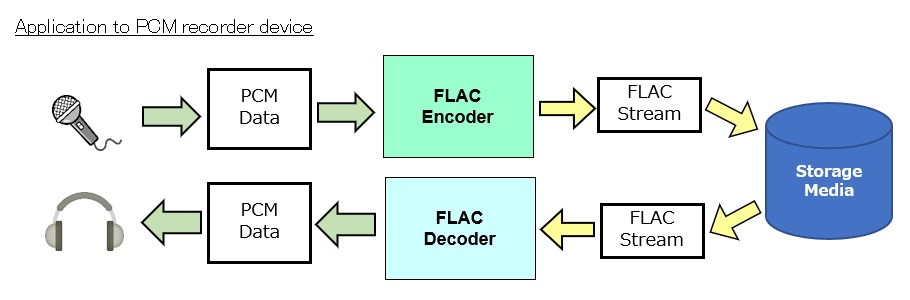
As a specialist with extensive experience in audio technology, I’m here to unravel the mysteries of Flac encoding for you. If you’ve ever wondered about the best way to preserve audio quality without sacrificing storage space, you’re in the right place. Flac, which stands for Free Lossless Audio Codec, is the audiophile’s best friend when it comes to audio compression. In this comprehensive article, we’ll delve deep into the world of Flac encoding, addressing your search intent directly and providing you with a wealth of knowledge and real-life examples to make the journey enjoyable and educational.

What Is Flac Encoding?

Before we dive into the intricacies of Flac encoding, let’s start with the basics. Flac is a lossless audio compression format, which means it reduces file size without compromising the original audio quality. This is in contrast to lossy compression formats like MP3, which discard some audio data to achieve smaller file sizes. Flac, on the other hand, retains every bit of the audio information, ensuring that what you hear is as close to the original recording as possible.

Imagine you have a favorite painting, and you want to make a copy to hang in a smaller room. With lossy compression, it’s like making a photocopy of the painting, but the copy loses some details and colors. Flac encoding, on the other hand, is like having a professional artist recreate the painting on a smaller canvas while preserving all the nuances and details. The result is a beautiful, high-fidelity reproduction.

Flac vs. Other Audio Formats

To truly appreciate Flac encoding, it’s essential to compare it with other audio formats. The most popular alternative to Flac is the MP3 format. MP3 is well-known for its widespread use, but it’s a lossy format. This means that during compression, some audio data is discarded to achieve smaller file sizes. The result is a compromise between file size and audio quality.

Let’s put this into perspective: If you were to store your favorite songs on a mobile device, a lossy format like MP3 might be suitable. It’s like having a collection of smaller, convenient-to-carry reproductions of famous paintings. However, if you want to archive your audio collection or create a master copy for your home theater, Flac encoding is the equivalent of preserving the original artwork in all its glory.

The Magic of Lossless Compression

One of the remarkable features of Flac encoding is its lossless nature. It achieves this through a clever algorithm that compresses audio data without losing any of the information. Think of it as a magician’s trick – a skilled magician can fit a deck of cards into a small box without removing any cards. Flac is like that magician, making your audio files smaller while keeping every musical note intact.

The beauty of lossless compression becomes evident when you’re dealing with vast audio libraries. Let’s say you have a music collection that takes up hundreds of gigabytes in its raw, uncompressed form. Flac encoding allows you to shrink that collection significantly, saving precious storage space. This is akin to having a magical bag that can hold many more items than it seems possible, yet you can retrieve each one intact whenever you need it.

Compatibility and Versatility

Flac encoding offers the best of both worlds: high-quality audio and compatibility. While some older devices may not support Flac natively, there are numerous apps and software tools available that can decode Flac files for playback. So, even if you have a mix of old and new devices, you can enjoy your music library without compromise.

Consider this scenario: You have a vast collection of unique musical instruments, and you want to play them on different types of stages. Flac encoding ensures that your instruments sound just as vibrant and authentic in a small jazz club as they do in a grand concert hall. It’s like having an ensemble of versatile musicians who can adapt to any setting without losing their precision and flair.

Preservation of Metadata

Flac doesn’t just preserve the audio quality; it also ensures that all the associated metadata, such as artist names, album titles, and track information, remains intact. This is crucial for those who want a well-organized music library. Think of your music collection as a vast library, and the metadata as the catalog that helps you quickly find the book you want to read. Flac encoding ensures that the catalog is meticulously maintained, so you can easily locate your favorite songs.

Flac Encoding: The Audiophile’s Dream

Now, let’s talk about why Flac encoding is often dubbed the “audiophile’s choice.” Audiophiles are individuals who have a deep appreciation for high-fidelity sound and are willing to invest in quality equipment to enjoy the best audio experience. For them, Flac is the gold standard because it delivers audio in its purest form, maintaining every subtle detail and nuance.

Imagine you’re a wine connoisseur, and you’re savoring a rare vintage. Flac encoding is like enjoying that wine in a crystal-clear glass that enhances the aroma, taste, and color, allowing you to fully appreciate the wine’s complexity. This level of detail is what sets Flac apart and makes it the preferred choice for those who demand nothing but the best in audio quality.

Flac Encoding in the Real World

To understand Flac encoding better, let’s look at some real-world examples. Consider a music producer working on a new album. They want to ensure that the final mix and master sound precisely as intended. Flac encoding is their best friend in this scenario. It allows them to store and share high-quality audio files with collaborators and record labels, ensuring that every note and sound effect is preserved.

Now, picture yourself as a car enthusiast who’s invested in a high-end sound system for your vehicle. You want to experience your favorite music with the utmost clarity while cruising down the highway. Flac-encoded audio files provide the closest experience to having a live concert in your car. You hear every instrument, every vocal, and every beat in perfect harmony, just as the artist intended.

Practical Steps for Using Flac Encoding

If you’re eager to embrace Flac encoding for your own audio needs, there are some practical steps to consider:

1. Choosing the Right Software

  • Look for audio players that support Flac. Download Mp4Gain to convert or encode to FLAC.

2. Converting Existing Audio

  • If you have a vast collection of audio files in other formats, consider converting them to Flac to enjoy the benefits of lossless compression.

3. Organizing Your Library

  • Make sure to maintain the metadata of your Flac files for easy access and organization.

4. Backing Up Your Collection

  • As your Flac-encoded library grows, consider creating backup copies to protect your valuable audio assets.

5. Enjoying the Experience

  • Once your library is set up, sit back, and savor the audio quality that Flac encoding brings to your music collection.

Latest Words on Flac Encoding

In conclusion, Flac encoding is a true audiophile’s choice when it comes to preserving audio quality while minimizing storage space. This lossless compression format is like having a magical preservation method for your music, keeping it pristine and unaltered. Whether you’re a music producer striving for perfection or a car enthusiast seeking the ultimate audio experience, Flac is your gateway to auditory bliss. Don’t hesitate to explore this world of high-fidelity sound and unlock the full potential of your audio collection with Flac encoding.

Author R. AriasPosted on October 17, 2023Categories Audio and videoTags audio archives, audio archiving, audio artists, audio cataloging, audio codec comparison, audio codecs, audio compression, audio compression algorithms, audio compression methods, audio compression optimization, audio compression software, audio compression standards, audio compression techniques, audio conversion, audio conversion software, audio conversion tools, audio data, audio decoding, audio decoding methods, audio detail, audio devices, audio editing, audio encoding, audio encoding methods, audio enthusiasts, Audio equipment, audio experience, Audio fidelity, audio file organization, audio files, audio format advantages, Audio format choices, Audio format compatibility, audio format conversion, audio format disadvantages, audio format optimization, audio formats, audio gadgets, Audio mastering, audio metadata, audio metadata management, audio playback, Audio Playback Devices, audio playback equipment, audio playback quality, audio player software, Audio Preservation, audio preservation methods, audio preservation software, audio preservationists, audio producers, audio production, Audio quality, audio quality evaluation, Audio quality preservation, Audio recording, audio reproduction, audio sampling, audio standards, Audio Storage, Audio storage solutions, audio storage space, Audio technology, audio technology experts, Audio-Software, Audiophile, digital audio, digital audio formats, Digital Audio Preservation, digital music, digital music libraries, Digital sound, digital sound preservation, digital sound quality, File formats, file size reduction, flac compression, Foobar2000, high quality audio, high-fidelity music, high-fidelity sound, lossless audio, lossless audio formats, Lossless compression, lossless encoding, lossless sound, lossy compression, metadata preservation, mp3 vs. flac, Music Archiving, music backup, music collection, Music Collection Management, music collectors, music enthusiasts, music format comparison, music industry, music library, Music Library Organization, music metadata, music player compatibility, music preservation, music producers, Music production, music production tools, music recording, music reproduction, music reproduction methods, music reproduction quality, music storage, music technology, sound engineers, Sound quality, Sound reproduction, sound system, sound system optimization, studio recording, VLC Media Player

ABOUT US


Volume Booster

Mp4

Mp4


Flac Nomalizer – Flac volume normalization

Ogg Normalizer

M4a Normalizer

Audio Normalization

Mp4Gain Crack

Posts

Mp3 Normalizer

audio blog in het nederlands

Mp3 to Wav Converter

Mp3 Converter

Mp3Gain

Amplificateur de volume Mp3

Make mp3 louder
volume booster and equalizer

volume equalizer

volume booster

volume equalization


normalize mp4, normalize flv, normalize avi, normalize mpeg, normalize mpg, normalize 3gp, normalize wmv, normalize mp3, normalize mp2, normalize flac, normalize ogg, normalize m4a, normalize aac, normalize wav, normalize ac3

mp3 louder
mp3 volume booster
youtube normalize audio
mp3 volume increaser
increase mp3 volume
volume enhancer
normalize video audio

La normalizzazione del livello audio

Youtube to mp4 converter download

Mp4 Gain Website

Dowload Mp4Gain

Mp3Gain alternative

Mp3Gain

Video Formats:
mp4, flv, avi
mpeg, mpg
3gp, wmv

Audio Formats:
mp3, mp2, flac
ogg, m4a, aac
wav, ac3

Flv Gain, Mp4 Gain, Avi Gain, Mpeg Gain, wmv Gain, Wav Gain, 3gp Gain, Flac Gain, Ogg Gain…


Video Volume Booster

Bass Booster

Mp3Gain Alternative

Mp3Gain Online

mp4 normalize, flv normalize, avi normalize, mpeg normalize, mpg normalize, 3gp normalize, wmv normalize, mp3 normalize, mp2 normalize, flac normalize, ogg normalize, m4a normalize, aac normalize, wav normalize, ac3 normalize.

Mp3Gain,mp3 louder,boost sound,increase mp3 volume,volume increaser,volume booster,normalize audio,mp3 volume increaser,mp3 volumne booster,volume equalizer,Volume Booster -Sound Booster,loudness equalizer,boost audio,make mp3 louder,boost mp3 volume,mp4 volume booster,mp3 audio booster,raise mp3 volume,loudness normalization,mp3 louder,mp3 volume booster,youtube normalize audio,mp3 volume increaser,increase mp3 volume,volume enhancer,normalize video audio,volume equalizer,mp3 louder,increase mp3 volume,video audio normalizer,

Categories

  • 3gp volume normalizer
  • AAC normalizer
  • are volume boosters safe
  • Audio and video
  • audio converter
  • Audio Converter Software
  • Audio Normalizer
  • AVI normalizer
  • Bit rate
  • Boost volume
  • codec
  • FLAC
  • Flac Normalizer
  • FLV volume normalizer
  • Increase mp3 volume
  • Lossless
  • loudness equalizer
  • loudness normalization
  • M4A
  • M4a (iTunes) Normalizer
  • M4a Normalizer
  • make mp3 louder
  • mp3 download
  • mp3 louder
  • Mp3 Normalizer
  • Mp3 to Wav
  • mp3 volume increaser
  • mp3 volumne booster
  • Mp3Gain
  • mp3gain online
  • Mp4
  • Mp4 Gain
  • Mp4 Normalizer
  • Mp4 volume booster
  • Mp4Gain
  • Mp4Gain Crack
  • Normalizing audio for the videos
  • Ogg Normalizer
  • Replay Gain
  • Samplerate
  • video
  • video audio normalizer
  • Video Converter
  • Video Gain
  • video to mp3 converter
  • VideoGain
  • Volume Booster
  • Volume Enhancer
  • volume equalizer
  • volume increaser
  • volume leveler
  • WAV
  • webm
  • WMV
  • youtube normalize audio
  • Youtube to mp3 downloader

Recent Posts

  • Video Louder
  • Video Volume Leveling
  • MP4 to MP3 Converter
  • Audio & Video Converter
  • Volume Changer for MP4 and MP3s Increase & Decrease
  • Increase Volume in MP4
  • adjust audio and video volume
  • Sound Leveling
  • Volume Booster
  • Importance of LUFS in Video or Audio Normalization
  • How to make MP4 audio volume consistent
  • Lossy compression in M4A
  • Advanced audio coding (AAC) in M4A
  • OGG vs. MP3 comparison
  • FLAC file size
  • Apple M4A Format: The Ultimate Guide
  • MP4 Compression Techniques
  • RMS Normalization
  • Loudness Normalization
  • MP4 Converter
  • MP4 File Extension
  • OGG Normalizer
  • Video & Audio Normalizer
  • FLAC Normalizer
  • MP4 Video Quality
  • MP4 File Format
  • m4a Normalizer
  • Mp4 Increase Volume
  • How MP4 Handles 4K and 8K Video Resolutions Efficiently
  • Low-Latency Encoding Strategies for WMV Live Streaming
  • Resampling Effects on M4A Audio Quality
  • How MP3 Bitrates Affect Audio Quality and File Size
  • MP4 Multi-Pass Encoding Benefits and Use Cases
  • How Variable Bitrate Encoding Affects MP4 Video Quality
  • How WMV Handles Aspect Ratio Correction in Different Players
  • How WMA Adapts to Dynamic Range in Music Encoding
  • Comparing WMV to MPEG-2 for Legacy Video Storage
  • WMA Standard, WMA Pro, and WMA Lossless: Key Differences
  • Understanding the MP4 moov Atom and Its Role in Video Playback
  • Comparing WMA to Ogg Vorbis for Open-Source Audio Compression
  • WMV Container Efficiency in Video Streaming Applications
  • Hardware Acceleration for M4A Encoding and Decoding
  • How M4A Compares to MP3 in Real-World Listening Tests
  • The Role of Perceptual Coding in WMA Compression
  • Temporal Noise Filtering Techniques in WMV Compression
  • H.264 and H.265 Codecs
  • Advanced Audio Compression Techniques in M4A Format
  • Comparing GPU vs. CPU Encoding Efficiency for WMV Files
  • Advanced Error Correction in M4A and AAC Encoding
  • The Effect of Multi-Channel Encoding on WMA Audio Files
mp4gain.com Proudly powered by WordPress