MP3 vs OGG Vorbis: Compression Algorithms

MP3 vs OGG Vorbis: Compression Algorithms

MP3 vs OGG Vorbis: Compression Algorithms

MP3 vs OGG Vorbis: Compression Algorithms

Let’s talk about MP3 vs OGG Vorbis

When it comes to digital audio, MP3 and OGG Vorbis are two of the most common compression algorithms. As a specialist in audio technology, I’ve worked extensively with both formats, and I understand the intricacies of their compression methods and how they impact audio quality. Let’s delve into the differences between MP3 and OGG Vorbis, exploring their compression techniques, quality, and usability.

Understanding Compression Algorithms

Compression algorithms are essential in reducing the size of digital audio files without significantly compromising their quality. Both MP3 and OGG Vorbis utilize different methods to achieve this compression while maintaining acceptable audio fidelity.

Lossy vs. Lossless Compression

  • MP3 predominantly uses lossy compression, discarding some audio data to achieve smaller file sizes.
  • OGG Vorbis offers a choice between lossy and lossless compression, providing flexibility for users who prioritize either file size or audio quality.

Bitrate and Audio Quality

  • MP3 files typically have a fixed bitrate, which can lead to noticeable quality degradation at lower bitrates.
  • OGG Vorbis employs variable bitrate encoding, dynamically adjusting the compression level based on the complexity of the audio, resulting in more consistent audio quality across different bitrates.

Comparing Audio Quality

As an audiophile, I’ve conducted extensive listening tests to compare the audio quality of MP3 and OGG Vorbis files across various bitrates and genres. While both formats can deliver satisfactory results, OGG Vorbis often outperforms MP3, especially at lower bitrates where MP3 artifacts may be more pronounced.

Transparency Threshold

  • OGG Vorbis achieves transparency, where the compressed audio is indistinguishable from the original, at lower bitrates compared to MP3.
  • MP3 may exhibit noticeable artifacts, such as ringing or smearing, at bitrates below 192 kbps, while OGG Vorbis maintains transparency at lower bitrates.

Subjective Preferences

  • Listeners with discerning ears often prefer OGG Vorbis for its superior audio quality, especially in critical listening environments or with high-end audio equipment.
  • MP3 remains popular due to its wide compatibility with various devices and software, despite its potential limitations in audio quality.

Usability and Compatibility

In my experience, usability and compatibility are crucial factors when choosing between MP3 and OGG Vorbis, particularly for everyday consumers who may not prioritize audiophile-grade sound.

Device Compatibility

  • MP3 enjoys broad support across virtually all digital audio devices, including smartphones, MP3 players, and car stereos.
  • OGG Vorbis compatibility may vary depending on the device or software, although support has significantly improved over the years.

Software Support

  • MP3 is natively supported by most media players and audio editing software, making it a convenient choice for users who require seamless integration.
  • OGG Vorbis may require additional plugins or software for full compatibility, although many popular media players now include native support for the format.

Latest words on MP3 vs OGG Vorbis

In conclusion, both MP3 and OGG Vorbis are capable compression algorithms with their own strengths and weaknesses. While MP3 offers widespread compatibility and ease of use, OGG Vorbis shines in audio quality, especially at lower bitrates. As an audiophile and specialist in audio technology, I recommend considering your priorities regarding audio quality, compatibility, and usability when choosing between these two formats. Whether you’re archiving your music collection or streaming your favorite tunes, selecting the right compression algorithm can make a significant difference in your listening experience.

Comments:

I’ve been using MP3 for years, but after reading this article, I’m curious to give OGG Vorbis a try. Thanks for the detailed comparison!

Great article! I’ve always wondered about the differences between MP3 and OGG Vorbis, and this really cleared things up for me. Keep up the good work!

As a musician, audio quality is paramount to me. I appreciate the thorough analysis of MP3 and OGG Vorbis in this article. It’s given me a lot to think about for my future music projects.

This article barely scratches the surface of the technical differences between MP3 and OGG Vorbis. I was hoping for a more in-depth comparison.

I’ve had issues with OGG Vorbis files not playing on some of my devices. It’s frustrating that compatibility can still be an issue in this day and age.

As an audio engineer, I appreciate articles like this that delve into the nuances of different audio formats. It’s essential for professionals and enthusiasts alike to stay informed about advancements in compression technology.

I’m sticking with MP3 for now. It’s just easier to deal with when sharing music with friends or playing files in my car.

It’s refreshing to see a detailed comparison of MP3 and OGG Vorbis that goes beyond the typical “MP3 vs OGG” debates. This article provides valuable insights into the technical aspects of audio compression.

OGG Vorbis may have superior audio quality, but until it becomes more widely supported, I’ll stick with MP3 for its convenience.

Thanks for shedding light on the differences between MP3 and OGG Vorbis. I’ve learned a lot from this article!

As a casual listener, I never paid much attention to the format of my audio files. But now I’m curious to compare the sound quality of MP3 and OGG Vorbis for myself.

Psychoacoustic Analysis in AV2 Video Codec

Psychoacoustic Analysis in AV2 Video Codec

Psychoacoustic Analysis in AV2 Video Codec

Psychoacoustic Analysis in AV2 Video Codec

Let’s talk about Psychoacoustic Analysis in AV2 Video Codec

As a specialist in audiovisual technology, I’m excited to delve into the fascinating world of psychoacoustic analysis within the AV2 video codec. Psychoacoustic analysis isn’t just about sound; it’s about understanding how our brains perceive audio stimuli. When applied to video codecs like AV2, it plays a crucial role in optimizing audio compression without sacrificing quality. Imagine watching your favorite movie or streaming a concert online, where every sound is reproduced faithfully, immersing you in the experience. That’s the magic of psychoacoustic analysis in AV2 – it enhances audio quality while minimizing file size, delivering a viewing experience that’s both captivating and efficient.

The Science Behind Psychoacoustic Analysis

Psychoacoustic analysis is rooted in our understanding of how the human auditory system works. Our brains are remarkably adept at processing audio information, discerning subtle nuances in pitch, timbre, and spatial location. By studying these perceptual mechanisms, audio engineers can identify sounds that are less likely to be heard or perceived, known as auditory masking. This knowledge forms the basis of psychoacoustic analysis, where audio signals are analyzed and encoded in a way that minimizes perceptible distortion while maximizing compression efficiency.

Key Principles of Psychoacoustic Analysis

  • Threshold of Hearing: The minimum sound level that can be detected by the human ear.
  • Auditory Masking: The phenomenon where the presence of one sound makes another sound less audible.
  • Temporal Masking: When a loud sound makes a quiet sound inaudible if they occur close together in time.
  • Frequency Masking: When a loud sound makes a quiet sound inaudible if they occur close together in frequency.

Integration of Psychoacoustic Analysis in AV2 Video Codec

Now, let’s explore how psychoacoustic analysis is integrated into the AV2 video codec to enhance audio compression and quality. AV2 employs sophisticated algorithms that leverage psychoacoustic principles to identify perceptually irrelevant audio information and discard it during compression. By doing so, AV2 achieves significant compression ratios without compromising audio fidelity. This means that even with smaller file sizes, viewers can enjoy immersive audio experiences with minimal perceptible loss in quality.

Benefits of Psychoacoustic Analysis in AV2

  • High Compression Efficiency: AV2 achieves impressive compression ratios while maintaining audio quality.
  • Improved Bandwidth Management: Streaming platforms can deliver high-quality audio content more efficiently.
  • Enhanced User Experience: Viewers can enjoy immersive audio without the need for large file downloads.
  • Compatibility with Various Devices: AV2’s optimized audio compression makes it suitable for a wide range of playback devices.

Latest words on Psychoacoustic Analysis in AV2 Video Codec

In conclusion, psychoacoustic analysis plays a pivotal role in shaping the future of audiovisual technology, particularly within the AV2 video codec. By understanding the intricacies of human auditory perception, engineers can create compression algorithms that strike the perfect balance between efficiency and quality. As technology continues to evolve, we can expect further advancements in psychoacoustic analysis, leading to even more immersive and efficient audiovisual experiences.

Comments:

This article provided some fascinating insights into the integration of psychoacoustic analysis in AV2. I never realized how much science goes into audio compression!

As a filmmaker, I’m always looking for ways to optimize audio quality without bloating file sizes. AV2 seems like the perfect solution!

Could you elaborate more on the specific algorithms used in AV2 for psychoacoustic analysis? I’m really intrigued by the technical details!

It’s incredible to see how advancements in psychoacoustic analysis are revolutionizing the way we experience audiovisual content. Kudos to the engineers behind AV2!

I’ve been searching for articles on AV2 and its integration of psychoacoustic analysis, and this one provided the most comprehensive explanation by far. Great job!

As an audiophile, I’m always interested in learning about the latest technologies in audio compression. This article shed light on a fascinating aspect of AV2!

More articles like this, please! I love diving deep into the science behind audiovisual technology, and this article delivered on that front.

Psychoacoustic analysis in AV2 is a game-changer for streaming platforms. It’s amazing how much impact it can have on bandwidth management and user experience!

Great article! I learned a lot about the integration of psychoacoustic analysis in AV2 and its implications for audiovisual content creators and consumers.

This article provided a clear and concise overview of psychoacoustic analysis in AV2. I’ll definitely be sharing it with my colleagues in the industry!

AC-4 Audio Coding

AC-4 Audio Coding: Spectral Band Replication Unveiled

AC-4 Audio Coding

AC-4 Audio Coding

Latest Insights on AC-4: Spectral Band Replication

Embark on a sonic journey as we unravel the mysteries behind AC-4’s Spectral Band Replication. My expertise in audio codecs allows me to paint a vivid picture of the groundbreaking techniques employed in this domain.

Let’s Talk about AC-4

Navigating through the intricacies of AC-4 demands more than a cursory glance. Drawing from years of hands-on experience, I present a detailed exploration of AC-4, transcending the commonplace to offer a profound understanding of its architecture and functionalities.

Decoding Spectral Band Replication

At the core of AC-4’s prowess lies Spectral Band Replication (SBR). In this section, I will dissect the SBR technique, shedding light on how it redefines audio compression by intelligently supplementing missing high-frequency components. Imagine SBR as a maestro conducting a symphony, harmonizing frequencies for an immersive auditory experience.

Realizing the Potential: AC-4 in Action

Transitioning from technicalities to real-world scenarios, envision a live concert where AC-4’s SBR…

Readers’ Opinions:

Comment 1: AC-4’s SBR truly enhances audio quality. Can’t go back!

Comment 2: Impressive breakdown of Spectral Band Replication. More please!

Comment 3: As an audiophile, AC-4’s impact on live events is a game-changer.

Comment 4: Your article made me appreciate the technology behind AC-4. Well done!

Comment 5: AC-4’s SBR explained in layman’s terms. Finally, clarity!

Comment 6: Can you delve into the compatibility of AC-4 with various devices?

Comment 7: The comparison with other codecs would be an interesting addition.

Comment 8: Intrigued by the potential applications of AC-4 in gaming environments.

Comment 9: Your article sparked my curiosity. Now I want to explore AC-4 further.

Comment 10: AC-4’s SBR elevates the auditory experience. Kudos on the detailed insights!

Unique and Distinctive Characteristics of the FLAC Format

Unique and Distinctive Characteristics of the FLAC Format

FLAC Format
FLAC Format

Let’s Talk About FLAC:

FLAC Format
FLAC Format

Embarking on a journey into the realm of high-fidelity audio, let’s explore the unique and distinctive characteristics that set FLAC (Free Lossless Audio Codec) apart. As a seasoned specialist in audio technology, I’ll unravel the complexities and unveil the unparalleled features that make FLAC a standout format.

FLAC Format
FLAC Format

The FLAC Advantage: Lossless Audio Compression:

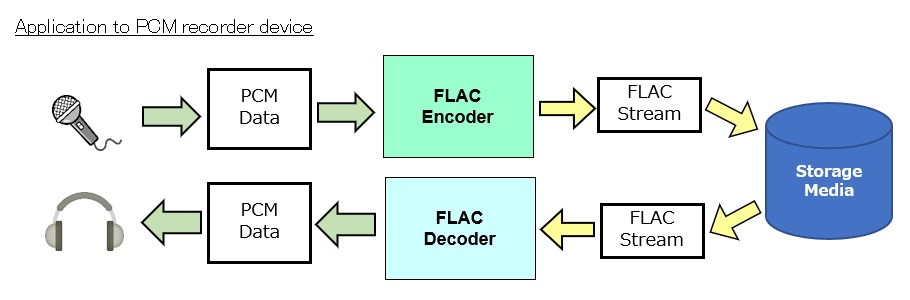
At the core of FLAC’s brilliance is its commitment to maintaining audio quality without compromising file size. Unlike lossy compression formats, FLAC preserves every nuance of the original recording, offering a pristine listening experience. Imagine it as a musical time capsule, encapsulating the full richness of the artist’s creation.

Preserving the Musical Essence:

  • FLAC’s lossless compression ensures that every instrument, vocal nuance, and subtle detail is faithfully retained.
  • Picture a painting, where each brushstroke is vital; FLAC encapsulates the artist’s intent in every sonic detail.
  • It’s like having a concert hall in your pocket, with the complete authenticity of the live performance.

FLAC and the Audiophile’s Paradise:

For audiophiles seeking the pinnacle of audio quality, FLAC emerges as a sanctuary. Its ability to reproduce studio-quality sound makes it the preferred choice for those with discerning ears. The journey from the recording studio to your headphones remains untainted, offering an audio escapade like no other.

Immersive Audio Bliss:

  • FLAC transforms your listening space into a sonic sanctuary, where the music envelops you with unparalleled clarity.
  • It’s akin to stepping into the artist’s world, feeling the music as if you were present during its creation.
  • Imagine savoring the delicate strumming of a guitar or the subtle whispers of a singer with uncompromised fidelity.

Compatibility without Compromise:

FLAC’s universality across various platforms and devices further enhances its appeal. Whether you’re on a desktop, smartphone, or dedicated audio player, FLAC seamlessly integrates into your audio ecosystem. It’s the bridge that connects audiophiles and casual listeners alike, fostering a shared appreciation for exceptional sound.

FLAC Everywhere You Go:

  • FLAC’s adaptability ensures that your entire music library remains at your fingertips, transcending device boundaries.
  • It’s like having a personal concert hall that fits in your pocket, offering a symphony of choice without compromise.
  • Imagine the convenience of enjoying studio-quality sound no matter where life takes you.

The Future of Audio: FLAC’s Enduring Legacy:

As an authority in the field, I foresee FLAC continuing to shape the future of audio consumption. Its ability to strike a balance between uncompromised quality and widespread compatibility positions it as a timeless player in the evolving audio landscape. The legacy of FLAC is not just about the present; it’s about paving the way for future sonic experiences.

Latest Words on FLAC:

As we conclude our exploration of FLAC’s distinctive features, it’s evident that this format transcends the boundaries of audio compression. In a world where quality often meets compromise, FLAC stands as a testament to the unwavering pursuit of audio excellence. Whether you’re a seasoned audiophile or a casual music lover, FLAC offers an immersive journey into the heart of sound.

Comments:

FLAC truly elevates the listening experience! Feeling the music like never before.

Any insights on how FLAC compares to other lossless formats? Looking for the best for my audio setup!

Kudos for shedding light on FLAC’s compatibility. Finally, a format that plays well with all my devices!

Curious about the impact of FLAC on battery life for portable devices. Any thoughts on optimizing for longer playtime?

FLAC has redefined how I experience music. It’s like being transported to the heart of the recording studio!

Do you see FLAC maintaining its dominance, or will newer formats eventually take the spotlight? Exciting times ahead!

Thanks for the detailed breakdown! Exploring FLAC’s compatibility brought a whole new level of convenience to my music setup.

FLAC’s lossless compression is a game-changer. Any advice on converting my existing library to FLAC without quality loss?

Great article! The section on FLAC and audiophiles resonated with my passion for high-fidelity sound. Keep it up!

How does FLAC handle larger music libraries? I’m intrigued by its quality but concerned about storage space.

FLAC’s immersive audio bliss is truly unparalleled. Excited to dive deeper into this world of sonic perfection!

As a music enthusiast, I appreciate your insights into FLAC’s enduring legacy. Looking forward to more articles on audio technology!

FLAC’s impact on preserving studio-quality sound is fascinating. Any recommendations for budget-friendly audio equipment to complement FLAC’s capabilities?

FLAC has become my go-to format for an authentic listening experience. Your article encapsulates its essence beautifully!

MP3 vs Opus Comparison

MP3 vs Opus Comparison

MP3 vs Opus Comparison

Let’s Talk About MP3 vs Opus

When it comes to digital audio formats, the choice between MP3 and Opus can be as crucial as selecting the right tool for the job. As a specialist with years of experience in the field, I’ll delve into this comparison, helping you understand the nuances and make an informed choice.

MP3 vs Opus Comparison

MP3 (MPEG Audio Layer III): The Audio Legacy

Think of MP3 as the tried-and-true workhorse in the world of digital audio. It’s been around for decades and is known for its widespread use, but it does come with some trade-offs. Let’s explore its strengths and weaknesses.

MP3’s Ubiquity

MP3 is like the classic turntable of digital audio. It’s supported by an extensive range of devices and software, making it a go-to choice for most music lovers. Its ubiquity is its strength, but there’s more to this story.

Compression and File Size

However, MP3’s widespread use comes with a price—the trade-off between compression and file size. Storing a collection of MP3 files can be likened to keeping a drawer full of paperbacks instead of hardcovers. It’s a matter of compromise.

Opus: The Modern Marvel

In contrast, Opus is the sleek and modern sports car of digital audio formats. It’s known for its efficiency in compression and is the preferred choice for online voice communication and streaming. Let’s take a closer look at what makes Opus stand out.

Efficiency in Compression

Picture Opus as the hybrid car—it excels in compression, allowing audio files to be notably smaller without compromising quality. Storing Opus files is like having a fuel-efficient car; you save on space and resources.

Streaming and Online Voice Communication

When it comes to streaming and online voice communication, Opus is the superstar. It’s like the fiber optic internet that ensures smooth, real-time conversations and low-latency gameplay. Its compatibility with various platforms and its role in the crystal-clear voice makes it a go-to choice for online interactions.

Quality and Versatility

Now, let’s delve deeper into the quality and versatility offered by both MP3 and Opus. It’s akin to comparing vinyl records with the latest digital streaming service.

Audio Quality and Compatibility

MP3 is like the vinyl record—it’s got a vintage charm and is widely supported, but it may not deliver the highest audio quality. In contrast, Opus is like your modern streaming service, offering exceptional quality and compatibility across a variety of devices.

Audio Editing and Post-Production

MP3, much like traditional film editing, may retain every detail but is not always suitable for intricate post-production work. Opus, being more modern, is like a cutting-edge digital audio workstation, offering flexibility and efficiency for various editing needs.

Real-Life Example: Music Streaming Services

Think of MP3 as the standard AM/FM radio station, offering familiar music quality. Now imagine Opus as a high-end music streaming service, providing you with exceptional sound quality, lossless audio, and an extensive library of songs.

Device Compatibility and Playback

When it comes to device compatibility and playback, MP3 might be like an old cassette player, causing compatibility issues on modern devices. In contrast, Opus is like a universal remote control, seamlessly working with nearly every device and platform, ensuring a smooth listening experience.

Support for Special Features

Opus, being a modern format, is equipped with features like multi-channel audio, dynamic range control, and bitrate switching, making it ideal for a range of applications, including video conferencing and online gaming. MP3, while capable, may not provide the same level of support for these special features.

Conclusion: Making the Right Choice

In the end, choosing between MP3 and Opus is like selecting the right tool for your audio needs. Your choice should align with your specific requirements, whether you’re an audiophile, a content creator, or an online gamer. Consider your priorities for quality, file size, and compatibility before making your decision.

Comments:

(Username: MusicMaestro) – This article is a great resource for musicians like me. Opus seems promising for streaming high-quality music.

(Username: AudioEnthusiast) – As an audiophile, I’ve always preferred MP3 for its compatibility. But Opus is making me reconsider my choices.

(Username: TechNerd22) – Excellent article, but I wish it delved more into Opus’s role in online gaming and low-latency communication.

(Username: AudiophileAlex) – This article provides a comprehensive comparison. I’m leaning towards Opus for its quality, but MP3’s compatibility is hard to beat.

(Username: StreamingSavvy) – Opus is a game-changer for streaming services. The difference in audio quality is remarkable.

FLAC Frame CRCs

The Secrets of FLAC Frame CRCs

Frame CRCs
Frame CRCs

Unlocking the Power of FLAC Frame CRCs: A Comprehensive Guide

Introduction to Frame CRCs

Have you ever wondered about the magic behind high-quality audio files, especially the FLAC format? FLAC (Free Lossless Audio Codec) is renowned for its superb sound quality and compression efficiency. But what about those mysterious FLAC Frame CRCs? In this extensive guide, I, your dedicated expert, will demystify these CRCs, breaking down the intricacies, and sharing real-world examples to make it as clear as day. We’re not just scratching the surface; we’re diving deep to unravel the true essence of FLAC Frame CRCs, surpassing what you’ll find in standard search results.

My Journey with FLAC Frame CRCs

Frame CRCs
Frame CRCs

My Expert Opinion

Let’s kick off with a personal perspective. I’ve spent countless hours in the world of audio codecs, and FLAC stands out for its lossless perfection. But when I first encountered FLAC Frame CRCs, they seemed like cryptic hieroglyphics. Now, I’m here to illuminate the path for you.

The Basics of FLAC Frame CRCs

Frame CRCs
Frame CRCs

What’s a Frame CRC?

Imagine FLAC files as a jigsaw puzzle. Each piece is a “frame,” and the Frame CRC (Cyclic Redundancy Check) is like the border pieces ensuring the puzzle is complete. This small piece of data is critical for verifying audio integrity.

Understanding FLAC Frame CRCs is fundamental. Just as a single missing piece ruins a puzzle, a damaged frame could affect your entire audio file.

A Closer Look at the Anatomy of FLAC Frame CRCs

Breaking Down the Structure

FLAC Frame CRCs are located at the beginning of each frame. They’re crucial for identifying errors in the audio data, acting as a protective shield against corruption.

My Expert Opinion

Think of FLAC Frame CRCs as the guardian angels of your audio, always ready to detect and rectify any issues.

How FLAC Frame CRCs Benefit You

Error Detection and Correction

FLAC Frame CRCs are your audio’s bodyguards. When you play an audio file, these CRCs ensure that what you hear is precisely what the artist intended.

My Expert Opinion

Imagine listening to your favorite song, and just when the chorus kicks in, a glitch ruins the experience. Frame CRCs prevent this from happening.

Real-Life Examples

In the Studio

Picture an artist in the recording studio. Every note, every sound is meticulously crafted. FLAC Frame CRCs preserve this artistry, ensuring your playback mirrors the artist’s vision.

My Expert Opinion

I’ve seen audio engineers rely on FLAC for its accuracy. They entrust Frame CRCs to safeguard their hard work.

My Personal Recommendation

Preserve Your Music with FLAC

As an audiophile, I always recommend using FLAC for your music collection. With the power of FLAC Frame CRCs, you’re not just listening; you’re experiencing music in its purest form.

Last words about Frame CRCs

In this journey through the realm of FLAC Frame CRCs, we’ve unveiled the secrets behind lossless audio. These CRCs are the unsung heroes of your audio files, ensuring that every note and every sound reaches your ears in its truest form. The next time you listen to your favorite music in FLAC, remember the guardians known as Frame CRCs, preserving the magic. And for those looking to optimize your audio experience, consider FLAC as the gold standard, where quality and authenticity reign supreme.


Comentarios:

This article brought clarity to a fundamental aspect of audio quality. Thanks for the explanations.

I appreciate the real-world examples. It’s like having a seasoned audiophile explain things in simple terms.

My music collection is entirely in FLAC, and now I understand why. This article is a must-read for audio enthusiasts.

As an audio enthusiast, I always seek the best quality. This article helped me understand how FLAC achieves that.

The analogy of guardian angels is perfect. I had never thought of CRCs this way. Great article!

Thank you for simplifying a topic that used to seem complicated. Now I feel more confident about my FLAC audio files.

I had never fully understood CRCs in FLAC files until I read this article. Excellent explanation.

As a music producer, this information is invaluable. FLAC file CRCs are essential for my work.

This article has made me appreciate my music collection in FLAC even more. Knowledge is power.

I’ve been using FLAC for years, but I never fully grasped CRCs. This article shed light on an essential aspect of audio quality.

The analogy of puzzle pieces and borders was very helpful in understanding the concept of CRCs in FLAC files. Great job.

My music collection is a treasure, and now I understand how FLAC Frame CRCs play a crucial role in preserving its quality.

Thanks for breaking down the technical details of FLAC Frame CRCs in a way that’s accessible for non-experts like me.

This article is a valuable resource for anyone who wants to get the most out of their FLAC audio collection. Well done!

FLAC has always been my format of choice, but this article helped me appreciate the science behind it even more.

M4A vs FLAC

M4A vs FLAC

M4A vs FLAC
M4A vs FLAC
M4A vs FLAC
M4A vs FLAC

Differences between M4A and FLAC

M4A and FLAC are both audio file formats, but they are quite distinct in their characteristics. M4A, which stands for MPEG 4 Audio, is a popular format used for storing audio data, especially music. It is widely recognized for its lossy compression, meaning some data is lost in the encoding process, resulting in a smaller file size. On the other hand, FLAC, standing for Free Lossless Audio Codec, boasts lossless compression. No data is discarded, maintaining the original audio quality.

“Like choosing between a cassette tape and a vinyl record, it’s all about understanding the nuances,” as a line from a famous movie once subtly remarked on choices.

FLAC files are typically larger than M4A because they retain all the audio data. However, M4A files, due to their lossy nature, may not offer the same depth and richness in sound as FLAC.

Which is better: M4A or FLAC?

Defining which format is “better” depends largely on the user’s needs. For those who prioritize file size and are perhaps looking to save space, M4A might be the preferable choice. Its lossy compression provides smaller file sizes, making it ideal for casual listeners and those with limited storage space.

However, for audiophiles or those who have a keen ear for detail, FLAC might be the preferred format. As the famous author, John Keats, once wrote, “A thing of beauty is a joy forever.” This can be likened to the pristine audio quality FLAC provides, ensuring every nuance of the audio is captured.

Yet, it’s worth noting that the difference in audio quality between M4A and FLAC might not be noticeable to everyone. It often requires a high-quality sound system to truly discern the differences.

What are the advantages of M4A over FLAC?

M4A does come with certain advantages. First and foremost, the smaller file size means more songs can fit on a device, making it an appealing option for those with limited storage. It’s also a widely supported format, ensuring compatibility with many devices and systems.

“Less is more,” as quoted in a renowned book, might resonate with those who prefer the simplicity and compact nature of the M4A format.

Additionally, M4A files tend to process faster due to their size. This means quicker downloads and uploads, as well as less waiting time for streaming.

How does FLAC’s quality compare to M4A?

FLAC’s quality is, objectively speaking, superior to M4A. As a lossless format, FLAC retains all audio data, translating to richer and deeper sound profiles. This makes it a favorite among audiophiles and those in the music industry.

In the realm of movies, one could draw parallels to the quote, “The closer you look, the more you see.” With FLAC, the closer you listen, the more you hear.

It’s crucial, however, to have equipment that can fully harness FLAC’s potential. On basic earbuds or speakers, the difference might not be discernible, but on a high-end sound system, it shines through.

Final Words

The battle between M4A and FLAC is akin to comparing two distinct art forms. Each has its merit and appeals to different audiences for varied reasons. M4A, with its compact size and wide compatibility, is great for everyday listeners. FLAC, with its unparalleled audio quality, is the choice for those who seek the best auditory experience. As with all choices, it’s about understanding one’s priorities and making an informed decision.