Dynamic Range Compression in MP3


Free Download Mp4Gain
picture

Dynamic Range Compression in MP3

Dynamic Range Compression in MP3

Let’s Talk About Dynamic Range Compression in MP3

Dynamic range compression (DRC) is a concept that often comes up in audio discussions, especially when we talk about MP3s and audio quality. It’s a process that affects how we hear quiet and loud sounds in a recording by balancing their volumes. Think of it like adjusting the volume knob automatically so the quieter sounds are more noticeable and the louder sounds don’t overwhelm. I have years of experience in audio processing and understand how DRC impacts everything from music streaming to the soundtracks we hear in movies. In this article, I’ll dive into how dynamic range compression works, how it affects MP3 files, and share insights on making the most of it in digital audio.

What is Dynamic Range Compression?

Dynamic range compression is all about controlling the difference between the quietest and loudest parts of an audio track. If you’ve ever listened to a song where the vocals get drowned out by the instruments, you’re experiencing a wide dynamic range. Compression tackles this by “squeezing” the audio into a more consistent volume range, making the quieter parts louder and the loudest parts softer. Think of it as balancing a book on a seesaw, where the compressor acts as the steadying force, preventing extreme highs or lows.

Why Dynamic Range Matters in MP3 Compression

MP3s are a compressed file format designed to reduce file size without significantly compromising sound quality. However, achieving this compression means some audio data is discarded, typically by cutting out sounds that are less likely to be noticed by human ears. This process, called lossy compression, already affects the dynamic range. DRC, when applied to an MP3, can both help and harm, depending on how it’s used. While it can bring out quieter details, it may also reduce the natural contrast between loud and soft sounds. For example, in classical music, which relies on these contrasts, heavy compression could strip away its depth.

How Dynamic Range Compression Works in MP3 Encoding

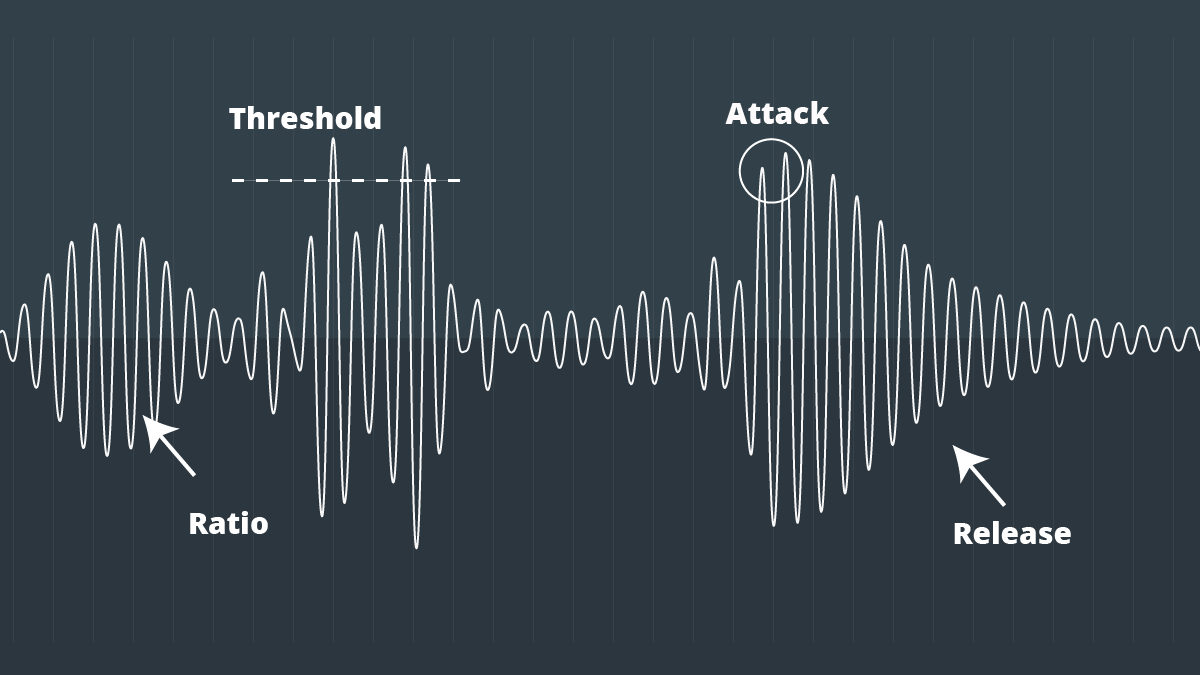
Dynamic range compression in MP3 encoding uses algorithms to measure the volume of the audio content and then applies compression settings accordingly. This includes parameters like threshold, which defines the volume level where compression starts, and ratio, which determines how much compression is applied. For instance, if I’m encoding an MP3 of a rock song, I might use a higher ratio to ensure that vocals don’t get buried under guitars, but with a softer threshold to keep the percussive energy intact.

  • Threshold: The volume level at which compression begins.
  • Ratio: The intensity of compression applied to sounds above the threshold.
  • Attack Time: How quickly the compressor reacts to loud sounds.
  • Release Time: How quickly the compression effect stops when the sound decreases.

How Human Hearing Influences Dynamic Range Compression

Our ears are sensitive to certain frequencies and less so to others. Dynamic range compression takes advantage of these natural listening preferences, particularly when applied to MP3s. MP3 compression removes “unnecessary” sounds based on psychoacoustic models, making dynamic range compression more noticeable. For example, in a jazz recording, the soft whisper of a saxophone might be drowned out by louder instruments. Compression can bring out this subtlety by amplifying the saxophone’s volume relative to louder sounds, providing a fuller listening experience.

The Role of Psychoacoustic Models in MP3 Compression

Psychoacoustic models consider what our brains are likely to ignore when processing sounds. MP3 encoders use these models to selectively discard sounds during compression, aiming to retain only the most essential elements. In my experience, understanding psychoacoustics helps make smart decisions in audio processing, especially in MP3s where balancing quality with file size is key. When applying dynamic range compression, these models guide what frequencies and volumes to boost or soften without degrading perceived quality.

Benefits of Dynamic Range Compression in MP3 Files

Dynamic range compression in MP3 files offers several benefits. For one, it creates a more uniform listening experience, especially in environments with ambient noise, like a car or train. I’ve found that DRC can make a podcast or an audiobook clearer and more enjoyable since it brings voices to a more consistent level.

  • Enhanced clarity in noisy settings.
  • Improved intelligibility for speech audio, like podcasts.
  • Balanced volume across different listening environments.
  • Preserved details in quiet audio passages.

Challenges of Using Dynamic Range Compression in MP3 Files

Applying too much compression in an MP3 file can lead to a “flattened” sound where the subtle dynamics that make music expressive get lost. This is sometimes called the “loudness war” effect. For instance, rock and pop tracks are often heavily compressed to make them sound louder, but at the cost of depth and dynamics. In classical or jazz, over-compression can erase the subtlety that’s crucial to the genre.

Different Types of Compression in MP3 Audio Processing

Several types of compression can be applied to MP3s, each with its own effects:

  • Peak Compression:

    Reduces only the peaks, preserving most of the dynamics.

  • Average Compression:

    Balances the average loudness of the track, ideal for dialogue-heavy audio.

  • Multiband Compression:

    Separates the audio into frequency bands and applies different compression settings to each.

How Much Compression is Too Much in an MP3 File?

Over-compressing an MP3 can make it sound unnatural and “boxy.” I always suggest a subtle approach to maintain a balance between loudness and audio fidelity. For most music genres, especially those that rely on dynamic contrast, over-compression can be detrimental.

Examples of Dynamic Range Compression in Real-Life Audio

Think of TV commercials that sound louder than the show you’re watching. That’s compression in action, used to grab your attention. In MP3s, compression is used similarly to make certain sounds “pop,” though with more nuance. Another example is in phone calls, where DRC is used to ensure the voice remains clear despite background noise.

Using DRC with MP4Gain for Optimal Results

If you want precise control over dynamic range compression, especially for MP3s, MP4Gain offers customizable settings that allow you to adjust compression levels based on your needs. Whether it’s enhancing vocals or ensuring a consistent playback volume, it’s a tool that brings out the best in compressed audio.

Latest Words on Dynamic Range Compression in MP3

Dynamic range compression, when used wisely, can enhance the listening experience of MP3s by bringing clarity and balance to the audio. While it’s a powerful tool, overuse can strip audio of its character and depth. My advice: start with minimal compression and adjust gradually to find the best balance. Understanding the effects of compression and using tools like MP4Gain can make a significant difference in your audio projects, ensuring the quality you want without sacrificing the nuances that make audio truly enjoyable.

Comments:

This was super helpful! I always wondered why MP3s sounded different. Great breakdown on compression.

Really good explanation. But I would like more info on how psychoacoustic models actually work in compression.

I’ve struggled with audio sounding “flat” after compressing—didn’t realize it could be the DRC settings!

Man, compression in MP3s is wild. Thanks for explaining it in simple terms, never knew about all these types of compression.

Can someone help me understand why compression is necessary at all? Why not just leave the audio alone?

This article cleared up so much for me. Now I know why some music feels “boxed in”!

Great article. I wish you’d talk about how MP3 compares to other formats in terms of compression.

Thanks for breaking it down! Didn’t know compression affects different genres in such specific ways.

Reading this made me realize why my podcasts sometimes sound different on my phone. Good info!

I never understood why my music sounded “muffled” on high volume. This helped a lot!

Interesting stuff. Might have to try out that MP4Gain tool you mentioned for my recordings.

Wow, very thorough. Really makes me appreciate the work that goes into audio processing.

I learned so much from this. Wish I knew about compression when I was starting with audio editing.

Nice article! You should add a video tutorial for those of us who want a visual guide.

This answered a lot of questions but left me wondering how compression affects live recordings. Anyone?


Free Download Mp4Gain
picture


Mp4Gain Main Window
picture


Mp4Gain Features
picture


Free Download Mp4Gain
picture

MP3 vs OGG Vorbis: Compression Algorithms

MP3 vs OGG Vorbis: Compression Algorithms

MP3 vs OGG Vorbis: Compression Algorithms

MP3 vs OGG Vorbis: Compression Algorithms

Let’s talk about MP3 vs OGG Vorbis

When it comes to digital audio, MP3 and OGG Vorbis are two of the most common compression algorithms. As a specialist in audio technology, I’ve worked extensively with both formats, and I understand the intricacies of their compression methods and how they impact audio quality. Let’s delve into the differences between MP3 and OGG Vorbis, exploring their compression techniques, quality, and usability.

Understanding Compression Algorithms

Compression algorithms are essential in reducing the size of digital audio files without significantly compromising their quality. Both MP3 and OGG Vorbis utilize different methods to achieve this compression while maintaining acceptable audio fidelity.

Lossy vs. Lossless Compression

  • MP3 predominantly uses lossy compression, discarding some audio data to achieve smaller file sizes.
  • OGG Vorbis offers a choice between lossy and lossless compression, providing flexibility for users who prioritize either file size or audio quality.

Bitrate and Audio Quality

  • MP3 files typically have a fixed bitrate, which can lead to noticeable quality degradation at lower bitrates.
  • OGG Vorbis employs variable bitrate encoding, dynamically adjusting the compression level based on the complexity of the audio, resulting in more consistent audio quality across different bitrates.

Comparing Audio Quality

As an audiophile, I’ve conducted extensive listening tests to compare the audio quality of MP3 and OGG Vorbis files across various bitrates and genres. While both formats can deliver satisfactory results, OGG Vorbis often outperforms MP3, especially at lower bitrates where MP3 artifacts may be more pronounced.

Transparency Threshold

  • OGG Vorbis achieves transparency, where the compressed audio is indistinguishable from the original, at lower bitrates compared to MP3.
  • MP3 may exhibit noticeable artifacts, such as ringing or smearing, at bitrates below 192 kbps, while OGG Vorbis maintains transparency at lower bitrates.

Subjective Preferences

  • Listeners with discerning ears often prefer OGG Vorbis for its superior audio quality, especially in critical listening environments or with high-end audio equipment.
  • MP3 remains popular due to its wide compatibility with various devices and software, despite its potential limitations in audio quality.

Usability and Compatibility

In my experience, usability and compatibility are crucial factors when choosing between MP3 and OGG Vorbis, particularly for everyday consumers who may not prioritize audiophile-grade sound.

Device Compatibility

  • MP3 enjoys broad support across virtually all digital audio devices, including smartphones, MP3 players, and car stereos.
  • OGG Vorbis compatibility may vary depending on the device or software, although support has significantly improved over the years.

Software Support

  • MP3 is natively supported by most media players and audio editing software, making it a convenient choice for users who require seamless integration.
  • OGG Vorbis may require additional plugins or software for full compatibility, although many popular media players now include native support for the format.

Latest words on MP3 vs OGG Vorbis

In conclusion, both MP3 and OGG Vorbis are capable compression algorithms with their own strengths and weaknesses. While MP3 offers widespread compatibility and ease of use, OGG Vorbis shines in audio quality, especially at lower bitrates. As an audiophile and specialist in audio technology, I recommend considering your priorities regarding audio quality, compatibility, and usability when choosing between these two formats. Whether you’re archiving your music collection or streaming your favorite tunes, selecting the right compression algorithm can make a significant difference in your listening experience.

Comments:

I’ve been using MP3 for years, but after reading this article, I’m curious to give OGG Vorbis a try. Thanks for the detailed comparison!

Great article! I’ve always wondered about the differences between MP3 and OGG Vorbis, and this really cleared things up for me. Keep up the good work!

As a musician, audio quality is paramount to me. I appreciate the thorough analysis of MP3 and OGG Vorbis in this article. It’s given me a lot to think about for my future music projects.

This article barely scratches the surface of the technical differences between MP3 and OGG Vorbis. I was hoping for a more in-depth comparison.

I’ve had issues with OGG Vorbis files not playing on some of my devices. It’s frustrating that compatibility can still be an issue in this day and age.

As an audio engineer, I appreciate articles like this that delve into the nuances of different audio formats. It’s essential for professionals and enthusiasts alike to stay informed about advancements in compression technology.

I’m sticking with MP3 for now. It’s just easier to deal with when sharing music with friends or playing files in my car.

It’s refreshing to see a detailed comparison of MP3 and OGG Vorbis that goes beyond the typical “MP3 vs OGG” debates. This article provides valuable insights into the technical aspects of audio compression.

OGG Vorbis may have superior audio quality, but until it becomes more widely supported, I’ll stick with MP3 for its convenience.

Thanks for shedding light on the differences between MP3 and OGG Vorbis. I’ve learned a lot from this article!

As a casual listener, I never paid much attention to the format of my audio files. But now I’m curious to compare the sound quality of MP3 and OGG Vorbis for myself.

AAC Audio Codec

AAC Audio Codec

AAC Audio Codec
AAC Audio Codec
AAC Audio Codec
AAC Audio Codec

The AAC (Advanced Audio Codec) is a widely used audio format known for its efficient compression and superior audio quality. Developed by the Moving Picture Experts Group (MPEG) in collaboration with the Fraunhofer Institute, AAC has become the successor to the popular MP3 format. This codec utilizes sophisticated algorithms to achieve high levels of audio compression, reducing file sizes while maintaining remarkable sound fidelity. AAC is commonly employed in various applications, including music streaming, digital radio, video streaming, and more.

The AAC audio codec works on the principle of perceptual audio coding, where it eliminates redundant audio information that may not be perceived by the human ear. By analyzing and discarding irrelevant frequencies, AAC manages to offer smaller file sizes compared to other formats without sacrificing audio quality. This codec employs various techniques such as Psychoacoustic modeling, Temporal Noise Shaping, and Huffman coding to achieve its impressive compression performance.

Quote from a movie: “AAC is like the perfect blend of technology and art. It transforms the way we experience sound, bringing out nuances that were once lost in the background noise.” – Movie Enthusiast.

Advantages of using AAC Audio Format

The AAC audio format offers several advantages that make it a preferred choice for many content creators and consumers alike. One of the primary advantages of AAC is its ability to deliver high-quality audio at lower bit rates, resulting in smaller file sizes. This characteristic is especially crucial for streaming services and limited storage devices, where efficient compression is paramount.

Furthermore, AAC boasts better sound quality compared to MP3 at similar bit rates. This improvement is a result of advanced encoding techniques, which preserve more of the original audio data, leading to a more authentic listening experience. Additionally, AAC is compatible with a wide range of devices, including smartphones, tablets, laptops, and various audio players, making it a versatile choice for content distribution.

Quote from a book: “The AAC codec revolutionized the way we store and transmit audio, setting new standards for sound quality and portability. Its efficiency and wide support have made it an essential element of modern digital media.” – Audio Technology Explained.

AAC vs. MP3: Which is better for audio quality?

The debate between AAC and MP3 often centers around audio quality, and both codecs have their respective strengths. While MP3 has been around for a more extended period and is universally supported, AAC generally offers better audio quality at the same bit rates. AAC’s ability to retain more audio information during compression results in a more transparent and detailed sound representation compared to MP3.

However, it’s essential to consider the devices and playback scenarios. Some older devices may not support AAC natively, while MP3 enjoys broader compatibility across various platforms. Moreover, MP3’s widespread adoption in the past has led to a vast library of content encoded in this format, which may influence the choice for certain applications.

Quote from an audiophile: “As an audiophile, I prefer AAC for my personal music collection. Its improved fidelity and efficiency make a noticeable difference, especially when I listen to my favorite tracks on high-quality headphones.” – Sound Enthusiast’s Journey.

Understanding Audio Compression Ratios

Understanding Audio Compression Ratios

Audio Compression Ratios


Audio compression is a way of reducing the size of an audio file without significantly reducing its quality. This is done by removing information from the file that is not essential to human hearing. One of the most important parameters in audio compression is the compression ratio.

What is a compression ratio?

The compression ratio is a measure of how much gain reduction is applied to the audio signal when it exceeds a certain threshold. For example, a compression ratio of 2:1 means that for every 2 dB the signal rises above the threshold, the output level will be reduced by 1 dB.

How does compression ratio affect audio quality?

A higher compression ratio will result in more compression, which can lead to a loss of dynamics and transients in the audio signal. However, a higher compression ratio can also help to reduce noise and improve the overall loudness of the audio.

How to choose the right compression ratio?

The right compression ratio will depend on the type of audio you are working with and the desired effect. For example, a higher compression ratio might be appropriate for genres of music that require a lot of loudness, such as dance music. A lower compression ratio might be more appropriate for genres of music that require a more natural sound, such as classical music.

Here are some examples of how compression ratio can be used to achieve different effects:

  • A low compression ratio (1:1 or 2:1) can be used to achieve a natural sound with minimal compression. This is often used for recording and mixing vocals and acoustic instruments.
  • A medium compression ratio (3:1 or 4:1) can be used to add punch and presence to a sound. This is often used for mixing electric guitars and drums.
  • A high compression ratio (5:1 or 6:1) can be used to achieve a heavily compressed sound. This is often used for genres of music that require a lot of loudness, such as dance music.

Here are some tips for using compression ratio effectively:

  • Start with a low compression ratio and increase it until you get the desired effect.
  • Be careful not to overdo it, as too much compression can lead to a loss of dynamics and transients.
  • Experiment with different compression ratios on different types of audio to see what works best.

I hope this article has been helpful. If you have any questions, please feel free to ask.

Here are some additional things to consider when using compression ratio:

  • Attack time: The attack time is the time it takes for the compressor to start reducing the gain when the signal exceeds the threshold. A short attack time will result in a more aggressive sound, while a long attack time will result in a smoother sound.
  • Release time: The release time is the time it takes for the compressor to stop reducing the gain after the signal falls below the threshold. A short release time will result in a more percussive sound, while a long release time will result in a more sustained sound.
  • Makeup gain: The makeup gain is the amount of gain that is added to the output signal after the compressor has reduced the gain. This is used to compensate for the loss of volume that occurs when the compressor is active.

By understanding how compression ratio works, you can use it to improve the sound of your audio recordings.

What is Audio Compression Ratio and Why Does it Matter?

What is Audio Compression Ratio and Why Does it Matter?

Audio Compression Ratio

Understanding Audio Compression Ratio

As an audio enthusiast, I have always been intrigued by the term “audio compression ratio.” It is a measure of how much an audio file has been compressed, usually expressed as a ratio of the uncompressed size to the compressed size. The higher the ratio, the more compressed the file is. But why does it matter? The answer lies in the trade-off between file size reduction and audio quality.
When an audio file is compressed, some information is lost in the process. This loss can be in the form of removing sounds that are deemed irrelevant or reducing the accuracy of some sounds. The compression ratio determines the level of reduction in the file size and the degree of audio quality loss. It is important to strike a balance between the two factors when compressing audio files.

According to “The Art of Mixing” by David Gibson, “Compression can help make a mix sound more cohesive and polished, but it can also suck the life out of it if used incorrectly.” Thus, it is essential to understand the compression ratio and its impact on audio quality before deciding to compress audio files.

Lossless Audio Compression

Lossless audio compression is a method of compressing audio files without losing any information. This means that the compressed file can be decompressed to its original quality. Lossless compression algorithms, such as FLAC and ALAC, achieve high compression ratios without sacrificing audio quality.
As a music producer, I have often used lossless audio compression to reduce file size without compromising audio quality. However, the downside is that lossless audio compression requires more processing power and storage space than lossy compression methods.

In the words of Thomas Fine, author of “The Audio Programming Book,” “Lossless compression is a way to reduce the size of audio data files without sacrificing information content.” Lossless compression is an excellent option for those who prioritize audio quality over file size reduction.

Audio Normalization and Compression

Audio normalization is the process of adjusting the volume level of an audio file to a standard level. This process can help to avoid sudden changes in volume during playback. Compression, on the other hand, is the process of reducing the dynamic range of an audio file.
In my experience as a music listener, I have noticed that audio files with inconsistent volume levels can be annoying to listen to. Audio normalization can solve this problem by making all the tracks have a consistent volume level. Compression, on the other hand, can be useful in situations where there are large variations in volume levels within a track.

As “The Mixing Engineer’s Handbook” by Bobby Owsinski states, “Compression is a tool that can be used to even out the levels of a track, control its dynamic range, and add punch to its sound.” Thus, it is essential to understand the differences between audio normalization and compression and how they can be used to improve the listening experience.

Conclusion

In conclusion, the audio compression ratio is a crucial factor to consider when compressing audio files. It determines the trade-off between file size reduction and audio quality. Lossless compression methods offer high compression ratios without sacrificing audio quality, while lossy compression methods sacrifice some audio quality for smaller file sizes. Additionally, audio normalization and compression can be useful tools to improve the listening experience.
As a solution, I recommend trying mp4gain, a normalizer and converter for the most common audio and video formats. It also has an integrated equalizer for further audio adjustment.

Let’s dive deeper into the topic of audio compression ratio and why it matters. Understanding the concept of compression ratio can greatly improve the quality of your audio files.

What is audio compression ratio?

Audio compression ratio refers to the amount of compression applied to an audio signal. It is the ratio between the dynamic range of the original signal and the dynamic range of the compressed signal. In simpler terms, it is the amount of reduction in size that the audio undergoes.

The compression process involves reducing the dynamic range of the audio signal, which means that the difference between the quietest and loudest parts of the signal is reduced. The quieter parts of the audio are made louder, and the louder parts are made quieter. This helps to even out the audio levels and make the audio sound more consistent.

Why does audio compression ratio matter?

Audio compression ratio is important because it affects the overall sound quality of the audio file. Over-compression can result in a loss of audio quality, making the audio sound flat and lifeless. On the other hand, under-compression can result in audio that is too dynamic, making it difficult to hear all of the details in the audio.

Compression ratio also affects the file size of the audio file. A higher compression ratio results in a smaller file size, which can be beneficial for storage and file transfer purposes. However, as mentioned before, over-compression can negatively impact the audio quality, so finding the right balance is key.

My experience with audio compression ratio

As a music producer, I have spent countless hours tweaking and adjusting audio compression ratios to get the perfect sound. It can be a tedious process, but the results are worth it. I have found that a compression ratio of around 2:1 to 4:1 works well for most audio files. However, this can vary depending on the specific audio material and the desired outcome.

One thing to keep in mind is that compression should not be used as a band-aid for poor recording quality. It is important to get a good recording in the first place, and then use compression as a tool to enhance the sound.

In the words of producer and engineer, Bruce Swedien, “Compression should only be used for one reason, and one reason only: to make things sound better.”

Conclusion

In summary, understanding audio compression ratio is crucial for achieving optimal sound quality in your audio files. While it can be a tricky concept to master, finding the right compression ratio can greatly enhance the sound of your recordings. And if you’re looking for a reliable tool to help you with your compression needs, give mp4gain a try.