
Long-term prediction in AAC and MP3

Let’s talk about long-term prediction in AAC and MP3
Long-term prediction in AAC and MP3 is the key to achieving efficient compression without sacrificing audio quality. As someone who has studied this area extensively, I can tell you that understanding how these algorithms work can transform the way we perceive digital audio. Imagine you’re trying to fit all your favorite songs into a small storage space. Long-term prediction helps achieve this by identifying patterns in sound and encoding them more efficiently.
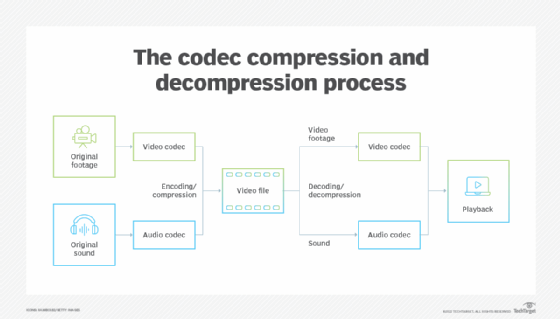
Both AAC and MP3 rely on long-term prediction to optimize compression. By analyzing repetitive audio signals, such as sustained musical notes or rhythmic beats, these codecs predict and encode them efficiently. Think of it as saving space on a bookshelf by stacking similar-sized books together. This concept, though simple in analogy, involves highly sophisticated mathematical modeling in practice.
How long-term prediction works in AAC
In AAC, long-term prediction focuses on analyzing correlations within audio frames over time. Picture a choir singing in harmony; their voices often follow predictable patterns. AAC identifies these patterns, using them to reduce redundant data storage. This technique is especially effective for tonal and harmonic sounds.
AAC employs tools like predictive filters that estimate future audio samples based on past ones. If you’ve ever noticed how your phone predicts the next word when you’re typing, this is a similar idea but applied to audio. By predicting and storing only the differences, AAC achieves higher compression rates. This is why AAC files often sound better than MP3 at similar bitrates.
Long-term prediction in MP3 encoding
MP3 also utilizes long-term prediction, but its approach is slightly less advanced than AAC’s. While MP3’s algorithms identify repetitive audio signals, they lack the precision of AAC in capturing subtle tonal variations. Imagine trying to sketch a landscape using only a few colors; MP3 manages this but sometimes loses finer details.
In MP3, long-term prediction focuses on reducing redundancy in stationary sounds, such as sustained chords. For example, if you’re listening to a classical symphony, MP3 might encode the sustained violin notes by predicting their behavior. This method works well for simpler audio structures but struggles with more complex ones, where AAC excels.
Comparing the efficiency of AAC and MP3
AAC outshines MP3 in terms of long-term prediction efficiency. This difference is evident when you compare the sound quality of a 128 kbps AAC file to that of a 128 kbps MP3 file. AAC delivers a richer and more accurate audio experience. It’s like comparing high-definition video to standard definition; both show the same content, but the former provides much more detail.
AAC’s advantage lies in its use of prediction filters and enhanced psychoacoustic modeling. These tools enable AAC to better handle complex audio textures, such as overlapping voices or intricate instrumental arrangements. MP3, while efficient for its time, often struggles to maintain fidelity in such scenarios.
The role of psychoacoustics in prediction
Psychoacoustics is the science of how we perceive sound, and it plays a crucial role in both AAC and MP3. By understanding what sounds the human ear prioritizes, these codecs optimize what to encode in detail and what to discard. Imagine listening to a band at a concert; your brain naturally focuses on the lead singer’s voice while ignoring background chatter. Psychoacoustic modeling mimics this process.
AAC uses advanced psychoacoustic techniques to complement its long-term prediction, ensuring a more natural listening experience. MP3 also employs psychoacoustics but lacks AAC’s ability to adapt dynamically to complex audio. This difference highlights why AAC is the preferred choice for modern streaming platforms.
Real-life applications of long-term prediction
Long-term prediction isn’t just a theoretical concept; it has practical applications that impact our daily lives. Streaming services like Spotify and Apple Music rely on AAC’s predictive capabilities to deliver high-quality audio while minimizing data usage. If you’ve ever streamed music on a weak internet connection and been amazed by the clarity, you can thank AAC’s long-term prediction for that.
MP3, while less advanced, remains popular for legacy systems and portable devices. Its simplicity and widespread support make it a reliable choice for older hardware, such as car stereos and CD players. Understanding these real-life scenarios helps us appreciate the importance of long-term prediction in digital audio.
Challenges in long-term prediction
Long-term prediction isn’t perfect; it has its limitations. Complex and unpredictable sounds, such as applause or sudden instrument changes, can challenge even the most advanced algorithms. These sounds are like trying to predict a series of random numbers; the lack of pattern makes accurate prediction nearly impossible.
AAC addresses these challenges better than MP3 by using flexible prediction models that adapt to varying audio signals. However, both codecs can struggle with extremely dynamic content, such as live recordings or experimental music. This is an area where future advancements in audio compression could make significant strides.
Future trends in audio compression
The future of long-term prediction in audio compression lies in leveraging machine learning and artificial intelligence. Imagine a codec that learns from your listening habits, optimizing audio quality for your favorite genres. These technologies could revolutionize how we experience digital sound.
While AAC and MP3 have set the foundation, emerging formats like Opus and xHE-AAC are already pushing the boundaries. These codecs build on the principles of long-term prediction while introducing new methods to handle complex audio. As an expert, I believe we are on the cusp of a new era in audio technology.
Latest words on long-term prediction in AAC and MP3
Long-term prediction in AAC and MP3 is a fascinating blend of science and art. By analyzing and predicting audio patterns, these codecs achieve impressive compression rates while maintaining quality. From streaming music to preserving cherished recordings, long-term prediction impacts our lives in ways we often take for granted.
For those looking to optimize their audio files, Mp4Gain offers an excellent solution to enhance and normalize sound. By understanding the principles of long-term prediction, we can better appreciate the technology that brings music to our ears.
FAQ about long-term prediction in AAC and MP3
What is long-term prediction in audio compression?
Long-term prediction identifies patterns in audio signals to reduce redundancy and improve compression efficiency.
How does AAC use long-term prediction?
AAC uses predictive filters to estimate future audio samples based on past patterns, ensuring better compression and quality.
What makes AAC more efficient than MP3?
AAC uses advanced prediction and psychoacoustic modeling, offering better handling of complex audio textures than MP3.
Why is long-term prediction important?
It enables efficient audio compression by reducing redundant data while preserving quality, saving storage space.
Can MP3 handle complex audio well?
MP3 can struggle with complex audio due to its less advanced prediction models compared to AAC.
What is psychoacoustics in audio codecs?
Psychoacoustics studies sound perception, helping codecs focus on encoding sounds the human ear prioritizes.
Are there limitations to long-term prediction?
Yes, unpredictable sounds like applause can challenge prediction models, causing less efficient compression.
What future technologies could improve long-term prediction?
Machine learning and AI could enhance prediction models, adapting dynamically to complex audio signals.
Why is AAC preferred for streaming?
AAC offers superior compression and sound quality, making it ideal for delivering clear audio on streaming platforms.













Comments:
I had no idea long-term prediction made such a big difference in audio quality. Really insightful article!
Great breakdown! I always wondered why AAC sounded better than MP3 at lower bitrates.
Can you go deeper into how psychoacoustics works in AAC? This is fascinating but I want more details!
This article answered so many of my questions about audio codecs. Keep up the great work!
Wow, I finally understand why streaming sounds so good even on slow internet. Thanks for explaining!
Interesting stuff, but I’d love to see a comparison chart between AAC, MP3, and other codecs.
Man, this is the clearest explanation of audio compression I’ve ever read. Thanks for making it simple!