Let’s talk about Reversible Variable Length Codes in MP3
When you think about MP3 files, you probably focus on their compact size and widespread use. But what makes MP3 so efficient is the smart compression techniques it employs, one of which is reversible variable length coding (RVLC). This technology ensures that even compressed, the audio retains excellent quality, and data corruption has minimal impact.
In my years of working with audio codecs, I’ve seen how RVLC revolutionized MP3. It’s not just about compressing files but doing so in a way that preserves as much data integrity as possible. Think of RVLC as a puzzle piece designed to make audio compression seamless and reversible if needed.
How Reversible Variable Length Codes Work
RVLC is a method for encoding data where the length of each codeword depends on the frequency of the symbol it represents. Frequently occurring symbols are given shorter codes, while less common ones get longer ones.
Imagine packing a suitcase for a trip. You’d place the most important items in the easiest-to-reach spots. RVLC does something similar by efficiently packing frequent data at the forefront. This arrangement allows decoding to be faster and more accurate, even if some data is lost.
Why RVLC Is Crucial in MP3 Compression
The MP3 format relies on psychoacoustic models to discard inaudible sounds and uses RVLC to encode the remaining data. This dual process is what makes MP3 both lightweight and robust.
For example, think about how you pack delicate glassware for shipping. You’d use padding to keep it safe. RVLC adds a similar layer of protection by making data reversible. If the audio file encounters an error, the reversible coding can reconstruct it without significant distortion.
RVLC and Error Resilience
One of RVLC’s standout features is its error resilience. In a real-world scenario, no transmission channel is perfect, and errors can creep into MP3 streams. RVLC can mitigate these issues, ensuring playback remains smooth.
I once dealt with a corrupted MP3 file sent over an unstable network. Thanks to RVLC, only a small portion of the file was affected, and the rest played without hiccups. This adaptability makes RVLC indispensable for streaming services and other audio applications.
Applications of RVLC in Everyday Life
You might be surprised to know how often you benefit from RVLC without realizing it. From streaming music on your phone to downloading podcasts, RVLC ensures these files remain intact and high-quality.
Think about GPS navigation systems. The spoken directions are often in MP3 format. RVLC ensures the audio remains clear even if the connection drops momentarily. This makes RVLC more than just a technical innovation—it’s a part of our daily lives.
Advantages of Reversible Variable Length Codes
Efficient Data Compression: RVLC minimizes file sizes without compromising quality.
Error Resilience: RVLC allows partial recovery of corrupted data.
Faster Decoding: With shorter codes for frequent symbols, decoding speeds up significantly.
Broad Application: Used in streaming, broadcasting, and file storage.
Challenges in Implementing RVLC
Despite its benefits, RVLC isn’t perfect. Its implementation requires careful balancing between compression efficiency and computational cost.
For example, if you’ve ever worked with older MP3 encoders, you might’ve noticed longer encoding times. That’s because RVLC requires additional processing to ensure the codes are both variable and reversible. Overcoming these challenges has been a focus of audio engineering for decades.
Real-Life Example: RVLC in Streaming Services
Streaming platforms like Spotify and YouTube rely on RVLC to provide uninterrupted audio experiences. Even when network conditions fluctuate, RVLC ensures minimal audio degradation.
Imagine driving through a tunnel while streaming music. RVLC works in the background to keep the playback smooth, even if the connection wavers. This practical application highlights the importance of reversible coding in modern technology.
Future of RVLC in Audio Technology
RVLC has paved the way for advanced audio coding formats. As streaming and digital audio continue to grow, RVLC’s principles will influence future compression techniques.
I see a future where RVLC evolves to handle even more complex audio streams, including multi-channel surround sound. This progression will keep digital audio efficient and reliable, ensuring we enjoy high-quality sound for years to come.
Latest words on Reversible Variable Length Codes in MP3
Reversible variable length codes are more than just a technical feature in MP3—they’re a cornerstone of modern audio compression. By making audio files smaller, error-resilient, and high-quality, RVLC has revolutionized how we consume digital sound.
For those looking to enhance their MP3 files’ quality or manage errors, tools like Mp4Gain can provide practical solutions. With features designed for audio optimization, it’s an excellent choice for achieving professional results.
FAQ about Reversible Variable Length Codes in MP3
What are reversible variable length codes?
Reversible variable length codes are encoding techniques where shorter codes are assigned to frequent data, making them compact and reversible for error correction.
Why are RVLCs used in MP3?
RVLCs are used in MP3 to enhance compression efficiency while maintaining error resilience, ensuring reliable audio playback even with data loss.
How do RVLCs improve error resilience?
RVLCs allow partial reconstruction of data in case of corruption, minimizing the impact on audio quality and ensuring smoother playback.
Can RVLCs be used outside MP3?
Yes, RVLCs are used in various formats requiring efficient compression, including streaming protocols and some video codecs.
Are RVLCs computationally intensive?
RVLCs do require additional computational resources during encoding and decoding, but advancements in technology have mitigated these costs significantly.
How do RVLCs affect MP3 file sizes?
RVLCs help compress MP3 files efficiently, reducing size without compromising audio quality, making them ideal for storage and streaming.
Are RVLCs backward compatible?
Yes, RVLCs are designed to work seamlessly with older decoders, ensuring compatibility across different devices and systems.
What challenges do RVLCs face?
Challenges include balancing compression efficiency with computational demands and ensuring error resilience without increasing file size excessively.
How do RVLCs handle data loss?
RVLCs use their reversible nature to recover as much data as possible, minimizing disruptions in playback quality.
Can RVLCs improve streaming quality?
Yes, RVLCs enhance streaming quality by ensuring stable audio even in fluctuating network conditions.
Comments:
This article really helped me understand RVLC. I always wondered how MP3s stayed so compact yet so reliable. Thanks for explaining it clearly!
I didn’t realize RVLC was behind the smooth playback of MP3s. This article gave me a new appreciation for the format.
Great breakdown! I wish there were more details about how RVLC compares to other coding methods. Still, super informative.
Why didn’t anyone explain it this way before? Now I know why streaming works even with bad internet. Thanks for this!
I feel like I learned a lot from this article. RVLC makes so much sense now. Keep up the good work!
Can you go deeper into the computational costs? I’d love to know how modern devices handle RVLC efficiently.
This was a great read! It’s amazing how much
tech goes into something as common as MP3s. Thanks for sharing.
I’ve always wondered what made MP3s so resilient. This article explained it perfectly. Thanks a lot!
This is some next-level information. I didn’t even know RVLC existed, but now I can see how important it is. Awesome stuff!
Good read, but could you provide more comparisons to other codecs like AAC or FLAC? That would really round out the article.
How do audio codecs impact the quality of digital music?
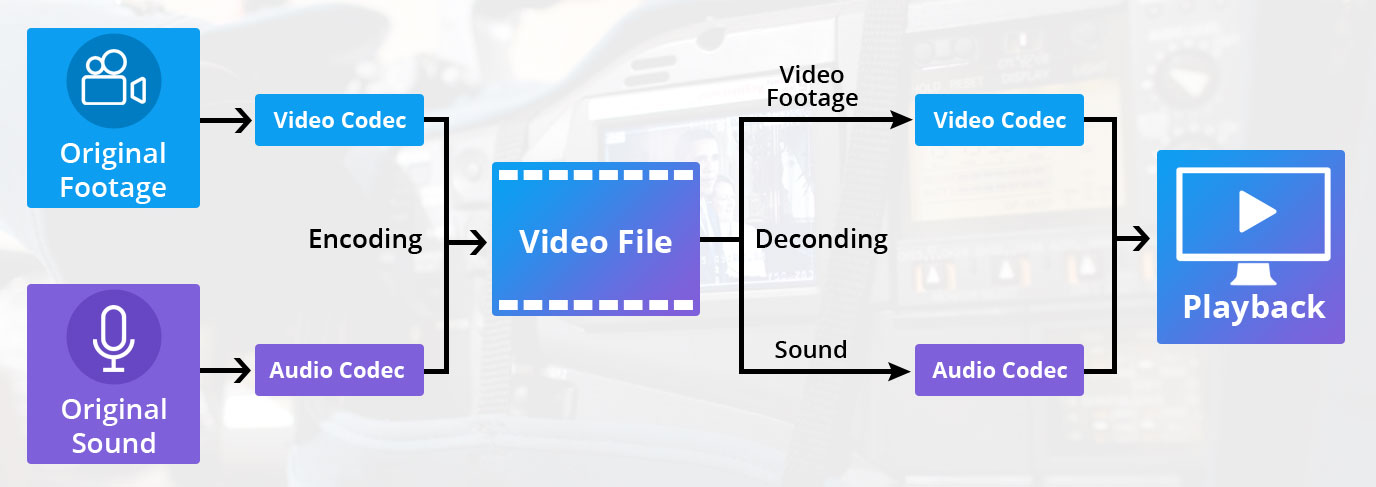
Audio codecs play a crucial role in the world of digital music, shaping the quality and efficiency of audio compression and decompression. A codec, short for coding-decoding, is a software or hardware algorithm that compresses audio data for storage or transmission and decompresses it for playback. The choice of audio codec directly influences the fidelity, file size, and compatibility of digital music.
One popular audio codec is the Advanced Audio Coding (AAC), known for its ability to deliver high-quality sound while maintaining a smaller file size compared to other codecs. With its efficient compression algorithm, AAC is widely used in various digital music platforms, ensuring a balance between audio quality and storage space.
The Importance of Lossy and Lossless Audio Codecs
When it comes to audio codecs, there are two main categories: lossy and lossless. Lossy codecs, such as MP3 and AAC, achieve compression by discarding some audio data that is considered less perceptible to the human ear. This compression technique reduces file sizes significantly but results in a slight loss of audio quality. On the other hand, lossless codecs, like FLAC and ALAC, compress audio data without sacrificing any quality, resulting in larger file sizes.
Striking the Balance between Quality and File Size
Choosing the right audio codec involves finding a balance between audio quality and file size. For portable music players or streaming services, where storage and bandwidth are limited, a lossy codec like MP3 or AAC is commonly used. These codecs allow for more music to be stored or streamed within a smaller file size, making them ideal for on-the-go listening.
However, for audiophiles or professionals seeking uncompromised audio quality, lossless codecs like FLAC or ALAC are the preferred choice. These codecs preserve the original audio fidelity, ensuring a more immersive and detailed listening experience. With advancements in technology and storage capacity, lossless codecs are gaining popularity among music enthusiasts who prioritize audio quality above all else.
The Impact of Audio Codecs on Digital Music Streaming
With the rise of digital music streaming platforms, audio codecs have become even more significant in delivering high-quality audio over the internet. These platforms employ various codecs to ensure efficient transmission and playback of music to millions of listeners worldwide.
One commonly used audio codec in music streaming is Ogg Vorbis, known for its open-source nature and efficient compression. Ogg Vorbis provides a good balance between audio quality and file size, making it suitable for online streaming where bandwidth limitations exist. Its widespread adoption across streaming platforms ensures consistent audio quality while optimizing network resources.
Adaptive Streaming and Codecs
Adaptive streaming is another technique employed by music streaming services to optimize audio quality based on the listener’s network conditions. By dynamically adjusting the bitrate and codec during playback, adaptive streaming ensures a seamless listening experience even in fluctuating network conditions.
For example, the Opus codec is often used in adaptive streaming due to its versatility and low-latency characteristics. Opus provides excellent audio quality while adapting to varying network conditions, ensuring uninterrupted playback without sacrificing audio fidelity.
Final Words
Understanding the role of audio codecs in digital music is essential for both music enthusiasts and industry professionals. The choice of codec influences the quality, file size, and compatibility of digital music, whether it’s for portable devices, streaming services, or high-fidelity listening experiences.
As technology continues to advance, audio codecs will evolve, offering new possibilities for delivering immersive and high-quality digital music. Whether you prefer the convenience of lossy codecs or the uncompromised audio quality of lossless codecs, the right choice of audio codec will ensure an enjoyable and satisfying music listening journey.
Streaming audio quality is an essential aspect of modern music streaming services. The quality of streaming audio can determine the overall listening experience of the listener. As an expert in the field, I will guide you through everything you need to know about streaming audio quality, including its significance, factors that affect it, and how to improve it.
The Significance of Streaming Audio Quality
Streaming audio quality is critical to the overall listening experience. The quality of the audio can determine how enjoyable the music is to listen to, how clear the sound is, and how much detail is present. Low-quality audio can result in distortion, background noise, and lack of clarity. On the other hand, high-quality audio can offer a rich and detailed sound, allowing listeners to appreciate the music to its fullest.
Factors Affecting Streaming Audio Quality
The quality of streaming audio can be affected by several factors, including:
Internet connection speed: A slow internet connection can result in buffering, low-quality audio, and even disconnection.
Device quality: The quality of the device used to stream the music can impact the overall quality of the audio.
Compression: The compression used during the streaming process can affect the quality of the audio.
Format: The format used for the audio can also affect the quality.
Speaker quality: The quality of the speakers or headphones used to listen to the music can also impact the overall quality of the audio.
How to Improve Streaming Audio Quality
Improving streaming audio quality can be done by taking the following steps:
Use a high-quality device: Using a high-quality device can improve the overall quality of the audio.
Upgrade your internet connection: Upgrading your internet connection speed can significantly improve the quality of the audio.
Choose the right format: Choosing the right audio format can also improve the overall quality of the audio.
Use high-quality speakers: Using high-quality speakers or headphones can further enhance the audio experience.
FAQ
Q1. What is the recommended internet speed for high-quality audio streaming?
The recommended internet speed for high-quality audio streaming is at least 320 kbps. This bitrate ensures that the audio is clear, detailed, and free from distortion. However, higher internet speeds are always better as they can reduce buffering and improve overall audio quality.
Q2. Does the audio format affect streaming audio quality?
Yes, the audio format can significantly impact the streaming audio quality. Lossless audio formats like FLAC and WAV offer the highest audio quality as they preserve all the details of the original recording. However, these formats are often larger in size and require more bandwidth to stream. Compressed audio formats like MP3 and AAC are smaller in size, making them easier to stream, but they often result in a loss of audio quality.
Q3. Does using high-quality headphones improve streaming audio quality?
Yes, using high-quality headphones or speakers can enhance the streaming audio quality. High-quality headphones can offer better sound isolation, resulting in clearer and more detailed audio.
Q4. Can streaming audio quality be affected by the music streaming service?
Yes, the music streaming service can affect the streaming audio quality. Some music streaming services use higher quality audio codecs than others, resulting in better audio quality. Additionally, some services offer higher quality audio as part of a premium subscription, while others only offer lower quality audio in their free service.
Q5. Can adjusting the audio settings on the streaming service improve audio quality?
Yes, adjusting the audio settings on the streaming service can improve audio quality. Some services offer audio quality settings that allow users to adjust the bitrate or audio codec used for streaming. Adjusting these settings can result in higher quality audio.
Q6. Can background noise affect streaming audio quality?
Yes, background noise can affect streaming audio quality, particularly in low-quality audio streams. Background noise can result in distortion, making it difficult to hear the details of the music. Using high-quality headphones or speakers with noise isolation features can help reduce the impact of background noise.
Q7. Does the quality of the recording impact streaming audio quality?
Yes, the quality of the original recording can impact streaming audio quality. A higher quality recording with more detail and clarity will result in better audio quality when streamed. However, even lower quality recordings can be improved with proper compression and audio codec selection.
Q8. Can streaming audio quality be affected by the device used to stream the music?
Yes, the device used to stream the music can affect streaming audio quality. Higher quality devices with better audio hardware and software will generally result in better audio quality. Additionally, using outdated or malfunctioning devices can result in audio quality issues.
Q9. Is it better to use a wired or wireless connection for streaming audio?
A wired connection is generally better for streaming audio as it offers more stable and reliable data transfer, resulting in fewer buffering issues and better audio quality. However, a high-quality wireless connection can also offer good audio quality, particularly if the internet speed is sufficient.
Q10. Can using a virtual private network (VPN) affect streaming audio quality?
Yes, using a VPN can affect streaming audio quality, particularly if the VPN connection is slow or unstable. A VPN can also add additional latency, resulting in audio synchronization issues. However, a high-quality VPN connection can offer good audio quality and added privacy and security.
Q11. What should I do if I experience poor streaming audio quality?
If you experience poor streaming audio quality, you can try the following steps:
Check your internet connection speed and upgrade if necessary.
Try using a different device or audio player to stream the music.
Adjust the audio quality settings on the streaming service if available.
Use high-quality headphones or speakers with noise isolation features.
Q12. Can streaming audio quality improve in the future?
Yes, streaming audio quality can improve in the future as technology advances. Higher internet speeds and more efficient audio codecs can result in higher quality audio streams. Additionally, music streaming services may offer higher quality audio as part of their standard service, rather than only in premium subscriptions.
Conclusion
Streaming audio quality is a crucial aspect of modern music streaming services. The quality of the audio can significantly impact the overall listening experience. Factors such as internet connection speed, device quality, compression, and format can affect streaming audio quality. However, by using high-quality devices, upgrading internet connections, choosing the right audio format, and using high quality headphones or speakers, users can improve their streaming audio experience. It is also important to note that music streaming services can offer different audio codecs and quality settings, which can impact the overall audio quality. As technology advances, streaming audio quality is likely to continue to improve, offering even better listening experiences.
FAQ
What is the best audio format for streaming?
The best audio format for streaming depends on a variety of factors, including the device used for streaming, internet connection speed, and personal preference. However, commonly used audio formats for streaming include AAC, MP3, and Ogg Vorbis.
Can streaming audio quality be affected by the location of the user?
Yes, the location of the user can affect streaming audio quality. Users in areas with poor internet connectivity or high internet traffic may experience buffering issues and reduced audio quality.
Can using a high-quality audio cable improve streaming audio quality?
Using a high-quality audio cable can improve streaming audio quality, particularly for wired connections. A higher quality cable can offer better shielding, resulting in reduced noise and distortion.
What is the recommended internet connection speed for streaming high-quality audio?
The recommended internet connection speed for streaming high-quality audio varies depending on the quality of the audio stream. However, a minimum internet speed of 1.5 Mbps is recommended for streaming low-quality audio, while 5-10 Mbps is recommended for streaming high-quality audio.
Can streaming audio quality be affected by the browser used for streaming?
Yes, the browser used for streaming can affect streaming audio quality, particularly if the browser has compatibility issues with the streaming service. Using a browser recommended by the streaming service can help ensure optimal streaming audio quality.
Does streaming audio quality impact data usage?
Yes, streaming audio quality can impact data usage. Higher quality audio streams use more data than lower quality streams, which can result in increased data usage. Users can adjust the audio quality settings on the streaming service to reduce data usage if necessary.
Can using a streaming service from a different country affect audio quality?
Using a streaming service from a different country can affect audio quality, particularly if the streaming service uses different audio codecs or quality settings than those used in the user’s country. However, this is not always the case and may depend on the specific streaming service used.
What should I do if I experience audio syncing issues while streaming?
If you experience audio syncing issues while streaming, you can try the following steps:
Pause and restart the audio stream.
Adjust the audio quality settings on the streaming service if available.
Ensure that your internet connection is stable and fast enough for the audio stream.
Use a wired connection rather than a wireless connection if possible.
Can the type of device used for streaming affect audio quality?
Yes, the type of device used for streaming can affect audio quality. Different devices may have different audio hardware and software, which can impact the quality of the audio output. Additionally, using headphones or speakers that are not designed for high-quality audio can also impact the overall audio quality.
What is the difference between lossy and lossless audio compression?
Lossy audio compression reduces the size of audio files by permanently discarding some of the original data. This can result in a loss of audio quality, particularly with higher levels of compression. Lossless audio compression, on the other hand, reduces the size of audio files without permanently discarding any data, resulting in no loss of audio quality.
Can streaming audio quality be affected by the number of users on the streaming service?
Yes, streaming audio quality can be affected by the number of users on the streaming service, particularly if the service is experiencing high levels of traffic. This can result in buffering issues and reduced audio quality.
What is the difference between streaming audio and downloading audio?
Streaming audio involves listening to audio files in real-time over an internet connection, while downloading audio involves downloading audio files to a device for later listening. Streaming audio does not require the user to store the audio files on their device, but may require a stable and fast internet connection for optimal audio quality.
Can the audio quality of a streaming service vary between different songs or albums?
Yes, the audio quality of a streaming service can vary between different songs or albums, particularly if the songs or albums were uploaded to the service at different times. Additionally, different songs or albums may have been mastered differently, resulting in differences in audio quality.
What is the impact of audio quality on music production and mastering?
Audio quality is a crucial aspect of music production and mastering, as it can impact the overall sound of the final product. High-quality audio recording and mastering techniques can result in a clearer, more detailed sound, while poor recording and mastering can result in a muddled or distorted sound.
Can the audio quality of a streaming service be improved with a software or hardware upgrade?
In some cases, the audio quality of a streaming service can be improved with a software or hardware upgrade. Upgrading to a higher quality audio playback software or using a dital-to-gianalog converter (DAC) can improve the overall audio quality of the streaming service. However, it is important to note that the quality of the original audio files also plays a significant role in the overall audio quality.
What is the impact of streaming audio quality on live streaming events?
Streaming audio quality can have a significant impact on the overall experience of live streaming events, particularly for events that involve music or other types of audio. Poor audio quality can detract from the overall experience and make it difficult for viewers to fully engage with the content.
Can streaming audio quality impact the user’s perception of a streaming service?
Yes, streaming audio quality can impact the user’s perception of a streaming service. Poor audio quality can lead to frustration and dissatisfaction with the service, while high-quality audio can enhance the overall user experience and increase satisfaction.
What is the future of streaming audio quality?
As technology continues to advance, it is likely that streaming audio quality will continue to improve. This may involve the use of new audio codecs, improved internet connectivity, and advancements in audio hardware and software. Ultimately, the future of streaming audio quality will depend on a variety of factors, including technological advancements, user demand, and the overall direction of the streaming industry




Comments:
This article really helped me understand RVLC. I always wondered how MP3s stayed so compact yet so reliable. Thanks for explaining it clearly!
I didn’t realize RVLC was behind the smooth playback of MP3s. This article gave me a new appreciation for the format.
Great breakdown! I wish there were more details about how RVLC compares to other coding methods. Still, super informative.
Why didn’t anyone explain it this way before? Now I know why streaming works even with bad internet. Thanks for this!
I feel like I learned a lot from this article. RVLC makes so much sense now. Keep up the good work!
Can you go deeper into the computational costs? I’d love to know how modern devices handle RVLC efficiently.
This was a great read! It’s amazing how much
tech goes into something as common as MP3s. Thanks for sharing.
I’ve always wondered what made MP3s so resilient. This article explained it perfectly. Thanks a lot!
This is some next-level information. I didn’t even know RVLC existed, but now I can see how important it is. Awesome stuff!
Good read, but could you provide more comparisons to other codecs like AAC or FLAC? That would really round out the article.