As an audio engineer, I have dealt with various types of noise in digital audio recordings. Noise can be introduced during the recording process or can be present in the source material. In either case, noise reduction techniques can be used to remove unwanted noise from the audio signal. One of the most common noise reduction techniques is spectral subtraction. This technique involves analyzing the frequency spectrum of the audio signal and removing the noise components. Another technique is noise gating, which involves setting a threshold level below which the noise is suppressed. However, noise gating can result in unwanted artifacts in the audio signal. In my experience, a combination of these techniques can be used to achieve the best results.
Audio Restoration
Audio restoration is the process of removing unwanted noise and restoring the audio signal to its original quality. This process can be time-consuming and requires specialized software and expertise. One of the leading companies in audio restoration is CEDAR Audio. They have developed advanced algorithms that can recognize noise in the presence of a wanted signal and create a dynamic noise profile. This allows for more accurate noise reduction without affecting the desired audio. In my experience, audio restoration is a valuable tool for preserving historical recordings and improving the quality of damaged audio.
Noise Reduction Algorithms
Noise reduction algorithms are the backbone of noise reduction software. These algorithms analyze the audio signal and selectively remove noise frequencies that are not part of the desired sound. There are many different noise reduction algorithms available, each with its own strengths and weaknesses. Some algorithms are better suited for removing specific types of noise, such as hum or hiss. In my experience, the best noise reduction algorithms are those that allow for manual adjustments. This allows for more precise control over the noise reduction process and can result in better-sounding audio.
Final Words:
Digital audio noise reduction methods are essential for achieving high-quality audio recordings. Whether you are dealing with noise in the recording process or in the source material, there are many techniques and tools available to help you remove unwanted noise. By using a combination of noise reduction techniques and algorithms, you can achieve the best results and create professional-sounding recordings.
Keywords: Audio Noise Reduction, Digital Audio Restoration, Noise Reduction Software, Dynamic Noise Reduction, Noise Reduction Algorithms, Noise Reduction Techniques, Audio Signal Processing, Audio Noise Reduction Hacks, Audio Noise Reduction Tips, Audio Noise Reduction Tools, Audio Noise Reduction Plugins, Audio Noise Reduction Filters,
Streaming audio quality is an essential aspect of modern music streaming services. The quality of streaming audio can determine the overall listening experience of the listener. As an expert in the field, I will guide you through everything you need to know about streaming audio quality, including its significance, factors that affect it, and how to improve it.
The Significance of Streaming Audio Quality
Streaming audio quality is critical to the overall listening experience. The quality of the audio can determine how enjoyable the music is to listen to, how clear the sound is, and how much detail is present. Low-quality audio can result in distortion, background noise, and lack of clarity. On the other hand, high-quality audio can offer a rich and detailed sound, allowing listeners to appreciate the music to its fullest.
Factors Affecting Streaming Audio Quality
The quality of streaming audio can be affected by several factors, including:
Internet connection speed: A slow internet connection can result in buffering, low-quality audio, and even disconnection.
Device quality: The quality of the device used to stream the music can impact the overall quality of the audio.
Compression: The compression used during the streaming process can affect the quality of the audio.
Format: The format used for the audio can also affect the quality.
Speaker quality: The quality of the speakers or headphones used to listen to the music can also impact the overall quality of the audio.
How to Improve Streaming Audio Quality
Improving streaming audio quality can be done by taking the following steps:
Use a high-quality device: Using a high-quality device can improve the overall quality of the audio.
Upgrade your internet connection: Upgrading your internet connection speed can significantly improve the quality of the audio.
Choose the right format: Choosing the right audio format can also improve the overall quality of the audio.
Use high-quality speakers: Using high-quality speakers or headphones can further enhance the audio experience.
FAQ
Q1. What is the recommended internet speed for high-quality audio streaming?
The recommended internet speed for high-quality audio streaming is at least 320 kbps. This bitrate ensures that the audio is clear, detailed, and free from distortion. However, higher internet speeds are always better as they can reduce buffering and improve overall audio quality.
Q2. Does the audio format affect streaming audio quality?
Yes, the audio format can significantly impact the streaming audio quality. Lossless audio formats like FLAC and WAV offer the highest audio quality as they preserve all the details of the original recording. However, these formats are often larger in size and require more bandwidth to stream. Compressed audio formats like MP3 and AAC are smaller in size, making them easier to stream, but they often result in a loss of audio quality.
Q3. Does using high-quality headphones improve streaming audio quality?
Yes, using high-quality headphones or speakers can enhance the streaming audio quality. High-quality headphones can offer better sound isolation, resulting in clearer and more detailed audio.
Q4. Can streaming audio quality be affected by the music streaming service?
Yes, the music streaming service can affect the streaming audio quality. Some music streaming services use higher quality audio codecs than others, resulting in better audio quality. Additionally, some services offer higher quality audio as part of a premium subscription, while others only offer lower quality audio in their free service.
Q5. Can adjusting the audio settings on the streaming service improve audio quality?
Yes, adjusting the audio settings on the streaming service can improve audio quality. Some services offer audio quality settings that allow users to adjust the bitrate or audio codec used for streaming. Adjusting these settings can result in higher quality audio.
Q6. Can background noise affect streaming audio quality?
Yes, background noise can affect streaming audio quality, particularly in low-quality audio streams. Background noise can result in distortion, making it difficult to hear the details of the music. Using high-quality headphones or speakers with noise isolation features can help reduce the impact of background noise.
Q7. Does the quality of the recording impact streaming audio quality?
Yes, the quality of the original recording can impact streaming audio quality. A higher quality recording with more detail and clarity will result in better audio quality when streamed. However, even lower quality recordings can be improved with proper compression and audio codec selection.
Q8. Can streaming audio quality be affected by the device used to stream the music?
Yes, the device used to stream the music can affect streaming audio quality. Higher quality devices with better audio hardware and software will generally result in better audio quality. Additionally, using outdated or malfunctioning devices can result in audio quality issues.
Q9. Is it better to use a wired or wireless connection for streaming audio?
A wired connection is generally better for streaming audio as it offers more stable and reliable data transfer, resulting in fewer buffering issues and better audio quality. However, a high-quality wireless connection can also offer good audio quality, particularly if the internet speed is sufficient.
Q10. Can using a virtual private network (VPN) affect streaming audio quality?
Yes, using a VPN can affect streaming audio quality, particularly if the VPN connection is slow or unstable. A VPN can also add additional latency, resulting in audio synchronization issues. However, a high-quality VPN connection can offer good audio quality and added privacy and security.
Q11. What should I do if I experience poor streaming audio quality?
If you experience poor streaming audio quality, you can try the following steps:
Check your internet connection speed and upgrade if necessary.
Try using a different device or audio player to stream the music.
Adjust the audio quality settings on the streaming service if available.
Use high-quality headphones or speakers with noise isolation features.
Q12. Can streaming audio quality improve in the future?
Yes, streaming audio quality can improve in the future as technology advances. Higher internet speeds and more efficient audio codecs can result in higher quality audio streams. Additionally, music streaming services may offer higher quality audio as part of their standard service, rather than only in premium subscriptions.
Conclusion
Streaming audio quality is a crucial aspect of modern music streaming services. The quality of the audio can significantly impact the overall listening experience. Factors such as internet connection speed, device quality, compression, and format can affect streaming audio quality. However, by using high-quality devices, upgrading internet connections, choosing the right audio format, and using high quality headphones or speakers, users can improve their streaming audio experience. It is also important to note that music streaming services can offer different audio codecs and quality settings, which can impact the overall audio quality. As technology advances, streaming audio quality is likely to continue to improve, offering even better listening experiences.
FAQ
What is the best audio format for streaming?
The best audio format for streaming depends on a variety of factors, including the device used for streaming, internet connection speed, and personal preference. However, commonly used audio formats for streaming include AAC, MP3, and Ogg Vorbis.
Can streaming audio quality be affected by the location of the user?
Yes, the location of the user can affect streaming audio quality. Users in areas with poor internet connectivity or high internet traffic may experience buffering issues and reduced audio quality.
Can using a high-quality audio cable improve streaming audio quality?
Using a high-quality audio cable can improve streaming audio quality, particularly for wired connections. A higher quality cable can offer better shielding, resulting in reduced noise and distortion.
What is the recommended internet connection speed for streaming high-quality audio?
The recommended internet connection speed for streaming high-quality audio varies depending on the quality of the audio stream. However, a minimum internet speed of 1.5 Mbps is recommended for streaming low-quality audio, while 5-10 Mbps is recommended for streaming high-quality audio.
Can streaming audio quality be affected by the browser used for streaming?
Yes, the browser used for streaming can affect streaming audio quality, particularly if the browser has compatibility issues with the streaming service. Using a browser recommended by the streaming service can help ensure optimal streaming audio quality.
Does streaming audio quality impact data usage?
Yes, streaming audio quality can impact data usage. Higher quality audio streams use more data than lower quality streams, which can result in increased data usage. Users can adjust the audio quality settings on the streaming service to reduce data usage if necessary.
Can using a streaming service from a different country affect audio quality?
Using a streaming service from a different country can affect audio quality, particularly if the streaming service uses different audio codecs or quality settings than those used in the user’s country. However, this is not always the case and may depend on the specific streaming service used.
What should I do if I experience audio syncing issues while streaming?
If you experience audio syncing issues while streaming, you can try the following steps:
Pause and restart the audio stream.
Adjust the audio quality settings on the streaming service if available.
Ensure that your internet connection is stable and fast enough for the audio stream.
Use a wired connection rather than a wireless connection if possible.
Can the type of device used for streaming affect audio quality?
Yes, the type of device used for streaming can affect audio quality. Different devices may have different audio hardware and software, which can impact the quality of the audio output. Additionally, using headphones or speakers that are not designed for high-quality audio can also impact the overall audio quality.
What is the difference between lossy and lossless audio compression?
Lossy audio compression reduces the size of audio files by permanently discarding some of the original data. This can result in a loss of audio quality, particularly with higher levels of compression. Lossless audio compression, on the other hand, reduces the size of audio files without permanently discarding any data, resulting in no loss of audio quality.
Can streaming audio quality be affected by the number of users on the streaming service?
Yes, streaming audio quality can be affected by the number of users on the streaming service, particularly if the service is experiencing high levels of traffic. This can result in buffering issues and reduced audio quality.
What is the difference between streaming audio and downloading audio?
Streaming audio involves listening to audio files in real-time over an internet connection, while downloading audio involves downloading audio files to a device for later listening. Streaming audio does not require the user to store the audio files on their device, but may require a stable and fast internet connection for optimal audio quality.
Can the audio quality of a streaming service vary between different songs or albums?
Yes, the audio quality of a streaming service can vary between different songs or albums, particularly if the songs or albums were uploaded to the service at different times. Additionally, different songs or albums may have been mastered differently, resulting in differences in audio quality.
What is the impact of audio quality on music production and mastering?
Audio quality is a crucial aspect of music production and mastering, as it can impact the overall sound of the final product. High-quality audio recording and mastering techniques can result in a clearer, more detailed sound, while poor recording and mastering can result in a muddled or distorted sound.
Can the audio quality of a streaming service be improved with a software or hardware upgrade?
In some cases, the audio quality of a streaming service can be improved with a software or hardware upgrade. Upgrading to a higher quality audio playback software or using a dital-to-gianalog converter (DAC) can improve the overall audio quality of the streaming service. However, it is important to note that the quality of the original audio files also plays a significant role in the overall audio quality.
What is the impact of streaming audio quality on live streaming events?
Streaming audio quality can have a significant impact on the overall experience of live streaming events, particularly for events that involve music or other types of audio. Poor audio quality can detract from the overall experience and make it difficult for viewers to fully engage with the content.
Can streaming audio quality impact the user’s perception of a streaming service?
Yes, streaming audio quality can impact the user’s perception of a streaming service. Poor audio quality can lead to frustration and dissatisfaction with the service, while high-quality audio can enhance the overall user experience and increase satisfaction.
What is the future of streaming audio quality?
As technology continues to advance, it is likely that streaming audio quality will continue to improve. This may involve the use of new audio codecs, improved internet connectivity, and advancements in audio hardware and software. Ultimately, the future of streaming audio quality will depend on a variety of factors, including technological advancements, user demand, and the overall direction of the streaming industry
Audio noise is the unwanted sound that gets recorded or produced along with the desired sound. It can be caused by various factors, such as electrical interference, background noise, microphone hiss, or low-quality equipment. Audio noise can be a significant distraction and can ruin the listening experience for the listener.
Types of Audio Noise
1. Electrical Interference
Electrical interference is caused by electrical devices or wiring that can generate electromagnetic fields. These fields can interfere with the audio signal, causing a buzzing or humming sound. Examples of electrical interference include power cables, fluorescent lights, and electronic devices such as smartphones or computers.
2. Background Noise
Background noise is any noise that is present in the recording environment. It can be caused by environmental factors such as wind, rain, traffic, or people talking. Background noise can be challenging to remove without affecting the desired audio signal.
3. Microphone Hiss
Microphone hiss is caused by the internal noise of the microphone itself. This noise is more apparent in lower-quality microphones and can be reduced by using high-quality microphones or by using a noise reduction filter.
Methods for Audio Noise Reduction
1. Audio Editing Software
Audio editing software, such as Adobe Audition or Audacity, has built-in noise reduction tools that can remove unwanted noise from audio recordings. These tools work by analyzing the audio signal and removing any frequencies that match the noise profile. The effectiveness of the tool depends on the complexity and type of noise present in the recording.
2. Noise Reduction Filters
Noise reduction filters are hardware devices that can be used to remove unwanted noise from audio recordings. These filters work by analyzing the audio signal and removing any frequencies that match the noise profile. They are particularly useful for removing electrical interference and microphone hiss.
3. Dynamic Noise Reduction
Dynamic noise reduction is a technique that can be used to reduce unwanted noise from audio recordings in real-time. This technique works by analyzing the audio signal and dynamically adjusting the noise reduction filter to remove any unwanted noise. This method is particularly useful for removing background noise during live performances or recording sessions.
Tips for Effective Audio Noise Reduction
Record in a quiet environment
Use high-quality equipment
Use a noise reduction filter or software
Use dynamic noise reduction if recording in a live environment
Avoid over-processing the audio signal
Conclusion
Audio noise can be a significant distraction and can ruin the listening experience for the listener. Fortunately, there are several methods available for removing unwanted noise from audio recordings. By following the tips mentioned above and using appropriate noise reduction methods, you can produce high-quality audio recordings with minimal noise.
FAQs
What is the best software for audio noise reduction?
There are several audio editing software available that have built-in noise reduction tools, such as Adobe Audition and Audacity. However, the effectiveness of the tool depends on the complexity and type of noise present in the recording.
What is the difference between noise reduction and noise suppression?
Noise reduction and noise suppression are both techniques used to remove unwanted
Copy to Clipboard
Noise reduction and noise suppression are both techniques used to remove unwanted
background noise from audio recordings, but they work differently.
Noise Reduction
Noise reduction is a technique that involves reducing the noise level in an audio recording without affecting the quality of the audio. The goal is to minimize the unwanted noise and leave the audio intact. This technique is often used in post-production and editing of audio recordings.
There are different ways to perform noise reduction, including:
Equalization: This technique involves adjusting the frequency response of the audio recording to remove unwanted frequencies that cause noise.
Filtering: This technique involves using a high-pass filter to remove low-frequency noise and a low-pass filter to remove high-frequency noise.
Noise gates: This technique involves setting a threshold level below which the audio is muted, effectively removing any noise below that level.
Spectral editing: This technique involves analyzing the spectral content of the audio and selectively removing unwanted noise.
Noise Suppression
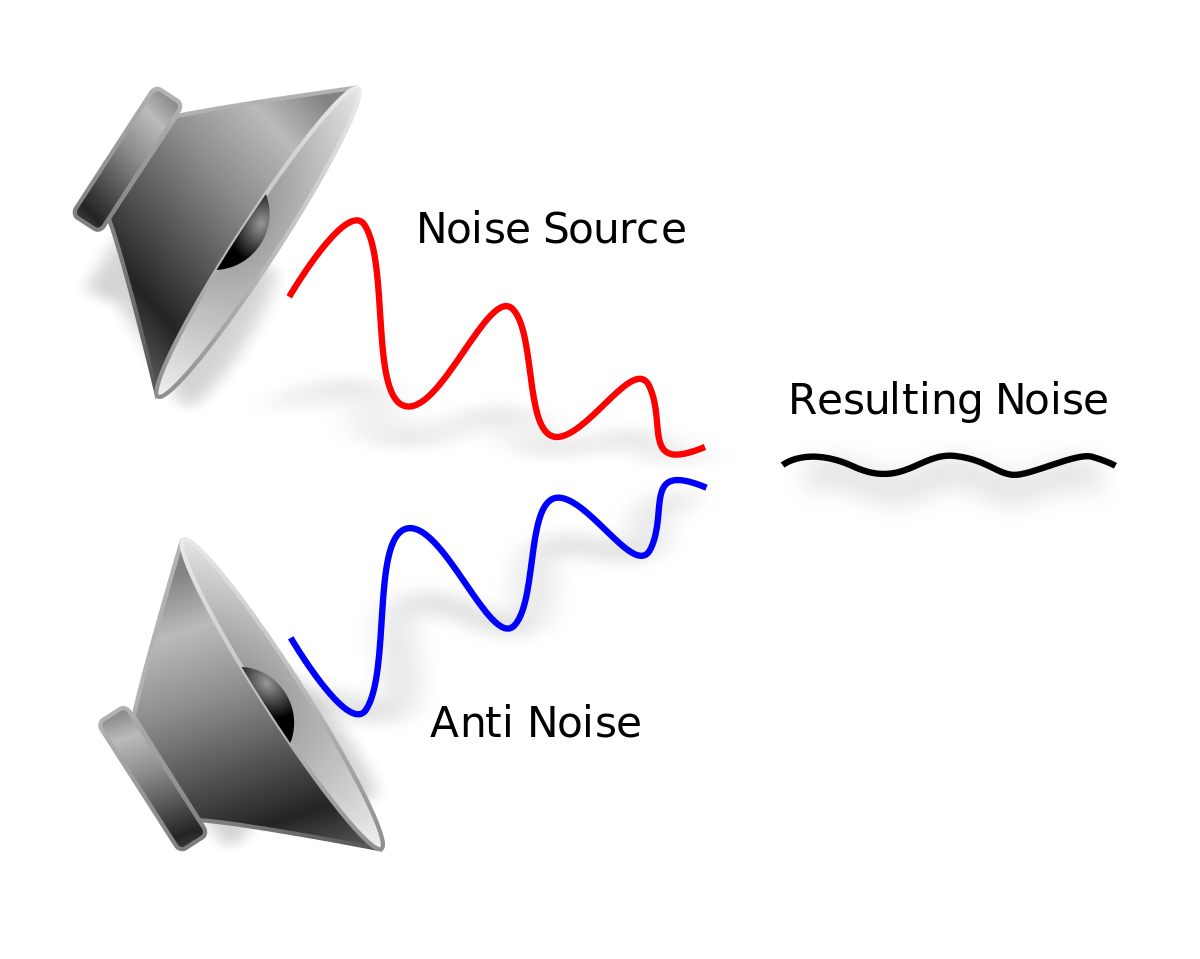
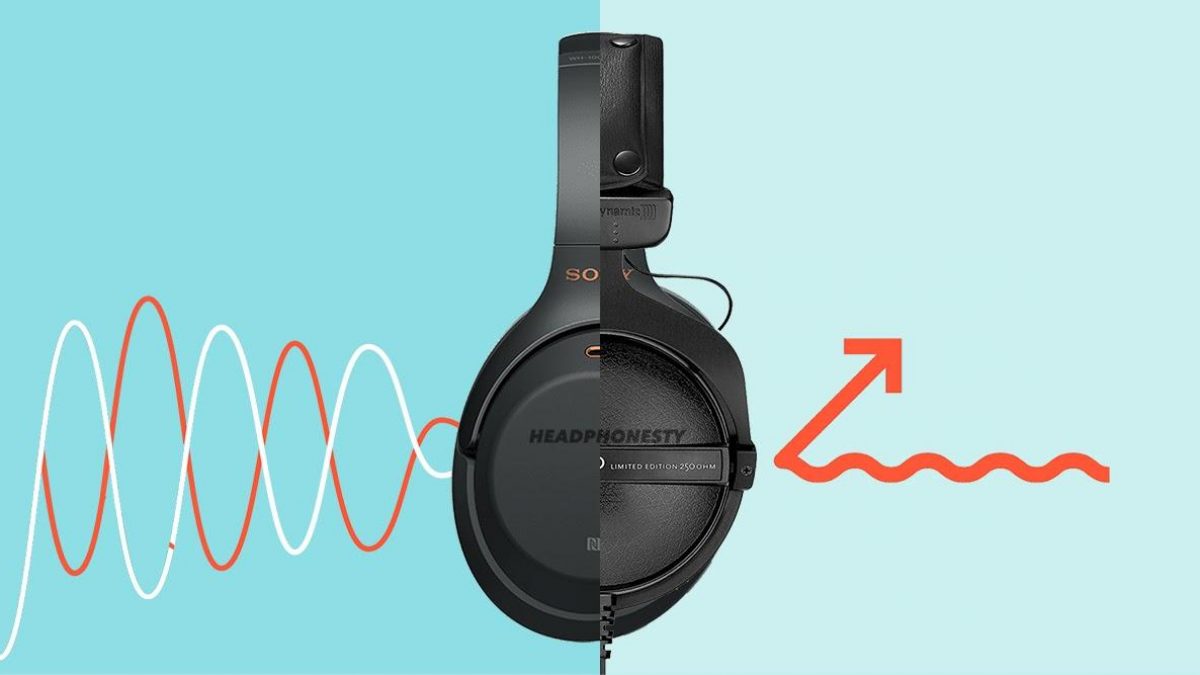
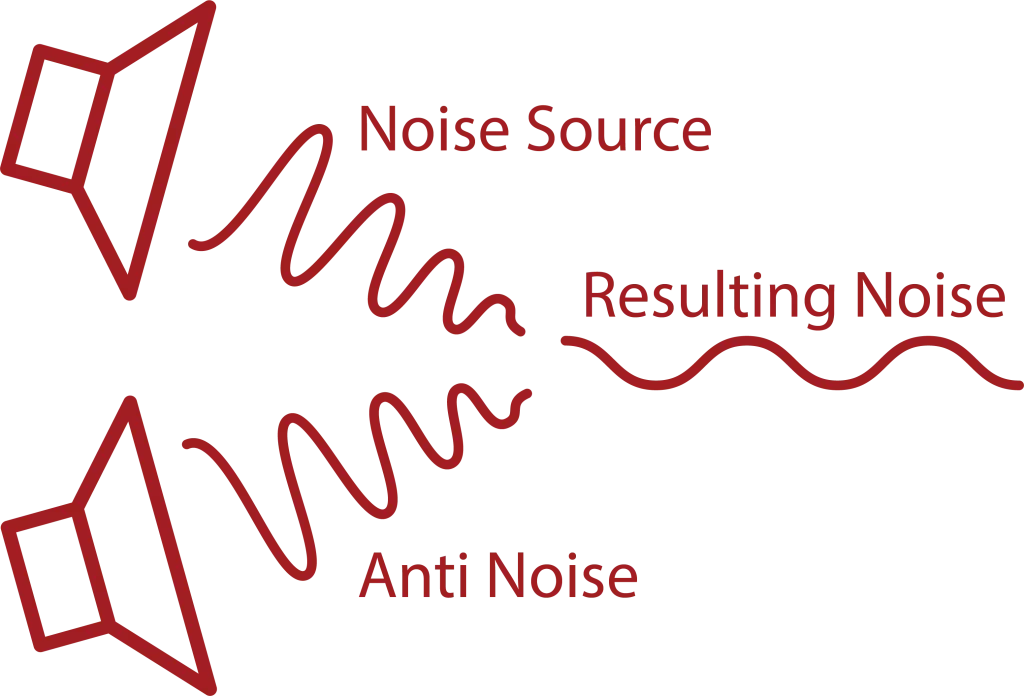
Noise suppression is a technique that involves removing unwanted noise by actively suppressing it. This technique is often used in real-time audio processing and is commonly used in applications such as noise-cancelling headphones and conference call software.
There are different ways to perform noise suppression, including:
Adaptive filtering: This technique involves analyzing the noise signal and creating an adaptive filter that actively removes the noise in real-time.
Subtraction: This technique involves recording a sample of the noise and then subtracting it from the audio signal to remove the noise.
Active noise cancellation: This technique involves using an anti-noise signal that cancels out the unwanted noise.
Best Practices for Audio Noise Reduction
When performing audio noise reduction, it is important to follow some best practices to achieve the best results:
Record in a quiet environment: The best way to reduce noise is to avoid recording it in the first place. Record in a quiet environment, away from sources of noise.
Use a good microphone: A good microphone will capture the audio with high quality and reduce the noise level.
Use a pop filter: A pop filter is a device that reduces the popping sound when speaking into a microphone, which can help reduce unwanted noise.
Record at the correct level: Recording at the correct level ensures that the signal is strong enough to minimize the noise level.
Perform noise reduction as the last step: Perform noise reduction as the last step in the audio editing process to avoid degrading the quality of the audio.
FAQ
What is audio noise?
Audio noise is any unwanted sound that is captured during audio recording. It can be caused by a variety of sources, including electronic interference, background noise, and environmental factors.
What is the difference between noise reduction and noise suppression?
Noise reduction involves reducing the noise level in an audio recording without affecting the quality of the audio, while noise suppression involves actively suppressing unwanted noise in real-time.
What are the best practices for audio noise reduction?
The best practices for audio noise reduction include recording in a quiet environment, using a good microphone, using a pop filter, recording at the correct level, and performing noise reduction as the last step in the audio editing process.
What are some common techniques used for audio noise reduction?
Common techniques used for audio noise reduction include equalization involves adjusting the levels of different frequency components in the audio signal to reduce the effect of noise. The process involves boosting or reducing certain frequencies using an equalizer. For example, if noise is concentrated at a particular frequency range, an equalizer can be used to attenuate that range.
Filtering is a technique that involves removing unwanted frequencies from an audio signal. High-pass filters, low-pass filters, and band-pass filters are commonly used for this purpose. High-pass filters remove frequencies below a certain threshold, while low-pass filters remove frequencies above a certain threshold. Band-pass filters allow frequencies within a certain range to pass while attenuating frequencies outside that range.
Spectral subtraction is a more sophisticated technique that involves estimating the spectral content of the noise and subtracting it from the original signal. The process involves first analyzing the spectral content of the noise and then creating a noise profile. The noise profile is then subtracted from the original signal to reduce the noise.
Other techniques used for audio noise reduction include adaptive filtering, which involves dynamically adjusting a filter to remove noise, and wavelet analysis, which involves decomposing the signal into different frequency bands and selectively removing noise from each band.
Challenges of Audio Noise Reduction
While there are several techniques for audio noise reduction, the process is not always straightforward. In some cases, removing noise can result in a loss of signal quality, leading to artifacts such as distortion, clipping, and phasing. Additionally, different types of noise require different techniques for effective reduction.
Moreover, it can be challenging to distinguish between noise and signal components in some cases, making it difficult to remove noise without affecting the signal. For example, in the case of speech signals, noise can be difficult to distinguish from the natural variation in the speaker’s voice.
Conclusion
Audio noise reduction is a crucial technique for improving the quality of audio recordings. There are several techniques available for reducing noise, including equalization, filtering, and spectral subtraction. However, the process can be challenging, and it is essential to understand the different types of noise and the appropriate techniques for reducing them.
In conclusion, noise reduction is an essential process that can help improve the quality of audio recordings. By understanding the different techniques available for reducing noise and the challenges associated with the process, it is possible to achieve effective noise reduction without compromising signal quality.
Audio Noise Reduction Algorithms: Understanding the Science Behind Clear Sound
Audio Noise Reduction
Audio noise is a common issue that plagues most audio recordings. Noise refers to any unwanted sound that is picked up during recording, such as hissing, humming, or static. This unwanted sound can be distracting and reduce the quality of the audio. Fortunately, audio noise reduction algorithms can help eliminate these noises, resulting in clear and high-quality audio recordings.
Audio Noise Reduction
The Basics of Audio Noise Reduction Algorithms
Audio noise reduction algorithms are used to filter out noise from audio recordings. These algorithms analyze the audio signal and separate the noise from the desired audio. Once the noise is separated, the algorithm can reduce or eliminate it from the recording. There are two main types of audio noise reduction algorithms:
Spectral Subtraction: This algorithm works by analyzing the frequency spectrum of the audio signal. It then estimates the noise spectrum and subtracts it from the audio signal, resulting in a cleaner sound.
Adaptive Filtering: This algorithm works by modeling the noise signal and filtering it out of the audio signal.
Both of these algorithms can be effective in reducing noise from audio recordings, but each has its strengths and weaknesses depending on the type of noise present and the characteristics of the audio signal.
How Audio Noise Reduction Algorithms Work
Audio noise reduction algorithms work by analyzing the audio signal and separating the noise from the desired audio. This process involves several steps:
Step 1: Noise Estimation
The first step in the audio noise reduction process is to estimate the noise. This is done by analyzing a portion of the audio signal that is known to be noise-only. This can be a portion of the audio that was recorded with no desired audio present or a silent section of the audio. Once the noise is estimated, the algorithm can use this information to separate the noise from the desired audio.
Step 2: Filtering
Once the noise has been estimated, the algorithm can begin to filter it out of the audio signal. This is done by applying a filter to the audio signal that will reduce or eliminate the noise. The type of filter used will depend on the algorithm being used and the characteristics of the audio signal.
Step 3: Signal Reconstruction
After the noise has been filtered out of the audio signal, the algorithm will reconstruct the audio signal to ensure that it is of high quality and free of artifacts. This is done by applying a process called signal reconstruction, which involves smoothing out any irregularities in the audio signal and ensuring that the signal is continuous.
Factors That Affect Audio Noise Reduction
There are several factors that can affect the effectiveness of audio noise reduction algorithms:
Noise Type: The type of noise present in the audio signal can affect the effectiveness of the algorithm. Some types of noise are easier to filter out than others.
Signal-to-Noise Ratio: The signal-to-noise ratio (SNR) is the ratio of the desired audio to the noise in the audio signal. A low SNR can make it more difficult for the algorithm to separate the noise from the desired audio.
Audio Signal Characteristics: The characteristics of the audio signal, such as its frequency range and amplitude, can also affect the effectiveness of noise reduction algorithms.
Types of Noise Reduction Algorithms
There are several types of noise reduction algorithms available, each with its own strengths and weaknesses. Some of the most commonly used algorithms include:
Single-Channel Noise Reduction: This type of algorithm is designed to reduce noise in a single audio channel, such as a single microphone recording. It can be effective in reducing constant background noise but may not be as effective in reducing more complex noise patterns.
Multi-Channel Noise Reduction: Multi-channel noise reduction algorithms can be used to reduce noise in multiple audio channels, such as in a stereo recording. These algorithms can be more effective than single-channel algorithms in reducing complex noise patterns.
Adaptive Filter: Adaptive filter algorithms can be effective in reducing noise that is relatively consistent over time, such as electrical hum. These algorithms analyze the audio signal and create a filter that is customized to reduce the specific noise pattern.
Spectral Subtraction: Spectral subtraction algorithms work by analyzing the frequency spectrum of the audio signal and subtracting the noise frequency components. This algorithm can be effective in reducing steady-state noise but may introduce artifacts in the audio signal.
Wiener Filter: The Wiener filter is a statistical algorithm that can be used to reduce noise in audio signals. This algorithm analyzes the statistical properties of the audio signal and the noise and creates a filter that can effectively reduce the noise.
Challenges in Noise Reduction
While noise reduction algorithms can be effective in reducing unwanted noise in audio signals, there are several challenges that must be considered:
Noise Types: Different types of noise require different noise reduction algorithms. For example, reducing background hiss requires a different algorithm than reducing electrical hum.
Signal-to-Noise Ratio: The signal-to-noise ratio (SNR) is the ratio of the desired audio signal to the unwanted noise. A low SNR can make it difficult for noise reduction algorithms to effectively reduce the noise without affecting the desired audio signal.
Artifacts: Noise reduction algorithms can introduce artifacts into the audio signal, such as distortion or a “muffling” effect. These artifacts can negatively affect the quality of the audio signal.
Computational Complexity: Some noise reduction algorithms require significant computational resources, which can make real-time noise reduction difficult.
Conclusion
Audio noise reduction algorithms are an essential tool for improving the quality of audio recordings. By analyzing the characteristics of the audio signal and the noise, these algorithms can effectively reduce unwanted noise and improve the clarity of the desired audio signal. However, the effectiveness of these algorithms depends on several factors, including the type of noise, the signal-to-noise ratio, and the computational complexity of the algorithm. By understanding the strengths and limitations of different noise reduction algorithms, audio professionals can select the most appropriate algorithm for their specific needs and achieve the best possible results.