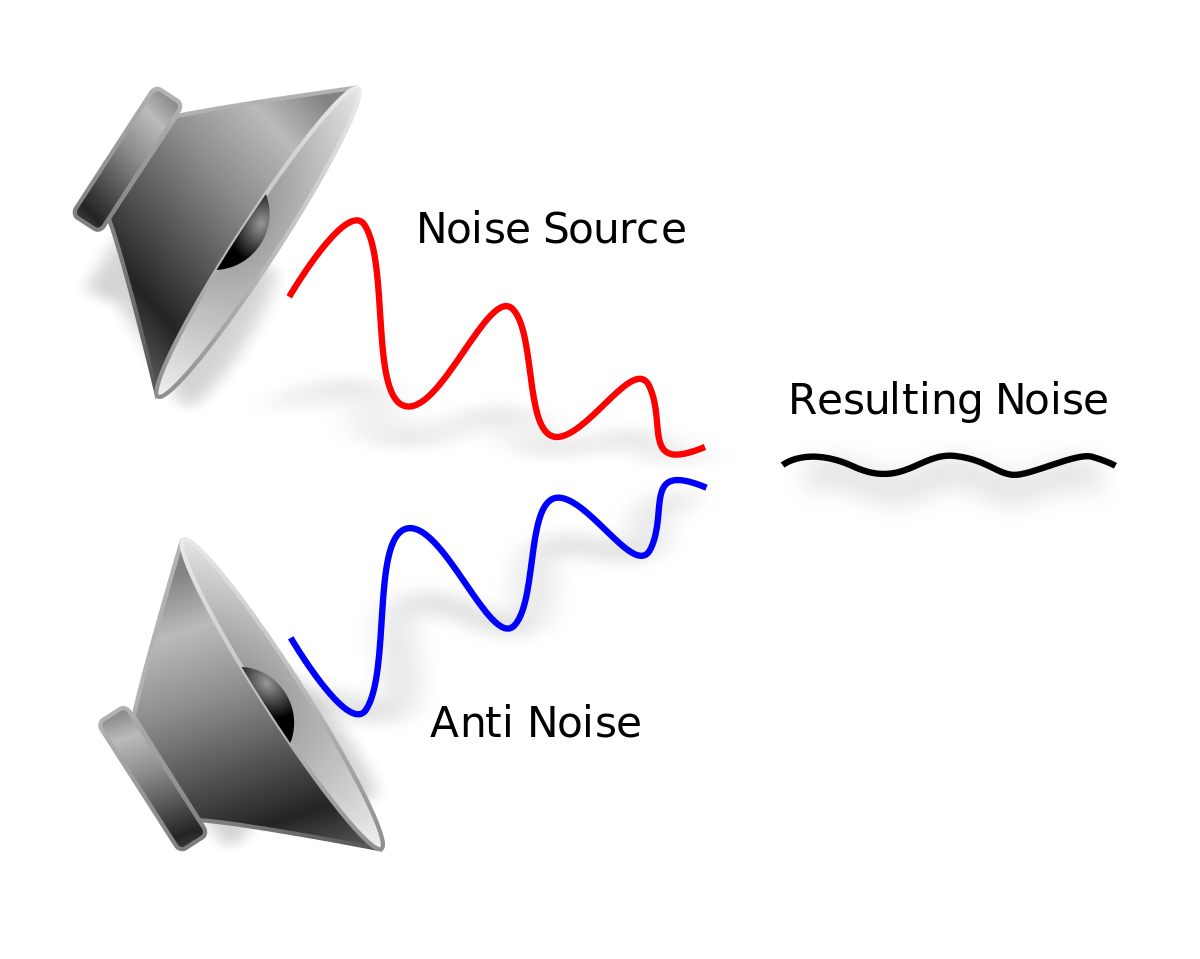
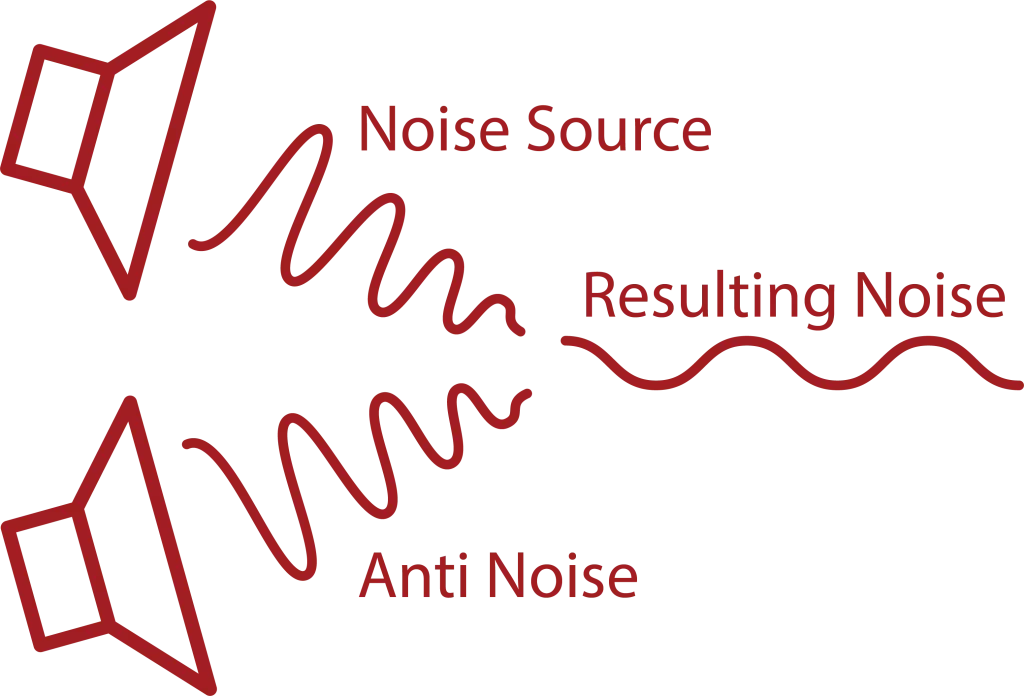
As an audio engineer, I have dealt with various types of noise in digital audio recordings. Noise can be introduced during the recording process or can be present in the source material. In either case, noise reduction techniques can be used to remove unwanted noise from the audio signal. One of the most common noise reduction techniques is spectral subtraction. This technique involves analyzing the frequency spectrum of the audio signal and removing the noise components. Another technique is noise gating, which involves setting a threshold level below which the noise is suppressed. However, noise gating can result in unwanted artifacts in the audio signal. In my experience, a combination of these techniques can be used to achieve the best results.
Audio Restoration
Audio restoration is the process of removing unwanted noise and restoring the audio signal to its original quality. This process can be time-consuming and requires specialized software and expertise. One of the leading companies in audio restoration is CEDAR Audio. They have developed advanced algorithms that can recognize noise in the presence of a wanted signal and create a dynamic noise profile. This allows for more accurate noise reduction without affecting the desired audio. In my experience, audio restoration is a valuable tool for preserving historical recordings and improving the quality of damaged audio.
Noise Reduction Algorithms
Noise reduction algorithms are the backbone of noise reduction software. These algorithms analyze the audio signal and selectively remove noise frequencies that are not part of the desired sound. There are many different noise reduction algorithms available, each with its own strengths and weaknesses. Some algorithms are better suited for removing specific types of noise, such as hum or hiss. In my experience, the best noise reduction algorithms are those that allow for manual adjustments. This allows for more precise control over the noise reduction process and can result in better-sounding audio.
Final Words:
Digital audio noise reduction methods are essential for achieving high-quality audio recordings. Whether you are dealing with noise in the recording process or in the source material, there are many techniques and tools available to help you remove unwanted noise. By using a combination of noise reduction techniques and algorithms, you can achieve the best results and create professional-sounding recordings.
Keywords: Audio Noise Reduction, Digital Audio Restoration, Noise Reduction Software, Dynamic Noise Reduction, Noise Reduction Algorithms, Noise Reduction Techniques, Audio Signal Processing, Audio Noise Reduction Hacks, Audio Noise Reduction Tips, Audio Noise Reduction Tools, Audio Noise Reduction Plugins, Audio Noise Reduction Filters,
As someone who has been working in the audio industry for several years, I can tell you that compression is one of the most important tools in any audio engineer’s arsenal. Compression is the process of reducing the dynamic range of an audio signal, which means that the difference between the loudest and quietest parts of the signal is reduced. This can help to make an audio recording sound more consistent and polished.
There are several different types of compression that can be used in audio production, including analog compression, digital compression, and multiband compression. Each of these techniques has its own advantages and disadvantages, and the choice of which one to use will depend on the specific needs of the project.
Compression and sound quality
One of the most common questions that I get asked about compression is how it affects the overall sound quality of an audio recording. While compression can help to make a recording sound more polished, it can also have a negative impact on the sound quality if it is not used correctly.
One of the biggest problems with compression is that it can cause a loss of detail in the audio signal. This is because compression works by reducing the dynamic range of the signal, which means that some of the quieter parts of the signal can be lost in the process. This loss of detail can make an audio recording sound muffled or unclear.
However, when compression is used correctly, it can actually improve the overall sound quality of an audio recording. By reducing the dynamic range of the signal, compression can help to make the quieter parts of the recording more audible, which can help to bring out more detail and clarity in the sound.
Compression techniques
There are several different compression techniques that can be used in audio production, each of which has its own unique benefits and drawbacks. One of the most common compression techniques is peak compression, which is used to reduce the volume of the loudest parts of an audio signal.
Another popular compression technique is RMS compression, which is used to reduce the overall dynamic range of an audio signal. This can help to make an audio recording sound more consistent and polished, and can also help to bring out more detail in the quieter parts of the signal.
Conclusion
In conclusion, compression is an incredibly powerful tool in the world of audio production. When used correctly, compression can help to make an audio recording sound more polished and professional, and can also help to bring out more detail and clarity in the sound. However, it is important to use compression judiciously and to understand its limitations in order to avoid any negative impact on the sound quality of an audio recording.
If you are looking for a reliable and effective audio normalization and conversion software, I highly recommend MP4Gain. MP4Gain is a powerful software that can normalize and convert audio files in a variety of formats, and also includes a built-in equalizer for fine-tuning the sound of your recordings. Give it a try today and see the difference that it can make!
Audio Noise Reduction Algorithms: Understanding the Science Behind Clear Sound
Audio Noise Reduction
Audio noise is a common issue that plagues most audio recordings. Noise refers to any unwanted sound that is picked up during recording, such as hissing, humming, or static. This unwanted sound can be distracting and reduce the quality of the audio. Fortunately, audio noise reduction algorithms can help eliminate these noises, resulting in clear and high-quality audio recordings.
Audio Noise Reduction
The Basics of Audio Noise Reduction Algorithms
Audio noise reduction algorithms are used to filter out noise from audio recordings. These algorithms analyze the audio signal and separate the noise from the desired audio. Once the noise is separated, the algorithm can reduce or eliminate it from the recording. There are two main types of audio noise reduction algorithms:
Spectral Subtraction: This algorithm works by analyzing the frequency spectrum of the audio signal. It then estimates the noise spectrum and subtracts it from the audio signal, resulting in a cleaner sound.
Adaptive Filtering: This algorithm works by modeling the noise signal and filtering it out of the audio signal.
Both of these algorithms can be effective in reducing noise from audio recordings, but each has its strengths and weaknesses depending on the type of noise present and the characteristics of the audio signal.
How Audio Noise Reduction Algorithms Work
Audio noise reduction algorithms work by analyzing the audio signal and separating the noise from the desired audio. This process involves several steps:
Step 1: Noise Estimation
The first step in the audio noise reduction process is to estimate the noise. This is done by analyzing a portion of the audio signal that is known to be noise-only. This can be a portion of the audio that was recorded with no desired audio present or a silent section of the audio. Once the noise is estimated, the algorithm can use this information to separate the noise from the desired audio.
Step 2: Filtering
Once the noise has been estimated, the algorithm can begin to filter it out of the audio signal. This is done by applying a filter to the audio signal that will reduce or eliminate the noise. The type of filter used will depend on the algorithm being used and the characteristics of the audio signal.
Step 3: Signal Reconstruction
After the noise has been filtered out of the audio signal, the algorithm will reconstruct the audio signal to ensure that it is of high quality and free of artifacts. This is done by applying a process called signal reconstruction, which involves smoothing out any irregularities in the audio signal and ensuring that the signal is continuous.
Factors That Affect Audio Noise Reduction
There are several factors that can affect the effectiveness of audio noise reduction algorithms:
Noise Type: The type of noise present in the audio signal can affect the effectiveness of the algorithm. Some types of noise are easier to filter out than others.
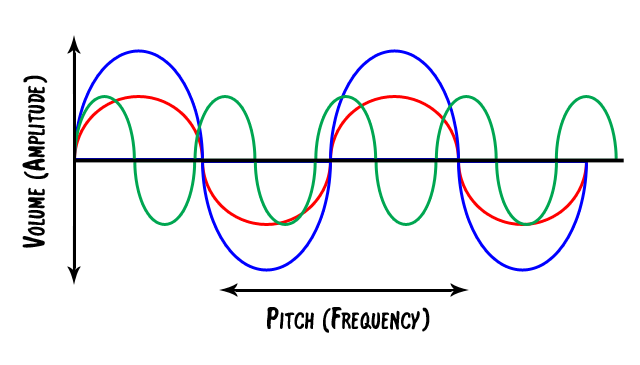
Signal-to-Noise Ratio: The signal-to-noise ratio (SNR) is the ratio of the desired audio to the noise in the audio signal. A low SNR can make it more difficult for the algorithm to separate the noise from the desired audio.
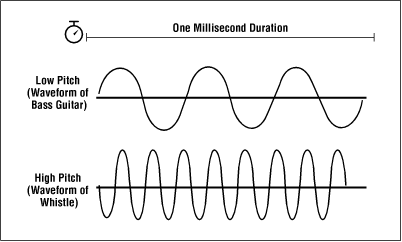
Audio Signal Characteristics: The characteristics of the audio signal, such as its frequency range and amplitude, can also affect the effectiveness of noise reduction algorithms.
Types of Noise Reduction Algorithms
There are several types of noise reduction algorithms available, each with its own strengths and weaknesses. Some of the most commonly used algorithms include:
Single-Channel Noise Reduction: This type of algorithm is designed to reduce noise in a single audio channel, such as a single microphone recording. It can be effective in reducing constant background noise but may not be as effective in reducing more complex noise patterns.
Multi-Channel Noise Reduction: Multi-channel noise reduction algorithms can be used to reduce noise in multiple audio channels, such as in a stereo recording. These algorithms can be more effective than single-channel algorithms in reducing complex noise patterns.
Adaptive Filter: Adaptive filter algorithms can be effective in reducing noise that is relatively consistent over time, such as electrical hum. These algorithms analyze the audio signal and create a filter that is customized to reduce the specific noise pattern.
Spectral Subtraction: Spectral subtraction algorithms work by analyzing the frequency spectrum of the audio signal and subtracting the noise frequency components. This algorithm can be effective in reducing steady-state noise but may introduce artifacts in the audio signal.
Wiener Filter: The Wiener filter is a statistical algorithm that can be used to reduce noise in audio signals. This algorithm analyzes the statistical properties of the audio signal and the noise and creates a filter that can effectively reduce the noise.
Challenges in Noise Reduction
While noise reduction algorithms can be effective in reducing unwanted noise in audio signals, there are several challenges that must be considered:
Noise Types: Different types of noise require different noise reduction algorithms. For example, reducing background hiss requires a different algorithm than reducing electrical hum.
Signal-to-Noise Ratio: The signal-to-noise ratio (SNR) is the ratio of the desired audio signal to the unwanted noise. A low SNR can make it difficult for noise reduction algorithms to effectively reduce the noise without affecting the desired audio signal.
Artifacts: Noise reduction algorithms can introduce artifacts into the audio signal, such as distortion or a “muffling” effect. These artifacts can negatively affect the quality of the audio signal.
Computational Complexity: Some noise reduction algorithms require significant computational resources, which can make real-time noise reduction difficult.
Conclusion
Audio noise reduction algorithms are an essential tool for improving the quality of audio recordings. By analyzing the characteristics of the audio signal and the noise, these algorithms can effectively reduce unwanted noise and improve the clarity of the desired audio signal. However, the effectiveness of these algorithms depends on several factors, including the type of noise, the signal-to-noise ratio, and the computational complexity of the algorithm. By understanding the strengths and limitations of different noise reduction algorithms, audio professionals can select the most appropriate algorithm for their specific needs and achieve the best possible results.