Convert Audio and Video Files


Free Download Mp4Gain
picture

Convert Audio and Video Files

Video to Mp3 Audio Converter - Apps on Google Play
Convert Audio and Video Files


Audio File Conversion

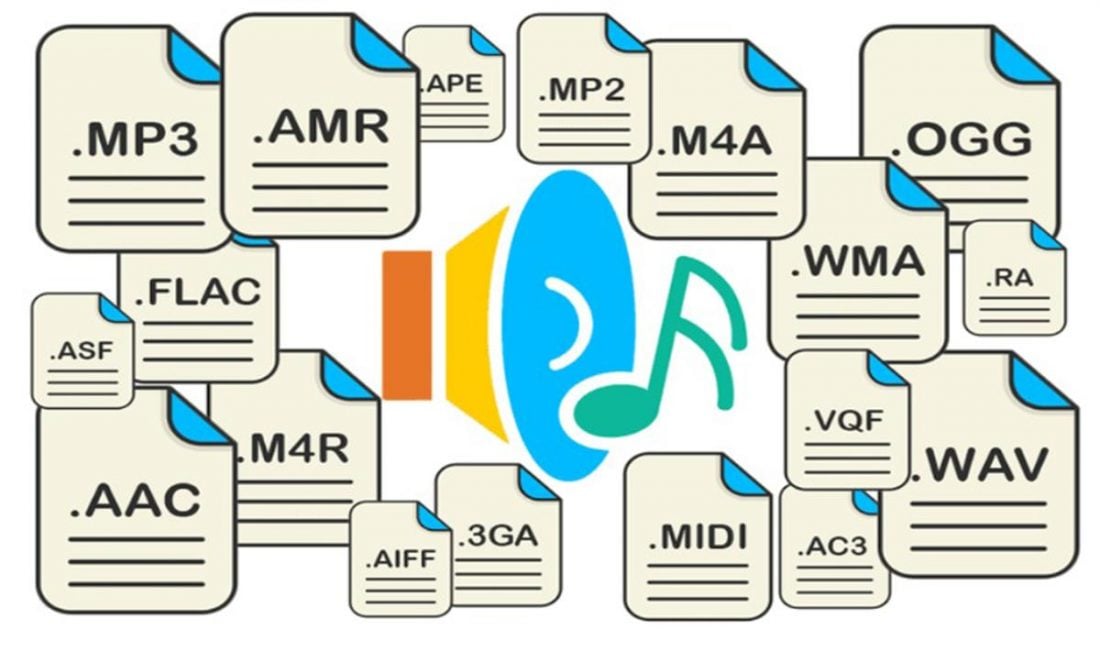
When it comes to managing your digital media library, knowing how to convert audio and video files is an indispensable skill. Audio file conversion allows you to change the format or codec of your music files, making them compatible with various devices and applications. Whether you’re a music enthusiast, a content creator, or simply someone who wants to streamline their media collection, this skill is essential.
To start the audio file conversion process, you’ll need to select the desired output format. Common formats include MP3, WAV, and AAC, each with its own advantages and trade-offs. Once you’ve chosen the format that suits your needs, you can use specialized software or online tools to perform the conversion. Keep in mind that the choice of format can impact the quality and size of your audio file, so it’s essential to strike a balance.

During the conversion process, you might encounter some loss of quality, particularly when compressing files to save space. It’s crucial to consider your priorities—whether it’s preserving the highest audio quality or optimizing file size—when converting audio files.

Video File Conversion

Just like audio files, video files often require conversion to ensure compatibility across different devices and platforms. Video file conversion involves changing the format or codec of your video, which can affect both the quality and file size.
To start, you’ll need to select the desired output format for your video file, such as MP4, AVI, or MKV, depending on your specific needs. Each video format has its unique characteristics, so choose one that aligns with your goals. Once you’ve made your selection, you can employ various software or online tools to initiate the conversion process.

It’s important to bear in mind that video conversion can result in a loss of quality, especially if you’re compressing the video to make it more manageable. Therefore, striking a balance between file size and video quality is paramount when converting video files.

Convert Media Files

The ability to convert media files is an invaluable skill in the digital age. It enables you to tailor your audio and video content to fit your specific needs, whether you’re sharing it with others, editing it for a project, or simply enjoying it on various devices.
In today’s technologically advanced world, you have access to a plethora of user-friendly tools and software that simplify the conversion process. Whether you’re a seasoned professional or a curious teenager, these resources can empower you to convert your media files seamlessly.

It’s worth noting that the choice of format and codec can significantly impact the final quality and size of your files. Therefore, it’s crucial to understand the intricacies of the conversion process and make informed decisions based on your objectives.

In summary, converting audio and video files is a fundamental skill for anyone dealing with digital media. By mastering this skill, you can ensure that your multimedia content is accessible and adaptable to various scenarios and platforms. Remember to choose your formats wisely, considering the trade-offs between file size and quality. Happy converting!


Free Download Mp4Gain
picture


Mp4Gain Main Window
picture


Mp4Gain Features
picture


Free Download Mp4Gain
picture

Audio Codec Converter

Audio Codec Converter: An Essential Tool for Any Audiophile

Audio Codec Converter

If you’re a music enthusiast, you know how important it is to have your music in the best quality possible. However, not all devices and media players support the same audio formats, which can be frustrating. This is where an audio codec converter comes in handy. In this article, we’ll explore what an audio codec converter is, how it works, and its benefits for any audiophile.

What is an Audio Codec Converter?

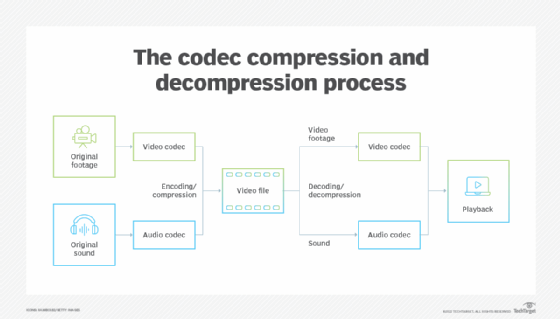
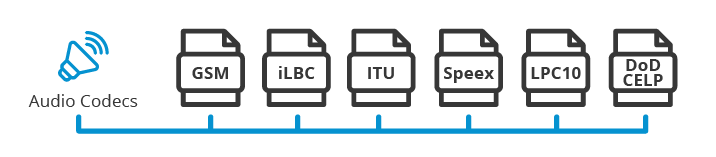
An audio codec converter is a software application that enables you to convert your audio files from one format to another. Audio codecs are algorithms that compress and decompress audio data, allowing it to be stored and transmitted efficiently. Different devices and media players use different codecs to support different audio formats. For instance, an MP3 player might only support the MP3 format, while a CD player might support WAV and AIFF formats.

With an audio codec converter, you can easily convert your audio files from one format to another, making them compatible with your desired device or media player. This tool can also help you compress your files to save space or improve their quality by changing the bitrate, sample rate, and other parameters.

How Does an Audio Codec Converter Work?

Most audio codec converters operate by decoding the original audio file and then encoding it into the desired format. The software uses a codec library that contains all the codecs needed to decode and encode various audio formats. The converter then applies the necessary compression algorithms to reduce the file size or improve the quality, depending on the user’s preferences.

Some audio codec converters also support batch conversion, which allows you to convert multiple files at once. This feature is especially useful when you have a large music collection that you want to convert to a new format or compress to save storage space.

Benefits of an Audio Codec Converter

Here are some of the benefits of using an audio codec converter:

  • Compatibility: An audio codec converter enables you to play your music on any device or media player that supports different formats.
  • Quality: You can improve the quality of your music by converting it to a higher bitrate or changing other parameters.
  • Compression: You can compress your files to save storage space on your device or media player without compromising the quality.
  • Organization: You can easily organize your music collection by converting all your files to a single format.

Frequently Asked Questions (FAQs)

What are the most common audio codecs?

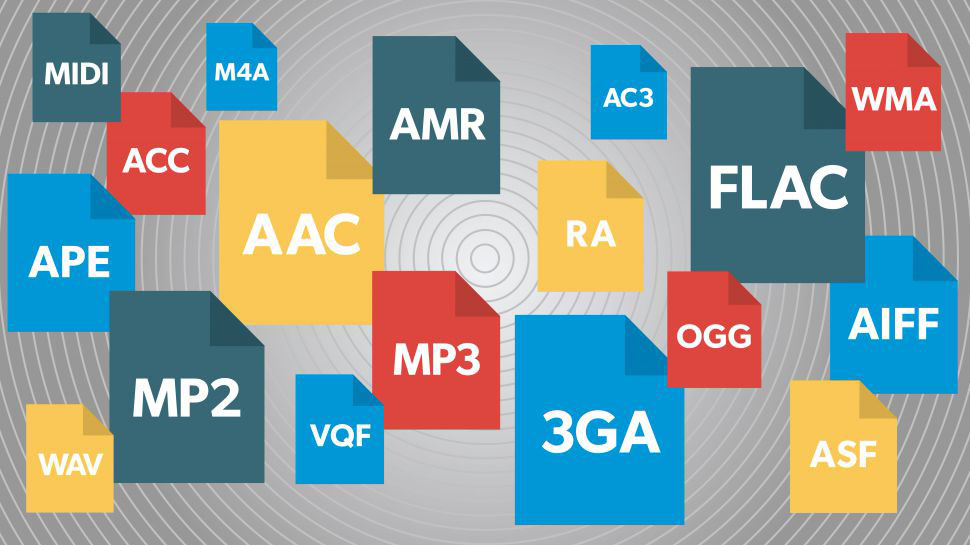
The most common audio codecs are MP3, AAC, WAV, and FLAC. MP3 is the most widely used codec for music, while AAC is used by Apple devices. WAV is a lossless codec that is often used for professional audio recordings, while FLAC is a lossless codec that provides higher quality than MP3 or AAC.

Can I convert DRM-protected audio files using an audio codec converter?

No, most audio codec converters cannot convert DRM-protected files due to copyright laws. However, there are some software applications that can remove DRM protection, allowing you to convert the files to your desired format.

Do I need a special software to play my converted audio files?

Most devices and media players support the most common audio formats, so you shouldn’t need any special software to play your converted files. However, some specialized formats may require specific software or codecs. For instance, if you want to play high-resolution audio files, you might need a media player that supports FLAC or DSD formats.

Is an audio codec converter difficult to use?

No, most audio codec converters are designed to be user-friendly and intuitive. You don’t need any technical knowledge to use them. Simply select the files you want to convert, choose the output format and parameters, and start the conversion process. The software will guide you through the process and provide you with feedback on the progress.

Conclusion

An audio codec converter is an essential tool for any music lover who wants to enjoy their music in different formats and on different devices. It enables you to convert your audio files easily and quickly, improving their quality and compatibility. With the right audio codec converter, you can organize your music collection, save storage space, and enjoy your favorite tunes in the best quality possible.

Audio to MP3 Converter

Transforming Your Audio Files into MP3 Format: The Benefits of Using an Audio to MP3 Converter

Audio to MP3 Converter

Are you tired of dealing with incompatible audio files on your devices? Or are you someone who wants to save storage space by compressing your audio files? The solution to your problem is an Audio to MP3 Converter. This software application enables you to convert your audio files to the popular MP3 format with ease.

The Advantages of Using an Audio to MP3 Converter

  • Compatibility: MP3 format is compatible with a wide range of devices, including smartphones, laptops, tablets, and MP3 players. Converting your audio files to MP3 ensures that you can listen to your music on any device without compatibility issues.
  • Compression: MP3 files are compressed, which means that they take up less space than other audio file formats. This makes it easier to store and share your music files.
  • Quality: An Audio to MP3 Converter allows you to adjust the quality of the MP3 files you create. You can choose to keep the original quality, reduce the quality to save space, or increase the quality for better listening experiences.
  • Batch Conversion: An Audio to MP3 Converter lets you convert multiple audio files at once, saving you time and effort.

How to Use an Audio to MP3 Converter like Mp4Gain

Using an Audio to MP3 Converter is a straightforward process. Follow these simple steps:

  1. Download and install Mp4Gain on your device.
  2. Open the software and select the audio files you want to convert.
  3. Select the MP3 format and adjust the quality settings if required.
  4. Click on the “Convert” button to start the conversion process.
  5. Wait for the software to finish converting your files. Once done, you can find your new MP3 files in the destination folder.

FAQs about Audio to MP3 Converter

1. What audio file formats can I convert to MP3 using an Audio to MP3 Converter?

Most Audio to MP3 Converters support a wide range of audio file formats, including WAV, WMA, AAC, FLAC, OGG, and more.

2. Is an Audio to MP3 Converter free?

There are both free and paid Audio to MP3 Converter software options available. Some free software may have limited features, while paid software may offer more advanced features and better quality conversions.

3. Can I adjust the quality of the MP3 files I create?

Yes, an Audio to MP3 Converter allows you to adjust the quality of the MP3 files you create. You can choose to keep the original quality, reduce the quality to save space, or increase the quality for better listening experiences.

Conclusion

An Audio to MP3 Converter is a useful tool for anyone who wants to convert their audio files to the popular MP3 format. It offers a wide range of benefits, including compatibility, compression, quality, and batch conversion. With the easy-to-use software available, anyone can convert their audio files to MP3 in just a few simple steps.

Audio Equalizer

Audio Equalizer

Audio Equalizer
Audio Equalizer
Audio Equalizer
Audio Equalizer

An audio equalizer works by adjusting the different frequencies of sound in a music or audio file. Frequencies are how we measure the pitch or tone of a sound, and they’re measured in Hertz (Hz). A low frequency, like the bass, is around 20-200 Hz, while a high frequency, like a cymbal crash or a bird chirping, is around 5,000-20,000 Hz.

Imagine you’re listening to a song and you notice that the bass isn’t as loud as you want it to be. You can use an equalizer to boost the bass frequency and make it louder. On an equalizer, you would turn up the knob that controls the bass frequency, usually located on the left side of the equalizer.

Similarly, if you notice that the high notes in a song are too piercing or bright, you can turn down the treble frequency, usually located on the right side of the equalizer. By adjusting the different frequencies, you can make the music sound more balanced and pleasant to your ears.

An audio equalizer can also have multiple bands or knobs for each frequency range. For example, a 10-band equalizer has 10 different knobs, each controlling a different frequency range. This gives you more precise control over the sound of the music.

Why Do People Use Audio Equalizers?

People use audio equalizers for different reasons. For example, if you’re listening to music in a noisy environment, like in a car or on a train, you might want to boost the mid-range frequencies, which are where most of the vocals and instruments are. This makes it easier to hear the music over the noise.

If you’re listening to music on headphones or a small speaker, you might want to boost the bass frequency to make it sound more powerful and full. Similarly, if you’re listening to classical music, you might want to boost the high frequencies to make the strings and woodwinds sound clearer and more detailed.

Finally, some people use audio equalizers to compensate for hearing loss. For example, if someone has trouble hearing high frequencies, they can boost those frequencies on an equalizer to make the music sound more balanced to them.

Conclusion

In summary, an audio equalizer is a tool that lets you adjust the different frequencies of sound in a music or audio file. You can use it to make the music sound more balanced, pleasant, and easier to hear in different environments. An equalizer works by adjusting the different frequency bands, which are measured in Hertz, and can have multiple knobs or bands for more precise control. If you need to adjust the volume levels of your audio files after equalizing them, you can use a program like mp4gain to do so.

The History of Equalizers

Equalizers have a long and interesting history, with the concept of adjusting audio frequencies dating back to the early days of telephony and radio communication. Here’s a closer look at the development of equalizers over the years:

Early Telephony and Radio Communication

In the late 1800s and early 1900s, telephony and radio communication were becoming more prevalent. As communication technology developed, it became clear that certain frequencies of audio were more easily transmitted and understood than others. As a result, early communication systems used filters to adjust the audio frequencies and improve clarity.

Early Recording and Playback

In the early 1900s, the first recording and playback devices were developed. However, these early devices were limited in their frequency response and did not provide a way to adjust audio frequencies. In the 1920s, the first equalizers were developed for use in theaters to improve the sound quality of motion pictures.

The Development of Graphic Equalizers

In the 1950s, graphic equalizers were developed. These devices allowed for more precise adjustment of audio frequencies by using a series of sliders to control specific frequency bands. Graphic equalizers were first used in the recording industry, allowing engineers to fine-tune the sound of recordings.

The Rise of Parametric Equalizers

In the 1970s, parametric equalizers were developed. These devices allowed for even more precise adjustment of audio frequencies by allowing engineers to control the center frequency, bandwidth, and level of each frequency band. Parametric equalizers became popular in recording studios and live sound systems.

Modern Digital Equalizers

With the rise of digital audio technology in the 1980s and 1990s, digital equalizers were developed. These devices allowed for even greater precision in adjusting audio frequencies and provided more flexibility in terms of signal routing and processing. Today, digital equalizers are widely used in recording studios, live sound systems, and consumer electronics.

Conclusion

Equalizers have come a long way since the early days of telephony and radio communication. Today, equalizers are essential tools for adjusting and enhancing the sound of music, movies, and other audio content. Whether you’re a recording engineer, a live sound engineer, or a music lover, understanding the history and development of equalizers can help you appreciate the technology and get the most out of your audio equipment. And remember, if you’re looking for an easy-to-use and effective equalizer tool, check out mp4gain!

What is Audio Conversion?

What is Audio Conversion?

What is Audio Conversion?

Audio conversion is when you take a sound or music file and change it to a different type of file. It’s like changing a picture from a square shape to a circle shape, but for sounds!


Why Do People Convert Audio Files?

There are a few reasons why people might want to convert audio files. One reason is to make them smaller so they take up less space on your computer or phone. Another reason is to change the file type so it can be played on different devices or programs. For example, if you have a music file that can only be played on iTunes, you might want to convert it to an MP3 so you can play it on other music players.

How Does Audio Conversion Work?

Audio conversion works by taking the original sound file and changing its format. This can be done in a few different ways, but the most common method is called “transcoding”. Transcoding involves taking the original file and using software to convert it to a different format.

For example, let’s say you have a music file that is in WAV format (which is a big file size), but you want to convert it to an MP3 format (which is smaller and more widely compatible). You would use a software program to do this. The program would take the original WAV file and “transcode” it into an MP3 file. This process involves analyzing the original file and re-encoding it into a new format that is smaller and more compatible.

What Are Some Common Audio Formats?

  • WAV
  • MP3
  • FLAC
  • AAC
  • OGG

These are just a few of the most common audio formats. Each format has its own advantages and disadvantages. For example, WAV files are very high quality, but they take up a lot of space. MP3 files are smaller, but they lose some quality in the compression process. FLAC files are high quality and also compress well, but they’re not as widely supported as MP3s. AAC and OGG are also compressed formats that are used for streaming and mobile devices.

Why Do Audio Files Lose Quality When They’re Converted?

When an audio file is converted from one format to another, it has to be compressed in some way to make it smaller or to change its format. Compression involves removing some of the data from the original file, which can result in a loss of quality.

Think of it like taking a big picture and shrinking it down to a smaller size. Some of the details will be lost or blurry because there’s just not enough room to keep all the information. The same thing happens with audio files when they’re compressed.

What is mp4gain?

mp4gain is a software program that can help you adjust the volume of your audio files. Sometimes, when you convert a file from one format to another, the volume level can change. mp4gain can help you fix this problem by analyzing your audio files and adjusting the volume levels so they’re consistent across all your files. This can be really helpful if you have a lot of different music files that were recorded at different volumes.

Conclusion

So, there you have it! Audio conversion is when you change a sound or music file from one format to another. People do this for different reasons, like making files smaller or more compatible with different devices or programs. Audio conversion works by “transcoding” the original file using software, which can result in some loss of quality due to compression. There are many different audio formats to choose from, each with their own advantages and disadvantages. If you need to adjust the volume levels of your audio files after converting them, you can use a program like mp4gain to do so.

YouTube to MP3

YouTube to MP3: An Easy Way to Convert Videos into Audio Files

YouTube to MP3
YouTube to MP3

With the rise of online streaming services, people have easy access to millions of videos, music, and other multimedia content. However, sometimes we want to listen to a song or a podcast offline, without using our data plan or an internet connection. That’s where YouTube to MP3 conversion comes in handy. It allows users to extract the audio from a YouTube video and convert it into an MP3 file that can be played on any device.

YouTube to MP3
YouTube to MP3

Youtube to mp3

There are many online services available that can help you to doanload YouTube videos. One of the most popular methods is to download the video as an MP4 file and then use MP4Gain to extract the audio and convert it into an MP3 file and normalize it at the same time, it will sound with excelent quality. MP4Gain is a software that can normalize the volume of video and audio files, making them sound better and more consistent.

The process of converting a YouTube video to MP3 is quite simple. First, you need to find a video you want to convert on YouTube. Then, copy the video’s URL from the address bar at the top of your browser. Next, visit an online conversion service that supports YouTube to MP3 conversion, such as YTMP3, MP3FY, or Convert2MP3. Once you’re on the site, paste the URL into the converter, choose the MP3 format, and hit the convert button.

After the conversion is complete, you’ll be prompted to download the MP3 file. You can then save it to your computer or mobile device and listen to it offline. It’s that easy!

However, it’s important to note that downloading copyrighted content without permission is illegal. While YouTube is a great resource for discovering new music and videos, it’s important to respect the copyright laws and only download content that is in the public domain or that you have permission to use.

In conclusion, YouTube to MP3 conversion is a simple and convenient way to enjoy your favorite videos and music offline. With the help of online services like MP4Gain, you can easily convert YouTube videos to high-quality MP3 files that can be played on any device. Just remember to use these services responsibly and legally.

Increase Video Sound Quality: Tips and Techniques

Increase Video Sound Quality: Tips and Techniques

Video Sound Quality
Video Sound Quality

Video content has become an integral part of our lives. From entertainment to education, videos are an essential medium for communication. However, poor sound quality can ruin the viewing experience and distract the audience from the video’s message. Therefore, it is crucial to ensure the video’s sound quality is clear, crisp, and loud enough. In this article, we will discuss some tips and techniques to increase the video sound quality and enhance the viewing experience.

Video Sound Quality
Video Sound Quality

Understanding Video Sound Quality

Before we delve into tips and techniques to improve video sound quality, let’s first understand the basics of video sound quality. Video sound quality is determined by several factors, including sample rate, bit depth, and compression. The sample rate refers to the number of audio samples captured per second, while bit depth refers to the number of bits used to represent each audio sample. Compression, on the other hand, refers to the reduction in audio data size to minimize the file size.

Another critical factor that affects video sound quality is the audio codec used to compress the audio data. Different audio codecs have varying levels of compression and affect the audio quality differently. Therefore, it is essential to choose the appropriate audio codec for your video.

Optimizing the Audio Recording

The first step to improve video sound quality is to optimize the audio recording. A high-quality audio recording is critical to ensuring that the audio quality remains intact throughout the video production process. Here are some tips for optimizing the audio recording:

  • Use a High-Quality Microphone: A high-quality microphone can significantly improve the audio recording quality. Therefore, invest in a good quality microphone that suits your recording needs.
  • Eliminate Background Noise: Background noise can significantly affect the audio recording quality. Therefore, record the audio in a quiet environment and use a noise-canceling microphone or software to eliminate background noise.
  • Set the Recording Levels: Setting the recording levels correctly can prevent clipping and ensure that the audio remains clear and crisp throughout the recording.

Editing the Audio

After recording the audio, it’s time to edit it to further enhance the sound quality. Audio editing involves removing unwanted noise, adjusting the volume, and applying various effects to the audio. Here are some tips for editing the audio:

  • Remove Unwanted Noise: Use noise reduction software to remove unwanted noise from the audio. Audacity is a free, open-source software that can be used for this purpose.
  • Adjust the Volume: Adjusting the volume levels is crucial to ensure that the audio is loud enough and balanced. Use a compressor to even out the volume levels and a limiter to prevent clipping.
  • Apply Audio Effects: Applying audio effects can significantly enhance the audio quality. For example, use equalization to adjust the frequency levels or add reverb to create a more natural-sounding audio.

Choosing the Right Audio Codec

Choosing the right audio codec is critical to ensure that the video’s sound quality is not compromised during compression. Different audio codecs have varying levels of compression and affect the audio quality differently. Therefore, it is essential to choose the appropriate audio codec for your video. Here are some popular audio codecs used for video production:

  • PCM: PCM is a lossless audio codec that provides the highest audio quality but results in large file sizes.
  • MP3: MP3 is a popular audio codec that provides good quality audio while keeping file sizes relatively small. However, when it comes to video sound quality, MP3 is not the best choice. This is because MP3 was designed for compressing audio only, and when it is used to compress video audio, the quality of the audio is reduced significantly. Therefore, it is best to avoid using MP3 for video sound.
  • AAC: AAC (Advanced Audio Coding) is another popular audio codec that is widely used for compressing audio files. It is known for providing good audio quality while keeping file sizes relatively small. AAC is also commonly used for compressing audio in video files. However, it is important to note that not all AAC codecs are created equal, and some codecs may provide better audio quality than others. Therefore, it is important to choose the right AAC codec when compressing video audio.
  • FLAC: FLAC (Free Lossless Audio Codec) is an audio codec that provides high-quality audio compression without any loss in audio quality. It is a popular choice among audiophiles who value audio quality above all else. However, because FLAC is a lossless audio codec, it is not suitable for compressing video audio, as the resulting file sizes would be too large. Therefore, it is best to use FLAC only for audio files and not for video sound.
  • AC3: AC3 (Audio Codec 3) is a popular audio codec that is commonly used for compressing audio in video files. It is known for providing good audio quality while keeping file sizes relatively small. AC3 is also capable of encoding multi-channel audio, making it a good choice for surround sound audio. However, because AC3 is a proprietary codec, it may not be supported by all devices and software. Therefore, it is important to check whether the target device or software supports AC3 before using it to compress video audio.

    2. Use a High-Quality Microphone

    One of the most important factors that affect video sound quality is the microphone used to record audio. A low-quality microphone can result in poor audio quality, even if the audio codec used to compress the audio is of high quality. Therefore, it is important to use a high-quality microphone when recording audio for video.

    There are many different types of microphones available, each with its own strengths and weaknesses. Some of the most common types of microphones used for recording audio for video include:

    • Shotgun Microphones: Shotgun microphones are directional microphones that are designed to capture audio from a specific direction. They are commonly used for recording audio in outdoor environments or in noisy environments where background noise can be a problem. Shotgun microphones are also commonly used for recording dialogue in movies and TV shows.
    • Lavalier Microphones: Lavalier microphones are small microphones that are worn on the body, typically on the lapel or collar. They are commonly used for recording audio in interviews or in situations where the microphone needs to be hidden from view. Lavalier microphones are also commonly used in TV and film production.
    • Condenser Microphones: Condenser microphones are high-quality microphones that are commonly used for recording audio in studios. They are known for their sensitivity and accuracy and are capable of capturing a wide range of frequencies. Condenser microphones require a power source, either from a battery or from an external power supply.
    • Dynamic Microphones: Dynamic microphones are durable and rugged microphones that are commonly used for recording audio in live performances and on stage. They are less sensitive than condenser microphones but can handle high sound pressure levels without distortion.
    • Microphone placement: Proper microphone placement is crucial for capturing high-quality audio. The distance and angle of the microphone from the sound source can significantly affect the sound quality. Microphones should be positioned close to the sound source for a clear and detailed sound, but not so close that they pick up unwanted sounds or distortions. For example, when recording vocals, the microphone should be placed around six inches away from the singer’s mouth and slightly off-axis to minimize popping sounds.

      Improving Video Sound Quality in Post-Production

      After recording the audio, the next step is to enhance the audio quality in post-production. Here are some ways to improve video sound quality in post-production:

    • Noise reduction: Background noise such as hum, hiss, and air conditioning noise can be reduced or eliminated using noise reduction software. Many video editing software tools have built-in noise reduction plugins that can help to reduce unwanted noise.
    • Equalization: Equalization or EQ is the process of adjusting the frequency balance of audio to improve its quality. With EQ, you can boost or reduce specific frequencies to improve the overall sound quality. For example, boosting the bass frequencies can add warmth and depth to the audio, while reducing the high frequencies can eliminate harsh sounds.
    • Compression: Compression is the process of reducing the dynamic range of audio by lowering the volume of loud sounds and increasing the volume of soft sounds. This can help to even out the audio levels and make the sound more consistent. However, over-compression can result in a flat and lifeless sound, so it’s important to use compression carefully.
    • Loudness normalization: Loudness normalization is the process of adjusting the audio levels to ensure that they are consistent and compliant with industry standards. This helps to avoid sudden changes in volume between different videos or audio tracks. Many video editing software tools have built-in loudness normalization features that can help to achieve consistent audio levels.

      Conclusion

      Improving video sound quality is essential to creating a high-quality video. By using the right equipment, recording techniques, and post-production tools, you can significantly improve the audio quality of your videos. Remember to consider factors such as microphone type, placement, and environment when recording audio, and use post-production techniques such as noise reduction, EQ, compression, and loudness normalization to further enhance the audio quality. Finally, while there are many software tools available to help improve audio quality, be sure to use them judiciously and focus on getting the best possible audio quality during recording to avoid having to rely too much on post-production editing. One tool that you might find helpful for improving audio quality is MP4Gain, which can help to normalize audio levels and improve the overall sound quality.

How to Convert M4A to MP3: The Ultimate Guide

How to Convert M4A to MP3: The Ultimate Guide

M4A to MP3
M4A to MP3

As music enthusiasts, we often come across different audio formats, such as M4A and MP3. While M4A files provide better quality sound than MP3 files, they are not as widely compatible as MP3 files. Therefore, converting M4A to MP3 is essential to ensure compatibility with various devices and media players. In this article, we will provide you with a comprehensive guide on how to convert M4A to MP3.

M4A to MP3
M4A to MP3

The Difference Between M4A and MP3

  • M4A: M4A is an audio file format that is commonly used for music downloaded from the iTunes Store or Apple Music. M4A files are encoded using Advanced Audio Coding (AAC) and are known for their high-quality sound. M4A files are also relatively small in size, making them perfect for streaming.
  • MP3: MP3 is a widely used audio file format that was introduced in the early 1990s. MP3 files are encoded using MPEG-1 Audio Layer III compression, which significantly reduces the file size while maintaining reasonable audio quality. MP3 files are compatible with a wide range of devices and media players, making them a popular choice for music enthusiasts.

While M4A files provide better quality sound than MP3 files, they are not as widely compatible as MP3 files. Many devices and media players do not support M4A files, which makes converting M4A to MP3 necessary for compatibility.

The History of M4A

M4A is a file format that was introduced by Apple in 2003 as a successor to the MP3 format. M4A files are encoded using Advanced Audio Coding (AAC) compression, which provides better sound quality than MP3 files at the same bit rate. M4A files were initially designed for use with Apple’s QuickTime media player and were intended to be a more advanced replacement for the MP3 format.

Since its introduction, the M4A format has gained popularity among music enthusiasts, especially those who use Apple devices. Today, many music streaming services, such as Apple Music and Spotify, use the M4A format to stream high-quality music to their subscribers.

How to Convert M4A to MP3

There are several ways to convert M4A to MP3, including using software, online services, or mobile apps. In this section, we will show you how to convert M4A to MP3 using the popular software, MP4Gain.

  • Step 1: Download and install MP4Gain on your computer.
  • Step 2: Launch MP4Gain and click on the “Add Files” button to add the M4A files you want to convert.
  • Step 3: Select the output format as MP3 and choose the output folder.
  • Step 4: Click on the “Convert” button to start the conversion process.

MP4Gain is a popular software that allows you to convert audio and video files to different formats, including MP3. It is easy to use and offers high-quality conversions. However, there are many other software options available, and you may choose the one that works best for you.

Conclusion

Converting M4A to MP3 is essential to ensure compatibility with various devices and applications that do not support the M4A format. Although both formats offer high-quality audio, MP3 is more widely supported and can be played on a variety of devices, making it the preferred format for most users.

There are several methods for converting M4A to MP3, including using dedicated software or online conversion services. It is important to note that some of these methods may result in a loss of audio quality or other issues, so it is essential to choose a reliable and reputable method for the best results.

In this article, we have covered the basics of M4A and MP3 formats, as well as the reasons why you may want to convert M4A to MP3. We have also provided step-by-step instructions for converting M4A files to MP3 using iTunes, as well as alternative methods such as using dedicated conversion software.

Finally, we recommend using MP4Gain to optimize your MP3 files after conversion, as it can improve the overall sound quality and ensure consistent volume levels across all your audio files.

We hope this article has been helpful in explaining how to convert M4A to MP3 and providing the information you need to make an informed decision about which conversion method is best for you. Remember to choose a reliable method and always back up your original files before conversion to avoid any loss of data.

Digital Audio Converter

Digital Audio Converter

Digital Audio Converter

Digital audio converters are essential tools for anyone who wants to work with audio files in different formats. With the plethora of audio formats available today, it can be confusing to understand the differences between each one and the best way to convert them. This article will explain the most popular audio formats and their conversions.

Digital Audio Converter

Audio Formats: A Brief Overview

Before we dive into the different audio formats and their conversions, let’s take a quick look at what audio formats actually are. In simple terms, an audio format is a way of storing audio data in a file. It’s like a container that holds audio data, just as a cup holds liquid. Different audio formats have different features, such as compression, quality, and file size.

There are many different audio formats available, but we’ll focus on the most popular ones:

MP3

MP3 is one of the most popular and widely used audio formats today. It’s a compressed format that reduces the size of audio files by removing some of the data that is not perceived by the human ear. This compression allows for smaller file sizes, which makes it easier to store and share audio files. MP3 is compatible with most devices and media players, which is why it’s so popular.

OGG

OGG is a free, open-source audio format that is designed to provide high-quality audio at a lower bit rate than other formats. It’s a compressed format, but it uses a different compression algorithm than MP3, which allows for better audio quality at a lower file size. OGG is also capable of storing metadata, such as artist and album information, which makes it a great format for music files.

FLAC

FLAC is a lossless audio format that provides high-quality audio without any loss of data. It’s a compressed format, but it doesn’t remove any of the audio data like MP3 or OGG. This means that FLAC files are larger than MP3 or OGG files, but they provide better audio quality. FLAC is a great choice for audiophiles and music producers who want to ensure the highest quality audio.

AAC

AAC is a compressed audio format that is designed to provide high-quality audio at a lower bit rate than MP3. It’s the default audio format for Apple devices and is supported by most media players. AAC provides better audio quality than MP3 at the same bit rate, which makes it a great choice for music streaming services.

Conversions: From One Format to Another

Now that we have an understanding of the different audio formats, let’s take a look at how we can convert them from one format to another. There are many software tools and online services that can perform audio conversions, but we’ll focus on one of the most popular options: MP4Gain.

MP4Gain

MP4Gain is a software tool that can convert audio files from one format to another, as well as adjust their volume levels. It supports all of the audio formats we’ve discussed so far, including MP3, OGG, FLAC, and AAC. To convert an audio file with MP4Gain, simply select the input and output formats, adjust the volume levels if necessary, and click the convert button.

Conclusion

In conclusion, digital audio converters are essential tools for anyone who wants to work with audio files in different formats. Understanding the different audio formats and their conversions is important for ensuring the highest quality audio and compatibility with different devices and media players. MP4Gain is a great software tool for performing audio conversions and adjusting volume levels, and it supports all of the popular audio formats.