Digital Audio Converter

Digital Audio Converter

Digital Audio Converter

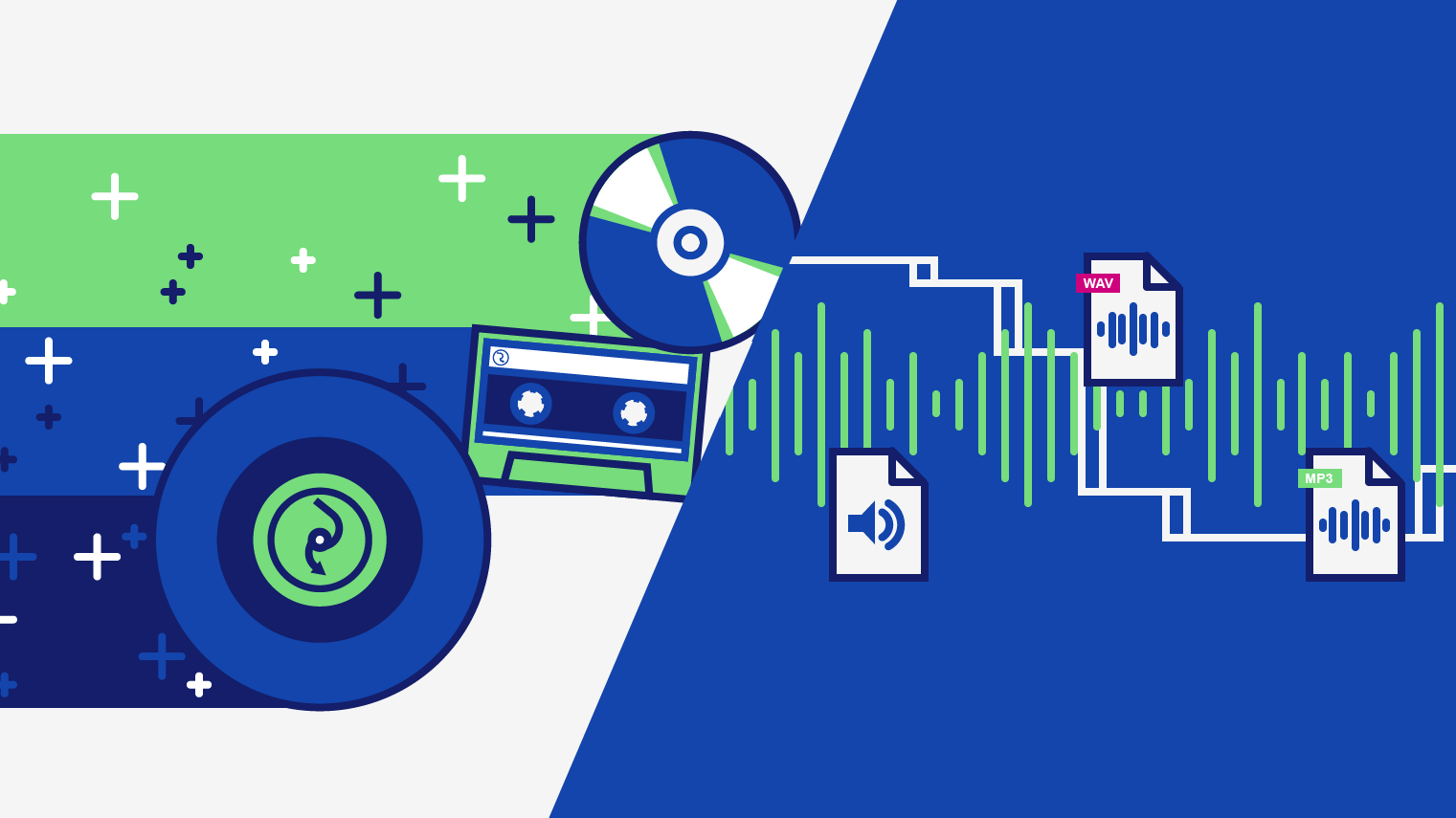
Digital audio converters are essential tools for anyone who wants to work with audio files in different formats. With the plethora of audio formats available today, it can be confusing to understand the differences between each one and the best way to convert them. This article will explain the most popular audio formats and their conversions.

Digital Audio Converter

Audio Formats: A Brief Overview

Before we dive into the different audio formats and their conversions, let’s take a quick look at what audio formats actually are. In simple terms, an audio format is a way of storing audio data in a file. It’s like a container that holds audio data, just as a cup holds liquid. Different audio formats have different features, such as compression, quality, and file size.

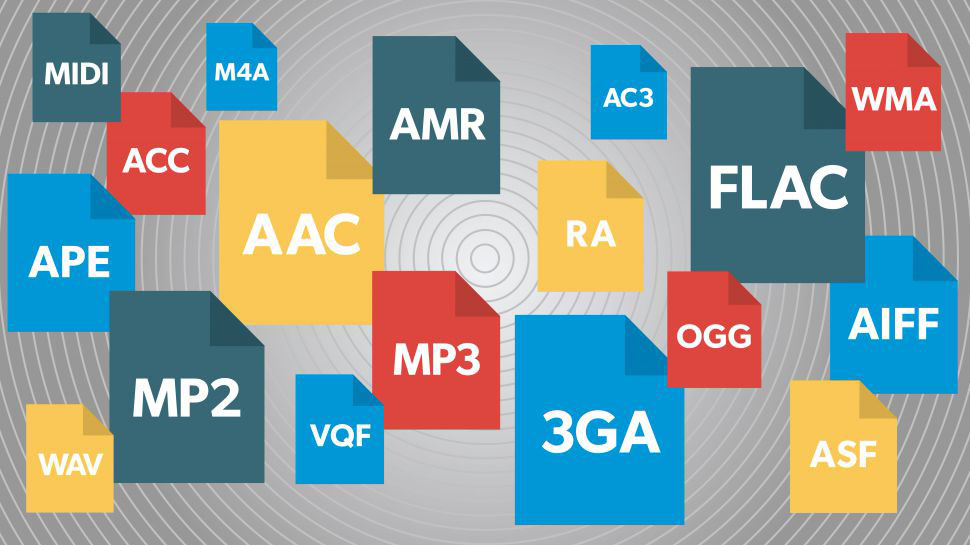
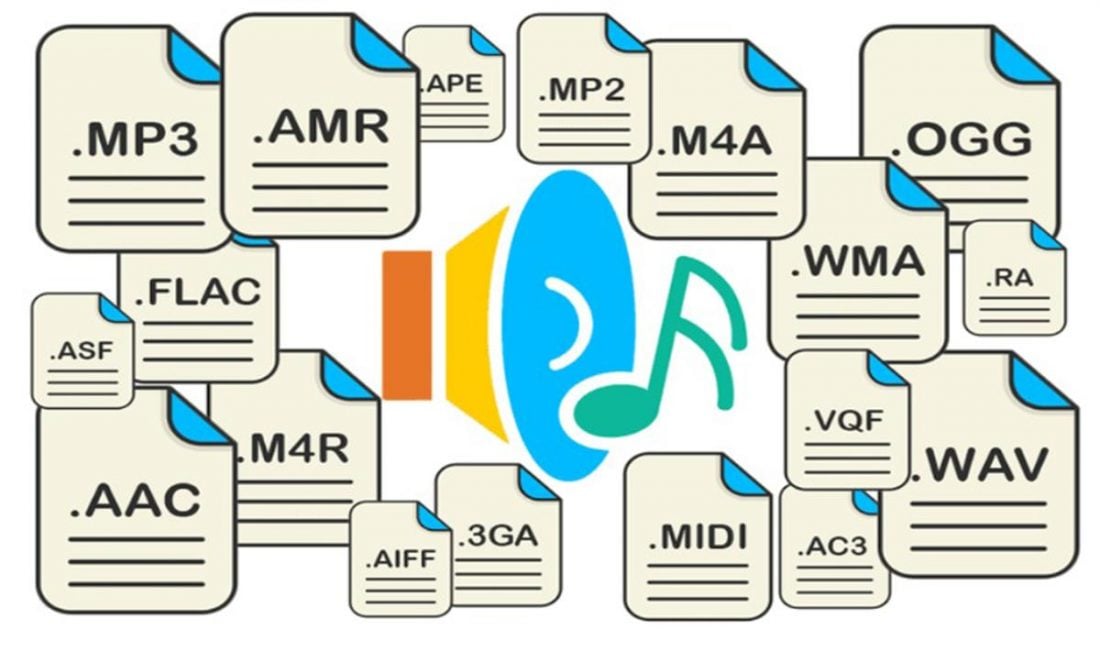
There are many different audio formats available, but we’ll focus on the most popular ones:

MP3

MP3 is one of the most popular and widely used audio formats today. It’s a compressed format that reduces the size of audio files by removing some of the data that is not perceived by the human ear. This compression allows for smaller file sizes, which makes it easier to store and share audio files. MP3 is compatible with most devices and media players, which is why it’s so popular.

OGG

OGG is a free, open-source audio format that is designed to provide high-quality audio at a lower bit rate than other formats. It’s a compressed format, but it uses a different compression algorithm than MP3, which allows for better audio quality at a lower file size. OGG is also capable of storing metadata, such as artist and album information, which makes it a great format for music files.

FLAC

FLAC is a lossless audio format that provides high-quality audio without any loss of data. It’s a compressed format, but it doesn’t remove any of the audio data like MP3 or OGG. This means that FLAC files are larger than MP3 or OGG files, but they provide better audio quality. FLAC is a great choice for audiophiles and music producers who want to ensure the highest quality audio.

AAC

AAC is a compressed audio format that is designed to provide high-quality audio at a lower bit rate than MP3. It’s the default audio format for Apple devices and is supported by most media players. AAC provides better audio quality than MP3 at the same bit rate, which makes it a great choice for music streaming services.

Conversions: From One Format to Another

Now that we have an understanding of the different audio formats, let’s take a look at how we can convert them from one format to another. There are many software tools and online services that can perform audio conversions, but we’ll focus on one of the most popular options: MP4Gain.

MP4Gain

MP4Gain is a software tool that can convert audio files from one format to another, as well as adjust their volume levels. It supports all of the audio formats we’ve discussed so far, including MP3, OGG, FLAC, and AAC. To convert an audio file with MP4Gain, simply select the input and output formats, adjust the volume levels if necessary, and click the convert button.

Conclusion

In conclusion, digital audio converters are essential tools for anyone who wants to work with audio files in different formats. Understanding the different audio formats and their conversions is important for ensuring the highest quality audio and compatibility with different devices and media players. MP4Gain is a great software tool for performing audio conversions and adjusting volume levels, and it supports all of the popular audio formats.

There are several types such as WAV, MP3 and FLAC, but what is the difference? Part 4

There are several types such as WAV, MP3 and FLAC, but what is the difference? Part 4

ANALOG vs. DIGITAL AUDIO

There are several types such as WAV, MP3 and FLAC, but what is the difference? Comprehensive research on music file formats

analog audio disc

Data and music
Does the boom from the analog discs come back?

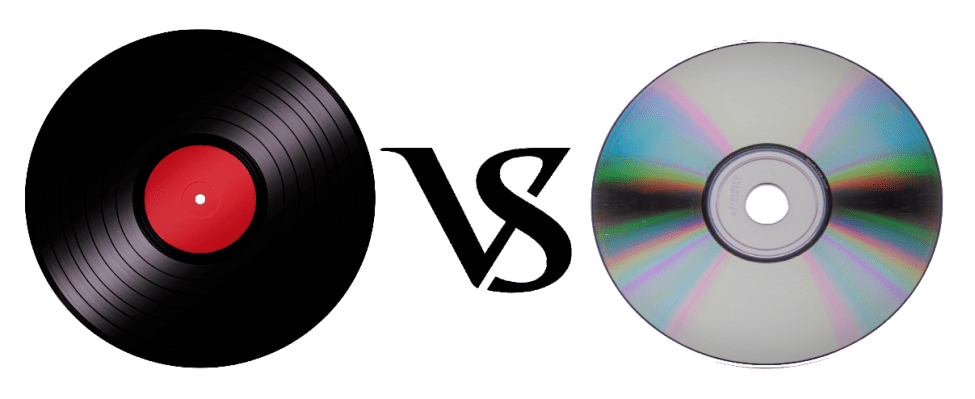
In recent years, the world boom of analog discs has arrived. According to the Association of the Recording Industry of the Public Corporation in General of Japan, the national disk market is the production number of 2017 1063000 sheets. In terms of Amount, it was 1,916 million yen, the highest of the last 10 years.

You may have heard that sound quality is generally better than that of a CD, but what really differs is the recorded frequency band.

It is said that the frequency band that can be stored on a CD is up to about 22,000 Hz, while the analog record contains information of up to about 100,000 Hz. However, it is said that the audible human range is approximately 20Hz to 20,000Hz, so it does not make sense unless you notice the difference in sound. It seems that the parties other than the audible human range, the vibration of the air due to the sound and the force caused by it, are transmitted by other routes other than sound.

This is a great merit that can only be experienced with analog discs, and it can be said that it is the true emotion of the discs.

However, the care of the equipment, the deterioration of the plate, the difficulty of handling and the size can be disadvantages compared to the CDs and the data. (In the youngest generation of these days, this effort is quite new and many people enjoy it).

abstract

There are several formats for musical data files and each one has its own personality. Which of the music services and distribution sites that I have used casually so far?

It can also be good to listen and compare the differences with data such as CD and analog discs.

I want to take me well with musical data wisely according to my style!