Digital Audio Converter


Free Download Mp4Gain
picture

Digital Audio Converter
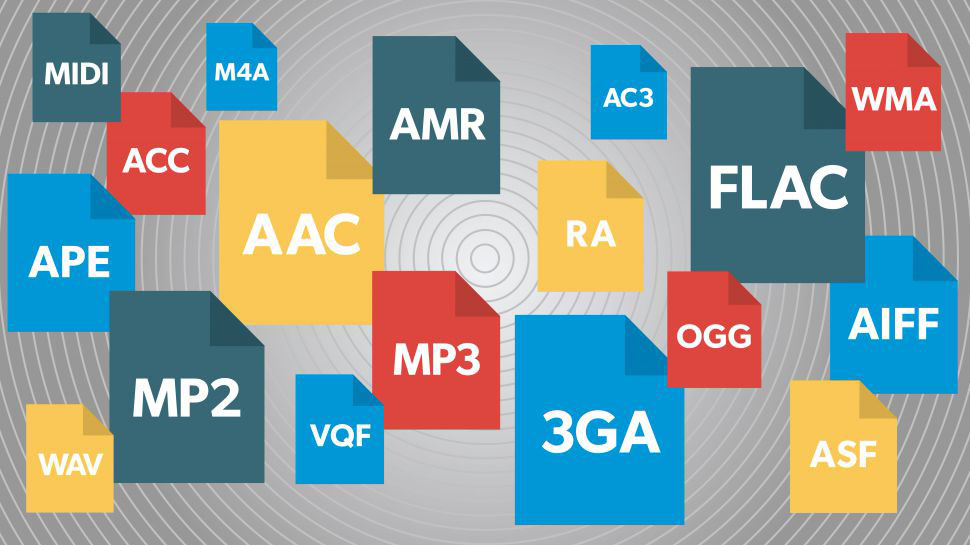
Digital Audio Converter

Digital audio converters are essential tools for anyone who wants to work with audio files in different formats. With the plethora of audio formats available today, it can be confusing to understand the differences between each one and the best way to convert them. This article will explain the most popular audio formats and their conversions.
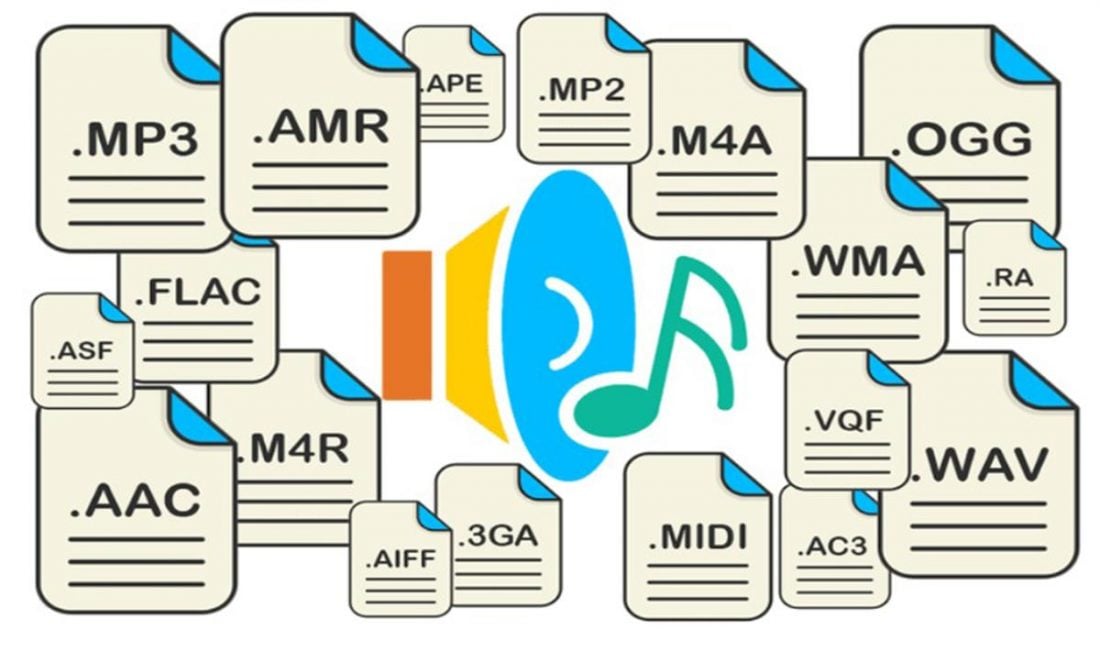
Digital Audio Converter

Audio Formats: A Brief Overview

Before we dive into the different audio formats and their conversions, let’s take a quick look at what audio formats actually are. In simple terms, an audio format is a way of storing audio data in a file. It’s like a container that holds audio data, just as a cup holds liquid. Different audio formats have different features, such as compression, quality, and file size.

There are many different audio formats available, but we’ll focus on the most popular ones:

MP3

MP3 is one of the most popular and widely used audio formats today. It’s a compressed format that reduces the size of audio files by removing some of the data that is not perceived by the human ear. This compression allows for smaller file sizes, which makes it easier to store and share audio files. MP3 is compatible with most devices and media players, which is why it’s so popular.

OGG

OGG is a free, open-source audio format that is designed to provide high-quality audio at a lower bit rate than other formats. It’s a compressed format, but it uses a different compression algorithm than MP3, which allows for better audio quality at a lower file size. OGG is also capable of storing metadata, such as artist and album information, which makes it a great format for music files.

FLAC

FLAC is a lossless audio format that provides high-quality audio without any loss of data. It’s a compressed format, but it doesn’t remove any of the audio data like MP3 or OGG. This means that FLAC files are larger than MP3 or OGG files, but they provide better audio quality. FLAC is a great choice for audiophiles and music producers who want to ensure the highest quality audio.

AAC

AAC is a compressed audio format that is designed to provide high-quality audio at a lower bit rate than MP3. It’s the default audio format for Apple devices and is supported by most media players. AAC provides better audio quality than MP3 at the same bit rate, which makes it a great choice for music streaming services.

Conversions: From One Format to Another

Now that we have an understanding of the different audio formats, let’s take a look at how we can convert them from one format to another. There are many software tools and online services that can perform audio conversions, but we’ll focus on one of the most popular options: MP4Gain.

MP4Gain

MP4Gain is a software tool that can convert audio files from one format to another, as well as adjust their volume levels. It supports all of the audio formats we’ve discussed so far, including MP3, OGG, FLAC, and AAC. To convert an audio file with MP4Gain, simply select the input and output formats, adjust the volume levels if necessary, and click the convert button.

Conclusion

In conclusion, digital audio converters are essential tools for anyone who wants to work with audio files in different formats. Understanding the different audio formats and their conversions is important for ensuring the highest quality audio and compatibility with different devices and media players. MP4Gain is a great software tool for performing audio conversions and adjusting volume levels, and it supports all of the popular audio formats.


Free Download Mp4Gain
picture


Mp4Gain Main Window
picture


Mp4Gain Features
picture


Free Download Mp4Gain
picture

Digital sound vs. analog sound: what’s the difference?

It is very common to hear about digital sound. This wave of digital sound comes from the late 1970s, when digital media began to appear on the market, further solidifying with the arrival of CD in 1983. Leading brands would begin to announce digital sound as the great revolution in Sound. Recently, however, many have decided to go back to vinyl or even analog cassette tapes and claim that the sound of analog media is superior to that of digital media. But who is right?

Digital and Analog Audio

First, let’s establish that, when we talk about digital sound versus analog sound, we are mainly talking about the media where that sound is stored and the encoding used in those media. With that, we can start by classifying them by saying the following:

Analog sound is all that sound placed in uninterrupted media, creating a change in the media that is analogous to the phenomenon of sound. In the case of vinyl, a groove similar to the electrical signal generated in the microphone is created. In the case of magnetic tape, there is a change in the magnetic field analogous to the electrical signal generated at the microphone.

Analog and Digital audio

Digital sound is all that sound placed on media encoded in binary code. This encoding transforms the microphone signal into a digital code that follows various parameters, such as the Nyquist theorem, sample rate, bit depth, bit rate, interpolation, etc. In future publications, we will study each of these characteristics. Examples of digital media are: CD, SD memory cards, SSD, HDD, DAT … In short, everything that can store a digital code.

Some authors argue that all sound is analog. However, according to the previous definition we will establish that the sound, in itself, is natural. Each natural sound that reaches the microphone becomes analog by generating an electrical signal. And each microphone will start as analog. There are some digital microphones, but these are nothing more than microphones that have an analog / digital converter in their structure, making the sound emitted digital. In addition, all speakers also output analog sound only, since even if the source is digital, it will be necessary to perform a digital / analog conversion in any situation.

That is, the sound has to be analog at any given moment in the capture / playback chain, but it doesn’t necessarily have to be digital. That’s why many argue that analog sound is “pure” and, according to some people, “better”. However, there are several advantages to digital media. For example, digital media is more accurate, has a better differentiation between channels, is more compact and cheaper.

In productive terms, digital media outperforms analog media in several ways. Therefore, it is quite rare today to find analog sound in film and music. The logistical approach between analog and digital is different and many artists maintain that the use of analog media directly influences creation, since many feel that in analog there is a greater intimacy between the artist and the physical phenomenon. But in general, we can associate this intimacy only with the subjective factor. Analog is more expensive and offers a result that can be copied to digital.

On the other hand, there is a good advantage for analog media: durability. In general, vinyl and tape, if well maintained, have greater durability than CDs, DVDs, or HDDs. Until now, we still do not have a digital medium that has proven to be resistant to time (with the exception, perhaps, of DAT). Also, the way the viewer relates to the media is very important. In this case, the imperfections of analog media can make it more intimate and the precision of digital media can make it cold and impersonal. It goes for each one.

The most important topic of discussion on this topic in the world of audiophilia is related to CDs vs. Vinyls, a point that we will address in greater depth in some future publications. But for now, this is what we have about digital sound versus analog sound.