WAV File Quality: How to Improve the Fidelity of Your Audio
High-Quality WAV Files
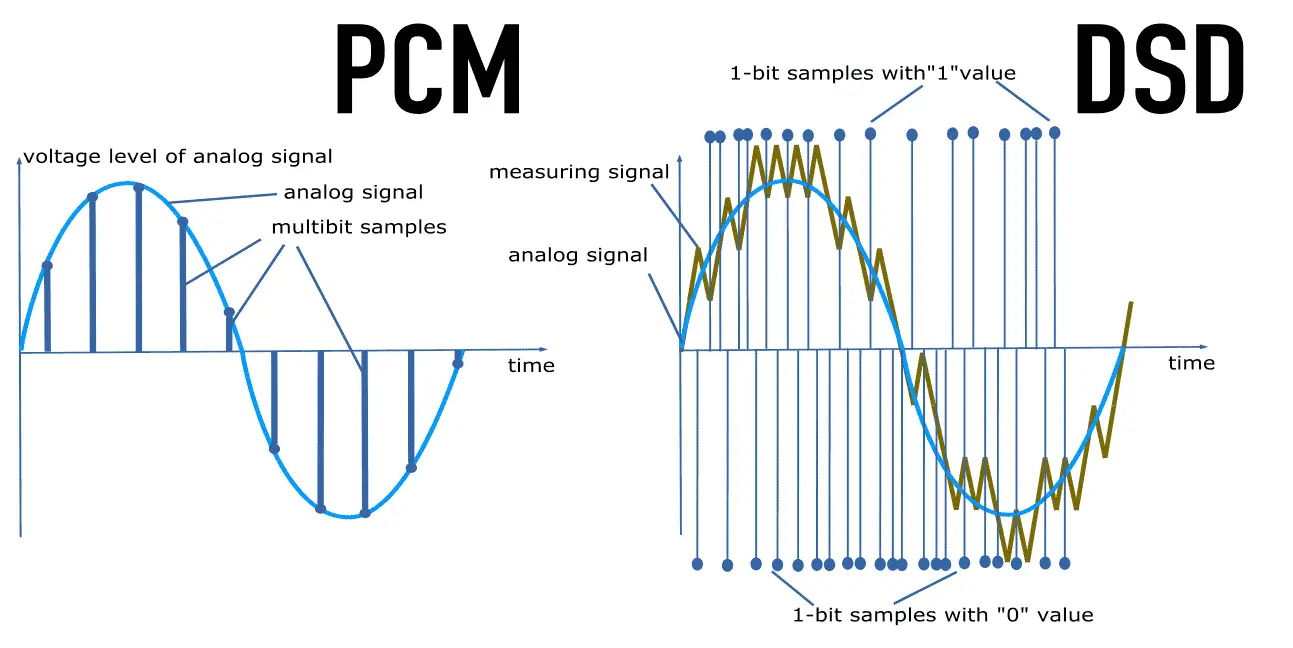
When it comes to audio quality, WAV files are often considered the gold standard. They offer uncompressed, lossless audio that is the closest you can get to the original recording. However, not all WAV files are created equal. The quality of a WAV file can vary based on a number of factors, such as the recording equipment used or the mastering process. If you want to ensure you are getting the highest quality WAV files possible, there are a few things to keep in mind.
First, make sure the recording equipment used is of high quality. A good microphone and recording interface can make a big difference in the sound quality of your WAV files. Additionally, pay attention to the mastering process. This is where the final mix of the audio is balanced and equalized to ensure it sounds the best it can. A skilled mastering engineer can make a significant impact on the final sound quality.
Improving WAV Sound Quality
If you already have WAV files but are not satisfied with the sound quality, there are a few steps you can take to improve it. One option is to use an equalizer to adjust the frequency balance of the audio. This can help bring out certain frequencies and improve the overall clarity of the sound. Additionally, you can use a compressor to even out the volume levels of the audio, making it sound more consistent.
Another option is to use a normalization tool, like MP4Gain, to adjust the overall volume level of the WAV files. This can help ensure they are all at a consistent volume, which can make a big difference when listening to a playlist or album.
WAV Sound Fidelity
Fidelity refers to the accuracy and faithfulness with which an audio recording reproduces the original sound. When it comes to WAV files, fidelity is one of the key benefits. Because WAV files are uncompressed and lossless, they offer the highest possible fidelity. However, this does not mean that all WAV files have perfect fidelity. As mentioned earlier, there are a number of factors that can impact the sound quality of a WAV file. To ensure the highest fidelity possible, it is important to pay attention to the recording process, mastering, and any post-production processing that is done.
In the words of musician and producer Brian Eno, “Fidelity is not about being faithful to the original sound; it’s about creating a good version of that sound.”
Enhancing WAV Audio Quality
While WAV files already offer high-quality audio, there are still ways to enhance their quality even further. One option is to use a high-quality DAC (digital-to-analog converter) when listening to the files. This can help ensure the audio is converted from digital to analog with the highest possible accuracy and fidelity.
Another option is to use high-quality headphones or speakers when listening to the files. The quality of the playback equipment can have a big impact on how the audio sounds.
In the words of musician and producer Quincy Jones, “Good music, good listening, and good equipment are all synergistic.”
Final Words
When it comes to audio quality, WAV files are hard to beat. By paying attention to the recording process, mastering, and post-production processing, you can ensure you are getting the highest quality WAV files possible. Additionally, by using tools like equalizers, compressors, and normalization software, you can further enhance the audio quality of your WAV files. Finally, by using high-quality playback equipment like DACs, headphones