In this article, we will explore the technical aspects of decoding audio formats. We will discuss the different types of audio formats, the process of decoding audio, and the factors that affect audio quality.
Types of Audio Formats
There are many different types of audio formats, each with its own advantages and disadvantages. Some of the most common audio formats include:
WAV: WAV is a lossless audio format, which means that it does not lose any data when it is converted from one format to another. WAV files are typically larger than other audio formats, but they offer the best possible sound quality.
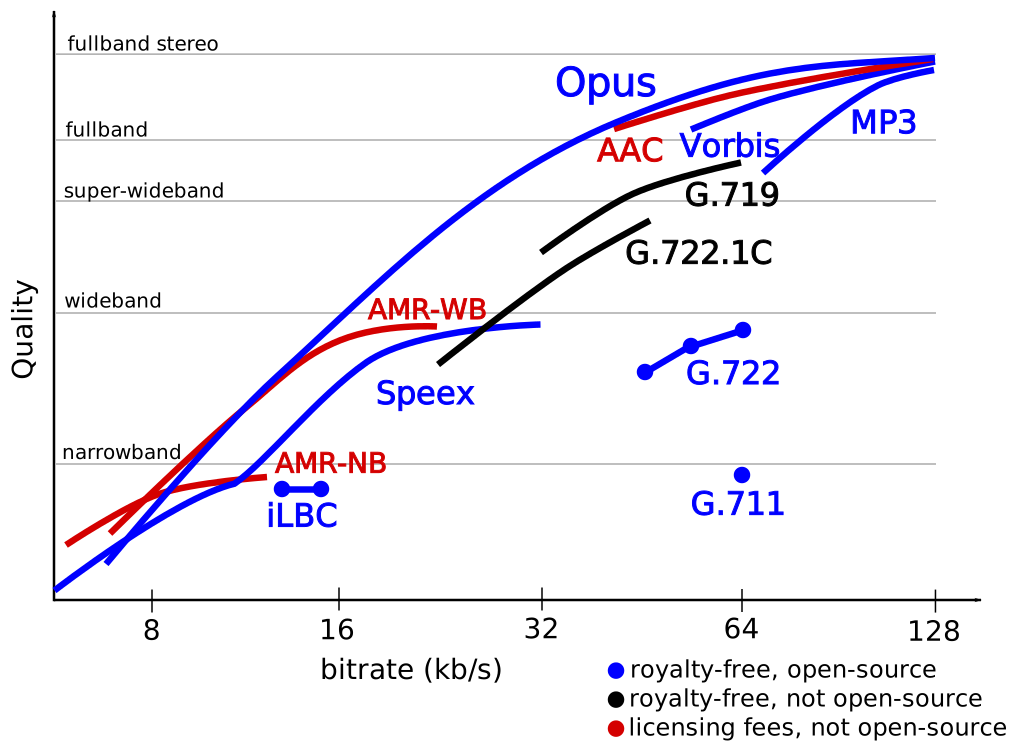
MP3: MP3 is a lossy audio format, which means that some data is lost when it is converted from one format to another. MP3 files are much smaller than WAV files, which makes them ideal for storing and transferring audio files.
AAC: AAC is another lossy audio format that offers better sound quality than MP3. AAC files are typically slightly larger than MP3 files, but they offer a noticeable improvement in sound quality.
FLAC: FLAC is another lossless audio format that offers similar sound quality to WAV, but with much smaller file sizes. FLAC files are a good choice for people who want the best possible sound quality without sacrificing file size.
The Process of Decoding Audio
When an audio file is played, it must first be decoded. Decoding is the process of converting the digital data in the audio file into sound waves that can be heard by the human ear.
The process of decoding audio typically involves the following steps:
The audio file is read from the storage device.
The digital data in the audio file is converted into an analog signal.
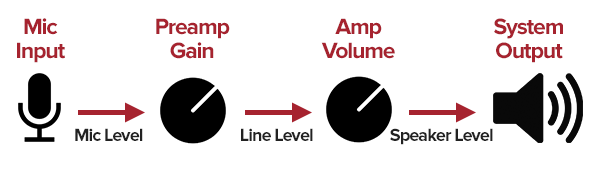
The analog signal is amplified and sent to a speaker.
The speaker converts the analog signal into sound waves that can be heard by the human ear.
Factors That Affect Audio Quality
There are a number of factors that can affect the quality of audio that is decoded from an audio file. Some of the most important factors include:
Sample rate: The sample rate is the number of times per second that the audio data is sampled. Higher sample rates result in better sound quality, but they also result in larger file sizes.
Bit depth: The bit depth is the number of bits used to represent each sample of audio data. Higher bit depths result in better sound quality, but they also result in larger file sizes.
Compression: Audio files can be compressed to reduce their file size. However, compression can also reduce sound quality.
Final Words
Decoding audio is a complex process that involves converting digital data into sound waves that can be heard by the human ear. The quality of the audio that is decoded can be affected by a number of factors, including the sample rate, bit depth, and compression of the audio file.
If you are looking for the best possible sound quality, you should use a lossless audio format such as WAV or FLAC. However, if you need to store or transfer audio files over a network, you should use a lossy audio format such as MP3 or AAC.
Digital Audio Encoding is the process of converting an analog audio signal into a digital format, which can be stored, processed, and transmitted electronically. It involves the use of an Analog-to-Digital Converter (ADC) to sample and quantize the analog audio waveform into a series of binary numbers that can be interpreted by a digital device. The resulting digital audio data can then be compressed, processed, and transmitted over various digital platforms, such as the internet, CDs, DVDs, and other digital storage devices.
The Importance of Digital Audio Encoding
Digital Audio Encoding has revolutionized the way we consume and produce audio content. It has made it possible to store, edit, and transmit high-quality audio content with minimal loss of quality. Some of the benefits of digital audio encoding include:
Improved sound quality: Digital audio encoding allows for high-quality audio content that is free from the distortions and noise associated with analog audio.
Easy storage and transfer: Digital audio files can be easily stored and transferred over various digital platforms with minimal loss of quality.
Efficient compression: Digital audio files can be compressed into smaller file sizes without significant loss of quality, making it easier to store and transfer large audio files.
Greater accessibility: Digital audio content can be easily accessed over various digital platforms, including the internet, mobile devices, and other digital devices.
The Digital Audio Encoding Process
The Digital Audio Encoding process involves several steps, which include:
Sampling: The analog audio waveform is sampled at regular intervals using an Analog-to-Digital Converter (ADC).
Quantization: The sampled waveform is quantized, i.e., each sample is assigned a binary number that represents its amplitude value.
Encoding: The quantized samples are encoded into a digital format, such as WAV, MP3, or AAC.
Compression: The encoded digital audio file can be compressed using lossy or lossless compression algorithms to reduce its file size.
Lossy vs. Lossless Audio Compression
Lossy and lossless audio compression are two types of compression algorithms used in digital audio encoding. Lossy compression algorithms compress audio files by removing data that is deemed unnecessary or redundant. This results in a smaller file size but may result in a loss of audio quality. Lossless compression algorithms, on the other hand, compress audio files without any loss of quality. This results in a larger file size but maintains the original audio quality.
Bitrate and its Importance in Digital Audio Encoding
Bitrate is a measure of the amount of data used to represent each second of digital audio. It is measured in bits per second (bps) or kilobits per second (kbps). The bitrate of a digital audio file has a significant impact on its quality and file size. Higher bitrates result in higher quality audio files but also larger file sizes. Lower bitrates result in smaller file sizes but may result in a loss of audio quality.
Common Digital Audio Formats
There are several digital audio formats used in digital audio encoding, including:
WAV: WAV is a lossless audio format that is commonly used for storing high-quality audio content.
MP3: MP3 is a lossy audio format that is commonly used for compressing and storing digital audio files for playback on various digital devices.
AAC: AAC is a lossy audio format that is commonly used for compressing and streaming digital audio content over the internet.
FLAC: FLAC is a lossless audio format that is commonly used for storing high-quality audio content, similar to WAV.
Challenges in Digital Audio Encoding
Despite the many benefits of digital audio encoding, there are several challenges that must be addressed to ensure optimal audio quality. These challenges include:
Sampling rate limitations: The sampling rate of an ADC can affect the accuracy of the digital audio representation. Higher sampling rates generally result in higher accuracy, but also require larger file sizes.
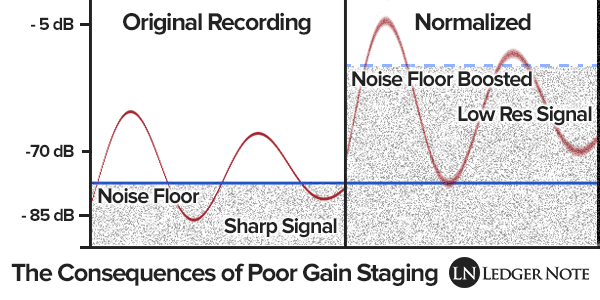
Bit depth limitations: The bit depth of an ADC can affect the dynamic range and noise floor of the digital audio representation. Higher bit depths generally result in higher accuracy, but also require larger file sizes.
Compression artifacts: Lossy compression algorithms can introduce compression artifacts, such as distortion and noise, which can degrade audio quality.
Future Developments in Digital Audio Encoding
Digital Audio Encoding is an ever-evolving field, with ongoing developments aimed at improving audio quality, reducing file sizes, and enhancing accessibility. Some of the latest developments include:
High-resolution audio: High-resolution audio formats, such as MQA and DSD, offer even higher audio quality than standard digital audio formats.
Immersive audio: Immersive audio formats, such as Dolby Atmos and DTS:X, offer a more immersive listening experience by incorporating height and surround sound elements.
Object-based audio: Object-based audio formats, such as MPEG-H 3D Audio, offer greater flexibility in audio content creation and delivery by enabling individual audio objects to be separately mixed and streamed.
FAQs
1. What is digital audio encoding?
Digital audio encoding is the process of converting an analog audio signal into a digital format, which can be stored, processed, and transmitted electronically.
2. Why is digital audio encoding important?
Digital audio encoding has revolutionized the way we consume and produce audio content by providing improved sound quality, easy storage and transfer, efficient compression, and greater accessibility.
3. What are some common digital audio formats?
Some common digital audio formats include WAV, MP3, AAC, and FLAC.
4. What is the difference between lossy and lossless audio compression?
Lossy compression algorithms compress audio files by removing data that is deemed unnecessary or redundant, resulting in a smaller file size but may result in a loss of audio quality. Lossless compression algorithms compress audio files without any loss of quality, resulting in a larger file size but maintaining the original audio quality.
5. What is bitrate and why is it important in digital audio encoding?
Bitrate is a measure of the amount of data used to represent each second of digital audio. It is important in digital audio encoding because it has a significant impact on audio quality and file size.
6. What are some challenges in digital audio encoding?
Some challenges in digital audio encoding include sampling rate limitations, bit depth limitations, and compression artifacts.
7. What are some future developments in digital audio encoding?
Some future developments in digital audio encoding include high-resolution audio, immersive audio, and object-based audio.
8. What is the difference between a lossy and lossless audio format?
Lossy audio formats use compression algorithms to reduce file size, sacrificing some audio quality in the process. Lossless audio formats, on the other hand, use compression algorithms that do not compromise audio quality, resulting in larger file sizes.
9. What is a sampling rate and how does it affect audio quality?
A sampling rate is the number of times per second that an analog audio signal is measured and converted into a digital signal. The higher the sampling rate, the more accurately the digital signal represents the original analog signal, resulting in higher audio quality. However, higher sampling rates also require larger file sizes and more processing power.
10. What is bit depth and how does it affect audio quality?
Bit depth refers to the number of bits used to represent each audio sample in a digital audio file. A higher bit depth allows for a greater dynamic range and lower noise floor, resulting in higher audio quality. However, higher bit depths also require larger file sizes and more processing power.
11. What is lossless compression?
Lossless compression is a compression algorithm that reduces the size of a digital audio file without sacrificing any audio quality. This is achieved by identifying and removing redundant or unnecessary data in the audio file.
12. What is immersive audio and how does it enhance the listening experience?
Immersive audio is an audio format that uses spatial sound technology to create a more immersive listening experience. This is achieved by incorporating height and surround sound elements, which create a more three-dimensional soundstage. This allows for a more realistic and engaging listening experience, especially when combined with a surround sound system.
Conclusion
Digital audio encoding has revolutionized the way we produce and consume audio content, providing improved sound quality, easy storage and transfer, efficient compression, and greater accessibility. While there are some challenges to overcome, ongoing developments in high-resolution, immersive, and object-based audio formats promise to further enhance the digital audio experience.
References
Bosi, M., & Goldberg, R. (2012). Introduction to digital audio coding and standards. Springer Science & Business Media.
Thompson, J. (2013). Understanding digital audio. Focal Press.
The Ultimate Guide to High-Quality Audio and Video: Benefits and Technical Insights
High-Quality Audio and Video
Introduction
High-Quality Audio and Video
High-quality audio and video are becoming increasingly important in today’s world, especially for professionals and geeks who appreciate a premium experience. In this guide, we will explore the benefits of high-quality audio and video and delve into the technical aspects that make it possible. From bitrate and samplerate to resolution and codecs, we’ll cover everything you need to know to get the most out of your audio and video content.
Audio Quality
Definition of Audio Quality
Audio quality refers to the fidelity of sound reproduction. It is affected by various factors, such as the bitrate, samplerate, and audio format. Higher-quality audio has a higher bitrate, which means more data is transmitted per second. A higher samplerate means that more samples of the audio signal are captured per second, resulting in a more accurate representation of the original sound.
Lossy vs. Lossless Audio Formats
Lossy audio formats, such as MP3, compress the audio signal to reduce file size. This compression results in some loss of audio quality. Lossless audio formats, such as FLAC, retain all the original audio data, resulting in better sound quality. However, lossless audio files are larger in size than lossy files.
Optimizing Audio Quality
Optimizing audio quality depends on the purpose of the content. For music production, a higher-quality audio format is recommended, such as WAV or AIFF. For video production, a high-quality compressed audio format, such as AAC, is suitable. Streaming services usually use lossy audio formats, such as MP3 or AAC, to reduce bandwidth usage. However, lossless formats are recommended for critical listening applications, such as audiophile music playback.
Examples of High-Quality Audio and Their Benefits
Some examples of high-quality audio include studio master recordings, high-resolution audio files, and audiophile-grade equipment. High-quality audio provides better sound clarity, dynamics, and realism, resulting in a more immersive listening experience.
Video Quality
Definition of Video Quality
Video quality refers to the resolution, framerate, codec, and other technical factors that affect the visual fidelity of a video. Higher-quality video has a higher resolution, which means more pixels are displayed on the screen. A higher framerate means that more frames are displayed per second, resulting in smoother motion. A better codec means that the video signal is compressed more efficiently, resulting in a smaller file size without loss of quality.
Compressed vs. Uncompressed Video Formats
Compressed video formats, such as H.264 or HEVC, use a codec to reduce the size of the video file. Uncompressed video formats, such as RAW, retain all the original video data, resulting in better visual quality. However, uncompressed video files are larger in size than compressed files.
Optimizing Video Quality
Optimizing video quality depends on the intended use of the content. For streaming services, a compressed video format, such as H.264 or VP9, is recommended to reduce bandwidth usage. For video editing and post-production, an uncompressed or lightly compressed format, such as ProRes or DNxHR, is suitable. High-resolution video is recommended for critical viewing applications, such as film production or gaming.
Examples of High-Quality Video and Their Benefits
Some examples of high-quality video include 4K Ultra HD, HDR (High Dynamic Range), and high frame rate (HFR) video. High-quality video provides better visual clarity, color accuracy, and motion detail, resulting in a more immersive viewing experience.
Benefits of High-Quality Audio and Video
Improved User Experience
High-quality audio and video provide a more immersive and engaging experience for the user. The higher fidelity and realism result in a more enjoyable and satisfying experience.
Increased Brand Value
High-quality audio and video can increase the perceived value of a brand. Companies that prioritize high-quality content demonstrate a commitment to excellence and attention to detail, which can enhance their reputation and brand loyalty.
Better Communication
Clear and high-quality audio and video are essential for effective communication. High-quality video conferencing, for example, can improve the productivity and effectiveness of remote meetings, allowing participants to communicate more clearly and efficiently.
Technical Insights
Understanding the technical aspects of high-quality audio and video can help professionals and enthusiasts optimize their content and equipment. Knowing the optimal bitrate, samplerate, resolution, and codec for different applications can result in better quality and efficiency.
Conclusion
High-quality audio and video are essential components of modern content creation and consumption. Understanding the technical aspects of audio and video quality can help professionals and enthusiasts optimize their content and equipment, resulting in better quality and efficiency. Whether for music production, video editing, or critical listening and viewing, high-quality audio and video provide numerous benefits and enhance the user experience.
🕦 If you enter a non-zero value in this field, the Set Gain To value automatically updates to reflect the actual gain value applied to the clip.
The normalized maximum peak is 0.0 dB by default. The user can set this value to any value below 0.0 dB. this option
Built-in microphone gain adjustment is standard. It will not switch off due to excessive sound. Possibly self-excited. But you can adjust the output setting of the wireless microphone receiver to achieve a good microphone volume position.
What does gain adjustment mean?
Yes, if the gain setting has a large deviation, it will cause the servo motor to run and then strange alarms such as overload, overcurrent or encoder error. In general this should not be the case with auto-adjusted gains, check the load first
4. Often you can not hear the distortion, unless the intermodulation distortion and the like burst above 1%, then there will be a significant difference in the sense of hearing. 5. Combined push and gain
How much is the speed loop gain generally set?
The same goes for amplifiers, the output level of the audio source is high, the gain needs to be reduced and vice versa. Real sense of hearing, if the gain is too large, it will be harsh, and if the gain is too low, it will be soft and dynamic.
What happens when position gain is increased?
In most cases, the size of the gain has nothing to do with the maximum output power, because the amplifier designer always guarantees that the size of the gain can be amplified.
4. Often you can not hear the distortion, unless the intermodulation distortion and the like burst above 1%, then there will be a significant difference in the sense of hearing. 5. Combined push and gain
How much is the best power amp gain db setting?
The reasons for the sound distortion, (1) the power is too large and exceeds the gain range of the power amplifier, or the speaker power (2) the limiting is not well done, the limit is too much, or the limiting is eliminated the top. Also note the range of data types: int, char, overflow. . . 8. one
Tags for this article:
What does gain adjustment mean? How much is the speed loop gain generally set? What does audio gain mean? What happens when position gain is increased? How much is the best power amp gain db setting? what is gain adjustment What does gain adjustment mean?
Does activating the volume gain affect the sound quality?
🕦 I recently found some claims about the gain and sound quality of headphones on the internet.
Bottom line: the lower the gain setting, the higher the volume setting, the better the effect.
It will not affect within a certain range, but it will affect the sound quality, or sound or distortion.
The difference between the gain level of the preamplifier
Yes, the effect of this gain of different sizes will be different and it is better to adjust it appropriately. Check the interface, if it is connected correctly, the microphone is connected to the pink connector of the computer, and it must be connected correctly. Check the microphone sound on the machine
But Mr. Yang said that the DPI gain does not affect the sound quality. It has not yet been concluded that the actual test after the product is available.
What happens when the gain is increased?
Practice has shown that high gain cannot be heard for a long time.
Let me explain the relationship between gain and amplifier impedance for myself. You think of the amp as a reservoir. The impedance is the power generation in the reservoir.
The effect of phono amplifier gain on sound quality
1. The power amplifier volume control potentiometer is always set to the maximum position, the backing music and microphone branch fader on the mixer should be set to 0dB, the gain of each branch GAIN input on the mixer must be placed in the adjusted position; mixer master volume fader first
Reproduction gain impairs sound quality
But Mr. Yang said that the DPI gain does not affect the sound quality. It has not yet been concluded that the actual test after the product is available.
Tags for this article:The difference between the preamp gain level What happens when the gain is increased? Shanling high gain and low gain The effect of phono amplifier gain on sound quality Reproduction gain harms sound quality How much is the best power amplifier gain db setting? hi-fi player gain setting
🕦 I think it is good to set it between 93-95, it is better to set it to 94db, because this can not only guarantee the sound quality, but also the volume.
If your player can set the sound to be loud, I still recommend you Set it to 89db
You can use this value as a reference to adjust the gain. Audio Gain Select one of the following options and set its value: Set the gain to the default value of 0.0 dB. This option allows the user to set the gain to a specific value. The value is always updated to the current gain, i.e.
Does turning gain on affect sound quality?
The dB of an equalizer means decibels. The +10dB, -6d, etc. of the equalizer refer to the decibel of the corresponding frequency band, that is, the volume of each frequency band can be adjusted. The decibels +10dB and -6d of the equalizer are also negative.
What happens when the gain is increased?
The dB gain ratio, as well as the detailed explanation of dBw-dBmv, etc. dB decibel (engineering application), dB (decibel, decibel) is a pure counting unit, the original intention is to express the ratio of two quantities, there is not a unit. It is often seen in engineering applications that are seemingly different
In accordance with the characteristics of portable products, this product adopts a unique system design based on CMOS technology, using PWM modulation technology, differential input and differential output structure to make the output end almost completely symmetrical with no signal input. audio signal, and the offset voltage is less than 1mV. . in semen
pr audio gain and volume difference
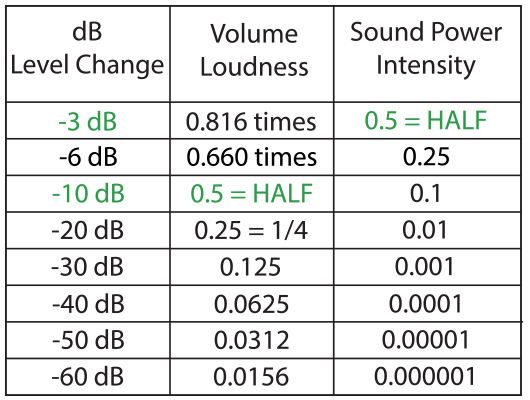
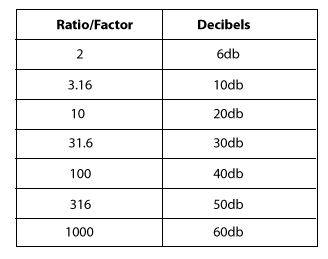
4 In the audio gain setting popup, the currently calculated audio peak is -26.4dB 5 In order for the audio to reach -6dB, we need to increase 20dB, click OK 6 Press the space bar again to play, you can see up to the peak of the audio monitor
The dB of an equalizer means decibels. The +10dB, -6d, etc. of the equalizer refer to the decibel of the corresponding frequency band, that is, the volume of each frequency band can be adjusted. The decibels +10dB and -6d of the equalizer are also negative.
How to adjust audio gain
First do a level adjustment. The audio card outputs a 1kHz -1dB FS test signal. The direct right channel uses the audio interface with its own mic preamp and the mic preamp gain is set to 30dB. The gain of the left channel of the DM1 series is adjusted so that its input level is the same as that of the right channel. At this time, the call will increase