The Evolution of Digital Audio: From CDs to Streaming Platforms
Digital AudioDigital Audio
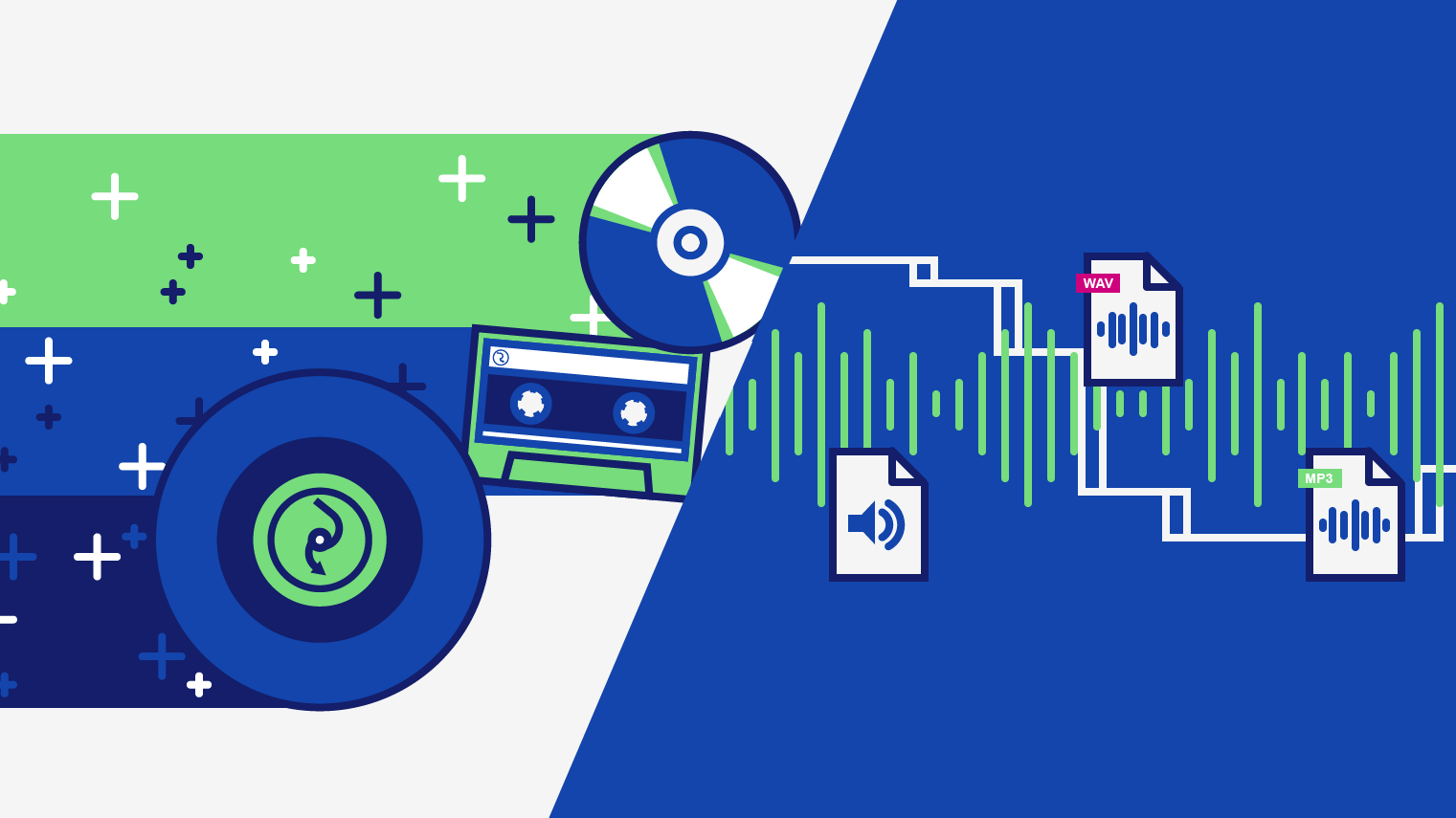
Digital audio has come a long way since its humble beginnings. In the early days, digital audio was stored on cassette tapes and floppy disks, which were both bulky and inconvenient. However, the development of compact discs (CDs) in the 1980s revolutionized the way we listen to music. CDs offered superior sound quality to cassette tapes and were much more durable.
**
The Rise of CDs
The CD quickly became the dominant format for music distribution, and by the early 1990s, it had all but replaced vinyl records. CDs were not only more convenient than cassette tapes, but they also offered better sound quality. This was due to the fact that CDs use a digital format, which means that the sound is stored as a series of numbers. This is in contrast to analog formats, such as vinyl records, which store sound as a continuous wave.
The digital format of CDs also made it possible to create special features, such as bonus tracks and enhanced albums. These features helped to make CDs more appealing to consumers, and they also helped to drive sales.
**
The Rise of Streaming
In the early 2000s, a new technology began to challenge the dominance of CDs: streaming. Streaming allows users to listen to music online, without having to download or purchase any files. This made music more accessible than ever before, and it also helped to drive down the cost of music.
The rise of streaming has had a major impact on the music industry. CD sales have plummeted, and many record labels have been forced to adapt to the new reality. However, streaming has also created new opportunities for artists, as it has made it easier for them to reach a wider audience.
**
The Future of Digital Audio
It is still too early to say what the future of digital audio will hold. However, it is clear that streaming is here to stay. As streaming technology continues to improve, it is likely that it will become even more popular in the years to come.
In addition to streaming, there are also a number of other digital audio formats that are gaining popularity. These include lossless formats, such as FLAC and ALAC, which offer better sound quality than CDs. There are also a number of new technologies that are being developed, such as 3D audio, which could revolutionize the way we experience music.
**
Final words about the evolution of digital audio
The evolution of digital audio has been a fascinating journey. From the humble beginnings of cassette tapes to the cutting-edge technology of today, digital audio has changed the way we listen to music forever. It will be interesting to see what the future holds for this ever-evolving technology.
I hope this article has given you a better understanding of the evolution of digital audio.
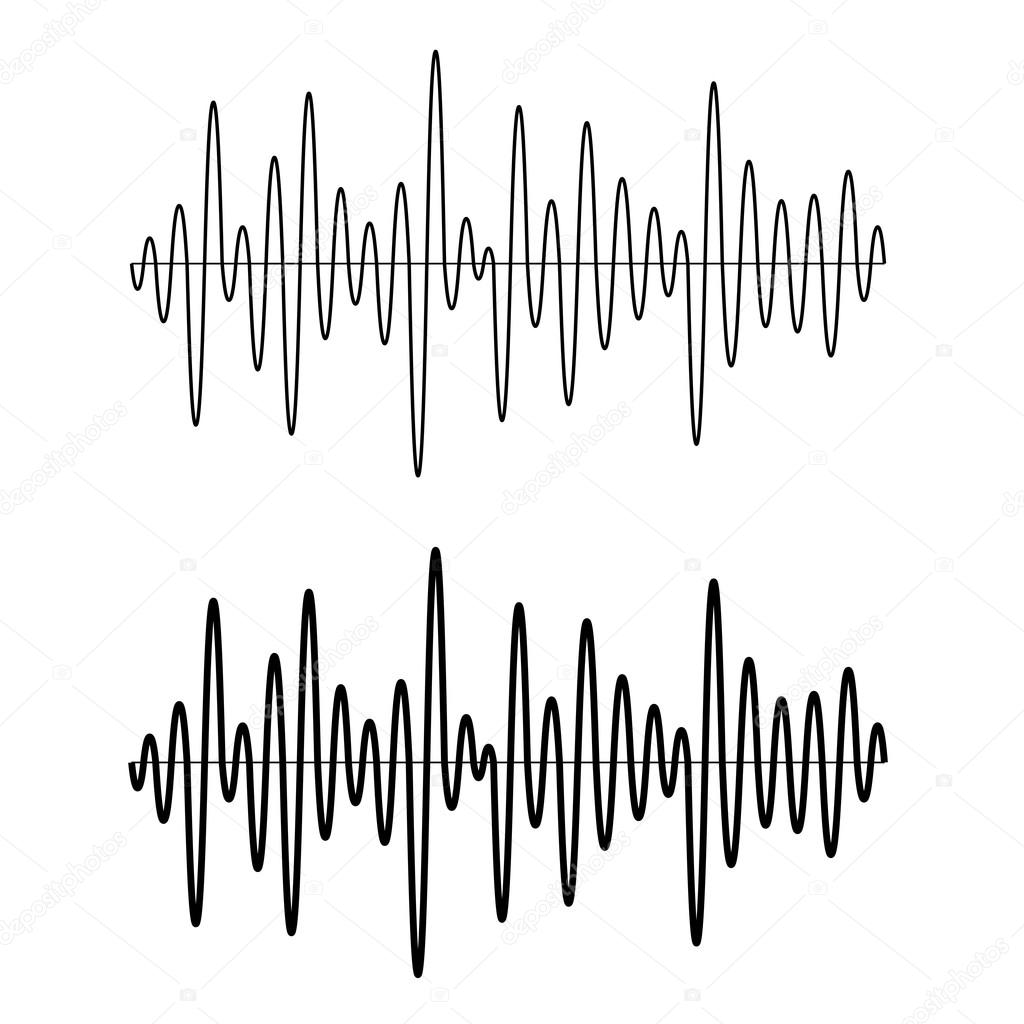
Digital audio is a type of audio recording that uses digital signals to represent sound. This is in contrast to analog audio, which uses continuous waveforms to represent sound.
The Benefits of Digital Audio
Higher Fidelity
Digital audio can be recorded and reproduced with a higher degree of fidelity than analog audio. This means that digital audio can sound more realistic and accurate.
For example, a CD-quality audio file has a sample rate of 44,100 samples per second. This means that the sound is sampled 44,100 times every second. The higher the sample rate, the more accurate the representation of the sound wave.
Efficiency
Digital audio files are more efficient than analog audio files. This means that they take up less space and can be stored and transmitted more easily.
For example, a CD-quality audio file takes up about 650MB of space. This is a relatively small amount of space, especially considering the high quality of the audio.
Durability
Digital audio files are more durable than analog audio recordings. They are less susceptible to damage from scratches, dust, and other factors.
This is because digital audio files are stored as a series of numbers. These numbers are not affected by physical damage to the media on which they are stored.
Flexibility
Digital audio files can be easily edited and manipulated. This makes them ideal for a variety of applications, such as music production, sound design, and video editing.
For example, digital audio files can be easily trimmed, edited, and mixed. This makes it possible to create new and innovative sounds.
The Future of Digital Audio
The future of digital audio is bright. Digital audio is becoming increasingly popular, and it is being used in a wider range of applications.
As digital audio technology continues to develop, we can expect to see even higher quality audio with even greater flexibility. Digital audio is the future of audio, and it is sure to play an important role in our lives for many years to come.
Final Words about the Advantages of Digital Audio
Digital audio offers a number of advantages over analog audio. These advantages include higher fidelity, efficiency, durability, and flexibility. As digital audio technology continues to develop, we can expect to see even greater advantages in the future.
If you are looking for the best possible audio quality, then digital audio is the way to go. Digital audio files are also more efficient and durable than analog audio recordings. And, digital audio files can be easily edited and manipulated, making them ideal for a variety of applications.
So, if you are looking for the best possible audio experience, then digital audio is the way to go.
The World of Digital Audio: Codecs, Formats, and Bitrates
Digital audioDigital audio
Digital audio is a broad term that encompasses a wide variety of audio formats, codecs, and bitrates. In this article, we will take a closer look at these three key concepts and how they impact the quality of digital audio.
Codecs
A codec is a device or program that compresses and decompresses digital data. In the context of digital audio, a codec is used to reduce the size of an audio file without sacrificing too much quality. There are many different codecs available, each with its own strengths and weaknesses. Some of the most popular codecs for digital audio include:
MP3: MP3 is a lossy codec, which means that some of the original audio data is removed during the compression process. This results in a smaller file size, but it also means that the quality of the audio may be slightly reduced.
AAC: AAC is another lossy codec that is similar to MP3. However, AAC is generally considered to be a higher quality codec than MP3.
FLAC: FLAC is a lossless codec, which means that no audio data is removed during the compression process. This results in a larger file size, but it also means that the quality of the audio is preserved.
Formats
A format is a specific way of storing digital audio data. There are many different audio formats available, each with its own advantages and disadvantages. Some of the most popular audio formats include:
WAV: WAV is a lossless format that is commonly used for storing uncompressed audio data. WAV files are typically very large, but they offer the highest possible audio quality.
MP3: MP3 is a lossy format that is commonly used for storing compressed audio data. MP3 files are much smaller than WAV files, but they may not offer the same level of audio quality.
AAC: AAC is another lossy format that is commonly used for storing compressed audio data. AAC files are typically smaller than MP3 files, and they may offer better audio quality.
FLAC: FLAC is a lossless format that is commonly used for storing compressed audio data. FLAC files are typically smaller than WAV files, but they offer the same level of audio quality.
Bitrates
A bitrate is a measure of the amount of data that is used to represent a digital audio signal. The higher the bitrate, the more data is used, and the higher the quality of the audio. However, higher bitrates also result in larger file sizes.
The optimal bitrate for a digital audio file depends on a number of factors, including the type of audio, the intended use of the file, and the capabilities of the playback device. For example, a high-quality audio file that is intended to be played on a high-end audio system may require a bitrate of 320 kbps or higher. However, an audio file that is intended to be played on a mobile device may only require a bitrate of 128 kbps or lower.
Conclusion
Digital audio is a complex topic, but it is important to understand the basics if you want to get the most out of your digital audio files. By understanding codecs, formats, and bitrates, you can choose the right audio files for your needs and ensure that you are always getting the best possible audio quality.
Here are some additional tips for choosing and using digital audio files:
Choose the right codec for your needs. If you need the highest possible audio quality, choose a lossless codec such as FLAC. If you are looking for a smaller file size, choose a lossy codec such as MP3 or AAC.
Choose the right format for your needs. If you need to store uncompressed audio data, choose a lossless format such as WAV. If you are looking for a smaller file size, choose a lossy format such as MP3 or AAC.
Choose the right bitrate for your needs. The higher the bitrate, the higher the quality of the audio. However, higher bitrates also result in larger file sizes.
Use a high-quality audio player. A good audio player will be able to reproduce the full range of frequencies and dynamics in your digital audio files.
Listen to your audio files in a quiet environment. This will help you to appreciate the full quality of the audio.
Audio signal processing is the process of manipulating digital audio signals. This can be done for a variety of purposes, such as noise reduction, equalization, and compression.
Here are some of the most common digital audio signal processing techniques:
Noise reduction: This technique is used to remove unwanted noise from an audio signal. This can be done using a variety of methods, such as averaging, filtering, and time-domain adaptive filtering.
Equalization: This technique is used to adjust the frequency response of an audio signal. This can be done to improve the sound quality of an audio signal, or to match the frequency response of a speaker system.
Compression: This technique is used to reduce the dynamic range of an audio signal. This can be done to make an audio signal louder, or to save space when storing an audio file.
Digital audio signal processing is a complex and ever-evolving field. However, the basic principles are relatively simple to understand.
Here are some of the most important concepts in digital audio signal processing:
Sampling: This is the process of converting an analog audio signal into a digital signal. This is done by taking a series of measurements of the analog signal at regular intervals.
Quantization: This is the process of rounding the digital values to a finite number of bits. This is done to reduce the amount of data that needs to be stored or transmitted.
Filtering: This is the process of removing unwanted components from an audio signal. This can be done using a variety of methods, such as FIR filters, IIR filters, and wavelet transforms.
Enhancement: This is the process of improving the quality of an audio signal. This can be done using a variety of methods, such as noise reduction, equalization, and compression.
Digital audio signal processing is a powerful tool that can be used to improve the sound quality of audio recordings. It can also be used to create new and exciting sounds.
If you are interested in learning more about digital audio signal processing, there are many resources available online and in libraries.
Frequently Asked Questions
Here are some of the most frequently asked questions about digital audio signal processing:
What is the difference between analog and digital audio?
Analog audio is a continuous signal, while digital audio is a discrete signal. This means that analog audio values can take on any value within a given range, while digital audio values can only take on a finite number of values.
Why is digital audio better than analog audio?
Digital audio is not necessarily better than analog audio. However, digital audio has some advantages over analog audio, such as:
It is less susceptible to noise.
It can be easily stored and transmitted.
It can be easily manipulated using digital audio signal processing techniques.
What are the different types of digital audio formats?
There are many different types of digital audio formats. Some of the most common formats include:
WAV: This is a lossless format that is commonly used for storing uncompressed audio.
MP3: This is a lossy format that is commonly used for storing compressed audio.
AAC: This is another lossy format that is commonly used for storing compressed audio.
FLAC: This is a lossless format that is commonly used for storing high-quality audio.
What are the different types of digital audio signal processing techniques?
There are many different types of digital audio signal processing techniques. Some of the most common techniques include:
Noise reduction: This technique is used to remove unwanted noise from an audio signal.
Equalization: This technique is used to adjust the frequency response of an audio signal.
Compression: This technique is used to reduce the dynamic range of an audio signal.
Enhancement: This is the process of improving the quality of an audio signal.
Conclusion
Digital audio signal processing is a powerful tool that can be used to improve the sound quality of audio recordings. It can also be used to create new and exciting sounds.
If you are interested in learning more about digital audio signal processing, there are many resources available online and in libraries.
Have you ever wondered how digital audio works? How can a computer store and play back sound, which is a continuous wave? The answer lies in digital audio, which is a way of representing sound as data.
In digital audio, sound is sampled at regular intervals. This means that the computer takes a snapshot of the sound wave at a certain point in time, and then stores that snapshot as data. The more frequently the sound is sampled, the more accurate the digital representation of the sound will be.
Once the sound has been sampled, it can be stored on a computer or other digital device. When the sound is played back, the computer reads the data and uses it to recreate the original sound wave.
Digital audio has many advantages over analog audio, which is the traditional way of storing and playing back sound. Digital audio is more accurate, it can be stored in smaller files, and it is less susceptible to noise and distortion.
Digital audio is also more versatile than analog audio. It can be easily edited, mixed, and mastered. It can also be stored and played back on a variety of devices, including computers, smartphones, and MP3 players.
How Digital Audio Works
Here is a more detailed explanation of how digital audio works:
The sound wave is first converted into an electrical signal. This is done by a microphone.
The electrical signal is then sampled at regular intervals. This is done by an analog-to-digital converter (ADC).
The samples are then stored as data. This can be done on a computer, a hard drive, or a CD.
When the sound is played back, the data is read from the storage device and converted back into an electrical signal. This is done by a digital-to-analog converter (DAC).
The electrical signal is then amplified and sent to a speaker.
The speaker converts the electrical signal back into sound waves, which are then audible to the listener.
The Benefits of Digital Audio
There are many benefits to using digital audio. Some of the most important benefits include:
Accuracy: Digital audio is more accurate than analog audio. This is because the sound is sampled at regular intervals, which ensures that the data is a true representation of the original sound wave.
Size: Digital audio files are much smaller than analog audio files. This is because the data is stored in a compressed format.
Versatility: Digital audio is more versatile than analog audio. It can be easily edited, mixed, and mastered. It can also be stored and played back on a variety of devices.
The Future of Digital Audio
Digital audio is the future of sound recording and playback. It is more accurate, smaller, and more versatile than analog audio. As technology continues to evolve, digital audio will become even more popular.
Conclusion
Digital audio is a powerful technology that has revolutionized the way we listen to music. It is more accurate, smaller, and more versatile than analog audio. As technology continues to evolve, digital audio will become even more popular.
Digital Audio Encoding is the process of converting an analog audio signal into a digital format, which can be stored, processed, and transmitted electronically. It involves the use of an Analog-to-Digital Converter (ADC) to sample and quantize the analog audio waveform into a series of binary numbers that can be interpreted by a digital device. The resulting digital audio data can then be compressed, processed, and transmitted over various digital platforms, such as the internet, CDs, DVDs, and other digital storage devices.
The Importance of Digital Audio Encoding
Digital Audio Encoding has revolutionized the way we consume and produce audio content. It has made it possible to store, edit, and transmit high-quality audio content with minimal loss of quality. Some of the benefits of digital audio encoding include:
Improved sound quality: Digital audio encoding allows for high-quality audio content that is free from the distortions and noise associated with analog audio.
Easy storage and transfer: Digital audio files can be easily stored and transferred over various digital platforms with minimal loss of quality.
Efficient compression: Digital audio files can be compressed into smaller file sizes without significant loss of quality, making it easier to store and transfer large audio files.
Greater accessibility: Digital audio content can be easily accessed over various digital platforms, including the internet, mobile devices, and other digital devices.
The Digital Audio Encoding Process
The Digital Audio Encoding process involves several steps, which include:
Sampling: The analog audio waveform is sampled at regular intervals using an Analog-to-Digital Converter (ADC).
Quantization: The sampled waveform is quantized, i.e., each sample is assigned a binary number that represents its amplitude value.
Encoding: The quantized samples are encoded into a digital format, such as WAV, MP3, or AAC.
Compression: The encoded digital audio file can be compressed using lossy or lossless compression algorithms to reduce its file size.
Lossy vs. Lossless Audio Compression
Lossy and lossless audio compression are two types of compression algorithms used in digital audio encoding. Lossy compression algorithms compress audio files by removing data that is deemed unnecessary or redundant. This results in a smaller file size but may result in a loss of audio quality. Lossless compression algorithms, on the other hand, compress audio files without any loss of quality. This results in a larger file size but maintains the original audio quality.
Bitrate and its Importance in Digital Audio Encoding
Bitrate is a measure of the amount of data used to represent each second of digital audio. It is measured in bits per second (bps) or kilobits per second (kbps). The bitrate of a digital audio file has a significant impact on its quality and file size. Higher bitrates result in higher quality audio files but also larger file sizes. Lower bitrates result in smaller file sizes but may result in a loss of audio quality.
Common Digital Audio Formats
There are several digital audio formats used in digital audio encoding, including:
WAV: WAV is a lossless audio format that is commonly used for storing high-quality audio content.
MP3: MP3 is a lossy audio format that is commonly used for compressing and storing digital audio files for playback on various digital devices.
AAC: AAC is a lossy audio format that is commonly used for compressing and streaming digital audio content over the internet.
FLAC: FLAC is a lossless audio format that is commonly used for storing high-quality audio content, similar to WAV.
Challenges in Digital Audio Encoding
Despite the many benefits of digital audio encoding, there are several challenges that must be addressed to ensure optimal audio quality. These challenges include:
Sampling rate limitations: The sampling rate of an ADC can affect the accuracy of the digital audio representation. Higher sampling rates generally result in higher accuracy, but also require larger file sizes.
Bit depth limitations: The bit depth of an ADC can affect the dynamic range and noise floor of the digital audio representation. Higher bit depths generally result in higher accuracy, but also require larger file sizes.
Compression artifacts: Lossy compression algorithms can introduce compression artifacts, such as distortion and noise, which can degrade audio quality.
Future Developments in Digital Audio Encoding
Digital Audio Encoding is an ever-evolving field, with ongoing developments aimed at improving audio quality, reducing file sizes, and enhancing accessibility. Some of the latest developments include:
High-resolution audio: High-resolution audio formats, such as MQA and DSD, offer even higher audio quality than standard digital audio formats.
Immersive audio: Immersive audio formats, such as Dolby Atmos and DTS:X, offer a more immersive listening experience by incorporating height and surround sound elements.
Object-based audio: Object-based audio formats, such as MPEG-H 3D Audio, offer greater flexibility in audio content creation and delivery by enabling individual audio objects to be separately mixed and streamed.
FAQs
1. What is digital audio encoding?
Digital audio encoding is the process of converting an analog audio signal into a digital format, which can be stored, processed, and transmitted electronically.
2. Why is digital audio encoding important?
Digital audio encoding has revolutionized the way we consume and produce audio content by providing improved sound quality, easy storage and transfer, efficient compression, and greater accessibility.
3. What are some common digital audio formats?
Some common digital audio formats include WAV, MP3, AAC, and FLAC.
4. What is the difference between lossy and lossless audio compression?
Lossy compression algorithms compress audio files by removing data that is deemed unnecessary or redundant, resulting in a smaller file size but may result in a loss of audio quality. Lossless compression algorithms compress audio files without any loss of quality, resulting in a larger file size but maintaining the original audio quality.
5. What is bitrate and why is it important in digital audio encoding?
Bitrate is a measure of the amount of data used to represent each second of digital audio. It is important in digital audio encoding because it has a significant impact on audio quality and file size.
6. What are some challenges in digital audio encoding?
Some challenges in digital audio encoding include sampling rate limitations, bit depth limitations, and compression artifacts.
7. What are some future developments in digital audio encoding?
Some future developments in digital audio encoding include high-resolution audio, immersive audio, and object-based audio.
8. What is the difference between a lossy and lossless audio format?
Lossy audio formats use compression algorithms to reduce file size, sacrificing some audio quality in the process. Lossless audio formats, on the other hand, use compression algorithms that do not compromise audio quality, resulting in larger file sizes.
9. What is a sampling rate and how does it affect audio quality?
A sampling rate is the number of times per second that an analog audio signal is measured and converted into a digital signal. The higher the sampling rate, the more accurately the digital signal represents the original analog signal, resulting in higher audio quality. However, higher sampling rates also require larger file sizes and more processing power.
10. What is bit depth and how does it affect audio quality?
Bit depth refers to the number of bits used to represent each audio sample in a digital audio file. A higher bit depth allows for a greater dynamic range and lower noise floor, resulting in higher audio quality. However, higher bit depths also require larger file sizes and more processing power.
11. What is lossless compression?
Lossless compression is a compression algorithm that reduces the size of a digital audio file without sacrificing any audio quality. This is achieved by identifying and removing redundant or unnecessary data in the audio file.
12. What is immersive audio and how does it enhance the listening experience?
Immersive audio is an audio format that uses spatial sound technology to create a more immersive listening experience. This is achieved by incorporating height and surround sound elements, which create a more three-dimensional soundstage. This allows for a more realistic and engaging listening experience, especially when combined with a surround sound system.
Conclusion
Digital audio encoding has revolutionized the way we produce and consume audio content, providing improved sound quality, easy storage and transfer, efficient compression, and greater accessibility. While there are some challenges to overcome, ongoing developments in high-resolution, immersive, and object-based audio formats promise to further enhance the digital audio experience.
References
Bosi, M., & Goldberg, R. (2012). Introduction to digital audio coding and standards. Springer Science & Business Media.
Thompson, J. (2013). Understanding digital audio. Focal Press.