The Evolution of Digital Audio: From CDs to Streaming Platforms
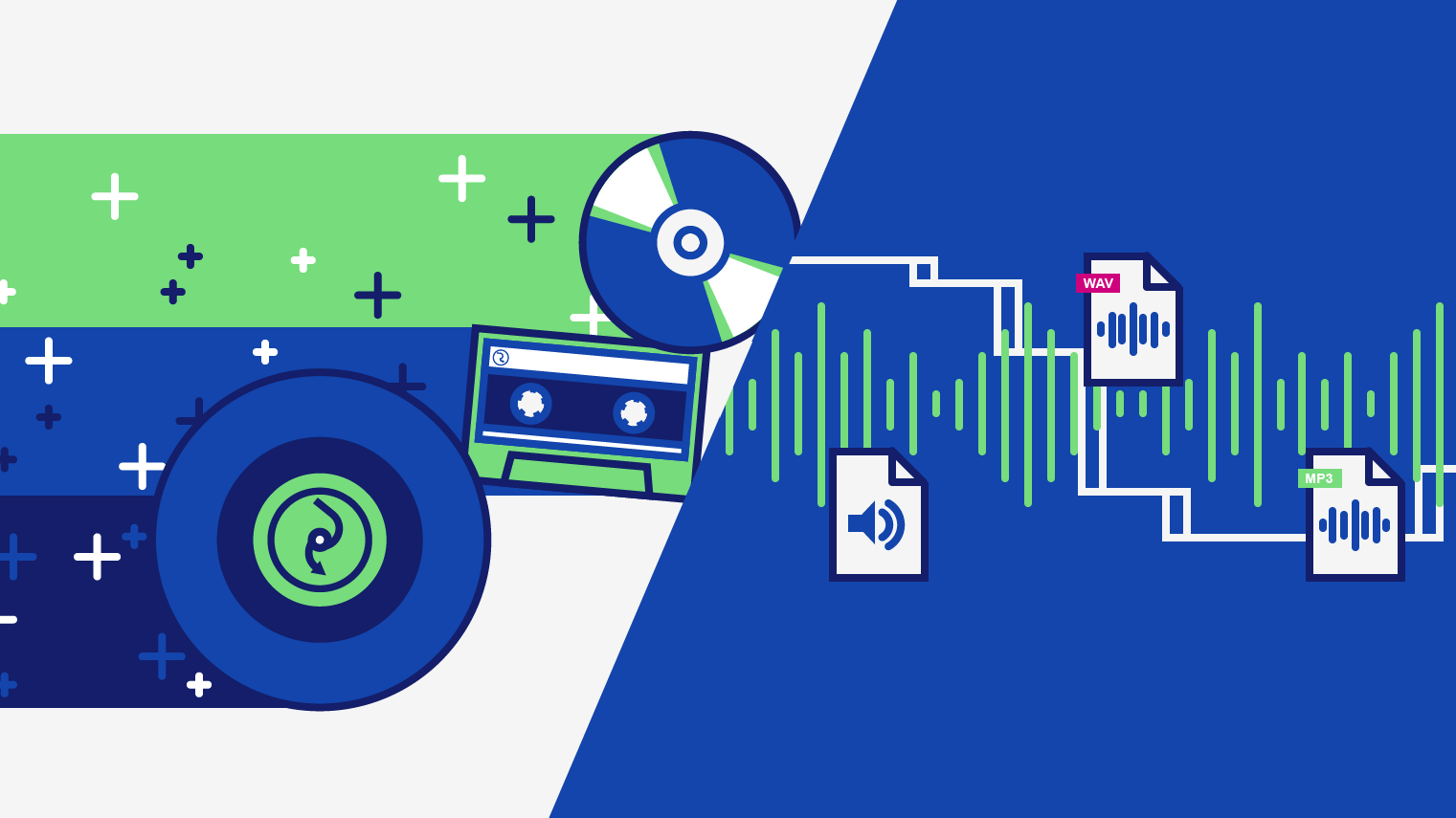
Digital audio has come a long way since its humble beginnings. In the early days, digital audio was stored on cassette tapes and floppy disks, which were both bulky and inconvenient. However, the development of compact discs (CDs) in the 1980s revolutionized the way we listen to music. CDs offered superior sound quality to cassette tapes and were much more durable.
**
The Rise of CDs
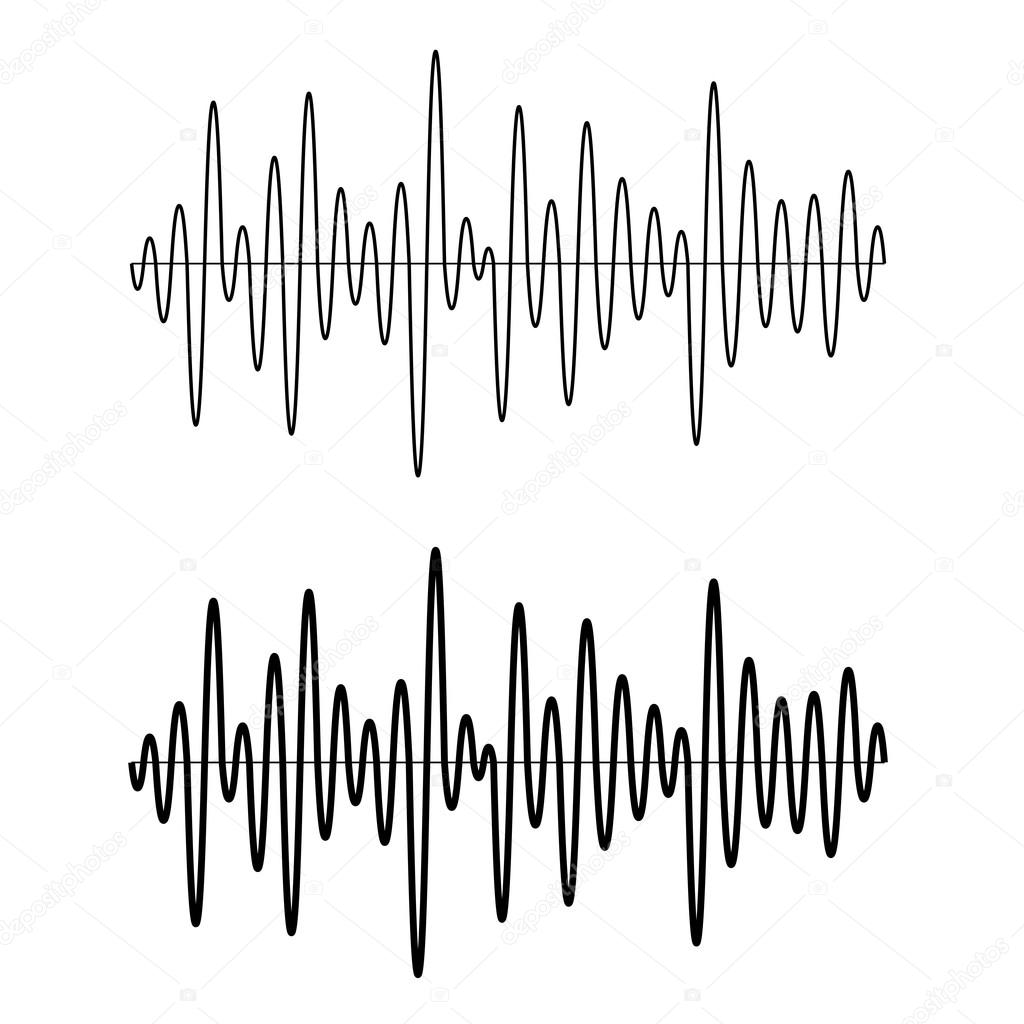
The CD quickly became the dominant format for music distribution, and by the early 1990s, it had all but replaced vinyl records. CDs were not only more convenient than cassette tapes, but they also offered better sound quality. This was due to the fact that CDs use a digital format, which means that the sound is stored as a series of numbers. This is in contrast to analog formats, such as vinyl records, which store sound as a continuous wave.
The digital format of CDs also made it possible to create special features, such as bonus tracks and enhanced albums. These features helped to make CDs more appealing to consumers, and they also helped to drive sales.
**
The Rise of Streaming
In the early 2000s, a new technology began to challenge the dominance of CDs: streaming. Streaming allows users to listen to music online, without having to download or purchase any files. This made music more accessible than ever before, and it also helped to drive down the cost of music.
The rise of streaming has had a major impact on the music industry. CD sales have plummeted, and many record labels have been forced to adapt to the new reality. However, streaming has also created new opportunities for artists, as it has made it easier for them to reach a wider audience.
**
The Future of Digital Audio
It is still too early to say what the future of digital audio will hold. However, it is clear that streaming is here to stay. As streaming technology continues to improve, it is likely that it will become even more popular in the years to come.
In addition to streaming, there are also a number of other digital audio formats that are gaining popularity. These include lossless formats, such as FLAC and ALAC, which offer better sound quality than CDs. There are also a number of new technologies that are being developed, such as 3D audio, which could revolutionize the way we experience music.
**
Final words about the evolution of digital audio
The evolution of digital audio has been a fascinating journey. From the humble beginnings of cassette tapes to the cutting-edge technology of today, digital audio has changed the way we listen to music forever. It will be interesting to see what the future holds for this ever-evolving technology.
I hope this article has given you a better understanding of the evolution of digital audio.