Digital Audio Processing
Digital Audio Processing
In the world of audio technology, Digital Audio Processing stands as a fundamental pillar, shaping the way we interact with sound. From music production to telecommunications, this versatile field plays a crucial role in delivering high-quality audio experiences to users worldwide. In this article, we delve into the depths of Digital Audio Processing, exploring its principles, applications, and the innovative technologies driving its evolution.
The Fundamentals of Digital Audio Processing
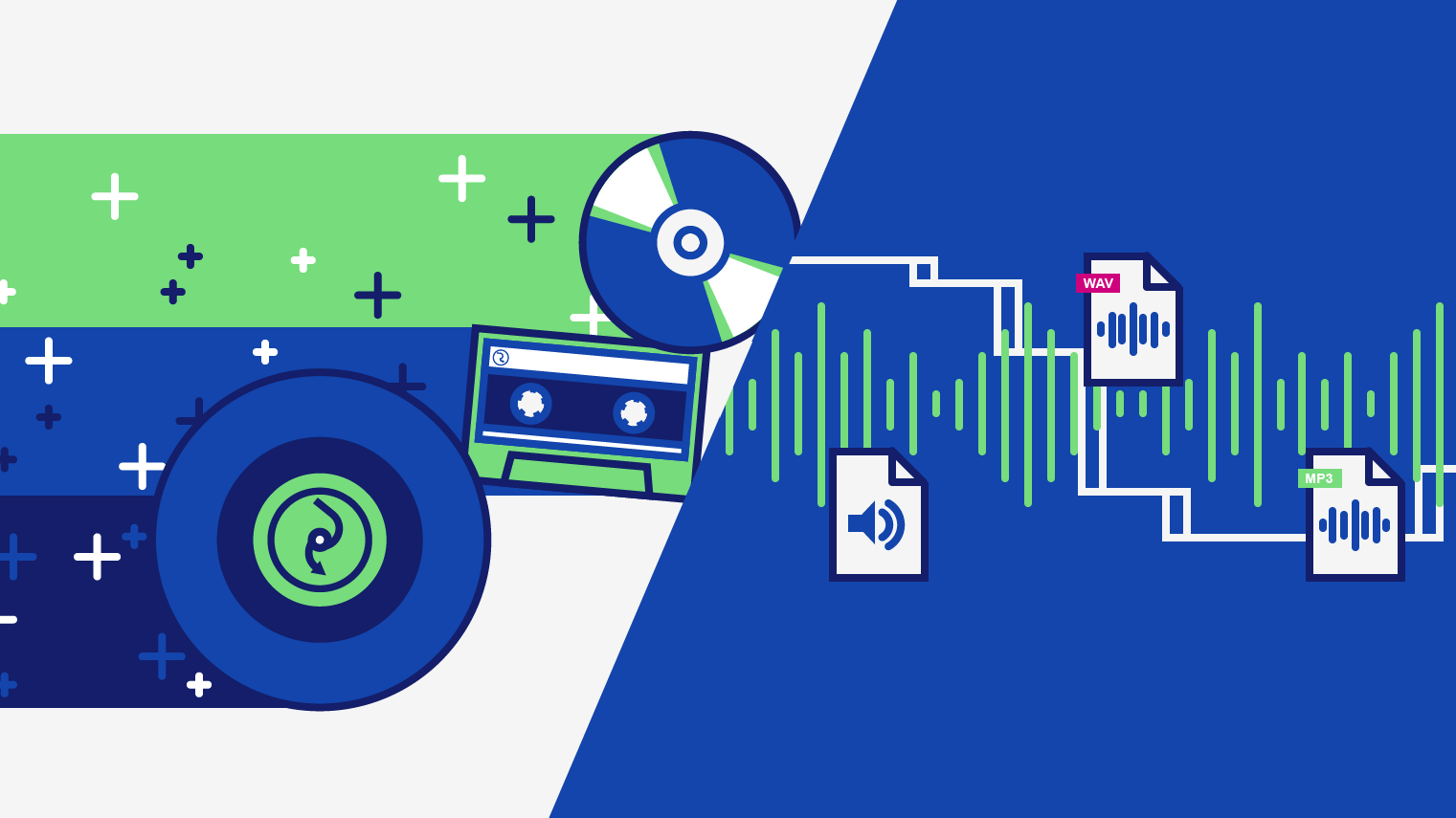
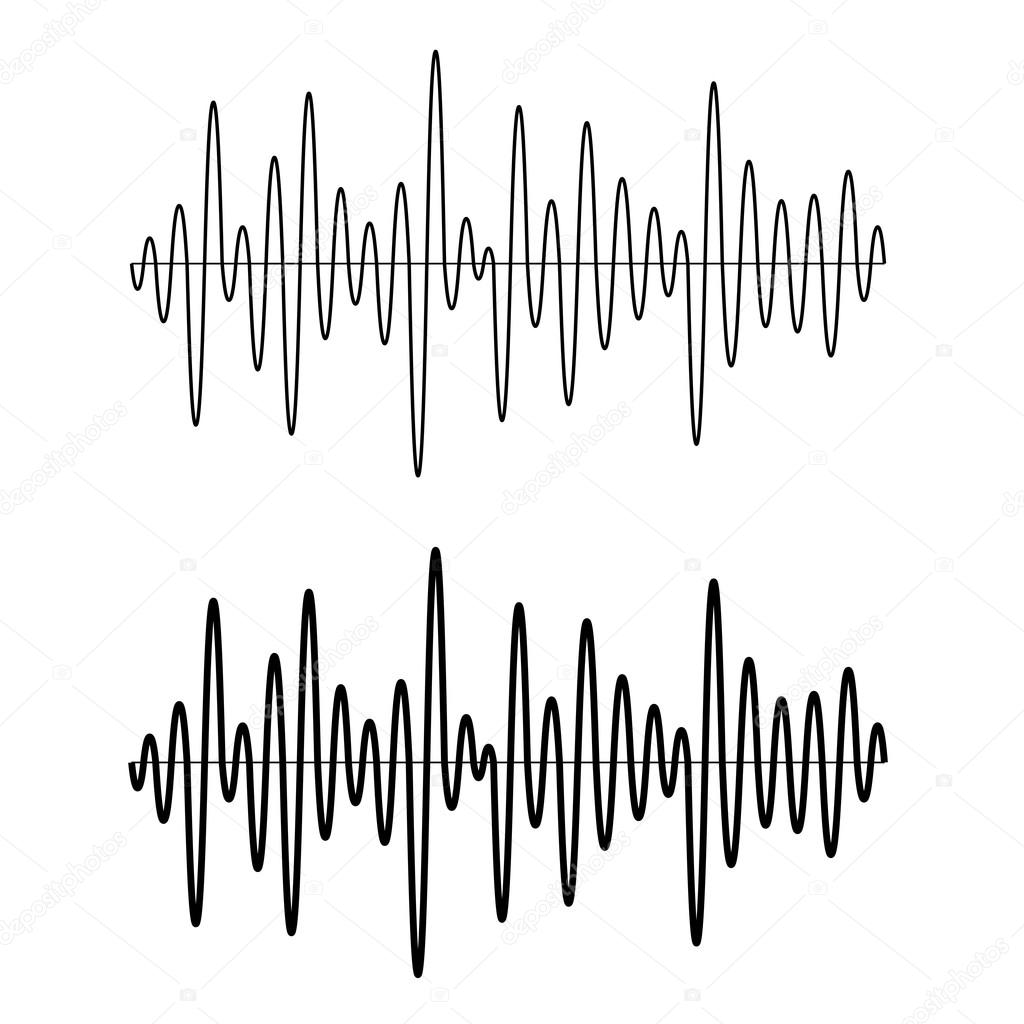
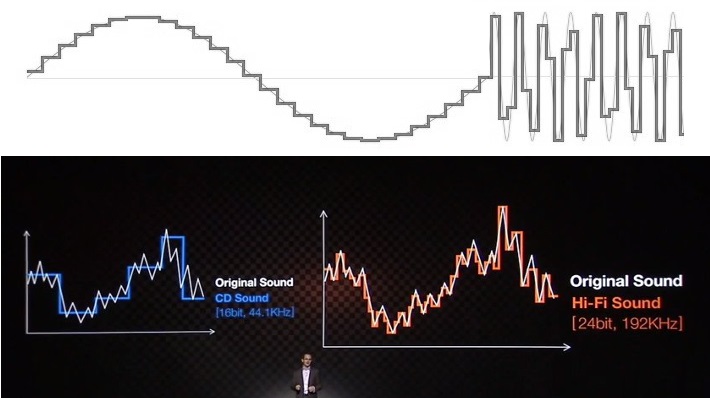
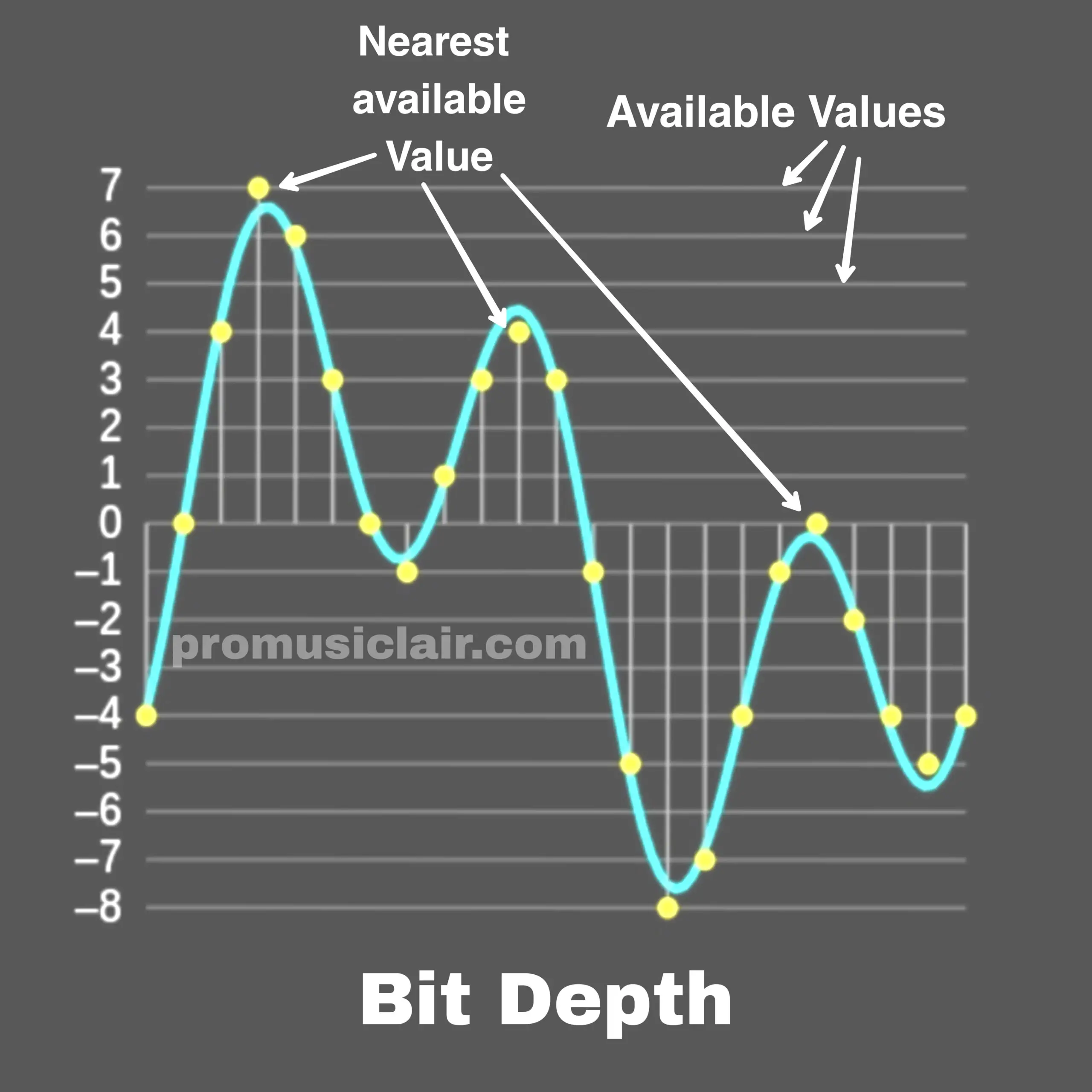
Digital Audio Processing, in its essence, revolves around transforming analog audio signals into digital data, enabling efficient storage, manipulation, and transmission. It involves the use of mathematical algorithms to convert continuous audio waveforms into discrete digital samples. These samples can then be processed and restored back to analog signals at the receiving end, providing a seamless auditory experience.
One of the essential concepts in Digital Audio Processing is the sampling rate, which determines the number of samples taken per second to represent the analog signal accurately. A higher sampling rate results in more precise audio reproduction but demands increased data storage and processing capabilities. Conversely, lower sampling rates may lead to a loss of audio fidelity.
“The science of Digital Audio Processing brings music to life, capturing its essence in a string of zeros and ones.” – Sound Engineering: A Journey into the World of Sound
Applications in Music Production
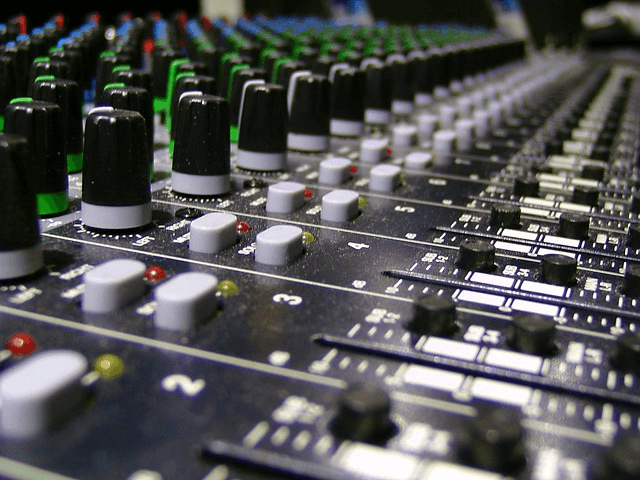
When it comes to the creation and production of music, Digital Audio Processing has revolutionized the entire landscape. In modern recording studios, analog audio equipment has largely been replaced by digital audio workstations (DAWs), allowing musicians and producers to manipulate sound with unprecedented flexibility.
Through the use of Digital Signal Processing (DSP) algorithms, artists can apply various effects, such as reverb, delay, and equalization, to their recordings. Additionally, pitch correction and time-stretching tools have become commonplace, helping achieve flawless performances. This digital revolution has democratized music production, empowering artists to bring their creative visions to life without the need for extravagant studio setups.
“In the digital realm, the possibilities are endless. Every musician now has the power to be a producer, engineer, and composer rolled into one.” – The Digital Audio Handbook
Enhancing Communication with Digital Audio Processing
Beyond music, Digital Audio Processing plays a critical role in enhancing communication across various industries. Telecommunications heavily rely on efficient audio processing techniques to ensure clear voice calls and seamless video conferences. Noise reduction algorithms help eliminate background disturbances, while echo cancellation ensures smooth and echo-free conversations.
Moreover, voice recognition systems, powered by advanced Digital Audio Processing, have become integral to virtual assistants and smart devices. These systems employ techniques like speech-to-text conversion and natural language processing to interpret and respond to user commands accurately. As a result, the way we interact with technology has evolved, making it more intuitive and user-friendly.
“The future of communication lies in harnessing the power of Digital Audio Processing, enabling crystal-clear connections across the globe.” – The Communication Revolution
Advancements and Future Prospects
As technology continues to advance, Digital Audio Processing is poised for further breakthroughs. With the rise of artificial intelligence and machine learning, audio processing algorithms can now adapt and learn from data, leading to even more precise and personalized audio experiences. The integration of 5G networks will enable real-time audio processing, opening up new possibilities for interactive applications.
Moreover, the evolution of virtual reality and augmented reality technologies demands sophisticated audio processing techniques to create immersive soundscapes that complement the visual experience. As we venture deeper into the digital age, Digital Audio Processing will undoubtedly remain at the forefront, shaping the way we perceive and interact with sound in our daily lives.
“Innovation knows no bounds, and the future of Digital Audio Processing promises to unlock a world of sonic wonders yet to be explored.” – The Audio Frontier
Final Words
From the early days of audio digitization to the cutting-edge technologies of today, Digital Audio Processing has consistently pushed the boundaries of what is possible in the world of sound. Its impact spans from music production to telecommunications, revolutionizing the way we experience audio. As we embark on a journey of continued innovation, the future of Digital Audio Processing holds exciting prospects for audio enthusiasts and technology aficionados alike.