
MP3 Decoding Algorithm: Unlocking the Sonic Tapestry of Digital Audio
Let’s Talk about MP3 Decoding Algorithms
As a seasoned specialist in the realm of digital audio, my goal is to navigate the intricate landscape of MP3 decoding algorithms and unveil the hidden complexities that shape our auditory experiences. In this comprehensive exploration, we’ll surpass the conventional understanding and provide you with a deeper insight into the magic that unfolds behind the scenes when you press play on your favorite MP3 track.
The Evolution of MP3 Decoding: From Analog Roots to Digital Brilliance
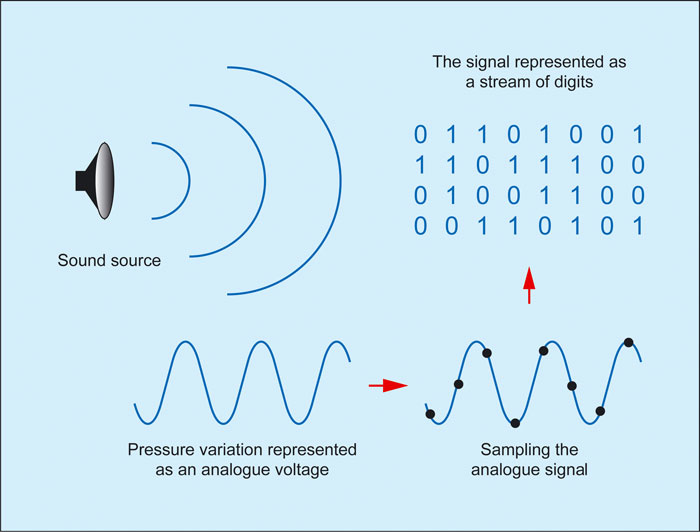
Embarking on a historical journey through the evolution of MP3 decoding, we’ll immerse ourselves in the foundational principles that paved the way for today’s digital audio revolution. Picture the analog roots of sound, akin to the early days of radio waves, and observe how compression algorithms have transformed over time, shaping the way we consume and appreciate music in the digital era.
Deciphering the MP3 File Structure
- Header Information: The Architectural Blueprint of MP3 Files
- Compression Alchemy: Transforming Sonic Richness into Digital Code
- Frequency Domain Analysis: A Symphony of Digital Sound Waves
Imagine an MP3 file as a musical treasure chest, with its header information acting as the architectural blueprint unlocking the secrets within. Dive into the alchemy of compression, where sonic richness is transformed into compact digital code, ensuring efficient storage and transmission. Explore the frequency domain analysis, a symphony of digital sound waves that faithfully reproduces the nuances of the original audio.
The Inner Workings of MP3 Decoding Algorithms
Now, let’s venture deep into the core of MP3 decoding algorithms. Drawing from my extensive experience, I’ll guide you through the intricate processes that orchestrate the symphony of sound when decoding an MP3 file. It’s here that the magic happens, and the digital representation of your favorite music comes to life.
Psychoacoustic Modeling: Sculpting Sound for Human Perception
- Masking Phenomenon: Silencing Unnecessary Frequencies
- Bitrate Ballet: Balancing Quality and File Size with Precision
- Evolution of Enhancements: Codecs, Filters, and Sonic Fidelity
Visualize psychoacoustic modeling as a sculptor meticulously shaping sound waves to match the intricacies of human hearing. The masking phenomenon ensures that unnecessary frequencies remain silent, contributing to the efficiency of MP3 compression. Bitrate becomes the maestro, performing a delicate ballet to balance audio quality and file size. Journey through the evolution of enhancements, from advanced codecs to sophisticated filters, each contributing to the pursuit of sonic fidelity.
The Future Sounds: Innovations in MP3 Decoding
Peering into the crystal ball of the future, I’ll provide insights into the next frontier of MP3 decoding. Explore emerging technologies, potential breakthroughs, and how the landscape of digital audio is poised to evolve. The future promises even more immersive and high-fidelity audio experiences.
Next-Gen Codecs: Beyond the Horizon
- HE-AAC: Pioneering High-Efficiency Advances
- Opus Codec: A Glimpse into the Sonic Future
- Immersive Audio: 3D Soundscapes and Virtual Realities Unleashed
Step into the realm of next-gen codecs like HE-AAC, experiencing pioneering high-efficiency advances that promise superior audio quality. The Opus codec offers a tantalizing glimpse into the future, pushing the boundaries of what we thought possible. Explore the potential of immersive audio, where 3D soundscapes and virtual realities redefine our auditory experiences.
Latest Words on MP3 Decoding
As we reach the crescendo of this exploration, I want to express the thrill of unraveling the secrets behind MP3 decoding algorithms. My extensive experience in the field has allowed me to share insights that go beyond the surface, providing you with a richer understanding of the technology that brings music to your ears.













Comments:
This article opened my eyes to the world of MP3 decoding. The analogy with a musical recipe was genius! Looking forward to more in-depth articles like this.
– AudioExplorer
Great breakdown of psychoacoustic modeling! It’s like tuning the perfect radio station for my ears. More details on emerging codecs would be awesome!
– SoundSculptor
Really informative! Now I understand why my favorite tracks sound so crisp. Can you explore the impact of MP3 decoding on different genres?
– GenreListener
This article sparked my curiosity about the future of audio. Excited to see where MP3 decoding takes us next!
– SonicVisionary
Fascinating read! Would love a more detailed dive into the technical aspects of emerging codecs. Keep up the great work!
– TechAudioEnthusiast
As someone new to the world of MP3 decoding, this article was a perfect introduction. Looking forward to exploring more of your content!
– SonicNovice
This article was a game-changer for my understanding of MP3 decoding. The evolution section was especially enlightening. Kudos!
– SoundEvolutionist
Impressive breakdown! Could you share your thoughts on how MP3 decoding might adapt to the rise of spatial audio?
– AudioExplorer2
Great job explaining complex concepts in an accessible way. The section on psychoacoustic modeling was particularly insightful!
– SonicInsights
This article is a treasure trove of information! I appreciate the historical context and the peek into the future of audio decoding.
– AudioHistoryBuff