MP4 Unknown Secrets


Free Download Mp4Gain
picture

MP4 Unknown Secrets

MP4 Unknown Secrets
MP4 Unknown Secrets

The Hidden World of MP4 Files

When it comes to digital multimedia, the MP4 file format is a household name. Most of us have encountered MP4 files in various contexts, from streaming videos to sharing multimedia on our smartphones. But, do you really know everything about this popular format? In this article, I’m going to unravel the secrets of MP4 files, revealing some fascinating facts that might just surprise you. So, buckle up, and let’s embark on this intriguing journey into the world of MP4 files.

MP4 Unknown Secrets
MP4 Unknown Secrets

The Origins of MP4

Let’s begin by delving into the origins of the MP4 file format. Contrary to popular belief, the MP4 format isn’t as new as it might seem. In fact, it was first standardized back in 2003, and it’s the brainchild of the Moving Picture Experts Group (MPEG). The creation of MP4 was driven by the need for a more versatile and efficient format for storing multimedia content. As technology advanced, the MP4 format evolved to become one of the most widely used formats for video and audio files today.

I like to think of MP4 as the Swiss Army knife of multimedia formats. It’s a container format that can house a variety of multimedia elements, including video, audio, subtitles, and even 3D graphics. So, just like the multifunctional Swiss Army knife, MP4 is adaptable, compact, and capable of handling many tasks with ease.

Codec Secrets: The Heart of MP4

Behind the scenes, one of the most intriguing secrets of MP4 lies in its use of codecs. A codec, short for coder-decoder, is responsible for compressing and decompressing audio and video data. Now, here’s where it gets interesting: MP4 files can use a variety of codecs, depending on the content and the preferences of the content creator. For video, H.264 is the most common codec, offering an excellent balance between quality and compression. However, there’s also the newer and more efficient H.265 codec that’s starting to gain popularity.

On the audio side, AAC (Advanced Audio Coding) is the go-to codec for MP4 files. It provides high-quality sound while keeping file sizes relatively small. But what’s fascinating is that you can also find MP4 files with other audio codecs like MP3 or even FLAC. These choices affect the quality and size of your audio, making it essential to understand which codec is used when working with MP4 files.

MP4’s Versatility: Beyond Video Playback

Most of us associate MP4 files with video playback, but the truth is, these files are far more versatile than that. For instance, did you know that you can use MP4 files to store and share text subtitles? This feature is handy when you want to provide multilingual subtitles for your videos. It’s not just text; MP4 files can also carry metadata like title, author, and copyright information.

Additionally, the MP4 format supports 3D graphics and interactive menus, making it an ideal choice for creating interactive DVDs or Blu-ray discs. Imagine watching a movie with an interactive menu, just like a professional DVD. That’s the magic of MP4’s versatility.

Hidden Metadata: The Information Behind the Scenes

Another fascinating aspect of MP4 files is the metadata they can contain. Metadata is like the digital DNA of your multimedia files. It includes information about the video or audio, such as the title, artist, album, and even cover art. But it goes even further. MP4 files can store information like camera settings, location data, and even copyright details.

Let’s say you’re a photography enthusiast. You can use MP4 files to store not only your images but also information about the camera settings you used to capture those beautiful shots. This metadata can be invaluable for professional photographers who want to document their work in detail.

MP4 vs. MKV: A Format Showdown

While MP4 is undoubtedly versatile and widely used, it’s not the only game in town. Its rival, the MKV (Matroska) format, also has a dedicated following. Both formats offer similar functionalities, but there are key differences to consider.

MP4 files are generally more compatible with a wide range of devices and media players. However, MKV files offer more flexibility in terms of supporting various codecs and features. This leads to a format showdown: which one should you choose for your multimedia needs? I’ll explore this topic in detail later in the article.

Choosing the Right MP4 Player

The secret to a fantastic MP4 experience lies in selecting the right player. While many media players can handle MP4 files, not all are created equal. The right player can enhance your viewing or listening experience, providing you with the best video quality and audio clarity.

For video playback, my personal favorite is VLC Media Player. It’s an open-source, cross-platform player that can handle almost any file format you throw at it, including MP4. When it comes to audio, players like Foobar2000 and Winamp offer excellent audio quality and extensive customization options. These are just a few examples of the wide range of media players available. Finding the one that suits your preferences is key to unlocking the full potential of MP4 files.

Best Practices for Editing MP4 Files

If you’re someone who enjoys creating your multimedia content, knowing how to edit MP4 files is crucial. It’s no secret that video editing can be a complex process, but MP4 makes it a bit easier. Most video editing software, such as Adobe Premiere Pro and Final Cut Pro, fully support the MP4 format. But, here’s a lesser-known secret: some software, like HandBrake, allows you to convert and optimize MP4 files for better quality or smaller sizes. These kinds of editing tricks can be especially handy if you’re working with limited storage space or need to upload videos quickly on the internet.

Going Deeper: MP4 vs. MKV

Now, let’s take a deep dive into the MP4 vs. MKV showdown. Both formats have their unique strengths and weaknesses, and understanding these differences can help you make the right choice for your multimedia needs.

MP4: Universal Compatibility

MP4’s secret weapon is its universal compatibility. Most media players, smartphones, and streaming platforms readily support MP4 files. This means you can play your MP4 videos on almost any device without a hitch. It’s like having a master key that opens every door.

MKV: The Codec Playground

MKV, on the other hand, is the codec playground. It’s known for its flexibility in supporting various codecs and features. If you’re a tech-savvy user who demands the utmost control over your multimedia, MKV might be your format of choice. It’s like a customizable sports car for the video and audio enthusiasts.

Quality and Size Matters

When it comes to quality and file size, MP4 and MKV have their own secrets. MP4 is more efficient when it comes to file size and is known for offering a good balance between quality and compression. MKV, on the other hand, can handle larger file sizes and higher bitrates. If you’re looking to preserve the utmost quality, especially for archival purposes, MKV might be the better choice.

Subtitles and Features

MP4 has the upper hand when it comes to subtitles and interactive features. If you want to add multiple subtitle tracks or create interactive menus, MP4 is your go-to format. MKV, while supporting subtitles and features, can be less straightforward in this regard.

The Verdict

So, who wins the MP4 vs. MKV battle? The answer isn’t one-size-fits-all. It depends on your specific needs. If you prioritize compatibility and easy sharing, MP4 is your secret weapon. However, if you’re a multimedia connoisseur who values total control over your content, MKV is your best-kept secret. Ultimately, the choice between MP4 and MKV comes down to your preferences and how you plan to use the format.

Unlocking the Power of MP4 Metadata

Hidden Gems in MP4 Metadata

As we explored earlier, MP4 files can be treasure troves of metadata. It’s like discovering hidden gems within your multimedia content. Imagine finding out that your favorite music album contains metadata about the recording date, artist, and even the studio where it was recorded. This additional information adds depth and context to your files, making them more valuable.

Editing MP4 Metadata

The good news is that you can edit MP4 metadata to personalize your multimedia collection further. For instance, you can add album artwork, change the title, or input the correct information about your video files. Various software tools, like MP3Tag for Windows or Kid3 for Linux, make editing metadata a breeze.

Metadata for Organization

The true power of MP4 metadata reveals itself when it comes to organization. Whether you’re a filmmaker, music enthusiast, or just a regular media consumer, sorting and searching for content becomes significantly easier when your files are well-organized. Metadata can help you create comprehensive libraries of your multimedia, making it a breeze to find what you’re looking for.

Protecting Your Content

Did you know that metadata can be used to protect your content? Some digital rights management (DRM) systems use metadata to track and manage multimedia files. It can prevent unauthorized distribution and ensure proper copyright attribution. For creators, this is a valuable tool to safeguard their work.

The Future of MP4

HEVC/H.265: The Future of Video Compression

The future of MP4 is closely tied to video compression, and the HEVC (High-Efficiency Video Coding), also known as H.265, is at the forefront. This codec offers better video quality at lower bitrates, making it ideal for streaming and high-resolution content. As technology advances, expect to see more MP4 files encoded with H.265, providing you with even better quality while keeping file sizes manageable.

360-Degree Videos: Immersive MP4 Experiences

The next big secret in the MP4 world is the rise of 360-degree videos. These immersive videos allow you to explore scenes from every angle, providing a truly interactive experience. MP4 files are ideal for delivering 360-degree content, and as virtual reality becomes more mainstream, the demand for such videos is set to skyrocket.

Personalization and AI: Tailoring Your MP4 Experience

AI is making waves in the tech world, and it’s not staying away from MP4 files. The future holds the promise of personalized content experiences, where AI algorithms analyze your preferences and create tailored multimedia playlists. Imagine a video player that knows your taste and suggests the perfect movie or song, all contained within MP4 files.

Conclusion: A World of MP4 Secrets

In conclusion, MP4 files hold a wealth of secrets waiting to be uncovered. From their versatile nature to the hidden gems of metadata, the MP4 format continues to evolve and surprise us. As the digital world progresses, MP4 files are at the forefront, offering endless possibilities for both creators and consumers. So, next time you watch a video or listen to music in the MP4 format, remember the wealth of secrets it carries, and savor the experience.

Comments:

Wow, I had no idea MP4 files could do so much! This article opened my eyes to a whole new world of possibilities. Great job!

I’ve always been a fan of MP4 files, but I never knew about the metadata secrets. Thanks for the insights!

This is fantastic information! But could you go even deeper into editing MP4 files? I’d love to learn more about that.

MP4 vs. MKV – that’s a debate I’ve had with friends for a while. Thanks for shedding light on the pros and cons of both!

MP4 is the way to go for me. It’s just so convenient and compatible with everything I use. Great article!

I’m intrigued by the future of AI in MP4 files. The idea of personalized multimedia playlists sounds amazing!

This article was a great read, but I wish it had delved even deeper into the technical aspects of MP4 compression. Maybe in a future article?

I’ve had some issues with MP4 players in the past. Do you have any recommendations for Mac users?

As a filmmaker, I’ve always been interested in metadata. Thanks for highlighting its importance in organizing our multimedia projects!

MP4 is my go-to format for all my video projects. It’s great to see an article that covers its versatility and potential for the future.

More details on 360-degree videos and how to create them in MP4 would be awesome. Can you explore that in the future?

Thanks for the article, but I’m still confused about when to use MP4 or MKV. Can you provide some specific use cases?


Free Download Mp4Gain
picture


Mp4Gain Main Window
picture


Mp4Gain Features
picture


Free Download Mp4Gain
picture

MP4 louder

MP4 louder

mp4 louder
mp4 louder
mp4 louder
mp4 louder

How can I increase the volume of my MP4 file?

Raising the volume of an MP4 file can be essential for various reasons, such as when you’re playing it in a noisy environment or when the original recording was too soft. The sound embedded in an MP4 file is often in digital format. This means that the audio is represented by a series of numbers, and increasing the volume involves manipulating these numbers.

However, it’s essential to be cautious. Amplifying an audio signal can introduce distortion, especially if increased beyond the file’s original capacity. To avoid damaging the audio quality, it’s always advised to raise the volume gradually and test the output.

The concept is similar to adjusting the volume on a traditional radio, where turning the dial too high can lead to a crackling sound. The difference here is that once an MP4 file’s audio is distorted, the damage is permanent unless you have a backup of the original.


Try Mp4gain to adjust the volume of most audio and video formats.

“Our lives are defined by opportunities, even the ones we miss.” – The Curious Case of Benjamin Button

What methods are there to make an MP4 sound louder?

While there are many tools and software to amplify MP4 files, understanding the underlying methods can be insightful. One popular method is waveform amplification, where the audio’s waveform is visually represented and manually adjusted. This allows for precise control over which parts of the audio get amplified.

Another method involves compressing the audio dynamic range. This doesn’t mean file compression, but rather, it involves narrowing the gap between the loudest and softest parts of the audio. By doing this, the overall volume can be increased without peaking or distorting the loudest parts.

Finally, audio normalization is a process where the loudest peak of the audio is identified, and the whole track is amplified based on that peak. This ensures the loudest parts don’t clip or distort while maximizing volume.

“The things you own end up owning you.” – Fight Club

Are there manual ways to enhance the audio of an MP4?

Yes, aside from software solutions, there are manual methods to enhance MP4 audio. One can use hardware devices, such as amplifiers, to boost the sound. While these methods are external and don’t alter the MP4 file directly, they can be effective for playback on specific devices.

Another way is to use speaker enhancements. Some speakers come with built-in settings that allow users to adjust the treble, bass, and mid-tones. Manipulating these settings can sometimes produce a louder, clearer audio output when playing the MP4 file.

Lastly, for those who are tech-savvy, it’s possible to extract the audio from the MP4, process it separately using specialized equipment, and then merge it back. This method is intricate and might require some expertise but can yield high-quality results.

“The future belongs to those who believe in the beauty of their dreams.” – Eleanor Roosevelt

Can the loudness of an MP4 file be adjusted without affecting its quality?

Yes, Mp4Gain can do the job for you.

Final words

Increasing the loudness of an MP4 file is not just about amplifying the sound. It’s about understanding the technical aspects, ensuring the audio quality remains intact, and using the right methods for the right situations. Always remember to keep backups of your original files before making any modifications, as it’s easy to introduce unintended distortions.

MP4 vs. MPEG Format Comparison

MP4 vs. MPEG Format Comparison

MP4 vs. MPEG
MP4 vs. MPEG
MP4 vs. MPEG
MP4 vs. MPEG

Understanding the Differences Between MP4 and MPEG Formats

When it comes to digital video formats, MP4 and MPEG are two of the most popular options available. While both formats are widely used, they have distinct differences that can impact their performance and compatibility with different devices and software. In this article, we’ll explore the key differences between MP4 and MPEG formats, and help you determine which one is right for your needs.

What is MP4?

MP4, or MPEG-4 Part 14, is a digital multimedia container format used to store video, audio, and other data such as subtitles and still images. It was developed by the Moving Picture Experts Group (MPEG) and is widely used for streaming video online, as well as for storing video files on mobile devices and computers. One of the key advantages of MP4 is its ability to compress large video files without sacrificing quality, making it an ideal format for sharing and streaming video content.

What is MPEG?

MPEG, or Moving Picture Experts Group, is a family of digital video and audio compression standards developed by the same organization that created MP4. MPEG formats are widely used for creating high-quality video content, and are compatible with a wide range of devices and software. Unlike MP4, which is a container format, MPEG is a compression format that uses a variety of codecs to compress video and audio data.

Which Format is Right for You?

When it comes to choosing between MP4 and MPEG formats, there are a few key factors to consider. If you’re looking for a format that is widely compatible with different devices and software, MPEG may be the better choice. However, if you’re looking for a format that offers high-quality video compression and is ideal for streaming and sharing video content online, MP4 may be the better option. Ultimately, the choice between these two formats will depend on your specific needs and preferences.

Conclusion

In conclusion, MP4 and MPEG are two popular digital video formats that offer distinct advantages and disadvantages. While MPEG is widely compatible with different devices and software, MP4 offers high-quality video compression and is ideal for streaming and sharing video content online. When choosing between these two formats, it’s important to consider your specific needs and preferences, and choose the format that best meets your requirements. And if you’re looking for a reliable tool to normalize and convert your audio and video files, MP4Gain is a great option to consider.
MP4, MPEG, video format, digital video, multimedia container, compression, codecs, streaming, compatibility, quality, online, mobile devices, computers, audio, subtitles, still images, Moving Picture Experts Group, family, standards, high-quality, compression standards, video content, software, advantages, disadvantages, specific needs, preferences, normalize, convert, audio files, video files, MP4Gain, tool, reliable.

Video Compression Techniques in MP4

Video Compression Techniques in MP4

Mp4 Compression
Mp4 Compression
Mp4 Compression
Mp4 Compression

Understanding MP4 Compression

As a video content creator, I have always been fascinated by the process of compressing videos to make them more manageable in terms of file size. MP4 compression is one of the most popular techniques used today, and for good reason. According to the book “Video Compression Techniques” by Vasudev Bhaskaran, “MP4 is a widely used video format that provides high-quality video at relatively low bitrates, making it ideal for streaming and sharing over the internet.” In my experience, I have found that MP4 compression is an effective way to reduce file size without sacrificing video quality.

MP4 Compression Techniques

There are several techniques that can be used to compress MP4 videos, including bitrate reduction, frame rate reduction, and resolution reduction. In my opinion, the most effective technique is bitrate reduction. By reducing the bitrate, you can significantly reduce the file size without sacrificing too much video quality. However, it is important to find the right balance between file size and video quality. As the book “Video Compression Techniques” states, “The key to successful video compression is finding the right balance between compression ratio and video quality.” In my experience, I have found that a bitrate reduction of around 50% is a good starting point.

MP4 Compression Software

When it comes to MP4 compression software, there are many options available. However, I have found that mp4gain is one of the best options out there. Not only does it allow you to compress MP4 videos, but it also has a built-in equalizer and can convert between various audio and video formats. In my opinion, mp4gain is the perfect solution for anyone looking to compress their MP4 videos without sacrificing quality. As someone who has used mp4gain extensively, I can attest to its effectiveness and ease of use.


  1. MP4, video compression, bitrate reduction, frame rate reduction, resolution reduction, video quality, file size, streaming, sharing, internet, compression ratio, mp4gain, equalizer, audio formats, video formats, convert, software, tools, online, download, tutorial, guide, tips, tricks, best practices, optimization, encoding, decoding, codec, H.264, MPEG-4, AVC, HEVC, VP9, AV1, container format, metadata, subtitles, watermark, copyright, fair use, creative commons, licensing, distribution, monetization, YouTube, Vimeo, social media, mobile devices, desktop, laptop, Windows, Mac, Linux, Android, iOS, web, HTML5, CSS, JavaScript, responsive design, user experience, accessibility, SEO, analytics, performance, speed, loading time, bounce rate, engagement, conversion, revenue, advertising, affiliate marketing, e-commerce, online business, entrepreneurship, digital marketing, content creation, storytelling, branding, audience, niche, trends, innovation, technology, AI, machine learning, blockchain, cryptocurrency, privacy, security, ethics, diversity, inclusion, sustainability, environment, social responsibility.

MP4 Bitrate

MP4 Bitrate

MP4 Bitrate
MP4 Bitrate
MP4 Bitrate
MP4 Bitrate

What is MP4 Bitrate?

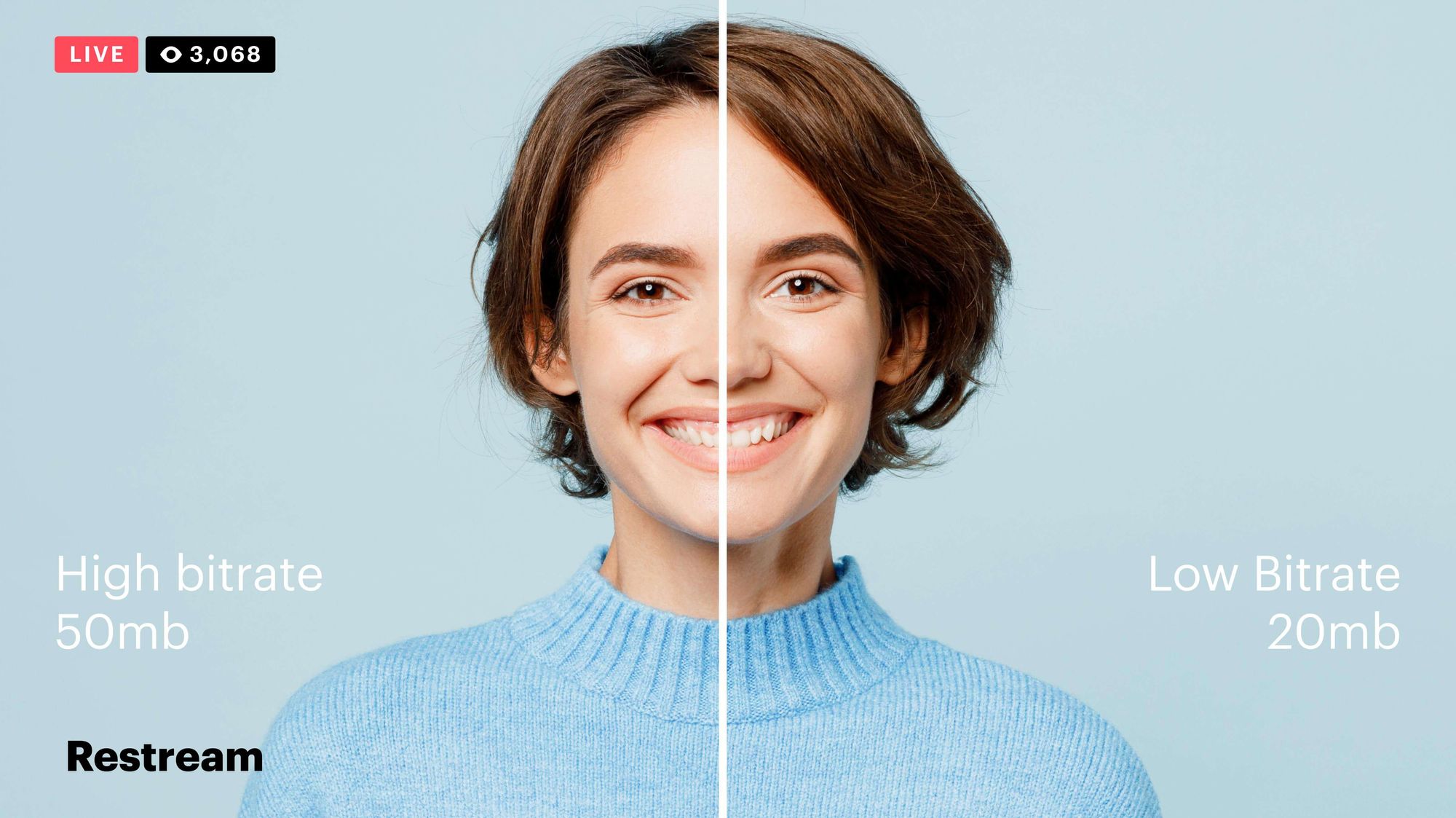
MP4 is a popular video format that is widely used in digital media. It uses a specific compression algorithm to compress video files to make them smaller and easier to share. The bitrate of an MP4 video refers to the amount of data that is used to represent each second of the video. It is typically measured in kilobits per second (kbps) or megabits per second (Mbps). A higher bitrate means that the video will have more data and will be of higher quality, but the file size will also be larger.

Why is MP4 Bitrate Important?

The bitrate of an MP4 video is important because it affects the quality and size of the video file. If the bitrate is too low, the video may appear pixelated or blurry. On the other hand, if the bitrate is too high, the file size will be larger, and it may take longer to upload or download the video. In addition, a higher bitrate requires more bandwidth to stream the video, which may be an issue for viewers with slower internet connections.

How to Choose the Right MP4 Bitrate

When choosing the bitrate for your MP4 video, you should consider the intended use of the video, the resolution of the video, and the file size. For example, a video that is intended to be viewed on a large screen should have a higher bitrate than a video that will be viewed on a smaller screen. Similarly, a video that has a higher resolution will require a higher bitrate to maintain the same quality as a lower resolution video.

As a general rule of thumb, a bitrate of 5-10 Mbps is suitable for 1080p HD video, while a bitrate of 2-5 Mbps is suitable for 720p HD video. For lower resolution videos, such as 480p or 360p, a bitrate of 1-2 Mbps may be sufficient. It’s also important to consider the file size of the video, as larger files will take longer to upload or download and may be more difficult to share.

How to Change MP4 Bitrate

To change the bitrate of an MP4 video, you will need to use video editing software that allows you to adjust the bitrate settings. There are many different video editing software options available, including Adobe Premiere Pro, Final Cut Pro, and Handbrake. These programs allow you to adjust the bitrate settings and other video parameters to optimize the video for your specific needs.

MP4 Bitrate FAQ

What is the maximum bitrate for MP4 videos?

The maximum bitrate for MP4 videos is 10 Mbps. However, this may vary depending on the specific device or platform where the video will be played.

What is the minimum bitrate for MP4 videos?

The minimum bitrate for MP4 videos will depend on the intended use of the video and the resolution of the video. In general, a bitrate of at least 1 Mbps is recommended for standard definition video, while a bitrate of at least 2 Mbps is recommended for high definition video.

What is the recommended bitrate for streaming MP4 videos?

The recommended bitrate for streaming MP4 videos will depend on the resolution of the video and the available bandwidth. As a general rule of thumb, a bitrate of 5-10 Mbps is suitable for 1080p HD video, while a bitrate of 2-5 Mbps is suitable for 720p HD video. For lower resolution videos, such as 480p or 360p, a bitrate of 1-2 Mbps may be sufficient.

However, it’s important to note that these are just general guidelines, and the optimal bitrate will also depend on factors such as the complexity of the video content, the encoding settings used, and the target audience’s viewing preferences.

For example, videos with fast-moving scenes or complex visual effects may require a higher bitrate to maintain a high level of image quality and avoid compression artifacts, while simpler videos with less motion may be able to use a lower bitrate without sacrificing quality.

Additionally, the target audience’s internet connection speed will also affect the recommended bitrate. For viewers with slower internet connections, a lower bitrate may be necessary to ensure that the video plays smoothly without buffering or interruptions.

What are the advantages of using a higher bitrate?

Using a higher bitrate can result in higher quality video with more detail and fewer compression artifacts. This is because a higher bitrate allows for more data to be transmitted and encoded per second, resulting in a more faithful representation of the original video source.

A higher bitrate can also be beneficial for videos with a lot of movement or detail, as it allows the encoding algorithm to capture more information and produce a more detailed image.

However, it’s important to note that using a higher bitrate will also result in larger file sizes and require more bandwidth to stream or download. This can be a disadvantage for viewers with slower internet connections or limited data plans.

What are the disadvantages of using a lower bitrate?

Using a lower bitrate can result in lower quality video with more compression artifacts, such as blurring or pixelation. This is because a lower bitrate means that less data is being transmitted and encoded per second, resulting in a loss of detail and fidelity.

Lower bitrates may also result in a lower overall resolution or frame rate, which can further degrade the quality of the video.

However, using a lower bitrate can also have benefits, such as smaller file sizes and reduced bandwidth requirements. This can be advantageous for viewers with slower internet connections or limited data plans.

Can the bitrate of an MP4 video be adjusted after it’s been encoded?

Yes, it is possible to adjust the bitrate of an MP4 video after it has been encoded. This can be done using video editing software or specialized tools designed for this purpose, such as MP4Gain.

However, it’s important to note that changing the bitrate of a video after it has been encoded can result in a loss of quality or introduce additional compression artifacts. For best results, it’s recommended to encode the video at the desired bitrate from the beginning.

Conclusion

In summary, the bitrate of an MP4 video is an important factor that can affect its quality, file size, and streaming performance. The optimal bitrate will depend on factors such as the resolution of the video, the complexity of the content, and the available bandwidth.

Using a higher bitrate can result in higher quality video with more detail and fewer compression artifacts, while using a lower bitrate can result in smaller file sizes and reduced bandwidth requirements.

If you need to adjust the bitrate of an MP4 video, it is possible to do so using specialized tools such as MP4Gain. However, it’s recommended to encode the video at the desired bitrate from the beginning for best results.

Overall, understanding how bitrate affects MP4 video quality can help you create and deliver video content that meets your needs and those of your audience.

MP4 to MPEG

MP4 to MPEG

MP4 to MPEG
MP4 to MPEG


MP4 to MPEG
MP4 to MPEG


MP4 is a popular video format that is widely used to store and distribute videos on the internet. However, some devices and media players do not support MP4 files, which can be frustrating for those who want to play these videos on these devices. MPEG is a more widely supported format that can play on most devices and media players, making it a popular choice for those who need to convert their MP4 videos to MPEG.

What is mp4gain?

mp4gain is a software tool that can be used to convert MP4 videos to MPEG. It is a simple and easy-to-use tool that can be used by anyone, regardless of their technical expertise. The tool works by converting the audio of the MP4 video to a format that is compatible with MPEG. This allows users to convert their MP4 videos to MPEG without losing any quality.

Why use mp4gain to convert MP4 to MPEG?

mp4gain is a popular choice for those who want to convert their MP4 videos to MPEG for several reasons. Firstly, it is a simple and easy-to-use tool that can be used by anyone. Secondly, it is a fast and efficient tool that can convert large MP4 videos to MPEG in a matter of minutes. Thirdly, it preserves the quality of the original video, ensuring that there is no loss of quality during the conversion process.

How to use mp4gain to convert MP4 to MPEG

The process of converting MP4 videos to MPEG using mp4gain is simple and straightforward. First, you need to download and install the software on your computer. Once you have installed the software, you can open it and select the MP4 video that you want to convert. Then, you need to select the MPEG format that you want to convert the video to. Finally, you need to click on the “Convert” button to start the conversion process. The software will convert the video to MPEG format in a matter of minutes.

FAQ

What is the difference between MP4 and MPEG?

MP4 and MPEG are both video formats, but there are some differences between the two. MP4 is a more modern format that is widely used to store and distribute videos on the internet. It is a more flexible format that can support a wide range of video and audio codecs. MPEG, on the other hand, is a more established format that is widely supported by most devices and media players. It is a more standardized format that is used for broadcasting and DVD production.

Can mp4gain convert other video formats?

Yes, Mp4Gain support all major audio and video formats.

Conclusion

Converting MP4 videos to MPEG is a simple process that can be done using mp4gain. mp4gain is a fast, efficient, and easy-to-use tool that can convert MP4 videos to MPEG without losing any quality. It is a popular choice for those who need to convert their MP4 videos to MPEG for compatibility reasons.

The History of MPEG

Introduction

The Moving Picture Experts Group (MPEG) is a working group of the International Organization for Standardization (ISO) and the International Electrotechnical Commission (IEC) that specializes in the development of standards for digital audio and video compression. MPEG has been responsible for some of the most widely used video and audio compression standards, including MPEG-1, MPEG-2, MPEG-4, and more recently, MPEG-H.

Early Years

MPEG was formed in 1988 with the goal of developing standards for digital audio and video compression. At the time, digital audio and video were in their infancy, and there was a need for standardized compression algorithms that could be used across different systems and platforms.

The first MPEG standard, MPEG-1, was released in 1993 and was designed to compress audio and video for CD-ROMs. MPEG-1 was a significant milestone in the development of digital audio and video because it provided a way to store and transmit multimedia content efficiently.

MPEG-2

MPEG-2 was released in 1995 and was designed to provide high-quality video for digital television and DVD. MPEG-2 is still widely used today and is the standard for digital television broadcasting.

MPEG-4

MPEG-4 was released in 1998 and was designed to provide a standard for multimedia content delivery over the internet. MPEG-4 introduced many new features, such as object-oriented audio and video, which allowed for more interactive and immersive multimedia experiences.

MPEG-H

MPEG-H is the most recent standard developed by MPEG and was released in 2015. MPEG-H is designed to provide a more immersive and interactive multimedia experience, with features such as 3D audio and support for ultra-high definition video.

Conclusion

MPEG has played a significant role in the development of digital audio and video, and its standards have been instrumental in the adoption of digital multimedia across different platforms and systems. The use of MPEG standards has enabled the efficient storage and transmission of multimedia content, making it possible to deliver high-quality multimedia experiences to audiences around the world.

  • MPEG was formed in 1988 to develop standards for digital audio and video compression.
  • MPEG-1 was released in 1993 and was designed for CD-ROMs.
  • MPEG-2 was released in 1995 and is still widely used for digital television broadcasting.
  • MPEG-4 was released in 1998 and introduced many new features for multimedia delivery over the internet.
  • MPEG-H was released in 2015 and provides a more immersive multimedia experience.

MP4 Codec

The MP4 Codec: A Comprehensive Guide

MP4 Codec
MP4 Codec
MP4 Codec
MP4 Codec

What is the MP4 Codec?

The MP4 codec is a compression algorithm used to compress digital audio and video files into a smaller size. The MP4 file format is a popular container format used to store compressed video and audio files. The MP4 codec is widely used in the multimedia industry due to its efficiency, high-quality output, and compatibility with different devices and operating systems.

How Does the MP4 Codec Work?

The MP4 codec uses a lossy compression method to reduce the size of digital video and audio files. In lossy compression, some data is lost during the compression process, resulting in a smaller file size. The MP4 codec uses various compression techniques, such as intra-frame and inter-frame compression, to reduce the size of digital video and audio files.

In intra-frame compression, each frame of video is compressed independently of the other frames. In inter-frame compression, the codec looks for similarities between frames and compresses the data that is redundant. This method results in a smaller file size than intra-frame compression, but it requires more processing power.

Advantages of the MP4 Codec

The MP4 codec offers several advantages over other codecs. Firstly, it provides high-quality output with a relatively small file size, making it ideal for streaming and sharing content online. Secondly, the MP4 codec is compatible with different devices and operating systems, making it easy to share and play multimedia files across multiple platforms.

Thirdly, the MP4 codec supports multiple audio and video streams, enabling users to add different languages, subtitles, and alternative audio tracks to their video files. Fourthly, the MP4 codec supports a wide range of video resolutions, from low-resolution videos to 4K and 8K videos, making it versatile for different use cases.

Disadvantages of the MP4 Codec

While the MP4 codec offers several advantages, it also has some disadvantages. Firstly, the compression process can result in some loss of data and quality, especially when compressing videos with high resolutions or high bitrates. Secondly, the compression process requires significant processing power, which can be a challenge for low-powered devices such as smartphones and tablets.

Thirdly, the MP4 codec is not suitable for archival purposes as the compressed files may degrade over time, resulting in data loss or corruption. Lastly, the MP4 codec may not be compatible with some older devices or media players that do not support the format.

Applications of the MP4 Codec

The MP4 codec has various applications in different industries. It is widely used in the entertainment industry for streaming videos, films, and TV shows on different platforms such as Netflix, Hulu, and Amazon Prime Video. The MP4 codec is also used in online gaming and e-sports for live streaming and recording gameplays.

In addition, the MP4 codec is used in education and training for creating e-learning courses, tutorials, and webinars. The MP4 codec is also used in the security and surveillance industry for recording and streaming CCTV footage.

FAQ

Q: Is the MP4 codec the same as the H.264 codec?

A: No, the MP4 codec is a container format that can use various compression algorithms, including the H.264 codec. The H.264 codec is a video compression algorithm used in different file formats, including MP4.

Q: Can I edit MP4 files without losing quality?

A: Yes, To minimize this loss, it’s recommended to work with a high-quality original file and export in the highest possible quality settings.

Q: Is MP4 the best format for video?

A: It depends on your needs and intended use. MP4 is a widely used and versatile format that works well for most purposes. It offers a good balance between file size and quality, making it ideal for streaming, sharing, and storing videos. However, for professional or high-end video production, other formats such as ProRes, DNxHD, or RAW may be more suitable.

Q: How do I convert other video formats to MP4?

A: Using Mp4Gain.

Q: How can I improve the audio quality of an MP4 file?

A: One way to improve the audio quality of an MP4 file is to use MP4Gain, a specialized software that analyzes and adjusts the volume and gain of the audio track without re-encoding the video. MP4Gain can also equalize the sound and add a ReplayGain tag for compatibility with other players. Other options include using a dedicated audio editor or adding an external audio track.

Reduce MP4 Size

Reduce MP4 Size

Reduce MP4 Size
Reduce MP4 Size
Reduce MP4 Size
Reduce MP4 Size


Are you tired of waiting for hours for your MP4 video to upload or download? Do you want to know how to reduce the size of your MP4 files without losing quality? Then you’ve come to the right place! In this guide, we will teach you how to reduce MP4 size step by step, using simple language that a 6-year-old can understand.

What is MP4?

Before we dive into how to reduce the size of MP4 files, let’s first talk about what MP4 is. MP4 stands for MPEG-4 Part 14, which is a digital multimedia container format used to store video, audio, and subtitles. MP4 is one of the most popular video formats used today, and it is used by many devices such as smartphones, tablets, and computers.

Why do you need to reduce MP4 size?

One of the main reasons to reduce MP4 size is to save storage space. Large MP4 files can take up a lot of space on your device or hard drive, which can slow down your computer or phone. Another reason is to make it easier to share your MP4 files with others, especially if you need to send them over the internet or email. Large MP4 files can take a long time to upload or download, and they may not even be supported by some email services or messaging apps.

How to reduce MP4 size?

There are several ways to reduce the size of your MP4 files, and we will discuss them one by one.

1. Change the video resolution

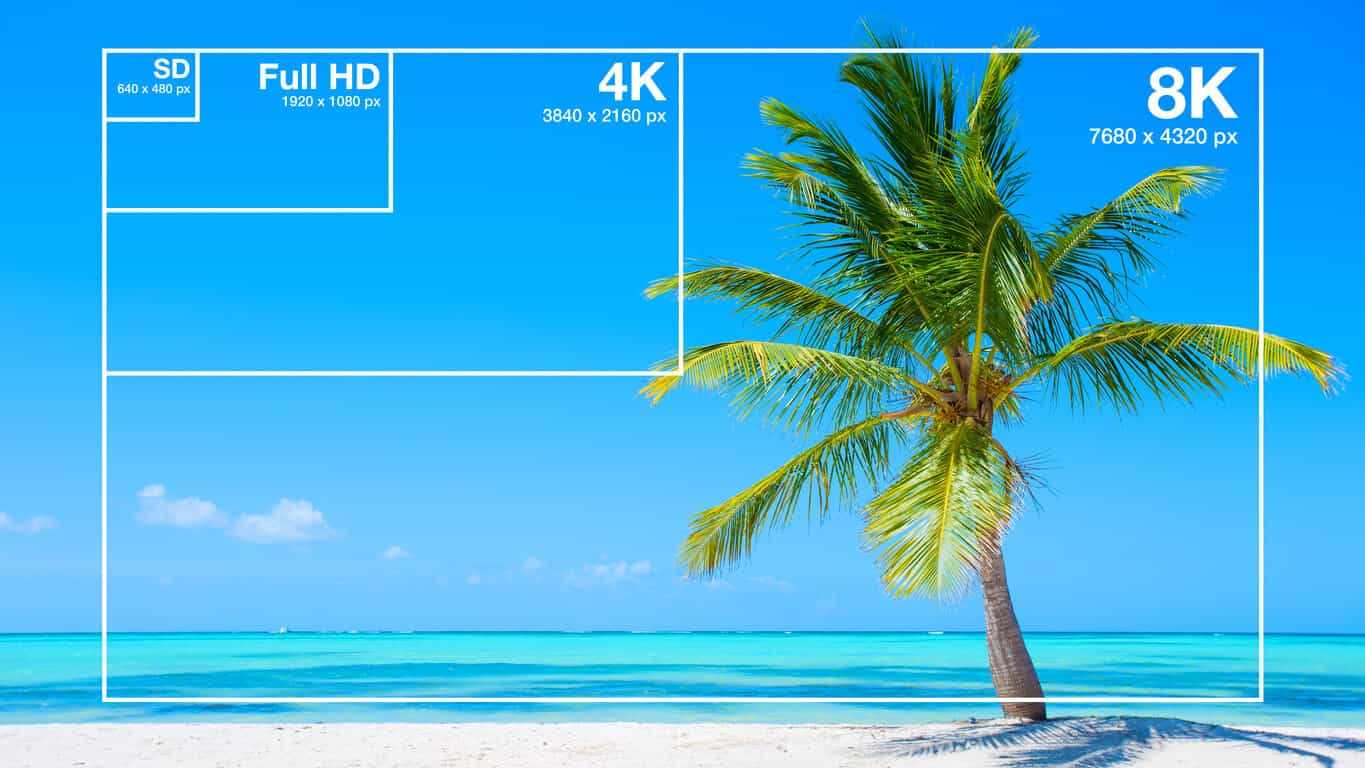
One of the easiest ways to reduce MP4 size is to change the video resolution. The video resolution refers to the number of pixels in the video, and the higher the resolution, the larger the file size. By reducing the resolution, you can significantly reduce the size of your MP4 files. For example, if your video is in 1080p resolution, you can reduce it to 720p or even 480p to save space.

2. Change the video bitrate

Another way to reduce MP4 size is to change the video bitrate. The video bitrate refers to the amount of data used to represent each second of the video. By reducing the bitrate, you can reduce the size of your MP4 files without sacrificing too much quality. However, be careful not to reduce the bitrate too much, as it can make the video look pixelated or blurry.

3. Trim the video

If your MP4 file contains unnecessary footage, you can trim it to reduce its size. For example, if you have a long video that contains only a few minutes of important footage, you can trim the video to remove the unnecessary parts. This will not only reduce the size of your MP4 file but also make it easier to watch and share.

4. Compress the video

Another way to reduce MP4 size is to compress the video using a video compression tool. Video compression tools use algorithms to remove redundant or unnecessary data from the video, which can significantly reduce the file size without losing too much quality. However, be careful not to compress the video too much, as it can make the video look pixelated or blurry.

Reducing the size of your MP4 files can save you a lot of time and storage space, and it’s easier than you think. By following the steps we outlined in this guide, you can reduce the size of your MP4 files without losing too much quality. And if you want to further optimize your MP4 files
for better compatibility, we recommend using a tool like MP4Gain, which can normalize the audio level and optimize the file for playback on any device or platform.

Conclusion

Reducing the size of your MP4 files can save you a lot of time and storage space, and it’s easier than you think. By following the steps we outlined in this guide, you can reduce the size of your MP4 files without losing too much quality. And if you want to further optimize your MP4 files for better compatibility, we recommend using a tool like MP4Gain, which can normalize the audio level and optimize the file for playback on any device or platform.

Remember to always make a copy of your original video file before making any changes, so you can always go back to the original if needed. And be aware of the legal implications of reducing the size of copyrighted videos without permission. By using these tips responsibly, you can make the most of your video files and share them with others more easily.

How to Convert MKV to MP4?

How to Convert MKV to MP4?

How to Convert MKV to MP4?


Converting an MKV file to an MP4 file is a way to change the format of a video so that it can be played on different devices, such as smartphones, tablets, and game consoles. Here’s a step-by-step guide on how to convert MKV to MP4 using mp4gain.

Understanding MKV Format: Differences, Advantages, and Disadvantages

MKV, or Matroska Video, is a popular multimedia container format that can hold a wide range of audio, video, and subtitle streams in a single file. Here are some key differences between MKV and other popular video formats:

1. Container Format: MKV is a container format, which means it can hold multiple video, audio, and subtitle streams in a single file. Other popular video formats like AVI and MP4 can only hold a single video and audio stream.

2. Lossless Compression: MKV uses a lossless compression technique, which means it can store high-quality video and audio without sacrificing the quality. Other formats like MP4 use lossy compression, which can result in lower quality videos.

3. Subtitles: MKV supports a wide range of subtitle formats and allows you to store subtitles in the same file as the video. Other formats like AVI and MP4 require separate subtitle files.

4. Flexibility: MKV offers more flexibility than other formats when it comes to handling multiple audio and subtitle streams. You can easily switch between different audio and subtitle tracks without having to change the entire file.

While MKV offers many advantages, it also has some disadvantages:

1. Compatibility: MKV is not supported by all media players, and some devices may not be able to play the files. This can be frustrating if you need to share the files with others or want to watch them on a different device.

2. File Size: Since MKV uses lossless compression, the file size can be much larger than other formats. This can take up more storage space on your device or make it difficult to share the files over the internet.

3. Editing: MKV files can be difficult to edit because of the complex structure of the container. This can be a problem if you need to make changes to the video or audio.

In summary, while MKV offers many advantages over other video formats, it’s important to consider the compatibility, file size, and editing limitations before deciding to use it for your videos.

Now that you understand the differences and advantages of MKV, let’s dive into how to convert MKV to MP4 using the MP4Gain software.

Step 1: Download and Install mp4gain

To convert an MKV file to MP4, you’ll need a conversion tool. mp4gain is a paid tool that can convert a variety of audio and video formats, including MKV to MP4. You can download and install it on your computer from the official website.

Step 2: Open mp4gain

After you’ve installed mp4gain, open it up on your computer. You’ll see a menu with different options.

Step 3: Add the MKV file

Click on the “Add file” button to add the MKV file you want to convert. You can also drag and drop the file into the mp4gain window.

Step 4: Choose MP4 as the output format

Select “MP4” as the output format from the drop-down menu. You can also choose the quality and resolution of the output file.

Step 5: Start the conversion process

Click on the “Convert” button to start the conversion process. The time it takes to convert the file will depend on the size of the file and the speed of your computer.

Step 6: Check the converted file

Once the conversion process is complete, you can check the converted file by clicking on the “Open folder” button. The converted file should be in MP4 format and can be played on different devices.