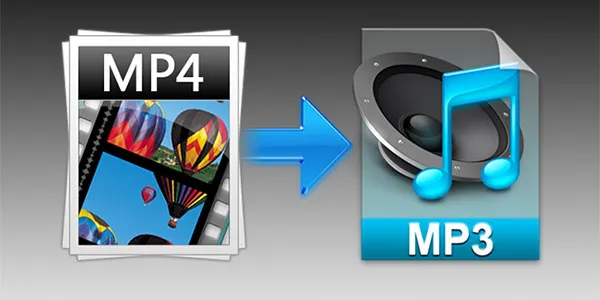
Video to MP3 Converter

The Ultimate Guide to Using a Video to MP3 Converter

Video to MP3 Converter

Meta Description: Discover how to easily convert your favorite videos into MP3 audio files with the help of a Video to MP3 converter. Our comprehensive guide covers everything you need to know to get started.

Introduction

Are you tired of not being able to listen to your favorite videos on-the-go because you can’t download them as audio files? Do you want to extract the audio from a video to use it as a ringtone, background music, or for any other purpose? If so, you’ve come to the right place. In this article, we’ll show you how to use a Video to MP3 converter to convert your videos into high-quality MP3 audio files.

What is a Video to MP3 Converter?

A Video to MP3 converter like Mp4Gain is a software tool that allows you to extract the audio from a video and convert it into an MP3 audio file. The process is simple and easy-to-use, and it can be done in just a few clicks.

How to Use a Video to MP3 Converter

Using a Video to MP3 converter is a straightforward process. Here’s how to do it:

  1. Download and install Mp4Gain on your computer.
  2. Open the software and click on the “Add Files” button.
  3. Select the video file that you want to convert to MP3.
  4. Choose the output format as MP3.
  5. Click on the “Convert” button to start the conversion process.
  6. Wait for the conversion to complete and then locate the MP3 file on your computer or mobile device.

Benefits of Using a Video to MP3 Converter

There are many benefits of using a Video to MP3 converter. Here are a few of them:

  • Convenience: Converting a video to MP3 allows you to listen to your favorite videos as audio files on-the-go.
  • Compatibility: MP3 is a widely-used audio format that is compatible with most devices, media players, and platforms.
  • Quality: A good Video to MP3 converter can extract high-quality audio from a video, preserving the original sound quality.
  • Customization: Converting a video to MP3 allows you to customize the audio file by adding metadata, album art, or by adjusting the bitrate, sample rate, and other parameters.

Frequently Asked Questions (FAQs)

Q: Is it legal to convert a video to MP3?

A: It depends on the video’s copyright status and the laws of your country. In general, it is legal to convert a video to MP3 for personal use or if the video is in the public domain. However, it is illegal to convert copyrighted videos to MP3 without permission from the copyright owner.

Q: Can I convert a video to MP3 on my mobile device?

A: Yes, there are many Video to MP3 converter apps available for Android and iOS devices that allow you to convert videos to MP3 on-the-go.

Q: What is the best Video to MP3 converter?

A: There are many Video to MP3 converters available on the market, both free and paid. Some popular ones include Any Video Converter, Freemake Video Converter, and Online Video Converter.

Conclusion

Converting a video to MP3 has never been easier, thanks to the availability of Video to MP3 converter software. In this guide, we’ve covered everything you need to know to get started with this process, including what a Video to MP3 converter is, how to use it, and the benefits of doing so. By following the steps outlined in this article, you’ll be able to extract high-quality audio from your favorite videos and listen to them on-the-go. Whether you’re looking to create a custom ringtone or simply enjoy your favorite songs in audio format, a Video to MP3 converter is a powerful tool that can help you achieve your goals. So why wait? Download a Video to MP3 converter today and start converting your videos into MP3s!

MP4 to MPEG

MP4 to MPEG

MP4 to MPEG
MP4 to MPEG


MP4 to MPEG
MP4 to MPEG


MP4 is a popular video format that is widely used to store and distribute videos on the internet. However, some devices and media players do not support MP4 files, which can be frustrating for those who want to play these videos on these devices. MPEG is a more widely supported format that can play on most devices and media players, making it a popular choice for those who need to convert their MP4 videos to MPEG.

What is mp4gain?

mp4gain is a software tool that can be used to convert MP4 videos to MPEG. It is a simple and easy-to-use tool that can be used by anyone, regardless of their technical expertise. The tool works by converting the audio of the MP4 video to a format that is compatible with MPEG. This allows users to convert their MP4 videos to MPEG without losing any quality.

Why use mp4gain to convert MP4 to MPEG?

mp4gain is a popular choice for those who want to convert their MP4 videos to MPEG for several reasons. Firstly, it is a simple and easy-to-use tool that can be used by anyone. Secondly, it is a fast and efficient tool that can convert large MP4 videos to MPEG in a matter of minutes. Thirdly, it preserves the quality of the original video, ensuring that there is no loss of quality during the conversion process.

How to use mp4gain to convert MP4 to MPEG

The process of converting MP4 videos to MPEG using mp4gain is simple and straightforward. First, you need to download and install the software on your computer. Once you have installed the software, you can open it and select the MP4 video that you want to convert. Then, you need to select the MPEG format that you want to convert the video to. Finally, you need to click on the “Convert” button to start the conversion process. The software will convert the video to MPEG format in a matter of minutes.

FAQ

What is the difference between MP4 and MPEG?

MP4 and MPEG are both video formats, but there are some differences between the two. MP4 is a more modern format that is widely used to store and distribute videos on the internet. It is a more flexible format that can support a wide range of video and audio codecs. MPEG, on the other hand, is a more established format that is widely supported by most devices and media players. It is a more standardized format that is used for broadcasting and DVD production.

Can mp4gain convert other video formats?

Yes, Mp4Gain support all major audio and video formats.

Conclusion

Converting MP4 videos to MPEG is a simple process that can be done using mp4gain. mp4gain is a fast, efficient, and easy-to-use tool that can convert MP4 videos to MPEG without losing any quality. It is a popular choice for those who need to convert their MP4 videos to MPEG for compatibility reasons.

The History of MPEG

Introduction

The Moving Picture Experts Group (MPEG) is a working group of the International Organization for Standardization (ISO) and the International Electrotechnical Commission (IEC) that specializes in the development of standards for digital audio and video compression. MPEG has been responsible for some of the most widely used video and audio compression standards, including MPEG-1, MPEG-2, MPEG-4, and more recently, MPEG-H.

Early Years

MPEG was formed in 1988 with the goal of developing standards for digital audio and video compression. At the time, digital audio and video were in their infancy, and there was a need for standardized compression algorithms that could be used across different systems and platforms.

The first MPEG standard, MPEG-1, was released in 1993 and was designed to compress audio and video for CD-ROMs. MPEG-1 was a significant milestone in the development of digital audio and video because it provided a way to store and transmit multimedia content efficiently.

MPEG-2

MPEG-2 was released in 1995 and was designed to provide high-quality video for digital television and DVD. MPEG-2 is still widely used today and is the standard for digital television broadcasting.

MPEG-4

MPEG-4 was released in 1998 and was designed to provide a standard for multimedia content delivery over the internet. MPEG-4 introduced many new features, such as object-oriented audio and video, which allowed for more interactive and immersive multimedia experiences.

MPEG-H

MPEG-H is the most recent standard developed by MPEG and was released in 2015. MPEG-H is designed to provide a more immersive and interactive multimedia experience, with features such as 3D audio and support for ultra-high definition video.

Conclusion

MPEG has played a significant role in the development of digital audio and video, and its standards have been instrumental in the adoption of digital multimedia across different platforms and systems. The use of MPEG standards has enabled the efficient storage and transmission of multimedia content, making it possible to deliver high-quality multimedia experiences to audiences around the world.

  • MPEG was formed in 1988 to develop standards for digital audio and video compression.
  • MPEG-1 was released in 1993 and was designed for CD-ROMs.
  • MPEG-2 was released in 1995 and is still widely used for digital television broadcasting.
  • MPEG-4 was released in 1998 and introduced many new features for multimedia delivery over the internet.
  • MPEG-H was released in 2015 and provides a more immersive multimedia experience.

WMV to MP4

WMV to MP4

WMV to MP4
WMV to MP4
WMV to MP4
WMV to MP4


WMV (Windows Media Video) is a common video format that was developed by Microsoft. Although it is a widely used format, some devices and media players may not support it. MP4, on the other hand, is a universal format that can be played on almost any device, making it a popular choice for video distribution.

Why Convert WMV to MP4?

There are several reasons why you might want to convert WMV files to MP4:

  • Compatibility: As mentioned, MP4 is a more universally supported format than WMV, making it easier to play on different devices and media players.
  • File size: MP4 files are typically smaller in size than WMV files, making them easier to store and transfer.
  • Editability: MP4 files are easier to edit than WMV files, as many video editing software programs are optimized for the MP4 format.

How to Convert WMV to MP4 Using mp4gain

We recommend using mp4gain. This is a simple and easy-to-use tool that is specifically designed for converting video formats, and it produces high-quality results.

Step 1: Download and Install mp4gain

The first step is to download and install mp4gain from the official website. The installation process is straightforward, and the software is compatible with both Windows and Mac operating systems.

Step 2: Add Your WMV Files to mp4gain

Once you have installed mp4gain, open the software and click on the “Add File” button to select the WMV files you want to convert to MP4. You can also drag and drop the files directly into the program.

Step 3: Choose MP4 as the Output Format

Next, select “MP4” as the output format from the drop-down menu. You can also choose the output quality and other settings according to your preferences.

Step 4: Convert Your WMV Files to MP4

Once you have selected the output format and settings, click on the “Convert” button to start the conversion process. Depending on the size of your WMV files and your computer’s processing power, the conversion process may take some time. Once the conversion is complete, you will have high-quality MP4 files that can be played on any device or media player.

Conclusion

Converting WMV files to MP4 is a simple and easy process that can be done with just a few clicks. By using mp4gain, you can ensure that your converted files are of high quality and compatible with almost any device or media player. Whether you want to reduce file size, increase compatibility, or edit your videos, converting to the MP4 format is a great choice.

The History and Development of WMV

Introduction

The Windows Media Video file format, also known as WMV, is a type of digital video compression developed by Microsoft Corporation in the 1990s. Since then, it has evolved to become one of the most commonly used video formats for streaming, downloading, and sharing multimedia content online.

Early Development

The WMV format was initially developed as a competitor to the MPEG-4 video compression format. Microsoft saw an opportunity to create a format that was optimized for their Windows Media Player software and would provide better quality video with smaller file sizes. The early versions of WMV were released in the late 1990s and were based on the Microsoft Advanced Systems Format (ASF) container format.

Evolution of WMV

Over time, Microsoft continued to develop the WMV format, improving its compression algorithms and adding support for new features. In 2003, Microsoft released WMV 9, which included support for high-definition video and a new compression algorithm that provided better quality video with even smaller file sizes. WMV 9 also added support for digital rights management (DRM) to protect copyrighted content.

Popularity of WMV

WMV quickly gained popularity due to its compatibility with Windows-based systems and the widespread use of Windows Media Player. Many online video streaming sites, such as Netflix and Amazon Prime Video, also use WMV format for their video content. WMV files can also be easily converted to other video formats, making them a versatile choice for video content creators.

Conclusion

In conclusion, the development of the WMV format has been a significant milestone in the history of digital video compression. Its evolution over the years has led to better quality video with smaller file sizes, making it a popular choice for video content creators and consumers alike. With the widespread use of Windows-based systems and online video streaming sites, the popularity of WMV format is expected to continue for years to come.

MP4 to MP3

MP4 to MP3

MP4 to MP3
MP4 to MP3

In today’s digital age, the consumption of media has become an integral part of our daily lives. With the rise of online streaming platforms, video sharing websites, and music applications, we have access to a vast collection of digital content. However, sometimes we may want to convert a video file, like an MP4, to an audio file, like an MP3, in order to extract or obtain the song in a more portable format. This is where the MP4 to MP3 conversion comes in, and in this article, we will discuss the process of conversion, as well as the benefits of using MP4Gain to maintain high audio quality.

MP4 to MP3
MP4 to MP3

Understanding MP4 to MP3 Conversion

MP4 is a digital video format that is widely used for streaming and downloading videos from the internet. However, MP4 is not compatible with all devices, and it takes up more storage space than an MP3 file. MP3, on the other hand, is a digital audio format that is smaller in size and widely supported by all audio players. MP4 to MP3 conversion is the process of extracting audio from an MP4 video and saving it as an MP3 audio file.

There are several ways to convert an MP4 to an MP3 file. One way is by using a software program, like MP4Gain, that can provide high-quality audio output.

Benefits of using MP4Gain for Mp4 to Mp3 Conversion

MP4Gain is a software program that not only converts MP4 to MP3, but also provides a range of features to enhance the audio quality of the output file. One of the main benefits of using MP4Gain is its ability to maintain the high audio quality of the original file. The software uses advanced algorithms to analyze the audio and adjust the volume levels to provide a consistent sound throughout the track.

Another benefit of using MP4Gain is its ability to convert MP4 to many other audio formats, such as MP3 to OGG, MP3 to FLAC, MP3 to WAV, MP3 to M4A, and more. This provides users with more flexibility to use their audio files on different devices and platforms. The conversion process is simple and efficient, and it can be done with just a few clicks of a button.

Additionally, MP4Gain can adjust the volume levels of the output file according to the user’s preferences. This means that users can increase or decrease the volume of the audio file to suit their needs. The software can also normalize the audio levels to provide a consistent sound throughout the track.

Technical Aspects of MP4 to MP3 Conversion

MP4 to MP3 conversion involves several technical aspects that are important to understand. One of these aspects is the bit rate of the audio file. The bit rate determines the quality of the audio and the size of the file. A higher bit rate means better quality but a larger file size, while a lower bit rate means lower quality but a smaller file size.

Another important technical aspect of MP4 to MP3 conversion is the sampling rate. The sampling rate determines the number of times per second that the audio is recorded. A higher sampling rate means better quality but a larger file size, while a lower sampling rate means lower quality but a smaller file size.

Tips for Using MP4Gain

When using MP4Gain to convert MP4 to MP3 or other audio formats, there are several tips to keep in mind. First, it’s important to choose the right output format based on your needs. For example, if you’re converting a video to an audio file for use on a specific device, make sure to choose the format that is supported by that device.

Second, pay attention to the bit rate and sampling rate when choosing the output format. Higher bit rates and sampling rates can provide better quality audio, but they also result in larger file sizes. Choose a bit rate and sampling rate that meets your needs, based on factors such as storage space and desired audio quality.

Third, use MP4Gain to adjust the volume levels and normalize the audio to provide a consistent sound throughout the track. This will help prevent sudden changes in volume and provide a better listening experience.

In conclusion, MP4 to MP3 conversion is a useful process for extracting audio from video files. MP4Gain is a great tool for converting MP4 to MP3, as well as other audio formats, while maintaining high audio quality. Understanding the technical aspects of MP4 to MP3 conversion can help you choose the right output format and settings for your needs. With the right tools and knowledge, you can easily convert your MP4 files to MP3 and enjoy your favorite music on any device.