Video to MP3 Converter


Free Download Mp4Gain
picture

The Ultimate Guide to Using a Video to MP3 Converter
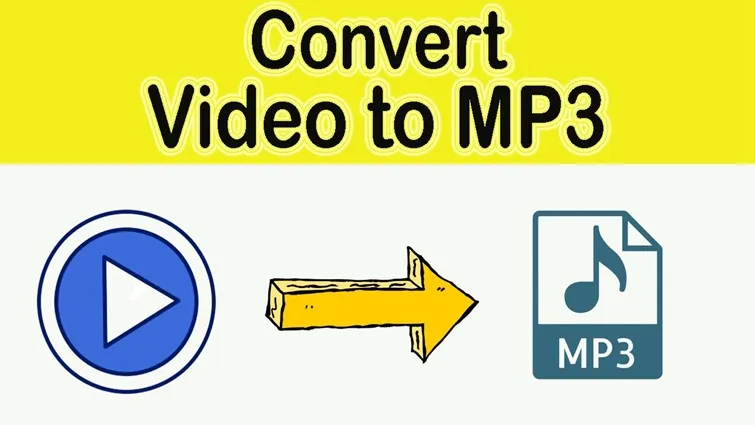

Video to MP3 Converter

Meta Description: Discover how to easily convert your favorite videos into MP3 audio files with the help of a Video to MP3 converter. Our comprehensive guide covers everything you need to know to get started.

Introduction

Are you tired of not being able to listen to your favorite videos on-the-go because you can’t download them as audio files? Do you want to extract the audio from a video to use it as a ringtone, background music, or for any other purpose? If so, you’ve come to the right place. In this article, we’ll show you how to use a Video to MP3 converter to convert your videos into high-quality MP3 audio files.

What is a Video to MP3 Converter?

A Video to MP3 converter like Mp4Gain is a software tool that allows you to extract the audio from a video and convert it into an MP3 audio file. The process is simple and easy-to-use, and it can be done in just a few clicks.

How to Use a Video to MP3 Converter

Using a Video to MP3 converter is a straightforward process. Here’s how to do it:

  1. Download and install Mp4Gain on your computer.
  2. Open the software and click on the “Add Files” button.
  3. Select the video file that you want to convert to MP3.
  4. Choose the output format as MP3.
  5. Click on the “Convert” button to start the conversion process.
  6. Wait for the conversion to complete and then locate the MP3 file on your computer or mobile device.

Benefits of Using a Video to MP3 Converter

There are many benefits of using a Video to MP3 converter. Here are a few of them:

  • Convenience: Converting a video to MP3 allows you to listen to your favorite videos as audio files on-the-go.
  • Compatibility: MP3 is a widely-used audio format that is compatible with most devices, media players, and platforms.
  • Quality: A good Video to MP3 converter can extract high-quality audio from a video, preserving the original sound quality.
  • Customization: Converting a video to MP3 allows you to customize the audio file by adding metadata, album art, or by adjusting the bitrate, sample rate, and other parameters.

Frequently Asked Questions (FAQs)

Q: Is it legal to convert a video to MP3?

A: It depends on the video’s copyright status and the laws of your country. In general, it is legal to convert a video to MP3 for personal use or if the video is in the public domain. However, it is illegal to convert copyrighted videos to MP3 without permission from the copyright owner.

Q: Can I convert a video to MP3 on my mobile device?

A: Yes, there are many Video to MP3 converter apps available for Android and iOS devices that allow you to convert videos to MP3 on-the-go.

Q: What is the best Video to MP3 converter?

A: There are many Video to MP3 converters available on the market, both free and paid. Some popular ones include Any Video Converter, Freemake Video Converter, and Online Video Converter.

Conclusion

Converting a video to MP3 has never been easier, thanks to the availability of Video to MP3 converter software. In this guide, we’ve covered everything you need to know to get started with this process, including what a Video to MP3 converter is, how to use it, and the benefits of doing so. By following the steps outlined in this article, you’ll be able to extract high-quality audio from your favorite videos and listen to them on-the-go. Whether you’re looking to create a custom ringtone or simply enjoy your favorite songs in audio format, a Video to MP3 converter is a powerful tool that can help you achieve your goals. So why wait? Download a Video to MP3 converter today and start converting your videos into MP3s!



Free Download Mp4Gain
picture


Mp4Gain Main Window
picture


Mp4Gain Features
picture


Free Download Mp4Gain
picture

MP3 Compressor: A Technical Guide to Audio Compression

MP3 Compressor: A Technical Guide to Audio Compression

MP3 Compressor
MP3 Compressor

Audio compression is a vital technique in the music industry. The MP3 file format has been widely used for decades and is one of the most popular file formats for music files. In this article, we will delve into the technical aspects of MP3 compression, its algorithmic processes, and explore the potential drawbacks of this commonly used format.

MP3 Compressor
MP3 Compressor

Understanding Audio Compression

Audio compression is the process of reducing the dynamic range of an audio signal. This is achieved by analyzing the audio waveform and then reducing the amplitude of any signal that exceeds a certain threshold. This process can be done manually, but it is usually automated with specialized software.

There are several types of audio compressors, including peak, RMS, and multiband compressors. Each type of compressor has its own set of uses and parameters that can be adjusted to achieve the desired result. Peak compressors, for example, reduce the volume of any signal that exceeds a certain threshold, whereas RMS compressors average the signal over time and reduce the volume of signals that are too loud.

Understanding MP3 Compression

MP3 is a lossy compression format that is designed to reduce the file size of digital audio files. MP3 compression achieves this by discarding information that is not essential to the human ear. The compression is achieved by analyzing the audio data and removing frequencies that are not perceived by the human ear.

The MP3 Algorithm

The MP3 algorithm uses a process called perceptual coding to identify sounds that are less important to human perception and eliminate them from the audio signal. The algorithm then quantizes the remaining data, assigning values to each of the remaining samples. The resulting data is then further compressed through Huffman encoding, a type of lossless compression algorithm that replaces frequently occurring values with shorter codes.

The result is a file that has been reduced in size by approximately 90% with relatively little loss in perceived sound quality.

MP3 Bitrate

MP3 compression also utilizes a technique called variable bitrate encoding (VBR). This technique adjusts the bitrate of the MP3 file in real-time, allowing for more detailed encoding when it is needed and more aggressive encoding when it is not.

The quality of an MP3 file is determined by its bitrate. Higher bitrates result in higher sound quality and larger file sizes, while lower bitrates result in lower sound quality and smaller file sizes. Bitrates are typically measured in kilobits per second (kbps), with a higher number indicating a higher bitrate.

The Drawbacks of MP3 Compression

While MP3 compression is a popular format, there are potential drawbacks to using it. One of the main issues is the loss of audio quality. MP3 compression removes frequencies that are not essential to the human ear, but this can result in a loss of audio quality, particularly for complex and dynamic recordings.

Additionally, the MP3 algorithm can introduce audible artifacts, such as ringing or “smearing” of the audio signal. This can be particularly noticeable in high-frequency content and can be exacerbated by aggressive compression settings or lower bitrates.

MP3 Compressor Alternatives

While MP3 compression is a popular format, there are other compression formats that offer similar features. One alternative is MP4Gain, which offers a functionally similar functionality to a compressor in its normalizer. MP4Gain is a tool that analyzes and adjusts the volume of audio files, providing a way to adjust audio levels without losing audio quality.

Unlike traditional audio compression, MP4Gain doesn’t remove audio data, and it doesn’t have a negative impact on sound quality. Instead, it adjusts the levels of the audio signal to provide a more consistent listening experience across different tracks.

Overall, MP3 compression remains one of the most widely used audio compression formats, and for good reason. It provides a high level of compression without sacrificing too much audio quality, making it an ideal format for sharing and distributing music online. However, it is important to understand the technical aspects of MP3 compression and to be aware of its potential drawbacks to make informed decisions when working with audio files.

The History of Audio Compressors

Early Days of Audio Compression

Audio compression has been used in various forms since the early days of audio recording. In the early 20th century, record producers used a technique called “overdubbing” to layer multiple tracks on top of each other to create a fuller, more dynamic sound. However, this technique also led to some tracks being too loud and others too quiet, which made the final mix sound unbalanced.

To solve this problem, audio engineers began using a technique called “gain reduction,” which involved reducing the volume of the louder tracks and boosting the volume of the quieter ones to achieve a more balanced sound. This technique laid the foundation for the modern audio compressor.

The Birth of the Audio Compressor

The first modern audio compressor was invented by the American electrical engineer, C.P. Boner, in 1936. Boner’s compressor used a photoelectric cell to detect changes in audio levels and adjust the gain accordingly. This invention was a game-changer for the music industry and paved the way for the development of more advanced compressors in the years to come.

The Rise of Digital Audio Compression

In the 1980s, digital audio compression became more popular with the advent of the Compact Disc (CD) format. The CD format was designed to hold more audio data than traditional vinyl records, but this required compressing the audio to fit more data on the disc.

One of the most popular audio compression formats of the 1980s and 1990s was the MPEG-1 Audio Layer 3, or MP3 for short. This format revolutionized the music industry by allowing users to share and distribute music online, but it also sparked controversy over issues such as music piracy and loss of audio quality.

Today, audio compression remains a critical tool in music production, broadcasting, and other areas of the audio industry. Advanced compression techniques, such as multi-band compression and dynamic range compression, continue to evolve, providing musicians and engineers with new ways to shape and control the sound of their recordings.