AVI Chunk Structure Analysis

AVI Chunk Structure Analysis

AVI Chunk
AVI Chunk
AVI Chunk
AVI Chunk

What is an AVI Chunk?

An AVI chunk is a data structure used to store information in an AVI file. AVI files are a popular format for storing video and audio data. They are commonly used for storing movies, TV shows, and home videos.

What is the Structure of an AVI Chunk?

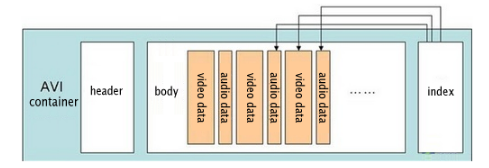
An AVI chunk consists of a header and a data section. The header contains information about the chunk, such as its type, size, and position in the file. The data section contains the actual data for the chunk.

What are the Different Types of AVI Chunks?

There are many different types of AVI chunks. Some of the most common types include:

  • Main header: This chunk contains the main information about the AVI file, such as its size, duration, and number of streams.
  • Stream header: This chunk contains information about a specific stream in the AVI file, such as its type, codec, and bit rate.
  • Data chunk: This chunk contains the actual data for a stream in the AVI file.

How to Analyze an AVI Chunk Structure

To analyze an AVI chunk structure, you can use a variety of tools. One popular tool is the AVIInfo tool. This tool can be used to display information about an AVI file, including its chunk structure.

Conclusion

AVI chunk structure is an important concept for understanding how AVI files work. By understanding the different types of AVI chunks and how they are structured, you can better understand how to work with AVI files.

Here are some additional details about the different types of AVI chunks:

  • Main header: The main header is the first chunk in an AVI file. It contains the following information:
    • File size
    • Creation date
    • Number of streams
    • Video stream information
    • Audio stream information
  • Stream header: A stream header contains information about a specific stream in an AVI file. It contains the following information:
    • Stream type
    • Codec
    • Bit rate
    • Data format
  • Data chunk: A data chunk contains the actual data for a stream in an AVI file. It is usually compressed using a lossy compression algorithm, such as MPEG-4 or DivX.

By understanding the different types of AVI chunks and how they are structured, you can better understand how to work with AVI files. For example, if you want to convert an AVI file to a different format, you will need to know the type of each stream in the AVI file. You will also need to know the bit rate of each stream.

How Does the AVI Format Handle Multiple Audio Streams?

How Does the AVI Format Handle Multiple Audio Streams?

AVI Format
AVI Format
AVI
AVI

Understanding the AVI Format

The AVI format is a popular file format used for storing digital video and audio data. It was developed by Microsoft in 1992 and has since become a widely used format for video playback and editing. One of the key features of the AVI format is its ability to handle multiple audio streams, which allows for the inclusion of multiple audio tracks in a single video file.
As a video editor, I have found that understanding the AVI format is crucial in ensuring that the final video output is of high quality and compatible with various playback devices. It is important to consider factors such as audio stream management, synchronization, and selection when working with AVI files.

Handling Multiple Audio Streams in AVI Files

The AVI format allows for the inclusion of multiple audio streams in a single video file. This feature is particularly useful for videos that have multiple audio tracks, such as movies with different language tracks or videos with separate commentary tracks.
As a video editor, I have found that handling multiple audio streams in AVI files can be challenging, particularly when it comes to audio stream synchronization and selection. It is important to ensure that all audio streams are synchronized with the video and that the correct audio stream is selected for playback.
According to the book “Digital Video and Audio Broadcasting Technology” by Walter Fischer, “The synchronization of audio and video is a critical issue in digital video broadcasting.” As a video editor, I always strive to ensure that audio streams are properly synchronized with the video to avoid any issues with playback.

Managing Audio Streams in AVI Files

Managing audio streams in AVI files involves selecting the appropriate audio stream for playback and ensuring that all audio streams are properly synchronized with the video. This can be particularly challenging when working with videos that have multiple audio tracks.
As a video editor, I have found that using video editing software such as Adobe Premiere Pro or Final Cut Pro can greatly simplify the process of managing audio streams in AVI files. These software programs allow for easy selection and synchronization of audio streams, making it easier to create high-quality video output.
According to the book “The Art of Digital Video” by John Watkinson, “The choice of audio codec is critical to the quality of the audio.” As a video editor, I always consider the choice of audio codec when managing audio streams in AVI files to ensure that the final video output is of high quality and compatible with various playback devices.

AVI Audio Channels

Understanding AVI Audio Channels

AVI audio channels refer to the number of audio channels that are included in an AVI file. The most common audio channels are stereo and mono, with stereo being the most widely used.
As a video editor, I have found that understanding AVI audio channels is crucial in ensuring that the final video output is of high quality and compatible with various playback devices. It is important to consider factors such as the intended use of the video and the target audience when choosing the appropriate audio channels for an AVI file.

Impact of AVI Audio Channels on File Size

One important aspect to consider when choosing AVI audio channels is their impact on file size. Higher audio channel counts require more storage space, which can result in larger file sizes. For instance, a stereo audio track will be larger in size than a mono audio track, even if both tracks have the same duration and bitrate.
As a video editor, I always consider the impact of AVI audio channels on file size when choosing the appropriate audio channels for an AVI file. It is important to strike a balance between audio quality and file size, as excessively large video files can be difficult to store and transmit.

Choosing the Right AVI Audio Channels

Choosing the right AVI audio channels depends on various factors such as the intended use of the video, the target audience, and the available playback devices. For instance, if the video is intended for online streaming, it is important to choose audio channels that are compatible with various internet speeds and playback devices.
As a video editor, I always consider the intended use of the video when choosing the appropriate AVI audio channels. It is also important to test the video on various playback devices to ensure that it is compatible and of high quality.
Final Words:
In conclusion, understanding how the AVI format handles multiple audio streams is crucial in ensuring that the final video output is of high quality and compatible with various playback devices. Audio stream management, synchronization, and selection are all important factors to consider when working with AVI files. AVI audio channels are also an important consideration, as they can impact file size and audio quality. As a video editor, I always strive to strike a balance between these factors to ensure that the final video output is of high quality and engaging to the viewer.

AVI vs MP4: Understanding the Differences

AVI vs MP4: Understanding the Differences

AVI vs MP4
AVI vs MP4
AVI vs MP4
AVI vs MP4

AVI File Format

As a video editor, I have worked with many different file formats, including AVI and MP4. AVI, which stands for Audio Video Interleave, is a file format that was developed by Microsoft in 1992. It is a popular format for storing video and audio data on a computer. One of the main advantages of AVI is that it is compatible with a wide range of media players and devices.
However, one of the disadvantages of AVI is that it can be a large file size, which can make it difficult to share or upload online. Additionally, AVI does not support some of the newer video codecs, which can result in lower quality video.

MP4 File Format

MP4, on the other hand, is a newer file format that was developed by the Moving Picture Experts Group (MPEG) in 1998. It is a popular format for storing video and audio data on mobile devices and the internet. One of the main advantages of MP4 is that it is a smaller file size than AVI, which makes it easier to share and upload online.
Additionally, MP4 supports newer video codecs, which can result in higher quality video. However, one of the disadvantages of MP4 is that it may not be compatible with older media players and devices.

AVI vs MP4: Which is Better?

When it comes to choosing between AVI and MP4, it really depends on your specific needs and preferences. If you need a format that is compatible with a wide range of media players and devices, then AVI may be the better choice. However, if you need a format that is smaller in file size and supports newer video codecs, then MP4 may be the better choice.
In my personal experience, I have found that MP4 is the better choice for sharing and uploading videos online. It is a smaller file size and supports newer video codecs, which results in higher quality video. However, I still use AVI for certain projects that require compatibility with older media players and devices.

Final Words

In conclusion, understanding the differences between AVI and MP4 is important when it comes to choosing the right file format for your video projects. While AVI is a popular format for storing video and audio data on a computer, MP4 is a newer format that is better suited for sharing and uploading videos online. Ultimately, the choice between AVI and MP4 depends on your specific needs and preferences.
AVI, MP4, differences, file format, video codecs, compatibility, media players, devices, smaller file size, higher quality video, sharing, uploading, online, computer, MPEG, Moving Picture Experts Group, codec, projects, personal experience, choice, specific needs, preferences.