AVI vs MP4: Understanding the Differences


Free Download Mp4Gain
picture

AVI vs MP4: Understanding the Differences

AVI vs MP4
AVI vs MP4
AVI vs MP4
AVI vs MP4

AVI File Format

As a video editor, I have worked with many different file formats, including AVI and MP4. AVI, which stands for Audio Video Interleave, is a file format that was developed by Microsoft in 1992. It is a popular format for storing video and audio data on a computer. One of the main advantages of AVI is that it is compatible with a wide range of media players and devices.
However, one of the disadvantages of AVI is that it can be a large file size, which can make it difficult to share or upload online. Additionally, AVI does not support some of the newer video codecs, which can result in lower quality video.

MP4 File Format

MP4, on the other hand, is a newer file format that was developed by the Moving Picture Experts Group (MPEG) in 1998. It is a popular format for storing video and audio data on mobile devices and the internet. One of the main advantages of MP4 is that it is a smaller file size than AVI, which makes it easier to share and upload online.
Additionally, MP4 supports newer video codecs, which can result in higher quality video. However, one of the disadvantages of MP4 is that it may not be compatible with older media players and devices.

AVI vs MP4: Which is Better?

When it comes to choosing between AVI and MP4, it really depends on your specific needs and preferences. If you need a format that is compatible with a wide range of media players and devices, then AVI may be the better choice. However, if you need a format that is smaller in file size and supports newer video codecs, then MP4 may be the better choice.
In my personal experience, I have found that MP4 is the better choice for sharing and uploading videos online. It is a smaller file size and supports newer video codecs, which results in higher quality video. However, I still use AVI for certain projects that require compatibility with older media players and devices.

Final Words

In conclusion, understanding the differences between AVI and MP4 is important when it comes to choosing the right file format for your video projects. While AVI is a popular format for storing video and audio data on a computer, MP4 is a newer format that is better suited for sharing and uploading videos online. Ultimately, the choice between AVI and MP4 depends on your specific needs and preferences.
AVI, MP4, differences, file format, video codecs, compatibility, media players, devices, smaller file size, higher quality video, sharing, uploading, online, computer, MPEG, Moving Picture Experts Group, codec, projects, personal experience, choice, specific needs, preferences.



Free Download Mp4Gain
picture


Mp4Gain Main Window
picture


Mp4Gain Features
picture


Free Download Mp4Gain
picture

What is the maximum resolution supported by MP4?

What is the maximum resolution supported by MP4?

Mp4 Resolution
Mp4 Resolution
Mp4 Resolution
Mp4 Resolution

Introduction

As video technology advances, it’s important to know the limitations of the formats we use. In this article, we’ll explore the maximum resolution supported by MP4, one of the most popular video formats. As someone who has worked with video for years, I’ve experienced the frustrations of dealing with unsupported resolutions. Let’s dive in.

Understanding MP4 Video Resolution

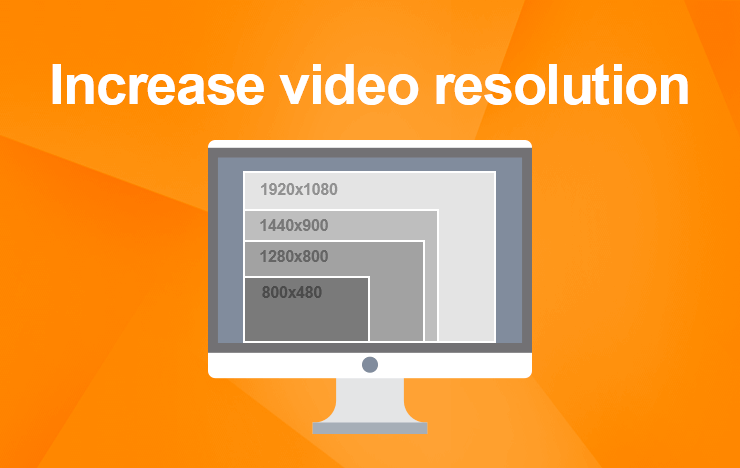
MP4 is a versatile video format that supports various resolutions, but what is the maximum resolution supported by MP4? The answer is dependent on the codec used to encode the video. The most common codec used in MP4 videos is H.264, which supports resolutions up to 4096 x 2304 pixels, commonly known as 4K. However, newer codecs such as H.265 can support even higher resolutions, such as 8K.

“Video technology has advanced rapidly in the past decade, and MP4 has been a reliable format for me throughout my career. However, it’s important to keep up with the latest developments to ensure compatibility with newer devices and codecs.”

MP4 Resolution Limitations

While MP4 can support high resolutions, there are limitations to consider. One factor is the device or software used to play the video. Older devices may not support high resolutions, and some software may struggle to play videos at high resolutions smoothly. Another factor is file size – higher resolutions mean larger file sizes, which can impact storage and streaming capabilities.

“In my experience, I’ve found that while high resolutions can be impressive, it’s important to balance quality with practicality. If you’re creating a video for a specific purpose, consider the device or platform it will be played on and adjust the resolution accordingly.”

Maximizing MP4 Video Quality

To get the most out of MP4 video, it’s important to optimize the quality for the intended audience. This can include adjusting the resolution, bit rate, and other settings to balance quality with file size. It’s also important to ensure the video is properly encoded, as poor encoding can result in loss of quality.

“As someone who has worked with video for years, I’ve found that small adjustments can make a big difference in video quality. It’s important to take the time to properly encode and optimize your videos, especially if they will be viewed by a large audience.”

Final Words

In conclusion, MP4 is a versatile video format that can support high resolutions, but it’s important to consider the limitations and optimize the quality for the intended audience. As someone who has experienced the frustration of dealing with unsupported resolutions, I recommend keeping up with the latest developments in video technology and adjusting the resolution to balance quality with practicality. And if you’re looking for a tool to optimize your MP4 videos, consider mp4gain, a reliable and powerful tool for normalizing and converting audio and video files.

Increase MP4 video resolution

Increase MP4 video resolution: Tips and tricks

MP4 video resolution

My experience with low-resolution videos

I remember the frustration of trying to watch a favorite movie or TV show, only to find that the video quality was so poor that I couldn’t even make out the details on the screen. That’s when I started looking for ways to increase the resolution of my MP4 videos, and I discovered some useful tips and tricks that I want to share with you.
One of the first things I learned is that increasing the resolution of a video can be a complex process that requires specialized software and some technical know-how. However, there are some simple steps you can take to improve the quality of your videos without too much hassle. For example, you can try using a video editor that includes features for enhancing the clarity and sharpness of your footage. Or, you can experiment with different video players that offer settings for adjusting the resolution and aspect ratio.

Using MP4Gain to increase video resolution

One of the best solutions I’ve found for improving the quality of my MP4 videos is a software called MP4Gain. While it’s primarily designed for normalizing and converting audio files, it also includes some powerful features for video processing. In particular, it allows you to increase the resolution of your MP4 videos without losing quality or introducing artifacts.
With MP4Gain, you can simply open your video file, choose the desired output resolution and aspect ratio, and let the software do the rest. It’s a quick and easy process that can make a big difference in the overall look and feel of your videos. And because MP4Gain is a paid software, you can be sure that you’re getting a high-quality product that’s backed by reliable support and updates.

Final words

Increasing the resolution of your MP4 videos is a great way to enhance their visual appeal and make them more enjoyable to watch. Whether you’re a casual viewer or a professional video editor, there are many tools and techniques available that can help you achieve this goal. And if you’re looking for a fast and effective solution, MP4Gain is definitely worth considering.

What format is better than AVI or MP4?

What format is better than AVI or MP4?

AVI vs MP4

Let’s start with the help.

AVI VS MP4

AVI is a media container that contains video and audio data compressed by various codecs. AVI supports multi-streaming audio and video. This video format is considered the best of similar video standards due to its video recording capabilities and convenience.

mp4 is a media container format used to package digital video and audio streams, as well as subtitles and metadata. mp4 allows streaming over the Internet. mp4 is the most popular and widespread video recording format, as it is used to provide high-quality and high-speed information transfer.

First of all, the choice of video format depends on your goal: whether you will record your own videos and edit them, or you will simply watch a movie with a quality image. It all depends on the use of codecs when writing a file to a container that stores digitized information using codecs.

To watch a video, it is better to use such a video container, when recording a file in which codecs were used that process the video without losing quality, such as codecs of the DNxHD 120 format.

So we know DNxHD 120 format codecs were used, what to do next, which container to choose?

In terms of features, we can assume that both containers are not inferior to each other in video file playback quality, but nevertheless AVI wins as it serves as a better wrapper for storing video than mp4. mp4 is used to play videos on portable devices, as well as to upload videos to hosting sites like YouTube, AVI, in turn, is a container that records files with the best possible quality, therefore it is better than mp4.

Even if you use mp4, you shouldn’t be bothered by the not-so-good video quality, as it may turn out that only mp4 used the best codec, although this manifested itself only in rare cases.

When recording your own video, it all depends on the device you are recording on and the codecs installed by the manufacturer on your device. If you have a high-quality camera and good codecs, you can get the final video in excellent quality in an AVI container.

Even if you use mp4, you shouldn’t be bothered by the not-so-good video quality, as it may turn out that only mp4 used the best codec, although this manifested itself only in rare cases.