MP3 vs WMA: Licensing and Compatibility

MP3 vs WMA: Licensing and Compatibility

MP3 vs WMA: Licensing and Compatibility

MP3 vs WMA: Licensing and Compatibility

Let’s Talk About MP3 and WMA

Navigating the world of digital audio formats can be a daunting task, especially when it comes to choosing between MP3 and WMA. As a seasoned expert in audio technologies, I’ve explored the intricacies of both formats to provide you with a comprehensive understanding of their licensing and compatibility.

The Battle of Audio Compression

MP3, short for MPEG Audio Layer III, and WMA, or Windows Media Audio, are two popular audio compression formats used for encoding digital audio files. Understanding Audio Compression: Both MP3 and WMA employ lossy compression techniques to reduce file size while maintaining acceptable audio quality. However, the specific algorithms and compression ratios vary between the two formats, leading to differences in sound fidelity and file size.

Licensing: Open Source vs Proprietary

MP3 Licensing: MP3 technology is widely regarded as the pioneer of digital audio compression and is supported by an extensive ecosystem of hardware and software devices. Despite its popularity, MP3 is not entirely free to use, as it is subject to licensing fees imposed by the Fraunhofer Society, the organization responsible for licensing MP3 patents.

WMA Licensing: In contrast, WMA is a proprietary format developed by Microsoft and is tightly integrated with the Windows operating system and associated software products. While Microsoft provides licenses for the development and distribution of WMA-based products, the format’s usage is inherently tied to the Windows ecosystem, limiting its compatibility with non-Microsoft platforms.

Compatibility: Versatility vs Integration

MP3 Compatibility: One of MP3’s greatest strengths lies in its broad compatibility with a wide range of devices and platforms, including smartphones, tablets, MP3 players, and multimedia software. Its status as a de facto standard for digital audio ensures seamless playback across various hardware and software environments, making it the preferred choice for many consumers.

WMA Compatibility: While WMA offers native support within the Windows ecosystem, its compatibility outside of Microsoft environments may be more limited. Although third-party software and hardware devices may offer WMA playback capabilities, users operating on non-Windows platforms may encounter compatibility issues or the need for additional software plugins to play WMA files.

Licensing and Compatibility in Practice

When choosing between MP3 and WMA, it’s essential to consider both licensing requirements and compatibility constraints. Practical Considerations: MP3’s widespread adoption and cross-platform compatibility make it an attractive option for consumers seeking versatility and ease of use. On the other hand, WMA may be more suitable for individuals deeply entrenched in the Windows ecosystem, where seamless integration and native support are paramount.

Latest Words on Licensing and Compatibility

In conclusion, the choice between MP3 and WMA ultimately hinges on your specific needs and preferences. Whether you prioritize open-source compatibility or seamless integration with Windows devices, understanding the licensing and compatibility implications of each format is crucial for making an informed decision. As technology continues to evolve, it’s essential to stay informed and adapt to the ever-changing landscape of digital audio formats.

Comments:

This article provides a clear breakdown of the licensing and compatibility differences between MP3 and WMA. As someone who’s struggled with file compatibility issues in the past, this information is invaluable!

– AudioEnthusiast123

While I appreciate the overview of MP3 and WMA, I wish the article had delved deeper into the technical aspects of audio compression and its implications for sound quality.

– TechSavvyMusician

As a Windows user, I’ve always gravitated towards WMA for its seamless integration with my devices. This article reaffirmed my decision and provided valuable insights into the licensing considerations.

– WindowsFanatic99

I found this article to be a helpful resource for understanding the differences between MP3 and WMA, especially in terms of licensing and compatibility. Keep up the great work!

– MusicLover88

Great article! It’s refreshing to see a comprehensive comparison that goes beyond the surface-level differences between MP3 and WMA. Keep up the excellent work!

– AudioTechGeek

I’ve always been a fan of MP3 for its wide compatibility, but this article shed light on the licensing implications that I hadn’t considered before. Thanks for the informative read!

– DigitalListener22

This article provided valuable insights into the licensing and compatibility aspects of MP3 and WMA. As someone who’s looking to digitize their music collection, this information will definitely come in handy!

– MusicCollector55

While I appreciate the overview, I wish the article had included more information about alternative audio formats and their respective licensing models.

– AudioTechEnthusiast

As a casual listener, I found this article to be incredibly informative and easy to understand. It’s helped me make a more informed decision about which audio format to use for my digital music collection.

– CasualListener123

This article provided a thorough analysis of the licensing and compatibility considerations for MP3 and WMA. As someone who’s struggled with file compatibility issues in the past, I found this information to be incredibly useful!

– DigitalAudioFanatic

WMA Variable Bit Rate Encoding

WMA Variable Bit Rate Encoding

WMA Variable Bit Rate Encoding

WMA Variable Bit Rate Encoding

Let’s talk about WMA Variable Bit Rate Encoding

When it comes to audio file formats and encoding techniques, understanding WMA (Windows Media Audio) Variable Bit Rate (VBR) encoding can significantly enhance your audio experience. As a specialist with years of experience in audio engineering, I’ve delved deep into the intricacies of WMA VBR encoding and its implications for audio quality and file size optimization.

What is WMA VBR Encoding?

At its core, WMA VBR encoding is a method used to compress audio files while maintaining a variable level of quality throughout the encoding process. Unlike constant bit rate (CBR) encoding, which encodes audio at a fixed bit rate, VBR encoding adjusts the bit rate dynamically based on the complexity of the audio being encoded. This means that simpler audio passages are encoded at a lower bit rate, while more complex passages are encoded at a higher bit rate, resulting in superior audio quality with smaller file sizes.

The Benefits of WMA VBR Encoding

One of the key advantages of WMA VBR encoding is its ability to preserve audio quality while minimizing file size. By dynamically adjusting the bit rate, WMA VBR encoding ensures that audio files maintain a consistent level of quality, even during passages of varying complexity. This makes it ideal for streaming audio over the internet or storing music on portable devices with limited storage capacity.

Moreover, WMA VBR encoding offers greater flexibility compared to CBR encoding. With CBR encoding, audio files are encoded at a fixed bit rate, which can result in wasted space for simpler passages and reduced audio quality for complex passages. In contrast, WMA VBR encoding adapts to the specific characteristics of the audio being encoded, maximizing efficiency and preserving quality.

How WMA VBR Encoding Works

To understand how WMA VBR encoding works, it’s essential to grasp the concept of psychoacoustic modeling. Psychoacoustic modeling is a technique used in audio encoding to take advantage of the limitations of human hearing. By analyzing the frequency and amplitude of audio signals, psychoacoustic models identify sounds that are less likely to be perceived by the human ear and allocate fewer bits to encode them.

During the WMA VBR encoding process, audio is divided into small segments, and a psychoacoustic model analyzes each segment to determine the appropriate bit rate for encoding. Simple segments with fewer audible details are encoded at a lower bit rate, while complex segments with more audible details are encoded at a higher bit rate. This adaptive approach ensures that audio quality is maintained while minimizing file size.

Comparing WMA VBR Encoding to Other Methods

While WMA VBR encoding offers many benefits, it’s essential to compare it to other encoding methods to understand its place in the audio landscape. One common alternative to WMA VBR encoding is constant bit rate (CBR) encoding, which encodes audio at a fixed bit rate regardless of its complexity. While CBR encoding is simple and predictable, it may result in larger file sizes and reduced audio quality compared to WMA VBR encoding.

Another alternative is variable bit rate (VBR) encoding using other codecs, such as MP3 or AAC. While these codecs also offer VBR encoding capabilities, WMA VBR encoding is specifically optimized for the Windows Media Audio format, offering seamless integration with Windows-based devices and software.

Optimizing Audio Quality with WMA VBR Encoding

As an audio engineer, I’ve found that mastering the art of WMA VBR encoding can significantly enhance the quality and efficiency of audio production workflows. By leveraging the adaptive nature of VBR encoding and the power of psychoacoustic modeling, audio professionals can achieve superior results with minimal effort.

When using WMA VBR encoding, it’s essential to consider factors such as target audience, playback environment, and distribution platform. By tailoring encoding settings to specific requirements, you can ensure that your audio files meet the highest standards of quality and compatibility.

In conclusion, WMA VBR encoding represents a powerful tool for audio professionals and enthusiasts alike. Its ability to preserve audio quality while minimizing file size makes it ideal for a wide range of applications, from streaming audio over the internet to storing music on portable devices. By mastering the principles of WMA VBR encoding, you can take your audio projects to the next level and deliver an exceptional listening experience to your audience.

  • Preserves audio quality
  • Minimizes file size
  • Adapts to audio complexity
  • Optimizes efficiency
  • Seamless integration with Windows devices

Latest words on WMA Variable Bit Rate Encoding

When it comes to audio encoding, WMA VBR encoding stands out as a versatile and efficient solution. Its adaptive nature and integration with Windows-based devices make it a popular choice for audio professionals and enthusiasts alike. By mastering the principles of WMA VBR encoding, you can unlock new possibilities for audio production and distribution.

Comments:

Wow, I never knew there was so much to learn about audio encoding! This article really opened my eyes to the world of WMA VBR encoding. Thanks for the insightful information!

I’ve been struggling to optimize the audio quality of my music files, but this article provided some valuable insights into WMA VBR encoding. I can’t wait to try it out and see the results!

This article did a great job of breaking down the complexities of WMA VBR encoding in a way that’s easy to understand. I feel much more confident in my ability to use this technique effectively now.

As someone who’s passionate about audio production, I found this article to be incredibly informative and well-written. It’s clear that the author has a deep understanding of the subject matter.

I’ve been looking for ways to optimize the audio quality of my podcast recordings, and this article provided some valuable tips on using WMA VBR encoding. I can’t wait to implement these strategies in my workflow!

This article was a game-changer for me! I never realized how much of a difference WMA VBR encoding could make in terms of audio quality and file size. Thanks for sharing this valuable information!

As an aspiring audio engineer, I found this article to be incredibly helpful in understanding the principles of WMA VBR encoding. It’s clear that the author has a wealth of knowledge on the subject.

This article provided some fascinating insights into the world of audio encoding. I never knew there were so many factors to consider when optimizing audio quality!

Thanks for this informative article! I’ve been searching for ways to improve the audio quality of my video projects, and WMA VBR encoding seems like the perfect solution.

This article was a bit too technical for my taste, but I appreciate the effort to explain the concepts of WMA VBR encoding in layman’s terms. It’s definitely a topic worth exploring further!

WAV File Compression: Lossless vs. Lossy Approaches

WAV File Compression: Lossless vs. Lossy Approaches

WAV File Compression: Lossless vs. Lossy Approaches

WAV File Compression: Lossless vs. Lossy Approaches

Let’s talk about WAV File Compression

Hey there, fellow music enthusiast! Are you wondering about the best ways to compress your WAV files without sacrificing quality? Well, you’ve come to the right place. As a seasoned audio engineer with years of experience in the industry, I’m here to guide you through the intricacies of WAV file compression, specifically exploring the differences between lossless and lossy approaches. By the end of this article, you’ll have a solid understanding of the various compression methods available and how to choose the right one for your needs.

Understanding WAV Files

Before diving into compression techniques, let’s quickly revisit what WAV files are. WAV (Waveform Audio File Format) is a widely used audio file format known for its uncompressed, high-quality sound. Unlike formats like MP3 or AAC, which use lossy compression to reduce file size, WAV files retain all the original audio data captured during recording. As a result, they offer pristine audio fidelity but tend to have larger file sizes.

Lossless Compression

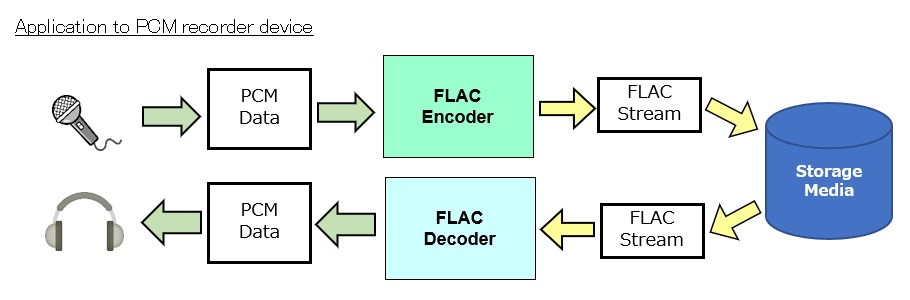
  • Lossless compression preserves all the original audio data while reducing file size.
  • Techniques such as FLAC (Free Lossless Audio Codec) and ALAC (Apple Lossless Audio Codec) are commonly used for WAV file compression.
  • These methods achieve compression by identifying and eliminating redundant or unnecessary data without compromising audio quality.

Lossless compression is like packing a suitcase efficiently – you’re maximizing space without leaving anything behind. It’s perfect for situations where maintaining audio integrity is paramount, such as professional music production or archival purposes. Plus, with lossless compression, you can always unpack your files without any loss of quality.

Lossy Compression

  • Lossy compression sacrifices some audio quality to achieve greater file size reduction.
  • Popular formats like MP3 and AAC use lossy compression algorithms.
  • During compression, non-essential audio data is discarded based on psychoacoustic principles, resulting in smaller file sizes.

Think of lossy compression as decluttering your room – you’re getting rid of unnecessary items to free up space. While this approach may lead to some loss of audio detail, it’s often imperceptible to the average listener, making it ideal for streaming, portable devices, and online distribution.

Choosing the Right Compression Method

Now that you understand the differences between lossless and lossy compression, how do you decide which method to use? It ultimately depends on your specific needs and priorities.

Considerations for Lossless Compression

  • If you require the highest possible audio quality without compromise, lossless compression is the way to go.
  • Lossless formats are well-suited for professional audio production, mastering, and archival purposes.
  • They’re also ideal for situations where storage space isn’t a significant concern.

For audiophiles and professionals who demand pristine sound reproduction, lossless compression offers the best of both worlds – reduced file sizes without sacrificing audio fidelity.

Considerations for Lossy Compression

  • Lossy compression is more suitable for scenarios where file size is a primary consideration.
  • If you’re distributing music online, streaming content, or using portable devices with limited storage capacity, lossy formats are a practical choice.
  • Most listeners won’t notice the slight loss in quality introduced by lossy compression, especially when listening through typical consumer audio equipment.

While purists may prefer the uncompromising quality of lossless formats, the convenience and efficiency of lossy compression make it a practical solution for everyday audio needs.

Conclusion

In the realm of WAV file compression, choosing between lossless and lossy approaches boils down to finding the right balance between audio quality and file size. Whether you prioritize pristine fidelity or efficient storage, there’s a compression method suited to your needs. By understanding the differences between these approaches, you can make informed decisions when managing your audio library or preparing content for distribution. So go ahead, experiment with different compression techniques, and enjoy the best of what WAV files have to offer!

Comments:

This article is so helpful! I’ve been struggling to understand the difference between lossless and lossy compression, but now it’s crystal clear. Thanks a bunch!

As a musician, I appreciate the detailed explanation of WAV file compression. It’s essential to strike the right balance between quality and file size, and this article nails it!

Could you dive deeper into the technical aspects of lossless compression algorithms? I’m intrigued by the science behind it and would love to learn more.

I’ve been using MP3 files for years without realizing there was a difference between lossy and lossless compression. This article opened my eyes to a whole new world of audio quality!

As a DJ, file size is always a concern when managing my music library. Learning about the pros and cons of lossless and lossy compression helps me make smarter choices when selecting formats for my tracks.

Great article! I appreciate the practical examples and real-world comparisons. Understanding WAV file compression is crucial for anyone working with audio, and this article delivers the information in an accessible way.

Could you provide some recommendations for software or tools that support lossless compression? I’m eager to try it out for myself!

This article does an excellent job of demystifying WAV file compression. I feel much more confident navigating the world of audio formats now. Keep up the fantastic work!

I never knew there was so much to consider when it comes to compressing WAV files. This article sheds light on the complexities of audio compression and offers valuable insights for both beginners and experienced users.

As a music producer, I’m always looking for ways to optimize my workflow. Understanding the nuances of WAV file compression helps me deliver high-quality tracks while conserving storage space. Thanks for sharing your expertise!

What is the maximum resolution supported by MP4?

What is the maximum resolution supported by MP4?

Mp4 Resolution
Mp4 Resolution
Mp4 Resolution
Mp4 Resolution

Introduction

As video technology advances, it’s important to know the limitations of the formats we use. In this article, we’ll explore the maximum resolution supported by MP4, one of the most popular video formats. As someone who has worked with video for years, I’ve experienced the frustrations of dealing with unsupported resolutions. Let’s dive in.

Understanding MP4 Video Resolution

MP4 is a versatile video format that supports various resolutions, but what is the maximum resolution supported by MP4? The answer is dependent on the codec used to encode the video. The most common codec used in MP4 videos is H.264, which supports resolutions up to 4096 x 2304 pixels, commonly known as 4K. However, newer codecs such as H.265 can support even higher resolutions, such as 8K.

“Video technology has advanced rapidly in the past decade, and MP4 has been a reliable format for me throughout my career. However, it’s important to keep up with the latest developments to ensure compatibility with newer devices and codecs.”

MP4 Resolution Limitations

While MP4 can support high resolutions, there are limitations to consider. One factor is the device or software used to play the video. Older devices may not support high resolutions, and some software may struggle to play videos at high resolutions smoothly. Another factor is file size – higher resolutions mean larger file sizes, which can impact storage and streaming capabilities.

“In my experience, I’ve found that while high resolutions can be impressive, it’s important to balance quality with practicality. If you’re creating a video for a specific purpose, consider the device or platform it will be played on and adjust the resolution accordingly.”

Maximizing MP4 Video Quality

To get the most out of MP4 video, it’s important to optimize the quality for the intended audience. This can include adjusting the resolution, bit rate, and other settings to balance quality with file size. It’s also important to ensure the video is properly encoded, as poor encoding can result in loss of quality.

“As someone who has worked with video for years, I’ve found that small adjustments can make a big difference in video quality. It’s important to take the time to properly encode and optimize your videos, especially if they will be viewed by a large audience.”

Final Words

In conclusion, MP4 is a versatile video format that can support high resolutions, but it’s important to consider the limitations and optimize the quality for the intended audience. As someone who has experienced the frustration of dealing with unsupported resolutions, I recommend keeping up with the latest developments in video technology and adjusting the resolution to balance quality with practicality. And if you’re looking for a tool to optimize your MP4 videos, consider mp4gain, a reliable and powerful tool for normalizing and converting audio and video files.

WMA File Type Explained

WMA File Type Explained

WMA File Type Explained

WMA stands for Windows Media Audio and it is a popular audio format developed by Microsoft. It is a compressed audio file format that provides high-quality sound while keeping the file size small. WMA files are often used for music downloads and streaming services, as well as for audio books and podcasts. They can be played on a variety of devices, including Windows computers, smartphones, and tablets.
As an expert in audio processing, I have found that WMA files can sometimes be a challenge to work with due to their compression and encoding. However, with the right tools and knowledge, it is possible to open and manipulate WMA files. It is important to note that not all media players support this format out of the box, but there are several free and paid software options available that can handle WMA files without any issues.

How to Open a WMA File

Opening a WMA file is a straightforward process, but it may require downloading and installing additional software. Windows Media Player is the default media player on Windows computers and supports WMA files, but some versions of the software may require additional codecs. Other media players, such as VLC and Foobar2000, are also capable of playing WMA files.
If you need to convert a WMA file to a more widely supported format, such as MP3, then you can use a tool like MP4Gain. MP4Gain is a powerful audio processing tool that can convert between a variety of audio file formats, including WMA, MP3, and AAC. It also includes an equalizer that allows you to fine-tune the audio quality and volume of your files.

Final Words

In conclusion, understanding what a WMA file is and how to open it can be essential for anyone working with digital audio. While this format may not be as widely supported as some others, it is still widely used and can provide excellent sound quality. Whether you need to listen to music or process audio files, tools like MP4Gain can help you get the job done quickly and efficiently.