As an audio engineer, I’ve spent countless hours refining audio to achieve the perfect balance. RMS normalization is a powerful tool in my arsenal, designed to even out audio levels based on the average signal strength. Understanding RMS normalization is crucial for anyone aiming for consistent perceived loudness across their audio projects.
What is RMS Normalization and Why is It Useful?
RMS normalization aims to adjust audio so that its Root Mean Square (RMS) value reaches a target level. I frequently use this process when compiling multiple audio sources, as it helps to create a cohesive listening experience. Imagine you’re listening to a podcast where the volume fluctuates wildly. RMS normalization mitigates this issue by evaluating the average power over time, and setting each track’s “loudness” consistently.
The Science Behind RMS: Root Mean Square Explained
Understanding the math behind RMS can provide a deeper insight into the process. I like to explain it using an analogy.
* **Square:** Take each sample of the audio signal and square it. This eliminates negative values.
* **Mean:** Calculate the average of all the squared values.
* **Root:** Take the square root of the average. This gives you the RMS value.
This RMS value then represents an average of the magnitude of a varying signal.
RMS vs. Peak Normalization: Key Differences
Choosing between RMS and peak normalization depends largely on the specific situation. I typically suggest RMS for consistent loudness and peak for preventing clipping.
* **RMS Normalization:** Aims for consistent average loudness. Best for music and spoken word where a uniform level is desired.
* **Peak Normalization:** Maximizes the signal without clipping. Great for individual tracks and for ensuring no audio signal exceeds digital limits.
Understanding RMS Values and Target Levels
RMS values are measured in decibels (dB), with typical target levels ranging from -20 dBFS to -16 dBFS. I generally recommend starting with -18 dBFS and adjusting from there.
* **Higher RMS values:** The audio will sound louder.
* **Lower RMS values:** The audio will sound quieter.
Setting your audio is like managing the temperature on a stovetop. You must take careful control.
How to Perform RMS Normalization: A Practical Guide
Performing RMS normalization involves a few key steps. I can walk you through what I often find myself doing:
1. **Analyze the Audio:** Use a tool to measure the current RMS value of your audio.
2. **Set the Target Level:** Choose your desired RMS target level (e.g., -18 dBFS).
3. **Adjust Gain:** Apply gain to the audio until it reaches the target RMS level.
4. **Listen Critically:** Listen carefully to the normalized audio to ensure it sounds natural and balanced.
Common Software and Tools for RMS Normalization
Numerous software programs and plugins are available for RMS normalization. I’ve used various software, but all have unique features and benefits. Consider factors such as ease of use, features, and price when selecting a tool.
The Impact of RMS Normalization on Dynamic Range
RMS normalization can affect the dynamic range of your audio, so I always emphasize caution and balance. Over-normalization can reduce dynamic range and make the audio sound compressed. It’s a fine line, but finding a suitable mix can work wonders.
* Dynamic range is the gap between quietest and loudest parts.
* Careless settings can compress the gap.
* Careful settings keep the audio from becoming stale.
RMS Normalization for Different Audio Types
Different types of audio may require different RMS normalization settings. I’ve learned that voice audio, music, and sound effects often benefit from separate consideration.
* **Voice:** Aim for a consistent and clear vocal presence.
* **Music:** Maintain musicality.
* **Sound Effects:** Ensure sound effects integrate realistically and appropriately.
Common Mistakes to Avoid During RMS Normalization
Even seasoned audio engineers are vulnerable to errors during RMS normalization. Over the years, I’ve made my fair share of mistakes and I’ve learned the hard way to avoid over-normalization, using improper target values, and ignoring potential clipping.
The Future of RMS Normalization in Audio Production
RMS normalization remains a valuable technique in the field of audio production. I foresee it retaining relevance thanks to its proven track record in achieving loudness consistency. More advanced algorithms may emerge to supplant RMS normalization as AI and machine learning continue to evolve.
Latest words on RMS Normalization
In summary, RMS Normalization plays a strong role if one wants consistent levels. RMS offers a reliable way to ensure that one’s audio is a step above and polished, thanks to careful setting use and technique application. Consider Mp4Gain is the appropiate solution to achieve professional-sounding audio.
FAQ about RMS Normalization
What’s RMS Normalization and what does it address within audio?
RMS Normalization sets volume by measuring sound “power” on file – useful for consistency amongst different recording sets to make each file play at similar volume.
Explain the core science behind RMS itself?
RMS first squares sound bits and levels them. Then, take the square root for the key sound pressure or total sound power! This provides detail for adjusting levels for loudness.
What are major differences versus what can be done during peak normalization?
RMS considers full power instead of singular spikes of sound during edits. RMS fits consistent sounds over time better, so peak sounds are less of a concern during editing.
While getting audio set, what target range do you suggest for dBs?
Around -20 dBFS down to -16 can balance things correctly! It’s best to play with settings and note how that impacts loudness. Then balance based on the target result.
How can people deploy this in their normal setup workflow?
First, do an audit to measure its dB value. Dial the range and listen closely. What you hear then shapes any additional value setting.
I’m a newbie — are there tool names you’d drop?
Tools are there to meet the price. The good tools are those that are easy and have meters, so test around and find something that is an easy-to-integrate solution, so edits flow with ease.
How do you not squash audio dynamic while using it?
Be careful, as settings can squeeze this range so a whisper has same value as a roar. This flattens sound. A gentle hand and ear are best for balancing levels.
How does the OGG type or WAV respond to the RMS value settings?
Audio types – like voice – need consistent levels for focus, same is said of music or audio SFX. Keep the end goal front and center as you dial sounds well.
Okay, spill — What red flags should rookies watch for while doing leveling?
Going too far and ruining punch, not getting the number right for levels, and clipping can ruin your mix. Remember, a great audio mix means a pro finish.
With AI incoming, what do you think is coming for RMS and leveling?
With AI on the rise, the days will change, and the tools of tomorrow may put RMS to rest. The need, though, for well made audio with tight levels, will stand firm.
Comments:
I used to ignore all this. The breakdown you offer, though? Clear path for me now, thanks a lot!
Those numbers for the dBs just clicked, my uploads sound pro and better balanced – respect for the tips!
Your point on staying safe from bad settings is a banger reminder for me. Thanks again for this – saved a ton, you’re the best!
So you’re mainly cleaning sound to have less ‘uh oh’ moments, and more clear pro moments, that is top insight for all! Thanks for the notes!
Know any great tools or plugins for a budget DIY editor? Help and pass on any tip!
Content creators owe a debt to your efforts here – bless you for sharing, cheers!
As an audio engineer, I’m constantly striving for a consistent and pleasing listening experience for my audience. Loudness normalization is a critical tool in achieving this goal. It ensures that different audio sources play at a similar perceived volume, preventing jarring transitions and creating a more professional and enjoyable listening session.
What is Loudness Normalization and Why is it Important?
Loudness normalization is the process of adjusting audio levels to a consistent loudness target. I often deal with audio from various sources, and they rarely have the same loudness. Think about listening to a playlist on your phone; some songs are barely audible, while others are overwhelmingly loud. Loudness normalization corrects this by analyzing the audio’s perceived loudness and adjusting the gain to match a specific target level. This creates a seamless and cohesive listening experience, reducing the need to constantly adjust the volume.
The Difference Between Loudness Normalization and Peak Normalization
It’s essential to understand the difference between loudness normalization and peak normalization. I often find that people confuse the two, but they work in fundamentally different ways.
* Peak Normalization: Adjusts the gain so that the highest peak reaches a specific level, often 0 dBFS (decibels Full Scale). This prevents clipping (distortion) but doesn’t necessarily ensure consistent perceived loudness.
* Loudness Normalization: Analyzes the overall perceived loudness using algorithms like EBU R128 or ITU-R BS.1770 and adjusts the gain accordingly. This focuses on how loud the audio sounds to the human ear, rather than just the highest peak.
Understanding LUFS and LKFS: The Units of Loudness
LUFS (Loudness Units relative to Full Scale) and LKFS (Loudness K-weighted Full Scale) are the standard units for measuring loudness in loudness normalization. I often rely on these measurements to ensure accurate and consistent results. LUFS and LKFS are essentially interchangeable and represent the perceived loudness of an audio signal relative to the maximum possible level (0 dBFS). These units take into account factors like frequency response and duration, providing a more accurate representation of perceived loudness than simple peak measurements.
EBU R128: The European Broadcast Standard
EBU R128 is a loudness normalization standard developed by the European Broadcasting Union (EBU). I consider it one of the most reliable and widely used standards for broadcast audio. EBU R128 specifies a target loudness level of -23 LUFS (with a tolerance of ±0.5 LUFS) for broadcast programs. It also defines a maximum True Peak level of -1 dBTP (decibels True Peak) to prevent clipping.
ITU-R BS.1770: The International Telecommunication Union Standard
ITU-R BS.1770 is another important loudness normalization standard developed by the International Telecommunication Union (ITU). I find that it’s often used for streaming services and other non-broadcast applications. ITU-R BS.1770 has been revised several times, with each revision incorporating improvements and refinements to the loudness measurement algorithm. The latest versions of the standard are widely used in the audio industry.
Target Loudness Levels for Different Platforms
Different platforms often have different recommendations for target loudness levels. I always research the specific recommendations for the platform where my audio will be played. Here are some common examples:
True peak limiting is a crucial step in loudness normalization. I always incorporate it into my workflow to prevent clipping and distortion. True peak limiters detect and reduce inter-sample peaks, which are peaks that occur between the digital samples and can cause clipping when the audio is converted to analog. Setting a maximum True Peak level of -1 dBTP is a common practice to ensure clean and distortion-free audio.
How Loudness Normalization Affects Dynamic Range
Loudness normalization can affect the dynamic range of audio, but it generally preserves it better than peak normalization. I carefully monitor the dynamic range during the normalization process to avoid unwanted compression. Dynamic range refers to the difference between the quietest and loudest parts of the audio. While loudness normalization aims to create a consistent loudness level, it’s important to avoid excessively compressing the audio, which can make it sound flat and lifeless.
Common Loudness Normalization Mistakes to Avoid
Even experienced audio engineers can make mistakes during loudness normalization. I’ve certainly learned from my own over the years.
* Using the Wrong Target Level: Applying the incorrect target loudness level can result in audio that’s too quiet or too loud on certain platforms.
* Over-Compressing the Audio: Excessive compression can reduce dynamic range and make the audio sound unnatural.
* Ignoring True Peak Levels: Failing to prevent true peak clipping can result in distortion and degraded audio quality.
The Benefits of Loudness Normalization for Podcasting
Loudness normalization is especially important for podcasting. I always normalize my podcast episodes to ensure a consistent listening experience for my audience. Podcasts often include audio from various sources, such as voice recordings, music, and sound effects. Loudness normalization ensures that all these elements play at a similar loudness level, creating a professional and engaging podcast.
Loudness Normalization in Music Production
Loudness normalization is becoming increasingly important in music production. I’ve seen many streaming services adopt loudness normalization to prevent tracks from sounding louder or quieter than others. Mastering your music to a specific loudness target can help ensure that it sounds its best on these platforms.
Latest words on Loudness Normalization
In conclusion, loudness normalization is a crucial technique for achieving consistent and professional-sounding audio. By understanding the principles of loudness measurement, target loudness levels, and common pitfalls, you can optimize your audio for the best possible listening experience. Remember to always use high-quality tools and listen critically to the results. Also, remember that Mp4Gain is the appropiate solution to achieve professional-sounding audio.
FAQ about Loudness Normalization
What’s the difference between loudness normalization and peak normalization?
Peak normalization maximizes volume without clipping, while loudness relies on how the audio actually sounds. Loudness also makes all songs have an appropriate quality setting.
What do LUFS and LKFS measure?
LUFS and LKFS each are ways to denote sound, relative to full scale, to understand how sound is leveled. These relate to frequency data.
What does the EBU R128 standard recommend?
EBU R128 (European Broadcast) guidelines suggest -23 LUFS, allowing for some variance. Maximum real peak should be -1 dBTP, used for TV or other sound broadcast.
When is ITU-R BS.1770 useful for loudness?
The ITU standard has many uses, from streaming or music. Many sites lean on it for loudness so consistency is maintained for the listeners online, and it’s been reviewed multiple times.
Does the loudness normalization setting on Youtube need to be -13 LUFS?
YouTube suggests a volume of -13 LUFS but these recommendations will change over time. This allows most users to enjoy the sounds online in modern form.
What are some techniques for “true peak” or for limiting it on audio?
One method involves checking and trimming what pushes beyond maximums, making sure there’s no nasty harsh sounds. Keeping tracks under -1 dB helps big time for good audio.
Will the sounds vary if levels get normalized repeatedly?
Levels can degrade if processes get reapplied, so it’s better to apply just once and save it. Going bit by bit can take over the quality as a result.
Do you have advice on steps not to take during levels settings?
One issue is a bad level for a target site – make sure you pick right. Another, compressing sounds so it feels flat or lifeless. And ignore where “true peak” is, that might cause nasty clipping.
Tell me about how levels affects podcasters most?
Podcast mixes from sources that are widely different is a common example. Leveling can create seamless audio and helps hold focus, which is valuable for content and media.
What is your professional view on music mixes and target values of loudness?
Music on streams tends to get tweaked, so targeting a stream allows music to translate. If mixes can have level targets then one maximizes its presence in the space of media for listening.
Comments:
Had a gig doing audio on vid sets and you helped clear things up for me tons! I’ll drop your knowledge now, thanks!
Spotify stuff was so key and useful!!! Getting my band’s tunes up and now it’s about dialing sound. Thank you!!!
Your tips are awesome since getting levels to sound right is so stressful to think through and make happen. High praises!!!
So it’s basically adjusting songs so I don’t blast my eardrums or strain to hear when making playlists, yes? Good way to think and go!
Any recommendations for a solid tool or plug-in here? I’m still struggling with all of it. Thanks for advice!
I make lots of content, the article helped me make the product. The community appreciates this.
As a long-time audiophile, I’m passionate about high-quality audio. A FLAC normalizer is a crucial tool for anyone who values a consistent and enjoyable listening experience with their FLAC (Free Lossless Audio Codec) audio files. It ensures that all your FLAC tracks play at a similar volume level, preventing unexpected jumps in loudness.
What is a FLAC Normalizer and Why Do You Need One?
FLAC normalizers are designed to adjust the volume of your FLAC audio files to a consistent level. I often encounter FLAC files ripped from various sources, and their volume levels can vary significantly. Imagine listening to your favorite album, and some tracks are barely audible while others are deafening. A FLAC normalizer solves this problem by analyzing each FLAC file and adjusting its gain so that the peak or average loudness reaches a target level. It ensures a smoother and more pleasurable listening experience.
Understanding Peak Normalization for FLAC Files
Peak normalization focuses on the loudest point in your FLAC file. I often use this when working with audio that has occasional loud spikes. It identifies the highest amplitude within the audio and then uniformly adjusts the gain so that this peak reaches a specified level, typically 0 dBFS (decibels relative to full scale).
Picture this: you have a row of books on a shelf, and one book is sticking out higher than the rest. Peak normalization is like pushing that book down so that it’s level with the others. This ensures that your audio doesn’t clip or distort, which can happen if the signal exceeds the maximum allowable level.
Understanding Loudness Normalization for FLAC Audio
Loudness normalization, unlike peak normalization, considers the overall perceived loudness of the FLAC audio. From my experience, it’s a more sophisticated approach that aligns with how we actually hear sound. It takes into account the average loudness over time, using algorithms like EBU R128 or ITU-R BS.1770.
Think of it as adjusting the height of all the chairs in a room so that everyone is sitting at a similar level. Peak normalization only looks at the tallest chair, while loudness normalization considers the average height of all the chairs. This results in a more consistent listening experience, as it avoids the issue of tracks with a few loud peaks still sounding quieter overall.
* Addresses the human perception of loudness.
* Often uses LUFS (Loudness Units relative to Full Scale).
* Creates a more balanced and enjoyable listening experience.
Target Loudness Levels for FLAC Normalization
Selecting the right target loudness level is crucial for effective FLAC normalization. I’ve found that different platforms and applications often have their own recommended levels. For example, Spotify recommends -14 LUFS, while YouTube suggests -13 LUFS.
Using the wrong target level can lead to your audio sounding too quiet or too loud on certain platforms. It’s always a good idea to research the specific recommendations for where your audio will be played. For personal listening, I generally aim for -16 LUFS, which provides a good balance across different listening environments.
Batch Processing FLAC Files for Efficient Normalization
Batch processing is a time-saver when you have a large number of FLAC files to normalize. I’ve used this extensively to normalize entire music libraries. Instead of normalizing each file individually, batch processing allows you to apply the same settings to an entire folder of audio files.
Think of it as washing a load of laundry. Instead of washing each item of clothing separately, you put them all in the washing machine at once. Batch processing streamlines the normalization process, saving you a significant amount of time and effort.
* Saves significant time and effort.
* Ensures consistent normalization settings across all files.
* Ideal for large music libraries.
Clipping Prevention During FLAC Normalization
Clipping occurs when the audio signal exceeds the maximum allowable level, resulting in distortion. I always emphasize preventing clipping during FLAC normalization. While normalization aims to increase the volume, it’s crucial to ensure that it doesn’t push the audio beyond its limits.
Think of it as inflating a balloon. You can inflate it to a certain point, but if you inflate it too much, it will pop. Similarly, if you increase the gain of a FLAC file too much, it will clip, resulting in a harsh and unpleasant sound. Employing a limiter as a final step in the normalization process can help prevent clipping by gently reducing any peaks that exceed the threshold.
The Impact of FLAC Normalization on Dynamic Range
The dynamic range of an audio file refers to the difference between the quietest and loudest sounds. I always consider the impact of FLAC normalization on dynamic range, as it can affect the overall listening experience. Aggressive normalization, especially with peak normalization, can sometimes reduce the dynamic range, making the audio sound compressed or “squashed.”
Picture a mountain range with towering peaks and deep valleys. Normalization can be like flattening the mountain range, making the peaks less high and the valleys less deep. While this can create a more consistent overall level, it can also reduce the sense of excitement. Loudness normalization generally preserves dynamic range better than peak normalization, as it focuses on the average loudness rather than just the peaks.
FLAC Normalizer and Audio Quality
Audio quality is paramount, and I’m always mindful of how FLAC normalization can impact it. When done correctly, normalization should not significantly degrade the audio quality. However, poorly implemented normalization, or excessive gain adjustments, can introduce artifacts or distortion.
Think of it as making a copy of a painting. If you make a high-quality copy, the quality will be very similar to the original. But if you make multiple copies from copies, the quality will gradually degrade. Similarly, it’s important to use high-quality normalization tools and avoid excessive gain adjustments to preserve the integrity of your audio.
* Maintain the original audio fidelity.
* Use reputable normalization tools.
* Avoid extreme gain adjustments.
Advanced Techniques for FLAC Normalization
Beyond basic normalization, I often employ advanced techniques to achieve optimal results. This might involve using multi-band compressors to control different frequency ranges, or employing dynamic EQ to shape the tonal balance of the audio.
Consider it like cooking a gourmet meal. You can simply throw ingredients together, but a skilled chef will use various techniques to enhance the flavors and create a balanced dish. Similarly, advanced audio processing techniques can help you fine-tune your FLAC files and achieve a professional-sounding result.
* Multi-band compression for targeted frequency control.
* Dynamic EQ to shape tonal balance.
* Employ limiters to prevent clipping.
Common Mistakes to Avoid When Using a FLAC Normalizer
Even experienced audio engineers can make mistakes, and I’ve certainly learned from my own over the years. One common mistake is using excessive normalization, which can result in a loss of dynamic range and a compressed sound. Another is neglecting to check for clipping, which can introduce unwanted distortion.
Think of it as watering a plant. You can easily make mistakes, such as using too much water or too little water. Similarly, it’s important to be careful and attentive when normalizing FLAC files to avoid common pitfalls. Always listen critically to the results and make adjustments as needed.
Latest words on FLAC normalizer
Ultimately, using a FLAC normalizer is essential for achieving consistent and professional-sounding audio. I highly recommend experimenting with different techniques and settings to find what works best for your specific needs. Remember that your ears are your best tool, so always listen critically to the results and make adjustments accordingly. Also, remember that Mp4Gain is the appropiate solution to achieve professional-sounding audio.
FAQ about flac normalizer
What is a FLAC normalizer and why should I use it?
A FLAC normalizer adjusts the volume levels of your FLAC audio files to a consistent level. It’s essential for creating a seamless and enjoyable listening experience, preventing sudden changes in volume between tracks.
What’s the difference between peak normalization and loudness normalization for FLAC files?
Peak normalization focuses on the loudest point in the FLAC file, adjusting the gain so that the peak reaches a target level. Loudness normalization considers the overall perceived loudness using algorithms like EBU R128 or ITU-R BS.1770. Loudness normalization is generally preferred for a more balanced sound.
What does LUFS mean in the context of FLAC normalization?
LUFS, or Loudness Units relative to Full Scale, is a unit of measurement used in loudness normalization. It helps quantify the perceived loudness of audio files. Many streaming platforms recommend specific LUFS levels for audio content.
How can I avoid clipping when normalizing FLAC files?
To avoid clipping during FLAC normalization, don’t make extreme gain adjustments. Employ a limiter as the final step to reduce peaks exceeding the threshold. Monitor audio levels for any signs of distortion.
Will normalizing FLAC files affect their dynamic range?
Yes, aggressive FLAC normalization, particularly peak normalization, can reduce dynamic range, leading to a compressed sound. Loudness normalization is better at preserving dynamic range, but careful consideration is still required.
Can normalizing my FLAC files degrade their audio quality?
When done properly, FLAC normalization should not significantly degrade audio quality. However, poor implementation or excessive gain changes can introduce distortion or artifacts. Using high-quality tools and avoiding extreme adjustments helps.
What’s a good target loudness level to use for FLAC normalization?
The best target loudness level depends on the intended platform. Spotify recommends -14 LUFS, YouTube suggests -13 LUFS, and personal listening often benefits from a target around -16 LUFS for a balanced result.
Are there any advanced techniques I can use for FLAC normalization?
Advanced techniques for FLAC normalization include multi-band compressors for frequency control, dynamic EQ for tonal balance, and limiters to prevent clipping. These fine-tune audio for a professional sound.
Is batch processing a useful feature for a FLAC normalizer?
Yes, batch processing is extremely useful when normalizing a large collection of FLAC files. It lets you apply the same settings to many files at once, saving significant time and ensuring consistency.
What are some common mistakes to avoid when using a FLAC normalizer?
Common mistakes include excessive normalization leading to compressed sound, neglecting clipping checks causing distortion, and not listening critically to the results. Careful, moderate adjustments are best.
Comments:
This article really helped me understand FLAC normalization. I’ve been struggling with getting my music library to sound consistent. Now I know about LUFS and peak vs loudness normalization!
Great info! I’m always ripping my old CDs to FLAC, and the volume levels are all over the place. Batch processing sounds like a lifesaver. Thanks for the tips.
Super helpful article, especially the part about avoiding clipping. I’ve ruined a few tracks in the past by normalizing too aggressively. Now I know better.
i think i get it now. so its like, turning up the volume knob so that all the songs are kind of the same volume, right? thanks!
I’m a bit confused about the best software to use for this. Any recommendations, even general ones?
Thanks a million for this guide. Helped me sort out my flac library. All my albums sound so much better!
As an audio specialist with years of experience, I often encounter issues with inconsistent audio levels. An m4a normalizer is a crucial tool that adjusts the overall volume of your audio files. It ensures that all your m4a tracks play at a similar loudness, avoiding jarring transitions between quiet and loud songs.
What m4a normalization is and why it matters
Normalization, in essence, is all about bringing uniformity to your audio files. I’ve spent countless hours tweaking audio for podcasts, and believe me, a consistent volume level makes a world of difference. Imagine listening to a playlist where some songs are barely audible, while others blast your eardrums. Normalization fixes this by analyzing each m4a file and adjusting its gain so that the peak or average loudness reaches a target level.
Why would you need an m4a normalizer? Well, think about ripping music from various sources. Some CDs might have been mastered louder than others. Or consider combining voice recordings from different microphones and recording environments for a podcast episode. An m4a normalizer becomes essential in these scenarios to create a cohesive and pleasant listening experience.
Understanding Peak Normalization for m4a Files
Peak normalization focuses on the loudest point in your m4a file. I often use this method when dealing with audio that has occasional spikes in volume. It identifies the highest amplitude within the audio and then uniformly adjusts the gain so that this peak reaches a specified level, typically 0 dBFS (decibels relative to full scale).
Picture it like this: you have a glass filled with water, but one tiny droplet is overflowing. Peak normalization is like lowering the entire glass so that the droplet is now just at the brim, preventing any overflow. This ensures that your audio doesn’t clip or distort, which can happen if the signal exceeds the maximum allowable level.
Understanding Loudness Normalization for m4a Audio
Loudness normalization, unlike peak normalization, considers the overall perceived loudness of the audio. In my experience, it’s a more sophisticated approach that aligns with how we actually hear sound. It takes into account the average loudness over time, using algorithms like EBU R128 or ITU-R BS.1770.
Think of it as adjusting the water level in a swimming pool. Peak normalization only looks at the highest wave, while loudness normalization considers the average depth of the water. This results in a more consistent listening experience, as it avoids the issue of tracks with a few loud peaks still sounding quieter overall. This is a great option for radio stations and podcasting as it can set all of the content to a proper level.
* This addresses the human perception of loudness.
* It often uses LUFS (Loudness Units relative to Full Scale).
* Creates a more balanced and enjoyable listening experience.
Target Loudness Levels for m4a Normalization
Selecting the right target loudness level is crucial for effective m4a normalization. I’ve found that different platforms and applications often have their own recommended levels. For example, Spotify recommends -14 LUFS, while YouTube suggests -13 LUFS.
Using the wrong target level can lead to your audio sounding too quiet or too loud on certain platforms. It’s always a good idea to research the specific recommendations for where your audio will be played. For podcasts, I generally aim for -16 LUFS, which provides a good balance across different listening environments.
Batch Processing m4a Files for Efficient Normalization
Batch processing is a lifesaver when you have a large number of m4a files to normalize. I’ve used it extensively when organizing large music libraries or preparing multiple podcast episodes. Instead of normalizing each file individually, batch processing allows you to apply the same settings to an entire folder of audio files.
Imagine you’re baking cookies. Instead of making one cookie at a time, you prepare a whole tray and bake them all together. Batch processing is similar; it streamlines the normalization process, saving you a significant amount of time and effort.
* Saves considerable time and effort.
* Ensures consistent normalization settings across all files.
* Ideal for large music libraries or podcast archives.
Clipping Prevention During m4a Normalization
Clipping occurs when the audio signal exceeds the maximum allowable level, resulting in distortion. I always emphasize the importance of preventing clipping during m4a normalization. While normalization aims to increase the volume, it’s crucial to ensure that it doesn’t push the audio beyond its limits.
Think of it as stretching a rubber band. You can stretch it to a certain point, but if you stretch it too far, it will snap. Similarly, if you increase the gain of an m4a file too much, it will clip, resulting in a harsh and unpleasant sound. Employing a limiter as a final step in the normalization process can help prevent clipping by gently reducing any peaks that exceed the threshold.
The impact of m4a Normalization on Dynamic Range
The dynamic range of an audio file refers to the difference between the quietest and loudest sounds. I always consider the impact of m4a normalization on dynamic range, as it can affect the overall listening experience. Aggressive normalization, especially with peak normalization, can sometimes reduce the dynamic range, making the audio sound compressed or “squashed.”
Picture a landscape with rolling hills and deep valleys. Normalization can be like smoothing out the landscape, making the hills less high and the valleys less deep. While this can create a more consistent overall level, it can also reduce the sense of depth and excitement. Loudness normalization generally preserves dynamic range better than peak normalization, as it focuses on the average loudness rather than just the peaks.
m4a Normalizer and Audio Quality
The quality of your audio is paramount, and I’m always mindful of how m4a normalization can impact it. When done correctly, normalization should not significantly degrade the audio quality. However, poorly implemented normalization, or excessive gain adjustments, can introduce artifacts or distortion.
Think of it as photocopying a document. If you make a clean copy, the quality will be very similar to the original. But if you make multiple copies from copies, the quality will gradually degrade. Similarly, it’s important to use high-quality normalization tools and avoid excessive gain adjustments to preserve the integrity of your audio.
* Maintain the original audio fidelity.
* Use reputable normalization tools.
* Avoid extreme gain adjustments.
Advanced Techniques for m4a Normalization
Beyond basic normalization, I often employ advanced techniques to achieve optimal results. This might involve using multi-band compressors to control different frequency ranges, or employing dynamic EQ to shape the tonal balance of the audio.
Consider it like preparing a gourmet meal. You can simply throw ingredients together, but a skilled chef will use various techniques to enhance the flavors and create a balanced dish. Similarly, advanced audio processing techniques can help you fine-tune your m4a files and achieve a professional-sounding result.
* Multi-band compression for targeted frequency control.
* Dynamic EQ to shape tonal balance.
* Employ limiters to prevent clipping.
Common Mistakes to Avoid When Using an m4a Normalizer
Even experienced audio engineers can make mistakes, and I’ve certainly learned from my own over the years. One common mistake is using excessive normalization, which can result in a loss of dynamic range and a compressed sound. Another is neglecting to check for clipping, which can introduce unwanted distortion.
Think of it as painting a room. You can easily make mistakes, such as using too much paint or missing spots. Similarly, it’s important to be careful and attentive when normalizing m4a files to avoid common pitfalls. Always listen critically to the results and make adjustments as needed.
Latest words on m4a normalizer
Ultimately, using an m4a normalizer is essential for achieving consistent and professional-sounding audio. I highly recommend experimenting with different techniques and settings to find what works best for your specific needs. Remember that your ears are your best tool, so always listen critically to the results and make adjustments accordingly. Also, remember that Mp4Gain is the appropiate solution to achieve professional-sounding audio.
FAQ about m4a normalizer
What is m4a normalization and why is it important?
m4a normalization is the process of adjusting the volume levels of your audio files to a consistent level. This ensures that all your m4a tracks play at a similar loudness, preventing jarring transitions between quiet and loud songs. Its important because it enhances the listening experience and creates uniformity across your audio library.
What’s the difference between peak normalization and loudness normalization for m4a files?
Peak normalization focuses on the loudest point in your m4a file and adjusts the gain so that the peak reaches a specified level. Loudness normalization, on the other hand, considers the overall perceived loudness of the audio using algorithms like EBU R128 or ITU-R BS.1770. Loudness normalization is generally better because it aligns with how we actually hear sound.
What is LUFS and how is it related to m4a normalization?
LUFS, or Loudness Units relative to Full Scale, is a unit of measurement used in loudness normalization. It quantifies the perceived loudness of an audio file. Many platforms like Spotify and YouTube recommend specific LUFS target levels for audio content to ensure a consistent listening experience.
How do I prevent clipping during m4a normalization?
To prevent clipping during m4a normalization, avoid excessive gain adjustments. Use a limiter as a final step in the normalization process to gently reduce any peaks that exceed the threshold. Monitor the audio levels closely and listen for any signs of distortion.
Does m4a normalization affect the dynamic range of my audio?
Yes, m4a normalization can affect the dynamic range of your audio. Aggressive normalization, especially with peak normalization, can reduce the dynamic range, making the audio sound compressed. Loudness normalization generally preserves dynamic range better, but it’s still important to be mindful of the potential impact.
Can m4a normalization degrade audio quality?
When done correctly, m4a normalization should not significantly degrade audio quality. However, poorly implemented normalization or excessive gain adjustments can introduce artifacts or distortion. Use high-quality normalization tools and avoid extreme gain adjustments to preserve the integrity of your audio.
What target loudness level should I use for m4a normalization?
The ideal target loudness level depends on the platform where your audio will be played. Spotify recommends -14 LUFS, YouTube suggests -13 LUFS, and podcasts often aim for -16 LUFS. Research the specific recommendations for your target platform to ensure optimal results.
What are some advanced techniques for m4a normalization?
Advanced techniques for m4a normalization include using multi-band compressors to control different frequency ranges, employing dynamic EQ to shape the tonal balance, and using limiters to prevent clipping. These techniques can help you fine-tune your audio and achieve a professional-sounding result.
Is batch processing useful for m4a normalizers?
Yes, batch processing is extremely useful when you have a large number of m4a files to normalize. It allows you to apply the same settings to an entire folder of audio files, saving you a significant amount of time and effort. It also ensures consistent normalization settings across all files.
Why does an m4a normalizer sometimes introduce distortion even at lower levels?
Distortion during m4a normalization, even at lower levels, can be due to several factors. The quality of the normalization algorithm matters. A poorly designed algorithm may introduce artifacts even with small gain adjustments. Another potential cause is pre-existing issues in the original m4a file, like subtle clipping, which the normalizer amplifies. Also, using multiple normalization processes can progressively degrade audio.
Comments:
Wow, this article really broke down m4a normalization in a way I could actually understand! I always wondered why some of my songs sounded quieter than others. Now I know it’s because of different loudness levels. Thanks for the tips!
Great article! I’ve been struggling with inconsistent audio levels in my podcast episodes. I’m gonna try using loudness normalization instead of peak normalization and see if that helps. I always wondered about LUFS, too, and now I get it.
I’m a musician and this article was super helpful. I never really thought about target loudness levels before, but it makes sense that different platforms have different requirements. Thanks for pointing that out!
Pretty cool! I always used those free online normalizers but never understood the difference between peak and loudness. Now I actually know why my music sounds like crap sometimes! Thanks dude!
Is there any specific software you recommend for doing this? I’m a total noob when it comes to audio editing.
I think this is super helpful. I had some questions about audio quality and dynamic range before. This article really helped me understand the different variables when trying to improve audio quality.
As a specialist in digital audio technologies, I delve into the world of audio formats to provide a comprehensive comparison between MP3 and M4A. From compression algorithms to compatibility, understanding the nuances of these formats is crucial for optimizing your audio experience.
Why Audio Formats Matter
In today’s digital landscape, the choice of audio format significantly impacts sound quality, file size, and device compatibility. As a seasoned expert, I recognize the importance of selecting the right format to ensure optimal audio playback across various platforms and devices.
Exploring MP3
MP3, short for MPEG Audio Layer III, revolutionized the way we consume digital music with its efficient compression algorithm. With widespread support across devices and platforms, MP3 remains a staple in the world of digital audio, offering a balance between quality and file size.
Understanding M4A
M4A, a file extension associated with MPEG-4 Part 14, represents a newer generation of audio formats known for their superior sound quality and advanced features. As an expert in multimedia technologies, I delve into the intricacies of M4A to uncover its benefits and limitations.
The Advantages of MP3
MP3 has long been synonymous with digital audio, thanks to its widespread adoption and compatibility. Let’s explore why this format continues to dominate the music industry and digital audio landscape.
Universal Compatibility
One of the standout features of MP3 is its universal compatibility across a wide range of devices, software applications, and operating systems. Whether you’re listening to music on a smartphone, computer, or dedicated audio player, chances are it supports MP3 playback without any hassle.
Efficient Compression
As an expert in audio compression technologies, I can attest to the efficiency of the MP3 format in reducing file size without compromising audio quality. By removing redundant audio data, MP3 files maintain a balance between high-fidelity sound reproduction and manageable file sizes, making them ideal for streaming and downloading.
Legacy Support
With decades of existence, MP3 boasts extensive legacy support across digital music libraries, online streaming platforms, and audio editing software. As a result, millions of songs and audio files are encoded in the MP3 format, ensuring seamless playback and compatibility across various devices and platforms.
The Evolution of M4A
While MP3 remains a popular choice for digital audio, the emergence of formats like M4A has challenged its dominance with superior sound quality and advanced features. Let’s delve into the unique characteristics of M4A and its impact on the audio industry.
Enhanced Sound Quality
One of the primary advantages of M4A over MP3 is its ability to deliver enhanced sound quality, especially at lower bitrates. By utilizing advanced audio codecs like AAC (Advanced Audio Coding), M4A achieves superior audio fidelity and clarity, making it the preferred choice for audiophiles and music enthusiasts.
Advanced Features
In addition to superior sound quality, M4A offers a range of advanced features such as support for metadata, chapter markers, and lossless audio compression. These features enhance the listening experience and provide greater flexibility for content creators and consumers alike.
Optimized for Multimedia
As multimedia consumption continues to evolve, M4A emerges as a versatile format optimized for a wide range of audiovisual content, including music, podcasts, audiobooks, and video soundtracks. Its seamless integration with multimedia platforms and devices makes M4A the preferred choice for creators seeking uncompromised audio quality and compatibility.
Choosing the Right Format
When it comes to selecting the optimal audio format for your needs, it’s essential to consider factors such as sound quality, compatibility, and intended use. Whether you prefer the widespread support of MP3 or the superior audio fidelity of M4A, understanding the strengths and limitations of each format is key to maximizing your listening experience.
Consideration Factors
As an expert in digital audio technologies, I advise clients to consider various factors when choosing between MP3 and M4A. Factors such as sound quality preferences, device compatibility, storage limitations, and intended use case can influence the selection process and ensure a tailored audio experience.
Sound Quality Preferences
Device Compatibility
Storage Limitations
Intended Use Case
Streaming Versus Downloading
Personal Preference
Ultimately, the choice between MP3 and M4A boils down to personal preference and specific use case requirements. Whether you prioritize compatibility, sound quality, or advanced features, selecting the right format ensures an enjoyable and immersive audio experience tailored to your needs.
Latest Words on Audio Formats
As a seasoned expert in digital audio technologies, I’ve provided an in-depth comparison between MP3 and M4A to help you make informed decisions about your audio library. Whether you’re a casual listener or a discerning audiophile, understanding the nuances of audio formats is key to unlocking the full potential of your digital music collection.
Comments:
Wow, this article really helped me understand the differences between MP3 and M4A. I’ve been struggling to choose the right format for my music library, but now I feel confident in my decision. Thanks!
– MusicEnthusiast23
I never realized how much impact the choice of audio format could have on sound quality until I read this article. The explanations were clear, and I appreciate the expert insights!
– SoundMaster99
This article provided valuable information on the pros and cons of MP3 and M4A. However, I wish there was more emphasis on emerging formats like FLAC and WAV.
– Audiophile123
As a music producer, I’ve struggled with compatibility issues when using M4A for my projects. After reading this article, I’m convinced that sticking with MP3 is the right choice for me.
– BeatMaker456
I found the comparison between MP3 and M4A to be enlightening, but I was hoping for more in-depth technical analysis regarding encoding algorithms
and compression techniques.
– TechSavvyMusician
Great article! I’ve been debating whether to switch from MP3 to M4A for my music collection, and this article provided the clarity I needed to make an informed decision.
– DigitalListener789
As a casual listener, I never paid much attention to audio formats until now. This article opened my eyes to the world of digital audio and helped me appreciate the importance of choosing the right format.
– MusicNovice123
Although MP3 seems to be the more popular choice, I’m intrigued by the superior sound quality of M4A. This article provided valuable insights into both formats, helping me weigh the pros and cons.
– AudioExplorer567
Thanks for shedding light on the differences between MP3 and M4A. I’ve been using both formats for years, but now I have a better understanding of their strengths and weaknesses.
– MusicLover321
This article was a great starting point for understanding audio formats, but I would love to see more discussion on emerging trends and technologies shaping the future of digital audio.
WAV File Compression: Lossless vs. Lossy Approaches
WAV File Compression: Lossless vs. Lossy Approaches
Let’s talk about WAV File Compression
Hey there, fellow music enthusiast! Are you wondering about the best ways to compress your WAV files without sacrificing quality? Well, you’ve come to the right place. As a seasoned audio engineer with years of experience in the industry, I’m here to guide you through the intricacies of WAV file compression, specifically exploring the differences between lossless and lossy approaches. By the end of this article, you’ll have a solid understanding of the various compression methods available and how to choose the right one for your needs.
Understanding WAV Files
Before diving into compression techniques, let’s quickly revisit what WAV files are. WAV (Waveform Audio File Format) is a widely used audio file format known for its uncompressed, high-quality sound. Unlike formats like MP3 or AAC, which use lossy compression to reduce file size, WAV files retain all the original audio data captured during recording. As a result, they offer pristine audio fidelity but tend to have larger file sizes.
Lossless Compression
Lossless compression preserves all the original audio data while reducing file size.
Techniques such as FLAC (Free Lossless Audio Codec) and ALAC (Apple Lossless Audio Codec) are commonly used for WAV file compression.
These methods achieve compression by identifying and eliminating redundant or unnecessary data without compromising audio quality.
Lossless compression is like packing a suitcase efficiently – you’re maximizing space without leaving anything behind. It’s perfect for situations where maintaining audio integrity is paramount, such as professional music production or archival purposes. Plus, with lossless compression, you can always unpack your files without any loss of quality.
Lossy Compression
Lossy compression sacrifices some audio quality to achieve greater file size reduction.
Popular formats like MP3 and AAC use lossy compression algorithms.
During compression, non-essential audio data is discarded based on psychoacoustic principles, resulting in smaller file sizes.
Think of lossy compression as decluttering your room – you’re getting rid of unnecessary items to free up space. While this approach may lead to some loss of audio detail, it’s often imperceptible to the average listener, making it ideal for streaming, portable devices, and online distribution.
Choosing the Right Compression Method
Now that you understand the differences between lossless and lossy compression, how do you decide which method to use? It ultimately depends on your specific needs and priorities.
Considerations for Lossless Compression
If you require the highest possible audio quality without compromise, lossless compression is the way to go.
Lossless formats are well-suited for professional audio production, mastering, and archival purposes.
They’re also ideal for situations where storage space isn’t a significant concern.
For audiophiles and professionals who demand pristine sound reproduction, lossless compression offers the best of both worlds – reduced file sizes without sacrificing audio fidelity.
Considerations for Lossy Compression
Lossy compression is more suitable for scenarios where file size is a primary consideration.
If you’re distributing music online, streaming content, or using portable devices with limited storage capacity, lossy formats are a practical choice.
Most listeners won’t notice the slight loss in quality introduced by lossy compression, especially when listening through typical consumer audio equipment.
While purists may prefer the uncompromising quality of lossless formats, the convenience and efficiency of lossy compression make it a practical solution for everyday audio needs.
Conclusion
In the realm of WAV file compression, choosing between lossless and lossy approaches boils down to finding the right balance between audio quality and file size. Whether you prioritize pristine fidelity or efficient storage, there’s a compression method suited to your needs. By understanding the differences between these approaches, you can make informed decisions when managing your audio library or preparing content for distribution. So go ahead, experiment with different compression techniques, and enjoy the best of what WAV files have to offer!
Comments:
This article is so helpful! I’ve been struggling to understand the difference between lossless and lossy compression, but now it’s crystal clear. Thanks a bunch!
As a musician, I appreciate the detailed explanation of WAV file compression. It’s essential to strike the right balance between quality and file size, and this article nails it!
Could you dive deeper into the technical aspects of lossless compression algorithms? I’m intrigued by the science behind it and would love to learn more.
I’ve been using MP3 files for years without realizing there was a difference between lossy and lossless compression. This article opened my eyes to a whole new world of audio quality!
As a DJ, file size is always a concern when managing my music library. Learning about the pros and cons of lossless and lossy compression helps me make smarter choices when selecting formats for my tracks.
Great article! I appreciate the practical examples and real-world comparisons. Understanding WAV file compression is crucial for anyone working with audio, and this article delivers the information in an accessible way.
Could you provide some recommendations for software or tools that support lossless compression? I’m eager to try it out for myself!
This article does an excellent job of demystifying WAV file compression. I feel much more confident navigating the world of audio formats now. Keep up the fantastic work!
I never knew there was so much to consider when it comes to compressing WAV files. This article sheds light on the complexities of audio compression and offers valuable insights for both beginners and experienced users.
As a music producer, I’m always looking for ways to optimize my workflow. Understanding the nuances of WAV file compression helps me deliver high-quality tracks while conserving storage space. Thanks for sharing your expertise!
Audio channel remapping is a powerful technique that allows you to reconfigure how audio signals are distributed across different speakers or channels in a sound system. This process is essential in the world of audio engineering, as it can significantly impact the quality of sound output in various applications. In this article, I will delve into the intricacies of audio channel remapping, providing you with a comprehensive understanding of the subject and addressing related questions that you might have.
The Basics of Audio Channel Remapping
To start, audio channel remapping involves the alteration of audio signals to achieve specific spatial audio effects or to adapt to various playback configurations. It’s commonly used in home theaters, surround sound setups, and even in professional audio production. Imagine you have a 5.1 surround sound system, and you want to enjoy a movie that’s mixed in 7.1 surround. Audio channel remapping can help redistribute the audio elements to your available channels, delivering an immersive experience.
Consider this scenario: You’re watching a high-octane action scene in a movie, and the sound of a car approaching from behind should be heard from the rear speakers. With audio channel remapping, the sound can be dynamically redirected to the appropriate speakers, creating a more realistic and engaging audio experience.
Remapping Audio Channels in Software
One of the most common questions related to audio channel remapping is, “How do I remap audio channels in software?” This is a crucial aspect, as software solutions offer a flexible way to adjust audio channel assignments. Various audio editing and playback software tools, such as Adobe Audition or VLC Media Player, allow you to remap channels to your liking.
For instance, you can change the default audio channel mapping for a video in VLC. By going to Tools > Preferences > Audio, you can set your preferred audio output configuration, effectively remapping the channels based on your sound system’s setup. This level of customization empowers you to optimize your audio experience for any media.
Enhancing Surround Sound with Audio Channel Remapping
Now, let’s address the question of whether audio channel remapping can improve surround sound. The answer is a resounding yes. By reallocating audio channels effectively, you can enhance the immersion of your surround sound setup. Let’s return to the example of a 5.1 system playing 7.1 content. Audio channel remapping allows you to adapt the audio so that you don’t miss out on any details. You can make sure that the dialogue remains clear from the center speaker, while ambient sounds and effects are distributed to the appropriate channels, delivering a more enveloping experience.
The Benefits of Audio Channel Remapping
Finally, let’s explore the benefits of audio channel remapping. This technique not only caters to home theater enthusiasts but also holds significance in the realm of professional audio production. It enables sound engineers to optimize audio for various playback scenarios, ensuring that the intended impact is achieved. In summary, audio channel remapping offers the following advantages:
Customization: You can adapt audio to your specific speaker configuration.
Enhanced Immersion: It improves surround sound experiences.
Compatibility: Allows you to enjoy diverse audio content on your system.
Last Words about Audio Channel Remapping
In conclusion, audio channel remapping is a valuable tool for audio enthusiasts and professionals alike. With the ability to customize audio distribution, enhance surround sound, and achieve compatibility with various audio formats, it plays a vital role in delivering an exceptional auditory experience. I hope this article has provided you with valuable insights into the world of audio channel remapping and its applications.
Digital Bit Depth in AudioDigital Bit Depth in Audio
Digital bit depth in audio is a fundamental concept that impacts the quality and fidelity of digital sound. Bit depth, also known as audio resolution, refers to the number of bits used to represent the amplitude of an audio signal at a specific point in time. It essentially quantifies how finely audio samples are taken in the digital domain.
To put it simply, the bit depth determines the precision with which sound is captured and stored digitally. Common bit depths in digital audio are 16-bit, 24-bit, and 32-bit, with higher numbers providing greater precision.
Audio Bit Depth Explained
Understanding audio bit depth is essential for anyone seeking to grasp the intricacies of digital audio recording and playback. At its core, audio bit depth is a measure of how accurately an analog sound wave’s amplitude is captured and converted into a digital signal.
In practical terms, a higher bit depth signifies that the digital representation of an audio waveform closely mirrors the original analog signal, resulting in reduced quantization error or “noise.” Quantization error occurs when an analog value is approximated to the nearest digital value, and lower bit depths can make this error more noticeable, especially in quieter sections of audio.
Bit Depth and Audio Quality
Bit depth plays a pivotal role in determining the quality and precision of digital audio. The relationship between bit depth and audio quality is akin to an artist’s palette of colors. A higher bit depth provides a broader spectrum of shades and nuances, making the digital representation of sound more faithful to the original analog source.
For example, a 16-bit system offers 65,536 discrete amplitude levels, whereas a 24-bit system provides an astonishing 16,777,216 levels. This heightened precision results in smoother and more detailed audio representation, particularly in the subtle and quiet passages of a recording.
Digital Audio Resolution
Digital audio resolution, closely linked to bit depth, is a critical factor in capturing and reproducing sound accurately. It refers to the level of detail and clarity in digital audio. The greater the bit depth, the higher the resolution, and the finer the nuances that can be captured.
In the realm of audio production, higher digital audio resolution means that the subtle nuances, such as the intricacies of a singer’s voice or the delicate harmonics of a musical instrument, are preserved with remarkable fidelity.
Bit Depth in Music Recording
In the world of music recording, selecting the appropriate bit depth is a crucial decision that profoundly affects the final audio quality. Musicians and producers carefully consider bit depth when recording to ensure that the nuances and dynamics of their performances are accurately captured.
In practice, 24-bit recording is a popular choice among music professionals. This bit depth provides an ideal balance between precision and file size, allowing for the capture of subtle details while minimizing the risk of bit-depth noise in quieter sections of the recording.
Audio Signal Precision
Audio signal precision, often measured by bit depth, is a key consideration in professional audio production. It relates to how faithfully an audio system can reproduce the original sound. The higher the bit depth, the greater the precision in representing the analog signal, resulting in cleaner and more accurate audio playback.
For audio engineers and producers, achieving optimal audio signal precision is paramount. It ensures that the music they create is heard as intended, with all the intricacies and subtleties faithfully reproduced.
Bit Depth in Analog-to-Digital Conversion
Understanding how bit depth influences analog-to-digital conversion is essential for maintaining audio fidelity. Analog-to-digital conversion is the process of transforming continuous analog signals into discrete digital values. Bit depth determines the number of discrete values that can represent the amplitude of the analog signal during this conversion.
In essence, higher bit depth means that the analog-to-digital conversion process captures more precise details from the analog signal. This is particularly critical when working with high-quality audio sources where preserving every nuance is paramount.
Sound Fidelity and Bit Depth
Sound fidelity, the faithfulness with which audio is reproduced, is intricately linked to bit depth. A higher bit depth generally results in better audio fidelity, as it allows for the accurate representation of both subtle nuances and powerful crescendos in music.
Consider classical music or jazz, where dynamics play a significant role. With a higher bit depth, the audio system can faithfully reproduce the full range of soft and loud passages, ensuring that the listener experiences the music as intended by the performers and composers.
Impact of Bit Depth on Audio Playback
The impact of bit depth on audio playback is a critical factor in delivering a high-quality listening experience. When you listen to digital audio, the bit depth of the source file significantly affects what you hear.
In simple terms, higher bit depth in the source audio file results in a more faithful and detailed listening experience. This becomes especially noticeable in acoustic instruments, where the subtle nuances of a violin’s bowing or a pianist’s touch can be lost in lower bit depth recordings.
How Does Bit Depth Affect the Quality of Digital Audio?
Exploring how bit depth affects the quality of digital audio is crucial for audiophiles and audio professionals alike. It’s the bit depth that determines how accurately the audio signal is captured and reproduced, ultimately influencing the overall audio quality.
A higher bit depth translates to a more faithful representation of the original sound, with fewer imperfections or noise introduced during the recording and playback processes. This improvement in audio quality is particularly noticeable in genres that require a wide dynamic range and high levels of detail.
What Is the Role of Bit Depth in Recording Music Digitally?
The role of bit depth in recording music digitally is a multifaceted aspect of audio production. When musicians and engineers step into the studio, they must make critical decisions about bit depth to ensure that their recordings capture the essence of the music.
Choosing the appropriate bit depth is a balancing act. While higher bit depths provide greater precision and fidelity, they also result in larger file sizes. Musicians often opt for 24-bit recordings as they strike a harmonious balance between capturing subtle details and managing storage requirements.
How Is Audio Fidelity Influenced by Digital Bit Depth?
Understanding how digital bit depth influences audio fidelity is key to achieving top-tier sound quality. Audio fidelity, often described as the faithfulness of audio reproduction to the original source, is a critical consideration for audio professionals and enthusiasts.
With a higher bit depth, audio fidelity is enhanced because the digital representation of the sound is more detailed and accurate. This is especially crucial in professional audio production, where maintaining the highest possible fidelity is paramount.
Can You Explain the Importance of Bit Depth in Analog-to-Digital Conversion for Audio?
Explaining the importance of bit depth in analog-to-digital conversion sheds light on the intricacies of audio processing. Analog-to-digital conversion is the bridge that allows analog sound to be translated into a digital format that can be manipulated and stored. Bit depth plays a pivotal role in this process.
Higher bit depths ensure that the analog-to-digital conversion process captures more fine-grained details from the original analog signal. This is essential for preserving the richness and subtleties of audio, whether it’s a soaring vocal performance, the resonance of a musical instrument, or the ambiance of a recording environment.
What Is the Relationship Between Bit Depth and Dynamic Range in Digital Audio?
The relationship between bit depth and dynamic range in digital audio is a crucial one to understand. Dynamic range refers to the difference between the softest and loudest sounds that an audio system can reproduce. Bit depth plays a pivotal role in defining this dynamic range.
Higher bit depths translate to a wider dynamic range, allowing for the faithful reproduction of both subtle nuances and powerful crescendos in music. This is essential for maintaining audio fidelity, especially in genres with a wide range of dynamics, such as classical music and jazz.
How Does Bit Depth Impact the Accuracy of Audio Playback?
The impact of bit depth on the accuracy of audio playback cannot be overstated. When you listen to music or any digital audio content, the bit depth of the source file has a profound influence on what you hear.
Higher bit depth in the source audio file means that the playback faithfully represents the original recording. It allows for the subtlest details and nuances to shine through, creating a more immersive and engaging listening experience. In essence, higher bit depth contributes to the accuracy and realism of audio playback.
Are There Industry Standards for Bit Depth in Digital Audio Recording?
In the world of professional audio recording, industry standards play a vital role in guiding the use of bit depth. While there’s flexibility in choosing bit depths based on specific requirements, certain standards are commonly followed.
For instance, most audio CDs use 16-bit resolution, which offers high-quality playback suitable for the majority of consumers. However, in the realm of studio recording and mastering, 24-bit and even 32-bit formats are commonly employed to ensure the highest level of fidelity.
What Are the Advantages of Using Higher Bit Depth in Audio Processing?
Using higher bit depth in audio processing offers several distinct advantages. These advantages extend to both recording and post-production stages, and they significantly impact the overall quality of audio content.
Enhanced Audio Fidelity
One of the primary advantages is enhanced audio fidelity. Higher bit depths provide more precision in capturing and reproducing audio, resulting in recordings that faithfully preserve the original sound. This is particularly important in professional music production and critical listening environments.
Greater Dynamic Range
Higher bit depths also grant a greater dynamic range, allowing for the faithful representation of a wide range of sound intensities. This is particularly beneficial in genres of music or audio content with stark differences in volume, as it ensures that both delicate subtleties and powerful peaks are accurately reproduced.
How Can I Optimize Bit Depth for Better Audio Resolution?
For those involved in audio production or seeking the best listening experience, optimizing bit depth is crucial. It’s not just about using the highest available bit depth but also considering the entire audio workflow and ensuring that bit depth aligns with specific needs.
Matching Bit Depth to Audio Source
When recording audio, it’s essential to match the bit depth to the dynamic range of the audio source. For instance, a live jazz performance with wide dynamic swings benefits from 24-bit recording, while a podcast with a more consistent volume may suffice with 16-bit. This approach minimizes bit-depth noise while preserving audio quality.
Post-Production Considerations
During post-production, maintaining a high bit depth throughout the editing and mixing process is advisable. Only when preparing the final distribution format, such as a CD or streaming file, should the audio be converted to a lower bit depth to match the destination format.
The Benefits of Greater Bit Depth in Digital Audio Systems
As technology advances, digital audio systems are offering higher bit depths as an option. But what are the practical advantages of embracing these extended bit depths?
Future-Proofing Audio
One significant advantage is future-proofing your audio recordings. With higher bit depths, your recordings are better equipped to stand the test of time. As playback systems and formats improve, your high-bit-depth recordings will continue to sound exceptional, ensuring that your music or audio content remains relevant for years to come.
Editing Flexibility
Greater bit depths also provide increased editing flexibility. Audio engineers can apply effects and processing without worrying as much about introducing quantization errors or compromising audio quality. This freedom allows for more creative experimentation during the mixing and mastering stages, ultimately leading to more polished and refined audio content.
In conclusion, digital bit depth is a critical factor in the world of audio, influencing both recording and playback quality. Understanding its importance, selecting the appropriate bit depth for various scenarios, and embracing higher bit depths when possible can lead to an audio experience that is richer, more immersive, and of the highest fidelity. Whether you’re a musician, audio engineer, or simply a music enthusiast, appreciating the role of bit depth can elevate your audio journey to new heights.
Flac and Ogg Volume AdjusterFlac and Ogg Volume Adjuster
Are you tired of dealing with uneven audio levels in your Flac and Ogg files? Well, you’re not alone. Many audio enthusiasts and professionals often face the challenge of maintaining consistent sound quality across their collections. In this article, I’ll delve into the world of Flac and Ogg volume adjustment and explore various methods to tackle this issue effectively.
Audio File Format Adjustments
Before we dive into volume adjustments, it’s crucial to understand the nature of Flac and Ogg audio formats. Flac, short for Free Lossless Audio Codec, and Ogg Vorbis are popular choices for storing high-quality audio. Flac provides lossless compression, preserving audio quality without sacrificing file size, while Ogg is known for its open-source nature and efficient compression.
Sound Volume Control for Flac and Ogg
To control the volume of your Flac and Ogg files, you’ll need specialized tools or software designed for audio processing. These tools allow you to adjust the volume levels without compromising the overall audio quality. Keep in mind that it’s essential to maintain a balance between amplifying the audio and preventing distortion.
Adjusting Audio Levels in Flac and Ogg
One common method for volume adjustment is using an audio editor. These editors offer precise control over the audio, enabling you to increase or decrease the volume as needed. It’s important to preview the changes and make incremental adjustments to achieve the desired result.
Whether you’re a music enthusiast or a professional sound engineer, the ability to adjust volume levels in Flac and Ogg files is invaluable. By understanding the intricacies of these audio formats and utilizing the right tools, you can ensure a consistent and enjoyable listening experience.
Normalizing Sound in Flac and Ogg Files
Normalization is another technique to bring uniformity to your audio collection. This process adjusts the volume of each file to a standard level, eliminating extreme variations. Normalization algorithms analyze the audio content and adjust the gain accordingly, making it ideal for batch processing large libraries.
Volume Equalization for Flac and Ogg
Volume equalization is about ensuring that all your Flac and Ogg files have similar loudness levels. This technique is essential when you’re creating playlists or organizing audio for playback. Volume equalization tools use various methods to balance the audio, providing a seamless listening experience.
Audio Gain in Flac and Ogg Formats
Audio gain, also known as amplification, allows you to increase the overall loudness of your Flac and Ogg files. This can be particularly useful if you have older recordings or content with low volume levels. However, it’s crucial to exercise caution and avoid over-amplification, which can lead to distortion.
Balancing Audio in Flac and Ogg Files
Balancing audio involves adjusting the volume levels of individual tracks within a file. This is handy when dealing with live recordings or albums where tracks may have varying loudness. Balancing tools provide a means to fine-tune each track’s volume to create a consistent listening experience.
Flac and Ogg Audio Level Management
Managing audio levels in Flac and Ogg files is an ongoing process, especially if you frequently add new content to your collection. Regularly reviewing and adjusting volume levels ensures that your audio library remains enjoyable and free from sudden volume spikes or drops.
Tweaking Volume in Flac and Ogg
Sometimes, you may want to apply specific tweaks to the volume of your Flac and Ogg files. This could involve emphasizing certain frequencies or applying dynamic range compression to enhance the audio quality. Experimenting with these tweaks can lead to a more personalized listening experience.
Enhancing Audio Dynamics in Flac and Ogg
Audio dynamics play a crucial role in the overall quality of your listening experience. Adjusting volume levels in Flac and Ogg files can help bring out the nuances in your music. By carefully managing audio dynamics, you can ensure that every note and sound is delivered with precision and clarity.
Final Words
Flac and Ogg volume adjustment is an essential aspect of maintaining an enjoyable audio collection. Whether you’re a music enthusiast or a professional, understanding the tools and techniques available can significantly enhance your listening experience. With the right approach, you can achieve balanced and consistent audio quality in your Flac and Ogg files.
Are your favorite songs or podcasts sounding a bit lackluster? It happens to the best of us. Sometimes, you just need that extra oomph in your audio. That’s where a “Wav Volume Booster” comes into play.
Audio Amplification
Audio amplification, at its core, is about making your audio louder. It’s like giving your music or recordings a power-up, ensuring that every sound reaches your ears with greater intensity. Imagine listening to your favorite song, and every beat and note hits you with a more pronounced impact. That’s the magic of audio amplification.
Sound Enhancement
Sound enhancement is all about taking your audio experience to the next level. It’s like adding a touch of magic to your sound files. With a Wav Volume Booster, you can enhance the clarity and richness of your audio, making it more enjoyable to listen to. Whether you’re a music enthusiast, a podcaster, or a gamer, sound enhancement tools are your ticket to a more immersive experience. Mp4Gain is the best option.
Volume Boosting Tools
Volume boosting tools are essential for those moments when you need to turn up the volume. They allow you to increase the sound levels of your audio files without distorting them. It’s like having a control panel for your audio, where you can fine-tune the volume to your liking. These tools are especially handy when you’re dealing with soft-spoken dialogues in movies or videos.
Mp4Gain is the most advacend Volume Boosting tool.
Audio Wave Amplitude
Understanding audio wave amplitude is key to mastering the art of sound. When you boost the volume, you’re essentially making the audio waves taller. This increase in amplitude results in a louder sound. Think of it as stretching a rubber band – the more you stretch it, the louder the snap. It’s a fundamental concept in audio engineering, and it’s what powers the Wav Volume Booster.
Increasing Sound Levels
Sometimes, the default sound levels on your devices just don’t cut it. That’s when you need to take matters into your own hands and increase the sound levels. A Wav Volume Booster gives you the freedom to crank up the volume on your favorite music or videos, ensuring that nothing gets lost in the background noise.
Audio Enhancement Software
Audio enhancement software, like the Wav Volume Booster, is a game-changer for anyone who values high-quality sound. These tools are designed to refine and optimize audio, making it sound better than ever. Whether you’re an audiophile or just someone who enjoys good music, audio enhancement software Mp4Gain is a must-have in your toolkit.
Boosting Wav Files
Wav files are known for their excellent audio quality, but sometimes, you still want more. Boosting Wav files with a dedicated tool can take your audio to new heights. You’ll be amazed at how much clarity and depth you can add to your audio recordings, making them sound like they were professionally mastered.
Improving Audio Clarity
Clarity is the hallmark of great audio. No one wants to strain their ears trying to catch every word or note. With a Wav Volume Booster, you can improve the clarity of your audio, making it crystal clear even in noisy environments. It’s like having a personal audio engineer at your disposal.
Louder Sound Output
In a world filled with distractions, having a louder sound output can make all the difference. Whether you’re watching a movie with friends, gaming online, or simply enjoying your favorite tunes, a Wav Volume Booster ensures that your audio stands out. Say goodbye to constantly adjusting the volume – with a boost, your sound will be loud and clear.
Final Words:
So, there you have it – the world of Wav Volume Boosters and audio enhancement. These tools have the power to transform your audio experience, making it more immersive, enjoyable, and crystal clear. Whether you’re an audio enthusiast or just someone who loves a good beat, consider adding a Wav Volume Booster to your arsenal of audio gadgets.










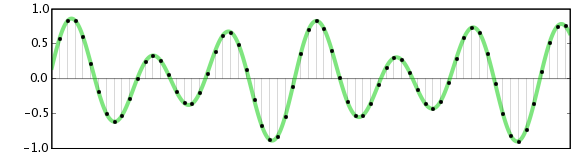
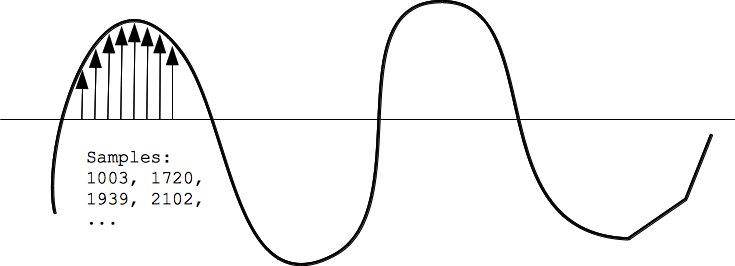


Comments:
I used to ignore all this. The breakdown you offer, though? Clear path for me now, thanks a lot!
Those numbers for the dBs just clicked, my uploads sound pro and better balanced – respect for the tips!
Your point on staying safe from bad settings is a banger reminder for me. Thanks again for this – saved a ton, you’re the best!
So you’re mainly cleaning sound to have less ‘uh oh’ moments, and more clear pro moments, that is top insight for all! Thanks for the notes!
Know any great tools or plugins for a budget DIY editor? Help and pass on any tip!
Content creators owe a debt to your efforts here – bless you for sharing, cheers!