Let’s talk about FLAC Compression and Audio Editing Workflows
As a specialist with years of experience in audio engineering and digital music production, I understand the importance of efficient file compression and streamlined editing workflows. When it comes to managing audio files without sacrificing quality, FLAC compression emerges as a pivotal solution. In this comprehensive guide, I’ll delve into the intricacies of FLAC compression, exploring its benefits, integration into audio editing workflows, and providing practical tips for optimizing your audio editing process. Let’s dive in and unravel the mysteries of FLAC compression and how it revolutionizes audio editing workflows.
The Fundamentals of FLAC Compression
FLAC, standing for Free Lossless Audio Codec, represents a sophisticated method of compressing audio files without sacrificing quality. Unlike traditional lossy compression formats like MP3, FLAC retains the entirety of the original audio data, ensuring a pristine listening experience. Imagine FLAC as a high-fidelity preservation method for your audio files, akin to storing delicate artifacts in a climate-controlled environment to prevent degradation. This preservation of audio quality is paramount for audiophiles and professionals alike, who demand uncompromised fidelity in their projects.
The Science Behind FLAC Compression
FLAC employs a process called lossless compression, wherein redundant or unnecessary audio data is eliminated without altering the core audio information.
Through predictive algorithms and entropy coding techniques, FLAC achieves significant file size reduction while retaining bit-perfect audio quality.
Unlike lossy formats, FLAC decompression results in an exact replica of the original audio waveform, ensuring no loss of fidelity or resolution.
Benefits of FLAC Compression
Uncompromised Audio Fidelity: FLAC preserves audio quality with utmost precision, making it the preferred choice for archiving and distribution among discerning listeners.
Space Efficiency: Despite its lossless nature, FLAC compression can significantly reduce file sizes compared to uncompressed formats like WAV or AIFF, optimizing storage space without sacrificing quality.
Versatility: FLAC files are compatible with a wide range of audio editing software and playback devices, ensuring seamless integration into diverse workflows.
Metadata Support: FLAC supports robust metadata tagging, allowing users to embed detailed information such as artist, album, and track title directly into the audio file.
Integrating FLAC into Audio Editing Workflows
Incorporating FLAC compression into your audio editing workflow can streamline your processes and enhance productivity. Whether you’re a music producer, sound designer, or podcast creator, leveraging FLAC offers a multitude of benefits that elevate your creative endeavors to new heights.
Lossless Editing Capabilities
When editing FLAC files, you have the assurance that every modification you make retains the original audio quality. Whether it’s trimming, applying effects, or mixing tracks, FLAC empowers you to manipulate audio with precision and confidence.
Unlike lossy formats where each save operation introduces irreversible quality loss, FLAC allows for seamless editing iterations without degradation, ensuring your creative vision remains intact throughout the production process.
Archiving and Mastering
FLAC serves as an ideal format for archiving your project files and creating master recordings. By preserving audio fidelity while minimizing file size, FLAC simplifies storage management and facilitates long-term preservation of your creative endeavors.
When preparing tracks for distribution or mastering, FLAC ensures that your final product maintains the highest possible quality, guaranteeing a superior listening experience for your audience.
Collaboration and Sharing
With FLAC, collaboration becomes seamless, as you can share project files with collaborators without worrying about compatibility issues or quality loss. Whether collaborating remotely or in-studio, FLAC streamlines the exchange of audio assets, fostering efficient workflows and enhancing creative collaboration.
Optimizing Your FLAC Workflow
Now that we’ve explored the benefits of FLAC compression and its integration into audio editing workflows, let’s delve into some practical tips for optimizing your FLAC workflow.
Batch Processing
Utilize batch processing capabilities in your audio editing software to streamline the compression of multiple files simultaneously. This saves time and ensures consistency across your project.
Metadata Management
Take advantage of FLAC’s robust metadata support to embed relevant information directly into your audio files. Proper metadata tagging enhances organization and facilitates easy retrieval of files during post-production and distribution.
Backup and Redundancy
Implement a comprehensive backup strategy to safeguard your FLAC files against data loss or corruption. Whether through cloud storage solutions or dedicated backup drives, redundancy is crucial for protecting your valuable audio assets.
Continuous Learning and Improvement
Stay abreast of advancements in audio compression technologies and emerging best practices in audio editing workflows. Continuously refining your skills and workflows ensures optimal efficiency and quality in your productions.
Latest words on FLAC Compression and Audio Editing Workflows
In conclusion, FLAC compression stands as a cornerstone of modern audio production, offering unparalleled fidelity and versatility for audio professionals and enthusiasts alike. By integrating FLAC into your editing workflows and adopting best practices for optimization, you can unlock new levels of creativity and efficiency in your audio projects. Embrace the power of FLAC and elevate your audio editing endeavors to extraordinary heights.
Comments:
FLAC has been a game-changer for me! I used to struggle with balancing audio quality and file size, but FLAC compression solved that problem beautifully. Thanks for the informative article!
– SoundEnthusiast22
This article provided some great insights into FLAC compression. However, I wish there was more discussion on the specific software tools that support FLAC editing. Overall, though, a helpful read!
– MusicManiac99
As a podcast producer, FLAC has been a lifesaver for managing large audio files without sacrificing quality. I appreciate the practical tips shared in this article for optimizing FLAC workflows!
– PodcasterExtraordinaire
I’m new to audio editing, and this article provided a comprehensive overview of FLAC compression and its benefits. Excited to incorporate FLAC into my workflow and explore its full potential!
– NewbieSoundWizard
Great article! I’ve been using FLAC for years, but I learned some new tips for optimizing my workflow. Keep up the good work!
– AudioPro123
FLAC compression has been a revelation for preserving the integrity of my music library. This article does an excellent job of highlighting its advantages and practical applications in audio editing.
– MusicBuff88
While FLAC compression is undoubtedly beneficial, I wish there was more discussion on its compatibility with different hardware and software platforms. Overall, though, an informative read!
– TechSavvyMusician
FLAC has become my go-to format for archiving my music collection. It’s reassuring to know that I can compress my files without sacrificing quality. Thanks for the valuable insights!
– ArchivistAudioPhile
This article provided a comprehensive overview of FLAC compression and its integration into audio editing workflows. The practical tips offered are sure to enhance my productivity in the studio. Kudos!
– StudioSavant
As an aspiring audio engineer, I found this article incredibly informative and insightful. Learning about the intricacies of FLAC compression has expanded my understanding of audio editing workflows. Thank you!
– FutureSoundMaster
FLAC compression has revolutionized the way I manage my audio projects. This article provided valuable tips for optimizing FLAC workflows, ensuring maximum efficiency and quality in my productions. Highly recommended!
– AudioProdigy
This article offers a comprehensive guide to FLAC compression and its benefits for audio editing workflows. However, I would have liked to see more discussion on the potential drawbacks or limitations of FLAC. Nonetheless, a valuable resource for anyone working with audio files!
– AudioAficionado
FLAC compression has been a game-changer for my music production projects. This article provided practical tips for optimizing FLAC workflows, which I can’t wait to implement in my studio. Thanks for sharing!
– MusicMaven123
As someone who’s passionate about audio quality, FLAC compression has been a revelation for me. This article shed light on the nuances of FLAC and how it enhances audio editing workflows. A must-read for any audiophile or music producer!
When delving into the realm of MP3 compression, it’s crucial to understand the intricacies of Constant Bit Rate (CBR) and the challenges associated with its implementation. As an expert in the field, I’ve encountered various complexities that demand a closer examination.
Let’s Talk about CBR in MP3 Compression
Implementing CBR in MP3 compression is a nuanced process that involves maintaining a consistent bit rate throughout the encoding. This ensures uniform audio quality but presents challenges that need addressing. One significant challenge lies in optimizing file size without compromising audio fidelity.
Optimizing File Size
In the quest for efficient compression, striking the right balance between file size and audio quality becomes paramount. Imagine a file as a delicate ecosystem where every bit matters. It’s like sculpting a masterpiece where removing too much compromises the essence.
Preserving Audio Fidelity
CBR struggles to adapt to dynamic audio complexities. Consider it akin to a chef preparing a dish with uniform flavors throughout, overlooking the subtleties that dynamic bit rates can capture. This uniformity poses challenges in preserving the richness and depth of diverse sound elements.
Challenges Beyond Uniformity
While CBR aims for consistency, the world of audio is dynamic and diverse. One-size-fits-all doesn’t always apply, and CBR faces hurdles in accommodating the intricacies of different musical genres, vocals, and ambient sounds.
Genre-Specific Challenges
Think of CBR as a canvas trying to capture the essence of various musical genres. The challenge lies in ensuring that genres with intricate nuances, like classical or jazz, receive the same level of justice as genres with simpler compositions.
Vocal and Ambient Considerations
CBR encounters difficulties when handling vocals and ambient sounds. It’s like a storyteller narrating tales where whispers and echoes are as crucial as the main narrative. CBR struggles to adapt and provide an equally immersive experience.
Let’s Dive Deeper
Going beyond the surface, the challenges of implementing CBR in MP3 compression reveal a landscape where uniformity clashes with diversity. As an enthusiast navigating this terrain, I’ve come to appreciate the complexities and the ongoing quest for solutions.
Emerging Solutions
While challenges persist, the industry doesn’t shy away from innovation. Think of it as a journey where every stumbling block paves the way for new solutions. Engineers are exploring adaptive techniques that blend the uniformity of CBR with the flexibility needed to navigate dynamic audio landscapes.
Looking Ahead
The world of MP3 compression, with its challenges and triumphs, is ever-evolving. As a dedicated explorer of audio technologies, I find solace in the fact that challenges spur innovation. The road ahead promises new approaches, ensuring that the quest for optimal MP3 compression remains an exciting adventure.
Comments:
CBR in MP3 compression has always fascinated me. The challenges mentioned resonate with my experiences. Looking forward to more insights!
Great article! However, I wish there was more detail on solutions to these challenges. Still, a valuable read!
As a music producer, the struggle with CBR’s uniformity is real. Hoping for advancements in adaptive techniques.
Digital Bit Depth in AudioDigital Bit Depth in Audio
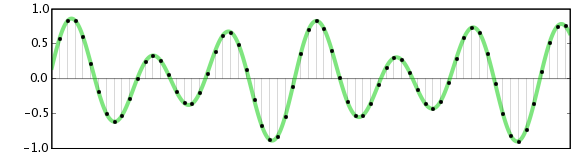
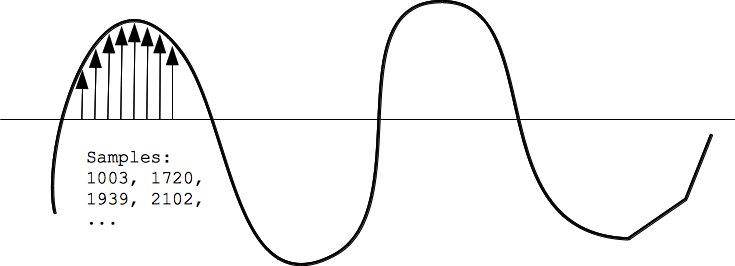
Digital bit depth in audio is a fundamental concept that impacts the quality and fidelity of digital sound. Bit depth, also known as audio resolution, refers to the number of bits used to represent the amplitude of an audio signal at a specific point in time. It essentially quantifies how finely audio samples are taken in the digital domain.
To put it simply, the bit depth determines the precision with which sound is captured and stored digitally. Common bit depths in digital audio are 16-bit, 24-bit, and 32-bit, with higher numbers providing greater precision.
Audio Bit Depth Explained
Understanding audio bit depth is essential for anyone seeking to grasp the intricacies of digital audio recording and playback. At its core, audio bit depth is a measure of how accurately an analog sound wave’s amplitude is captured and converted into a digital signal.
In practical terms, a higher bit depth signifies that the digital representation of an audio waveform closely mirrors the original analog signal, resulting in reduced quantization error or “noise.” Quantization error occurs when an analog value is approximated to the nearest digital value, and lower bit depths can make this error more noticeable, especially in quieter sections of audio.
Bit Depth and Audio Quality
Bit depth plays a pivotal role in determining the quality and precision of digital audio. The relationship between bit depth and audio quality is akin to an artist’s palette of colors. A higher bit depth provides a broader spectrum of shades and nuances, making the digital representation of sound more faithful to the original analog source.
For example, a 16-bit system offers 65,536 discrete amplitude levels, whereas a 24-bit system provides an astonishing 16,777,216 levels. This heightened precision results in smoother and more detailed audio representation, particularly in the subtle and quiet passages of a recording.
Digital Audio Resolution
Digital audio resolution, closely linked to bit depth, is a critical factor in capturing and reproducing sound accurately. It refers to the level of detail and clarity in digital audio. The greater the bit depth, the higher the resolution, and the finer the nuances that can be captured.
In the realm of audio production, higher digital audio resolution means that the subtle nuances, such as the intricacies of a singer’s voice or the delicate harmonics of a musical instrument, are preserved with remarkable fidelity.
Bit Depth in Music Recording
In the world of music recording, selecting the appropriate bit depth is a crucial decision that profoundly affects the final audio quality. Musicians and producers carefully consider bit depth when recording to ensure that the nuances and dynamics of their performances are accurately captured.
In practice, 24-bit recording is a popular choice among music professionals. This bit depth provides an ideal balance between precision and file size, allowing for the capture of subtle details while minimizing the risk of bit-depth noise in quieter sections of the recording.
Audio Signal Precision
Audio signal precision, often measured by bit depth, is a key consideration in professional audio production. It relates to how faithfully an audio system can reproduce the original sound. The higher the bit depth, the greater the precision in representing the analog signal, resulting in cleaner and more accurate audio playback.
For audio engineers and producers, achieving optimal audio signal precision is paramount. It ensures that the music they create is heard as intended, with all the intricacies and subtleties faithfully reproduced.
Bit Depth in Analog-to-Digital Conversion
Understanding how bit depth influences analog-to-digital conversion is essential for maintaining audio fidelity. Analog-to-digital conversion is the process of transforming continuous analog signals into discrete digital values. Bit depth determines the number of discrete values that can represent the amplitude of the analog signal during this conversion.
In essence, higher bit depth means that the analog-to-digital conversion process captures more precise details from the analog signal. This is particularly critical when working with high-quality audio sources where preserving every nuance is paramount.
Sound Fidelity and Bit Depth
Sound fidelity, the faithfulness with which audio is reproduced, is intricately linked to bit depth. A higher bit depth generally results in better audio fidelity, as it allows for the accurate representation of both subtle nuances and powerful crescendos in music.
Consider classical music or jazz, where dynamics play a significant role. With a higher bit depth, the audio system can faithfully reproduce the full range of soft and loud passages, ensuring that the listener experiences the music as intended by the performers and composers.
Impact of Bit Depth on Audio Playback
The impact of bit depth on audio playback is a critical factor in delivering a high-quality listening experience. When you listen to digital audio, the bit depth of the source file significantly affects what you hear.
In simple terms, higher bit depth in the source audio file results in a more faithful and detailed listening experience. This becomes especially noticeable in acoustic instruments, where the subtle nuances of a violin’s bowing or a pianist’s touch can be lost in lower bit depth recordings.
How Does Bit Depth Affect the Quality of Digital Audio?
Exploring how bit depth affects the quality of digital audio is crucial for audiophiles and audio professionals alike. It’s the bit depth that determines how accurately the audio signal is captured and reproduced, ultimately influencing the overall audio quality.
A higher bit depth translates to a more faithful representation of the original sound, with fewer imperfections or noise introduced during the recording and playback processes. This improvement in audio quality is particularly noticeable in genres that require a wide dynamic range and high levels of detail.
What Is the Role of Bit Depth in Recording Music Digitally?
The role of bit depth in recording music digitally is a multifaceted aspect of audio production. When musicians and engineers step into the studio, they must make critical decisions about bit depth to ensure that their recordings capture the essence of the music.
Choosing the appropriate bit depth is a balancing act. While higher bit depths provide greater precision and fidelity, they also result in larger file sizes. Musicians often opt for 24-bit recordings as they strike a harmonious balance between capturing subtle details and managing storage requirements.
How Is Audio Fidelity Influenced by Digital Bit Depth?
Understanding how digital bit depth influences audio fidelity is key to achieving top-tier sound quality. Audio fidelity, often described as the faithfulness of audio reproduction to the original source, is a critical consideration for audio professionals and enthusiasts.
With a higher bit depth, audio fidelity is enhanced because the digital representation of the sound is more detailed and accurate. This is especially crucial in professional audio production, where maintaining the highest possible fidelity is paramount.
Can You Explain the Importance of Bit Depth in Analog-to-Digital Conversion for Audio?
Explaining the importance of bit depth in analog-to-digital conversion sheds light on the intricacies of audio processing. Analog-to-digital conversion is the bridge that allows analog sound to be translated into a digital format that can be manipulated and stored. Bit depth plays a pivotal role in this process.
Higher bit depths ensure that the analog-to-digital conversion process captures more fine-grained details from the original analog signal. This is essential for preserving the richness and subtleties of audio, whether it’s a soaring vocal performance, the resonance of a musical instrument, or the ambiance of a recording environment.
What Is the Relationship Between Bit Depth and Dynamic Range in Digital Audio?
The relationship between bit depth and dynamic range in digital audio is a crucial one to understand. Dynamic range refers to the difference between the softest and loudest sounds that an audio system can reproduce. Bit depth plays a pivotal role in defining this dynamic range.
Higher bit depths translate to a wider dynamic range, allowing for the faithful reproduction of both subtle nuances and powerful crescendos in music. This is essential for maintaining audio fidelity, especially in genres with a wide range of dynamics, such as classical music and jazz.
How Does Bit Depth Impact the Accuracy of Audio Playback?
The impact of bit depth on the accuracy of audio playback cannot be overstated. When you listen to music or any digital audio content, the bit depth of the source file has a profound influence on what you hear.
Higher bit depth in the source audio file means that the playback faithfully represents the original recording. It allows for the subtlest details and nuances to shine through, creating a more immersive and engaging listening experience. In essence, higher bit depth contributes to the accuracy and realism of audio playback.
Are There Industry Standards for Bit Depth in Digital Audio Recording?
In the world of professional audio recording, industry standards play a vital role in guiding the use of bit depth. While there’s flexibility in choosing bit depths based on specific requirements, certain standards are commonly followed.
For instance, most audio CDs use 16-bit resolution, which offers high-quality playback suitable for the majority of consumers. However, in the realm of studio recording and mastering, 24-bit and even 32-bit formats are commonly employed to ensure the highest level of fidelity.
What Are the Advantages of Using Higher Bit Depth in Audio Processing?
Using higher bit depth in audio processing offers several distinct advantages. These advantages extend to both recording and post-production stages, and they significantly impact the overall quality of audio content.
Enhanced Audio Fidelity
One of the primary advantages is enhanced audio fidelity. Higher bit depths provide more precision in capturing and reproducing audio, resulting in recordings that faithfully preserve the original sound. This is particularly important in professional music production and critical listening environments.
Greater Dynamic Range
Higher bit depths also grant a greater dynamic range, allowing for the faithful representation of a wide range of sound intensities. This is particularly beneficial in genres of music or audio content with stark differences in volume, as it ensures that both delicate subtleties and powerful peaks are accurately reproduced.
How Can I Optimize Bit Depth for Better Audio Resolution?
For those involved in audio production or seeking the best listening experience, optimizing bit depth is crucial. It’s not just about using the highest available bit depth but also considering the entire audio workflow and ensuring that bit depth aligns with specific needs.
Matching Bit Depth to Audio Source
When recording audio, it’s essential to match the bit depth to the dynamic range of the audio source. For instance, a live jazz performance with wide dynamic swings benefits from 24-bit recording, while a podcast with a more consistent volume may suffice with 16-bit. This approach minimizes bit-depth noise while preserving audio quality.
Post-Production Considerations
During post-production, maintaining a high bit depth throughout the editing and mixing process is advisable. Only when preparing the final distribution format, such as a CD or streaming file, should the audio be converted to a lower bit depth to match the destination format.
The Benefits of Greater Bit Depth in Digital Audio Systems
As technology advances, digital audio systems are offering higher bit depths as an option. But what are the practical advantages of embracing these extended bit depths?
Future-Proofing Audio
One significant advantage is future-proofing your audio recordings. With higher bit depths, your recordings are better equipped to stand the test of time. As playback systems and formats improve, your high-bit-depth recordings will continue to sound exceptional, ensuring that your music or audio content remains relevant for years to come.
Editing Flexibility
Greater bit depths also provide increased editing flexibility. Audio engineers can apply effects and processing without worrying as much about introducing quantization errors or compromising audio quality. This freedom allows for more creative experimentation during the mixing and mastering stages, ultimately leading to more polished and refined audio content.
In conclusion, digital bit depth is a critical factor in the world of audio, influencing both recording and playback quality. Understanding its importance, selecting the appropriate bit depth for various scenarios, and embracing higher bit depths when possible can lead to an audio experience that is richer, more immersive, and of the highest fidelity. Whether you’re a musician, audio engineer, or simply a music enthusiast, appreciating the role of bit depth can elevate your audio journey to new heights.
Digital music, the trend that transforms the industry
Digital music is revolutionizing the music industry today. It’s charting a new era of entertainment that changes the way listeners interact with songs and artists. This trend is accelerating the transformation from an industry focused on the distribution of physical materials to one that is geared towards streaming and even a shift in artists’ focus. This is the story of how the music industry is evolving.
History of digital music
We’ve seen a lot of changes since the first mp3 in 1995 and the dawn of the digital music era. Since then, services like iTunes have revolutionized the music industry through digital distribution and on-demand purchases. In the last decade, digital music has become the most popular form of music content consumption. This trend has accelerated with the development of streaming platforms such as Spotify and Apple Music that allow users to listen to music without having to buy it. This has impacted the way artists have promoted their songs and work.
Change in artists’ approach
The main change in artists’ approach is how they promote their songs. With streaming, artists don’t have to focus on selling their product to earn income. Instead, they can earn passive income by “streaming” their songs. Additionally, artists are also changing their promotional approaches to ensure that their content reaches the eyes and ears of the widest possible audience. Digital promotion has therefore become an important tool for artists. This includes creating promotional materials for social media, using streaming platforms, and participating in marketing and promotional campaigns for other artists and record labels.
Consumer trends
Changes in the music industry have also impacted consumer behavior. With streaming offering a large amount of content for an affordable price, more and more consumers are choosing to cut the cord and opt for music streaming services instead of having to buy record albums. Users are also discovering more content due to the greater variety of options available, which means artists have a better chance of getting their content in the eyes and ears of their fans.
What’s to come?
With the development of new technologies such as virtual reality, it is clear that the music industry will continue to evolve to accommodate new forms of entertainment. Companies and artists will also look for new ways to innovate to keep consumers excited. What is clear is that the future of the music industry will continue to be an interesting story to follow.




Comments:
FLAC has been a game-changer for me! I used to struggle with balancing audio quality and file size, but FLAC compression solved that problem beautifully. Thanks for the informative article!
– SoundEnthusiast22
This article provided some great insights into FLAC compression. However, I wish there was more discussion on the specific software tools that support FLAC editing. Overall, though, a helpful read!
– MusicManiac99
As a podcast producer, FLAC has been a lifesaver for managing large audio files without sacrificing quality. I appreciate the practical tips shared in this article for optimizing FLAC workflows!
– PodcasterExtraordinaire
I’m new to audio editing, and this article provided a comprehensive overview of FLAC compression and its benefits. Excited to incorporate FLAC into my workflow and explore its full potential!
– NewbieSoundWizard
Great article! I’ve been using FLAC for years, but I learned some new tips for optimizing my workflow. Keep up the good work!
– AudioPro123
FLAC compression has been a revelation for preserving the integrity of my music library. This article does an excellent job of highlighting its advantages and practical applications in audio editing.
– MusicBuff88
While FLAC compression is undoubtedly beneficial, I wish there was more discussion on its compatibility with different hardware and software platforms. Overall, though, an informative read!
– TechSavvyMusician
FLAC has become my go-to format for archiving my music collection. It’s reassuring to know that I can compress my files without sacrificing quality. Thanks for the valuable insights!
– ArchivistAudioPhile
This article provided a comprehensive overview of FLAC compression and its integration into audio editing workflows. The practical tips offered are sure to enhance my productivity in the studio. Kudos!
– StudioSavant
As an aspiring audio engineer, I found this article incredibly informative and insightful. Learning about the intricacies of FLAC compression has expanded my understanding of audio editing workflows. Thank you!
– FutureSoundMaster
FLAC compression has revolutionized the way I manage my audio projects. This article provided valuable tips for optimizing FLAC workflows, ensuring maximum efficiency and quality in my productions. Highly recommended!
– AudioProdigy
This article offers a comprehensive guide to FLAC compression and its benefits for audio editing workflows. However, I would have liked to see more discussion on the potential drawbacks or limitations of FLAC. Nonetheless, a valuable resource for anyone working with audio files!
– AudioAficionado
FLAC compression has been a game-changer for my music production projects. This article provided practical tips for optimizing FLAC workflows, which I can’t wait to implement in my studio. Thanks for sharing!
– MusicMaven123
As someone who’s passionate about audio quality, FLAC compression has been a revelation for me. This article shed light on the nuances of FLAC and how it enhances audio editing workflows. A must-read for any audiophile or music producer!
– HiFiEnthusiast