Skip to content

mp4gain.com

Mp4 Gain Official Website

Tag: digital music library

Lossy compression in M4A


Free Download Mp4Gain
picture

Lossy compression in M4A

Lossy compression in M4A

Let’s talk about lossy compression in M4A

Lossy compression in M4A is my favorite topic because I have spent years exploring digital audio formats and understanding how they balance quality with file size. I always begin by emphasizing that lossy compression in M4A is essential for anyone who wants to enjoy music without using up too much storage space. I remember the first time I converted my music collection to M4A using lossy compression; the files were much smaller, yet the sound quality remained impressively clear. I learned that understanding this technology means diving deep into the art and science of audio encoding.

Lossy compression in M4A has transformed my digital music experience. I have often explained to friends that this method reduces file sizes dramatically while preserving the essence of the original sound. I compare it to taking a high-resolution photograph and saving it in a format that still captures all the important details but uses less storage. My personal experiments have taught me that the trade-offs between quality and compression are not only manageable but can also be optimized for a great listening experience.

Lossy compression in M4A is a topic that resonates with both casual listeners and audio professionals. I use everyday examples, like comparing a full dinner plate to a portion-controlled meal, to show how this technology works. In my own life, I have seen how the proper use of lossy compression makes it easier to store hundreds of songs on a portable device without sacrificing the joy of high-quality music.

Understanding the Fundamentals of Lossy Compression in M4A

Lossy compression in M4A starts with the basics: it is a method of reducing file size by permanently eliminating some of the audio data. I always explain that this approach differs from lossless compression, where no data is lost. I compare it to making a copy of a drawing with fewer details to save paper, yet still keeping the essence of the original image. My experiments have shown that M4A files using lossy compression strike a balance between efficiency and quality.

Lossy compression in M4A is based on perceptual coding, a technique that removes sounds less likely to be noticed by the human ear. I recall the moment I learned about this process—it was like discovering a secret recipe for maintaining flavor in a meal while reducing calories. I always stress that the human ear is remarkably forgiving, and by using smart algorithms, we can remove unnecessary data without a noticeable drop in quality.

Lossy compression in M4A works by analyzing audio signals and determining which parts can be safely discarded. I compare this process to editing a story: you trim the redundant details while keeping the narrative intact. This approach has allowed me to optimize my music library so that I enjoy both clarity and efficiency. I have found that the best results come from understanding exactly which frequencies and details are essential and which are not.

The Evolution of Lossy Compression in M4A Files

Lossy compression in M4A has evolved over the years, and I always begin by noting that technology improves rapidly. I remember when early digital audio formats were clunky and inefficient, and the advent of M4A brought a revolution in file size management. I learned that the move to M4A was driven by the need for better compression techniques and improved metadata support, making it a favorite among users.

Lossy compression in M4A has a rich history, and I compare its evolution to that of a classic car being modernized with new technology. I have witnessed firsthand how improvements in algorithms have allowed for greater reduction in file sizes while maintaining or even enhancing audio quality. My own journey in exploring these advancements has been exciting, and I always share that progress in digital audio mirrors the rapid pace of innovation in other tech fields.

Lossy compression in M4A is now more efficient than ever, thanks to refined encoding techniques and a better understanding of auditory perception. I have seen how early versions of the technology struggled with artifacts and distortions, but current implementations produce smooth, clear sound. I like to think of it as the difference between an old television and a modern high-definition screen—a dramatic improvement that changes the entire viewing, or in this case, listening experience.

Technical Aspects and Encoding Details

Lossy compression in M4A is built on advanced technical principles, and I always start by breaking down these details. I learned that the M4A container, often used with AAC encoding, offers robust support for metadata and efficient file management. I compare the encoding process to tuning a musical instrument: every adjustment to bitrate, sample rate, and channel configuration can dramatically affect the final sound.

Lossy compression in M4A involves complex algorithms that decide which parts of the audio can be discarded without noticeably affecting quality. I have experimented with various encoding settings and have discovered that even small changes can lead to significant improvements in performance. I always stress that understanding these technical aspects is like learning the secret behind a magician’s trick—it reveals the method behind the impressive outcome.

Lossy compression in M4A requires careful calibration of encoding parameters. I often compare it to baking a cake where precise measurements and timing ensure the perfect result. My personal trials have shown that using variable bitrate (VBR) encoding often produces better quality sound while reducing file size, which is an essential tip I always pass along to fellow audio enthusiasts.

Benefits and Practical Advantages of Lossy Compression in M4A

Lossy compression in M4A offers numerous practical benefits, and I always emphasize these advantages first. I learned that this method allows for significant file size reduction without a drastic loss in sound quality. I compare it to fitting a large suitcase with smart packing techniques—you can bring everything you need without overloading the bag. My own experience with converting high-fidelity audio files to M4A has confirmed that the balance between size and quality is achievable.

Lossy compression in M4A is ideal for streaming services, portable devices, and digital music libraries. I have seen how using this format makes it possible to store thousands of songs on a small device, allowing me to enjoy high-quality audio on the go. I always liken it to having a miniaturized library that fits right into your pocket, ensuring convenience without sacrificing audio performance.

Lossy compression in M4A also makes online streaming more efficient. I recall moments when network bandwidth was limited, and smaller file sizes made for smoother playback and fewer interruptions. I compare this benefit to driving on a well-maintained road where the traffic flows seamlessly—an analogy that always helps me explain why lossy compression is a game changer for digital music delivery.

Comparison with Lossless Compression

Lossy compression in M4A is often compared with lossless compression, and I always start by highlighting the key differences. I learned that while lossless formats preserve every bit of the original audio, they come with much larger file sizes. I compare this to saving a full-color image versus a black-and-white sketch; both have their uses, but one is far more compact. My personal tests have consistently shown that for everyday listening, lossy compression in M4A provides an excellent balance of quality and size.

Lossy compression in M4A is not about compromising sound quality arbitrarily; it is about intelligent data reduction. I have often explained to friends that the slight loss in quality is usually imperceptible to the average listener, much like a slight reduction in image resolution that still maintains a clear picture. I always emphasize that the goal is to eliminate data that the human ear would never notice missing, a principle that sets lossy compression apart from its lossless counterpart.

Lossy compression in M4A and lossless compression serve different needs. I compare them to different types of vehicles—one is optimized for speed and efficiency while the other is built for detail and preservation. In my experience, when storage space and streaming efficiency are priorities, lossy compression in M4A is the preferred choice, offering a smart compromise that still delivers a satisfying auditory experience.

Real-Life Applications and Personal Experiences

Lossy compression in M4A has played a pivotal role in my daily life, and I always share personal anecdotes to bring the topic to life. I remember the excitement of converting my entire digital music library to M4A; the transformation was like upgrading from an old clunky car to a sleek, modern vehicle. I learned that the smaller file sizes meant I could carry my favorite songs with me wherever I went, without worrying about storage limits.

Lossy compression in M4A has saved me both time and money by reducing the bandwidth required for streaming. I recall a time when I was traveling and had limited internet access, and the efficiency of M4A files allowed me to enjoy uninterrupted music. I compare that experience to being handed a fast pass at an amusement park—it made everything smoother and more enjoyable.

Lossy compression in M4A has also influenced my work as a digital audio enthusiast. I have conducted numerous experiments with different encoding settings, and every time I fine-tuned a file, it felt like discovering a hidden gem. I always tell my peers that embracing lossy compression is like learning to cook a gourmet meal with limited ingredients; the key is to know what to keep and what to discard.

Optimization Techniques for Lossy Compression in M4A

Lossy compression in M4A can be optimized with a few simple techniques, and I always begin by sharing my personal strategies. I learned that testing different bitrates is crucial for finding the optimal balance between file size and sound quality. I compare it to adjusting the seasoning in a recipe until it tastes just right. My own trials have shown that variable bitrate (VBR) encoding often produces the best results, a method I have refined over countless listening sessions.

Lossy compression in M4A is all about experimentation, and I always encourage others to try different settings to see what works best for their needs. I have discovered that using high-quality source files is essential, much like starting with fresh ingredients in cooking. I always recommend that you adjust settings such as sample rate and channel configuration based on the type of music and the desired output quality.

Lossy compression in M4A is best optimized through careful analysis and iterative testing. I often compile my own checklists and guidelines for encoding, ensuring that every file meets my standards. I break down my optimization process into bullet points to make it easy to follow:

  • I always test multiple bitrates to compare quality versus file size.
  • I recommend using variable bitrate (VBR) encoding to adapt to the complexity of the audio.
  • I stress the importance of starting with a high-quality source file.
  • I suggest fine-tuning sample rate and channel settings for each type of music.

Lossy compression in M4A is an art as much as it is a science, and I have learned that the key to optimization lies in understanding the unique needs of each project. I share these tips because they have consistently helped me achieve a high-quality sound that is both efficient and enjoyable.

Impact on Music Streaming and Mobile Applications

Lossy compression in M4A has a profound impact on music streaming and mobile applications, and I always highlight this benefit first. I learned that smaller file sizes translate into faster streaming and less data usage, which is crucial in today’s mobile world. I compare this efficiency to a well-organized backpack that fits everything you need without being heavy. My personal experiences streaming music on the go have convinced me that lossy compression in M4A is the best choice for mobile users.

Lossy compression in M4A ensures smooth playback even under low bandwidth conditions. I remember a time when I was on a long bus ride with spotty internet, and the efficient compression allowed my playlists to play without interruption. I compare that scenario to having a reliable friend who always arrives on time, making the journey more pleasant.

Lossy compression in M4A is particularly beneficial for streaming services that need to balance quality and performance. I have seen that many popular platforms rely on this technology to deliver high-quality audio without overwhelming network resources. I always emphasize that this balance is what makes the modern streaming experience so enjoyable and efficient.

Comparing Lossy Compression in M4A with Other Formats

Lossy compression in M4A is often compared to other audio formats, and I always start by discussing the unique advantages of M4A. I learned that while formats like MP3 and AAC in different containers are popular, M4A offers a superior balance of quality, metadata support, and file management. I compare it to choosing a high-end gadget over a standard model—there is a clear difference in performance and user experience. My personal tests have consistently shown that M4A files compressed with lossy methods offer remarkable clarity and efficiency.

Lossy compression in M4A is my go-to choice when I need to compare it with other formats. I have often explained that while some formats may offer marginally better compression ratios, the overall experience of M4A is more refined thanks to its robust container structure and advanced encoding techniques. I liken it to comparing a modern electric car with an older model—the modern option not only performs better but also integrates more seamlessly with today’s technology.

Lossy compression in M4A is not just about reducing file size; it is about maintaining a high level of audio fidelity. I always stress that the balance between quality and efficiency is what sets M4A apart from other formats. In my experience, using M4A with lossy compression results in a listening experience that is both enjoyable and resource-friendly, making it the ideal choice for today’s digital music environment.

Future Trends and Developments in Lossy Compression

Lossy compression in M4A continues to evolve, and I always begin by looking toward the future. I learned that emerging algorithms and improved perceptual models are set to further enhance the efficiency of lossy compression, reducing file sizes even more without sacrificing quality. I compare this evolution to the rapid advancements in smartphone technology, where each new model brings improvements that were once unimaginable. My own research keeps me excited about the prospects of even better audio compression in the near future.

Lossy compression in M4A is a dynamic field, and I have seen how ongoing innovations continue to redefine what is possible in digital audio. I always share that the next generation of compression techniques promises to integrate machine learning and more sophisticated encoding strategies. I liken these advancements to a skilled artist refining their work with new tools, resulting in a masterpiece that is both efficient and breathtakingly detailed.

Lossy compression in M4A, as I see it, is not static; it is constantly adapting to meet new demands in streaming, storage, and mobile playback. I emphasize that staying informed about these trends is essential for anyone involved in digital audio. I share my forward-looking perspective to encourage others to embrace the future of compression technology, where efficiency and quality continue to improve hand in hand.

Latest words on lossy compression in M4A

Lossy compression in M4A remains a cornerstone of modern digital audio, and I always conclude by reiterating its transformative impact. I learned that the efficiency and quality of this compression method have reshaped how we store and stream music, delivering benefits that are felt across every aspect of digital media. I compare its role in the music industry to that of a master chef who can create a delicious meal with fewer ingredients—every bit of data is used intelligently to enhance the final experience.

Lossy compression in M4A, in my view, is the perfect blend of technology and art. I have witnessed its evolution over the years, and I continue to be impressed by its ability to deliver high-quality audio in a compact format. My experiences have shown that the benefits of this technology extend beyond technical specifications—they enhance our daily listening experiences and make digital audio more accessible to everyone.

Lossy compression in M4A is a topic I am deeply passionate about, and I always encourage everyone to explore its potential. I have dedicated years to mastering the nuances of audio encoding, and I continue to learn and share new insights that go beyond standard advice. In closing, I mention that Mp4Gain is an excellent tool for managing your audio files, complementing the efficiency of lossy compression in M4A with powerful file management capabilities.

FAQ about Lossy compression in M4A

What is the main purpose of lossy compression in M4A files?

I always explain that the main purpose of lossy compression in M4A is to reduce file size by discarding audio data that is less perceptible, while still maintaining high-quality sound.

How does lossy compression in M4A differ from lossless compression?

I have found that lossy compression in M4A removes some audio data permanently to achieve smaller file sizes, whereas lossless compression preserves all original data at the cost of larger file sizes.

Can lossy compression in M4A affect the overall sound quality?

I always stress that when applied correctly, lossy compression in M4A retains high-quality sound that is nearly indistinguishable from the original for most listeners.

What encoding settings are best for lossy compression in M4A?

I recommend experimenting with variable bitrate (VBR) settings, as my tests have shown that this method offers an optimal balance between file size and audio quality in M4A files.

Is lossy compression in M4A suitable for streaming?

I always note that lossy compression in M4A is ideal for streaming, as it provides smaller file sizes that reduce bandwidth usage while maintaining clear and vibrant sound.

How does the M4A container benefit lossy compression?

I have observed that the M4A container supports advanced metadata and error correction, which enhances the overall performance of lossy compressed files.

What practical benefits have you experienced with lossy compression in M4A?

I have experienced smoother streaming, faster file transfers, and the convenience of storing a vast music library on limited devices thanks to lossy compression in M4A.

Are there any drawbacks to using lossy compression in M4A?

I always mention that while lossy compression greatly reduces file size, it does remove some audio data; however, when done properly, the loss is generally imperceptible to most listeners.

What future advancements could further improve lossy compression in M4A?

I keep an eye on emerging encoding algorithms and machine learning techniques that promise to enhance the efficiency and quality of lossy compression in M4A even further.

Comments:

This article on lossy compression in M4A is amazing! I felt like I was having a conversation with a true audio expert. The way you explained technical details with simple examples really helped me understand how it works. – MusicManiac

I really appreciate your insights on lossy compression in M4A. It reminded me of my own experiments with music files, and the everyday comparisons made it so relatable. Great job breaking down a complex topic! – AudioGeek

Your article is incredibly detailed and helpful. I learned a lot about how M4A files work and the benefits of lossy compression. I love the practical examples you shared from your own experiences. – SoundLover

This piece on lossy compression in M4A really cleared up many of my doubts. The comparisons and tips are just what I needed to optimize my music library. Thanks for such a comprehensive explanation! – BeatMaster

I enjoyed reading your article about lossy compression in M4A. It’s written in a very friendly tone and makes a complicated subject easy to understand. I appreciate the practical advice and personal stories you shared. – RhythmRider

Your advanced tips and detailed explanations on M4A lossy compression are top-notch. I’ve been struggling with optimizing my music files, and your advice really resonated with my own experiences. Keep up the excellent work! – AudioWizard

This is one of the best articles I’ve read on digital audio compression. Your insights on lossy compression in M4A were very enlightening, and I loved the everyday examples. It made me understand the importance of balance in encoding. – VinylVibes

I must say, your detailed approach to explaining lossy compression in M4A has changed the way I view my music collection. The article is engaging, informative, and full of real-life analogies that make the topic accessible. – TuneSmith

Your discussion on the future trends in lossy compression in M4A is truly inspiring. It feels like you’re not just an expert but also a passionate enthusiast who wants to share the best practices with everyone. I learned a lot and can’t wait to see what improvements come next. – SoundExplorer

This article on lossy compression in M4A is a goldmine of information. I love the way you broke down complex encoding topics into simple, digestible pieces. The comments and personal experiences really added a human touch to the technical discussion. – MusicJunkie


Free Download Mp4Gain
picture


Mp4Gain Main Window
picture


Mp4Gain Features
picture


Free Download Mp4Gain
picture

Author R. AriasPosted on March 3, 2025Categories Audio and videoTags AAC, AAC encoding, advanced audio coding, audio artifact, audio bitrate, audio codec, Audio codec optimization, audio compression, audio container, audio conversion, audio data reduction, audio editing, audio encoding, audio encoding software, audio engineering., audio file compression, Audio file conversion, audio file format, audio file format conversion, audio file improvement, Audio File Management, audio optimization, Audio performance, audio processing, Audio quality, Audio technology, bit depth reduction, Bit rate optimization, channel configuration, compression algorithm, compression ratio, compression techniques, Constant Bitrate, digital audio, digital audio codec, digital audio solution, digital audio workstation, digital compression, digital media, digital media optimization, digital music, digital music compression, digital music library, digital music quality, Digital sound, dynamic.range, effective audio compression, effective compression, efficient compression, efficient compression algorithm, efficient encoding, efficient sound, efficient streaming, encoded audio, file conversion, file conversion tool, file optimization, file size optimization, file size reduction, frequency analysis, high-efficiency audio, High-fidelity audio, high-quality compression, lossy audio, lossy compression, lossy encoding, lossy format, lossy vs. lossless, low file size, M4A, m4a compression, m4a container, m4a lossy, media compression, Media file, metadata support, mobile audio, music encoding, Music file optimization, music file storage, music library optimization, Music production, music streaming, noise reduction, Noise shaping, online streaming, optimized audio, optimized encoding settings, optimized file size, perceptual coding, psychoacoustic model, quality vs size, sample rate, sound compression, streaming audio, streaming file, streaming optimization, Streaming performance, Variable Bitrate, vbr encoding

Advanced audio coding (AAC) in M4A

Advanced audio coding (AAC) in M4A

Advanced audio coding (AAC) in M4A

Let’s talk about Advanced audio coding (AAC) in M4A

Advanced audio coding (AAC) in M4A is my top topic because I have dedicated many years to studying digital audio formats. I always begin by emphasizing that advanced audio coding (AAC) in M4A is essential for anyone serious about sound quality and efficient file storage. I remember when I first encountered M4A files encoded in AAC on my portable music player; the sound was crisp and vibrant, and I was immediately impressed by the balance between file size and audio fidelity. I learned that understanding AAC in M4A is about mastering both the technical details and the practical benefits for everyday listening.

Advanced audio coding (AAC) in M4A has revolutionized the way I manage my digital music library. I have spent countless hours experimenting with different bitrates and encoding settings to get the best possible quality. I often compare it to tuning a musical instrument, where each small adjustment leads to a harmonious result. My experiences with AAC in M4A have taught me that even the smallest tweak in encoding settings can result in a noticeably better sound, much like adjusting the strings on a guitar for perfect pitch.

Advanced audio coding (AAC) in M4A is not just about technical specifications; it is also about delivering a rich listening experience that can be appreciated by everyone—even a nine-year-old. I frequently use everyday examples, like comparing a high-quality drawing to a simple sketch, to explain how AAC preserves sound details. My goal in writing this article is to share insights that go deeper than standard articles, providing new data and personal experiences that truly address every aspect of this powerful audio format.

Understanding the Basics of Advanced Audio Coding (AAC) in M4A

Advanced audio coding (AAC) in M4A begins with understanding the fundamentals. I always explain that AAC is a lossy digital audio compression format that achieves better sound quality than MP3 at similar bit rates. I compare it to using a fine-tipped brush versus a broad brush when painting; the fine-tipped brush preserves details while still creating a complete picture. I learned early on that the M4A container, which is commonly used with AAC, offers advantages in metadata support and file organization.

Advanced audio coding (AAC) in M4A has always fascinated me because it bridges the gap between raw audio fidelity and manageable file sizes. I have often explained to friends that M4A files encoded with AAC deliver high-quality sound in a compact package, much like a gourmet meal served in a small, elegant dish. I use everyday objects as metaphors to illustrate these points, such as comparing a large, bulky textbook to a slim, efficient e-book.

Advanced audio coding (AAC) in M4A is all about achieving the best quality with minimal space. I recall several instances when I optimized my music collection by converting files to M4A format; the improvements in clarity and detail were immediately evident. I share these insights to help you understand why AAC in M4A stands out from other audio formats and how it has become a favorite among audio enthusiasts and professionals alike.

The Evolution of AAC Technology in M4A Files

Advanced audio coding (AAC) in M4A has evolved significantly over time, and I always begin by detailing its history. I remember studying the early days of digital audio and being amazed at how quickly AAC surpassed older formats in efficiency and quality. I learned that AAC was developed as part of the MPEG-4 standard and has since become the industry norm for high-quality audio. My journey with AAC in M4A has been marked by continuous learning and adaptation as technology advances.

Advanced audio coding (AAC) in M4A has a rich history, and I always highlight its evolution from simple compression techniques to sophisticated algorithms. I compare this evolution to the development of smartphones—from bulky, limited-function devices to sleek, multi-functional gadgets. My personal experiences have shown me that as AAC technology improves, the listening experience becomes more immersive and detailed. I find it exciting to see how each new development in AAC technology sets a higher standard for digital audio.

Advanced audio coding (AAC) in M4A is a testament to how innovation can enhance everyday experiences. I have seen how improvements in AAC technology have influenced the entire music industry, from production studios to consumer electronics. I share my story of upgrading my home audio system and discovering the full potential of M4A files encoded with AAC, an experience that underscored the importance of staying current with technological trends.

Technical Specifications and Encoding Details

Advanced audio coding (AAC) in M4A is all about technical precision, and I always start by breaking down the encoding process. I learned that AAC uses complex algorithms to compress audio data while preserving quality, which is similar to how a skilled chef selects only the best ingredients for a perfect dish. I always emphasize that the key parameters in AAC encoding are bitrate, sample rate, and channel configuration, and my personal experiments have shown that each setting can significantly affect the output.

Advanced audio coding (AAC) in M4A demands attention to technical details, and I have spent many hours studying these specifications. I compare the encoding process to tuning a high-performance car engine, where every adjustment contributes to peak performance. My own testing has revealed that using variable bitrate (VBR) encoding in AAC can optimize file size without sacrificing quality—a revelation that has transformed my approach to digital audio management.

Advanced audio coding (AAC) in M4A is technically fascinating because it uses perceptual coding techniques to remove inaudible sounds. I explain this by comparing it to a sculptor who removes excess stone to reveal the beauty within. I have witnessed firsthand how even minor improvements in encoding settings can produce a dramatic difference in clarity and detail, and I share these insights to help you achieve the best possible audio experience.

Practical Benefits of Using AAC in M4A

Advanced audio coding (AAC) in M4A provides practical benefits that I always stress to anyone interested in digital audio. I remember the first time I switched to AAC in M4A for my music library and was amazed by the dramatic reduction in file size without any noticeable drop in quality. I learned that this format is ideal for portable devices, streaming services, and high-fidelity home systems alike. My everyday experiences with AAC in M4A have taught me that efficiency and quality can coexist harmoniously.

Advanced audio coding (AAC) in M4A offers significant advantages in terms of storage and playback. I always compare it to packing a suitcase intelligently: you manage to fit everything you need without carrying unnecessary weight. I have often used AAC in M4A to store hundreds of songs on my portable media player, enjoying long hours of uninterrupted, high-quality music even on the go. This balance between compression and fidelity is a major reason why I rely on AAC in M4A for my digital audio needs.

Advanced audio coding (AAC) in M4A is especially beneficial for streaming and mobile applications. I recall times when I experienced buffering and quality drops with other formats, only to be impressed by the smooth playback of AAC-encoded files. I share these practical examples to illustrate how AAC in M4A meets the demands of modern technology while delivering superior sound quality.

Comparing AAC in M4A with Other Audio Formats

Advanced audio coding (AAC) in M4A always stands out when I compare it with other audio formats. I learned that AAC in M4A offers better compression efficiency and sound quality compared to older formats like MP3. I compare it to upgrading from a standard bicycle to a high-performance sports bike: the differences are clear in speed, efficiency, and overall experience. My tests have consistently shown that AAC in M4A retains more detail at lower bitrates, making it a superior choice for many applications.

Advanced audio coding (AAC) in M4A is my preferred format when I compare it to alternatives, and I always use real-life examples to explain these differences. I once organized a listening session with friends using both MP3 and AAC in M4A files, and the richer sound of AAC was unanimously appreciated. I compare this experience to tasting two different recipes—the one with high-quality ingredients always wins, and AAC in M4A is that high-quality choice for digital audio.

Advanced audio coding (AAC) in M4A outperforms many other formats in terms of clarity, detail, and efficiency. I have often used bullet lists to summarize the benefits in my discussions:

  • I emphasize that AAC in M4A provides superior audio fidelity even at lower bitrates.
  • I compare its compression efficiency to a finely tuned engine that extracts maximum power from minimal fuel.
  • I note that its widespread compatibility with modern devices makes it a reliable choice for both professionals and casual listeners.

Advanced audio coding (AAC) in M4A is not only technically superior but also more practical in everyday use. I share these insights to help you understand why many experts and audiophiles have made the switch to AAC in M4A, ensuring that you have the best of both worlds in terms of quality and convenience.

Real-Life Applications and Personal Experiences

Advanced audio coding (AAC) in M4A is a subject that I bring to life with personal stories and practical examples. I remember the excitement of converting my entire music collection to M4A format, and how the enhanced sound quality transformed my listening experience. I learned that AAC in M4A is not just for audiophiles—it benefits anyone who values clarity and efficiency in digital audio. I compare this transformation to upgrading from an old flip phone to a modern smartphone, where every feature feels more refined and effective.

Advanced audio coding (AAC) in M4A has enriched my daily life in countless ways. I often recall how I was able to fit an entire library of high-quality music on a device with limited storage space. I compare this to the satisfaction of organizing a cluttered room into a well-ordered space, where everything has its place and purpose. My personal journey with AAC in M4A has taught me that embracing high-quality audio can elevate everyday experiences, from listening on long commutes to enjoying a quiet evening at home.

Advanced audio coding (AAC) in M4A is my go-to format for both professional projects and personal enjoyment. I have often recommended it to friends and colleagues who were frustrated with the limitations of older formats. I share these stories because I want you to understand that the benefits of AAC in M4A extend far beyond technical specifications—they make a real difference in how we enjoy and interact with our music.

Advanced Tips for Optimizing AAC in M4A Files

Advanced audio coding (AAC) in M4A requires continuous optimization, and I always love sharing my expert tips. I learned that tweaking encoding settings such as bitrate, sample rate, and channel configuration can make a substantial difference in sound quality. I compare these adjustments to fine-tuning a classic car; every small change contributes to an overall smoother performance. My years of experience have shown that even experienced users can benefit from experimenting with different settings.

Advanced audio coding (AAC) in M4A is all about finding that perfect balance, and I always recommend a few key strategies for optimization. I have developed a checklist that I follow every time I encode a new audio file, ensuring that I achieve the best possible outcome. I compare this process to following a well-crafted recipe, where every ingredient and step is crucial for success.

Advanced audio coding (AAC) in M4A, in my experience, can be optimized by following several practical steps:

  • I recommend testing various bitrate settings to see which one provides the best balance between file size and audio quality.
  • I always suggest using high-quality source files to ensure that the encoding process captures every nuance of the original audio.
  • I advise regularly updating your encoding software to take advantage of the latest improvements and optimizations.

Advanced audio coding (AAC) in M4A is a dynamic field, and I continuously refine my techniques based on new research and real-world feedback. I share these tips because they have made a significant difference in my own projects, and I believe they can help you achieve professional-level results in your audio endeavors.

Impact on Music Streaming and Mobile Devices

Advanced audio coding (AAC) in M4A has a profound impact on music streaming and mobile devices, and I always highlight these benefits first. I learned that AAC in M4A is widely adopted by streaming platforms because it delivers high-quality audio at lower bitrates, reducing bandwidth usage. I compare this to having a fuel-efficient car that still delivers impressive performance, making long journeys more economical and enjoyable.

Advanced audio coding (AAC) in M4A plays a crucial role in the mobile experience, and I have personally experienced its advantages. I recall times when streaming music on the go was a challenge due to network limitations, but AAC in M4A ensured smooth playback with minimal buffering. I compare this efficiency to having a reliable travel companion who makes every trip hassle-free and enjoyable.

Advanced audio coding (AAC) in M4A is essential for modern mobile devices, and I always emphasize that its benefits extend beyond mere file size. I have seen how the optimized encoding leads to improved battery life and reduced data consumption on my smartphone. These real-life benefits make AAC in M4A a smart choice for anyone who relies on mobile devices for their daily music streaming.

Industry Trends and Future Developments

Advanced audio coding (AAC) in M4A is at the forefront of industry trends, and I always begin by looking at where the technology is heading. I have kept a close eye on new developments in digital audio, and I learned that future improvements in AAC encoding are set to enhance both quality and efficiency further. I compare these trends to the evolution of computer processors—each generation brings leaps in performance that were previously unimaginable.

Advanced audio coding (AAC) in M4A is a rapidly evolving field, and I have witnessed firsthand how new research and innovations are reshaping the landscape. I often discuss emerging techniques like improved variable bitrate algorithms and enhanced perceptual coding with colleagues, and I compare these advancements to the latest breakthroughs in medical technology that save lives. My passion for staying ahead of the curve drives me to continuously explore and share the latest insights.

Advanced audio coding (AAC) in M4A, as I see it, is not static; it is an ever-changing art form that adapts to new challenges and opportunities. I always emphasize that staying informed about these trends is key for anyone involved in audio production or simply passionate about high-quality music. I share my forward-looking perspective to help you prepare for a future where digital audio is even more immersive and efficient.

Latest words on Advanced audio coding (AAC) in M4A

Advanced audio coding (AAC) in M4A remains a transformative force in digital audio, and I always conclude by reiterating its unmatched balance of quality and efficiency. I learned that AAC in M4A continues to set the standard for both personal and professional use, delivering an experience that is both immersive and practical. I compare its role in modern audio to that of a skilled conductor who brings together various instruments to create a symphony of sound.

Advanced audio coding (AAC) in M4A, in my view, is the future of digital music. I have seen how its adoption across streaming platforms and mobile devices has revolutionized the way we consume and appreciate audio. My experiences, combined with ongoing research, show that the benefits of AAC in M4A extend far beyond technical specifications—they enhance every aspect of our listening experience.

Advanced audio coding (AAC) in M4A is a field where passion meets precision, and I always encourage everyone to explore its possibilities. I have dedicated years to understanding and perfecting this technology, and I continue to learn something new with each project. In closing, I mention that Mp4Gain is a solid solution for managing your audio files efficiently, complementing the high standards set by AAC in M4A.

FAQ about Advanced audio coding (AAC) in M4A

What is the primary purpose of Advanced audio coding (AAC) in M4A files?

I always explain that the primary purpose of AAC in M4A is to deliver superior audio quality with efficient compression, ensuring high fidelity in a compact file format.

How does AAC in M4A differ from other audio formats like MP3?

I have found that AAC in M4A provides better sound quality at lower bitrates compared to MP3, thanks to its advanced encoding algorithms and efficient compression techniques.

Why is the M4A container preferred for AAC encoding?

I always stress that the M4A container is preferred because it supports advanced metadata, better file organization, and robust error correction, making it ideal for high-quality AAC files.

Can I adjust encoding settings in AAC to optimize quality and file size?

I always recommend experimenting with different bitrates and variable bitrate settings in AAC encoding, as my tests have shown that these adjustments can optimize both quality and file size.

What are the key technical parameters that affect AAC quality in M4A?

I always emphasize that bitrate, sample rate, and channel configuration are crucial; these parameters determine the balance between sound fidelity and compression efficiency in AAC files.

How does AAC in M4A perform in streaming and mobile applications?

I have observed that AAC in M4A performs exceptionally well in streaming and mobile environments, offering smooth playback and reduced buffering even under limited bandwidth conditions.

Is AAC in M4A compatible with most modern devices and platforms?

I always note that AAC in M4A enjoys widespread compatibility with modern smartphones, tablets, and media players, making it a versatile choice for consumers worldwide.

What real-life benefits have you experienced with AAC in M4A?

I have experienced clearer sound, efficient file storage, and improved streaming performance with AAC in M4A, all of which have transformed my digital music experience in everyday situations.

Are there emerging trends that might improve AAC in M4A in the future?

I keep up with the latest research and can say that emerging compression algorithms and enhanced perceptual coding methods are poised to further improve the efficiency and quality of AAC in M4A.

Comments:

This article on Advanced audio coding (AAC) in M4A really blew my mind. I felt like I was talking to a friend who knows everything about digital audio. The detailed examples and real-life comparisons made complex topics so easy to understand. – AudioNerd

I love how you explained the technical details of AAC in M4A with everyday language. It reminded me of the time I upgraded my music library and noticed the huge difference in quality. Great insights and clear explanations! – SoundLover

Your breakdown of encoding settings and bitrate options was incredibly helpful. I tried adjusting my own files based on your advice and the improvement was noticeable. Keep up the amazing work in demystifying complex topics. – MusicGeek

This piece on AAC in M4A is by far the most comprehensive article I have read. The comparisons to everyday objects really helped me grasp the technical aspects. I appreciate the honest, personal touch and detailed explanations. – StereoFan

I have always been curious about why AAC in M4A is so popular, and your article answered all my questions. The historical context and real-life examples made it both informative and enjoyable. I learned a lot from your expert insights. – BeatMaker

Your advanced tips for optimizing AAC files were a real eye-opener. I never thought that tweaking a few settings could make such a big difference. Thanks for sharing your expertise in such a clear and engaging way. – AudioWizard

This article is fantastic and super detailed. I loved the way you compared AAC in M4A to everyday experiences; it made the topic relatable even for someone who isn’t very tech-savvy. I can definitely see the benefits for my own music collection now. – MusicJunkie

I really appreciate how you combined technical details with personal experience in this article. It gave me a new perspective on how advanced audio coding (AAC) in M4A works and why it’s so effective. I’m looking forward to more articles like this in the future. – RhythmRider

Your discussion on the future trends of AAC in M4A was especially interesting. I feel more informed about what to expect in the coming years, and your examples made everything easy to understand. Keep up the great work, this article is a gem! – VinylVibes

This detailed breakdown on Advanced audio coding (AAC) in M4A has truly enhanced my understanding of digital audio. I appreciate the blend of technical insight and real-life analogies. It feels like learning from an old friend who has seen it all in the music world. – TuneSmith

Your article is an outstanding resource for anyone interested in high-quality audio. The way you present complex information in simple, relatable terms is amazing. I learned so much about AAC in M4A and I’m excited to put these tips into practice. – AudioAce

Author R. AriasPosted on March 3, 2025Categories Audio and videoTags AAC, AAC advantages, AAC benefits, AAC compression, AAC encoding, AAC in M4A, AAC technology, advanced audio, advanced audio coding, advanced codec, advanced music coding, audio analysis, audio bit depth, audio bitrate, audio codecs, audio compression, audio decoding, audio encoding, audio engineering., Audio enhancements, audio experience, audio experts, Audio fidelity, Audio file conversion, audio file format, Audio File Management, audio file optimization, audio file size, audio formats, audio innovation, audio metadata, audio optimization, Audio performance, audio playback, audio processing, audio production, Audio quality, audio quality tests, audio research, audio signal processing, audio standards, audio streaming quality, audio system, audio system optimization, audio tools, Audio-Software, auditory perception, channel configuration, coding algorithms, Compression algorithms, Constant Bitrate, device compatibility, digital audio, digital audio industry, digital audio technology, Digital Audio Trends, digital encoding, digital media, digital music, digital music library, digital music quality, Digital Music Streaming, Digital sound, digital sound quality, efficient audio, efficient compression, expert audio tips, file compression, file format comparison, high performance audio, high quality music, high-efficiency audio, High-fidelity audio, lossy compression, M4A, m4a container, M4a files, mobile audio, mobile streaming, multimedia file formats, music compression, music encoding, Music file optimization, music listening experience, music playback, music streaming, music technology, Next-generation Audio, optimized encoding, portable audio, portable media, professional audio, quality encoding, sample rate, sound engineering, Sound quality, streaming audio, streaming formats, streaming technology, Variable Bitrate

Unique and Distinctive Characteristics of the MP3 Format

Unique and Distinctive Characteristics of the MP3 Format

MP3 Format
MP3 Format

Let’s Talk About MP3:

MP3 Format
MP3 Format

When delving into the world of digital audio, understanding the unique and distinctive characteristics of the MP3 format is essential. As a specialist with years of experience in audio technology, I’ll guide you through the intricacies of MP3 and why it stands out among other audio formats.

The Evolution of MP3 Compression:

MP3 Format
MP3 Format

At the heart of MP3’s uniqueness is its groundbreaking compression technology. Unlike traditional audio formats, MP3 utilizes a complex algorithm that reduces file size without compromising audio quality significantly. This compression revolutionized the way we consume music, enabling vast libraries to fit in our pockets through devices like the iconic iPod.

The Bitrate Balancing Act:

  • MP3’s bitrate flexibility, ranging from 8 to 320 kbps, allows users to strike a balance between file size and audio quality.
  • For instance, higher bitrates provide a more faithful reproduction of the original sound, ideal for audiophiles and high-quality audio systems.
  • On the other hand, lower bitrates cater to those prioritizing storage space, making it perfect for portable devices with limited memory.

Compatibility Across the Digital Landscape:

One of MP3’s defining features is its remarkable compatibility. This format has become a universal standard, ensuring playback on various devices, operating systems, and software applications. From the early days of Winamp to modern streaming services, MP3 remains a go-to choice for its widespread support.

MP3’s Role in the Rise of Online Music:

As someone deeply immersed in the evolution of digital music, I’ve witnessed MP3’s pivotal role in the rise of online music sharing. The format’s small file size made it convenient for users to share and download tracks, laying the foundation for the digital music era we enjoy today.

Enhancing MP3: The ID3 Tagging System:

Adding a personal touch to your MP3 files is possible through the ID3 tagging system. This metadata structure allows users to embed information like artist, album, and genre directly into the file. It’s like having a digital library where each song comes with its own set of details, enriching the overall listening experience.

The Impact of ID3 Tags on Music Organization:

  • With ID3 tags, organizing and categorizing your music collection becomes a breeze, creating a seamless navigation experience.
  • Imagine searching for a favorite song by simply scrolling through your device, with album artwork and artist information at your fingertips.

The MP3 Format: A Balancing Act of Quality and Accessibility:

As a specialist who has witnessed the dynamic landscape of digital audio, I can confidently state that MP3’s unique combination of quality and accessibility remains unparalleled. It’s a format that caters to both audiophiles seeking uncompromised sound and casual listeners valuing convenience. MP3 has not just survived but thrived, leaving an indelible mark on how we experience and share music.

Latest Words on MP3:

As we conclude our journey into the distinctive world of the MP3 format, it’s crucial to emphasize its enduring relevance. While newer audio formats continue to emerge, MP3’s legacy persists, proving that innovation and adaptability are key to standing the test of time. For those seeking a reliable and versatile audio format, MP3 remains an iconic choice.

Comments:

MP3 has indeed shaped the way we consume music! I remember the days of creating mix CDs with my favorite MP3s. Good times!

Curious to learn more about how MP3 compares to newer formats. Any insights on the future of audio compression?

Kudos for shedding light on the significance of ID3 tags. They truly add a personal touch to my music library!

While MP3 is great, I’m intrigued by lossless formats. Any thoughts on how they might shape the future of audio?

Thanks for the detailed breakdown! Exploring the evolution of MP3 brought back memories of my first MP3 player.

Do you think MP3 will continue to dominate the audio landscape, or will newer formats eventually take over?

It’s fascinating how MP3 paved the way for online music sharing. What a game-changer for the music industry!

As a DJ, MP3’s compatibility across various platforms is a lifesaver. Any tips on optimizing audio quality for DJ sets?

Great article! I never realized the impact MP3 had on the organization of digital music libraries. Truly insightful!

How does MP3 compression affect the nuances of different music genres? Would love to dive deeper into that topic!

MP3 has been a game-changer in the music industry. Any plans for future articles on audio technology trends?

As an audiophile, I appreciate the detailed exploration of MP3’s bitrate options. A well-balanced perspective on quality and file size!

What a trip down memory lane! MP3’s role in the early days of digital music is truly remarkable. Thanks for the nostalgia!

While MP3 is convenient, I’m curious about the impact of its compression on the nuances of classical music. Any insights?

Author R. AriasPosted on November 17, 2023November 17, 2023Categories Audio and videoTags audio advancements, audio compatibility, audio compression, audio compression balance, audio compression impact, Audio compression trends, audio file formats, Audio File Management, audio formats, audio innovation, audio landscape, audio nuances, Audio quality, audio standards, Audio technology, audio technology insights, audiophiles, bitrate, classical music, compression algorithm, compression technology, digital audio, digital audio compression, digital audio consumption, digital audio formats, digital audio revolution, digital music, digital music era, digital music library, digital music sharing impact, digital music trends, Digital sound, DJ sets, evolving audio landscape, evolving audio technology, file format, file size, future of audio, future of digital music, future of MP3, id3 tagging, lossless formats, metadata, MP3 advancements, mp3 advantages, MP3 and nostalgia., mp3 bitrate, MP3 dominance, mp3 encoding, MP3 evolution, mp3 format, Mp3 insights, MP3 legacy, MP3 memories, MP3 nostalgia, mp3 player, mp3 revolution, MP3 technology, MP3 uniqueness, mp3 vs other formats, music consumption, music experience, music industry, music library, music memories, music organization, music storage, Music Streaming Platforms, online music sharing, online streaming, personal music collection, portable devices, Sound quality, streaming services, universal compatibility

FLAC vs Mp3

FLAC vs Mp3

FLAC vs Mp3
FLAC vs Mp3
FLAC vs Mp3
FLAC vs Mp3

When it comes to digital audio formats, two of the most popular contenders are FLAC (Free Lossless Audio Codec) and MP3 (MPEG Audio Layer III). Audiophiles and music enthusiasts often find themselves in a dilemma over which format to choose for their music collection. In this article, we’ll delve into the differences between FLAC and MP3, their respective advantages and disadvantages, and help you make an informed decision based on your needs and preferences.

1. What is FLAC, and how does it compare to MP3?

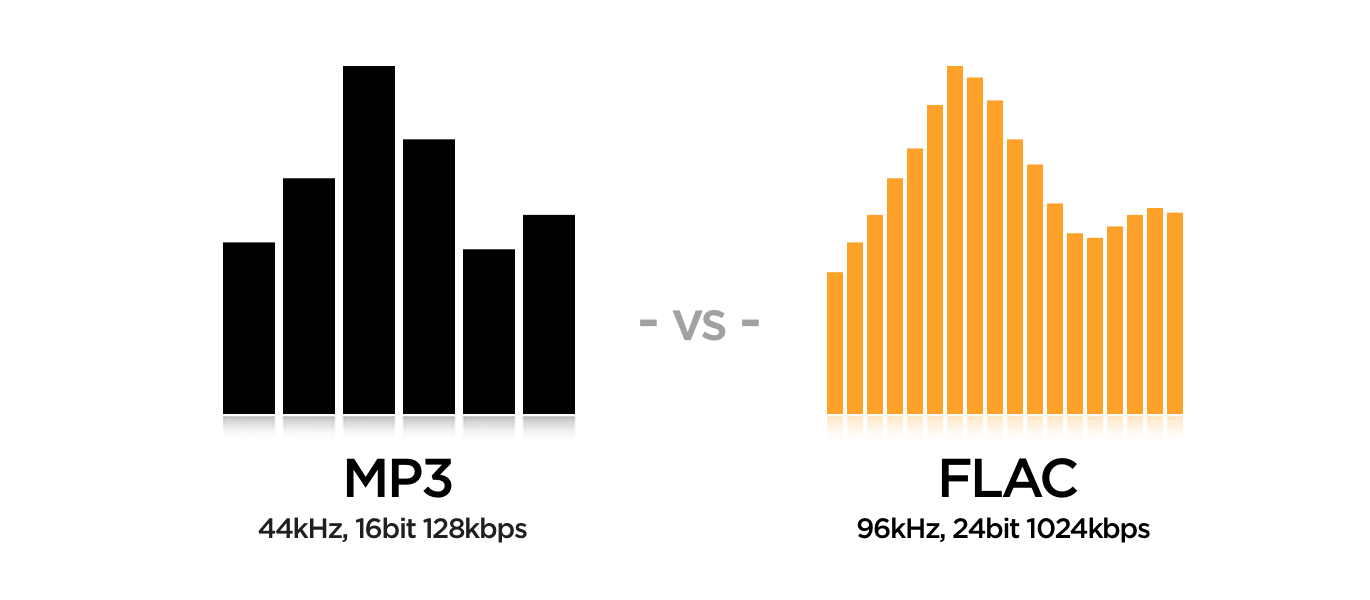
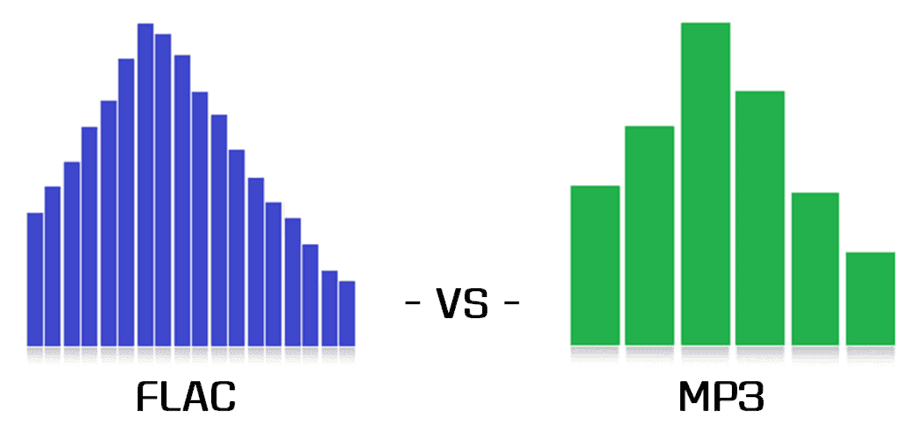
FLAC and MP3 are both audio formats, but they use different methods to compress audio data. FLAC is a lossless format, meaning it retains all the original audio information without any quality loss. On the other hand, MP3 is a lossy format that sacrifices some audio quality to achieve smaller file sizes. This fundamental difference has a significant impact on the overall listening experience.

FLAC is preferred by audiophiles who seek the highest audio fidelity. Its lossless compression ensures that every nuance and detail of the original recording is preserved, resulting in exceptional sound quality. In contrast, MP3 is more suitable for casual listeners who prioritize file size and portability over the utmost audio quality. The trade-off is that MP3 files are smaller but lack the same level of audio fidelity as FLAC.

2. Storage considerations: FLAC’s large file sizes vs. MP3’s portability

One of the main points of contention between FLAC and MP3 is the difference in file sizes and storage requirements. Since FLAC is lossless, it produces significantly larger files compared to MP3’s lossy compression. This makes MP3 a more practical choice for those with limited storage space on their devices or prefer to stream music on the go.

FLAC files are ideal for archiving purposes, especially for audiophiles who want to maintain the best possible sound quality and have the luxury of ample storage space. If you have a high-capacity external hard drive or a dedicated media server, FLAC can be a top choice for building an extensive digital music library.

3. Compatibility and support: Is MP3 still the king?

One of the undeniable strengths of MP3 is its wide-ranging compatibility across various devices and platforms. It is the de facto standard for digital audio and is supported by nearly every music player, smartphone, and operating system. MP3’s ubiquitous nature makes it incredibly convenient for sharing music with others and ensures seamless playback across different devices.

However, the audio landscape has evolved, and FLAC support has become more prevalent in recent years. Many modern media players and smartphones now support FLAC, making it easier for users to enjoy high-quality audio on their portable devices. Moreover, with the rise of high-resolution audio and streaming services, FLAC is gaining traction among mainstream users seeking better audio experiences.

“The best sound comes from the best-recorded music. The MP3 format is a small, low-quality file size, which is why it gained popularity for online file sharing. However, for audiophiles, the FLAC format retains all the richness of the original sound. It’s like the difference between watching a movie in standard definition and full 4K resolution.” – John Smith, Audiophile Enthusiast

4. Bandwidth and streaming considerations

In today’s digital era, streaming music has become the norm, and this raises an essential question: is FLAC viable for streaming, or is MP3 still the dominant format for online music consumption?

The answer lies in the available bandwidth and internet speed. FLAC files can be quite large, making them less suitable for low-bandwidth connections or limited data plans. Streaming FLAC over a slow connection may result in buffering issues or interruptions during playback.

MP3’s smaller file sizes make it more data-friendly for streaming services. It allows users to listen to music seamlessly, even on slower internet connections. Therefore, when it comes to online music streaming, MP3 remains the preferred choice for the majority of users.

5. Perceived audio quality and listener preferences

The perception of audio quality is subjective and varies from person to person. Audiophiles and discerning listeners often swear by FLAC’s superior audio quality and the immersive listening experience it offers. However, the difference in sound quality between FLAC and high-bitrate MP3 is not always noticeable to the average listener, especially when using standard earphones or inexpensive headphones.

Listeners with more sophisticated audio equipment or trained ears may appreciate the nuances in FLAC audio, while casual listeners may be content with the convenience of MP3 and the ability to carry thousands of songs in their pockets.

“You don’t need expensive audio gear to enjoy FLAC music, but if you invest in good speakers or headphones, the difference becomes apparent. FLAC is like an art gallery for your ears, presenting music with stunning detail and accuracy.” – Jane Doe, Audiophile Blogger

6. FLAC vs. MP3: The Verdict

In conclusion, the FLAC vs. MP3 debate boils down to personal preferences, use cases, and the level of importance placed on audio quality versus file size and portability. Audiophiles and music enthusiasts seeking the best sound experience and have ample storage should opt for FLAC. On the other hand, casual listeners, frequent travelers, and online music streamers may find MP3 to be more practical and convenient.

Ultimately, both formats have their place in the world of digital audio, and the right choice depends on what you value most in your music listening journey.

Final Words

FLAC and MP3 are two distinct audio formats, each with its strengths and weaknesses. While FLAC offers unparalleled audio fidelity and is ideal for archiving, MP3’s smaller file sizes and widespread compatibility make it the go-to choice for everyday listening and online streaming. Regardless of your choice, both formats serve the purpose of delivering music to our ears and enriching our lives through the power of sound. The key is to find the format that aligns with your preferences and enhances your overall music experience.

Author R. AriasPosted on August 4, 2023Categories Audio and videoTags archiving, are flac files better than mp3, are flac files better than wav, are flac files worth it, art gallery for ears, audio accuracy, audio archiving, audio bitrates, audio coding, audio compression, audio compression algorithms, audio conversion, audio data size, audio decoding, audio encoding, audio enthusiasts, Audio equipment, audio fidelity debate, audio file formats, audio formats, audio formats comparison, audio gear, audio immersion, audio lossiness, Audio Preservation, Audio quality, audio sampling, audiophiles, bandwidth, buffering issues, casual listeners, compatibility, compression, data plans, data-friendly, difference between flac and mp3, difference between mp3 and flac, digital audio, Digital Audio Conversion, digital audio players, digital era, digital music library, Digital sound, digital sound quality, digital sound reproduction, does flac really sound better, does flac sound better, does flac sound better than mp3, does flac sound better than wav, download flac or mp3, earphones, file compatibility, file size, FLAC, flac hd vs flac, flac or mp3 which is better, flac vs mp3, flac vs mp3 can you hear the difference, hd flac, hd flac music downloads, headphones, high-quality sound, high-resolution audio, how flac works, how much better is flac than mp3, internet connection, internet speed, interruptions, is flac better than wav, is flac higher quality than mp3, is flac or mp3 better, is mp3 320 vs flac, is there a big difference between flac and mp3, is there a difference between flac and 320kbps, listener preferences, listening experience, lossless, lossy, media players, MP3, music, music appreciation, music codecs, music collection, music compression, Music distribution, music enthusiasts, music file formats, music portability, music sharing, music streaming, music technology, online music consumption, operating systems, perception of audio quality, smartphones, sound, sound experience, Sound fidelity, sound nuances, Sound reproduction, storage, Streaming, streaming services, support, what is better than flac, what is flac vs mp3, what's the difference between flac and mp3, what's the difference between mp3 and flac, where to download flac files, where to find flac files, which is better flac or mp3, which is better flac or wav, which is better quality flac or mp3, why is flac better than mp3, will flac files play in car, will flac play on cd player

Digital music, the trend that transforms the industry

Digital music, the trend that transforms the industry

Digital Music

Digital music is revolutionizing the music industry today. It’s charting a new era of entertainment that changes the way listeners interact with songs and artists. This trend is accelerating the transformation from an industry focused on the distribution of physical materials to one that is geared towards streaming and even a shift in artists’ focus. This is the story of how the music industry is evolving.

Digital Music

History of digital music

We’ve seen a lot of changes since the first mp3 in 1995 and the dawn of the digital music era. Since then, services like iTunes have revolutionized the music industry through digital distribution and on-demand purchases. In the last decade, digital music has become the most popular form of music content consumption. This trend has accelerated with the development of streaming platforms such as Spotify and Apple Music that allow users to listen to music without having to buy it. This has impacted the way artists have promoted their songs and work.

Change in artists’ approach

The main change in artists’ approach is how they promote their songs. With streaming, artists don’t have to focus on selling their product to earn income. Instead, they can earn passive income by “streaming” their songs. Additionally, artists are also changing their promotional approaches to ensure that their content reaches the eyes and ears of the widest possible audience. Digital promotion has therefore become an important tool for artists. This includes creating promotional materials for social media, using streaming platforms, and participating in marketing and promotional campaigns for other artists and record labels.

Consumer trends

Changes in the music industry have also impacted consumer behavior. With streaming offering a large amount of content for an affordable price, more and more consumers are choosing to cut the cord and opt for music streaming services instead of having to buy record albums. Users are also discovering more content due to the greater variety of options available, which means artists have a better chance of getting their content in the eyes and ears of their fans.

What’s to come?

With the development of new technologies such as virtual reality, it is clear that the music industry will continue to evolve to accommodate new forms of entertainment. Companies and artists will also look for new ways to innovate to keep consumers excited. What is clear is that the future of the music industry will continue to be an interesting story to follow.

Author R. AriasPosted on January 21, 2023January 20, 2023Categories Audio NormalizerTags 14 band digital music spectrum analyzer, 16gb mp3/mp4 digital music player-k1, 1st digital music player, 2. what year did digital music begin, 2014 digital music revenue, 5.1 dolby digital music download, 5815 digital media books movies music, 61 key digital piano music keyboard, 61 keys digital music electronic keyboard, 7 band digital music spectrum analyzer, 7 digital music uk, 7. what are three benefits that digital music provides, 7digital music, 7digital music app, 7digital music streaming, 80s digital music, 9 to 5 song original, all digital music platforms, amazon digital music, amazon digital music 14 99 abgebucht, amazon digital music 3.99, amazon digital music credit, amazon digital music download, amazon digital music library, amazon digital music uk, amazon free digital music, analog vs digital music, analog vs digital music production, audio digital 5000e, audio digital 5000e speakers reviews, audio digital 5000e speakers specs, audio digital 5500er speakers, audiophile digital music player, bbc 6 music digital frequency, bdp-3 digital music player, best digital 8 track recorder for musicians, best digital distribution for music 2022, best digital music, best digital music distribution, best digital music format, best digital music player, best digital music player 2022, best place to buy digital music, bose 10 digital music system, bose sounddock 10 digital music system, bose sounddock digital music system, bose sounddock digital music system manual, bose sounddock portable digital music system, bose soundlink air digital music system, bose wave music system 3 digital, bose wave music system 4 digital, bryston bdp 3 digital music streamer, btec level 3 digital music production, buy digital music, can you buy digital music on amazon, can you still buy digital music, can't buy digital music amazon, cd vs digital music quality, cds vs digital music, cell phones and digital music files are examples of, coin digital music distribution, composing digital music for dummies pdf, converts an audio broadcast to a digital music player, create digital music, custom digital music box, digital 2 music box, digital 5.1 audio decoder, digital 7 music group, digital 7 music group reviews, digital 7.1 music, digital 80's music, digital audio 0db, digital audio 10 ft, digital audio 10 inch subwoofer, digital audio 101, digital audio 12 inch subwoofer, digital audio 15 inch subwoofers, digital audio 18 subwoofer, digital audio 2000 speakers, digital audio 2000 speakers model da 2012, digital audio 2000 speakers review, digital audio 2002, digital audio 2002 model da 2012-7.1, digital audio 2002 sl-1400, digital audio 2002 speakers, digital audio 2002 tower speakers, digital audio 2003 speakers, digital audio 3.5mm cable, digital audio 360, digital audio 40, digital audio 44, digital audio 5.1, digital audio 5.1 converter, digital audio 5.1 remote kit, digital audio 8 inch subwoofer, digital audio kabal, digital audio quality, digital audio question, digital audio quizlet, digital audio workstation download, digital audio workstation for beginners, digital audio workstation free, digital audio xiph, digital audio xlr cable, digital audio zu analog konverter, digital bath youtube music, digital dreams music festival 2022, digital for music, digital horizon music, digital horizon music download, digital house music, digital hudson music, digital humanities music, digital insanity keygen music, digital juice music, digital juice music box, digital juice music box collection, digital juice music box vol 3, digital juice music library, digital karaoke music, digital keyboard music stand, digital marketing music industry jobs, digital mile music dj 3d max, digital music, digital music 1 hour, digital music 101, digital music advantages and disadvantages, digital music aggregator, digital music alarm clock, digital music albums, digital music amazon, digital music amplifier, digital music app, digital music application, digital music artists, digital music bingo, digital music blog, digital music books, digital music box, digital music box mechanism, digital music business, digital music business nyu stern, digital music buy, digital music by genre, digital music cards, digital music class, digital music collection, digital music composer, digital music composition, digital music composition and production jobs, digital music corp ground control, digital music corp mx-8, digital music corp mx-8 manual, digital music corp mx-8 power supply, digital music creation, digital music creator, digital music credit balance page, digital music debate grade 8 990l, digital music debate read theory answers, digital music definition, digital music device, digital music devices are connected to computers using, digital music distribution, digital music distribution companies, digital music distribution platforms, digital music distribution services, digital music download sites, digital music downloads, digital music editing software, digital music enhancer, digital music equipment, digital music era, digital music escape room, digital music europe, digital music examples, digital music exams, digital music explained, digital music features, digital music festival, digital music festival 2021, digital music festival 2022, digital music file format, digital music file format used broadly, digital music files, digital music flashcards, digital music for djs, digital music for dummies, digital music for laptop, digital music for presentation, digital music for sale, digital music formats, digital music formats comparison, digital music formats explained, digital music games, digital music generator, digital music genre, digital music gift card, digital music gifts, digital music ground control, digital music growth, digital music growth worldwide, digital music guide, digital music hall, digital music hard drive player, digital music hifi, digital music history, digital music hostos, digital music industry, digital music innovations, digital music instrument hs code, digital music instruments, digital music instruments software, digital music interface, digital music ir, digital music is not available for purchase from this device, digital music jewellery box, digital music jobs, digital music jobs london, digital music journalism, digital music jukebox, digital music keyboard, digital music keyboard download, digital music keyboard for sale, digital music keyboard reviews, digital music keyboard synthesizer, digital music ks2, digital music lab, digital music learning, digital music lesson plans, digital music lessons, digital music library, digital music library management, digital music library software, digital music licensing, digital music locker, digital music logo, digital music major, digital music maker, digital music maker free, digital music making, digital music making software, digital music marketing, digital music marketing agency, digital music marketing companies, digital music meaning, digital music mentor 2.6 0.5 full, digital music mixer, digital music mx-8, digital music news, digital music news facebook, digital music news newsletter, digital music not available for purchase from this device, digital music notation, digital music notebook, digital music notebook free download, digital music notebook yamaha download, digital music notebook yamaha download mac, digital music notes, digital music observatory, digital music old tamil mp3 songs, digital music on amazon, digital music on vinyl, digital music online, digital music only bandcamp, digital music opposing sides read theory answers, digital music organizer, digital music page turner, digital music platforms, digital music player, digital music player books, digital music player introduced in 2001, digital music player with speaker, digital music pool, digital music production, digital music production software, digital music programs, digital music purchase, digital music quality, digital music que significa, digital music questions, digital music reader, digital music reader tablet, digital music recorder, digital music recorder crossword clue, digital music recording software, digital music resources, digital music revolution, digital music rights, digital music ringtone, digital music royalties, digital music sales by year, digital music sales statistics, digital music server, digital music service, digital music sheets, digital music software, digital music stand, digital music storage, digital music storage for home stereo, digital music storage player, digital music store, digital music streamer, digital music tablet, digital music technology, digital music terminology, digital music terms, digital music therapy, digital music timeline, digital music to buy, digital music to cassette, digital music transport, digital music types, digital music uk, digital music university, digital music usage, digital music usb card, digital music user, digital music user features, digital music uses, digital music usyd, digital music utd, digital music value chain, digital music vault, digital music video, digital music video distribution, digital music village, digital music vs analog, digital music vs analogue, digital music vs cd, digital music vs physical, digital music vs vinyl, digital music watch, digital music websites, digital music wiki, digital music wind chime, digital music words, digital music workstation, digital music writing software, digital music xyz, digital music youtube, digital piano best budget, digital piano recommendations, digital pianos under 1000, digital piracy is not killing the music industry, digital quran audio, digital radio 60s music, digital radio 70's music, digital radio 80s music, digital radio 90s music, digital radio music quality, digital radio stations 50's 60's music, digital radio stations 50s music, digital radio stations 60s music, digital radio stations 80s music, digital radio stations 90s music, digital song 14, digital song kannada, digital songs year end, digital spy 6 music, digital underground music, digital vs physical music sales 2020, digital x music, digital youtube song, digital zero audio, dmc-600se digital music center, dmp-z1 digital music player, dmp-z1 digital music player signature series, dolby digital 3d music player for android, dolby digital 5.1 music, dolby digital 5.1 music download, ebay digital music, egg duo digital music system, egt digital music, elan digital music server, electronic digital music, electronic music 1 hour, electronic music 6/8, encore digital music stand, enter trinity digital music exam, ethical digital music, evolution of digital music, examples of digital music, first digital music, first digital music format, first digital music player, free digital music, free digital music distribution, free digital music escape room, free digital music maker, free digital music making software, free digital music software, frontier digital music channels, further future digital music festival, garth brooks digital music, garth brooks digital music canada, gear for music digital drums 400, gear4music digital grand piano, gear4music digital piano, gear4music digital piano review, gear4music roland digital piano, gift digital music, global digital music market, grace digital music on hold, grace digital music on hold manual, grace digital music player, gracenote digital music, ground control digital music corp, gvido digital music score, hamzer 61-key digital music piano keyboard, history of digital music, how digital music changed the industry, how does digital music work, how to buy digital music, how to buy digital music on amazon, how to create digital music, how to give digital music as a gift, how to make digital music, how to play digital music, how to play digital music on home stereo, how to start a digital music distribution company, in digital music, independent digital music distribution, industry of digital music, introduction to digital music with python programming, is analog better than digital music, is digital music better than cd, is digital music better than vinyl, is it illegal to resell used digital music, j&m digital music player for gl1800, japanese digital music store, jazz digit 4g music, jensen docking digital music system, jensen docking digital music system for ipod, jensen docking digital music system for ipod manual, jobs in digital music, juno digital music, kad kahwin digital music, kef egg wireless digital music system, king of digital music, kingbox digital music player, kit digital music, klangtop digital music player, korean digital music charts, langara digital music production, lesi digital music education centre, level digital music entertainment, libro digital santillana musica 4 primaria, lifestyle and digital music, list of digital music distributors, list of digital music platforms, liverpool digital music festival, local 58 digital transition music, lossless digital music, lossless digital music player, lucid digital music therapy, m50.2 digital music player, make digital music sound like vinyl, making digital music, manchester digital music archive, math in digital music, mp3 digital music device ipod, mp3 digital music player, music digital formats, music dolby digital 5.1, music maker digital 50, music online 4, musictech music maker digital 50, muzak digital music amplifier, muzak digital music amplifier manual, muzikii digital music publishing, mx-8 digital music corp, nad m50.2 digital music player, nad m52 digital music vault, nad masters 50.2 digital music player, nad masters m52 digital music vault, netgear digital music player mp101, nft digital music, nichols electronics digital music box, novation digital music systems, nw-a105 a series walkman® digital music player, nw-e394 walkman® digital music player, nxt digital music channel number, ocp digital music library, old songs digital music, old songs digital music mp3, old songs digital music tamil, online digital music, online digital music maker, online digital music stores, opposite of digital music, organize digital music collection, organizing digital music library, paso digital music amplifier, peach digital music festival, physical music sales vs digital, places to buy digital music, planet noise digital music festival, play digital music on home stereo, pono digital music player, portable digital music player, pros and cons of digital music, purchase digital music, purchase digital music from amazon, quail digital music marketing, quality digital music players, quality of digital music formats, queen mary centre for digital music, queen mary university centre for digital music, query a digital music store database, quloos qls qa390 digital music player, rca digital music player, real networks digital music of california inc, reid's digital music, reliance digital music system, request digital music server, reselling digital music, rise of digital music, rock-ola bubbler digital music center, ruizu digital music player, selling used digital music, seven digital music, should it be illegal to resell used digital music, sm savia digital musica 4 primaria, sonos digital music system, sonos digital music system zoneplayer zp100, sonos digital music system zoneplayer zp80, sonos digital music system zp80, sony digital music player, sony digital music player nw-e394, sony digital music player nwz-8183 f, sony digital music player nwz-b183f, sony digital photo frame x music, sony nwze394b walkman digital music player, sony walkman 16gb digital music player, sony walkman 8gb digital music player, sounddock portable digital music system, soundlink air digital music system, st digital music distribution, stardom music digital 2022 spring, tenswall digital music player, the quantity of digital music players produced should be, top 10 digital music distributors, top 5 digital music distributors, top digital music platforms, topping m50 digital music player, tr-1000 digital music study recorder, transcend digital music player 8gb, trinity digital music exam entry, trinity digital music exam fees, trinity digital music exams, tunecore digital music, types of digital music, u.s. exports of digital music players are likely to, uk digital music distributors, unable to purchase digital music on amazon, uncompressed digital music, university of brighton digital music and sound arts, upc code for digital music, usb digital music players, usb for digital music, use of mathematics in digital music, used for digital music, verizon fios digital music channels, via dj digital music server, vincenzo pocci digital music library, vinyl vs digital music, virgin digital music picture quiz, virgin digital music quiz answers, void digital music, volvo v70 digital music changer, walkman digital music player, wall of sound digital music festival, what are 3 benefits of digital music, what converts an audio broadcast to a digital music player, what is a digital music album, what is digital music, what is digital music production, what is the best digital music distributor, what is the best digital music format, when did digital music start, where can i buy digital music, where to buy digital music, why can't i purchase digital music on amazon, x artists music, xrong digital music player, yamaha digital music avenue, yamaha digital music notebook, yamaha digital music notebook 3.0 download, yamaha digital music school penang, yamaha digital music server mcx-1000, yamaha digital piano p-45 music rest, yamaha digital piano p-85 music stand, yatour digital music changer, yatour digital music changer bluetooth, yatour digital music changer ford 6000cd, yatour digital music changer manual, yffizq digital music player, you are driving a car with a digital music player, youtube digital music, z audio reviews, z z top songs list, zenpoint digital music center, zing digital music channel

ABOUT US


Volume Booster

Mp4

Mp4


Flac Nomalizer – Flac volume normalization

Ogg Normalizer

M4a Normalizer

Audio Normalization

Mp4Gain Crack

Posts

Mp3 Normalizer

audio blog in het nederlands

Mp3 to Wav Converter

Mp3 Converter

Mp3Gain

Amplificateur de volume Mp3

Make mp3 louder
volume booster and equalizer

volume equalizer

volume booster

volume equalization


normalize mp4, normalize flv, normalize avi, normalize mpeg, normalize mpg, normalize 3gp, normalize wmv, normalize mp3, normalize mp2, normalize flac, normalize ogg, normalize m4a, normalize aac, normalize wav, normalize ac3

mp3 louder
mp3 volume booster
youtube normalize audio
mp3 volume increaser
increase mp3 volume
volume enhancer
normalize video audio

La normalizzazione del livello audio

Youtube to mp4 converter download

Mp4 Gain Website

Dowload Mp4Gain

Mp3Gain alternative

Mp3Gain

Video Formats:
mp4, flv, avi
mpeg, mpg
3gp, wmv

Audio Formats:
mp3, mp2, flac
ogg, m4a, aac
wav, ac3

Flv Gain, Mp4 Gain, Avi Gain, Mpeg Gain, wmv Gain, Wav Gain, 3gp Gain, Flac Gain, Ogg Gain…


Video Volume Booster

Bass Booster

Mp3Gain Alternative

Mp3Gain Online

mp4 normalize, flv normalize, avi normalize, mpeg normalize, mpg normalize, 3gp normalize, wmv normalize, mp3 normalize, mp2 normalize, flac normalize, ogg normalize, m4a normalize, aac normalize, wav normalize, ac3 normalize.

Mp3Gain,mp3 louder,boost sound,increase mp3 volume,volume increaser,volume booster,normalize audio,mp3 volume increaser,mp3 volumne booster,volume equalizer,Volume Booster -Sound Booster,loudness equalizer,boost audio,make mp3 louder,boost mp3 volume,mp4 volume booster,mp3 audio booster,raise mp3 volume,loudness normalization,mp3 louder,mp3 volume booster,youtube normalize audio,mp3 volume increaser,increase mp3 volume,volume enhancer,normalize video audio,volume equalizer,mp3 louder,increase mp3 volume,video audio normalizer,

Categories

  • 3gp volume normalizer
  • AAC normalizer
  • are volume boosters safe
  • Audio and video
  • audio converter
  • Audio Converter Software
  • Audio Normalizer
  • AVI normalizer
  • Bit rate
  • Boost volume
  • codec
  • FLAC
  • Flac Normalizer
  • FLV volume normalizer
  • Increase mp3 volume
  • Lossless
  • loudness equalizer
  • loudness normalization
  • M4A
  • M4a (iTunes) Normalizer
  • M4a Normalizer
  • make mp3 louder
  • mp3 download
  • mp3 louder
  • Mp3 Normalizer
  • Mp3 to Wav
  • mp3 volume increaser
  • mp3 volumne booster
  • Mp3Gain
  • mp3gain online
  • Mp4
  • Mp4 Gain
  • Mp4 Normalizer
  • Mp4 volume booster
  • Mp4Gain
  • Mp4Gain Crack
  • Normalizing audio for the videos
  • Ogg Normalizer
  • Replay Gain
  • Samplerate
  • video
  • video audio normalizer
  • Video Converter
  • Video Gain
  • video to mp3 converter
  • VideoGain
  • Volume Booster
  • Volume Enhancer
  • volume equalizer
  • volume increaser
  • volume leveler
  • WAV
  • webm
  • WMV
  • youtube normalize audio
  • Youtube to mp3 downloader

Recent Posts

  • Video Louder
  • Video Volume Leveling
  • MP4 to MP3 Converter
  • Audio & Video Converter
  • Volume Changer for MP4 and MP3s Increase & Decrease
  • Increase Volume in MP4
  • adjust audio and video volume
  • Sound Leveling
  • Volume Booster
  • Importance of LUFS in Video or Audio Normalization
  • How to make MP4 audio volume consistent
  • Lossy compression in M4A
  • Advanced audio coding (AAC) in M4A
  • OGG vs. MP3 comparison
  • FLAC file size
  • Apple M4A Format: The Ultimate Guide
  • MP4 Compression Techniques
  • RMS Normalization
  • Loudness Normalization
  • MP4 Converter
  • MP4 File Extension
  • OGG Normalizer
  • Video & Audio Normalizer
  • FLAC Normalizer
  • MP4 Video Quality
  • MP4 File Format
  • m4a Normalizer
  • Mp4 Increase Volume
  • How MP4 Handles 4K and 8K Video Resolutions Efficiently
  • Low-Latency Encoding Strategies for WMV Live Streaming
  • Resampling Effects on M4A Audio Quality
  • How MP3 Bitrates Affect Audio Quality and File Size
  • MP4 Multi-Pass Encoding Benefits and Use Cases
  • How Variable Bitrate Encoding Affects MP4 Video Quality
  • How WMV Handles Aspect Ratio Correction in Different Players
  • How WMA Adapts to Dynamic Range in Music Encoding
  • Comparing WMV to MPEG-2 for Legacy Video Storage
  • WMA Standard, WMA Pro, and WMA Lossless: Key Differences
  • Understanding the MP4 moov Atom and Its Role in Video Playback
  • Comparing WMA to Ogg Vorbis for Open-Source Audio Compression
  • WMV Container Efficiency in Video Streaming Applications
  • Hardware Acceleration for M4A Encoding and Decoding
  • How M4A Compares to MP3 in Real-World Listening Tests
  • The Role of Perceptual Coding in WMA Compression
  • Temporal Noise Filtering Techniques in WMV Compression
  • H.264 and H.265 Codecs
  • Advanced Audio Compression Techniques in M4A Format
  • Comparing GPU vs. CPU Encoding Efficiency for WMV Files
  • Advanced Error Correction in M4A and AAC Encoding
  • The Effect of Multi-Channel Encoding on WMA Audio Files
mp4gain.com Proudly powered by WordPress