HLS Support in MP4 Containers


Free Download Mp4Gain
picture

HLS Support in MP4 Containers

HLS Support in MP4 Containers

Let’s Talk About HLS Support in MP4 Containers

When it comes to streaming content online, two technologies often come up: HTTP Live Streaming (HLS) and MP4 containers. You might be wondering, can we use HLS with MP4 containers, and if so, how? I’ll guide you through this with practical examples and an in-depth look into the compatibility and support of HLS with MP4. My goal is to make this complex topic more accessible, even if you’re new to streaming technology. In today’s world, where on-demand content is standard, understanding this topic is crucial for smoother, faster, and more accessible streaming.

Understanding HLS and Its Importance

What is HLS?

HLS, or HTTP Live Streaming, is a media streaming protocol created by Apple. Unlike traditional streaming, which downloads large files, HLS breaks down video content into smaller chunks and transmits them over the internet one at a time. This format allows viewers to watch content almost instantly, even before it’s fully downloaded. Imagine you’re at a buffet, but instead of waiting for the entire meal, you can grab one bite at a time and eat as you go. This is essentially how HLS works: it “feeds” you small video segments continuously, ensuring minimal buffering.

Why HLS is Essential for Modern Streaming

One reason HLS is critical is because of its adaptive bitrate streaming. In simple terms, HLS adjusts video quality based on your internet speed. So, whether you’re watching on a high-speed Wi-Fi connection or a 3G network, HLS can provide you with the best viewing quality possible for your conditions. I’ve often experienced the frustration of videos buffering or freezing, and HLS effectively eliminates that by adapting quality in real-time. It’s a versatile approach that’s proven essential for platforms serving millions of viewers with varying internet speeds.

Benefits of HLS for Video Streaming

HLS is widely supported on many devices, including iOS, Android, and most modern web browsers. It’s also robust in handling network fluctuations, meaning fewer interruptions. I’ve tested various protocols and found HLS consistently performs better in delivering uninterrupted playback. The seamless quality and adaptability make HLS a go-to protocol for anyone looking to deliver quality streaming experiences.

Exploring MP4 Containers and Their Compatibility with HLS

Overview of the MP4 Container

MP4 is a digital multimedia container format that is popular for storing video, audio, and other data like subtitles. Think of it as a suitcase that holds various types of media files. Due to its versatility, MP4 is commonly used on the internet and is compatible with most devices. I’ve found that MP4 files are compact and easy to manage, making them ideal for storing and sharing media. Their wide support across platforms is one of the main reasons they are frequently used for streaming.

Compatibility Challenges Between HLS and MP4

While MP4 is an excellent format for storing multimedia, it isn’t naturally compatible with HLS, which is designed to use fragmented MP4 files instead. HLS requires video segments to be in fragmented MP4 or MPEG-TS format to support adaptive streaming. This is where the real compatibility challenge arises. I’ve come across situations where attempting to stream a regular MP4 file using HLS results in playback issues, mainly because traditional MP4 files lack the segmentation that HLS requires for seamless streaming.

Making MP4 Containers Work with HLS

Using Fragmented MP4 for HLS

The fragmented MP4 format is a version of MP4 specifically designed to work with HLS. In fragmented MP4, the file is broken into small chunks, making it possible for HLS to stream the video adaptively. For example, when we encode video using fragmented MP4, each video segment can be loaded separately, matching HLS requirements. In my experience, this process can be done with software tools that support video encoding into fragmented MP4, ensuring compatibility with HLS.

Setting Up HLS with MP4 Containers

Configuring HLS to work with MP4 requires a few extra steps. First, you need to encode your video in fragmented MP4 and create an HLS playlist file (.m3u8), which tells the player where to find each video segment. The playlist acts like a roadmap, guiding the viewer’s device to each video fragment. Tools that support HLS encoding can generate these playlists automatically, making setup straightforward.

Challenges and Solutions in Using MP4 with HLS

Even with the right setup, using MP4 with HLS can pose challenges, such as compatibility with older devices or specific encoding settings. For instance, older browsers may not support fragmented MP4, requiring fallback options like MPEG-TS. In my experience, it’s beneficial to test playback on various devices to ensure compatibility. Additionally, keeping encoding standards up-to-date helps minimize issues related to playback.

Real-World Applications of HLS with MP4

Using HLS in E-Learning Platforms

In e-learning, video playback consistency is crucial for educational continuity. Many e-learning platforms use HLS with MP4 to ensure that students, regardless of their location or internet speed, can access content smoothly. I’ve seen HLS improve user engagement by reducing interruptions during critical learning modules. This setup allows students to focus on the content without distraction, making HLS with MP4 an excellent choice for educational content delivery.

Streaming Sports Events with HLS

Sports streaming demands high quality and low latency, as fans want to experience events in near real-time. HLS with fragmented MP4 is ideal in this scenario, as it adapts to network speeds, ensuring high-quality playback without lag. I’ve helped implement HLS in sports streaming and found it enhances viewer satisfaction by delivering sharp, fluid video. This approach is particularly beneficial when handling large audiences where network conditions vary significantly.

Corporate Training and Webinars

For corporate webinars, smooth playback is critical for engaging employees and clients. HLS with MP4 offers a scalable solution, providing quality streaming even to viewers on slower connections. In my experience, using HLS in corporate settings minimizes video-related issues, ensuring that training sessions or important webinars reach employees effectively. This adaptability makes it a favorite for companies looking to deliver seamless virtual events.

Technical Insights: Setting Up HLS Support in MP4

Steps for Encoding HLS with Fragmented MP4

If you’re setting up HLS, it’s important to choose an encoder that supports fragmented MP4. The encoding process involves converting the video into small, sequential segments and creating a .m3u8 playlist file. Tools with HLS encoding capabilities streamline this by automatically segmenting the video and generating the playlist. In my testing, this process is relatively quick and provides reliable results for both web and mobile playback.

Handling Compatibility Issues with Older Devices

Older devices may not support fragmented MP4, meaning additional configuration may be required. A common solution is to use MPEG-TS format as a fallback. In practice, this ensures a broader range of compatibility, particularly for viewers on older web browsers. While it adds a step to the setup process, it’s a reliable way to deliver HLS content to all viewers.

Maximizing Performance with HLS in MP4 Containers

Optimizing Buffer Settings for HLS Playback

HLS allows for custom buffer settings, which help improve playback. Increasing the buffer duration can reduce stuttering, particularly for viewers on unstable networks. I often recommend configuring the buffer settings based on your audience’s network profile to ensure smoother playback. This approach helps maintain high quality, especially for high-definition videos where consistent buffering can be challenging.

Utilizing Adaptive Bitrate Settings

Adaptive bitrate streaming is one of HLS’s greatest strengths. By configuring multiple bitrate options, HLS allows the player to switch quality based on real-time network conditions. This capability is a game-changer for viewers with fluctuating internet speeds, as it maintains quality without interrupting playback. In my experience, enabling adaptive bitrate has led to better viewer retention and satisfaction, particularly in regions with diverse connectivity levels.

Best Practices for Serving HLS Content with MP4

To optimize HLS, ensure your server is configured to handle fragmented MP4 segments efficiently. Proper server configuration, including caching settings, can reduce latency and improve load times. I’ve implemented these practices across multiple projects, finding that they enhance overall performance. Serving HLS with MP4 at scale requires a careful balance of encoding and server optimization, but the results are worth the effort.

Latest Words on HLS Support in MP4 Containers

Using HLS with MP4 is a powerful combination that offers flexibility, quality, and adaptability for video streaming. While traditional MP4 files are not natively compatible with HLS, fragmented MP4 resolves this issue, enabling smooth adaptive streaming. From educational platforms to live sports events, HLS support in MP4 has countless applications. It’s clear that with the right setup, HLS and MP4 can meet the needs of modern streaming, ensuring high-quality playback for viewers around the world.

If you’re looking for a solution to manage and enhance your video streaming, I’ve found that Mp4Gain provides reliable tools to support HLS and MP4 adjustments efficiently. It’s an option to consider for optimizing and processing your video content for a seamless viewing experience.

https://mx.pinterest.com/pin/1090011916061450136


Free Download Mp4Gain
picture


Mp4Gain Main Window
picture


Mp4Gain Features
picture


Free Download Mp4Gain
picture

MP3 Compression in Streaming Services

MP3 Compression in Streaming Services: Challenges and Solutions

MP3 Compression in Streaming Services

MP3 Compression in Streaming Services

Let’s talk about MP3 Compression in Streaming Services

As a specialist in audio technology, I understand the critical role that **MP3 compression** plays in the realm of **streaming services**. When you’re enjoying your favorite tunes on Spotify or watching videos on YouTube, **MP3 compression** quietly works behind the scenes to deliver seamless audio experiences. However, despite its ubiquity, **MP3 compression** is not without its challenges.

The Evolution of MP3 Compression

**MP3 compression** has come a long way since its inception in the 1990s. Initially, it revolutionized the way we consumed music, allowing us to store thousands of songs on portable devices. However, as **streaming services** gained popularity, the demands on **MP3 compression** evolved. Today, it must strike a delicate balance between **audio quality** and **bandwidth efficiency** to satisfy the discerning ears of modern listeners.

Challenges in Streaming with MP3 Compression

One of the primary challenges in **streaming services** is delivering high-quality audio while minimizing data consumption. **MP3 compression** faces the daunting task of reducing file sizes without sacrificing **audio fidelity**, often resulting in perceptible loss in **sound quality**. Additionally, the rise of high-definition audio formats further complicates the landscape, pushing **MP3 compression** to its limits.

– **Balancing Compression and Quality**
– **Data Consumption Optimization**
– **High-Definition Audio Demands**

Solutions for Enhanced MP3 Compression

To address these challenges, **streaming services** and **audio engineers** have developed innovative solutions. Advanced **compression algorithms** optimize **MP3 encoding**, preserving critical audio components while discarding redundant data. Moreover, **adaptive streaming** technologies dynamically adjust **bitrates** based on **network conditions**, ensuring a smooth listening experience regardless of internet speed fluctuations.

– **Advanced Compression Algorithms**
– **Adaptive Streaming Technologies**
– **Dynamic Bitrate Adjustments**

Future Trends in MP3 Compression

Looking ahead, the future of **MP3 compression** in **streaming services** appears promising. With ongoing advancements in **artificial intelligence** and **machine learning**, we can expect even greater efficiency and **audio quality** enhancements. Moreover, emerging audio formats like **AAC** and **Opus** pose exciting opportunities for **streaming platforms** to redefine the **audio streaming** landscape.

– **AI-Driven Compression Technologies**
– **Enhanced Audio Formats**
– **Innovative Streaming Solutions**

Latest words on MP3 Compression in Streaming Services

In conclusion, **MP3 compression** remains a cornerstone of modern **streaming services**, despite facing various challenges. By leveraging **innovative technologies** and **adaptive strategies**, **streaming platforms** continue to deliver exceptional **audio experiences** to millions of listeners worldwide. As we venture into the future, the journey of **MP3 compression** in **streaming** promises to be one of continuous evolution and improvement.

Comments:

This article provided valuable insights into the challenges of MP3 compression in streaming. I appreciate the detailed explanation of solutions and future trends.

– MusicFanatic123

I found this article very informative, but I wish there were more comparisons between MP3 compression and other audio formats.

– AudioEnthusiast456

As a casual listener, I didn’t realize the complexities involved in MP3 compression for streaming. Thanks for shedding light on this topic!

– StreamMaster2000

This article offered a comprehensive overview of MP3 compression challenges and solutions. I’m impressed by the depth of information provided.

– TechSavvyMusician

MP3 compression is a fascinating topic, and this article did an excellent job of explaining its importance in streaming services. Well done!

– AudioTechPro

I wish there were more real-world examples of how MP3 compression affects streaming quality. Nonetheless, this article was informative and well-written.

– SoundEnthusiast789

Latest advancements in video streaming technology

Latest advancements in video streaming technology

Latest advancements in video streaming technology

Latest advancements in video streaming technology

Latest advancements in video streaming technology


As an expert in the field of video streaming technology, I am thrilled to share my insights into the latest advancements that are shaping the future of this industry. Video streaming has come a long way since its inception, and the developments in this field have been nothing short of remarkable. From improved video quality to enhanced user experiences, let’s delve into some of the key aspects driving the evolution of video streaming.

One of the most notable advancements in video streaming is the adoption of cutting-edge video codecs. Codecs are essential for compressing and decompressing video data, and they play a pivotal role in determining the quality of the streamed content. The newest audio codecs, such as AAC (Advanced Audio Coding) and Opus, have revolutionized the way audio is transmitted over the internet. These codecs offer superior audio quality even at lower bitrates, making it possible for users to enjoy crystal-clear sound while streaming their favorite content. It’s akin to upgrading from a standard definition television to a 4K Ultra HD display, but for your ears.

To put it into perspective, imagine you’re listening to your favorite song on a streaming platform. With the latest audio codecs, you can hear every subtle nuance of the music, from the delicate strumming of a guitar to the softest whisper of a vocalist. It’s like being in the same room as the musicians, experiencing their performance in its full glory. This enhancement in audio quality not only elevates music streaming but also enriches the audio experience in video content, such as movies and TV shows. It’s a game-changer for audiophiles and casual listeners alike.

In addition to superior audio quality, the latest video codecs like HEVC (High-Efficiency Video Coding) and AV1 (AOMedia Video 1) have transformed video streaming. These codecs employ advanced compression techniques to deliver high-definition and even 4K video content with exceptional clarity and detail. It’s like watching your favorite movies on the big screen, right in the comfort of your home. The reduction in bandwidth requirements also means smoother streaming experiences, even in areas with slower internet connections. These advancements have made streaming 4K content as seamless as streaming standard definition videos, revolutionizing the way we consume visual media.

Addressing “People also asked” questions about video streaming

Let’s dive into some of the common questions that people often ask about the past and future of video streaming. These inquiries shed light on the intricacies of this rapidly evolving industry and provide valuable insights into what to expect in the coming years.

“What are the key challenges faced by video streaming platforms?”
Video streaming platforms face several challenges, including:

Content Delivery: Ensuring seamless content delivery to users across the globe, considering varying internet speeds and network conditions.
Content Licensing: Negotiating licensing agreements with content creators and studios to provide a diverse and attractive library.
Content Discovery: Improving content recommendation algorithms to help users discover new content aligned with their interests.
Piracy and Security: Implementing robust security measures to combat piracy and protect user data.
To overcome these challenges, streaming platforms continuously invest in technology and user experience enhancements.

“How has the pandemic impacted video streaming trends?”
The COVID-19 pandemic accelerated the adoption of video streaming. With people spending more time at home, the demand for streaming services surged. This led to increased investments in original content, live streaming events, and improved infrastructure to handle the heightened traffic. As a result, streaming platforms have become a cornerstone of entertainment and communication for many.

“What role does 5G play in the future of video streaming?”
The rollout of 5G networks is set to revolutionize video streaming. With significantly higher speeds and lower latency, 5G will enable seamless 4K and even 8K streaming on mobile devices. It will also facilitate augmented reality (AR) and virtual reality (VR) experiences, opening up new avenues for immersive content. The integration of 5G into streaming services will be a game-changer, shaping the future of how we consume media.

The significance of streaming protocols

Streaming protocols are the backbone of the video streaming industry, ensuring that content reaches viewers reliably and efficiently. While many may not be familiar with the technical details, these protocols play a vital role in our daily streaming experiences.

One of the most widely used streaming protocols is HTTP Live Streaming (HLS). HLS divides video content into small segments, allowing adaptive streaming. This means that the quality of the stream can be adjusted on the fly based on the viewer’s internet speed and device capabilities. It’s like driving a car with adaptive cruise control that automatically adjusts your speed to maintain a safe distance from the vehicle in front of you. HLS ensures a smooth viewing experience, even when network conditions fluctuate.

Another crucial protocol is Dynamic Adaptive Streaming over HTTP (DASH). DASH offers similar adaptive streaming capabilities as HLS but is not tied to specific devices or platforms. It’s like having a universal remote control that works with any TV brand. This protocol promotes interoperability among various streaming services and devices, giving viewers more choices and flexibility.

Real-Time Messaging Protocol (RTMP) is yet another important player in live streaming. It’s like a live telephone call between a broadcaster and viewers, allowing real-time interaction during events like live sports or gaming. However, as technology advances, RTMP is gradually being replaced by more modern protocols like WebRTC, which offers lower latency and improved security.

In conclusion, streaming protocols are the unsung heroes of the video streaming industry, ensuring that we can enjoy our favorite content seamlessly, no matter where we are or what device we’re using.

Exploring the future of video streaming business models

The future of video streaming is not just about technological advancements; it also involves innovative business models that cater to changing consumer preferences. Let’s take a closer look at some emerging trends in this regard.

Hybrid Subscription and Ad-supported Models: Many streaming platforms are adopting a hybrid approach, offering both subscription-based tiers and free, ad-supported versions. This provides users with choices based on their willingness to pay and tolerance for ads. It’s akin to choosing between premium cable channels and free-to-air TV.

Original Content Investments: Streaming giants like Netflix and Amazon Prime have set the bar high by investing heavily in original content. This strategy not only attracts subscribers but also allows platforms to differentiate themselves in a crowded market. It’s like a bookstore offering exclusive editions of popular books that you can’t find anywhere else.

Global Expansion: To tap into new markets and reach a broader audience, streaming services are expanding globally. The availability of localized content and subtitles is crucial in making these services accessible to diverse regions. It’s like a restaurant chain adapting its menu to suit the tastes of customers in different countries.

Live Events and Exclusive Premieres: Streaming platforms are increasingly focusing on live events and exclusive premieres to create a sense of urgency and community. Just like attending a live concert or the premiere of a highly anticipated movie, viewers can now experience the excitement of live broadcasts and exclusive content releases from the comfort of their homes.

As the video streaming landscape continues to evolve, these innovative business models will play a pivotal role in shaping the industry’s future. Whether you’re a content creator or a streaming enthusiast, staying attuned to these developments is key to navigating the dynamic world of online entertainment.

The evolution of video streaming devices

Video streaming devices have come a long way since the days of bulky cable boxes and VHS tapes. Today, we have a plethora of sleek and sophisticated options that cater to every streaming need and preference.

Smart TVs: Smart TVs have become the norm, integrating streaming apps directly into the television itself. It’s like having a Swiss army knife with all the tools you need in one convenient package. These TVs offer easy access to popular streaming services like Netflix, Hulu, and Disney+ without the need for additional devices.

Streaming Sticks and Boxes: Devices like Roku, Amazon Fire TV, and Apple TV have gained immense popularity. They’re like miniature powerhouses that transform any TV into a smart TV. These compact devices provide access to a wide range of apps and offer features like voice control and 4K streaming.

Gaming Consoles: Gaming consoles like the Xbox and PlayStation have also become versatile streaming devices. They’re like multipurpose entertainment hubs that not only allow you to play games but also stream your favorite shows and movies. This convergence of gaming and streaming is a testament to the evolving nature of entertainment.

Mobile Devices: Let’s not forget about the role of smartphones and tablets in video streaming. These devices have become personal theaters, allowing users to stream content on the go. It’s like carrying a mini cinema in your pocket, ready to entertain you whenever and wherever you are.

The evolution of video streaming devices has made it easier than ever for consumers to access their favorite content. Whether you prefer a large-screen TV, a compact streaming stick, or the convenience of a mobile device, there’s a streaming option to suit every taste and lifestyle.

The importance of content delivery networks (CDNs)

Behind the scenes of every seamless video streaming experience lies a critical component: content delivery networks (CDNs). CDNs are the unsung heroes that ensure content reaches viewers quickly and reliably, regardless of their location.

CDNs are like a network of well-placed warehouses that store copies of popular movies and shows. When you hit “play,” the content is fetched from the nearest warehouse rather than traveling long distances. This reduces latency and ensures smooth streaming. It’s similar to ordering a product online and having it shipped from a local warehouse for faster delivery.

Moreover, CDNs employ load balancing techniques to distribute network traffic efficiently. Imagine a busy highway with multiple lanes, each directing traffic smoothly to its destination. CDNs ensure that no single server is overwhelmed, preventing congestion and buffering issues during peak streaming times.

In addition to speed and reliability, CDNs enhance security. They employ various measures, such as encryption and DDoS protection, to safeguard content and user data. It’s like having a dedicated security team that ensures your online experience is safe and secure.

In conclusion, while CDNs may operate behind the scenes, their role in delivering high-quality streaming experiences is invaluable. They are the backbone of the streaming industry, ensuring that we can enjoy our favorite content seamlessly, no matter where we are in the world.

Why is important bitrate in audio quality?

Why is important bitrate in audio quality?

Why is important bitrate in audio quality?

Bitrate

Bitrate is a crucial factor when it comes to audio quality. It refers to the amount of data processed per unit of time in an audio file.

Audio Quality

Audio quality is directly influenced by the bitrate of an audio file. Higher bitrates result in better sound reproduction and a more accurate representation of the original sound.

Sound Reproduction

The level of detail and accuracy in sound reproduction is determined by the bitrate of an audio file. A higher bitrate allows for more information to be captured and preserved, resulting in a clearer and more immersive listening experience.

Data Compression

Bitrate and data compression go hand in hand. Lower bitrates often involve more aggressive compression techniques, which can lead to a loss of audio data and a reduction in audio quality.

File Size

The bitrate of an audio file directly affects its file size. Higher bitrates require more data to be stored, resulting in larger file sizes. It’s important to strike a balance between audio quality and file size, especially when considering storage limitations or bandwidth constraints.

Streaming Services

Streaming services rely on efficient compression techniques to deliver audio files over the internet. Bitrate plays a crucial role in determining the streaming quality. Higher bitrates result in better audio fidelity but require more bandwidth.

Internet Bandwidth

The choice of bitrate for streaming or downloading audio files depends on the available internet bandwidth. Higher bitrates require more bandwidth to ensure a smooth streaming experience without interruptions or buffering.

Audio Formats

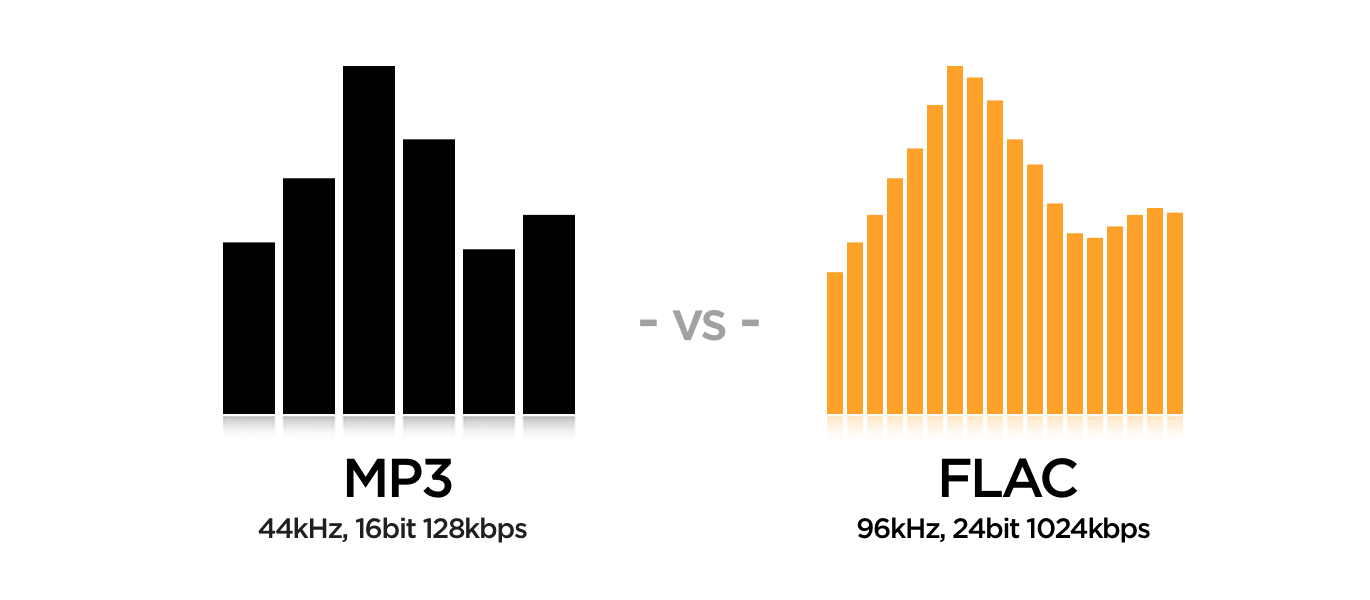
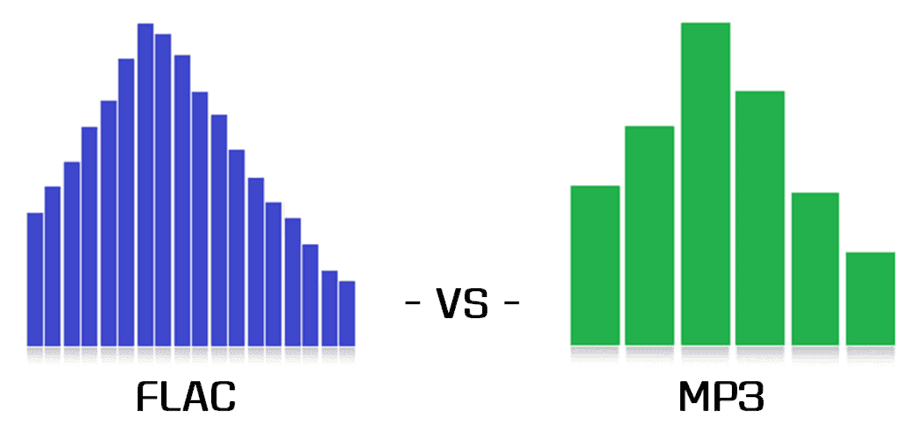
Different audio formats support varying levels of bitrate and, consequently, audio quality. Lossless formats like FLAC and WAV offer the highest audio fidelity as they preserve all the original data. Lossy formats like MP3 and AAC sacrifice some audio data to reduce file size.

Lossless

Lossless audio formats preserve all the original data, resulting in the highest audio fidelity. They are ideal for audiophiles and professionals who require the utmost accuracy in sound reproduction.

Lossy

Lossy audio formats use compression algorithms to reduce file size by sacrificing some audio data. They offer a good balance between audio quality and file size, making them suitable for everyday listening and storage purposes.

Listening Environment

The listening environment can significantly impact the perception of audio quality. Factors such as background noise, acoustics, and speaker quality can affect our ability to discern subtle differences in bitrate.

Background Noise

In a noisy environment, a lower bitrate may be sufficient as the background noise masks some of the audio details. However, in a quiet and controlled environment, a higher bitrate becomes more noticeable, providing a more immersive and enjoyable listening experience.

Acoustics

The acoustics of a room or space can influence the way audio is perceived. Proper acoustic treatment can enhance the overall audio quality, allowing for better sound reproduction and minimizing unwanted reflections or distortions.

Speaker Quality

The quality of speakers or headphones used for audio playback also plays a significant role in the overall audio experience. Higher quality speakers can better reproduce the nuances and details captured in high-bitrate audio files.

Music

Bitrate is particularly important when it comes to music. Higher bitrates allow for a more accurate representation of the original recording, resulting in a richer and more immersive musical experience.

Podcasts

Podcasts, like music, can greatly benefit from higher bitrates. Clearer and more detailed audio reproduction enhances the listening experience, making it easier to follow conversations and understand the content being discussed.

Audio Content

Whether it’s music, podcasts, audiobooks, or other forms of audio content, bitrate plays a crucial role in delivering a high-quality listening experience. Choosing the right bitrate ensures that the audio is faithfully reproduced and enjoyed to its fullest potential.