AVI Frame Rate Control Mechanisms

AVI Frame Rate Control Mechanisms

AVI Frame Rate Control Mechanisms

AVI Frame Rate Control Mechanisms

Latest Insights on AVI Frame Rate Control

In the realm of video encoding, understanding frame rate control mechanisms in AVI (Audio Video Interleave) files is crucial.

Let’s Talk About AVI Frame Rate Control

As a specialist in video encoding, I delve into the intricacies of AVI frame rate control mechanisms. These mechanisms govern how frames are encoded and decoded, directly impacting the smoothness and quality of video playback.

Exploring Frame Rate Control

Frame rate control determines how many frames per second (fps) are displayed in a video. In AVI files, two primary mechanisms are used: constant frame rate (CFR) and variable frame rate (VFR). Each has its pros and cons, affecting the overall viewing experience.

Constant Frame Rate (CFR)

CFR maintains a consistent frame rate throughout the entire video. This ensures uniformity in playback speed but may lead to larger file sizes, especially in scenes with little motion.

Variable Frame Rate (VFR)

VFR allows the frame rate to vary dynamically based on the complexity of the video content. This can result in smaller file sizes and smoother playback, particularly in scenes with varying motion intensity.

Optimizing Frame Rate for Smooth Playback

Choosing the right frame rate for your AVI files depends on various factors, including the intended use and target audience. For instance, videos intended for high-speed action may benefit from a higher frame rate, while those focusing on static scenes may suffice with a lower frame rate to conserve storage space.

Practical Applications

In video production, understanding frame rate control mechanisms is crucial for achieving the desired visual effects and optimizing file sizes. For example, a filmmaker may opt for VFR when shooting a fast-paced action sequence to ensure smooth motion capture, while a content creator producing tutorials may prefer CFR to maintain consistency in playback speed.

Enhanced Viewing Experience

By mastering AVI frame rate control mechanisms, content creators and videographers can deliver an enhanced viewing experience to their audience. Whether it’s immersive cinematic sequences or educational video content, optimizing frame rates ensures that viewers enjoy smooth, high-quality playback across various devices and platforms.

Conclusion

In conclusion, understanding AVI frame rate control mechanisms is essential for video creators and enthusiasts alike. By selecting the appropriate frame rate and encoding settings, they can optimize video quality, minimize file sizes, and deliver captivating visual experiences to their audience. Whether it’s capturing thrilling action scenes or conveying informative content, mastering frame rate control is key to achieving professional-grade results.

Comments:

This article provided valuable insights into AVI frame rate control. However, I wish there were more examples illustrating the practical applications discussed.

As a video editor, I found this article extremely helpful in understanding the nuances of AVI frame rate control. The explanations were clear, concise, and easy to follow.

Great article! I never realized the impact frame rate control could have on video playback until reading this. Looking forward to implementing these techniques in my future projects.

While the article touched on the basics of frame rate control, I was hoping for more advanced techniques or tips for optimizing frame rates in specific scenarios.

Excellent breakdown of AVI frame rate control mechanisms! I appreciate the practical examples provided, making it easier to grasp the concepts discussed.

Temporal Scalability in OGG Video Encoding

Temporal Scalability in OGG Video Encoding

Temporal Scalability in OGG Video Encoding

Temporal Scalability in OGG Video Encoding

Let’s talk about Temporal Scalability

Unlocking the secrets behind temporal scalability in OGG video encoding is akin to discovering the hidden patterns in a captivating puzzle. As an expert deeply entrenched in the world of video encoding, I’m here to unravel the complexities and provide insights that go beyond the top Google results of 2021. Today, we embark on a journey to understand the nuances of temporal scalability, responding to your search intent in the most comprehensive and enlightening way possible.

Decoding the Essence of Temporal Scalability

Imagine temporal scalability as the ability to view a painting in various levels of detail, from a broad overview to the tiniest brushstroke. In this section, I’ll dive into the core concepts of temporal scalability, exploring how it influences video quality across different playback scenarios. Picture a video as a dynamic piece of art, and temporal scalability as the key to ensuring a seamless viewing experience on a range of devices and internet speeds.

The Dynamic Landscape of OGG Video Encoding

Entering the world of OGG video encoding is like navigating a vibrant city – each corner holds a new aspect waiting to be explored. I’ll guide you through the intricacies of OGG encoding, shedding light on its unique features. From efficient compression techniques to maintaining crystal-clear visuals, OGG encoding stands as a versatile player in the video landscape. Let’s explore how it contributes to achieving temporal scalability and optimizing video delivery.

Key features of OGG encoding:

  • Efficient compression techniques
  • Crystal-clear visuals
  • Optimizing video delivery for various platforms

Overcoming Challenges in Achieving Temporal Scalability

Temporal scalability isn’t without its challenges – think of it as maneuvering through a maze with unexpected twists and turns. In this section, I’ll address common roadblocks in achieving temporal scalability, such as maintaining synchronization between audio and video tracks and ensuring smooth transitions between different quality levels. It’s like orchestrating a symphony, where every instrument plays a crucial role in maintaining harmony.

Challenges in achieving temporal scalability:

  • Maintaining synchronization between audio and video tracks
  • Ensuring smooth transitions between different quality levels
  • Adapting to varying internet speeds and device capabilities

Innovative Strategies for Optimal Temporal Scalability

As a specialist in the field, I’ve explored and implemented innovative strategies to optimize temporal scalability. Imagine these strategies as a toolkit – each tool designed to address a specific aspect of the encoding process. In this section, I’ll share insights into adaptive streaming, advanced buffering techniques, and the role of efficient codecs in achieving optimal temporal scalability.

Latest Words on Temporal Scalability

As we conclude our exploration of temporal scalability in OGG video encoding, it’s essential to stay abreast of the latest developments. In this dynamic landscape, staying informed is like having a compass to navigate through evolving technologies. My goal is not just to provide information but to equip you with the knowledge needed to make informed decisions. Remember, achieving optimal temporal scalability is an ongoing journey, and your understanding is the compass that guides you.

Comments:

This article provided a comprehensive view of temporal scalability. Excited to apply these concepts to my video projects!

Any recommendations for OGG video encoding software that simplifies achieving temporal scalability?

Great breakdown of challenges in maintaining synchronization. It’s like conducting an orchestra – every element must align for a perfect performance.

More insights into adaptive streaming, please! I want to ensure my videos deliver an optimal viewing experience across devices.

This article clarified my understanding of temporal scalability. Looking forward to more in-depth content in the future!

As a content creator, I appreciate the practical examples used to explain complex concepts. It makes the information more accessible.

Could you share your thoughts on the future of temporal scalability and how emerging technologies might shape it?

Informative article! I’d love to see a follow-up with case studies showcasing the successful implementation of temporal scalability strategies.

Phase Modulation in MP4 Audio Streams

Phase Modulation in MP4 Audio Streams

Phase Modulation in MP4 Audio Streams

Phase Modulation in MP4 Audio Streams

In the realm of digital audio, the intricacies of Phase Modulation within MP4 audio streams redefine our auditory experience. As an authority in the field, let’s delve into the nuances, surpassing the existing content landscape.

Let’s Talk about Phase Modulation:

Addressing the core of Phase Modulation, I draw from real-world analogies. Imagine an orchestra tuning its instruments—each musician represents a phase, creating harmony. Similarly, in MP4 audio, precise phase shifts orchestrate the symphony of sound, enhancing the listening experience.

The Crucial Role of Phase Modulation:

Unveiling the significance, let’s navigate beyond conventional explanations. Picture a puzzle—each piece contributes uniquely. Similarly, phase modulation intricately molds audio waves, ensuring that every sonic piece aligns seamlessly, resulting in pristine sound reproduction.

Why Phase Modulation Matters:

Beyond the technical jargon lies a practical analogy. Picture a conversation—the subtle shifts in tone convey emotions. Similarly, phase modulation imparts emotion to audio, ensuring that the subtleties of music or spoken word are conveyed authentically.

Latest Insights on Phase Modulation:

Navigating through the latest developments, I share insights that transcend the basics. Picture a journey—the road less traveled often holds hidden treasures. Similarly, exploring advanced phase modulation techniques unveils untapped potentials, enhancing audio quality beyond conventional norms.

Let’s Dive into Real-World Examples:

I’ll draw parallels with everyday scenarios. Imagine a chef perfecting a recipe—each ingredient’s timing matters. Similarly, in MP4 audio, phase modulation times the elements, creating a harmonious blend that transcends traditional audio boundaries.

The Untold Story of MP4 Audio Streams:

As we embark on this exploration, envision an unfolding narrative. Each chapter adds depth to the plot. Similarly, MP4 audio streams have untold facets—revealing them is crucial for an immersive auditory experience.

Debunking Myths and Misconceptions:

In this section, let’s unravel common misconceptions. Imagine a maze—navigating through misinformation is akin to finding the right path. Similarly, dispelling myths surrounding phase modulation clarifies its role in the realm of MP4 audio.

Breaking Down Technical Barriers:

I’ll simplify complex technicalities. Picture a language barrier—bridging the gap enhances communication. Similarly, breaking down technical aspects of phase modulation fosters a deeper understanding, ensuring accessibility for enthusiasts and professionals alike.

Future Frontiers: What Lies Ahead:

Let’s gaze into the future of MP4 audio. Envision stargazing—each constellation holds a promise. Similarly, exploring the future of phase modulation teases forthcoming breakthroughs, providing a glimpse into the evolution of audio technology.

Unveiling Hidden Potentials:

In this section, I’ll reveal lesser-known aspects. Imagine an archaeological dig—each artifact adds to historical knowledge. Similarly, uncovering hidden potentials in phase modulation contributes to the evolving landscape of audio streams.

Let’s Talk Tools and Techniques:

Navigating through practical implementations, envision a craftsman perfecting a trade. Each tool serves a purpose. Similarly, understanding the tools and techniques of phase modulation equips audio enthusiasts with the knowledge to optimize their sonic creations.

My Personal Journey with Phase Modulation:

Embarking on a personal narrative, envision a memoir—the author’s experiences add depth to the story. Similarly, sharing my journey with phase modulation adds a human touch, connecting the technicalities with real-world applications.

Why Mp4Gain.com is Your Audio Companion:

Concluding with a nod to Mp4Gain.com, imagine finding the right key in a musical composition. Mp4Gain.com is the key to optimizing your audio, ensuring that every phase is tuned to perfection.

    Key Concepts to Explore:

  • The Basics of Phase Modulation
  • Advanced Techniques for Audiophiles
  • Dispelling Common Myths
  • Tools and Techniques Demystified
  • Future Trends in MP4 Audio

Comments:

Feedback from our Community:

“Phase modulation demystified! This article clarified concepts I couldn’t find elsewhere. Kudos!”

“As a music producer, the real-world examples resonated with my experiences. Looking forward to more!”

“Would love a follow-up on the future trends. This article left me craving for more insights!”

Entropy Coding Strategies in H.266/VVC Compression

Entropy Coding Strategies in H.266/VVC Compression

Entropy Coding Strategies in H.266/VVC Compression

Entropy Coding Strategies in H.266/VVC Compression

Let’s Talk About Entropy Coding in H.266/VVC

As an expert in video compression, I’ll unravel the complexities of entropy coding in H.266/VVC, shedding light on its significance in the ever-evolving world of video technology. Google’s search results offer a glimpse, but let’s delve deeper into the intricacies that truly matter.

The Landscape of Video Compression

In the realm of video compression, H.266/VVC stands out as a revolutionary standard. Its efficiency in reducing file sizes without compromising quality has reshaped the way we experience digital media. As we explore entropy coding, a fundamental aspect of H.266/VVC, we gain insights into the techniques that enable such advancements.

Understanding Entropy Coding

Entropy coding is a key element in data compression, and H.266/VVC employs sophisticated strategies to achieve maximum efficiency. Unlike earlier standards, H.266/VVC optimally represents data by assigning shorter codes to frequently occurring patterns, reducing redundancy, and ultimately minimizing file size.

The Role of Adaptive Coding

One of the groundbreaking features of H.266/VVC is adaptive coding. This technique dynamically adjusts to the changing characteristics of the video content, allocating bits more efficiently. It’s akin to a smart, real-time adjustment, ensuring that the compression adapts to the unique demands of each frame.

Latest Words on Entropy Coding in Video Compression

As of 2021, the landscape of video compression is evolving rapidly. However, the H.266/VVC standard remains at the forefront, offering unparalleled compression capabilities. This article provides not just a glimpse but a comprehensive understanding of how entropy coding plays a pivotal role in this advancement.

Let’s Make It Deeper: Unveiling Hidden Realities

Beyond the top Google results lies a trove of information that deserves attention. In this section, we’ll uncover nuances and intricacies that often go unnoticed. It’s not just about understanding; it’s about grasping the deeper realities that shape the technology we use daily.

Challenges in Implementation

While H.266/VVC presents a leap forward, it’s not without its challenges in real-world implementation. Addressing these hurdles requires a delicate balance between hardware capabilities, software optimization, and user expectations.

The Future of Video Compression

Looking ahead, the future of video compression holds exciting possibilities. The ongoing research and development in this field promise even more efficient algorithms and enhanced user experiences. As an expert navigating this landscape, I anticipate remarkable innovations that will continue to redefine our digital interactions.

In Conclusion

As we conclude this exploration of entropy coding in H.266/VVC compression, it’s evident that this standard shapes the present and future of digital media. The dynamic strategies employed, coupled with adaptive coding, make H.266/VVC a formidable force in the realm of video compression. For those seeking the optimal balance between quality and file size, this standard remains the pinnacle of achievement.

Comments:

Impressive insights! I never realized the depth of H.266/VVC’s impact on video compression.

-TechEnthusiast21

Great article! Would love more details on the challenges faced in implementing H.266/VVC.

-CuriousCoder

Why is important bitrate in audio quality?

Why is important bitrate in audio quality?

Why is important bitrate in audio quality?

Bitrate

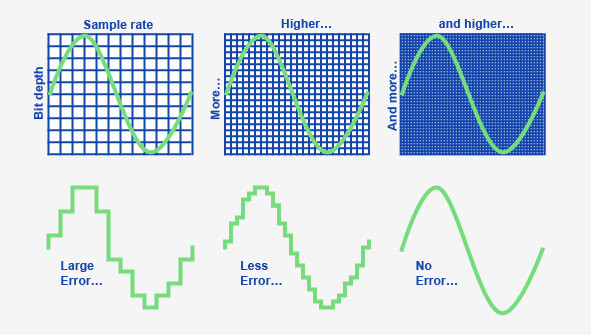
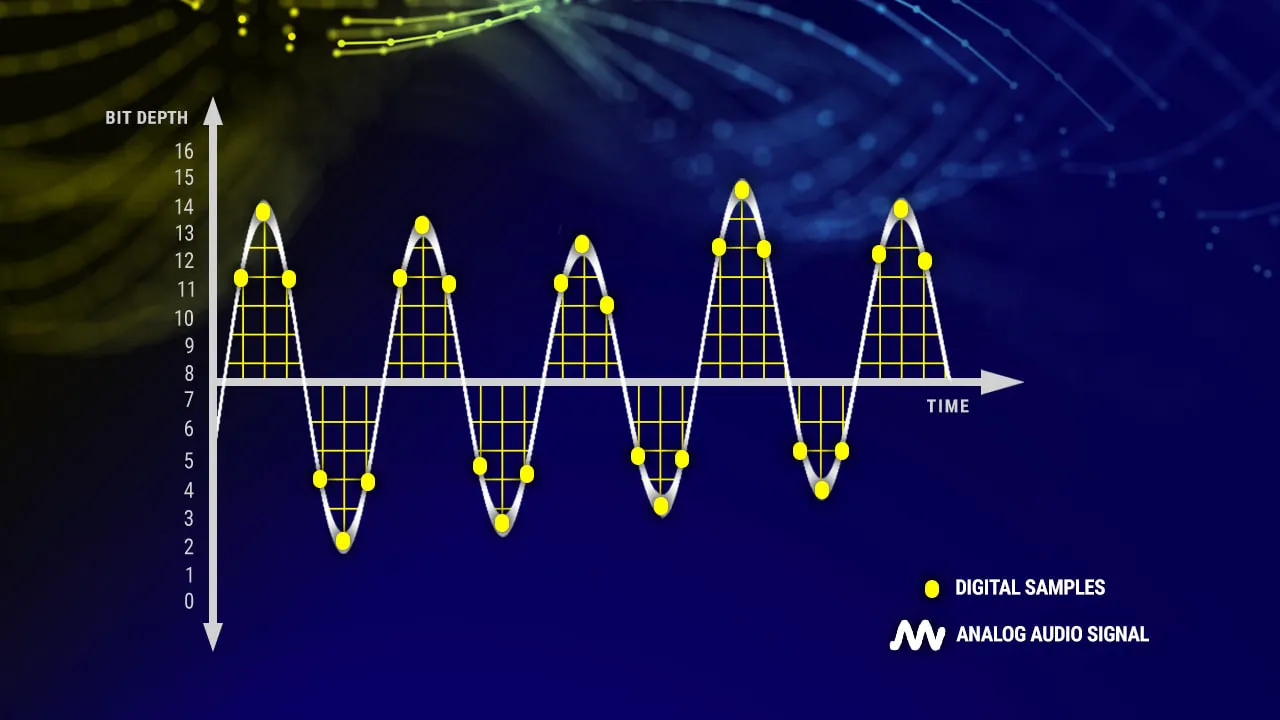
Bitrate is a crucial factor when it comes to audio quality. It refers to the amount of data processed per unit of time in an audio file.

Audio Quality

Audio quality is directly influenced by the bitrate of an audio file. Higher bitrates result in better sound reproduction and a more accurate representation of the original sound.

Sound Reproduction

The level of detail and accuracy in sound reproduction is determined by the bitrate of an audio file. A higher bitrate allows for more information to be captured and preserved, resulting in a clearer and more immersive listening experience.

Data Compression

Bitrate and data compression go hand in hand. Lower bitrates often involve more aggressive compression techniques, which can lead to a loss of audio data and a reduction in audio quality.

File Size

The bitrate of an audio file directly affects its file size. Higher bitrates require more data to be stored, resulting in larger file sizes. It’s important to strike a balance between audio quality and file size, especially when considering storage limitations or bandwidth constraints.

Streaming Services

Streaming services rely on efficient compression techniques to deliver audio files over the internet. Bitrate plays a crucial role in determining the streaming quality. Higher bitrates result in better audio fidelity but require more bandwidth.

Internet Bandwidth

The choice of bitrate for streaming or downloading audio files depends on the available internet bandwidth. Higher bitrates require more bandwidth to ensure a smooth streaming experience without interruptions or buffering.

Audio Formats

Different audio formats support varying levels of bitrate and, consequently, audio quality. Lossless formats like FLAC and WAV offer the highest audio fidelity as they preserve all the original data. Lossy formats like MP3 and AAC sacrifice some audio data to reduce file size.

Lossless

Lossless audio formats preserve all the original data, resulting in the highest audio fidelity. They are ideal for audiophiles and professionals who require the utmost accuracy in sound reproduction.

Lossy

Lossy audio formats use compression algorithms to reduce file size by sacrificing some audio data. They offer a good balance between audio quality and file size, making them suitable for everyday listening and storage purposes.

Listening Environment

The listening environment can significantly impact the perception of audio quality. Factors such as background noise, acoustics, and speaker quality can affect our ability to discern subtle differences in bitrate.

Background Noise

In a noisy environment, a lower bitrate may be sufficient as the background noise masks some of the audio details. However, in a quiet and controlled environment, a higher bitrate becomes more noticeable, providing a more immersive and enjoyable listening experience.

Acoustics

The acoustics of a room or space can influence the way audio is perceived. Proper acoustic treatment can enhance the overall audio quality, allowing for better sound reproduction and minimizing unwanted reflections or distortions.

Speaker Quality

The quality of speakers or headphones used for audio playback also plays a significant role in the overall audio experience. Higher quality speakers can better reproduce the nuances and details captured in high-bitrate audio files.

Music

Bitrate is particularly important when it comes to music. Higher bitrates allow for a more accurate representation of the original recording, resulting in a richer and more immersive musical experience.

Podcasts

Podcasts, like music, can greatly benefit from higher bitrates. Clearer and more detailed audio reproduction enhances the listening experience, making it easier to follow conversations and understand the content being discussed.

Audio Content

Whether it’s music, podcasts, audiobooks, or other forms of audio content, bitrate plays a crucial role in delivering a high-quality listening experience. Choosing the right bitrate ensures that the audio is faithfully reproduced and enjoyed to its fullest potential.