Efficient Chroma Intra Prediction in H.266/VVC


Free Download Mp4Gain
picture

Efficient Chroma Intra Prediction in H.266/VVC


Efficient Chroma Intra Prediction in H.266/VVC

Efficient Chroma Intra Prediction in H.266/VVC

Let’s talk about Efficient Chroma Intra Prediction

As an expert in video compression technologies, I understand the importance of efficient chroma intra prediction in the context of H.266/VVC (High Efficiency Video Coding/ Versatile Video Coding). Chroma intra prediction plays a crucial role in reducing redundancy within video frames, leading to better compression ratios without compromising visual quality. By leveraging predictive coding techniques specifically tailored for chroma components, H.266/VVC aims to significantly improve video compression efficiency compared to its predecessors.

Chroma intra prediction involves predicting the chroma (color) components of a video frame based on neighboring pixels within the same frame. Unlike inter prediction, which utilizes motion estimation to predict future frames, intra prediction relies solely on information contained within the current frame. This makes it particularly important for achieving high compression efficiency in scenarios where inter-frame prediction is not feasible or effective, such as still scenes or sudden scene changes.

The Importance of Chroma Intra Prediction in Video Compression

Efficient chroma intra prediction is crucial for achieving substantial bitrate savings in video compression. By accurately predicting chroma components, redundant information can be efficiently removed, resulting in smaller encoded video streams without perceptible loss of quality. This is especially significant for applications with bandwidth constraints, such as streaming services, where minimizing data transfer without sacrificing visual fidelity is paramount.

Reducing Redundancy in Color Information

  • Explaining how chroma intra prediction reduces redundancy in color information
  • Highlighting the importance of accurate chroma prediction for preserving image quality
  • Discussing the impact of chroma subsampling on compression efficiency

Chroma intra prediction techniques exploit spatial correlations between neighboring chroma samples to predict their values. Common prediction modes include DC (average of neighboring samples), horizontal, vertical, and directional modes, each tailored to different patterns of chroma information within a frame. By selecting the most suitable prediction mode based on the characteristics of the chroma data, H.266/VVC achieves superior compression efficiency compared to previous standards.

Adaptive Prediction Modes

  • Discussing the concept of adaptive prediction modes in chroma intra prediction
  • Exploring how H.266/VVC dynamically selects prediction modes based on content characteristics
  • Highlighting the benefits of adaptive prediction for versatile compression performance

One of the key advancements in H.266/VVC is its ability to adaptively switch between different prediction modes within a frame. This adaptive approach ensures optimal utilization of prediction resources, allowing the encoder to accurately capture chroma details while minimizing the overall bitrate. By intelligently adjusting prediction modes based on content complexity, H.266/VVC delivers superior compression efficiency across a wide range of video content.

Transform Coding and Residual Coding

  • Explaining the role of transform coding in video compression
  • Discussing residual coding and its contribution to compression efficiency
  • Highlighting the synergy between prediction, transformation, and entropy coding

In addition to chroma intra prediction, H.266/VVC employs advanced techniques such as transform coding and residual coding to further enhance compression efficiency. Transform coding, typically using the Discrete Cosine Transform (DCT) or similar methods, helps decorrelate spatial information, making it more amenable to compression. Residual coding captures the difference between the original and predicted values, enabling more accurate reconstruction at the decoder.

Efficient Representation of Chroma Information

  • Discussing techniques for efficient representation of chroma information in video coding
  • Exploring the challenges posed by chroma subsampling and color space conversion
  • Highlighting innovations in chroma coding for improved compression performance

Efficient representation of chroma information is critical for achieving high compression ratios while maintaining visual quality. Techniques such as chroma subsampling and color space conversion help reduce the bitrate overhead associated with chroma components, ensuring that the majority of the available bandwidth is allocated to preserving luminance (brightness) information, which is more perceptually sensitive.

Latest words on Efficient Chroma Intra Prediction

In conclusion, efficient chroma intra prediction is a cornerstone of modern video compression standards such as H.266/VVC. By leveraging advanced predictive coding techniques tailored specifically for chroma components, H.266/VVC achieves unprecedented compression efficiency while delivering superior visual quality. The adaptive selection of prediction modes, coupled with innovative approaches to transform and residual coding, ensures optimal compression performance across diverse video content. As bandwidth constraints continue to challenge the multimedia industry, the evolution of chroma intra prediction remains instrumental in enabling next-generation video applications and services.

Comments:

Wow, I never knew there was so much complexity behind video compression! This article really opened my eyes to the intricacies of chroma prediction.

As someone who works in the streaming industry, I appreciate articles like this that dive deep into compression technologies. It’s fascinating to see how much effort goes into optimizing video delivery.

I found this article informative, but I wish it delved more into the technical aspects of chroma prediction algorithms. Maybe a follow-up article could explore that in more detail?

Great overview of chroma prediction in video coding! It’s amazing to see how far we’ve come in terms of compression efficiency, thanks to advancements like H.266/VVC.

As a video enthusiast, I’m always curious about the latest developments in compression standards. This article provided a comprehensive overview of chroma intra prediction and its importance in modern codecs.

This article helped me understand why some videos look better than others even at lower bitrates. It’s all about efficient prediction and compression techniques!

Really insightful article! I never realized how much optimization goes into reducing the size of video files while maintaining quality.

It’s fascinating to learn about the technical intricacies of video compression. This article provided a clear and concise explanation of chroma intra prediction and its role in modern codecs.

I’ve always been curious about how video compression works, and this article provided a great overview of one of its key components. Looking forward to reading more articles like this!

As a content creator, understanding video compression is essential for optimizing the delivery of my videos. This article shed light on the importance of chroma intra prediction in achieving efficient compression.


Free Download Mp4Gain
picture


Mp4Gain Main Window
picture


Mp4Gain Features
picture


Free Download Mp4Gain
picture

Opus Codec: Bitrate Control Mechanisms

Opus Codec: Bitrate Control Mechanisms

Opus Codec: Bitrate Control Mechanisms

Opus Codec: Bitrate Control Mechanisms

Let’s talk about Opus Codec Bitrate Control Mechanisms

As a specialist with years of experience in audio codecs, I understand the significance of bitrate control mechanisms in the Opus codec. Opus, renowned for its efficiency and flexibility, employs sophisticated techniques to manage bitrates effectively, ensuring optimal audio quality across various applications and network conditions.

Understanding Bitrate Control in Opus

Opus codec’s bitrate control mechanisms are pivotal in delivering high-quality audio while adapting to diverse network environments and bandwidth constraints. Unlike traditional codecs that rely solely on fixed bitrates, Opus employs dynamic bitrate control strategies, allowing for seamless adjustments based on real-time conditions.

Opus Codec,
Bitrate Control,
Mechanisms,
Dynamic bitrate control

In dynamic bitrate control, Opus continuously monitors the network conditions, such as available bandwidth and packet loss, to dynamically adjust the bitrate. This adaptive approach ensures optimal audio quality without compromising efficiency, making Opus suitable for a wide range of applications, from voice communication to music streaming.

Trade-offs in Bitrate Control

While dynamic bitrate control offers significant advantages in adapting to varying network conditions, it also introduces trade-offs. One such trade-off is the complexity of the encoding process, as the codec must continuously analyze and adjust the bitrate in real-time. This complexity can impact computational resources, particularly in resource-constrained devices.

  • Bitrate control,
  • Trade-offs,
  • Complexity,
  • Real-time adjustments

However, Opus codec’s sophisticated algorithms mitigate these challenges by optimizing resource utilization while maintaining high audio quality. Through careful optimization and intelligent bitrate allocation, Opus achieves a balance between efficiency and performance, making it a preferred choice for modern audio applications.

Bitrate Allocation Strategies

Opus employs several bitrate allocation strategies to maximize audio quality within the available bandwidth. One such strategy is variable bitrate (VBR) encoding, where the codec dynamically adjusts the bitrate based on the complexity of the audio signal. During periods of low complexity, such as silence or background noise, Opus allocates fewer bits, conserving bandwidth for more critical audio segments.

Bitrate allocation,
Variable bitrate,
VBR encoding,
Audio signal complexity

Conversely, during complex audio segments, such as music or speech with varying dynamics, Opus allocates higher bitrates to preserve audio fidelity. This dynamic allocation ensures consistent audio quality across diverse content types, enhancing the overall listening experience for end-users.

Quality Optimization Techniques

In addition to dynamic bitrate control and allocation strategies, Opus incorporates advanced quality optimization techniques to further enhance audio performance. One such technique is the use of psychoacoustic models, which analyze the human auditory system’s perceptual properties to allocate bits more efficiently.

Quality optimization,
Psychoacoustic models,
Perceptual properties,
Efficient bit allocation

By leveraging psychoacoustic principles, Opus codec identifies perceptually insignificant audio components and allocates fewer bits, optimizing compression without perceptible quality loss. This approach maximizes audio quality while minimizing bitrate requirements, resulting in efficient utilization of network resources.

Latest words on Opus Codec Bitrate Control Mechanisms

In conclusion, Opus codec’s bitrate control mechanisms play a crucial role in delivering high-quality audio experiences across diverse applications and network conditions. Through dynamic bitrate control, intelligent allocation strategies, and quality optimization techniques, Opus achieves a delicate balance between efficiency and performance, making it a preferred choice for audio encoding in modern digital ecosystems.

Comments:

Wow, this article explained Opus codec’s bitrate control mechanisms so clearly! I’ve always been curious about how it works, and now I understand it much better. Great job!

– AudiophileJoe

This article provided valuable insights into Opus codec’s dynamic bitrate control. However, I wish there was more detail on specific psychoacoustic models used by Opus for quality optimization.

– SoundEnthusiast23

As a developer working with audio applications, I appreciate the depth of information provided in this article. It’s essential to understand bitrate control mechanisms, and this article delivered exceptionally well!

– CodeNinja456

This article explained Opus codec’s bitrate control mechanisms in a way that even a non-technical person like me could understand. I’m impressed!

– MusicLover88

Opus codec’s bitrate control mechanisms have always fascinated me, and this article shed light on some aspects I wasn’t aware of. Great read!

– AudioGeek42

While this article provided a good overview of Opus codec’s bitrate control, I expected more emphasis on real-world applications and examples.

– TechEnthusiast007

I’ve been using Opus codec for my audio streaming services, and this article helped me understand its bitrate control mechanisms better. Highly recommended!

– StreamMaster2024

This article addressed an essential aspect of audio encoding with clarity and depth. Kudos to the author for providing such valuable insights!

– AudioTechPro

I found this article very informative, but I wish there were more comparisons with other codecs regarding bitrate control mechanisms.

– CodecComparisonFan

Opus codec’s dynamic bitrate control is crucial for maintaining audio quality, especially in fluctuating network conditions. Thanks for the detailed explanation!

– NetAudioGuru

This article provided a comprehensive overview of Opus codec’s bitrate control mechanisms. I’m looking forward to implementing these techniques in my projects!

– AudioDevPro

As a musician, understanding how codecs manage bitrate is essential for delivering high-quality audio recordings. This article clarified many aspects for me. Thanks!

– MusicManiac99

I appreciate the detailed explanation of Opus codec’s bitrate control mechanisms. However, I’d love to see a follow-up article focusing specifically on real-world use cases.

– SoundSavvy

This article offered a clear and concise overview of Opus codec’s bitrate control mechanisms. It’s refreshing to find such informative content!

– AudioEnthusiast123

Why is important bitrate in audio quality?

Why is important bitrate in audio quality?

Why is important bitrate in audio quality?

Bitrate

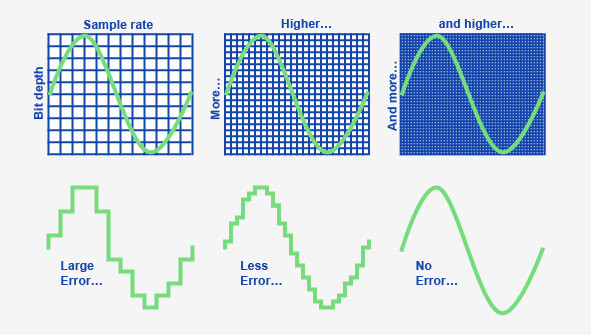
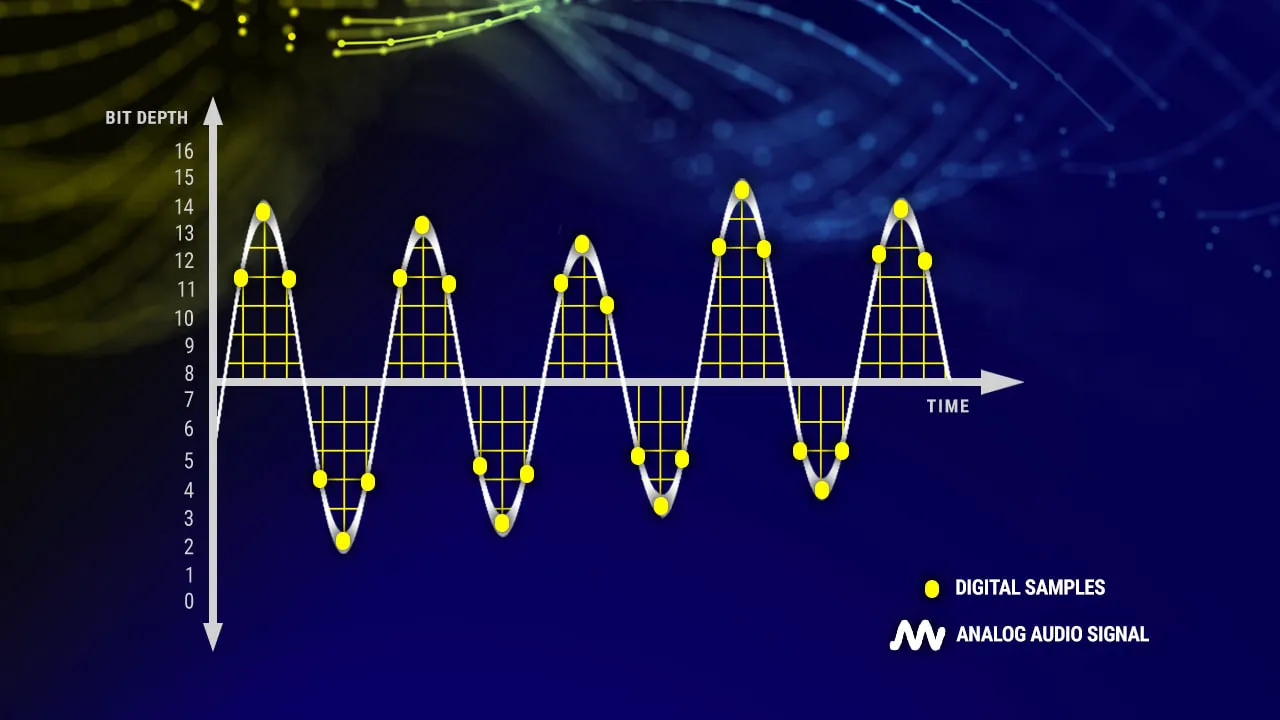
Bitrate is a crucial factor when it comes to audio quality. It refers to the amount of data processed per unit of time in an audio file.

Audio Quality

Audio quality is directly influenced by the bitrate of an audio file. Higher bitrates result in better sound reproduction and a more accurate representation of the original sound.

Sound Reproduction

The level of detail and accuracy in sound reproduction is determined by the bitrate of an audio file. A higher bitrate allows for more information to be captured and preserved, resulting in a clearer and more immersive listening experience.

Data Compression

Bitrate and data compression go hand in hand. Lower bitrates often involve more aggressive compression techniques, which can lead to a loss of audio data and a reduction in audio quality.

File Size

The bitrate of an audio file directly affects its file size. Higher bitrates require more data to be stored, resulting in larger file sizes. It’s important to strike a balance between audio quality and file size, especially when considering storage limitations or bandwidth constraints.

Streaming Services

Streaming services rely on efficient compression techniques to deliver audio files over the internet. Bitrate plays a crucial role in determining the streaming quality. Higher bitrates result in better audio fidelity but require more bandwidth.

Internet Bandwidth

The choice of bitrate for streaming or downloading audio files depends on the available internet bandwidth. Higher bitrates require more bandwidth to ensure a smooth streaming experience without interruptions or buffering.

Audio Formats

Different audio formats support varying levels of bitrate and, consequently, audio quality. Lossless formats like FLAC and WAV offer the highest audio fidelity as they preserve all the original data. Lossy formats like MP3 and AAC sacrifice some audio data to reduce file size.

Lossless

Lossless audio formats preserve all the original data, resulting in the highest audio fidelity. They are ideal for audiophiles and professionals who require the utmost accuracy in sound reproduction.

Lossy

Lossy audio formats use compression algorithms to reduce file size by sacrificing some audio data. They offer a good balance between audio quality and file size, making them suitable for everyday listening and storage purposes.

Listening Environment

The listening environment can significantly impact the perception of audio quality. Factors such as background noise, acoustics, and speaker quality can affect our ability to discern subtle differences in bitrate.

Background Noise

In a noisy environment, a lower bitrate may be sufficient as the background noise masks some of the audio details. However, in a quiet and controlled environment, a higher bitrate becomes more noticeable, providing a more immersive and enjoyable listening experience.

Acoustics

The acoustics of a room or space can influence the way audio is perceived. Proper acoustic treatment can enhance the overall audio quality, allowing for better sound reproduction and minimizing unwanted reflections or distortions.

Speaker Quality

The quality of speakers or headphones used for audio playback also plays a significant role in the overall audio experience. Higher quality speakers can better reproduce the nuances and details captured in high-bitrate audio files.

Music

Bitrate is particularly important when it comes to music. Higher bitrates allow for a more accurate representation of the original recording, resulting in a richer and more immersive musical experience.

Podcasts

Podcasts, like music, can greatly benefit from higher bitrates. Clearer and more detailed audio reproduction enhances the listening experience, making it easier to follow conversations and understand the content being discussed.

Audio Content

Whether it’s music, podcasts, audiobooks, or other forms of audio content, bitrate plays a crucial role in delivering a high-quality listening experience. Choosing the right bitrate ensures that the audio is faithfully reproduced and enjoyed to its fullest potential.