Huffman Coding in MP3 Compression


Free Download Mp4Gain
picture

Huffman Coding in MP3 Compression

Huffman Coding in MP3 Compression

Let’s talk about Huffman Coding in MP3 Compression

Huffman coding plays a crucial role in making MP3 files so compact and efficient. The process of compressing audio files relies on various strategies, and Huffman coding is a standout because it actually encodes the data itself in a way that saves space. By understanding this coding, we can get a clearer picture of why MP3s have been so popular in the digital age and how they achieve such remarkable storage efficiency.

What is Huffman Coding?

Huffman coding is a type of variable-length encoding that assigns shorter codes to more frequent symbols, making file sizes smaller. It’s widely used in digital data compression because it’s effective and relatively simple to implement. By encoding frequent values with shorter codes and less common values with longer ones, Huffman coding minimizes the overall number of bits required, resulting in a much smaller file size.

Why Huffman Coding is Used in MP3 Compression

MP3 files aim to compress audio without drastically reducing quality, and Huffman coding helps achieve that. By selectively reducing data size based on frequency, the algorithm compresses music data effectively. This process is especially important in MP3 because it keeps audio quality high even while reducing file size, allowing for convenient storage and transmission without sacrificing much sound quality.

How Huffman Coding Works in MP3 Compression

The Process of Creating Huffman Trees

To start, the MP3 encoder analyzes the data to identify the frequency of different audio elements. Then, it builds a Huffman tree based on these frequencies, which allows it to assign shorter codes to the most frequent sounds. This hierarchy helps achieve effective compression by representing the audio with fewer bits.

Assigning Codes to Audio Data

Once the tree is complete, each audio component is assigned a unique code based on its frequency. Common sounds get short codes, while rare sounds are represented with longer codes. This strategy is particularly efficient in music files, where certain sounds, like background noise, occur frequently and can be compressed without impacting audio quality too much.

Encoding and Decoding in Huffman Compression

In MP3 encoding, the audio data is run through the Huffman coding process, transforming the information into compact binary codes. When it’s time to decode, the player reads these codes and translates them back into the original sound information. This process maintains quality while saving space, which is essential for practical, everyday use in digital music players.

The Role of Psychoacoustics in MP3 Compression

Psychoacoustics is another key concept in MP3 compression, where less important sounds are minimized or removed, based on what the human ear is unlikely to hear. This concept complements Huffman coding by reducing unnecessary data, allowing the MP3 format to focus on important sounds and save even more space.

Masking Effects

  • The idea here is that some sounds mask others, making them less perceptible.
  • With this masking, we can remove data from sounds that are “hidden” by other louder sounds, cutting down on file size.
  • Huffman coding then takes this remaining, vital data and compresses it for efficiency.

Bit Allocation and Huffman Coding

Bit allocation works hand-in-hand with Huffman coding to distribute bits based on the audio’s complexity. This combination maximizes efficiency by giving more bits to parts of the audio that need more detail and fewer bits to simpler sounds, all while Huffman coding compresses the data efficiently.

Managing Bitrate in MP3 Files

Bitrate, measured in kbps, reflects the data rate used to encode the MP3. Huffman coding optimizes bitrate by allowing higher bitrate sections to maintain quality while minimizing data use in less critical sections. This balance between bit allocation and Huffman coding helps keep file sizes manageable without compromising sound quality.

Variable Bitrate (VBR) vs. Constant Bitrate (CBR)

  • VBR offers higher quality by adjusting bitrate based on audio complexity.
  • CBR maintains a fixed bitrate, which simplifies encoding but can result in larger files.
  • Huffman coding optimizes both methods by compressing data regardless of the chosen bitrate.

Examples of Huffman Coding in Real Life

Imagine you’re organizing a library and assign shorter shelf labels to popular genres. Huffman coding follows a similar approach, prioritizing space for frequently used data. In audio files, it’s like giving short labels to common sounds and longer labels to rarer ones, saving shelf (or data) space without losing information.

Challenges and Limitations of Huffman Coding

While Huffman coding is effective, it has limitations. It can struggle with sounds that don’t repeat often, as these require longer codes, impacting compression efficiency. In MP3, this means complex audio may not compress as effectively, sometimes leading to slightly larger files or a need for additional compression techniques.

When Huffman Coding Isn’t Enough

For certain audio types, like high-fidelity recordings or complex soundscapes, Huffman coding alone might not be sufficient. Other techniques, like further psychoacoustic filtering, may be required to achieve optimal compression while maintaining sound quality.

Advancements in Audio Compression Beyond Huffman Coding

Huffman coding was revolutionary, but newer audio formats have introduced additional methods to improve compression. Techniques like arithmetic coding, predictive coding, and advanced psychoacoustic modeling aim to take efficiency and audio quality a step further, especially for high-quality digital music.

Huffman Coding vs Other Compression Techniques

Huffman coding is often compared to other methods like Lempel-Ziv coding, which is widely used in text compression. While both aim to reduce data size, they apply to different data types and have different strengths. Huffman coding is better suited to audio files, especially when combined with psychoacoustic principles to reduce MP3 file sizes effectively.

How to Optimize MP3 Files with Huffman Coding

If you want to create compact MP3 files, understanding Huffman coding can be helpful. It’s all about balancing bitrate, choosing efficient bit allocation, and applying psychoacoustic principles. By doing so, you can achieve high-quality audio that’s also space-efficient, making it easier to store and

FAQ: Huffman Coding in MP3 Compression

What is Huffman coding in MP3 compression?

Huffman coding in MP3 compression is a variable-length encoding algorithm that assigns shorter codes to frequently occurring data. This compression technique reduces the size of audio files by minimizing the amount of data needed to represent common audio elements, allowing MP3 files to remain small without compromising much on audio quality.

Why is Huffman coding used in MP3 files?

Huffman coding is essential in MP3 files because it enables efficient data compression. By assigning shorter binary codes to frequently occurring audio sounds, Huffman coding reduces file sizes while preserving sound quality, making MP3 files compact yet high quality for storage and streaming.

How does Huffman coding work in MP3 compression?

Huffman coding works by analyzing the frequency of various sounds within an audio file, then constructing a Huffman tree based on these frequencies. Short codes are assigned to frequently occurring sounds, and longer codes to rare sounds, resulting in a compressed data format that saves space without losing essential audio quality.

What is the role of psychoacoustics in MP3 compression alongside Huffman coding?

Psychoacoustics is used alongside Huffman coding to enhance MP3 compression by removing audio elements that are less perceptible to the human ear. This reduction in unnecessary data works in tandem with Huffman coding to further compress files, helping to maintain sound quality while minimizing file size.

What are the advantages of using Huffman coding in MP3 files?

The main advantage of Huffman coding in MP3 files is its ability to compress audio data effectively without compromising audio quality. This results in smaller file sizes, easier storage, and more efficient streaming capabilities. Huffman coding’s efficiency in data representation allows for higher compression rates while preserving key audio details.

Can Huffman coding alone ensure high audio quality in MP3 files?

Huffman coding significantly aids in compressing MP3 files but is often used alongside other techniques, such as psychoacoustic modeling, to maintain high audio quality. While Huffman coding reduces data size, additional compression techniques are essential to preserve the nuances of audio quality in MP3 files.

How does Huffman coding compare to other compression methods?

Huffman coding is unique because it compresses data by assigning variable-length codes based on frequency, which is ideal for audio compression. Other methods, like Lempel-Ziv coding, are more suited for text data. Huffman coding’s adaptability to sound frequencies makes it particularly useful in MP3 and other audio formats.

What are the limitations of Huffman coding in MP3 compression?

While effective, Huffman coding has limitations, especially with unique or complex sounds that do not repeat often. Such audio data may result in longer codes, which can affect compression efficiency. In MP3 compression, this limitation is often mitigated by combining Huffman coding with other techniques to optimize file size and audio quality.

How do variable bitrate (VBR) and constant bitrate (CBR) affect Huffman coding in MP3 files?

Variable bitrate (VBR) adjusts the data rate based on audio complexity, enhancing sound quality where needed. Constant bitrate (CBR) maintains a steady rate. Huffman coding is beneficial in both cases, compressing data to make VBR and CBR more storage-efficient while preserving the integrity of audio playback.

Is Huffman coding still relevant for modern audio formats?

Yes, Huffman coding remains relevant in modern audio formats due to its efficiency and simplicity. Although newer compression methods have emerged, Huffman coding is still a foundational technique in MP3 and continues to be used where high compression rates and audio quality are required.

MP3 compression, enabling high-quality audio in a small package. Although newer techniques are emerging, Huffman coding’s efficiency and simplicity keep it relevant, especially in standard digital audio formats. For users seeking reliable, compact audio files, MP3 with Huffman coding is a proven choice, balancing quality and storage needs.

Comments:

I didn’t realize Huffman coding was such a big deal in MP3s! Now I get why they’re so small but still sound decent.

Wow, really interesting stuff! I thought all compression was the same. Makes me appreciate my music library a bit more now.

I’m curious – are there any other audio formats that use different coding? Maybe something better than Huffman?

Very useful information! Been wondering what actually goes on when I save music as MP3. Thanks for explaining it so clearly.

Always heard about psychoacoustics and stuff but never got it. Thanks to this article, it makes a bit more sense now.

Wish there was more info on other compression types, though. Huffman’s cool, but what about FLAC and others?

This was really helpful! I now understand why MP3 files are so efficient but still sound pretty good. Keep it up!

Interesting read. Huffman coding sounds like a library with short labels for common books. Nice analogy!

Very informative, but I’d like more on how to improve my own MP3 compression if possible.

It’s wild how much goes into compressing a song. I’ll definitely appreciate my MP3s more!

Great breakdown of a complex topic. I feel smarter already!

Can’t believe there’s so much to MP3 compression. Never thought I’d be reading up on Huffman coding!

I wish all articles were this in-depth.

Not just scratching the surface!

Thanks for the details! I always wondered what makes MP3 files so easy to share.

This article is awesome! I get what Huffman coding does and how it makes MP3s small. Keep these coming!


Free Download Mp4Gain
picture


Mp4Gain Main Window
picture


Mp4Gain Features
picture


Free Download Mp4Gain
picture

Lossless Compression in AVI Files

Lossless Compression in AVI Files

Lossless Compression in AVI Files

Let’s talk about Lossless Compression in AVI Files

When it comes to AVI files, finding the perfect balance between high quality and efficient storage can feel challenging. That’s where lossless compression shines—it’s a way to reduce file sizes without sacrificing the quality of the video content. As a specialist in video compression and formats, I’ve spent years working with various file types and experimenting with ways to keep quality intact. In this article, I’ll explain how lossless compression works with AVI files, why it’s a preferred choice for many, and the real-world scenarios where it excels.

What is Lossless Compression?

Lossless compression is a method that reduces file size without any loss of data. Imagine you have a suitcase packed with all your belongings in a precise order. Lossless compression is like folding each item just right to save space without leaving anything behind. When you decompress it, everything returns to its original form, unchanged. Unlike lossy compression, which sacrifices some details to make the file smaller, lossless compression preserves every bit of information. This makes it ideal for applications where maintaining the full quality of the content is essential.

How Lossless Compression Works in AVI Files

In AVI files, lossless compression uses algorithms that identify redundant data and then compress it without throwing away any of the original information. It’s similar to creating a shorthand version of the file that can be expanded back to its exact original form. AVI, which stands for Audio Video Interleave, is a multimedia container format that can store both audio and video data in a synchronized manner. AVI files are often used in professional video editing because they support high-quality video formats and can handle the demands of lossless compression.

Advantages of Using Lossless Compression in AVI

The benefits of using lossless compression in AVI files extend beyond just file size reduction. Here’s why it’s worth considering:

  • Preservation of Quality

    Lossless compression retains every detail, which is crucial for professional and archival purposes.

  • Reversible Process

    Unlike lossy compression, you can restore the file to its original form without any data loss.

  • Ideal for Editing

    Lossless AVI files allow for editing without degrading quality, making them suitable for video editors and content creators.

Comparing Lossless and Lossy Compression in AVI Files

When it comes to compression, lossless and lossy methods serve different needs. Lossy compression is like making a photocopy of a high-resolution image at a lower quality—it’s smaller, but some details are lost. Lossless compression, however, is like taking the original and folding it neatly to save space without sacrificing any quality. With AVI files, lossy compression can lead to artifacts or a decrease in clarity, which isn’t ideal for those seeking top-notch quality.

Real-World Applications of Lossless Compression in AVI Files

Lossless compression in AVI files is often used in industries where quality cannot be compromised, like film production, medical imaging, and archiving. For instance, filmmakers use lossless compression when they need to store high-quality footage before editing. In medical imaging, lossless compression ensures critical details are preserved in scans and x-rays. And for archivists, it’s the go-to method for storing old films and videos in a format that keeps every original detail intact.

File Size and Storage Considerations

While lossless compression reduces file size, AVI files with lossless compression can still be quite large. Think of it as folding clothes neatly in a suitcase—sure, it saves space, but there’s still only so much you can fit. Lossless AVI files are typically larger than lossy-compressed files, so storage can be a concern if you’re dealing with extensive video libraries. However, if quality is the priority, the extra storage is often worth the trade-off.

Choosing the Right Compression for AVI Files

Selecting the right compression type depends on your priorities. For instance, if you’re archiving important footage or editing professional video, lossless compression is usually the best choice. However, if you’re working with videos that don’t require perfect quality, like online content, lossy compression can save a lot of space without a noticeable difference in quality. It’s all about finding the balance that meets your specific needs.

Understanding Different Lossless Compression Codecs for AVI

There are several codecs available for lossless compression in AVI files, each with its own strengths and ideal use cases. Some popular ones include:

  • FFV1

    An open-source codec known for its efficiency and high-quality compression, often used in archiving.

  • HuffYUV

    A fast codec suitable for intermediate video storage, but it requires more storage space.

  • Ut Video

    Known for its compatibility with different platforms, making it versatile for professional use.

These codecs offer different compression speeds, file sizes, and compatibility, so choosing the right one can depend on your specific project needs.

When to Use Lossless Compression for AVI Files

Lossless compression is ideal in situations where maintaining original quality is essential. Here are some examples:

  • Professional Video Editing

    When editing, it’s crucial to work with the highest quality files to avoid degradation from multiple saves and edits.

  • Archival Storage

    For archiving purposes, preserving every detail of a video file is often a priority.

  • Medical Imaging

    In fields like medical imaging, lossless compression ensures that critical details are not lost in scans or x-rays.

Challenges and Limitations of Lossless Compression in AVI

Despite its benefits, lossless compression has limitations. The biggest challenge is the large file size, which can be a problem for users with limited storage. Additionally, lossless compression requires more processing power during playback and editing, which might be an issue for lower-end devices. However, the trade-offs are worth it for those who need the quality that only lossless compression can provide.

Latest words on Lossless Compression in AVI Files

Lossless compression in AVI files provides a way to maintain video quality without sacrificing data, making it essential for applications where every detail matters. Whether you’re a filmmaker, an archivist, or simply someone who values quality, lossless compression in AVI files can offer the balance you need. Although it demands more storage, the benefits in quality make it a valuable choice. For those looking to optimize and manage their video files, tools like Mp4Gain offer solutions to ensure the best quality-to-size ratio, making it easier to work with lossless AVI files effectively.

Comments:

Well, this really clears things up! I’ve always struggled to understand the difference between lossy and lossless. Great explanation here.

Didn’t know lossless compression in AVI was so important. I’ve been editing videos for a while, and now I understand why quality has been an issue!

For medical imaging, I never knew we needed lossless compression, but now it makes total sense! Really useful info for my work.

Good breakdown of the pros and cons here. I might have to rethink my storage setup because I didn’t realize AVI files could be so big.

Question—how can I tell if an AVI file has been compressed losslessly? I’ve been dealing with big files lately, and this article made me curious.

Can’t believe how much I’ve been missing out on quality by not using lossless for my archives. This is a wake-up call!

Really thorough explanation! It answered all my questions and even raised a few new ones. AVI files seem complicated but worth the hassle.

Never considered the effect on storage—might explain why my hard drive fills up so quickly. Thanks for the insight!

This helped me understand why my videos lose quality after editing. Time to switch to lossless for my master files!

Great info here, but now I’m wondering if lossless is compatible with all video players. Guess I have more research to do.

Finally, an article that explains AVI lossless compression in plain language! I feel like I can actually make use of this info.

I’ve been looking for something like this. I wish I’d known about lossless AVI compression sooner, would’ve saved a lot of quality loss!

Anyone here try using lossless for home videos? I’m curious if it’s worth the storage space for family stuff.

OpenDML Enhancements in AVI

OpenDML Enhancements in AVI

OpenDML Enhancements in AVI

Let’s Talk About OpenDML Enhancements in AVI

OpenDML enhancements in the AVI format changed how we view and manage large video files. AVI, or Audio Video Interleave, has been around since 1992, and while it was revolutionary then, it had significant limitations, especially in file size and overall flexibility. That’s where OpenDML came in. I have spent years diving into the technical aspects of video file formats, and OpenDML’s modifications to AVI are fascinating. Let’s break it down into simpler terms so you can understand why these enhancements are so valuable.

What Is OpenDML and Why Does It Matter for AVI?

OpenDML stands for “Open Digital Media Layer” and is a set of specifications created to expand the capabilities of the AVI format. When we think about video files, most of us want high quality, large resolutions, and compatibility across various devices. OpenDML addresses these desires by tackling AVI’s original 2GB file size limit. This enhancement allows video creators, editors, and even casual users to handle much larger files, opening up possibilities for high-definition content without the fear of exceeding the 2GB restriction.

Addressing the 2GB Limit: Why Was It an Issue?

The 2GB limit on AVI files was a significant hurdle for anyone working with video, especially as resolutions and quality improved. Imagine working on a film and realizing that halfway through, your file size maxes out! Before OpenDML, users had to break videos into smaller chunks or sacrifice quality to keep the file size down. OpenDML solved this by enabling an “Extended AVI” format, which broke free of that 2GB barrier, allowing for hours of HD footage in a single file. It’s like switching from a tiny flash drive to a massive hard drive—so much more space to work with!

Key Features Introduced by OpenDML in AVI

Understanding OpenDML enhancements means breaking down a few core features that make a difference. From extended file sizes to improved indexing, OpenDML introduced several powerful tools:

Extended File Sizes

One of the standout features of OpenDML’s impact on AVI was the allowance for extended file sizes. By enabling larger chunks of data, OpenDML helped AVI keep pace with the needs of modern media without users having to worry about file fragmentation.

Enhanced Indexing

Indexing was a challenge in older AVI files because, without a good index, files can become unmanageable. OpenDML introduced “super indexes” that make it easier to navigate and access specific frames within a video file quickly. This feature alone revolutionized editing and playback of larger video files.

High Compatibility with Existing Systems

Compatibility is critical in video formats, and OpenDML didn’t forget about that. By working with the original AVI structure rather than replacing it, OpenDML enhancements remained backward-compatible with systems and applications that only supported the original AVI format. It’s like upgrading your car with new features but still keeping it compatible with any standard gas pump.

How OpenDML Enhanced AVI’s Video Quality

The goal of OpenDML enhancements wasn’t just about file size; it was also about improving video quality. By supporting new codecs and higher bitrates, OpenDML gave AVI files a significant boost in terms of video clarity and detail. This was particularly useful for high-definition and 4K videos, which demand higher data rates. With OpenDML, we could pack more data into each second of video, making visuals sharper and more vibrant.

Common Applications and Benefits of OpenDML in the Real World

In practical terms, OpenDML’s enhancements make AVI files better suited for today’s high-demand video production and storage needs. Professionals in media production benefit from OpenDML’s expanded capabilities, from filmmakers handling massive HD projects to game developers who rely on clear, quality cutscenes. Even casual users benefit from smoother playback and compatibility with various media players.

Latest Words on OpenDML Enhancements in AVI

OpenDML brought a new era to the AVI format, pushing boundaries and making high-quality video files more accessible and manageable. This enhancement keeps AVI relevant today, offering a practical and powerful solution for larger files without sacrificing quality or compatibility. If you’re working with videos and need a reliable, high-quality format, AVI with OpenDML enhancements is a solid choice that stands the test of time.

Comments:

Wow, I finally understand why OpenDML is important! I always wondered why AVI files got so big.

This article cleared up so much for me. I didn’t know the 2GB limit was a thing for old AVIs. Really interesting read!

I’ve been using AVI for years, and this was super informative. It’s amazing to see how OpenDML keeps AVI relevant today.

Could you add more details on the indexing part? I’m curious about how “super indexes” work in real applications.

Thanks for the breakdown! I’m a video editor, and knowing about these AVI enhancements will help me a ton.

Great read, but I’d like more examples of where OpenDML shines in a professional setting. Anyone else think so?

This explained everything I needed to know! I’m planning to work on a big video project and will keep OpenDML AVI in mind.

Honestly, I didn’t think AVI had a place in modern video files, but this article showed otherwise!

What about playback compatibility? Sometimes my AVI files don’t work right on certain players.

Super helpful article. I learned a lot about why OpenDML changes make AVI so versatile!

Lossy vs Lossless Audio in OGG

Lossy vs Lossless Audio in OGG

Lossy vs Lossless Audio in OGG

Let’s talk about Lossy vs Lossless Audio in OGG

When it comes to audio quality, choosing between lossy and lossless audio can make a big difference. In audio compression, “lossy” means some data gets removed to make the file smaller, while “lossless” keeps all the original audio information. OGG is a popular format known for flexibility with both lossy and lossless compression, so you can get high-quality sound in a smaller file size. As an audio expert, I’ll walk you through the ins and outs of these formats, drawing from my years of experience with audio compression, so you can make the best choice for your needs.

Understanding OGG Format Basics

The OGG format is like a sturdy container, housing different types of audio codecs. It’s especially popular for its open-source, patent-free nature, and high-quality sound. With OGG, you can have lossy or lossless compression, depending on what matters more—quality or file size. Think of it like packing for a trip: sometimes you need to pack light (lossy), and other times, you want to bring everything (lossless). The flexibility of OGG makes it perfect for anyone who values good sound, but also wants control over file size.

What is Lossy Audio Compression?

Lossy audio compression removes “unnecessary” parts of audio that our ears may not easily pick up, which makes the file size much smaller. It’s like skimming off the less noticeable sounds in a song or recording. MP3 and OGG Vorbis are common lossy formats. If you’re streaming music online, lossy formats are everywhere. But while the space savings are great, there’s a trade-off: you lose some detail in sound quality. For casual listeners, it’s often a non-issue, but for audiophiles, those subtle sounds matter.

What is Lossless Audio Compression?

In lossless audio compression, all the original audio data is preserved. This format, like OGG FLAC, doesn’t cut any corners. Imagine you’re saving a photo without changing a single pixel; that’s what lossless does for sound. The file is bigger, yes, but you get pure, untouched audio. In my experience, musicians, DJs, and audio engineers often prefer lossless formats because every sound, every subtle tone, is kept intact. For casual listening, though, the larger file size might be more of a hassle than it’s worth.

Comparing OGG Vorbis (Lossy) with OGG FLAC (Lossless)

Comparing OGG Vorbis and OGG FLAC is a bit like comparing a paperback book to a hardcover. OGG Vorbis reduces file size by about 90%, perfect for quick downloads or streaming. OGG FLAC, on the other hand, maintains top quality, but it’s bigger. OGG Vorbis is great for everyday listening, but if you’re an audio purist, OGG FLAC is where you’ll hear the difference. You’ll notice richer, fuller sounds in OGG FLAC, especially in classical or jazz music where subtlety is key.

  • Quality Differences: Audible or Not?

  • File Size Considerations

  • Performance for Streaming vs. Offline Playback

How Lossy Compression Works in OGG Vorbis

OGG Vorbis, the lossy version of OGG, uses advanced algorithms to remove sounds our ears aren’t as sensitive to. It’s like compressing a sponge and squeezing out the excess water, keeping the sponge itself intact but smaller. This way, you get a smaller file size with audio that’s nearly identical to the original. It’s commonly used for streaming music because it keeps quality high and file size low—essential for avoiding buffering issues on slow networks.

The Science Behind Lossless Compression in OGG FLAC

Lossless compression in OGG FLAC is more like folding a sheet—no material is removed; it’s just compacted in a way that you can unfold it back to its original form. The audio data is untouched, making it a favorite among sound engineers who need top fidelity. OGG FLAC is especially valuable in professional settings, like when recording a song or podcast, where every little detail counts.

Pros and Cons of Using Lossy OGG for Audio

Using lossy OGG has a lot of perks, especially if you need to save space. It’s like having a lighter suitcase for travel—you can take it anywhere without the bulk. However, lossy compression may sacrifice some subtle details, so it’s not ideal for everyone. Here are some quick points:

  • Smaller File Size

  • Great for Streaming and Download Speeds

  • Minor Loss of Audio Detail

  • Not Ideal for High-End Sound Systems

Pros and Cons of Using Lossless OGG for Audio

Lossless OGG, like FLAC, maintains full sound quality. It’s like a heavy-duty suitcase that carries everything you need. While the file size is larger, the quality remains top-notch. Here’s a rundown of pros and cons:

  • Exceptional Audio Quality

  • Perfect for Archival Storage

  • Larger File Size

  • More Demanding on Storage Space

Is Lossy or Lossless Better for Music Streaming?

If you’re streaming music, you’ll likely lean toward lossy OGG, especially with slower internet speeds. Lossy compression keeps file sizes manageable and minimizes buffering. But for platforms dedicated to high-quality sound, lossless is increasingly common. Lossy streaming is a compromise between quality and accessibility, while lossless streaming is all about giving you the best audio, especially on platforms where fidelity is a top priority.

Best Scenarios for Choosing Lossy OGG

Lossy OGG is perfect for everyday listening, especially when you’re on the go. Whether it’s on a jog or commuting, lossy audio offers high-quality sound without filling up your phone’s storage. When you’re not looking for flawless quality but still want something that sounds good, lossy OGG is the way to go. It’s especially great if you’re listening on devices where audio fidelity isn’t as noticeable.

Best Scenarios for Choosing Lossless OGG

Lossless OGG really shines when quality is paramount, like for a professional DJ or a music producer. It’s also ideal for creating a digital archive of your favorite albums. Lossless OGG ensures every note, every instrument, is perfectly preserved. If you’ve got the storage space and care about every detail in the music, go for lossless OGG. It’s also an excellent choice if you plan to listen on high-quality sound systems where every sound matters.

Do File Size and Storage Space Matter to You?

Lossy OGG saves a ton of space, perfect if you’re low on storage. However, if storage is abundant, lossless OGG is a good way to get premium sound without compromise. I always ask myself, “How important is quality versus storage for me?” If I want to fit more music on my phone, I’ll go lossy. If I’m working on a sound project where I need the best quality, lossless OGG it is.

Final Words on Lossy vs Lossless Audio in OGG

Ultimately, the choice between lossy and lossless OGG depends on your needs and setup. For most listeners, lossy OGG offers a great balance between quality and file size. But for audiophiles, sound engineers, and music lovers who want every detail, lossless OGG can’t be beat. If you’re still on the fence, try testing out both formats in your own environment to hear the difference. And when you’re ready to optimize your audio, MP4Gain is here to help ensure every sound, whether lossy or lossless, is just right.

Comments:

Jackson: Really helpful breakdown! I didn’t even know the difference between lossy and lossless. Helped a lot for my project!

Marie123: Finally I get it! All the tech words usually confuse me but this article was simple and super clear.

SoundwaveMike: Good info, but I’d love to see more on how the lossy compression actually affects different genres of music.

LeeGuitarist: Wow, never knew OGG was that versatile! I always stuck with MP3, but now I’m gonna try OGG FLAC!

BobTheBuilder: Too much detail for my taste, but good for people who want to learn everything about audio!

Anna_Loves_Music: This explained a

lot! I’ve been trying to figure out how to save space on my phone without losing my fave tunes.

https://x.com/ricardo_mx_news/status/1850633331957813490

Bitrate Control Methods in MP4 Encoding

Bitrate Control Methods in MP4 Encoding

Bitrate Control Methods in MP4 Encoding

Let’s Talk About Bitrate Control in MP4 Encoding

Bitrate control is more than just a technical setting; it’s the backbone of video quality and file size management. When encoding MP4 files, we decide how much data is used to represent each second of video, and that choice impacts everything from playback clarity to download times. Think of bitrate as the “detail level” you choose to capture in a painting—the more paint (or data) you use, the clearer the image, but with more size to handle. Let’s explore why bitrate control matters in MP4 encoding, how various methods impact your final file, and how you can choose the right one to fit your needs.

Why Bitrate Control is Essential in Video Encoding

In video encoding, bitrate control isn’t just about file size; it affects the visual and auditory experience. Higher bitrates can make an image sharper and richer, while lower bitrates save space but may sacrifice some quality. Imagine watching a movie at different quality levels—at the highest quality, you see every detail clearly, but if it’s too low, it’s like watching through frosted glass. Getting the bitrate right means balancing quality with practicality, and that’s where bitrate control techniques come into play.

Understanding Bitrate Control: Constant Bitrate (CBR) vs. Variable Bitrate (VBR)

Different encoding methods affect how bitrate is distributed across a video file. Here’s an in-depth look at the two primary methods: Constant Bitrate (CBR) and Variable Bitrate (VBR).

  • Constant Bitrate (CBR): Pros, Cons, and Practical Applications

CBR uses a fixed bitrate throughout the video, keeping data usage steady. This method is straightforward and predictable—no matter the scene, the bitrate remains the same, which can be helpful for streaming on low-bandwidth networks. But there’s a downside: since CBR doesn’t adjust to scene complexity, it may waste data on simple scenes or underrepresent complex scenes. Imagine painting every square inch of a mural with the same amount of paint, even on spots that don’t need it.

  • Variable Bitrate (VBR): Advantages, Drawbacks, and Usage Scenarios

VBR adapts the bitrate based on content complexity, dedicating more data to complex scenes while using less for simpler ones. This flexibility improves overall quality while optimizing file size, but it can increase encoding time. It’s like adjusting brush strokes based on the level of detail needed—more for a detailed section, less for plain areas. VBR is excellent for content where quality is a priority, such as HD movies or high-action scenes, but it requires more computing power and time.

  • Real-World Scenarios Using CBR and VBR in Video Encoding

CBR is typically chosen for live streaming, where a steady bitrate keeps the stream stable. VBR, meanwhile, shines in offline content, where the file is created once, and quality can be optimized. Think of it this way: live sports streaming may benefit from CBR’s stability, while VBR’s adaptability suits a blockbuster movie’s intricate scenes.

Advanced Techniques for Bitrate Control

More sophisticated methods allow for even greater control over bitrate distribution and quality.

  • 2-Pass Encoding: What It Is and Why It Matters

Two-pass encoding allows for the best of both worlds in VBR. During the first pass, the encoder analyzes the video, and in the second pass, it adjusts bitrate distribution based on scene complexity. This approach maximizes quality and minimizes file size, though it takes double the time. If you’re creating high-stakes content like a music video, the time investment for a 2-pass VBR could make a big difference in quality.

  • Average Bitrate (ABR): Balancing Quality and File Size

ABR keeps a consistent average bitrate across the file, but unlike CBR, it allows some variation. This hybrid approach combines predictability with flexibility. For instance, encoding a training video where some scenes are complex and others are static can benefit from ABR’s moderate adaptability without the complexity of VBR.

  • Adaptive Bitrate Streaming and Machine Learning in Encoding

Adaptive bitrate streaming takes bitrate flexibility even further, adjusting in real time based on the viewer’s connection speed. Often used by streaming platforms, this technique ensures that viewers experience the best quality possible without buffering. Machine learning enhances this by predicting viewer needs based on past data, making encoding smarter and more efficient.

Factors Influencing Bitrate Control Decisions

Choosing a bitrate control method is more than a technical choice; it’s a matter of balancing multiple factors.

  • Source Video Quality and Resolution

Higher resolution content demands higher bitrate to maintain quality. Encoding a 4K video requires far more data than standard definition to retain clarity, so your bitrate control needs to match the resolution to avoid pixelation.

  • Playback Device Requirements and Limitations

If your content will be viewed on mobile devices, encoding should prioritize smaller file sizes and efficient compression. For larger screens, prioritize quality, as viewers will notice subtle details. It’s like packing for a trip: you’d bring different gear for hiking than for a beach vacation.

  • Bandwidth and Storage Considerations

Encoding for low-bandwidth areas calls for bitrate control methods that preserve quality with minimal data usage. When file storage is limited, efficient compression methods like 2-pass VBR become valuable.

Comparing Different MP4 Encoding Tools and Their Bitrate Control Capabilities

Various encoding tools handle bitrate differently. While all offer CBR and VBR, some excel with advanced features like 2-pass encoding or adaptive bitrate capabilities. High-end tools often support machine learning, analyzing content to maximize compression efficiency without sacrificing quality.

Common Challenges in Bitrate Control and How to Address Them

Bitrate control brings unique challenges, from maintaining quality to managing file size.

  • Maintaining Quality in Low-Bandwidth Conditions

Encoding for low-bandwidth requires carefully balancing bitrate and compression to avoid quality loss. VBR or ABR can help by prioritizing quality in key scenes while conserving data in others.

  • Optimizing for Different Platforms and Devices

Each platform has its playback standards; for instance, social media may require smaller file sizes. Adjust bitrate control to meet these standards without compromising quality.

  • Managing File Size without Losing Quality

It’s tricky to balance quality with small file sizes. Using 2-pass encoding or adaptive bitrate control can help optimize quality by ensuring each scene gets the right amount of data.

Choosing the Best Bitrate Control Method for Your Needs

Selecting the ideal bitrate control method depends on your video type, audience, and storage limits. For a polished product, 2-pass VBR often yields the best results, while live streaming benefits from CBR. Experiment with these methods to find the right fit.

Latest Words on Bitrate Control in MP4 Encoding

Bitrate control continues to evolve, with new tools leveraging machine learning to optimize compression. In the future, we may see real-time adaptive methods that adjust based on user preferences and network conditions, creating smoother viewing experiences than ever. Ultimately, understanding bitrate control empowers you to create videos that balance quality and efficiency.


https://x.com/ricardo_mx_news

MP3 Variable Bit Rate (VBR) vs. Constant Bit Rate (CBR)

MP3 Variable Bit Rate (VBR) vs. Constant Bit Rate (CBR): A Sonic Showdown

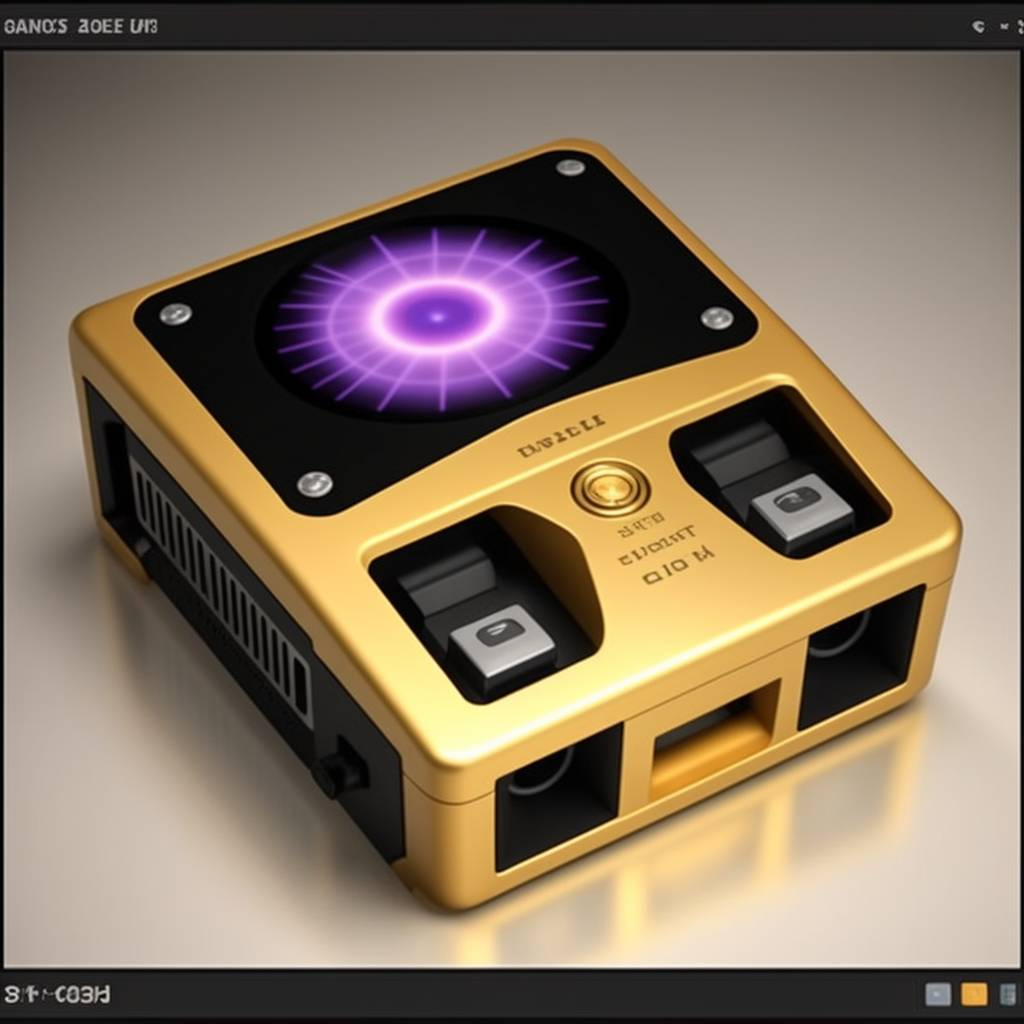
Una imagen 3D, hiper realista, futurista, de una tarjeta de video del año 2350 que tenga bordes delgados con filos dorado brillante y colores neón brillante que diga con claridad y en gran tamaño la palabra MP3 en colores neón

Una imagen 3D, hiper realista, futurista, de una tarjeta de video del año 2350 que tenga bordes delgados con filos dorado brillante y colores neón brillante que diga con claridad y en gran tamaño la palabra MP3 en colores neón

Understanding Bit Rates in MP3 Audio

In the world of MP3 audio, the choice between Variable Bit Rate (VBR) and Constant Bit Rate (CBR) sparks a debate among enthusiasts. Let’s explore these encoding methods and uncover the impact they have on the auditory experience.

Decoding the Essence of VBR

Variable Bit Rate (VBR) stands out as a dynamic approach to encoding. Unlike CBR, VBR adjusts the bit rate based on the complexity of the audio. Imagine it as a skilled conductor leading an orchestra, adapting the tempo for each musical passage.

Advantages of VBR

  • Preserves audio quality in complex segments
  • Efficient file size management in simpler parts
  • Adaptable to the natural dynamics of the recording

Unveiling the Consistency of CBR

Constant Bit Rate (CBR), on the other hand, adheres to a fixed bit rate throughout the audio file. Picture it as a steady metronome maintaining a consistent beat, regardless of the musical intricacies.

When CBR Shines

  • Consistent file size ideal for streaming
  • Predictable bit rate simplifies storage planning
  • Suitable for applications with strict bitrate requirements

Choosing Your Sonic Champion

Ultimately, the choice between VBR and CBR depends on your priorities. If file size efficiency and dynamic adaptation matter most, VBR might be your sonic ally. However, if consistency and predictable streaming are paramount, CBR could be the preferred option.

Conclusion: Harmonizing Quality and Consistency

Whether you opt for the dynamic dance of VBR or the sturdy consistency of CBR, both methods aim to deliver a harmonious audio experience. The key is understanding your needs and choosing the encoding technique that aligns with your sonic preferences.

Comments:

Interesting read! I’ve always wondered about the differences. – AudioExplorer

Great breakdown! Would love more insights into specific use cases. – MusicBuff

MP3 vs Opus Comparison

MP3 vs Opus Comparison

MP3 vs Opus Comparison

Let’s Talk About MP3 vs Opus

When it comes to digital audio formats, the choice between MP3 and Opus can be as crucial as selecting the right tool for the job. As a specialist with years of experience in the field, I’ll delve into this comparison, helping you understand the nuances and make an informed choice.

MP3 vs Opus Comparison

MP3 (MPEG Audio Layer III): The Audio Legacy

Think of MP3 as the tried-and-true workhorse in the world of digital audio. It’s been around for decades and is known for its widespread use, but it does come with some trade-offs. Let’s explore its strengths and weaknesses.

MP3’s Ubiquity

MP3 is like the classic turntable of digital audio. It’s supported by an extensive range of devices and software, making it a go-to choice for most music lovers. Its ubiquity is its strength, but there’s more to this story.

Compression and File Size

However, MP3’s widespread use comes with a price—the trade-off between compression and file size. Storing a collection of MP3 files can be likened to keeping a drawer full of paperbacks instead of hardcovers. It’s a matter of compromise.

Opus: The Modern Marvel

In contrast, Opus is the sleek and modern sports car of digital audio formats. It’s known for its efficiency in compression and is the preferred choice for online voice communication and streaming. Let’s take a closer look at what makes Opus stand out.

Efficiency in Compression

Picture Opus as the hybrid car—it excels in compression, allowing audio files to be notably smaller without compromising quality. Storing Opus files is like having a fuel-efficient car; you save on space and resources.

Streaming and Online Voice Communication

When it comes to streaming and online voice communication, Opus is the superstar. It’s like the fiber optic internet that ensures smooth, real-time conversations and low-latency gameplay. Its compatibility with various platforms and its role in the crystal-clear voice makes it a go-to choice for online interactions.

Quality and Versatility

Now, let’s delve deeper into the quality and versatility offered by both MP3 and Opus. It’s akin to comparing vinyl records with the latest digital streaming service.

Audio Quality and Compatibility

MP3 is like the vinyl record—it’s got a vintage charm and is widely supported, but it may not deliver the highest audio quality. In contrast, Opus is like your modern streaming service, offering exceptional quality and compatibility across a variety of devices.

Audio Editing and Post-Production

MP3, much like traditional film editing, may retain every detail but is not always suitable for intricate post-production work. Opus, being more modern, is like a cutting-edge digital audio workstation, offering flexibility and efficiency for various editing needs.

Real-Life Example: Music Streaming Services

Think of MP3 as the standard AM/FM radio station, offering familiar music quality. Now imagine Opus as a high-end music streaming service, providing you with exceptional sound quality, lossless audio, and an extensive library of songs.

Device Compatibility and Playback

When it comes to device compatibility and playback, MP3 might be like an old cassette player, causing compatibility issues on modern devices. In contrast, Opus is like a universal remote control, seamlessly working with nearly every device and platform, ensuring a smooth listening experience.

Support for Special Features

Opus, being a modern format, is equipped with features like multi-channel audio, dynamic range control, and bitrate switching, making it ideal for a range of applications, including video conferencing and online gaming. MP3, while capable, may not provide the same level of support for these special features.

Conclusion: Making the Right Choice

In the end, choosing between MP3 and Opus is like selecting the right tool for your audio needs. Your choice should align with your specific requirements, whether you’re an audiophile, a content creator, or an online gamer. Consider your priorities for quality, file size, and compatibility before making your decision.

Comments:

(Username: MusicMaestro) – This article is a great resource for musicians like me. Opus seems promising for streaming high-quality music.

(Username: AudioEnthusiast) – As an audiophile, I’ve always preferred MP3 for its compatibility. But Opus is making me reconsider my choices.

(Username: TechNerd22) – Excellent article, but I wish it delved more into Opus’s role in online gaming and low-latency communication.

(Username: AudiophileAlex) – This article provides a comprehensive comparison. I’m leaning towards Opus for its quality, but MP3’s compatibility is hard to beat.

(Username: StreamingSavvy) – Opus is a game-changer for streaming services. The difference in audio quality is remarkable.