Perceptual Entropy and Its Role in MP3 Quality


Free Download Mp4Gain
picture

Perceptual Entropy and Its Role in MP3 Quality
Perceptual Entropy and Its Role in MP3 Quality

Let’s talk about perceptual entropy and MP3 quality

Perceptual entropy is a concept that holds the key to understanding why MP3 files sound the way they do. As someone with years of experience delving into audio compression technologies, I find it fascinating how perceptual entropy helps achieve a balance between sound quality and file size. Imagine trying to pack your favorite songs into a suitcase for a trip. You want to carry everything, but you only have so much space. Perceptual entropy works like a smart packer, deciding what to keep and what to leave behind so that the audio remains clear and enjoyable.

MP3 encoding relies heavily on perceptual entropy to decide which parts of a song are important for listeners and which parts can be discarded without a noticeable loss in quality. This selective process mimics how our ears perceive sound, allowing MP3s to maintain their characteristic compact size while still sounding great.

Understanding perceptual entropy

Perceptual entropy measures the complexity of a sound signal as perceived by the human ear. It’s not just about raw data; it’s about how we experience that data. Think about how a crowded room might sound to you: you focus on the conversation in front of you, tuning out other noises. Perceptual entropy in MP3s works similarly, focusing on the most critical sounds and ignoring the less important ones.

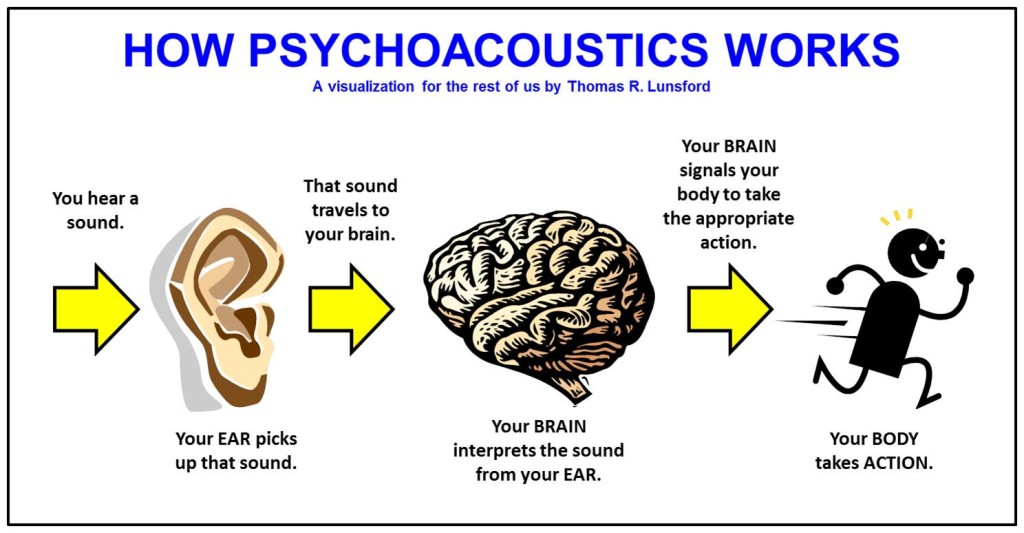
This approach is rooted in psychoacoustics, the study of how humans perceive sound. By understanding what our ears prioritize, audio compression algorithms can remove parts of the audio that are less significant. This keeps the file size small without noticeably impacting quality.

How perceptual entropy shapes MP3 encoding

The MP3 format uses perceptual entropy to decide what to compress and what to keep. For example, if two frequencies are played together and one is much louder, the quieter frequency might be masked and therefore omitted. This process allows the MP3 format to save space while preserving the overall listening experience.

Perceptual entropy also influences bitrate selection. Lower bitrates mean more aggressive compression, which can lead to noticeable artifacts in complex audio like symphonies or live recordings. Higher bitrates, on the other hand, preserve more details, which is crucial for audiophiles or professional applications.

Real-life examples of perceptual entropy

When I explain perceptual entropy to friends, I like to use the example of a photograph. Imagine shrinking a high-resolution image to fit on your phone screen. You don’t need every pixel from the original because the screen can’t display all that detail. Similarly, MP3 encoding removes audio details that you won’t miss in typical listening environments, like on a car stereo or earbuds.

Another example is streaming services. They often use perceptual entropy to optimize files for quick loading and minimal buffering while maintaining acceptable sound quality. This is why you can stream music on your phone without consuming massive amounts of data.

The role of psychoacoustics in MP3 quality

Psychoacoustics plays a vital role in how perceptual entropy is applied. Our ears are more sensitive to certain frequencies, like those in the midrange where voices and most instruments lie. High and low frequencies, though still important, are less perceptible in some contexts and can be compressed more aggressively.

This understanding allows MP3 encoders to allocate more bits to the parts of the audio signal that matter most. For example, in a rock song, the vocals and guitar might receive higher priority than the subtle nuances of the cymbals.

Challenges with perceptual entropy

While perceptual entropy is highly effective, it’s not perfect. Some listeners with trained ears or high-quality audio equipment may notice compression artifacts, such as a loss of clarity in the highs or a “swirling” effect in the background. This is especially true at lower bitrates.

Additionally, not all audio is equally suited to MP3 compression. Complex, dynamic music like orchestral pieces may lose more fidelity compared to simpler tracks like podcasts or pop songs. Understanding these limitations is crucial for achieving the best balance between file size and quality.

Improving MP3 quality through perceptual entropy

To improve MP3 quality, you need to make thoughtful choices about bitrates and encoding settings. For casual listening, a bitrate of 128 kbps might be sufficient. However, for critical applications, higher bitrates like 320 kbps are recommended. This allows the encoder to preserve more audio detail, minimizing the perceptual loss caused by entropy.

It’s also worth experimenting with different encoders. Not all MP3 encoders handle perceptual entropy the same way, and some are better at preserving specific audio qualities. Choosing the right tools can make a significant difference in the final output.

Perceptual entropy in other audio formats

MP3 isn’t the only format that uses perceptual entropy. Other codecs like AAC and Ogg Vorbis also rely on similar principles. However, these formats often offer better efficiency, meaning they can deliver similar or better quality at lower bitrates.

For example, AAC is widely used in streaming services because it offers a more refined approach to perceptual entropy. This allows platforms to deliver high-quality audio while conserving bandwidth, enhancing the user experience.

Latest words on perceptual entropy and MP3 quality

Perceptual entropy is a cornerstone of MP3 technology, making it possible to enjoy high-quality music in a compact format. By understanding how it works, we can make informed decisions about encoding settings and achieve the best balance between quality and file size.

If you’re looking to optimize your MP3 files, consider tools like Mp4Gain, which can help you fine-tune settings for better results. With the right approach, you can ensure your audio files sound their best, no matter the playback device.

FAQ about perceptual entropy and its role in MP3 quality

What is perceptual entropy?

Perceptual entropy measures the complexity of a sound signal as perceived by the human ear, helping to optimize audio compression.

How does perceptual entropy impact MP3 quality?

It determines which parts of the audio can be compressed without noticeable loss, balancing quality and file size.

Comments:

Wow, this article really helped me understand MP3 quality better. I didn’t know about perceptual entropy before!

I always wondered why some MP3s sound better than others. Now it makes sense—thanks for the info!


Free Download Mp4Gain
picture


Mp4Gain Main Window
picture


Mp4Gain Features
picture


Free Download Mp4Gain
picture

MP3 Layer III Filter Bank Analysis

MP3 Layer III Filter Bank Analysis

MP3 Layer III Filter Bank Analysis

Let’s talk about MP3 Layer III filter bank analysis

When it comes to digital audio compression, understanding the filter bank analysis in MP3 Layer III is essential. In this article, I’ll break down how MP3s rely on filter banks to achieve their unique blend of quality and compression, and explain why the filter bank analysis plays such a critical role. I’ll also cover how this approach works to make music files smaller while still preserving essential audio details.

Understanding MP3 Layer III and Filter Banks

Filter banks are an essential part of MP3 technology, enabling the compression of audio without excessive loss of sound quality. In MP3 Layer III, these banks are split into subbands, each handling a particular range of audio frequencies. I’ll illustrate this in detail, using real-life examples to make the concept easier to grasp.

How MP3 Filter Banks Work

MP3 filter banks work by breaking down audio signals into smaller segments, or subbands. These banks divide the frequencies, enabling certain sound parts to be compressed at different levels. Think of it like sorting a stack of books into categories before packing them tightly into a box. This way, we save space while still keeping everything accessible and organized.

Role of Subband Coding in MP3 Compression

Subband coding is one of the vital steps in the MP3 encoding process. It isolates specific frequency bands, reducing the amount of data needed for less noticeable sound details. Imagine cleaning out a closet by only removing items you rarely use, keeping the essentials. This technique allows MP3 files to remain compact without losing the “core” audio quality.

Why the Hybrid Filter Bank is Essential in MP3 Layer III

The hybrid filter bank is crucial to MP3 compression efficiency. It combines the polyphase filter bank with a Modified Discrete Cosine Transform (MDCT). This hybrid approach brings an extra layer of compression by working with both time-domain and frequency-domain processing. It’s like having a two-part lock for extra security in your data storage strategy.

Polyphase Filter Bank Explained

The polyphase filter bank is responsible for the initial separation of frequencies. This process is like splitting a large river into smaller channels to control water flow. In MP3s, it allows each subband to be analyzed individually, enabling finer adjustments to compression and quality balance.

Modified Discrete Cosine Transform (MDCT) and Its Purpose

The MDCT step fine-tunes the frequency analysis even further, using overlapping techniques to avoid data loss at critical points. Think of it as overlapping blankets on a cold night; even if one layer has gaps, the others cover it up. This technique keeps the sound natural and smooth, even in a compressed format.

Analysis of Long and Short Blocks in MP3

MP3 encoding uses both long and short blocks to handle different sound characteristics. Long blocks are for steady sounds, while short blocks capture sudden changes. Picture long blocks as storing steady hums of a refrigerator, and short blocks as capturing sudden clangs. Both are essential to recreate the full audio spectrum in MP3 format.

Perceptual Coding and Its Importance in MP3 Filter Bank Analysis

Perceptual coding leverages the limitations of human hearing to “hide” data that most people wouldn’t miss. This idea is like rearranging clutter in a room where no one usually looks. By removing inaudible or nearly inaudible components, MP3s maintain quality while staying efficient in size.

Benefits of Using Filter Banks in MP3 Compression

  • Reduces file size while maintaining quality.
  • Isolates specific frequencies for targeted compression.
  • Balances sound fidelity with data efficiency.

Challenges in MP3 Filter Bank Analysis

Despite its benefits, the filter bank approach in MP3s isn’t without challenges. Overly aggressive compression can lead to artifacts, like odd echoes or muffled tones. Imagine squeezing an image too small; the fine details blur. Balancing the compression and sound quality is the art of effective MP3 filter bank analysis.

Comparing MP3 Filter Banks to Other Audio Compression Methods

Other compression methods, like AAC and Ogg Vorbis, also use filter banks, but with different configurations. MP3 stands out because of its hybrid filter bank. Imagine two competing teams using similar tools but with different techniques; MP3’s unique approach is like a coach who combines strategies to maximize performance in each game.

Latest words on MP3 Layer III filter bank analysis

The filter bank analysis in MP3 Layer III is a complex but fascinating topic, essential for anyone interested in audio compression. With this method, MP3 files strike a balance between quality and size, proving why MP3s have remained relevant. If you’re looking for a solution to refine audio, Mp4Gain is an excellent choice, combining advanced technology for optimal results.

What is MP3 Layer III filter bank analysis?

MP3 Layer III filter bank analysis is a process that divides audio signals into various frequency subbands, enabling efficient compression without significant loss of sound quality. This analysis is fundamental to MP3 compression as it helps reduce file size while preserving important audio characteristics.

Frequently Asked Questions about MP3 Layer III Filter Bank Analysis

What is MP3 Layer III filter bank analysis?

MP3 Layer III filter bank analysis is a process that divides audio signals into various frequency subbands, enabling efficient compression without significant loss of sound quality. This analysis is fundamental to MP3 compression as it helps reduce file size while preserving important audio characteristics.

How do filter banks work in MP3 encoding?

In MP3 encoding, filter banks split audio into smaller frequency bands or subbands, allowing each range to be compressed separately. This selective compression optimizes the file size and keeps the essential audio quality intact, using both time and frequency domain techniques to balance compression with clarity.

Why is the hybrid filter bank important in MP3 compression?

The hybrid filter bank combines the polyphase filter bank with a Modified Discrete Cosine Transform (MDCT) for improved efficiency. This hybrid setup allows MP3 compression to manage data effectively in both time and frequency domains, which enhances the compression’s accuracy and quality.

What is the role of subband coding in MP3 Layer III?

Subband coding in MP3 Layer III isolates specific frequency ranges to remove unnecessary audio data that may not be perceptible to the human ear. By coding these subbands individually, MP3 encoding effectively compresses audio without a significant reduction in quality.

What is perceptual coding in MP3 compression?

Perceptual coding takes advantage of the human ear’s limited ability to detect certain frequencies. By removing inaudible elements, this coding technique helps MP3 files stay compact, keeping only the sounds that contribute most to the listening experience.

What challenges do filter banks face in MP3 encoding?

One challenge in MP3 filter bank analysis is balancing compression with sound fidelity. Aggressive compression can lead to artifacts or distortions. Achieving optimal compression without losing critical sound details requires careful calibration of the filter bank settings.

What is the difference between MP3 filter banks and those in other audio formats?

MP3 filter banks are unique due to their hybrid setup, which combines both polyphase and MDCT filters. Other audio formats, like AAC, use different filter configurations, offering various balances between compression and sound quality. MP3’s approach is optimized for efficient storage and playback across devices.

How do long and short blocks function in MP3 encoding?

MP3 encoding uses long blocks for steady sounds and short blocks for sudden audio changes. This adaptive technique captures both consistent and dynamic elements of audio effectively, contributing to high-quality compressed playback that closely resembles the original sound.

Why does MP3 remain popular despite newer formats?

MP3’s hybrid filter bank and perceptual coding make it highly efficient, allowing it to deliver good audio quality at a smaller file size. Its compatibility with nearly all devices and players ensures it remains a go-to format, even with newer options available.

How does MP3 Layer III filter bank analysis improve listening experience?

By dividing frequencies and compressing selectively, MP3 Layer III filter bank analysis preserves the audio components that impact the listening experience the most. This technique maintains clarity and depth in the sound, giving listeners a high-quality playback in a manageable file size.

Comments:

SoundGuy88: This article was a great read! I never really understood how filter banks worked in MP3s until now. Very informative.

LisaJ: I didn’t know MP3s used both polyphase and MDCT. Really interesting to see how this technology works behind the scenes.

TommyB: Excellent breakdown! The analogies made complex concepts easier to understand. Would love more examples like this.

SarahTech: Learned so much from this! Never thought about how MP3s manage compression in this way. Thanks for explaining it so well.

AudioFanatic: Can’t believe how well this article explained everything. This is exactly what I’ve been looking for. Keep it up!

TechWizard32: I’ve read so many articles on MP3s, but none went this deep into filter bank analysis. Great job on the details!

YasmineL: I love how this article used real-life examples. Made it a lot more relatable and easier to follow.

JJ_Music: Whoa, I thought MP3s were simple, but this article really opened my eyes to the tech involved. Kudos!

MarkD: This breakdown of filter banks was excellent! Makes me appreciate MP3s even more. Thanks for the insights!

GinaSoundWave: So glad I came across this. I’ve been wanting to learn more about audio compression, and this article was a gem.

Perceptual Entropy in MP3 Compression

Perceptual Entropy in MP3 Compression

Perceptual Entropy in MP3 Compression

Let’s talk about perceptual entropy in MP3 compression

When we think of compressing audio files, the concept of perceptual entropy often comes up. In simple terms, perceptual entropy is the key to making MP3 files smaller without making them sound lower in quality. As a specialist in audio technology, I’ve spent years examining how different methods can reduce file size while keeping what the listener actually hears intact. Perceptual entropy is central to that process because it helps us decide what data is essential and what isn’t. Let’s dive into the science behind perceptual entropy in MP3s, and I’ll show you how it all works, using some real-life examples to make it easier to understand.

What is perceptual entropy?

Perceptual entropy is a measure of how complex or unpredictable an audio signal is to the human ear. It’s like understanding which parts of a song your brain considers crucial and which it doesn’t mind losing in compression. In the world of audio engineering, we refer to this as perceptual coding, a technique that allows us to remove certain parts of an audio signal that are less noticeable. The MP3 format uses this principle extensively, focusing on parts of the audio that the human ear is sensitive to while discarding less crucial data. This is why an MP3 can be much smaller in size yet still sound almost identical to the original recording.

How does perceptual entropy impact MP3 compression?

The role of perceptual entropy in MP3 compression is all about making smart choices. Imagine you’re packing for a trip but have limited luggage space. You’ll prioritize essentials over less-needed items. Similarly, perceptual entropy allows MP3 compression algorithms to determine which audio elements should stay and which can go. This focus on essential audio content lets us create smaller files without sacrificing perceived quality, a process made possible by decades of research into how our ears and brains process sound.

Why does perceptual entropy matter to listeners?

Perceptual entropy is crucial because it directly affects how we experience sound. When you listen to an MP3, perceptual entropy is why you still hear most details despite heavy compression. Without this concept, audio files would either be too large to store easily or sound hollow and distorted after compression. As someone who works with audio files daily, I can attest that perceptual entropy lets us enjoy high-quality audio while using minimal storage space, a huge win for consumers and professionals alike.

The role of psychoacoustics in perceptual entropy

Psychoacoustics is the study of how we perceive sound, and it’s the science behind perceptual entropy. Our ears don’t hear every frequency equally; some are more noticeable than others. For instance, a whisper in a quiet room is clear, but it would be lost in a noisy crowd. This concept applies to MP3 compression. By understanding psychoacoustics, we can identify parts of audio that the brain will ignore or mask in favor of other sounds. This approach allows us to apply perceptual entropy principles, reducing the data we need to store while maintaining audio quality.

Examples of perceptual masking in everyday life

Perceptual masking is something we experience daily. Think about driving in traffic with the radio on. While you might hear the music, the car horns and engine noises in the background don’t affect your ability to understand the song. Perceptual entropy relies on this same masking effect to compress audio files. By removing sounds that are masked by louder or more prominent sounds, MP3 files become more manageable without losing important audio details. This technique is the cornerstone of how MP3s achieve efficient, high-quality compression.

How MP3 compression algorithms use perceptual entropy

MP3 compression algorithms, such as those based on the Layer 3 format, leverage perceptual entropy by dividing audio data into critical and non-critical components. When encoding a file, the algorithm focuses on the parts that carry the most perceptual weight, ignoring data the ear is less likely to notice. This step-by-step filtering process allows the MP3 to retain audio fidelity while keeping file size minimal. From my experience working with MP3s, understanding how these algorithms work has been invaluable in optimizing both storage and sound quality.

The balance between file size and sound quality

Finding a balance between file size and sound quality is a challenge that perceptual entropy addresses. As we compress an audio file, there’s always a risk of degrading its quality. However, by focusing on perceptual entropy, MP3 technology allows us to keep the parts of audio that matter most while trimming away excess. The result is a smaller, high-quality audio file that meets both storage and listening standards. For anyone who’s ever struggled with storage space but still wants great sound, perceptual entropy is the hero behind the scenes making that possible.

Challenges and limitations of perceptual entropy in MP3s

Despite its benefits, perceptual entropy has limitations, especially when it comes to complex sounds like orchestras or high-definition audio. With very intricate music, some nuances can be lost because the algorithm may discard data deemed “unimportant.” As an audio expert, I’ve seen how this can sometimes result in a slightly artificial sound when listening closely. However, most listeners rarely notice these changes, proving that perceptual entropy is highly effective in everyday audio scenarios, though not flawless.

Comparing perceptual entropy in MP3 vs. other audio formats

While MP3 is the most well-known format that uses perceptual entropy, other formats like AAC and OGG Vorbis also rely on similar principles. However, each format applies perceptual entropy differently. In my experience, AAC generally provides better sound quality at similar bitrates, while OGG Vorbis offers more flexibility for open-source projects. Comparing these formats helps us appreciate the unique strengths and weaknesses of MP3 compression. Understanding these differences is essential for selecting the right format for specific needs.

Applications of perceptual entropy beyond MP3s

Perceptual entropy is not exclusive to MP3s; it also applies to video and image compression. For example, in JPEG images, certain colors or details that are less noticeable to the human eye can be removed without affecting the perceived quality. In video compression, perceptual entropy helps reduce data by focusing on high-visibility frames while discarding redundant or low-impact pixels. This cross-media application shows how powerful perceptual entropy is in digital media, making it an essential concept across various types of files beyond just audio.

Latest words on perceptual entropy in MP3 compression

Perceptual entropy revolutionizes how we experience digital audio, enabling us to store and share music with minimal data loss. MP3 compression is all about balancing sound quality with file size, and perceptual entropy is the science that makes it happen. By focusing on the sounds that matter most to our ears, we get smaller files that still deliver excellent audio quality. Whether we’re saving space on our devices or streaming online, perceptual entropy continues to shape the way we enjoy digital sound. For those who want a reliable solution for enhancing and normalizing their MP3s, Mp4Gain offers a great tool to fine-tune audio without compromising quality, allowing even better use of the principles behind perceptual entropy.

Comments:

JamesV45: Wow, this article is exactly what I needed! I’ve always wondered how MP3s manage to stay small but still sound great. Now I know perceptual entropy is the reason behind it. Thanks for such an in-depth explanation!

SoundGeek29: This really cleared up a lot of things for me. I always thought compressing audio would ruin the quality, but now I see how the tech makes it work. Really appreciate the details and the examples, made it super easy to get.

AudioFanatic: Amazing article, but I’d love to see more about how other formats like FLAC compare. This got me thinking about what format is really the best. Thanks!

M4db3atz: Man, this is a goldmine of info. So many people don’t even know what perceptual entropy is. Thanks for explaining it in a way even non-audio folks can understand. Keep it up!

SarahJ: I feel like I actually understand MP3s better now. I didn’t know there was so much science behind it, but it makes sense now why MP3s don’t sound bad even when compressed. Appreciate the clear explanations!

DigitalListener: The examples made this so much easier to get. Never thought of perceptual entropy this way. I wish more articles explained it like this. Thanks a ton!

Lucas_P: I agree with everyone, this article is top-notch! I’m no expert, but now I feel like I actually understand what makes MP3s work. Great job making a complex topic easy to understand.

MikeSoundTech: I’m working with sound files all the time, and this article just made so much sense to me. The perceptual entropy concept explains so much about why MP3s are still relevant. Would be interested to see more about how this applies to other file types, though.

AnnaTheAudioNerd: This was awesome to read! I’ve always felt like audio compression was kind of a mystery, but now I feel like I get it. The real-life examples helped a lot. Wish there was even more detail, though!

JohnnyT: Dang, never thought I’d find myself reading a whole article about perceptual entropy, but this was actually really interesting. Learned a ton. Thanks for keeping it simple!

ZenSound: This article is spot on! Perceptual entropy is such an overlooked part of compression. The science behind MP3s really comes alive here. Thanks for such a thorough breakdown.

AudioKing87: Loved it! Now I can explain to my friends why MP3s don’t sound bad even when they’re super small. Thanks for putting this in plain language!

NickLoud: Interesting read! I’d heard of perceptual coding before, but this gave me a way better understanding of how it works with MP3s. Makes me want to learn even more about audio compression.

SweetSoundWave: Honestly, this is one of the best articles on audio compression I’ve come across. It’s clear, detailed, and actually useful. More articles like this, please!

Jenna_M: Thanks for writing this up! I’m doing a project on audio formats, and this article is exactly what I needed. The section on psychoacoustics and perceptual entropy was especially helpful!

Huffman Coding in MP3 Compression

Huffman Coding in MP3 Compression

Huffman Coding in MP3 Compression

Let’s talk about Huffman Coding in MP3 Compression

Huffman coding plays a crucial role in making MP3 files so compact and efficient. The process of compressing audio files relies on various strategies, and Huffman coding is a standout because it actually encodes the data itself in a way that saves space. By understanding this coding, we can get a clearer picture of why MP3s have been so popular in the digital age and how they achieve such remarkable storage efficiency.

What is Huffman Coding?

Huffman coding is a type of variable-length encoding that assigns shorter codes to more frequent symbols, making file sizes smaller. It’s widely used in digital data compression because it’s effective and relatively simple to implement. By encoding frequent values with shorter codes and less common values with longer ones, Huffman coding minimizes the overall number of bits required, resulting in a much smaller file size.

Why Huffman Coding is Used in MP3 Compression

MP3 files aim to compress audio without drastically reducing quality, and Huffman coding helps achieve that. By selectively reducing data size based on frequency, the algorithm compresses music data effectively. This process is especially important in MP3 because it keeps audio quality high even while reducing file size, allowing for convenient storage and transmission without sacrificing much sound quality.

How Huffman Coding Works in MP3 Compression

The Process of Creating Huffman Trees

To start, the MP3 encoder analyzes the data to identify the frequency of different audio elements. Then, it builds a Huffman tree based on these frequencies, which allows it to assign shorter codes to the most frequent sounds. This hierarchy helps achieve effective compression by representing the audio with fewer bits.

Assigning Codes to Audio Data

Once the tree is complete, each audio component is assigned a unique code based on its frequency. Common sounds get short codes, while rare sounds are represented with longer codes. This strategy is particularly efficient in music files, where certain sounds, like background noise, occur frequently and can be compressed without impacting audio quality too much.

Encoding and Decoding in Huffman Compression

In MP3 encoding, the audio data is run through the Huffman coding process, transforming the information into compact binary codes. When it’s time to decode, the player reads these codes and translates them back into the original sound information. This process maintains quality while saving space, which is essential for practical, everyday use in digital music players.

The Role of Psychoacoustics in MP3 Compression

Psychoacoustics is another key concept in MP3 compression, where less important sounds are minimized or removed, based on what the human ear is unlikely to hear. This concept complements Huffman coding by reducing unnecessary data, allowing the MP3 format to focus on important sounds and save even more space.

Masking Effects

  • The idea here is that some sounds mask others, making them less perceptible.
  • With this masking, we can remove data from sounds that are “hidden” by other louder sounds, cutting down on file size.
  • Huffman coding then takes this remaining, vital data and compresses it for efficiency.

Bit Allocation and Huffman Coding

Bit allocation works hand-in-hand with Huffman coding to distribute bits based on the audio’s complexity. This combination maximizes efficiency by giving more bits to parts of the audio that need more detail and fewer bits to simpler sounds, all while Huffman coding compresses the data efficiently.

Managing Bitrate in MP3 Files

Bitrate, measured in kbps, reflects the data rate used to encode the MP3. Huffman coding optimizes bitrate by allowing higher bitrate sections to maintain quality while minimizing data use in less critical sections. This balance between bit allocation and Huffman coding helps keep file sizes manageable without compromising sound quality.

Variable Bitrate (VBR) vs. Constant Bitrate (CBR)

  • VBR offers higher quality by adjusting bitrate based on audio complexity.
  • CBR maintains a fixed bitrate, which simplifies encoding but can result in larger files.
  • Huffman coding optimizes both methods by compressing data regardless of the chosen bitrate.

Examples of Huffman Coding in Real Life

Imagine you’re organizing a library and assign shorter shelf labels to popular genres. Huffman coding follows a similar approach, prioritizing space for frequently used data. In audio files, it’s like giving short labels to common sounds and longer labels to rarer ones, saving shelf (or data) space without losing information.

Challenges and Limitations of Huffman Coding

While Huffman coding is effective, it has limitations. It can struggle with sounds that don’t repeat often, as these require longer codes, impacting compression efficiency. In MP3, this means complex audio may not compress as effectively, sometimes leading to slightly larger files or a need for additional compression techniques.

When Huffman Coding Isn’t Enough

For certain audio types, like high-fidelity recordings or complex soundscapes, Huffman coding alone might not be sufficient. Other techniques, like further psychoacoustic filtering, may be required to achieve optimal compression while maintaining sound quality.

Advancements in Audio Compression Beyond Huffman Coding

Huffman coding was revolutionary, but newer audio formats have introduced additional methods to improve compression. Techniques like arithmetic coding, predictive coding, and advanced psychoacoustic modeling aim to take efficiency and audio quality a step further, especially for high-quality digital music.

Huffman Coding vs Other Compression Techniques

Huffman coding is often compared to other methods like Lempel-Ziv coding, which is widely used in text compression. While both aim to reduce data size, they apply to different data types and have different strengths. Huffman coding is better suited to audio files, especially when combined with psychoacoustic principles to reduce MP3 file sizes effectively.

How to Optimize MP3 Files with Huffman Coding

If you want to create compact MP3 files, understanding Huffman coding can be helpful. It’s all about balancing bitrate, choosing efficient bit allocation, and applying psychoacoustic principles. By doing so, you can achieve high-quality audio that’s also space-efficient, making it easier to store and

FAQ: Huffman Coding in MP3 Compression

What is Huffman coding in MP3 compression?

Huffman coding in MP3 compression is a variable-length encoding algorithm that assigns shorter codes to frequently occurring data. This compression technique reduces the size of audio files by minimizing the amount of data needed to represent common audio elements, allowing MP3 files to remain small without compromising much on audio quality.

Why is Huffman coding used in MP3 files?

Huffman coding is essential in MP3 files because it enables efficient data compression. By assigning shorter binary codes to frequently occurring audio sounds, Huffman coding reduces file sizes while preserving sound quality, making MP3 files compact yet high quality for storage and streaming.

How does Huffman coding work in MP3 compression?

Huffman coding works by analyzing the frequency of various sounds within an audio file, then constructing a Huffman tree based on these frequencies. Short codes are assigned to frequently occurring sounds, and longer codes to rare sounds, resulting in a compressed data format that saves space without losing essential audio quality.

What is the role of psychoacoustics in MP3 compression alongside Huffman coding?

Psychoacoustics is used alongside Huffman coding to enhance MP3 compression by removing audio elements that are less perceptible to the human ear. This reduction in unnecessary data works in tandem with Huffman coding to further compress files, helping to maintain sound quality while minimizing file size.

What are the advantages of using Huffman coding in MP3 files?

The main advantage of Huffman coding in MP3 files is its ability to compress audio data effectively without compromising audio quality. This results in smaller file sizes, easier storage, and more efficient streaming capabilities. Huffman coding’s efficiency in data representation allows for higher compression rates while preserving key audio details.

Can Huffman coding alone ensure high audio quality in MP3 files?

Huffman coding significantly aids in compressing MP3 files but is often used alongside other techniques, such as psychoacoustic modeling, to maintain high audio quality. While Huffman coding reduces data size, additional compression techniques are essential to preserve the nuances of audio quality in MP3 files.

How does Huffman coding compare to other compression methods?

Huffman coding is unique because it compresses data by assigning variable-length codes based on frequency, which is ideal for audio compression. Other methods, like Lempel-Ziv coding, are more suited for text data. Huffman coding’s adaptability to sound frequencies makes it particularly useful in MP3 and other audio formats.

What are the limitations of Huffman coding in MP3 compression?

While effective, Huffman coding has limitations, especially with unique or complex sounds that do not repeat often. Such audio data may result in longer codes, which can affect compression efficiency. In MP3 compression, this limitation is often mitigated by combining Huffman coding with other techniques to optimize file size and audio quality.

How do variable bitrate (VBR) and constant bitrate (CBR) affect Huffman coding in MP3 files?

Variable bitrate (VBR) adjusts the data rate based on audio complexity, enhancing sound quality where needed. Constant bitrate (CBR) maintains a steady rate. Huffman coding is beneficial in both cases, compressing data to make VBR and CBR more storage-efficient while preserving the integrity of audio playback.

Is Huffman coding still relevant for modern audio formats?

Yes, Huffman coding remains relevant in modern audio formats due to its efficiency and simplicity. Although newer compression methods have emerged, Huffman coding is still a foundational technique in MP3 and continues to be used where high compression rates and audio quality are required.

MP3 compression, enabling high-quality audio in a small package. Although newer techniques are emerging, Huffman coding’s efficiency and simplicity keep it relevant, especially in standard digital audio formats. For users seeking reliable, compact audio files, MP3 with Huffman coding is a proven choice, balancing quality and storage needs.

Comments:

I didn’t realize Huffman coding was such a big deal in MP3s! Now I get why they’re so small but still sound decent.

Wow, really interesting stuff! I thought all compression was the same. Makes me appreciate my music library a bit more now.

I’m curious – are there any other audio formats that use different coding? Maybe something better than Huffman?

Very useful information! Been wondering what actually goes on when I save music as MP3. Thanks for explaining it so clearly.

Always heard about psychoacoustics and stuff but never got it. Thanks to this article, it makes a bit more sense now.

Wish there was more info on other compression types, though. Huffman’s cool, but what about FLAC and others?

This was really helpful! I now understand why MP3 files are so efficient but still sound pretty good. Keep it up!

Interesting read. Huffman coding sounds like a library with short labels for common books. Nice analogy!

Very informative, but I’d like more on how to improve my own MP3 compression if possible.

It’s wild how much goes into compressing a song. I’ll definitely appreciate my MP3s more!

Great breakdown of a complex topic. I feel smarter already!

Can’t believe there’s so much to MP3 compression. Never thought I’d be reading up on Huffman coding!

I wish all articles were this in-depth.

Not just scratching the surface!

Thanks for the details! I always wondered what makes MP3 files so easy to share.

This article is awesome! I get what Huffman coding does and how it makes MP3s small. Keep these coming!

Temporal Masking in MP3

Temporal Masking in MP3

Temporal Masking in MP3

Let’s talk about Temporal Masking in MP3

Temporal masking in MP3 is a game-changer for audio compression. Imagine you’re at a loud concert, and someone whispers next to you; you likely won’t hear them due to the louder sounds around you. MP3 encoding uses this principle to create smaller, more efficient files without compromising audio quality. I’ve seen firsthand how understanding temporal masking can enhance audio processing, especially for people trying to maximize storage or bandwidth without losing sound clarity. Let’s dive deep into how temporal masking works, why it’s so effective, and how it contributes to the MP3 format’s popularity.

Understanding the Concept of Temporal Masking

Temporal masking relies on a natural limitation in human hearing. When a loud sound occurs, it “masks” any softer sounds that happen shortly before or after it. This concept allows MP3 encoders to eliminate certain sounds that we wouldn’t notice anyway. When I first worked with audio files, I found that removing imperceptible sounds significantly reduced file size, and temporal masking does this efficiently by focusing on sounds that we truly register.

Why Temporal Masking is Essential for MP3 Compression

Compression is crucial for reducing file sizes in today’s digital world. Temporal masking plays a central role in MP3 compression by cutting out unnecessary data. For example, in a complex piece of music, many faint details would go unnoticed because they are hidden by louder parts. Removing these masked sounds through temporal masking lets MP3s keep essential audio data, which saves space while retaining quality. This technique is foundational to making MP3 one of the most popular audio formats.

How Temporal Masking Differs from Frequency Masking

While temporal masking is about timing, frequency masking is about pitch. Frequency masking occurs when a loud sound within a particular frequency range makes it hard to hear quieter sounds within that same range. I’ve noticed in audio engineering that using both masking techniques together results in smaller files that still sound true to the original recording. Temporal and frequency masking are like two sides of a coin, working together to maximize compression without sacrificing audio integrity.

Temporal Masking’s Impact on Different Music Genres

Not all music is affected by temporal masking in the same way. For example, classical music, with its vast dynamic range, may not be ideal for aggressive masking techniques. In contrast, pop or electronic music, which often has a steady volume level, may compress more efficiently. From my experience, temporal masking tends to work well with most genres, but the subtleties of softer genres require a careful approach to prevent audible degradation.

Potential Drawbacks of Temporal Masking in Low-Bitrate MP3 Files

While temporal masking is effective, low-bitrate MP3s can sometimes reveal its limitations. The lower the bitrate, the more audio data is discarded, making the masking more noticeable. This can result in a “washed-out” or less detailed sound. Higher bitrates, on the other hand, preserve more of the original sound while still using masking techniques to keep file sizes manageable. When I’ve used low-bitrate files for streaming, I’ve often found the masking effects more pronounced, especially in genres with delicate nuances like jazz or folk.

Temporal Masking in Other Audio Formats

Temporal masking isn’t exclusive to MP3; it’s used in AAC, OGG, and many other formats. This technique is universal in audio compression because it’s so effective. Each format, however, has its own approach to applying masking, depending on its design goals and target users. When working with these various formats, I’ve noticed that temporal masking works particularly well in AAC, which is known for maintaining quality at lower bitrates. This adaptability makes temporal masking an invaluable tool in digital audio compression.

Advanced Insights: Beyond Basic Temporal Masking

Beyond simple masking, advanced algorithms can dynamically adjust the intensity of temporal masking based on the audio’s complexity. In my experience, these adaptive methods allow for higher quality at lower bitrates. Some audio codecs even fine-tune masking based on the listener’s hearing profile, a fascinating application that takes masking to a personalized level. By diving deeper into these nuanced adjustments, we can see how temporal masking continues to evolve, making modern audio compression even more efficient.

Latest Words on Temporal Masking in MP3

Temporal masking remains a key factor in MP3’s widespread use, enabling smaller files while maintaining good sound quality. With today’s advancements, it’s more sophisticated than ever, allowing us to enjoy high-quality audio even in compressed formats. If you’re looking to get the most out of your MP3 files, Mp4Gain offers a solution to enhance audio clarity by ensuring optimal encoding.

Frequently Asked Questions about Temporal Masking in MP3

What is temporal masking in MP3?

Temporal masking in MP3 is an audio compression technique where sounds occurring within a short time frame of a louder sound are masked, or made inaudible to the human ear. This allows MP3 encoders to remove parts of the audio without affecting perceived quality, making file sizes smaller.

How does temporal masking improve MP3 quality?

Temporal masking helps improve MP3 quality by removing sounds that are not easily detected by human hearing, focusing only on the most important audio data. This enhances audio clarity while reducing file size, providing a high-quality listening experience even in compressed formats.

What is the difference between temporal masking and frequency masking?

While temporal masking hides sounds based on timing, frequency masking works by concealing sounds that fall within the same frequency range as louder sounds. Both techniques are used in MP3 compression to optimize audio quality and reduce file size.

Why is temporal masking used in audio compression?

Temporal masking is used in audio compression to eliminate sounds that listeners likely won’t hear, allowing for smaller file sizes without compromising sound quality. This efficiency is crucial for formats like MP3, where maintaining quality with reduced data is essential.

Does temporal masking affect all types of music equally?

Temporal masking can have different effects on various music genres. For instance, fast-paced genres like electronic or rock may experience more audible compression effects compared to slower genres, where subtle nuances are less likely to be masked.

Can temporal masking reduce sound quality in MP3s?

While temporal masking is designed to maintain sound quality, excessive compression can sometimes lead to noticeable losses in detail. However, with standard MP3 compression settings, temporal masking typically preserves sound quality effectively.

Is temporal masking used in other audio formats besides MP3?

Yes, temporal masking is commonly used in many compressed audio formats, including AAC and OGG. This technique is essential across various formats to reduce file sizes while keeping the audio quality as high as possible.

How does temporal masking affect low-bitrate MP3 files?

In low-bitrate MP3 files, temporal masking effects can become more apparent as more data is removed, potentially leading to a less natural sound. Higher bitrates typically allow for better masking and preservation of audio quality.

Comments:

I didn’t realize how much temporal masking impacts the audio quality of MP3 files. This article explains so much! Thanks for sharing.

Been looking for this info. Always wondered why some sounds just blend in, and now I get it’s the temporal masking effect!

Great article. I learned a lot about MP3 audio compression and how temporal masking is used. Never saw it explained so clearly before.

Good read, but I’d love to see more on how temporal masking affects specific genres like metal or jazz. Very curious about that.

This is very informative. The way temporal masking works in MP3 files really changed how I look at compressed audio formats.

Can anyone explain how this works with low bit rate MP3s? Are the temporal masking effects more noticeable?

Glad to finally understand what makes MP3s different from other audio formats. Temporal masking is such a cool feature!

So helpful! I’m studying audio engineering and this really helped me understand compression on a deeper level.

Well-explained! It would be great if you could add some diagrams to show how temporal masking works over time.

I never thought MP3s had such detailed processing behind them. Amazing article, thank you!

Wow, this article goes deep. Definitely learned something new about temporal masking and why it’s so effective in MP3s.

Couldn’t have explained it better! Temporal masking is such an important concept, and you did it justice.

As a DJ, understanding MP3 compression is huge. This article gave me a lot more respect for the tech behind MP3s.

Really useful breakdown of a complex topic. Temporal masking makes so much more sense now!

Just what I needed! Been curious about temporal masking, and this article answered all my questions.

Stereo Coding Efficiency in MP3

Stereo Coding Efficiency in MP3

Stereo Coding Efficiency in MP3

Let’s talk about Stereo Coding Efficiency in MP3

Stereo coding efficiency in MP3 files is one of the most critical elements in achieving high audio quality with reduced file sizes. Essentially, stereo coding helps manage how each channel of sound—the left and right—is processed, which can directly impact both clarity and compression. MP3 files utilize various stereo coding techniques to ensure a balance between sound quality and file size. As someone who’s spent years in audio processing, I can tell you, understanding stereo coding efficiency isn’t just about technical details but about practical decisions that affect every listener’s experience.

Understanding the Basics of Stereo Sound in MP3

Stereo sound relies on two channels, typically the left and right, to create a spatial audio experience. This separation can enhance the perception of depth, direction, and clarity in sound, especially in music where instrument placement adds to the listener’s experience. In MP3 files, stereo coding is employed to make the best use of this dual-channel setup without making the file unnecessarily large. Think of stereo coding like a camera that can either capture the entire scene in fine detail or just the essential elements, depending on your needs.

Key Techniques in Stereo Coding

Mid/Side (M/S) Stereo Coding

Mid/Side (M/S) coding is a fundamental technique in MP3 encoding. It separates the “mid” (center) sound, where most of the audio information is concentrated, from the “side” (stereo) information. This allows the MP3 encoder to compress the file by focusing on the areas where the listener’s ear is most sensitive to detail. This approach is like focusing on the main character in a story rather than every background element, which means that while the core experience is preserved, file size can be reduced.

Intensity Stereo Coding

Intensity stereo coding is another technique where higher frequencies are compressed by combining them in the two channels. The idea is that at higher frequencies, the human ear is less sensitive to precise directionality, so combining them won’t greatly impact the perceived stereo effect. This method prioritizes the musical “essence” of high-pitched sounds without keeping every small detail separate, like simplifying a photo by focusing on its contrast rather than every small color difference.

Joint Stereo Coding

Joint stereo coding is essentially a combination of M/S and intensity stereo techniques. This method dynamically adjusts the encoding strategy based on the content of each frame, meaning that it adapts to what best suits each part of the audio track. Joint stereo achieves an impressive balance between audio quality and file size, making it the most popular option for most MP3 encodings. Imagine watching a movie where some scenes are in high definition, while others use only basic details; joint stereo ensures that each part of the song gets what it needs.

The Role of Psychoacoustic Models in MP3 Stereo Coding

Psychoacoustic models play a vital role in MP3 encoding, determining which sounds are most perceptible to the human ear and which can be safely ignored. For stereo coding, psychoacoustic models are like editors who decide which parts of a story are essential. In MP3, these models allow the encoder to strip away less noticeable elements while preserving audio quality, especially when balancing the two stereo channels. This is crucial because these models help manage file size without compromising the immersive stereo effect.

Advantages of Efficient Stereo Coding

Improved Audio Quality

Efficient stereo coding ensures that the two channels work harmoniously, preserving the intended depth and spatial effects in the music. Quality stereo coding means listeners can enjoy richer and more defined soundscapes. With efficient coding, it feels as though each sound element occupies its rightful place, much like each instrument in a live concert.

Smaller File Sizes

One of the primary reasons stereo coding efficiency matters is to maintain audio quality while reducing file size. Efficiently encoded MP3 files use less storage, making it easier to save music on devices with limited space. Think of it like packing a suitcase: stereo coding ensures that everything you need fits neatly without excess baggage.

Optimized Streaming Experience

When MP3 files are encoded efficiently, they require less bandwidth to stream. This means listeners get a smoother experience without interruptions. Stereo coding efficiency is especially beneficial for streaming services, where even a few kilobytes of difference per file can add up to significant data savings across millions of streams.

How Stereo Coding Efficiency Impacts Bitrate

Bitrate determines the amount of data encoded per second in an MP3 file, impacting both quality and file size. Higher bitrates often mean better sound quality, but efficient stereo coding can achieve quality sound at lower bitrates. It’s like balancing a recipe—using the right techniques means you can use fewer ingredients without sacrificing flavor. Efficient coding allows for the preservation of sound quality without inflating the file’s bitrate.

Challenges in Achieving Optimal Stereo Coding Efficiency

Balancing Quality and File Size

Finding the right balance between quality and file size in MP3 encoding is always a challenge. Too much compression can make the stereo sound muddy, while too little means larger files. Achieving efficiency is about knowing when and where to make sacrifices in the sound data. Like editing a photo, the key is removing noise without erasing essential details.

Compatibility with Different Devices

Not all devices decode stereo-coded MP3s the same way, which can lead to variations in audio quality across different systems. This variation in playback can affect the perceived efficiency of stereo coding, as it may sound pristine on one device and lacking on another. It’s a bit like watching a film on a high-definition TV versus a standard one—the details may vary based on the device.

Best Practices for Optimizing Stereo Coding in MP3 Files

Choose the Right Bitrate

Selecting an optimal bitrate is essential for stereo coding efficiency. Lower bitrates may save space but can reduce stereo quality. For most music tracks, 128 kbps is the baseline, but higher bitrates like 192 or 256 kbps offer better stereo depth.

Use a High-Quality Encoder

Not all MP3 encoders handle stereo coding the same way. Some encoders apply more advanced stereo techniques than others, leading to higher quality audio even at lower bitrates. A reliable encoder is essential for maximizing stereo coding efficiency.

Test with Different Devices

Play your MP3 file on various devices to ensure the stereo effect remains consistent. Testing across platforms allows you to identify if the stereo coding is optimized, helping you avoid surprises when your audience listens on different setups.

Latest Words on Stereo Coding Efficiency in MP3

Stereo coding efficiency plays a crucial role in maintaining both sound quality and compact file sizes for MP3s. From joint stereo to M/S coding, each technique offers a way to manage stereo sound in a space-saving, quality-preserving way. Through efficient stereo coding, we can enjoy music with rich, immersive audio even at reduced file sizes, making it perfect for personal collections and streaming. For those seeking the best balance, MP4Gain is a tool that allows users to refine their MP3s for optimal playback across all devices.4


Stereo Coding Efficiency in MP3 – Frequently Asked Questions (FAQ)

What is stereo coding efficiency in MP3?

Stereo coding efficiency in MP3 refers to how effectively stereo audio data is compressed without losing sound quality. By optimizing stereo coding, MP3 files can reduce file size while maintaining high sound fidelity, making them ideal for digital storage and streaming.

How does joint stereo improve MP3 efficiency?

Joint stereo coding enhances MP3 efficiency by merging similar audio data from both channels, reducing redundant information. This allows for a smaller file size while maintaining a stereo effect, optimizing both storage and playback quality.

What is the difference between joint stereo and mid/side stereo in MP3?

Joint stereo combines left and right channels by only encoding their differences, while mid/side stereo separates a “mid” (center) and “side” signal. Both methods improve compression efficiency but are applied differently depending on the audio characteristics and desired fidelity.

Does stereo coding affect MP3 audio quality?

Yes, stereo coding impacts audio quality by balancing file size and fidelity. Effective stereo coding techniques like joint or mid/side stereo allow MP3s to remain compact while preserving the stereo field and minimizing sound artifacts for a quality listening experience.

Why is stereo coding efficiency important for MP3 files?

Stereo coding efficiency is crucial because it optimizes audio data storage, making MP3s smaller without significantly reducing quality. This efficiency benefits streaming, downloading, and storage by minimizing bandwidth use while keeping audio clarity intact.

How does psychoacoustic modeling relate to stereo coding in MP3?

Psychoacoustic modeling helps stereo coding by identifying audio elements that are less perceptible to human hearing. By encoding only essential sounds, it minimizes file size and maximizes coding efficiency while maintaining the listener’s perception of quality.

Which stereo coding technique is best for high-quality MP3 files?

For high-quality MP3s, joint stereo is generally preferred as it balances efficiency with sound fidelity, especially at lower bitrates. Mid/side stereo can also work well depending on the complexity of the stereo field and audio content.

Can I adjust stereo coding settings when creating MP3 files?

Yes, many MP3 encoders offer adjustable stereo coding settings. Users can select between joint stereo, mid/side stereo, or simple stereo to find the best balance between file size and sound quality according to their needs.

How does stereo coding affect MP3 file size?

Efficient stereo coding reduces MP3 file size by eliminating redundant or imperceptible audio data. Techniques like joint stereo and mid/side stereo help achieve a compact file while keeping stereo sound, making storage and streaming more efficient.

Is stereo coding efficiency relevant for other audio formats?

Yes, stereo coding efficiency applies to various compressed audio formats beyond MP3. Formats like AAC and OGG also use stereo coding techniques to enhance audio quality and reduce file sizes for an efficient balance in digital audio.

Comments:

Been looking for an article that explains stereo coding this clearly. This really helped me understand how MP3 files work, thanks!

I had no idea about the different types of stereo coding until now. Really makes me appreciate how much work goes into making MP3s sound good!

Great article! But I’d love to know more about joint stereo and how it compares to newer technologies.

Awesome breakdown! I always wondered why some MP3s sound better than others even at the same bitrate.

This article was super informative. Just wish it had more info on what software to use for encoding MP3s properly.

Finally, an article that explains MP3 stereo coding in simple terms. I actually understand it now!

Very helpful, but it would be great to have a comparison between stereo coding in MP3 and other audio formats.

As a music producer, I found this really insightful. Stereo coding isn’t talked about enough when it comes to audio quality.

Thanks for the breakdown on M/S and joint stereo. This has made me rethink my encoding settings for sure.

Great article, but I think a few more examples of how stereo coding affects playback on devices would be useful.

Just

wanted to say thank you for making this so clear. Wish I had found this sooner!

Not totally sure I understand everything here, but this definitely cleared up a lot for me about MP3 quality.

Good info here. Would like to see more on how stereo coding impacts things like headphone vs. speaker playback.

This is by far the best explanation of stereo coding I’ve seen. Makes me think about audio quality in a whole new way.

Psychoacoustic Modeling in MP3 Encoding

Psychoacoustic Modeling in MP3 Encoding

Psychoacoustic Modeling in MP3 Encoding

Let’s talk about Psychoacoustic Modeling in MP3 Encoding

Psychoacoustic modeling is at the heart of how MP3 encoding achieves its impressive compression without compromising the sound quality listeners expect. As a specialist in audio processing, I often dive into the fascinating relationship between human hearing and digital encoding methods. At its core, psychoacoustic modeling is a technique that removes sounds that listeners likely won’t hear, freeing up space without noticeable loss. Picture it like filtering out background noise in a crowded room; you retain what matters, discarding the rest. Let’s break down how psychoacoustic modeling enables MP3 encoding to reduce file sizes while keeping the music enjoyable and clear.

What is Psychoacoustic Modeling in Audio Encoding?

Psychoacoustic modeling, simply put, utilizes principles of human auditory perception to create efficient digital audio files. Rather than storing every tiny sound detail, it stores only what our ears can reasonably detect. It’s like reducing a high-definition image down to a manageable size without losing the essential picture quality. This process allows MP3 files to capture and convey musical elements that matter most to our ears, without holding onto excess sound data. As someone who frequently works with audio processing, I appreciate the balance of quality and file size that psychoacoustic modeling provides in MP3 encoding.

How Human Hearing Influences MP3 Encoding

When we look at how MP3 encoding handles audio, it’s all about the way human hearing works. The ear doesn’t perceive all sounds equally; some frequencies and volumes dominate our perception, while others slip by almost unnoticed. Psychoacoustic modeling cleverly eliminates or reduces these less perceptible sounds. For example, sounds above 16,000 Hz are often inaudible to most people, especially in the presence of louder, lower frequencies. It’s much like focusing on a favorite melody while ignoring background noise at a concert.

The Role of Frequency Masking in Psychoacoustic Models

One of the main principles in psychoacoustic modeling is frequency masking, where stronger sounds can mask weaker ones, making them harder to hear. Imagine standing beside a roaring waterfall; you’re unlikely to hear someone whispering nearby. MP3 encoding leverages this concept by reducing the data assigned to “masked” sounds, which won’t be missed by the human ear. This smart approach allows MP3 files to cut down on unnecessary audio information, achieving efficient compression.

Temporal Masking and Its Impact on MP3 Quality

Temporal masking is another vital part of psychoacoustic modeling, involving how sounds can mask other sounds that occur closely in time. For instance, if a loud drum beat is immediately followed by a quieter note, the latter may go unnoticed. MP3 encoding uses this to selectively reduce details around louder, more prominent sounds, ensuring that the auditory experience remains rich without holding onto insignificant data. I find this process mirrors how we naturally overlook brief, quiet noises in a bustling environment.

Quantization and Bit Allocation in MP3 Encoding

Quantization refers to rounding off sound values to fit within a manageable range, a process that directly affects file size. In MP3 encoding, bit allocation determines how many bits are given to various sound details based on psychoacoustic analysis. High-priority sounds receive more bits for clarity, while lower-priority ones are stored with less. Think of it like budgeting for a party: spend most on the essentials, while the little things take up less. This efficient allocation keeps MP3 files both compact and high-quality.

How Psychoacoustic Models Balance Compression and Sound Quality

Achieving the right balance between compression and sound quality is a core aim of psychoacoustic models. As someone who’s seen various encoding approaches over the years, I know this balance is key to a good MP3. By retaining perceptually significant sounds and discarding what won’t be missed, MP3 encoding hits a sweet spot of clarity and efficiency. Imagine reducing the weight of a suitcase by only packing the essentials, leaving out items that don’t add real value. This is how MP3 encoding achieves such remarkable compression.

Examples of Psychoacoustic Models in Action

There are several prominent psychoacoustic models used in MP3 encoding. The most widely known is the Model I from MPEG-1 Layer III, which focuses on frequency and temporal masking. For instance, think of an orchestra: MP3 encoding gives priority to the lead violin while reducing data for background noise that listeners won’t notice. Each model is tuned to prioritize sounds based on human auditory characteristics, making MP3 an optimal format for casual listening.

Why MP3 Encoding Uses Psychoacoustic Models

MP3 encoding heavily relies on psychoacoustic models because they offer a realistic way to reduce file sizes without making music sound low-quality. Think about an artist painting a detailed portrait; they use their skills to add meaningful details while avoiding unnecessary strokes. Likewise, psychoacoustic models filter out audio “noise” we wouldn’t miss, creating manageable, shareable files that still deliver great listening experiences.

Comparing Psychoacoustic Models Across Audio Formats

MP3 isn’t the only format that uses psychoacoustic modeling; AAC and OGG also incorporate similar principles, each with its nuances. While MP3 prioritizes compatibility, AAC provides higher fidelity at similar bit rates, and OGG offers an open-source alternative. It’s like comparing various types of camera lenses, where each is suited for a particular scenario. Understanding these models helps us choose the right format for different audio needs, from streaming to high-quality recordings.

Advantages of Psychoacoustic Modeling in MP3 Files

Psychoacoustic modeling has several advantages for MP3 files. It enables significant compression without noticeable loss, makes sharing and streaming efficient, and preserves key elements of audio that listeners enjoy. For instance, it’s like packing a travel bag with only the essentials but keeping items that create a great travel experience. This streamlined, effective approach is why MP3 remains popular for digital music.

Limitations of Psychoacoustic Models in MP3 Encoding

Despite its strengths, psychoacoustic modeling in MP3 has limitations. When audio files are compressed too much, some details are inevitably lost, which audiophiles might notice. It’s similar to shrinking an image too far and losing clarity. While MP3 is excellent for everyday use, those seeking higher audio fidelity may notice subtle differences compared to lossless formats like FLAC. These limitations remind us that psychoacoustic modeling is powerful, but not perfect.

Real-World Applications of Psychoacoustic Models

From streaming music to sharing files online, psychoacoustic models make MP3 an excellent choice for many real-world uses. For instance, music streaming services rely on these models to provide clear audio without overwhelming data demands. Imagine listening to your favorite playlist on a road trip—psychoacoustic models ensure the songs sound great without consuming excessive storage or bandwidth. These models are why MP3 remains a go-to for versatile audio use.

Choosing the Right Bitrate for MP3 Compression

Selecting the right bitrate is crucial to balancing quality and file size in MP3 encoding. Higher bitrates retain more detail, but increase file size, while lower bitrates save space but may reduce quality. It’s like choosing resolution for a video; higher quality takes more data. Finding a balance, often around 128-320 kbps, ensures an optimal experience without excessive file size, especially with the efficiency of psychoacoustic modeling.

Latest Words on Psychoacoustic Modeling in MP3 Encoding

Psychoacoustic modeling plays a transformative role in MP3 encoding, allowing for efficient file compression without sacrificing the sound quality that listeners cherish. By understanding human hearing, MP3 encoding eliminates non-essential sounds, ensuring that the audio remains clear, enjoyable, and compact. This approach, with its reliance on frequency and temporal masking, bit allocation, and quantization, revolutionizes how digital audio files are shared and enjoyed. For anyone looking to manage their audio files without compromising on sound, an app like Mp4Gain can be a reliable tool to further optimize and normalize audio quality in various formats, including MP3.

Comments:

This was super helpful! I always wondered how MP3s keep the quality but shrink the file size so much.

Wish there were even more examples on bitrates. But still, great info here!

I didn’t realize that MP3 used human hearing principles to save space. Pretty cool concept!

This article is a gem. Finally, someone explains psychoacoustics in plain English. Thanks!

Could you do a similar article on FLAC? I’m curious about lossless formats too.

I use MP3s a lot and never knew about psychoacoustics. Makes me appreciate the format more.

This is the best breakdown I’ve found so far. Got a better understanding of MP3 encoding now.

I’m a bit confused about temporal masking. Would love more detail there!

Glad to finally understand why higher bitrates matter. Helpful read!

Any tips on choosing the right bitrate? I’d love a guide for that specifically.

Pretty amazing how they compress sound. Learned something new here today.

This was a solid article. Appreciate the straightforward language.

Would have liked more about psychoacoustic models in other formats like OGG, but still a great read.

Understanding the Impact of Psychoacoustics in MP3

Understanding the Impact of Psychoacoustics in MP3

Understanding the Impact of Psychoacoustics in MP3

Understanding the Impact of Psychoacoustics in MP3

Let’s talk about MP3:

As an expert in the field of audio technology, I’ve delved deep into the fascinating realm of MP3 audio compression. When you think about MP3, what comes to mind? Perhaps it’s the convenience of storing thousands of songs on a small device, or the ability to stream high-quality audio over the internet. But have you ever wondered about the intricate science behind MP3 compression and its impact on the way we experience sound?

The Science Behind MP3 Compression:

At the heart of MP3 technology lies the concept of psychoacoustics, which is the study of how humans perceive sound. Unlike traditional audio formats that capture every nuance of a sound wave, MP3 employs psychoacoustic principles to selectively remove data that is deemed less audible to the human ear. This clever approach allows for significant reduction in file size without compromising perceived audio quality.

Key Psychoacoustic Principles:

  • Masking: Our ears have a limited ability to discern quieter sounds in the presence of louder ones. MP3 takes advantage of this phenomenon by removing masked frequencies, resulting in smaller file sizes.
  • Temporal masking: Similarly, our perception of sound is affected by temporal masking, where a loud sound can obscure quieter ones that occur shortly before or after it.
  • Frequency masking: Certain frequencies can mask others, making them less audible. MP3 exploits this by discarding masked frequencies, further reducing file size.

The Impact on Audio Quality:

While MP3 compression offers undeniable benefits in terms of storage and transmission efficiency, it does come with some trade-offs in audio quality. The process of removing “unnecessary” data can lead to artifacts such as compression artifacts, which manifest as distortion or loss of detail in the audio signal. Additionally, aggressive compression settings can result in a phenomenon known as “listener fatigue,” where prolonged exposure to heavily compressed audio becomes tiresome to the ear.

Advancements in MP3 Technology:

Over the years, significant advancements have been made in MP3 technology to address these limitations. Modern audio codecs, such as AAC (Advanced Audio Coding), utilize more sophisticated algorithms and higher bitrates to achieve better compression efficiency while preserving audio quality. Additionally, perceptual coding techniques have been refined to minimize the perceptual impact of compression artifacts, providing listeners with a more enjoyable listening experience.

Real-World Applications:

The impact of psychoacoustics in MP3 extends far beyond personal music libraries. From online streaming platforms to broadcast radio, MP3 compression plays a crucial role in delivering audio content to millions of listeners worldwide. Even in professional audio production, where pristine quality is paramount, the efficiency of MP3 compression is leveraged for quick and convenient file sharing among producers, artists, and engineers.

Latest words on MP3:

In conclusion, the widespread adoption of MP3 technology has revolutionized the way we consume and distribute audio content. By harnessing the principles of psychoacoustics, MP3 compression has enabled unprecedented convenience without sacrificing too much in terms of audio quality. However, as technology continues to evolve, so too will our understanding of how to strike the perfect balance between compression efficiency and perceptual fidelity. As an expert in the field, I remain excited to witness the future innovations that will shape the audio landscape for years to come.

Comments:

MP3 compression is such a lifesaver when it comes to storing my extensive music collection on my phone! I never knew about the science behind it until reading this article. Really eye-opening stuff!

– MusicLover123

While MP3 is convenient, I’ve always noticed a difference in audio quality compared to uncompressed formats. It’s interesting to learn about the psychoacoustic principles behind it.

– Audiophile99

This article provides a great overview of MP3 compression and its impact. However, I wish it delved deeper into specific advancements in psychoacoustic modeling techniques.

– TechEnthusiast22

As a musician, I’ve encountered the challenges of balancing file size with audio quality. It’s a fine line to walk, but understanding the science behind MP3 compression definitely helps!

– GuitarGuy2024

Wow, I never realized how much goes into compressing audio files. This article breaks it down in a way that’s easy to understand. Kudos to the author!

– SoundSavvy

Thanks for shedding light on the topic of MP3 compression. It’s something we encounter every day but rarely stop to think about. Very informative!

– AudioNovice

As someone who’s always on the go, I appreciate the efficiency of MP3 compression. It allows me to carry my entire music library in my pocket!

– RoadWarrior

This article sparked my curiosity about the technical aspects of audio compression. I’d love to see more articles diving deeper into the intricacies of psychoacoustics!

– CuriousMind

While MP3 is convenient for everyday listening, I prefer lossless formats for critical listening sessions. It’s all about finding the right balance for your needs!

– HiFiEnthusiast

Great article! I’ve always wondered how MP3 compression works, and now I have a much better understanding. Keep up the fantastic work!

– AudioExplorer