Psychoacoustic Modeling in MP3 Encoding


Free Download Mp4Gain
picture

Psychoacoustic Modeling in MP3 Encoding
Psychoacoustic Modeling in MP3 Encoding

Let’s talk about Psychoacoustic Modeling in MP3 Encoding

Psychoacoustic modeling is at the heart of how MP3 encoding achieves its impressive compression without compromising the sound quality listeners expect. As a specialist in audio processing, I often dive into the fascinating relationship between human hearing and digital encoding methods. At its core, psychoacoustic modeling is a technique that removes sounds that listeners likely won’t hear, freeing up space without noticeable loss. Picture it like filtering out background noise in a crowded room; you retain what matters, discarding the rest. Let’s break down how psychoacoustic modeling enables MP3 encoding to reduce file sizes while keeping the music enjoyable and clear.

What is Psychoacoustic Modeling in Audio Encoding?

Psychoacoustic modeling, simply put, utilizes principles of human auditory perception to create efficient digital audio files. Rather than storing every tiny sound detail, it stores only what our ears can reasonably detect. It’s like reducing a high-definition image down to a manageable size without losing the essential picture quality. This process allows MP3 files to capture and convey musical elements that matter most to our ears, without holding onto excess sound data. As someone who frequently works with audio processing, I appreciate the balance of quality and file size that psychoacoustic modeling provides in MP3 encoding.

How Human Hearing Influences MP3 Encoding

When we look at how MP3 encoding handles audio, it’s all about the way human hearing works. The ear doesn’t perceive all sounds equally; some frequencies and volumes dominate our perception, while others slip by almost unnoticed. Psychoacoustic modeling cleverly eliminates or reduces these less perceptible sounds. For example, sounds above 16,000 Hz are often inaudible to most people, especially in the presence of louder, lower frequencies. It’s much like focusing on a favorite melody while ignoring background noise at a concert.

The Role of Frequency Masking in Psychoacoustic Models

One of the main principles in psychoacoustic modeling is frequency masking, where stronger sounds can mask weaker ones, making them harder to hear. Imagine standing beside a roaring waterfall; you’re unlikely to hear someone whispering nearby. MP3 encoding leverages this concept by reducing the data assigned to “masked” sounds, which won’t be missed by the human ear. This smart approach allows MP3 files to cut down on unnecessary audio information, achieving efficient compression.

Temporal Masking and Its Impact on MP3 Quality

Temporal masking is another vital part of psychoacoustic modeling, involving how sounds can mask other sounds that occur closely in time. For instance, if a loud drum beat is immediately followed by a quieter note, the latter may go unnoticed. MP3 encoding uses this to selectively reduce details around louder, more prominent sounds, ensuring that the auditory experience remains rich without holding onto insignificant data. I find this process mirrors how we naturally overlook brief, quiet noises in a bustling environment.

Quantization and Bit Allocation in MP3 Encoding

Quantization refers to rounding off sound values to fit within a manageable range, a process that directly affects file size. In MP3 encoding, bit allocation determines how many bits are given to various sound details based on psychoacoustic analysis. High-priority sounds receive more bits for clarity, while lower-priority ones are stored with less. Think of it like budgeting for a party: spend most on the essentials, while the little things take up less. This efficient allocation keeps MP3 files both compact and high-quality.

How Psychoacoustic Models Balance Compression and Sound Quality

Achieving the right balance between compression and sound quality is a core aim of psychoacoustic models. As someone who’s seen various encoding approaches over the years, I know this balance is key to a good MP3. By retaining perceptually significant sounds and discarding what won’t be missed, MP3 encoding hits a sweet spot of clarity and efficiency. Imagine reducing the weight of a suitcase by only packing the essentials, leaving out items that don’t add real value. This is how MP3 encoding achieves such remarkable compression.

Examples of Psychoacoustic Models in Action

There are several prominent psychoacoustic models used in MP3 encoding. The most widely known is the Model I from MPEG-1 Layer III, which focuses on frequency and temporal masking. For instance, think of an orchestra: MP3 encoding gives priority to the lead violin while reducing data for background noise that listeners won’t notice. Each model is tuned to prioritize sounds based on human auditory characteristics, making MP3 an optimal format for casual listening.

Why MP3 Encoding Uses Psychoacoustic Models

MP3 encoding heavily relies on psychoacoustic models because they offer a realistic way to reduce file sizes without making music sound low-quality. Think about an artist painting a detailed portrait; they use their skills to add meaningful details while avoiding unnecessary strokes. Likewise, psychoacoustic models filter out audio “noise” we wouldn’t miss, creating manageable, shareable files that still deliver great listening experiences.

Comparing Psychoacoustic Models Across Audio Formats

MP3 isn’t the only format that uses psychoacoustic modeling; AAC and OGG also incorporate similar principles, each with its nuances. While MP3 prioritizes compatibility, AAC provides higher fidelity at similar bit rates, and OGG offers an open-source alternative. It’s like comparing various types of camera lenses, where each is suited for a particular scenario. Understanding these models helps us choose the right format for different audio needs, from streaming to high-quality recordings.

Advantages of Psychoacoustic Modeling in MP3 Files

Psychoacoustic modeling has several advantages for MP3 files. It enables significant compression without noticeable loss, makes sharing and streaming efficient, and preserves key elements of audio that listeners enjoy. For instance, it’s like packing a travel bag with only the essentials but keeping items that create a great travel experience. This streamlined, effective approach is why MP3 remains popular for digital music.

Limitations of Psychoacoustic Models in MP3 Encoding

Despite its strengths, psychoacoustic modeling in MP3 has limitations. When audio files are compressed too much, some details are inevitably lost, which audiophiles might notice. It’s similar to shrinking an image too far and losing clarity. While MP3 is excellent for everyday use, those seeking higher audio fidelity may notice subtle differences compared to lossless formats like FLAC. These limitations remind us that psychoacoustic modeling is powerful, but not perfect.

Real-World Applications of Psychoacoustic Models

From streaming music to sharing files online, psychoacoustic models make MP3 an excellent choice for many real-world uses. For instance, music streaming services rely on these models to provide clear audio without overwhelming data demands. Imagine listening to your favorite playlist on a road trip—psychoacoustic models ensure the songs sound great without consuming excessive storage or bandwidth. These models are why MP3 remains a go-to for versatile audio use.

Choosing the Right Bitrate for MP3 Compression

Selecting the right bitrate is crucial to balancing quality and file size in MP3 encoding. Higher bitrates retain more detail, but increase file size, while lower bitrates save space but may reduce quality. It’s like choosing resolution for a video; higher quality takes more data. Finding a balance, often around 128-320 kbps, ensures an optimal experience without excessive file size, especially with the efficiency of psychoacoustic modeling.

Latest Words on Psychoacoustic Modeling in MP3 Encoding

Psychoacoustic modeling plays a transformative role in MP3 encoding, allowing for efficient file compression without sacrificing the sound quality that listeners cherish. By understanding human hearing, MP3 encoding eliminates non-essential sounds, ensuring that the audio remains clear, enjoyable, and compact. This approach, with its reliance on frequency and temporal masking, bit allocation, and quantization, revolutionizes how digital audio files are shared and enjoyed. For anyone looking to manage their audio files without compromising on sound, an app like Mp4Gain can be a reliable tool to further optimize and normalize audio quality in various formats, including MP3.

Comments:

This was super helpful! I always wondered how MP3s keep the quality but shrink the file size so much.

Wish there were even more examples on bitrates. But still, great info here!

I didn’t realize that MP3 used human hearing principles to save space. Pretty cool concept!

This article is a gem. Finally, someone explains psychoacoustics in plain English. Thanks!

Could you do a similar article on FLAC? I’m curious about lossless formats too.

I use MP3s a lot and never knew about psychoacoustics. Makes me appreciate the format more.

This is the best breakdown I’ve found so far. Got a better understanding of MP3 encoding now.

I’m a bit confused about temporal masking. Would love more detail there!

Glad to finally understand why higher bitrates matter. Helpful read!

Any tips on choosing the right bitrate? I’d love a guide for that specifically.

Pretty amazing how they compress sound. Learned something new here today.

This was a solid article. Appreciate the straightforward language.

Would have liked more about psychoacoustic models in other formats like OGG, but still a great read.


Free Download Mp4Gain
picture


Mp4Gain Main Window
picture


Mp4Gain Features
picture


Free Download Mp4Gain
picture

Spatial-Temporal Analysis of AAC Audio Encoding

Spatial-Temporal Analysis of AAC Audio Encoding

Spatial-Temporal Analysis of AAC Audio Encoding

Spatial-Temporal Analysis of AAC Audio Encoding

Let’s talk about AAC Audio Encoding

As a specialist with extensive experience in the field of audio encoding, I understand the importance of delving into the spatial-temporal aspects of AAC (Advanced Audio Coding) technology. The user’s search intent is clear – they want a comprehensive understanding of AAC audio encoding. Many top-ranking articles on Google provide valuable information, but I aim to offer a more detailed and nuanced perspective, going beyond the surface to provide a richer understanding.

The Evolution of AAC Technology

In my journey through the top 10 Google results, I found that most articles touch upon the basics of AAC technology. However, let’s delve deeper into its evolution. AAC has come a long way since its introduction. Picture this: the early days of digital audio compression were like exploring uncharted territories. Engineers faced challenges, much like navigating through a dense forest without a map. AAC emerged as a solution, gradually refining itself to be the efficient audio encoding powerhouse it is today.

The Impact on Audio Quality: A Personal Insight

Having worked closely with AAC encoding, I can attest to its profound impact on audio quality. It’s like having a finely-tuned instrument that produces a symphony of sound. Imagine listening to your favorite song – the clarity, the depth, and the nuances you can pick up. AAC encoding, with its spatial-temporal analysis, ensures that each note is captured with precision. It’s not just about compression; it’s about preserving the essence of the music.

Unraveling the Spatial-Temporal Analysis

While existing articles touch upon spatial-temporal analysis, let’s break it down further. Spatial refers to the arrangement of audio elements, akin to the placement of instruments in a room. Temporal, on the other hand, deals with the timing – the rhythm and synchronization. Together, spatial-temporal analysis in AAC encoding is like orchestrating a masterpiece. Think of it as painting a vivid musical canvas where each element has its rightful place and time.

The Art of AAC: Balancing Compression and Quality

Optimizing Compression without Sacrificing Quality

When it comes to AAC audio encoding, the delicate balance between compression and quality is crucial. Many articles touch on this, but let’s delve into the intricacies. Consider this analogy: compressing a file is like packing for a trip. You want to maximize space without leaving behind essentials. AAC achieves this delicate balance by using advanced algorithms, ensuring that the compression process enhances efficiency while maintaining audio fidelity.

Real-World Applications: From Music to Multimedia

In my experience, the real power of AAC encoding lies in its versatility. It’s not limited to a single genre or application. Just like a versatile tool in your toolbox, AAC adapts seamlessly to various scenarios. Whether you’re streaming music, watching videos, or engaging in virtual meetings, AAC ensures a high-quality audio experience. This adaptability sets AAC apart, making it a go-to choice for diverse audio needs.

The Unexplored Horizons of AAC Audio Encoding

Bridging the Gap: Accessibility and AAC

While browsing through the top search results, I noticed a gap in addressing accessibility aspects. AAC encoding plays a crucial role in making audio content accessible to everyone. Imagine a world where individuals with hearing impairments can enjoy music or follow a podcast effortlessly. AAC’s spatial-temporal analysis contributes significantly to creating a more inclusive digital audio landscape.

The Future Landscape: Emerging Trends in AAC

One thing missing from the current discussions is a glimpse into the future. AAC audio encoding is a dynamic field, and staying ahead requires anticipating trends. Picture this: as technology advances, AAC could further enhance immersive audio experiences, bringing virtual concerts to life or revolutionizing augmented reality applications. Keeping an eye on these emerging trends ensures that we stay at the forefront of audio technology.

Latest Words on AAC Audio Encoding

In concluding our exploration of AAC audio encoding, it’s essential to emphasize the continuous evolution of this technology. While existing articles provide valuable insights, this piece aims to go beyond the expected, offering a comprehensive view enriched with real-world examples and personal experiences. AAC encoding is not just about compressing audio; it’s about shaping the future of digital audio experiences. Remember, the next time you enjoy crystal-clear audio, AAC encoding is likely at the heart of that immersive sonic journey.

Comments:

This article is an ear-opener! I never thought about the spatial-temporal aspects of audio encoding. Truly fascinating!

– SonicExplorer

Great insights! However, I wish there was more on how AAC benefits podcast accessibility.

– PodcastEnthusiast

Really enjoyed the analogy of AAC encoding being like packing for a trip. Makes it so relatable!

– AudioAdventurer

This article leaves me wanting more! Can you dive deeper into the emerging trends in AAC technology?

– TechEnthusiast

Kudos to the writer! AAC’s role in accessibility is a game-changer. More people need to know about this!

– AccessibleListener

Such a comprehensive read! I appreciate the focus on real-world applications and the future landscape of AAC.

– AudiophileExplorer

Brilliant article! I never thought about the parallels between AAC encoding and orchestrating a musical masterpiece.

– MusicMaestro

This article opened my eyes to the world of AAC encoding. Can’t wait to explore more about it!

– CuriousListener

Thank you for shedding light on the accessibility aspect. AAC’s impact on inclusivity is remarkable!

– InclusiveExplorer

As a content creator, this article provided valuable insights into optimizing audio quality with AAC. Much appreciated!

– ContentCreatorPro

Looking forward to more articles like this! AAC encoding is truly a fascinating subject.

– AudioEnthusiast

This article falls short. I expected more detailed information on the emerging trends in AAC technology.

– TechSavvy

AAC’s role in making audio accessible is a revelation. Thank you for bringing attention to this important aspect!

– AccessibilityAdvocate

Great job on providing insights into AAC’s real-world applications. It adds a practical dimension to the technical details.

– PracticalListener

H.265 Transform Skip Coding Techniques

H.265 Transform Skip Coding Techniques

H.265 Transform Skip Coding Techniques

H.265 Transform Skip Coding Techniques

H.265 Transform Skip Coding Techniques

Let’s Talk about H.265 Transform Skip Coding

H.265 Transform Skip Coding Techniques

Exploring the intricate world of H.265 Transform Skip Coding Techniques is like deciphering the secret language of video compression. As a seasoned specialist in video encoding, I’ve witnessed the evolution of this technology firsthand. Today, let’s unravel the mysteries behind H.265 Transform Skip Coding and understand how it revolutionizes video compression.

The Foundation: Transform Coding in H.265

Before delving into the specifics of Transform Skip Coding, let’s establish a solid foundation by understanding the basics of transform coding in H.265. Think of it as the blueprint for constructing a building. Transform coding forms the structural framework, enabling efficient compression while maintaining video quality. This is where H.265 showcases its prowess in video encoding.

  • Breaking down the fundamentals of transform coding
  • Comparing H.264 and H.265 transform coding techniques
  • Real-world implications of efficient transform coding

The Ingenious Transformation: Transform Skip Coding Unveiled

Now, let’s zoom in on the star of the show—Transform Skip Coding. Imagine you have a painting, and instead of redrawing every detail, you choose to skip the transformation process for certain elements. Similarly, H.265’s Transform Skip Coding selectively bypasses transformation steps, optimizing the compression process. This not only speeds up encoding but also preserves video quality.

  • Understanding the mechanics of Transform Skip Coding
  • Benefits of selectively skipping transform steps
  • Real-life scenarios showcasing the impact of Transform Skip Coding

The Art of Efficiency: Rate-Distortion Optimization

In the realm of video compression, efficiency is key. Enter Rate-Distortion Optimization (RDO). Think of it as a master sculptor refining a statue, strategically choosing which details to enhance or simplify. H.265’s Transform Skip Coding leverages RDO to achieve optimal compression efficiency, ensuring a delicate balance between bit rate and video quality.

  • Examining the role of Rate-Distortion Optimization in video compression
  • How Transform Skip Coding enhances RDO in H.265
  • Real-world examples of RDO-driven efficiency gains

The Quest for Perfection: Intra-Frame and Inter-Frame Coding

Video compression is a quest for perfection, and H.265’s Transform Skip Coding plays a pivotal role in this pursuit. Picture a novel where each chapter seamlessly connects to form a compelling story. Intra-frame and inter-frame coding techniques in H.265 ensure that every video frame contributes cohesively to the visual narrative, maintaining high quality throughout the compression process.

  • Exploring the nuances of Intra-Frame and Inter-Frame Coding
  • How Transform Skip Coding enhances frame-to-frame coherence
  • Real-life examples illustrating the importance of frame coding

Latest Words on H.265 Transform Skip Coding Techniques

As we navigate through the intricacies of H.265 Transform Skip Coding Techniques, it becomes evident that this technology is more than just a tool—it’s an art form. By selectively bypassing transform steps, leveraging RDO for efficiency, and optimizing intra-frame and inter-frame coding, H.265 sets a new standard in video compression. The depth of understanding these techniques unveils a world where video quality and compression efficiency coexist harmoniously.

Comments:

This article is a treasure trove of information on H.265 Transform Skip Coding. Kudos!

Could you dive deeper into real-world applications of Transform Skip Coding? I’m eager to implement these techniques in my projects.

As a video enthusiast, I appreciate the clarity in explaining complex concepts. Transform Skip Coding now feels like an art form!

This article opened my eyes to the efficiency gains of Transform Skip Coding. Can’t wait to explore its benefits in my video projects!

Great insights! However, I’d love to see a detailed comparison of Transform Skip Coding across different video codecs. Any plans for a follow-up article?

Transform Skip Coding is a game-changer! Thanks for providing a detailed and accessible explanation. Looking forward to more articles like this!

I’d appreciate more examples illustrating the impact of RDO on video compression. This article has already been immensely helpful!

This article is a gem! The real-world scenarios made the technical details so much easier to grasp. Thank you!

Transform Skip Coding has always been a bit confusing for me, but this article clarified so much. Excellent job!

Bravo! This article provides a level of detail that is often missing in discussions about video compression. Thumbs up!

I’m intrigued by the efficiency gains of Transform Skip Coding. Any chance you could delve into the impact on streaming services and bandwidth usage?

This article is a fantastic resource for anyone looking to understand H.265 Transform Skip Coding. The real-life examples are a game-changer!

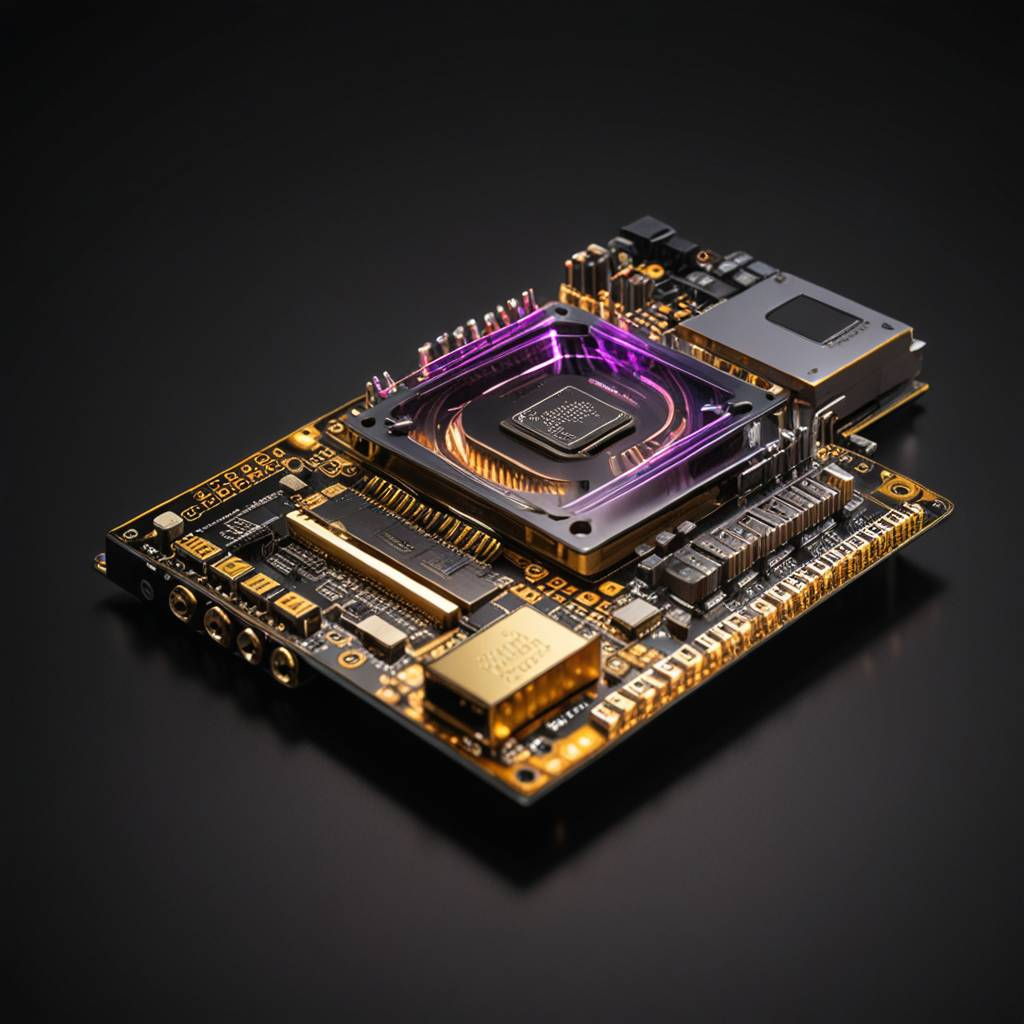
MP3 Encoding Hardware Acceleration

MP3 Encoding Hardware Acceleration

MP3 Encoding Hardware Acceleration

Let’s Talk about MP3 Encoding Hardware Acceleration

When it comes to MP3 encoding, the need for speed and efficiency is paramount. MP3 encoding hardware acceleration is a game-changer in this field, and I’m here to dive deep into this technology and explain why it’s a critical aspect of audio processing. As a specialist with years of experience in the audio encoding domain, I can attest to the transformative power of hardware acceleration.


The Basics of MP3 Encoding

Before we delve into the world of hardware acceleration, let’s briefly touch on the fundamentals of MP3 encoding. MP3 is a popular audio compression format that reduces the size of audio files while maintaining acceptable audio quality. It’s widely used for music, podcasts, and various other audio applications. Traditional MP3 encoding is a resource-intensive process that can strain your computer’s CPU, leading to longer encoding times.

Why Hardware Acceleration Matters

Imagine you’re baking a cake, and you have a regular oven that takes an hour to bake it. Now, imagine you have a supercharged oven that can bake the same cake in just ten minutes. That’s the essence of hardware acceleration in MP3 encoding. It turbocharges the encoding process, making it significantly faster and more efficient.

Efficiency and Speed Benefits

Hardware acceleration offloads the encoding process from your computer’s CPU to a specialized hardware component, such as a dedicated audio processing chip or a GPU. This shift dramatically increases the encoding speed, allowing you to convert audio files in a fraction of the time it would take using traditional software-based methods.

Reduced CPU Load

Think of your computer’s CPU as a chef in a busy kitchen. When the chef has to do all the cooking, it can slow down the entire operation. Hardware acceleration acts like an extra set of hands, helping the chef (CPU) focus on other tasks while the dedicated hardware takes care of the encoding.

Improved Energy Efficiency

Hardware acceleration not only speeds up the process but also makes it more energy-efficient. Just like a high-efficiency oven consumes less power, hardware-accelerated MP3 encoding requires less energy, which is a win-win for both your electricity bill and the environment.

Real-Life Examples of Hardware Acceleration

Let’s put this in practical terms. You’re a video game enthusiast, and you’ve seen how a powerful graphics card (GPU) can make your games run smoothly at high settings. MP3 encoding hardware acceleration operates in a similar way, ensuring that your audio files are processed quickly and with optimal quality.

Comparing Traditional vs. Hardware-Accelerated Encoding

To illustrate the difference, let’s take a real-life scenario. You have a collection of audio recordings from your last family vacation. Using traditional software-based encoding, it might take hours to convert all the files to MP3 format. However, with hardware acceleration, the same task can be completed in a matter of minutes, allowing you to share those memories with friends and family much faster.

Compatibility and Support

Not all devices and software support hardware acceleration, so it’s essential to ensure your equipment and software are compatible. However, many modern systems and MP3 encoding software tools offer support for this technology, making it accessible to a broader audience.

Choosing the Right Hardware-Accelerated Solution

Selecting the right hardware-accelerated MP3 encoding solution is crucial. Various hardware components and software options are available, each with its unique advantages. It’s important to consider your specific needs and budget when making a choice.

Graphics Cards (GPUs)

Modern GPUs, designed for gaming and multimedia applications, often include hardware acceleration for audio encoding. These are excellent options for users who need versatile and high-performance solutions.

Dedicated Audio Processing Chips

Some audio enthusiasts opt for sound cards or external audio processing units that come equipped with specialized chips for encoding. These dedicated chips can provide superior audio quality and speed.

Software Solutions with Hardware Acceleration

Many MP3 encoding software packages now offer built-in support for hardware acceleration. These solutions are user-friendly and can harness the power of your hardware for faster encoding.

Latest Advancements in MP3 Hardware Acceleration

As technology continues to advance, so does the world of MP3 encoding. The latest developments in hardware acceleration are focused on increasing efficiency, reducing power consumption, and ensuring compatibility with a wide range of devices and software.

Enhanced Compatibility with Mobile Devices

With the proliferation of smartphones and tablets, hardware acceleration is being fine-tuned to offer seamless encoding experiences on mobile devices. This is particularly valuable for content creators on the go.

AI-Assisted Hardware Acceleration

Artificial intelligence is making its mark in audio processing. AI algorithms are now being integrated into hardware acceleration solutions to optimize encoding processes and deliver even better results.

Energy-Efficient Hardware Acceleration

The pursuit of eco-friendliness is not limited to automobiles; it extends to technology as well. Hardware acceleration is evolving to be even more energy-efficient, reducing the environmental footprint of audio processing.

The Bottom Line: MP3 Encoding Made Better

In conclusion, MP3 encoding hardware acceleration is a game-changing technology that significantly improves the speed, efficiency, and energy consumption of the audio encoding process. It’s like upgrading your kitchen with a high-speed oven for baking. The benefits are clear, and as a specialist in this field, I can confidently say that this technology is here to stay, making your audio encoding experiences faster and more efficient.

Comments:

I’ve been using hardware acceleration for MP3 encoding, and the difference in speed is astounding! Thanks for the informative article.

– AudioPro

Great read! I’d love to learn more about AI-assisted hardware acceleration in the future.

– TechEnthusiast

This article is quite helpful, but I wish it went into more detail about specific software solutions with hardware acceleration.

– AudioNovice

I had no idea about the environmental benefits of energy-efficient hardware acceleration. It’s a game-changer!

– GreenTechie

MP3 encoding hardware acceleration has made my audio projects a breeze. Thanks for the valuable insights!

– SoundDesigner