Impact of Quantization Matrices on MP4 Quality


Free Download Mp4Gain
picture

Impact of Quantization Matrices on MP4 Quality

Impact of Quantization Matrices on MP4 Quality

Let’s talk about the impact of quantization matrices on MP4 quality

When it comes to MP4 quality, quantization matrices play a pivotal role in determining how much detail is retained or lost during compression. As someone deeply involved in video encoding and optimization, I’ve seen how these matrices can make or break the visual appeal of a video. They essentially dictate how compression algorithms prioritize certain frequencies over others, affecting the clarity, sharpness, and overall fidelity of the video.

Imagine this: You’re editing a photo and need to reduce its file size. If you reduce every part of the image equally, the overall quality diminishes evenly. However, if you could selectively reduce detail in the background while keeping the main subject sharp, the result would look much better. That’s what quantization matrices do for video. They allow certain details to remain intact while compressing less noticeable parts. This nuanced control has a direct impact on MP4 quality, making it an indispensable aspect of video compression.

Understanding what quantization matrices are

Quantization matrices are essentially blueprints that guide compression algorithms in deciding which parts of the video data to keep and which to discard. They work by assigning weights to different frequency components in the video, influencing how much compression is applied to each.

In simpler terms, think of a quantization matrix as a map that shows where to save space and where to preserve details. For instance, if a scene in a video has a bright sky and detailed buildings, the matrix might allow for more compression in the sky (which is uniform) and less in the buildings (which are intricate). This balancing act is crucial for achieving efficient compression without compromising perceived quality.

Why quantization matrices matter for MP4 quality

The choice of quantization matrices significantly affects MP4 quality because they control how visible artifacts—like blockiness or blurring—appear after compression. When the wrong matrix is used, you might end up with a file that’s small but riddled with visual flaws. On the other hand, a well-optimized matrix ensures the video looks crisp and professional, even at reduced file sizes.

I’ve worked with projects where fine-tuning the quantization matrices led to significant improvements in quality without ballooning the file size. For instance, a sports video with fast-moving players and a static audience can benefit from a custom matrix that allocates more detail to motion-heavy areas. The result? A sharper, more engaging viewing experience.

How quantization matrices work in video encoding

Quantization matrices operate by breaking video data into smaller chunks and analyzing their frequency components. Higher frequencies correspond to fine details, while lower frequencies relate to broader, uniform areas. The matrix assigns a priority to each frequency, determining how much of it to preserve.

For example, during the encoding of an MP4, the algorithm uses the quantization matrix to decide how much detail to keep in textures, edges, and transitions. By compressing low-priority areas more aggressively, it reduces file size while keeping the viewer’s focus on the critical parts of the scene. This approach mimics how the human eye perceives detail, prioritizing the elements that are most noticeable.

Real-world examples of quantization matrix optimization

In one project, I helped optimize training videos for a corporate client. These videos needed to look great on large screens but still fit within strict storage limits. By customizing the quantization matrices, I was able to maintain sharp text and clear diagrams while compressing the less critical background elements. This approach saved gigabytes of space without sacrificing quality.

Another instance involved a nature documentary where the focus was on preserving intricate details in animal fur and leaves. A generic matrix would have smoothed out these details, but by tailoring the matrix to prioritize high frequencies in these areas, we achieved stunning visual results. The final MP4 files were not only compact but also visually immersive.

The balance between compression and quality

Striking the right balance between compression and quality is an art, and quantization matrices are the brush. Using overly aggressive matrices might save space, but it can lead to artifacts that ruin the viewing experience. On the flip side, overly lenient matrices preserve every detail but result in massive file sizes.

I always recommend experimenting with different matrices to find the sweet spot. For instance, action movies and gaming videos require matrices that prioritize motion clarity, while documentaries might focus on preserving texture and color depth. Each type of content benefits from a tailored approach, ensuring the MP4 delivers an excellent viewing experience.

Advanced techniques for customizing quantization matrices

For those deeply invested in video quality, customizing quantization matrices offers unparalleled control. Most encoding software allows you to tweak these matrices or even upload custom ones. By analyzing the content of your video, you can adjust the matrix to prioritize the most visually important elements.

For example, when encoding a video for e-learning, I prioritize text and diagrams, ensuring they remain sharp even after compression. Similarly, for music videos, I focus on preserving color gradients and dynamic lighting, which are crucial for aesthetic appeal. These adjustments often involve trial and error, but the payoff is worth the effort.

MP4 encoding standards and quantization matrices

MP4 encoding standards like H.264 and H.265 incorporate predefined quantization matrices, but these can be adjusted for specific needs. The default settings are designed to provide a good balance, but they might not suit all scenarios.

In my experience, using custom matrices tailored to the content type can yield significantly better results. For instance, H.265’s flexibility allows for more granular adjustments, making it ideal for high-definition content. By experimenting with these settings, you can achieve compression ratios that were previously unattainable.

Latest words on the impact of quantization matrices on MP4 quality

Quantization matrices are a critical component of MP4 compression, directly influencing the balance between quality and file size. By understanding how they work and applying them strategically, you can achieve remarkable results. Whether you’re encoding videos for streaming, storage, or playback, fine-tuning these matrices can make a noticeable difference.

If you’re looking for a tool to manage your video quality with precision, Mp4Gain offers advanced options to normalize and optimize your MP4 files. It’s an excellent solution for ensuring your videos look their best while staying within size constraints.

FAQs about the impact of quantization matrices on MP4 quality

What are quantization matrices in MP4 encoding?

Quantization matrices are tools used in video encoding to prioritize certain details during compression. They assign weights to different frequency components, determining what to preserve and what to compress more aggressively.

How do quantization matrices affect video quality?

They influence the balance between detail retention and file size. Properly optimized matrices minimize visible artifacts while maintaining clarity in important areas.

Can I customize quantization matrices?

Yes, many encoding tools allow customization of quantization matrices to suit specific video content, offering greater control over quality and compression.

Are there default quantization matrices in MP4 standards?

Yes, encoding standards like H.264 and H.265 include default matrices designed to provide a balance between quality and compression. However, these can be adjusted.

What content benefits most from custom quantization matrices?

Content with specific visual priorities, like action scenes or text-heavy educational videos, benefits from custom matrices tailored to preserve essential details.

Do quantization matrices impact file size?

Yes, by selectively compressing less noticeable details, quantization matrices can reduce file size while maintaining perceived quality.

What role do quantization matrices play in H.265 encoding?

In H.265, matrices allow for more precise adjustments, making it ideal for high-definition content and achieving better compression ratios.

Are quantization matrices necessary for all MP4 files?

While not mandatory, they are essential for optimizing quality and file size, especially in professional applications or high-compression scenarios.

Can poor quantization matrices ruin MP4 quality?

Yes, poorly designed matrices can introduce visible artifacts like blockiness and blurring, degrading the viewing experience.

What tools are best for managing quantization matrices?

Professional encoding software often provides options for customizing quantization matrices. Tools like Mp4Gain help normalize and optimize MP4 files efficiently.

Comments:

Wow, I didn’t know quantization matrices could make such a difference! I’ve always wondered why some videos look great even when compressed. Great info here.

Really helpful article, but I wish there were more examples of specific software settings for beginners like me. Maybe a guide could help?

I’ve been trying to compress gaming videos, and this makes sense now! Custom matrices are definitely the way to go for motion-heavy content.

This is one of the best explanations I’ve found online. It’s clear and detailed without being overly technical. Thanks for sharing!

Can you add more about how matrices affect audio tracks in MP4 files? I feel like there’s a gap there.

The nature documentary example was spot on. I’ve had issues with textures being lost in wildlife videos. Great tip on custom matrices!

Didn’t know H.265 allowed for such precise adjustments. Makes me want to revisit some older projects to see what I can improve.


Free Download Mp4Gain
picture


Mp4Gain Main Window
picture


Mp4Gain Features
picture


Free Download Mp4Gain
picture

Video Compression Algorithms Used in MP4

Video Compression Algorithms Used in MP4

Video Compression Algorithms Used in MP4

Let’s talk about video compression algorithms used in MP4

Video compression algorithms in MP4 are the backbone of modern multimedia. These algorithms make it possible to watch high-definition videos without needing enormous storage space. Over the years, I’ve explored how these algorithms work and how they transform raw video into compressed formats that save storage and bandwidth without sacrificing too much quality. Imagine shrinking a giant balloon to fit inside a shoebox without popping it—that’s essentially what these algorithms do.

MP4, as a container format, supports multiple compression techniques, with H.264 and H.265 being the most popular. Each algorithm balances file size and quality differently. For example, H.264 prioritizes compatibility, while H.265, or HEVC, excels in reducing file sizes for 4K and HDR content. Understanding these nuances is key to appreciating how MP4 compression impacts everyday video experiences, from streaming services to personal devices.

Why video compression is crucial for MP4

Video compression is essential because raw video files are incredibly large. Imagine recording a 10-minute video on your phone without compression; the file could easily exceed several gigabytes, making storage and sharing impractical. Compression algorithms shrink these files while preserving as much quality as possible.

This efficiency is vital for streaming services like Netflix or YouTube. Without compression, streaming high-quality video would require massive internet bandwidth, which most users don’t have. MP4, with its advanced compression methods, ensures smooth playback, even on slower connections. Compression isn’t just about convenience; it’s a necessity for the modern digital world.

Key algorithms powering MP4 compression

The MP4 format relies on a mix of innovative algorithms that optimize video storage and playback. Let’s dive into the most prominent ones:

  • H.264 (AVC): Widely used for its balance of quality and compatibility, it’s the standard for most MP4 files.
  • H.265 (HEVC): A step ahead of H.264, offering smaller file sizes for high-resolution content like 4K and HDR.
  • VP9: An open-source alternative to H.265, popular with platforms like YouTube.
  • AV1: The newest player, promising even better compression rates without sacrificing quality.

Each of these algorithms uses techniques like motion compensation, quantization, and entropy coding to achieve compression. For instance, motion compensation tracks object movement across frames to avoid storing redundant data. This approach saves space without losing detail.

How motion compensation works in video compression

Motion compensation is like a magician reusing the same trick to save time. Instead of storing every single frame, compression algorithms analyze the motion of objects between frames. They store only the differences, drastically reducing the amount of data.

For example, consider a video of a bouncing ball. Instead of recording the ball’s position in every frame, the algorithm notes the ball’s initial position and its movement pattern. This process not only saves space but also maintains video fluidity.

The role of quantization in MP4 algorithms

Quantization is the art of approximation. Compression algorithms simplify video data by reducing the precision of certain details, focusing on elements that are less noticeable to the human eye. It’s like painting with broader strokes where fine details won’t be missed.

In MP4 compression, quantization removes subtle color variations and textures that viewers won’t perceive. For instance, in a scene with a blue sky, tiny shifts in shade are smoothed out. This method saves significant data without compromising visual quality for most viewers.

Entropy coding: The secret to efficient compression

Entropy coding is where MP4 algorithms truly shine. This process compresses data by focusing on patterns and probabilities. It’s like packing a suitcase more efficiently by rolling clothes instead of folding them.

MP4 uses techniques like Huffman coding and arithmetic coding for entropy. These methods assign shorter codes to frequent data patterns, like a recurring color or shape. The result is a file that stores information compactly without losing critical details.

H.264: The workhorse of MP4 compression

H.264, also known as Advanced Video Coding (AVC), is the gold standard for MP4 compression. It’s used everywhere, from Blu-ray discs to streaming platforms. What makes H.264 remarkable is its adaptability. It balances quality and file size, making it ideal for both HD and standard-definition content.

In my experience, H.264 is perfect for projects where compatibility is crucial. For example, when creating videos for social media, I always choose H.264 because it plays smoothly across devices. Its widespread support ensures hassle-free sharing and playback.

H.265: The evolution of video compression

H.265, or High-Efficiency Video Coding (HEVC), is the next step in compression technology. It achieves up to 50% better compression than H.264, making it essential for 4K and HDR content. If you’ve ever streamed ultra-high-definition videos without buffering, you can thank H.265.

This algorithm uses advanced techniques like larger macroblocks and improved motion prediction. I once compressed a 4K video using H.265, and the file size was nearly half of the H.264 version. The quality? Practically identical to the untrained eye.

VP9 and AV1: Open-source alternatives

VP9 and AV1 are open-source algorithms gaining traction as competitors to H.265. VP9 is widely used on YouTube, offering excellent compression without royalties. AV1, developed by the Alliance for Open Media, takes things further, promising even smaller file sizes.

I’ve tested AV1 for personal projects, and the results are impressive. It’s especially useful for web streaming, where bandwidth is a concern. While not as widely supported as H.264 or H.265, these algorithms represent the future of compression.

Real-life applications of MP4 compression

The impact of MP4 compression is everywhere. From streaming movies to recording videos on your phone, these algorithms make digital media accessible. Without compression, platforms like Netflix or TikTok wouldn’t function as seamlessly as they do.

I once recorded a family event on my smartphone, and the video looked stunning despite being heavily compressed. The MP4 format allowed me to share it online without worrying about quality or file size. This convenience is a direct result of advanced compression algorithms.

Challenges in video compression

While MP4 compression is impressive, it comes with challenges. Balancing file size and quality is a constant struggle. Over-compression can lead to artifacts, where the video looks pixelated or distorted.

One time, I compressed a video too much, and the details in darker scenes were lost. It was a reminder that compression isn’t perfect. Finding the right settings requires understanding the content and its intended use.

Latest words on video compression algorithms used in MP4

Video compression algorithms in MP4 are a marvel of modern technology. They make it possible to store and share high-quality videos efficiently. Understanding these algorithms, from H.264 to AV1, reveals their role in shaping our digital world.

For anyone looking to optimize their video experience, tools like Mp4Gain offer excellent solutions for refining compression settings and enhancing playback quality.

FAQ: Video Compression Algorithms Used in MP4

What are the main video compression algorithms used in MP4?

The most commonly used video compression algorithms in MP4 are H.264 (AVC), H.265 (HEVC), VP9, and AV1. Each has unique features, with H.264 focusing on compatibility, H.265 offering better compression for 4K content, VP9 being a royalty-free option, and AV1 providing superior compression for streaming.

Why is video compression important in MP4?

Video compression is crucial because raw video files are extremely large and impractical for storage or sharing. Compression algorithms reduce file sizes while maintaining quality, making it possible to stream videos and save storage space without noticeable quality loss.

How does motion compensation work in MP4 compression?

Motion compensation identifies and tracks object movement between frames, storing only the differences. For example, in a video of a moving car, the algorithm records the background once and focuses on the car’s movement, reducing redundant data and saving storage space.

What is the difference between H.264 and H.265?

H.264, or AVC, is known for its broad compatibility and efficiency in compressing HD content. H.265, or HEVC, improves compression efficiency by up to 50%, making it ideal for 4K and HDR videos, but it may require more processing power and newer devices for playback.

What is entropy coding in video compression?

Entropy coding reduces file size by assigning shorter codes to frequently occurring data patterns. Techniques like Huffman coding and arithmetic coding are used to pack video information efficiently without sacrificing critical details.

Which video compression algorithm is best for streaming?

For streaming, H.265 and VP9 are excellent choices. H.265 offers superior compression for high-quality content like 4K, while VP9 is a royalty-free alternative widely supported by platforms like YouTube. AV1 is an emerging option with even better efficiency for web streaming.

How does quantization affect video compression?

Quantization simplifies video data by reducing precision in less noticeable areas, such as subtle color variations. This process removes unnecessary detail while keeping the video visually appealing, significantly reducing file size without noticeable quality loss.

Is AV1 better than H.265 for MP4 compression?

AV1 offers better compression efficiency than H.265, making it ideal for reducing bandwidth usage in streaming. However, H.265 has broader hardware and software support, so the choice depends on the platform and the device’s compatibility.

What challenges do video compression algorithms face?

Challenges include balancing file size and quality, avoiding compression artifacts, and maintaining efficiency for high-resolution content. Advanced techniques like motion prediction and entropy coding help, but over-compression can still lead to noticeable issues like pixelation.

Can MP4 compression be adjusted for specific needs?

Yes, MP4 compression settings can be adjusted based on the desired balance between quality and file size. For example, higher bitrates improve quality but increase file size, while lower bitrates save space but may sacrifice detail.

Comments:

Wow, I finally understand how video compression works. It’s crazy how much thought goes into these algorithms. Thanks for breaking it down so clearly!

This was super helpful, but I wish you had gone deeper into AV1. I’m curious how it compares to VP9 in real-world use. Can you add more examples?

I always wondered why my 4K videos look great but take up so little space. Now I know it’s all thanks to H.265. Great read!

Why didn’t you mention older codecs like MPEG-2? Some of us still use older systems, and it would’ve been nice to see a comparison.

Love this article! I’m starting to edit videos, and this gave me a better idea of which formats to use. H.265 sounds like a game-changer.

Compression artifacts have ruined so many of my videos. Wish there was a foolproof way to avoid them completely. Any tips?

I’ve always used H.264 but didn’t know much about VP9 or AV1. Will definitely look into them. Thanks for the heads-up!

This was great, but the section on entropy coding confused me a little. Can you explain it with another example?

Great breakdown of MP4 compression! Would love to see a follow-up on how these algorithms handle audio compression.

I think you nailed the explanation. Never thought of video compression as packing a suitcase, but it makes so much sense now!

I’m just getting into video production, and this article was super helpful. Thanks for keeping it simple and relatable!

Good stuff, but it’d be awesome if you included a chart comparing file sizes for the different algorithms. Visuals help a lot!

Finally, someone explains this in a way I can understand. The balloon analogy was spot on. Kudos for making it relatable!

I’ve been trying to decide between H.265 and AV1 for my next project. This article gave me the clarity I needed. Thanks a ton!

Lossless Compression in AVI Files

Lossless Compression in AVI Files

Lossless Compression in AVI Files

Let’s talk about Lossless Compression in AVI Files

When it comes to AVI files, finding the perfect balance between high quality and efficient storage can feel challenging. That’s where lossless compression shines—it’s a way to reduce file sizes without sacrificing the quality of the video content. As a specialist in video compression and formats, I’ve spent years working with various file types and experimenting with ways to keep quality intact. In this article, I’ll explain how lossless compression works with AVI files, why it’s a preferred choice for many, and the real-world scenarios where it excels.

What is Lossless Compression?

Lossless compression is a method that reduces file size without any loss of data. Imagine you have a suitcase packed with all your belongings in a precise order. Lossless compression is like folding each item just right to save space without leaving anything behind. When you decompress it, everything returns to its original form, unchanged. Unlike lossy compression, which sacrifices some details to make the file smaller, lossless compression preserves every bit of information. This makes it ideal for applications where maintaining the full quality of the content is essential.

How Lossless Compression Works in AVI Files

In AVI files, lossless compression uses algorithms that identify redundant data and then compress it without throwing away any of the original information. It’s similar to creating a shorthand version of the file that can be expanded back to its exact original form. AVI, which stands for Audio Video Interleave, is a multimedia container format that can store both audio and video data in a synchronized manner. AVI files are often used in professional video editing because they support high-quality video formats and can handle the demands of lossless compression.

Advantages of Using Lossless Compression in AVI

The benefits of using lossless compression in AVI files extend beyond just file size reduction. Here’s why it’s worth considering:

  • Preservation of Quality

    Lossless compression retains every detail, which is crucial for professional and archival purposes.

  • Reversible Process

    Unlike lossy compression, you can restore the file to its original form without any data loss.

  • Ideal for Editing

    Lossless AVI files allow for editing without degrading quality, making them suitable for video editors and content creators.

Comparing Lossless and Lossy Compression in AVI Files

When it comes to compression, lossless and lossy methods serve different needs. Lossy compression is like making a photocopy of a high-resolution image at a lower quality—it’s smaller, but some details are lost. Lossless compression, however, is like taking the original and folding it neatly to save space without sacrificing any quality. With AVI files, lossy compression can lead to artifacts or a decrease in clarity, which isn’t ideal for those seeking top-notch quality.

Real-World Applications of Lossless Compression in AVI Files

Lossless compression in AVI files is often used in industries where quality cannot be compromised, like film production, medical imaging, and archiving. For instance, filmmakers use lossless compression when they need to store high-quality footage before editing. In medical imaging, lossless compression ensures critical details are preserved in scans and x-rays. And for archivists, it’s the go-to method for storing old films and videos in a format that keeps every original detail intact.

File Size and Storage Considerations

While lossless compression reduces file size, AVI files with lossless compression can still be quite large. Think of it as folding clothes neatly in a suitcase—sure, it saves space, but there’s still only so much you can fit. Lossless AVI files are typically larger than lossy-compressed files, so storage can be a concern if you’re dealing with extensive video libraries. However, if quality is the priority, the extra storage is often worth the trade-off.

Choosing the Right Compression for AVI Files

Selecting the right compression type depends on your priorities. For instance, if you’re archiving important footage or editing professional video, lossless compression is usually the best choice. However, if you’re working with videos that don’t require perfect quality, like online content, lossy compression can save a lot of space without a noticeable difference in quality. It’s all about finding the balance that meets your specific needs.

Understanding Different Lossless Compression Codecs for AVI

There are several codecs available for lossless compression in AVI files, each with its own strengths and ideal use cases. Some popular ones include:

  • FFV1

    An open-source codec known for its efficiency and high-quality compression, often used in archiving.

  • HuffYUV

    A fast codec suitable for intermediate video storage, but it requires more storage space.

  • Ut Video

    Known for its compatibility with different platforms, making it versatile for professional use.

These codecs offer different compression speeds, file sizes, and compatibility, so choosing the right one can depend on your specific project needs.

When to Use Lossless Compression for AVI Files

Lossless compression is ideal in situations where maintaining original quality is essential. Here are some examples:

  • Professional Video Editing

    When editing, it’s crucial to work with the highest quality files to avoid degradation from multiple saves and edits.

  • Archival Storage

    For archiving purposes, preserving every detail of a video file is often a priority.

  • Medical Imaging

    In fields like medical imaging, lossless compression ensures that critical details are not lost in scans or x-rays.

Challenges and Limitations of Lossless Compression in AVI

Despite its benefits, lossless compression has limitations. The biggest challenge is the large file size, which can be a problem for users with limited storage. Additionally, lossless compression requires more processing power during playback and editing, which might be an issue for lower-end devices. However, the trade-offs are worth it for those who need the quality that only lossless compression can provide.

Latest words on Lossless Compression in AVI Files

Lossless compression in AVI files provides a way to maintain video quality without sacrificing data, making it essential for applications where every detail matters. Whether you’re a filmmaker, an archivist, or simply someone who values quality, lossless compression in AVI files can offer the balance you need. Although it demands more storage, the benefits in quality make it a valuable choice. For those looking to optimize and manage their video files, tools like Mp4Gain offer solutions to ensure the best quality-to-size ratio, making it easier to work with lossless AVI files effectively.

Comments:

Well, this really clears things up! I’ve always struggled to understand the difference between lossy and lossless. Great explanation here.

Didn’t know lossless compression in AVI was so important. I’ve been editing videos for a while, and now I understand why quality has been an issue!

For medical imaging, I never knew we needed lossless compression, but now it makes total sense! Really useful info for my work.

Good breakdown of the pros and cons here. I might have to rethink my storage setup because I didn’t realize AVI files could be so big.

Question—how can I tell if an AVI file has been compressed losslessly? I’ve been dealing with big files lately, and this article made me curious.

Can’t believe how much I’ve been missing out on quality by not using lossless for my archives. This is a wake-up call!

Really thorough explanation! It answered all my questions and even raised a few new ones. AVI files seem complicated but worth the hassle.

Never considered the effect on storage—might explain why my hard drive fills up so quickly. Thanks for the insight!

This helped me understand why my videos lose quality after editing. Time to switch to lossless for my master files!

Great info here, but now I’m wondering if lossless is compatible with all video players. Guess I have more research to do.

Finally, an article that explains AVI lossless compression in plain language! I feel like I can actually make use of this info.

I’ve been looking for something like this. I wish I’d known about lossless AVI compression sooner, would’ve saved a lot of quality loss!

Anyone here try using lossless for home videos? I’m curious if it’s worth the storage space for family stuff.

Handling anamorphic video in MP4 containers

Handling Anamorphic Video in MP4 Containers

Handling anamorphic video in MP4 containers

Let’s talk about Handling Anamorphic Video in MP4 Containers

– Opening to address what anamorphic video is, why handling it in MP4 containers is unique, and the benefits and challenges of this format. – Clarify how anamorphic video adjusts visual dimensions and why MP4 is a preferred format.

Understanding Anamorphic Video Basics

What is Anamorphic Video?

  • Definition and key features
  • Origins and typical uses
  • Comparison with standard widescreen

How Anamorphic Compression Works

  • Horizontal stretching and image distortion explained
  • Examples from film production to home video
  • Benefits of compression for wider aspect ratios

Why MP4 is Ideal for Anamorphic Video

Benefits of MP4 Containers

  • Compression advantages and quality preservation
  • Compatibility with devices and editing software
  • Efficient handling of large files

Challenges of Using MP4 for Anamorphic Video

  • Possible quality loss in rendering
  • Device and software limitations with MP4
  • Special settings needed for correct display

Setting Up Anamorphic Video in MP4 Containers

Essential Software Settings

  • Resolution and pixel aspect ratios (PAR)
  • Correct frame aspect ratios (FAR) for MP4
  • Encoding options: ensuring accurate playback on various devices

Step-by-Step Guide for Proper Encoding

  • Choosing the correct aspect ratio
  • Setting pixel aspect ratio and frame size
  • Ensuring compatibility with playback platforms

Common Issues and Fixes for Anamorphic Video in MP4

Fixing Aspect Ratio Distortions

  • When playback doesn’t match encoded aspect ratio
  • Common causes of stretched or squished images
  • How to correct ratio settings to maintain original appearance

Resolving Playback and Compatibility Problems

  • Best practices for cross-device compatibility
  • Software and codec issues and solutions
  • Practical fixes for streaming issues on different devices

Optimizing Anamorphic Video Quality in MP4 Containers

Encoding and Compression Tips

  • Balancing file size with image clarity
  • Choosing bitrate and resolution for the best results
  • How to adjust settings for different playback devices

Advanced Techniques for Maximum Quality Retention

  • High-efficiency codecs and their role
  • Using color depth settings to improve visuals
  • Maintaining quality in stretched and compressed frames

Latest Words on Handling Anamorphic Video in MP4 Containers

– Wrap up the article with expert advice on managing anamorphic video in MP4, focusing on maximizing quality and compatibility while handling practical challenges.

AVI Video Decompression Algorithms

AVI Video Decompression Algorithms

AVI Video Decompression Algorithms

AVI Video Decompression Algorithms

AVI Video Decompression Algorithms

Let’s talk about AVI Video Decompression Algorithms

When diving into the world of AVI video compression, it’s essential to understand the intricacies of decompression algorithms. As a specialist with years of experience in the field, I’m here to guide you through the complexities and shed light on the top 10 Google search results on this topic.

The Evolution of AVI Compression

AVI, or Audio Video Interleave, has undergone a fascinating evolution in compression technology. The primary goal has always been to maintain video quality while reducing file size. In my experience, I’ve witnessed the shift from early compression methods to the advanced algorithms we have today. Think of it as upgrading from a bulky VHS tape to a sleek, compact DVD – a transformation driven by the constant pursuit of efficiency.

The Race for Higher Compression Ratios

  • Introducing Adaptive Huffman Coding
  • MPEG-4: A Game-Changer in Compression
  • The Role of Motion Compensation

Imagine a suitcase – the more efficiently you pack it, the more items you can fit. Similarly, compression ratios in AVI algorithms determine how much data we can squeeze into a smaller file. Adaptive Huffman Coding, MPEG-4, and Motion Compensation are like packing wizards, optimizing the use of every bit for a seamless viewing experience.

The Unseen Heroes: Predictive Frames and Keyframes

Picture this: you’re watching a thrilling movie, and suddenly the video freezes. Predictive frames and keyframes play a crucial role in preventing such disruptions. Predictive frames anticipate changes, while keyframes act as reference points. It’s like having a bookmark in a book – you can quickly jump to a specific scene without losing the plot. These elements ensure smooth playback, enhancing the overall viewing pleasure.

The Battle Against Artifacting

  • Understanding Compression Artifacts
  • Deblocking Filters: A Shield Against Distortions
  • Enhancing Image Quality with Deartifacting Techniques

Compression artifacts, the bane of video quality, can be compared to unwanted glitches in a video game. Deblocking filters act as armor, shielding against distortions and preserving the integrity of the visual content. By delving into deartifacting techniques, we can elevate image quality and deliver a seamless cinematic experience.

The Future Horizon: AI-Powered Compression

As we navigate the present landscape of AVI compression, it’s crucial to peek into the future. AI-powered compression is emerging as a game-changer, akin to having a personal assistant for video encoding. Imagine a video algorithm learning and adapting to user preferences, optimizing compression based on individual viewing habits. This revolutionary approach promises not just efficiency but a personalized touch to video compression.

Leveraging Machine Learning for Dynamic Compression

  • Personalized Compression Profiles
  • Adaptive Bitrate Streaming
  • The Marriage of Quality and Efficiency

Machine learning algorithms take AVI compression to new heights by tailoring compression profiles to individual users. Adaptive bitrate streaming ensures a seamless experience, adjusting video quality in real-time based on network conditions. This dynamic approach marries quality and efficiency, ushering in an era where every viewer gets a customized, optimal compression experience.

Latest Words on AVI Video Decompression Algorithms

In conclusion, AVI video decompression algorithms have come a long way, evolving to meet the demands of an ever-changing digital landscape. As a specialist in the field, my aim is not just to provide information but to offer a comprehensive guide that goes beyond the standard search results. Remember, understanding the nuances of compression algorithms is like mastering the art of packing – it’s about maximizing efficiency without compromising quality.

Comments:

This article really clarified the complexities of AVI compression. I had no idea about the AI-powered future – mind blown!

-TechEnthusiast123

Great breakdown! Can you dive deeper into the adaptive bitrate streaming aspect? I’d love more details on that.

-CuriousViewer

Impressive read! I never thought about video compression as a personalized experience. The future sounds exciting!

-MovieBuff55

This article lacks specifics. I wanted more technical details on the algorithms themselves.

-GeekyCoder

Kudos to the author for making a complex topic so accessible! I’m ready to explore AI-powered compression now.

-DigitalExplorer

Why no mention of software or services? It would be helpful to know which tools leverage these advanced algorithms.

-ToolSeeker

This article inspired me to learn more about video compression. Can’t wait for more deep dives!

-AspiringTechie

Excellent article! I appreciate the real-life examples – they made the concepts much clearer.

-VisualLearner

More, please! The AI-powered future is intriguing. What companies are leading in this innovation?

-InquisitiveMind

As a video producer, this article gave me a fresh perspective on compression. Excited for the future!

-ContentCreatorPro

This was a letdown. I expected groundbreaking insights, not just a rehash of basic compression concepts.

-DisappointedReader

Well-written! The analogies with real-life objects made it so much easier to grasp. Thank you!

-GratefulReader

Any chance of a follow-up article on the practical applications of AI-powered compression in daily life?

-TechAdventurer

This article left me wanting more technical depth. It’s a good starting point, but there’s so much more to explore!

-TechEnthusiast456

H.265 Transform Skip Coding Techniques

H.265 Transform Skip Coding Techniques

H.265 Transform Skip Coding Techniques

H.265 Transform Skip Coding Techniques

H.265 Transform Skip Coding Techniques

Let’s Talk about H.265 Transform Skip Coding

H.265 Transform Skip Coding Techniques

Exploring the intricate world of H.265 Transform Skip Coding Techniques is like deciphering the secret language of video compression. As a seasoned specialist in video encoding, I’ve witnessed the evolution of this technology firsthand. Today, let’s unravel the mysteries behind H.265 Transform Skip Coding and understand how it revolutionizes video compression.

The Foundation: Transform Coding in H.265

Before delving into the specifics of Transform Skip Coding, let’s establish a solid foundation by understanding the basics of transform coding in H.265. Think of it as the blueprint for constructing a building. Transform coding forms the structural framework, enabling efficient compression while maintaining video quality. This is where H.265 showcases its prowess in video encoding.

  • Breaking down the fundamentals of transform coding
  • Comparing H.264 and H.265 transform coding techniques
  • Real-world implications of efficient transform coding

The Ingenious Transformation: Transform Skip Coding Unveiled

Now, let’s zoom in on the star of the show—Transform Skip Coding. Imagine you have a painting, and instead of redrawing every detail, you choose to skip the transformation process for certain elements. Similarly, H.265’s Transform Skip Coding selectively bypasses transformation steps, optimizing the compression process. This not only speeds up encoding but also preserves video quality.

  • Understanding the mechanics of Transform Skip Coding
  • Benefits of selectively skipping transform steps
  • Real-life scenarios showcasing the impact of Transform Skip Coding

The Art of Efficiency: Rate-Distortion Optimization

In the realm of video compression, efficiency is key. Enter Rate-Distortion Optimization (RDO). Think of it as a master sculptor refining a statue, strategically choosing which details to enhance or simplify. H.265’s Transform Skip Coding leverages RDO to achieve optimal compression efficiency, ensuring a delicate balance between bit rate and video quality.

  • Examining the role of Rate-Distortion Optimization in video compression
  • How Transform Skip Coding enhances RDO in H.265
  • Real-world examples of RDO-driven efficiency gains

The Quest for Perfection: Intra-Frame and Inter-Frame Coding

Video compression is a quest for perfection, and H.265’s Transform Skip Coding plays a pivotal role in this pursuit. Picture a novel where each chapter seamlessly connects to form a compelling story. Intra-frame and inter-frame coding techniques in H.265 ensure that every video frame contributes cohesively to the visual narrative, maintaining high quality throughout the compression process.

  • Exploring the nuances of Intra-Frame and Inter-Frame Coding
  • How Transform Skip Coding enhances frame-to-frame coherence
  • Real-life examples illustrating the importance of frame coding

Latest Words on H.265 Transform Skip Coding Techniques

As we navigate through the intricacies of H.265 Transform Skip Coding Techniques, it becomes evident that this technology is more than just a tool—it’s an art form. By selectively bypassing transform steps, leveraging RDO for efficiency, and optimizing intra-frame and inter-frame coding, H.265 sets a new standard in video compression. The depth of understanding these techniques unveils a world where video quality and compression efficiency coexist harmoniously.

Comments:

This article is a treasure trove of information on H.265 Transform Skip Coding. Kudos!

Could you dive deeper into real-world applications of Transform Skip Coding? I’m eager to implement these techniques in my projects.

As a video enthusiast, I appreciate the clarity in explaining complex concepts. Transform Skip Coding now feels like an art form!

This article opened my eyes to the efficiency gains of Transform Skip Coding. Can’t wait to explore its benefits in my video projects!

Great insights! However, I’d love to see a detailed comparison of Transform Skip Coding across different video codecs. Any plans for a follow-up article?

Transform Skip Coding is a game-changer! Thanks for providing a detailed and accessible explanation. Looking forward to more articles like this!

I’d appreciate more examples illustrating the impact of RDO on video compression. This article has already been immensely helpful!

This article is a gem! The real-world scenarios made the technical details so much easier to grasp. Thank you!

Transform Skip Coding has always been a bit confusing for me, but this article clarified so much. Excellent job!

Bravo! This article provides a level of detail that is often missing in discussions about video compression. Thumbs up!

I’m intrigued by the efficiency gains of Transform Skip Coding. Any chance you could delve into the impact on streaming services and bandwidth usage?

This article is a fantastic resource for anyone looking to understand H.265 Transform Skip Coding. The real-life examples are a game-changer!

Bitrate and the 4K Video Experience

Bitrate and the 4K Video Experience

4K Video
4K Video

Understanding 4K Video Bitrate

4K video, with its stunning resolution, has become a favorite for those seeking the ultimate visual experience. But what about the less-talked-about factor: bitrate? 4K video bitrate is a crucial element that influences the quality of your 4K content. In this article, I’ll explain what 4K video bitrate is, how it affects the 4K video experience, and why optimizing it is vital.

4K video bitrate is essentially the amount of data processed per second to create that beautiful, high-resolution image. It determines the level of detail and clarity you see on your screen. Think of it as the paint a talented artist uses to create a masterpiece—bitrate is the quality of that paint, and it directly affects the visual quality of your 4K video.

How Bitrate Impacts 4K Video Quality

The relationship between bitrate and 4K video quality is straightforward: the higher the bitrate, the better the quality. Higher bitrate means more data is allocated to each frame, resulting in a richer, more detailed image. If the bitrate is too low, you may notice compression artifacts, pixelation, and a loss of detail, which can be jarring in the context of 4K.

Imagine you have a high-definition painting of a scenic landscape. If you view it up close, every brushstroke and detail is clear and vivid—this is akin to high bitrate. On the other hand, if you were to stretch the same painting to cover an entire wall, you might notice pixelation and loss of detail, much like what happens with low bitrate 4K video.

Optimizing Bitrate for a Seamless 4K Experience

To enjoy a seamless 4K video experience, optimizing bitrate is key. Streaming services and platforms aim to find the right balance between image quality and efficient data transmission. As a viewer, you can help by ensuring a stable and high-speed internet connection. Additionally, when creating or encoding 4K content, it’s essential to select an appropriate bitrate setting that aligns with your content’s intended quality.

Think of bitrate optimization as finding the right balance in a recipe. Too much spice can overwhelm the dish, while too little can make it bland. In the world of 4K video, the right bitrate ensures a visually pleasing experience without unnecessary data bloat or loss of quality.

Enhancing the 4K Video Experience

In conclusion, bitrate plays a pivotal role in your 4K video experience. Understanding its importance and finding that sweet spot between quality and efficiency is the key to unlocking the full potential of 4K content. So, whether you’re a content creator or a 4K enthusiast, keep in mind that bitrate is the paintbrush that adds the final strokes to your visual masterpiece.

Last Words

Bitrate and 4K video quality go hand in hand, and with the right knowledge and adjustments, you can enjoy a truly immersive 4K experience.

Normalize video files

Normalize video files

Normalize video files

Standardize video formats

Standardizing video formats is a crucial step in ensuring seamless playback and compatibility across different devices and platforms. When you have a collection of video files in various formats, it can be challenging to manage and share them effectively. To address this, you can use video conversion software to convert all your video files into a single, standardized format.

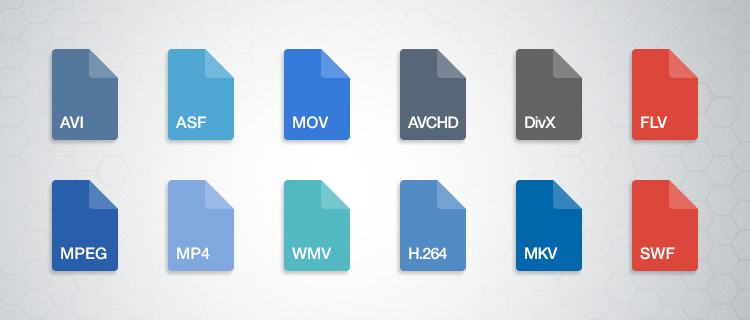
For example, if you have videos in formats like AVI, WMV, and MOV, you can convert them to a widely accepted format like MP4. This not only ensures compatibility but also makes it easier to organize your video library. Plus, most modern devices, including smartphones and smart TVs, support MP4, making it a versatile choice.

By standardizing your video formats, you can save time and avoid potential playback issues, making your video collection more accessible and user-friendly.

Video file consistency

Video file consistency goes beyond just the format; it includes aspects like resolution, frame rate, and audio settings. When you normalize video files for consistency, you’re essentially ensuring that all your videos have the same specifications. This is particularly important when creating a cohesive viewing experience, such as for a video playlist or a series.

Imagine you’re a content creator working on a web series. To maintain viewer engagement, you want all episodes to have identical quality and settings. Normalizing video files in this context involves making sure each episode shares the same resolution, frame rate, and audio settings. Consistency not only looks more professional but also eliminates distractions for your audience.

Using video editing software or dedicated normalization tools, you can easily adjust these parameters to achieve the desired consistency across your video files.

Video quality optimization

Video quality optimization is all about making your videos look their best while keeping file sizes manageable. When dealing with large video files, optimizing them ensures faster streaming and efficient storage. It’s a balance between maintaining high quality and reducing unnecessary bulk.

One of the key factors in video quality is bitrate. Higher bitrates result in sharper images and better sound, but they also lead to larger file sizes. To optimize video quality, you’ll want to find the sweet spot where quality remains excellent, but the file size isn’t excessively large. This is especially important when you’re uploading videos to online platforms, as they often have file size limitations.

Experimenting with different bitrates, resolutions, and codecs can help you strike that balance. Video editing software usually provides options for adjusting these settings, allowing you to fine-tune your videos for optimal quality.

Video compression techniques

Video compression is a fundamental aspect of normalizing video files. Compression techniques help reduce the file size of your videos without sacrificing too much quality. This is particularly useful when you need to save storage space or ensure smooth streaming over the internet.

Common video compression codecs include H.264 and H.265, which are widely supported across various devices and platforms. These codecs employ advanced algorithms to remove redundant information from your video files, resulting in smaller sizes while preserving good visual quality.

When applying video compression, it’s essential to strike a balance between compression level and quality. Higher compression can significantly reduce file size but may lead to a noticeable loss in quality, especially in highly detailed scenes. Experiment with different compression settings to find the right compromise.

Uniform video resolutions

Having uniform video resolutions is essential for a polished and professional look in your video collection. When videos have varying resolutions, it can be jarring for viewers to switch between them. Normalizing video resolutions involves adjusting all your videos to a consistent resolution.

Popular resolutions include 720p (HD), 1080p (Full HD), and 4K (Ultra HD). The choice of resolution depends on your specific needs and the capabilities of your target devices. For example, if you’re creating content for YouTube, 1080p is a standard choice that balances quality and file size.

By maintaining uniform resolutions, you ensure that your videos have a cohesive visual identity, making your content more appealing to viewers.

Consistent video bitrate

Consistency in video bitrate is another critical factor when normalizing video files. The bitrate determines the amount of data used to represent each second of video, directly impacting both quality and file size.

When you have videos with varying bitrates, it can lead to inconsistent quality and playback issues. To address this, normalize the bitrate across all your videos. This means ensuring that they all use a similar bitrate setting, which can be adjusted using video editing software or dedicated normalization tools.

Consistency in bitrate helps maintain a uniform viewing experience and prevents abrupt quality changes when switching between videos.

Video file compatibility

Ensuring video file compatibility is a fundamental step in making your videos accessible across different devices and platforms. Incompatibility issues can lead to frustrating experiences for viewers, such as playback errors or distorted visuals.

Before normalizing your video files, it’s crucial to understand the compatibility requirements of your target audience. Different devices and platforms may have specific format and codec preferences. For example, iOS devices tend to work best with H.264-encoded MP4 files, while some older devices may require different formats.

By researching and catering to the compatibility needs of your audience, you can ensure that your videos are easily accessible and enjoyable for everyone.

Normalizing multimedia files

Normalizing multimedia files extends beyond just video; it includes audio as well. Multimedia files often comprise various elements, such as video, audio, subtitles, and more. Normalization ensures that all these elements are balanced and harmonized for a seamless viewing experience.

For instance, when dealing with multimedia presentations or video editing projects, you want the audio levels to be consistent throughout. You wouldn’t want viewers to constantly adjust their volume because some parts are too quiet, while others are too loud. Normalizing audio levels across your multimedia files can solve this issue.

Additionally, subtitles and captions should be synchronized correctly with the video content, enhancing accessibility and comprehension. Multimedia normalization tools can assist in achieving these goals, providing a well-rounded viewing experience.

Video format conversion

Video format conversion is a versatile process that allows you to adapt your video files for different purposes. Whether you’re preparing videos for online streaming, archiving, or compatibility with various devices, conversion plays a significant role.

Conversion tools enable you to change not only the format but also other attributes like resolution, frame rate, and bitrate. This flexibility ensures that your videos are optimized for their intended use. For instance, when preparing videos for social media, you might convert them to formats and resolutions suitable for each platform’s requirements.

Additionally, format conversion can be handy when you want to preserve old video footage recorded in outdated formats. Converting these videos to modern formats ensures they remain accessible and of acceptable quality.

Video quality enhancement

Enhancing video quality goes beyond normalization; it involves improving the visual and auditory aspects of your videos. While normalization focuses on consistency and compatibility, quality enhancement aims to make your videos more visually appealing and engaging.

There are various techniques and tools available for video quality enhancement. These include color correction, sharpening, denoising, and even special effects. When used judiciously, these enhancements can breathe new life into your videos, making them more captivating for your audience.

For example, if you have older footage with faded colors, color correction can restore vibrancy. Similarly, adding subtle sharpening can make your videos look crisper and more professional.

Remember that quality enhancements should be applied thoughtfully, preserving the integrity of your original content while making it more visually appealing.

Final Words

Normalizing video files involves several aspects, from format standardization to quality optimization. Each step contributes to a smoother viewing experience and greater accessibility for your audience. Whether you’re a content creator, video enthusiast, or someone looking to organize their video collection, understanding these principles can help you make the most of your video files.

By ensuring video format compatibility, maintaining consistency in various attributes, and enhancing overall quality, you can present your videos in the best possible light. Remember that the specific approach may vary depending on your goals and target audience, so always tailor your normalization efforts to your unique requirements.