
Video Compression Algorithms Used in MP4

Let’s talk about video compression algorithms used in MP4
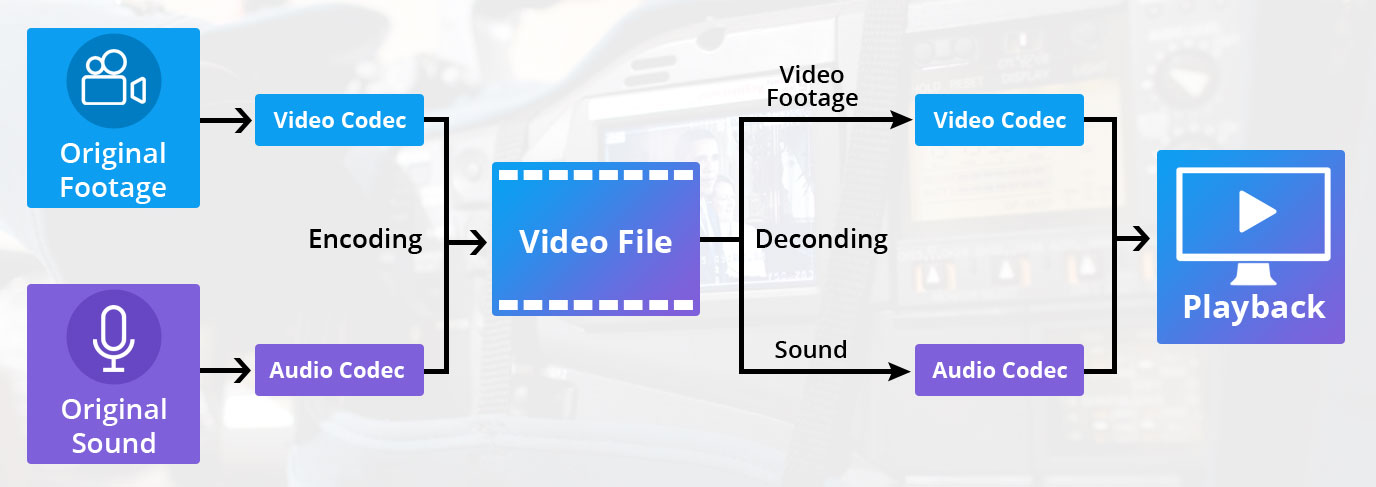
Video compression algorithms in MP4 are the backbone of modern multimedia. These algorithms make it possible to watch high-definition videos without needing enormous storage space. Over the years, I’ve explored how these algorithms work and how they transform raw video into compressed formats that save storage and bandwidth without sacrificing too much quality. Imagine shrinking a giant balloon to fit inside a shoebox without popping it—that’s essentially what these algorithms do.
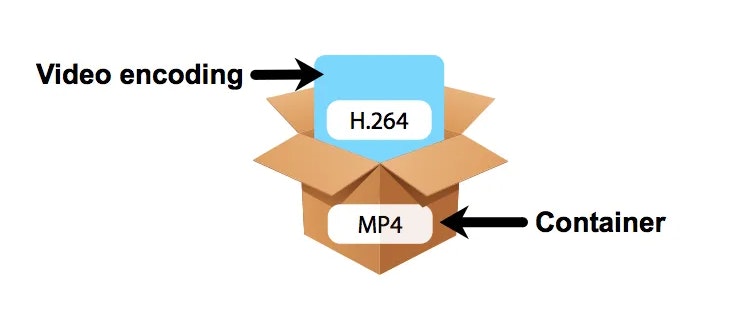
MP4, as a container format, supports multiple compression techniques, with H.264 and H.265 being the most popular. Each algorithm balances file size and quality differently. For example, H.264 prioritizes compatibility, while H.265, or HEVC, excels in reducing file sizes for 4K and HDR content. Understanding these nuances is key to appreciating how MP4 compression impacts everyday video experiences, from streaming services to personal devices.
Why video compression is crucial for MP4
Video compression is essential because raw video files are incredibly large. Imagine recording a 10-minute video on your phone without compression; the file could easily exceed several gigabytes, making storage and sharing impractical. Compression algorithms shrink these files while preserving as much quality as possible.
This efficiency is vital for streaming services like Netflix or YouTube. Without compression, streaming high-quality video would require massive internet bandwidth, which most users don’t have. MP4, with its advanced compression methods, ensures smooth playback, even on slower connections. Compression isn’t just about convenience; it’s a necessity for the modern digital world.
Key algorithms powering MP4 compression
The MP4 format relies on a mix of innovative algorithms that optimize video storage and playback. Let’s dive into the most prominent ones:
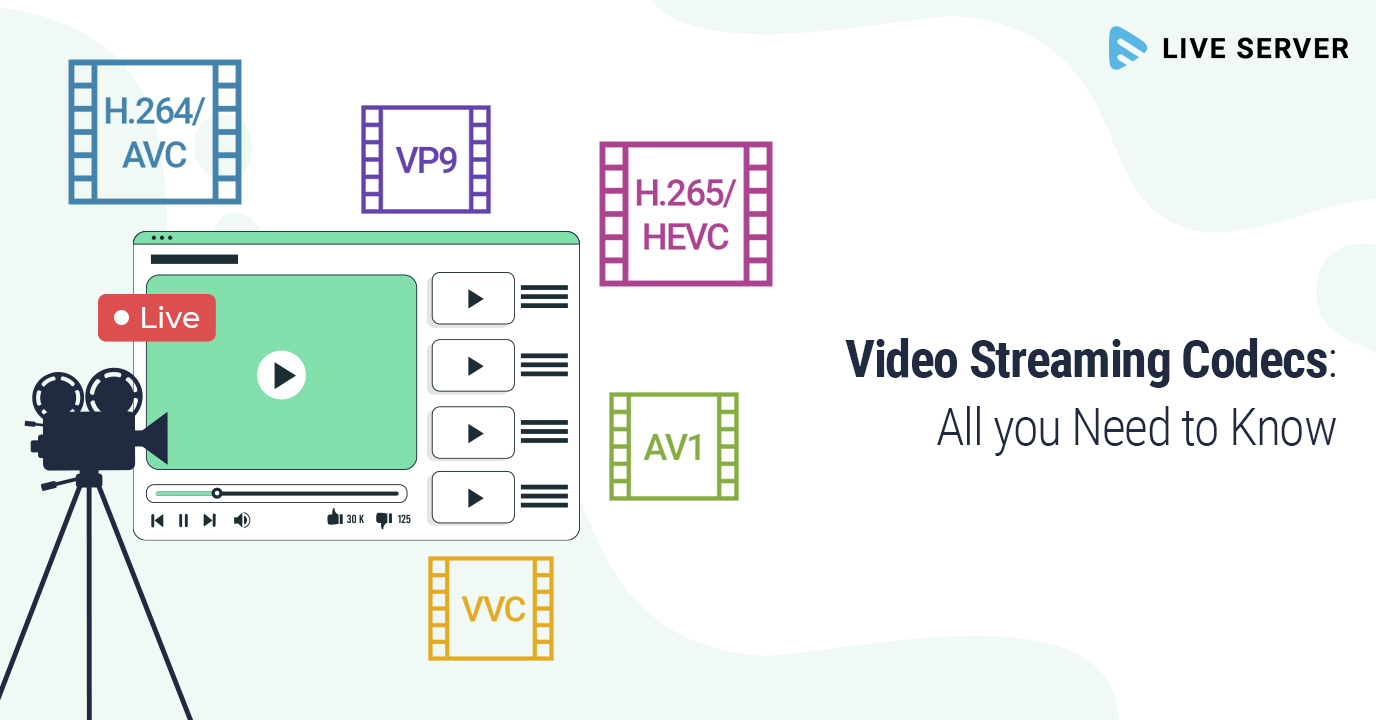
- H.264 (AVC): Widely used for its balance of quality and compatibility, it’s the standard for most MP4 files.
- H.265 (HEVC): A step ahead of H.264, offering smaller file sizes for high-resolution content like 4K and HDR.
- VP9: An open-source alternative to H.265, popular with platforms like YouTube.
- AV1: The newest player, promising even better compression rates without sacrificing quality.
Each of these algorithms uses techniques like motion compensation, quantization, and entropy coding to achieve compression. For instance, motion compensation tracks object movement across frames to avoid storing redundant data. This approach saves space without losing detail.
How motion compensation works in video compression
Motion compensation is like a magician reusing the same trick to save time. Instead of storing every single frame, compression algorithms analyze the motion of objects between frames. They store only the differences, drastically reducing the amount of data.
For example, consider a video of a bouncing ball. Instead of recording the ball’s position in every frame, the algorithm notes the ball’s initial position and its movement pattern. This process not only saves space but also maintains video fluidity.
The role of quantization in MP4 algorithms
Quantization is the art of approximation. Compression algorithms simplify video data by reducing the precision of certain details, focusing on elements that are less noticeable to the human eye. It’s like painting with broader strokes where fine details won’t be missed.
In MP4 compression, quantization removes subtle color variations and textures that viewers won’t perceive. For instance, in a scene with a blue sky, tiny shifts in shade are smoothed out. This method saves significant data without compromising visual quality for most viewers.
Entropy coding: The secret to efficient compression
Entropy coding is where MP4 algorithms truly shine. This process compresses data by focusing on patterns and probabilities. It’s like packing a suitcase more efficiently by rolling clothes instead of folding them.
MP4 uses techniques like Huffman coding and arithmetic coding for entropy. These methods assign shorter codes to frequent data patterns, like a recurring color or shape. The result is a file that stores information compactly without losing critical details.
H.264: The workhorse of MP4 compression
H.264, also known as Advanced Video Coding (AVC), is the gold standard for MP4 compression. It’s used everywhere, from Blu-ray discs to streaming platforms. What makes H.264 remarkable is its adaptability. It balances quality and file size, making it ideal for both HD and standard-definition content.
In my experience, H.264 is perfect for projects where compatibility is crucial. For example, when creating videos for social media, I always choose H.264 because it plays smoothly across devices. Its widespread support ensures hassle-free sharing and playback.
H.265: The evolution of video compression
H.265, or High-Efficiency Video Coding (HEVC), is the next step in compression technology. It achieves up to 50% better compression than H.264, making it essential for 4K and HDR content. If you’ve ever streamed ultra-high-definition videos without buffering, you can thank H.265.
This algorithm uses advanced techniques like larger macroblocks and improved motion prediction. I once compressed a 4K video using H.265, and the file size was nearly half of the H.264 version. The quality? Practically identical to the untrained eye.
VP9 and AV1: Open-source alternatives
VP9 and AV1 are open-source algorithms gaining traction as competitors to H.265. VP9 is widely used on YouTube, offering excellent compression without royalties. AV1, developed by the Alliance for Open Media, takes things further, promising even smaller file sizes.
I’ve tested AV1 for personal projects, and the results are impressive. It’s especially useful for web streaming, where bandwidth is a concern. While not as widely supported as H.264 or H.265, these algorithms represent the future of compression.
Real-life applications of MP4 compression
The impact of MP4 compression is everywhere. From streaming movies to recording videos on your phone, these algorithms make digital media accessible. Without compression, platforms like Netflix or TikTok wouldn’t function as seamlessly as they do.
I once recorded a family event on my smartphone, and the video looked stunning despite being heavily compressed. The MP4 format allowed me to share it online without worrying about quality or file size. This convenience is a direct result of advanced compression algorithms.
Challenges in video compression
While MP4 compression is impressive, it comes with challenges. Balancing file size and quality is a constant struggle. Over-compression can lead to artifacts, where the video looks pixelated or distorted.
One time, I compressed a video too much, and the details in darker scenes were lost. It was a reminder that compression isn’t perfect. Finding the right settings requires understanding the content and its intended use.
Latest words on video compression algorithms used in MP4
Video compression algorithms in MP4 are a marvel of modern technology. They make it possible to store and share high-quality videos efficiently. Understanding these algorithms, from H.264 to AV1, reveals their role in shaping our digital world.
For anyone looking to optimize their video experience, tools like Mp4Gain offer excellent solutions for refining compression settings and enhancing playback quality.
FAQ: Video Compression Algorithms Used in MP4
What are the main video compression algorithms used in MP4?
The most commonly used video compression algorithms in MP4 are H.264 (AVC), H.265 (HEVC), VP9, and AV1. Each has unique features, with H.264 focusing on compatibility, H.265 offering better compression for 4K content, VP9 being a royalty-free option, and AV1 providing superior compression for streaming.
Why is video compression important in MP4?
Video compression is crucial because raw video files are extremely large and impractical for storage or sharing. Compression algorithms reduce file sizes while maintaining quality, making it possible to stream videos and save storage space without noticeable quality loss.
How does motion compensation work in MP4 compression?
Motion compensation identifies and tracks object movement between frames, storing only the differences. For example, in a video of a moving car, the algorithm records the background once and focuses on the car’s movement, reducing redundant data and saving storage space.
What is the difference between H.264 and H.265?
H.264, or AVC, is known for its broad compatibility and efficiency in compressing HD content. H.265, or HEVC, improves compression efficiency by up to 50%, making it ideal for 4K and HDR videos, but it may require more processing power and newer devices for playback.
What is entropy coding in video compression?
Entropy coding reduces file size by assigning shorter codes to frequently occurring data patterns. Techniques like Huffman coding and arithmetic coding are used to pack video information efficiently without sacrificing critical details.
Which video compression algorithm is best for streaming?
For streaming, H.265 and VP9 are excellent choices. H.265 offers superior compression for high-quality content like 4K, while VP9 is a royalty-free alternative widely supported by platforms like YouTube. AV1 is an emerging option with even better efficiency for web streaming.
How does quantization affect video compression?
Quantization simplifies video data by reducing precision in less noticeable areas, such as subtle color variations. This process removes unnecessary detail while keeping the video visually appealing, significantly reducing file size without noticeable quality loss.
Is AV1 better than H.265 for MP4 compression?
AV1 offers better compression efficiency than H.265, making it ideal for reducing bandwidth usage in streaming. However, H.265 has broader hardware and software support, so the choice depends on the platform and the device’s compatibility.
What challenges do video compression algorithms face?
Challenges include balancing file size and quality, avoiding compression artifacts, and maintaining efficiency for high-resolution content. Advanced techniques like motion prediction and entropy coding help, but over-compression can still lead to noticeable issues like pixelation.
Can MP4 compression be adjusted for specific needs?
Yes, MP4 compression settings can be adjusted based on the desired balance between quality and file size. For example, higher bitrates improve quality but increase file size, while lower bitrates save space but may sacrifice detail.









Comments:
Wow, I finally understand how video compression works. It’s crazy how much thought goes into these algorithms. Thanks for breaking it down so clearly!
This was super helpful, but I wish you had gone deeper into AV1. I’m curious how it compares to VP9 in real-world use. Can you add more examples?
I always wondered why my 4K videos look great but take up so little space. Now I know it’s all thanks to H.265. Great read!
Why didn’t you mention older codecs like MPEG-2? Some of us still use older systems, and it would’ve been nice to see a comparison.
Love this article! I’m starting to edit videos, and this gave me a better idea of which formats to use. H.265 sounds like a game-changer.
Compression artifacts have ruined so many of my videos. Wish there was a foolproof way to avoid them completely. Any tips?
I’ve always used H.264 but didn’t know much about VP9 or AV1. Will definitely look into them. Thanks for the heads-up!
This was great, but the section on entropy coding confused me a little. Can you explain it with another example?
Great breakdown of MP4 compression! Would love to see a follow-up on how these algorithms handle audio compression.
I think you nailed the explanation. Never thought of video compression as packing a suitcase, but it makes so much sense now!
I’m just getting into video production, and this article was super helpful. Thanks for keeping it simple and relatable!
Good stuff, but it’d be awesome if you included a chart comparing file sizes for the different algorithms. Visuals help a lot!
Finally, someone explains this in a way I can understand. The balloon analogy was spot on. Kudos for making it relatable!
I’ve been trying to decide between H.265 and AV1 for my next project. This article gave me the clarity I needed. Thanks a ton!