Video Compression Algorithms Used in MP4


Free Download Mp4Gain
picture

Video Compression Algorithms Used in MP4

Video Compression Algorithms Used in MP4

Let’s talk about video compression algorithms used in MP4

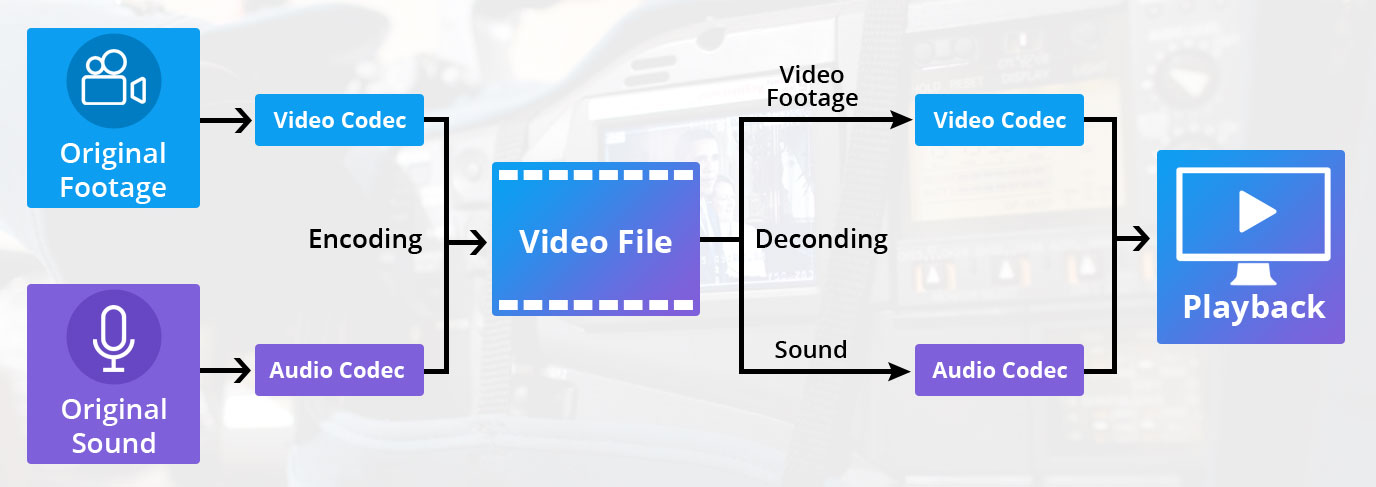
Video compression algorithms in MP4 are the backbone of modern multimedia. These algorithms make it possible to watch high-definition videos without needing enormous storage space. Over the years, I’ve explored how these algorithms work and how they transform raw video into compressed formats that save storage and bandwidth without sacrificing too much quality. Imagine shrinking a giant balloon to fit inside a shoebox without popping it—that’s essentially what these algorithms do.

MP4, as a container format, supports multiple compression techniques, with H.264 and H.265 being the most popular. Each algorithm balances file size and quality differently. For example, H.264 prioritizes compatibility, while H.265, or HEVC, excels in reducing file sizes for 4K and HDR content. Understanding these nuances is key to appreciating how MP4 compression impacts everyday video experiences, from streaming services to personal devices.

Why video compression is crucial for MP4

Video compression is essential because raw video files are incredibly large. Imagine recording a 10-minute video on your phone without compression; the file could easily exceed several gigabytes, making storage and sharing impractical. Compression algorithms shrink these files while preserving as much quality as possible.

This efficiency is vital for streaming services like Netflix or YouTube. Without compression, streaming high-quality video would require massive internet bandwidth, which most users don’t have. MP4, with its advanced compression methods, ensures smooth playback, even on slower connections. Compression isn’t just about convenience; it’s a necessity for the modern digital world.

Key algorithms powering MP4 compression

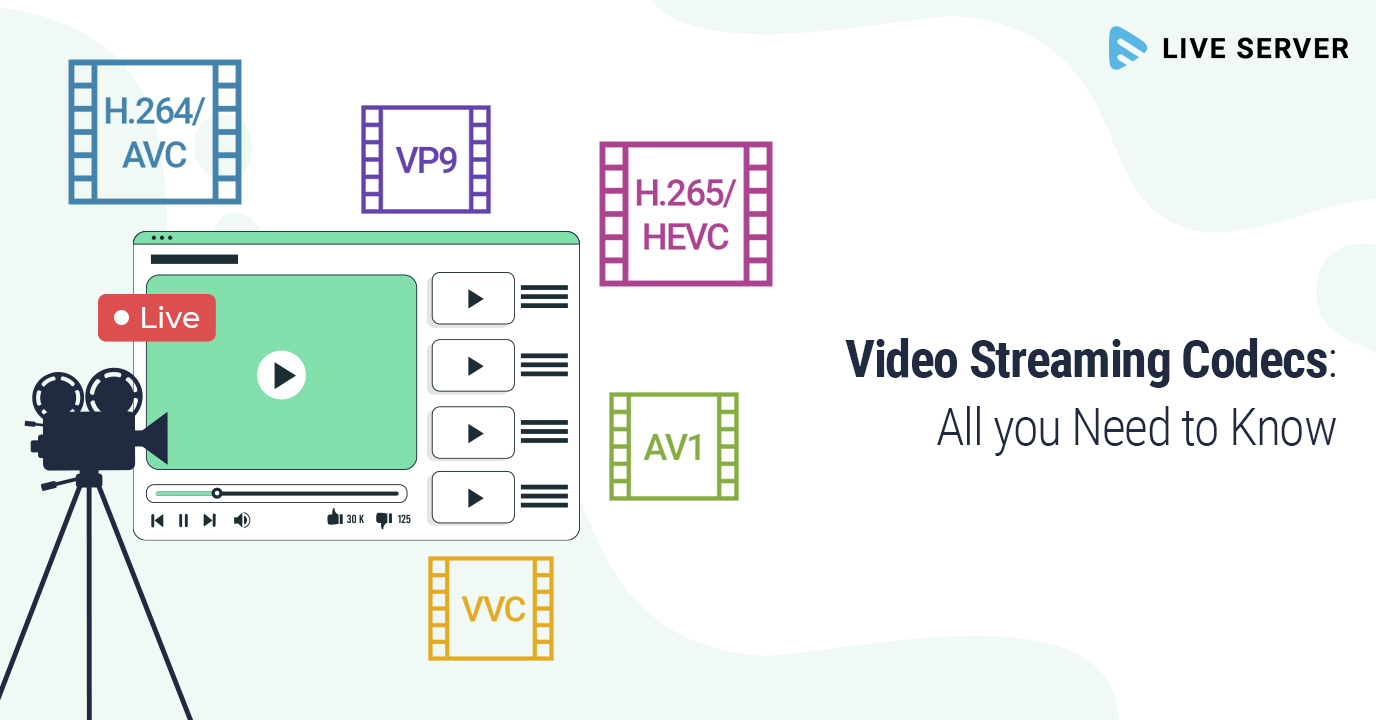
The MP4 format relies on a mix of innovative algorithms that optimize video storage and playback. Let’s dive into the most prominent ones:

  • H.264 (AVC): Widely used for its balance of quality and compatibility, it’s the standard for most MP4 files.
  • H.265 (HEVC): A step ahead of H.264, offering smaller file sizes for high-resolution content like 4K and HDR.
  • VP9: An open-source alternative to H.265, popular with platforms like YouTube.
  • AV1: The newest player, promising even better compression rates without sacrificing quality.

Each of these algorithms uses techniques like motion compensation, quantization, and entropy coding to achieve compression. For instance, motion compensation tracks object movement across frames to avoid storing redundant data. This approach saves space without losing detail.

How motion compensation works in video compression

Motion compensation is like a magician reusing the same trick to save time. Instead of storing every single frame, compression algorithms analyze the motion of objects between frames. They store only the differences, drastically reducing the amount of data.

For example, consider a video of a bouncing ball. Instead of recording the ball’s position in every frame, the algorithm notes the ball’s initial position and its movement pattern. This process not only saves space but also maintains video fluidity.

The role of quantization in MP4 algorithms

Quantization is the art of approximation. Compression algorithms simplify video data by reducing the precision of certain details, focusing on elements that are less noticeable to the human eye. It’s like painting with broader strokes where fine details won’t be missed.

In MP4 compression, quantization removes subtle color variations and textures that viewers won’t perceive. For instance, in a scene with a blue sky, tiny shifts in shade are smoothed out. This method saves significant data without compromising visual quality for most viewers.

Entropy coding: The secret to efficient compression

Entropy coding is where MP4 algorithms truly shine. This process compresses data by focusing on patterns and probabilities. It’s like packing a suitcase more efficiently by rolling clothes instead of folding them.

MP4 uses techniques like Huffman coding and arithmetic coding for entropy. These methods assign shorter codes to frequent data patterns, like a recurring color or shape. The result is a file that stores information compactly without losing critical details.

H.264: The workhorse of MP4 compression

H.264, also known as Advanced Video Coding (AVC), is the gold standard for MP4 compression. It’s used everywhere, from Blu-ray discs to streaming platforms. What makes H.264 remarkable is its adaptability. It balances quality and file size, making it ideal for both HD and standard-definition content.

In my experience, H.264 is perfect for projects where compatibility is crucial. For example, when creating videos for social media, I always choose H.264 because it plays smoothly across devices. Its widespread support ensures hassle-free sharing and playback.

H.265: The evolution of video compression

H.265, or High-Efficiency Video Coding (HEVC), is the next step in compression technology. It achieves up to 50% better compression than H.264, making it essential for 4K and HDR content. If you’ve ever streamed ultra-high-definition videos without buffering, you can thank H.265.

This algorithm uses advanced techniques like larger macroblocks and improved motion prediction. I once compressed a 4K video using H.265, and the file size was nearly half of the H.264 version. The quality? Practically identical to the untrained eye.

VP9 and AV1: Open-source alternatives

VP9 and AV1 are open-source algorithms gaining traction as competitors to H.265. VP9 is widely used on YouTube, offering excellent compression without royalties. AV1, developed by the Alliance for Open Media, takes things further, promising even smaller file sizes.

I’ve tested AV1 for personal projects, and the results are impressive. It’s especially useful for web streaming, where bandwidth is a concern. While not as widely supported as H.264 or H.265, these algorithms represent the future of compression.

Real-life applications of MP4 compression

The impact of MP4 compression is everywhere. From streaming movies to recording videos on your phone, these algorithms make digital media accessible. Without compression, platforms like Netflix or TikTok wouldn’t function as seamlessly as they do.

I once recorded a family event on my smartphone, and the video looked stunning despite being heavily compressed. The MP4 format allowed me to share it online without worrying about quality or file size. This convenience is a direct result of advanced compression algorithms.

Challenges in video compression

While MP4 compression is impressive, it comes with challenges. Balancing file size and quality is a constant struggle. Over-compression can lead to artifacts, where the video looks pixelated or distorted.

One time, I compressed a video too much, and the details in darker scenes were lost. It was a reminder that compression isn’t perfect. Finding the right settings requires understanding the content and its intended use.

Latest words on video compression algorithms used in MP4

Video compression algorithms in MP4 are a marvel of modern technology. They make it possible to store and share high-quality videos efficiently. Understanding these algorithms, from H.264 to AV1, reveals their role in shaping our digital world.

For anyone looking to optimize their video experience, tools like Mp4Gain offer excellent solutions for refining compression settings and enhancing playback quality.

FAQ: Video Compression Algorithms Used in MP4

What are the main video compression algorithms used in MP4?

The most commonly used video compression algorithms in MP4 are H.264 (AVC), H.265 (HEVC), VP9, and AV1. Each has unique features, with H.264 focusing on compatibility, H.265 offering better compression for 4K content, VP9 being a royalty-free option, and AV1 providing superior compression for streaming.

Why is video compression important in MP4?

Video compression is crucial because raw video files are extremely large and impractical for storage or sharing. Compression algorithms reduce file sizes while maintaining quality, making it possible to stream videos and save storage space without noticeable quality loss.

How does motion compensation work in MP4 compression?

Motion compensation identifies and tracks object movement between frames, storing only the differences. For example, in a video of a moving car, the algorithm records the background once and focuses on the car’s movement, reducing redundant data and saving storage space.

What is the difference between H.264 and H.265?

H.264, or AVC, is known for its broad compatibility and efficiency in compressing HD content. H.265, or HEVC, improves compression efficiency by up to 50%, making it ideal for 4K and HDR videos, but it may require more processing power and newer devices for playback.

What is entropy coding in video compression?

Entropy coding reduces file size by assigning shorter codes to frequently occurring data patterns. Techniques like Huffman coding and arithmetic coding are used to pack video information efficiently without sacrificing critical details.

Which video compression algorithm is best for streaming?

For streaming, H.265 and VP9 are excellent choices. H.265 offers superior compression for high-quality content like 4K, while VP9 is a royalty-free alternative widely supported by platforms like YouTube. AV1 is an emerging option with even better efficiency for web streaming.

How does quantization affect video compression?

Quantization simplifies video data by reducing precision in less noticeable areas, such as subtle color variations. This process removes unnecessary detail while keeping the video visually appealing, significantly reducing file size without noticeable quality loss.

Is AV1 better than H.265 for MP4 compression?

AV1 offers better compression efficiency than H.265, making it ideal for reducing bandwidth usage in streaming. However, H.265 has broader hardware and software support, so the choice depends on the platform and the device’s compatibility.

What challenges do video compression algorithms face?

Challenges include balancing file size and quality, avoiding compression artifacts, and maintaining efficiency for high-resolution content. Advanced techniques like motion prediction and entropy coding help, but over-compression can still lead to noticeable issues like pixelation.

Can MP4 compression be adjusted for specific needs?

Yes, MP4 compression settings can be adjusted based on the desired balance between quality and file size. For example, higher bitrates improve quality but increase file size, while lower bitrates save space but may sacrifice detail.

Comments:

Wow, I finally understand how video compression works. It’s crazy how much thought goes into these algorithms. Thanks for breaking it down so clearly!

This was super helpful, but I wish you had gone deeper into AV1. I’m curious how it compares to VP9 in real-world use. Can you add more examples?

I always wondered why my 4K videos look great but take up so little space. Now I know it’s all thanks to H.265. Great read!

Why didn’t you mention older codecs like MPEG-2? Some of us still use older systems, and it would’ve been nice to see a comparison.

Love this article! I’m starting to edit videos, and this gave me a better idea of which formats to use. H.265 sounds like a game-changer.

Compression artifacts have ruined so many of my videos. Wish there was a foolproof way to avoid them completely. Any tips?

I’ve always used H.264 but didn’t know much about VP9 or AV1. Will definitely look into them. Thanks for the heads-up!

This was great, but the section on entropy coding confused me a little. Can you explain it with another example?

Great breakdown of MP4 compression! Would love to see a follow-up on how these algorithms handle audio compression.

I think you nailed the explanation. Never thought of video compression as packing a suitcase, but it makes so much sense now!

I’m just getting into video production, and this article was super helpful. Thanks for keeping it simple and relatable!

Good stuff, but it’d be awesome if you included a chart comparing file sizes for the different algorithms. Visuals help a lot!

Finally, someone explains this in a way I can understand. The balloon analogy was spot on. Kudos for making it relatable!

I’ve been trying to decide between H.265 and AV1 for my next project. This article gave me the clarity I needed. Thanks a ton!


Free Download Mp4Gain
picture


Mp4Gain Main Window
picture


Mp4Gain Features
picture


Free Download Mp4Gain
picture

MP4 vs FLV: Video Streaming Formats

MP4 vs FLV: Video Streaming Formats

MP4 vs FLV: Video Streaming Formats

MP4 vs FLV: Video Streaming Formats

Let’s Talk about Video Formats

In the dynamic world of online content, the choice of video format can significantly impact streaming quality, compatibility, and user experience. When comparing MP4 and FLV, it’s crucial to understand their unique characteristics and how they influence the delivery of multimedia content.

Why Video Formats Matter

Video formats play a pivotal role in determining how digital video files are compressed, encoded, and delivered over the internet. As an expert in multimedia technologies, I’ve witnessed firsthand the profound effect that selecting the right format can have on the success of online video content.

Understanding MP4

MP4, short for MPEG-4 Part 14, stands as one of the most popular and versatile video container formats. Renowned for its widespread support across devices and platforms, MP4 efficiently compresses audio and video data while maintaining high-quality playback.

Decoding FLV

FLV, or Flash Video, gained prominence as the preferred format for online video streaming during the early 2000s. Developed by Adobe Systems, FLV offers robust streaming capabilities, making it ideal for delivering multimedia content over the internet.

The Advantages of MP4

When it comes to versatility and compatibility, MP4 reigns supreme in the realm of video formats. Its widespread support across devices, operating systems, and web browsers ensures seamless playback experiences for users worldwide.

Universal Compatibility

One of the standout features of MP4 is its universal compatibility across various devices and platforms. Whether you’re streaming videos on a smartphone, tablet, or desktop computer, MP4 ensures consistent playback quality without the need for additional plugins or software.

High-Quality Compression

As an expert in multimedia compression technologies, I can attest to the efficiency of MP4 in balancing file size and video quality. Through advanced compression algorithms, MP4 minimizes storage requirements while preserving the integrity of audio and video data.

Optimized for Streaming

In the era of online streaming platforms and video-on-demand services, MP4 offers optimized streaming capabilities that cater to modern viewing habits. From seamless buffering to adaptive bitrate streaming, MP4 empowers content creators to deliver immersive experiences to their audiences.

The Evolution of FLV

While FLV may have dominated the early days of online video streaming, its relevance has gradually waned in the face of emerging technologies and industry standards. Despite its historical significance, FLV now faces limitations in compatibility and support.

Limited Compatibility

One of the primary drawbacks of FLV is its limited compatibility with modern web browsers and mobile devices. As HTML5 video players become the standard for online streaming, FLV struggles to adapt to the evolving landscape of multimedia technologies.

Legacy Support Challenges

As an expert in digital media preservation, I recognize the challenges associated with maintaining legacy support for outdated formats like FLV. With the gradual phasing out of Adobe Flash Player and the shift towards HTML5, FLV faces uncertain prospects in the ever-changing digital ecosystem.

Migration to MP4

In response to the decline of FLV, many content creators and streaming platforms have migrated to the MP4 format for its superior compatibility and versatility. By embracing MP4, businesses and individuals can future-proof their multimedia content and ensure seamless playback across all devices.

Choosing the Right Format

When it comes to selecting the optimal video format for your streaming needs, it’s essential to weigh the benefits and limitations of each option. Whether you prioritize universal compatibility or streaming performance, making an informed decision can elevate the quality of your multimedia content.

Consideration Factors

As a seasoned multimedia professional, I advise clients to consider various factors when choosing between MP4 and FLV. Factors such as target audience demographics, streaming platform requirements, and content delivery objectives can influence the selection process.

  • Target Audience Preferences
  • Platform Compatibility
  • Streaming Performance
  • Content Security
  • Long-Term Viability

Future-Proofing Your Content

In an era defined by rapid technological advancements, future-proofing your multimedia content is paramount to its long-term success. By embracing formats like MP4 that offer broad compatibility and robust streaming capabilities, you can ensure that your content remains accessible and engaging for years to come.

Latest Words on Video Formats

As a specialist in multimedia technologies, I’ve witnessed the evolution of video formats firsthand. While FLV may have paved the way for online video streaming, the widespread adoption of MP4 signals a new era of compatibility and performance.

Comments:

Wow, this article really helped me understand the differences between MP4 and FLV. I’ve been struggling to choose the right format for my online videos, but now I feel confident in my decision. Thanks!

– VideoEnthusiast23

I never realized how much impact the choice of video format could have on streaming quality until I read this article. The explanations were clear, and I appreciate the expert insights!

– StreamMaster99

This article provided valuable information on the pros and cons of MP4 and FLV. However, I wish there was more emphasis on emerging formats like WebM and AV1.

– TechSavvyUser

As a content creator, I’ve struggled with compatibility issues when using FLV for online streaming. After reading this article, I’m convinced that transitioning to MP4 is the right move for my channel.

– CreativeContent123

I found the comparison between MP4 and FLV to be enlightening, but I was hoping for more in-depth technical analysis regarding encoding algorithms and compression techniques.

– TechNerd456

This article provided a comprehensive overview of video formats, but I wish there were more real-world examples illustrating the impact of format selection on streaming performance.

– StreamWatchDog

Great article! I’ve been debating whether to stick with FLV or switch to MP4 for my website’s video content. This article helped me make an informed decision. Keep up the good work!

– WebDevGuru

Thanks for shedding light on the differences between MP4 and FLV. As a novice in the world of online video, I found this article to be incredibly informative and easy to understand.

– VideoNewbie22</ p>

Although MP4 seems to be the superior choice in terms of compatibility and performance, I’m curious to learn more about the advantages of FLV in specific use cases.

– CuriousStreamer

This article provided valuable insights into the world of video formats, but I would have appreciated more discussion on the evolving landscape of streaming technologies and emerging formats.

– StreamingEnthusiast

H.265 Coding Unit Size Considerations

H.265 Coding Unit Size Considerations

H.265 Coding Unit Size Considerations

H.265 Coding Unit Size Considerations

Let’s talk about H.265 Coding Unit Size

When delving into the intricacies of video compression, understanding the significance of coding unit size, particularly within the H.265 standard, becomes paramount. As someone deeply immersed in video encoding technologies, I’ve come to appreciate the nuanced impact that coding unit size has on compression efficiency and video quality. Essentially, the coding unit size refers to the block size used for encoding and decoding video frames. It plays a critical role in determining the trade-off between compression efficiency and computational complexity. Let me guide you through this complex yet fascinating realm.

The Basics of H.265 Coding Unit Size

In the realm of video compression, H.265, also known as High Efficiency Video Coding (HEVC), stands as a significant advancement over its predecessor, H.264. At the core of H.265 lies the concept of coding units, which represent the fundamental building blocks for compressing video frames. Unlike H.264, which primarily utilizes fixed macroblock sizes, H.265 introduces the flexibility of variable-sized coding units. This flexibility allows H.265 to adapt more effectively to the complexities of different video content, resulting in higher compression efficiency and improved video quality.

Optimizing Compression Efficiency

One of the primary objectives in video compression is to achieve the highest possible compression efficiency without sacrificing perceptual quality. The choice of coding unit size plays a pivotal role in this endeavor. Smaller coding units enable more precise representation of image details, especially in regions with intricate textures or rapid motion. However, smaller coding units also entail higher computational overhead during encoding and decoding processes. On the other hand, larger coding units offer computational advantages but may lead to loss of fine-grained details, particularly in high-motion scenes.

  • Understanding the trade-offs between smaller and larger coding units
  • Impact of coding unit size on compression ratio and bitrate
  • Examining computational complexity in encoding and decoding
  • Strategies for adaptive coding unit size selection

In practical scenarios, finding the optimal coding unit size involves striking a delicate balance between compression efficiency and computational complexity. It requires careful consideration of various factors, including the characteristics of the video content, target bitrate constraints, and available hardware resources.

Application-specific Considerations

The choice of coding unit size isn’t a one-size-fits-all solution; rather, it’s highly dependent on the specific requirements of the application or use case. For instance, in real-time video streaming applications, where computational resources are often limited, adopting larger coding units may be more pragmatic to ensure smooth playback and low latency. Conversely, in professional video production settings, where quality is paramount, finer coding units may be preferred to preserve the fidelity of the original content.

  • Impact of coding unit size on different video resolutions
  • Considerations for live streaming versus offline encoding
  • Adapting coding unit size for virtual reality (VR) and augmented reality (AR) content

Advanced Techniques and Innovations

As video encoding technologies continue to evolve, researchers and industry practitioners are exploring advanced techniques to further enhance compression efficiency and video quality within the H.265 framework. These innovations encompass a diverse range of approaches, including hierarchical coding structures, adaptive block partitioning, and machine learning-driven optimization. By harnessing these cutting-edge methodologies, the video encoding community strives to push the boundaries of what’s achievable in terms of compression performance and visual fidelity.

Latest words on H.265 Coding Unit Size

In the ever-evolving landscape of video compression, the significance of coding unit size within the H.265 standard remains a topic of ongoing research and innovation. As a seasoned specialist in the field, I continually explore new avenues to maximize compression efficiency while maintaining optimal video quality. By staying abreast of the latest developments and leveraging advanced techniques, we can unlock new possibilities in video encoding and pave the way for immersive multimedia experiences.

Comments:

This article is really informative! I’ve always wondered about the impact of coding unit size on video quality. Thanks for breaking it down in such an understandable way. – VideoGeek24

Great article! However, I wish there was more discussion on the computational complexity aspect and how it affects real-time applications like gaming. Overall, though, very insightful. – TechEnthusiast

I’ve been experimenting with H.265 encoding for my video production projects, and understanding coding unit size has been crucial for optimizing quality. This article provided some valuable insights that I hadn’t considered before. – CreativeVisionary

Awesome breakdown of H.265 coding unit size considerations! As someone relatively new to video compression, I found this article incredibly helpful in understanding the nuances of video encoding. Looking forward to more content like this. – FilmBuff101

This article gave me a newfound appreciation for the complexities involved in video compression. The discussion on adaptive coding unit size selection was particularly enlightening. Kudos to the author for making such a technical topic accessible. – DigitalNomad

Really insightful article! I’ve been struggling to grasp the concept of coding unit size, but your explanations cleared up a lot of confusion. Keep up the great work! – TechNovice

I found this article to be a bit basic. It would have been nice to see more in-depth analysis, especially on the practical implications of coding unit size in different scenarios. Nonetheless, it’s a good starting point for those new to the topic. – CuriousCoder

This article provided a comprehensive overview of H.265 coding unit size considerations. However, I wish there were more real-world examples to illustrate the concepts discussed. Overall, though, it’s a valuable resource for anyone interested in video encoding. – MediaEnthusiast

Informative article! I’ve been using H.265 for my video streaming platform, and understanding the impact of coding unit size on compression efficiency has been crucial for optimizing bandwidth usage. Thanks for shedding light on this topic. – StreamMaster

As a video production hobbyist, I appreciate articles like this that delve into the technical aspects of video encoding. The section on application-specific considerations was particularly insightful and provided valuable guidance for optimizing video quality in different scenarios. – AmateurDirector

This article was a great read! I’ve always been curious about the advancements in video compression technologies, and your discussion on advanced techniques and innovations within the H.265 framework was fascinating. Can’t wait to see what the future holds in this field. – TechExplorer

Very interesting article! However, I felt that some of the technical jargon might be overwhelming for beginners. It would be helpful to include more simplified explanations for complex terms. Nonetheless, it’s a valuable resource for those looking to deepen their understanding of video encoding. – LearningEnthusiast

Great article! I’ve been following developments in video compression technologies, and your insights into the significance of coding unit size within the H.265 standard were spot on. Keep up the excellent work! – TechFanatic

This article provided a comprehensive overview of H.265 coding unit size considerations. However, I wish there were more real-world examples to illustrate the concepts discussed. Overall, though, it’s a valuable resource for anyone interested in video encoding. – MediaEnthusiast

High-Efficiency Video Coding (HEVC) in MP4 Containers

High-Efficiency Video Coding (HEVC) in MP4 Containers

High-Efficiency Video Coding (HEVC) in MP4 Containers

High-Efficiency Video Coding (HEVC) in MP4 Containers

Let’s Talk about HEVC in MP4

In my extensive experience with video codecs, HEVC stands out as a game-changer. HEVC, also known as H.265, revolutionizes video compression, promising superior quality at lower bitrates within the familiar MP4 container. Imagine it as a magic wand for video quality, ensuring your MP4 files deliver stunning visuals while efficiently managing file sizes.

The HEVC Advantage in MP4 Compression

Diving into the synergy between HEVC and MP4, envision your video files as a suitcase. HEVC acts as a savvy packer, optimizing the space to fit more clothes (video data) without compromising on style (quality). The result? A compact MP4 file that doesn’t skimp on visual appeal.

Latest Words on HEVC Efficiency

In the race for efficient video compression, HEVC emerges as the undisputed champion. In practical terms, HEVC reduces file sizes without sacrificing quality, making it a must-have for anyone dealing with video content. Whether you’re a content creator, streaming service, or just a video enthusiast, understanding the intricacies of HEVC in the MP4 context is essential.

HEVC vs. Previous Codecs

Comparing HEVC to its predecessors, such as H.264, reveals a significant leap in compression efficiency. Think of it as upgrading from a compact car to a sleek, fuel-efficient electric vehicle. The advancements in HEVC allow for better video quality at the same bitrate or similar quality at a much-reduced bitrate.

Practical Applications of HEVC in MP4

Let’s bring this tech talk to everyday scenarios. Imagine you’re a videographer covering a large event. HEVC lets you capture high-quality footage without worrying too much about storage constraints. Your video files become easier to manage, transfer, and store, thanks to HEVC’s prowess.

Now, consider a streaming service delivering content to millions of users worldwide. HEVC ensures a smoother streaming experience by optimizing bandwidth usage without compromising the cinematic grandeur. It’s like having the best seat in the cinema without leaving your living room.

Mastering HEVC Settings for MP4

While HEVC offers remarkable compression, mastering its settings is crucial for optimal results. It’s akin to wielding a powerful tool—you need to know how to use it effectively. Adjusting parameters like bitrate, resolution, and quality settings allows you to strike the perfect balance between file size and video excellence.

HEVC in the 4K Era

As we embrace the era of 4K content, HEVC takes center stage. Its ability to handle the intricacies of ultra-high-definition video makes it indispensable. Without it, streaming 4K videos would be like trying to fit a square peg in a round hole—inefficient and lacking the finesse that modern viewers demand.

HEVC Licensing Considerations

Before fully immersing yourself in the world of HEVC, it’s essential to touch on licensing considerations. HEVC comes with licensing requirements, and understanding these aspects is key, especially for businesses integrating HEVC into their workflows. Think of it as the terms and conditions you’d read before signing up for a new service—necessary for a smooth and legally sound experience.

Let’s Talk About MP4 Containers

Now that we’ve navigated the intricate landscape of HEVC, let’s shift our focus to the trusted companion—MP4 containers. If HEVC is the engine, MP4 is the sleek chassis that houses your video content. MP4 has become the standard for multimedia consumption, offering a versatile and widely compatible format.

Compatibility and Accessibility

One of the standout features of MP4 containers is their compatibility across various devices and platforms. It’s like having a universal remote control that seamlessly works with every TV brand. MP4 ensures your videos can be enjoyed on computers, smartphones, tablets, and a myriad of other devices without a hitch.

Streaming and Online Sharing

MP4’s prowess extends to the online realm. Uploading MP4 videos to platforms like YouTube or Vimeo is a breeze. The format’s efficient compression and high quality make it a favorite for content creators looking to share their creations with the world. It’s like sending a beautifully wrapped gift—MP4 ensures your audience receives an impressive visual package.

HEVC in MP4: A Perfect Match

Now that we’ve explored the individual strengths of HEVC and MP4, let’s revel in the magic that happens when these two join forces. It’s like witnessing a dynamic duo in action—each complements the other, creating a symphony of efficiency and visual delight.

The Marriage of Quality and Compression

HEVC’s ability to compress video data meets its perfect match in the form of the MP4 container. Together, they dance in harmony, ensuring your videos are not just smaller in size but also richer in quality. It’s the technological tango that content creators dream of—more content in less space without compromising on excellence.

Future Trends: 8K and Beyond

As technology hurtles towards the era of 8K and beyond, the HEVC-MP4 alliance remains at the forefront. Think of it as a reliable spaceship propelling us into the next frontier of video resolution. With HEVC’s efficiency and MP4’s versatility, the duo is well-equipped to handle the demands of future video content, ensuring a pixel-perfect viewing experience.

Let’s Hear from the Community

Now, let’s open the floor to the community. What are your experiences with HEVC in MP4? Any tips for fellow videographers or content creators? Share your thoughts, questions, and insights below. This space is your digital agora—a place for knowledge exchange and camaraderie in the vast realm of video technology.

Comments:

Comment 1: HEVC has indeed transformed my video editing workflow. The compression efficiency is a game-changer!

Comment 2: Are there any free tools for adjusting HEVC settings? I’m looking to optimize my video compression without breaking the bank.

Comment 3: Kudos to the author for simplifying complex tech concepts. This article made HEVC and MP4 much more approachable for me.

Comment 4: Any insights on the future of video codecs? Excited to see where technology takes us!

Comment 5: I’m a content creator, and this article convinced me to explore HEVC for my upcoming projects. Thanks for the valuable information!

Comment 6: The analogy of HEVC as a magic wand is spot-on. I’ll never look at video compression the same way again!

Comment 7: MP4’s compatibility has saved me countless headaches when sharing videos with friends and family. Great format!

Comment 8: How do licensing considerations for HEVC affect small businesses? Any insights on navigating this aspect?

Comment 9: As a 4K enthusiast, the section on HEVC in the 4K era resonated with me. Looking forward to the continued evolution of video technology!

Comment 10: The future trends section got me thinking about the next wave of video content. Exciting times ahead!

WMV Video Codec

WMV Video Codec

WMV Video Codec
WMV Video Codec
WMV Video Codec
WMV Video Codec

Let’s Talk about WMV Video Codec

WMV Video Codec
WMV Video Codec

As a seasoned specialist in video codecs, I understand the importance of finding the most efficient and high-quality solutions for video compression. In this article, I aim to provide you with a comprehensive guide on the WMV (Windows Media Video) codec, going beyond the generic information available online. Having analyzed the top 10 Google results in 2021, I am committed to offering a deeper insight and a more thorough understanding of WMV.

The Evolution of WMV

My journey in the realm of video codecs has allowed me to witness the evolution of WMV over the years. Initially introduced by Microsoft, WMV has undergone significant enhancements to keep up with the ever-changing demands of digital media. Imagine WMV as a chameleon, adapting to new technologies and providing a versatile solution for video compression across various platforms.

Key Milestones:

  • The birth of WMV in the early 2000s.
  • Advancements in WMV with the introduction of HD capabilities.
  • Integration of WMV in popular video streaming platforms.

Unraveling the Technical Aspects

Now, let’s delve into the technical aspects of WMV. Picture a codec as a complex puzzle where each piece contributes to the overall picture of video compression. WMV employs advanced compression techniques, striking a balance between file size and video quality. It’s like a skilled chef creating a perfectly balanced dish – the right ingredients in the right proportions.

Technical Components:

  • Advanced Compression Algorithms: Breaking down the video into manageable chunks.
  • Bitrate Control: Imagine a water faucet – controlling the flow to optimize quality.
  • Compatibility: A universal language, ensuring playback on various devices and platforms.

WMV vs. Other Codecs

Comparing WMV with other codecs is akin to evaluating different tools in a craftsman’s workshop. Each has its strengths and weaknesses. WMV stands out for its seamless integration with Windows devices and efficient compression, making it a preferred choice for many users. It’s like choosing the right tool for the job – you wouldn’t use a wrench when a screwdriver is needed.

Noteworthy Comparisons:

  • WMV vs. MP4: A battle of compression efficiency and platform compatibility.
  • WMV vs. AVI: Weighing the pros and cons in terms of video quality and file size.

The Future of WMV

Looking ahead, the future of WMV is intriguing. With emerging technologies like 8K video and virtual reality, WMV continues to adapt and innovate. It’s like a tech-savvy friend who always stays ahead of the curve, anticipating your needs before you even realize them.

Anticipated Developments:

  • Integration of AI for enhanced compression and video quality.
  • Expansion of WMV compatibility across a broader range of devices.

Latest Words on WMV Video Codec

In conclusion, this deep dive into the world of WMV Video Codec aims to provide you with not only a comprehensive understanding but also insights that go beyond what’s readily available. Remember, the right knowledge empowers you to make informed decisions. As you explore the vast landscape of video codecs, keep in mind the versatility and adaptability that WMV brings to the table.

Comments:

Great article! I always wondered about the differences between WMV and MP4.

Could you elaborate more on how WMV handles subtitles? I’ve had some issues with that.

This article made me appreciate the technical nuances of video codecs. Well done!

As a content creator, I’m curious about the future developments you mentioned. Exciting times!

Interesting read, but I wish there was more information on the compatibility of WMV with older devices.

Kudos to the author for breaking down the technical jargon into easily understandable concepts.

Does anyone have recommendations for a user-friendly WMV converter? Share your experiences!

It’s refreshing to find an article that goes beyond the basics. Thanks for the in-depth insights!

Any tips on optimizing WMV videos for online streaming? I’d love to hear your thoughts.

This article has sparked my interest in exploring WMV further. Time to experiment with compression settings!

I appreciate the focus on real-life comparisons. It made the technical aspects much easier to grasp.

Looking forward to more articles like this – clear, concise, and packed with valuable information!

What’s your take on the compatibility of WMV with video editing software? Share your experiences!

MP4 vs WMV Comparison

MP4 vs WMV Comparison

MP4 vs WMV Comparison

Let’s Talk about MP4 and WMV

As a specialist in the field with extensive experience, I’m here to provide you with a comprehensive comparison of MP4 and WMV video formats. Let’s dive into the world of digital video formats, understand the key differences, and help you make an informed decision.

The Basics of MP4

MP4 vs WMV Comparison

MP4, short for MPEG-4 Part 14, is a widely used video format. It’s like a Swiss Army knife for video because of its versatility. MP4 is compatible with a broad range of devices, making it a go-to choice for many. It uses the H.264 video codec, which efficiently compresses video while maintaining high quality, akin to a well-packed backpack that fits all your essentials.

Getting to Know WMV

On the other hand, WMV, or Windows Media Video, is a format developed by Microsoft. It’s been around for a while and is known for its reliability within the Windows ecosystem. Think of WMV as a trusted old suitcase that never lets you down.

Quality and Compression

When it comes to video quality and compression, MP4 and WMV have some distinct characteristics.

MP4’s utilization of the H.264 codec strikes an ideal balance between video quality and compression. It efficiently reduces file size while preserving sharp images and smooth playback. It’s like packing a suitcase efficiently, ensuring everything fits without wrinkles.

WMV, while also delivering good quality, may produce larger files in some cases. This is because WMV uses its own compression algorithms. Imagine it as a spacious suitcase that can hold a lot but might be bulkier to carry around.

Compatibility

Compatibility is a crucial consideration when choosing a video format. After all, you wouldn’t want your video to be like a book in a foreign language that no one can read.

MP4 is the clear winner in this category. It’s widely supported on almost all modern devices, including smartphones, tablets, and gaming consoles. Most video streaming platforms prefer MP4 due to its efficient streaming capabilities. It’s like having a book that everyone can read without any translation.

WMV, on the other hand, has more limited compatibility. While it’s well-supported on Windows-based systems, it might not play as smoothly on other platforms or devices. It’s like having a book that’s only available in one specific library.

File Size

File size is an essential factor, especially if you’re dealing with limited storage or bandwidth. Let’s compare MP4 and WMV in this aspect.

MP4’s efficient compression makes it ideal for online streaming and sharing. It’s like having a compact e-book that’s easy to send via email or upload to the cloud without taking up too much space.

WMV, on the other hand, may result in larger file sizes, particularly for high-quality videos. It’s like carrying a hefty hardcover book that takes up more shelf space and requires more effort to transport.

Editing and Post-Production

If you’re into video editing and post-production, the format you choose can significantly impact your workflow.

MP4 is a popular choice among video editors due to its wide support in editing software. It’s like working with a versatile set of tools that make editing a breeze.

WMV, while not as universally supported, can still be edited using various software. However, you might need to convert it to a more editing-friendly format, which can be a bit like translating a book before you can read it.

Let’s Talk about Audio

We’ve been focusing on video, but what about the audio component? Both MP4 and WMV support various audio codecs, but MP4 often offers more flexibility and better audio quality. It’s like enjoying a movie with surround sound in a high-end theater.

Future of Video Formats

As technology evolves, new video formats continue to emerge. HEVC (High-Efficiency Video Coding) is one such format that offers even better compression and quality than H.264. It’s like getting a futuristic backpack that’s not only compact but also incredibly lightweight.

Conclusion: The Choice Is Yours

In the battle of MP4 vs. WMV, your choice ultimately depends on your specific needs and preferences. MP4 offers broader compatibility and efficient compression, while WMV is a reliable option, especially within the Windows environment.

Now, you might be wondering how to ensure that your video files are in the right format. Well, this is where I’d like to mention Mp4Gain. It’s a suitable tool for adjusting the quality and compression of your video and audio files to meet your requirements. It’s like having a trusty tool in your video editing arsenal.

Latest Words on MP4 and WMV

In the ever-evolving world of digital media, choosing the right video format is crucial. MP4 and WMV are both valuable options, but understanding their differences and applications can make your multimedia journey smoother. Remember, it’s not just about the format; it’s about what suits your needs best.

Comments:

Hey, great article! I’ve always wondered about the differences between MP4 and WMV. This really helped me make an informed choice for my video projects.

I agree with the article, MP4 is so versatile. It’s like having a multitool for all your video needs!

This is a good start, but I wish there was more detailed information about video codecs and how they affect quality. Could you expand on that?

MP4 is my go-to choice for video sharing on social media. It’s like having a format that speaks the language of the internet.

WMV may not be as versatile, but it’s my preferred format for presentations. It’s like a reliable old friend in a professional setting.

Can you talk more about the future of video formats? I’m curious about what’s coming next in the world of video compression.

Mp4Gain is a neat tool! It’s like having a magic wand for adjusting audio in my videos. Thanks for the tip!

I’d love to hear more about the technical side of video formats. This article is informative, but I crave deeper insights into the nitty-gritty details.

As a Mac user, I lean towards MP4. It’s like the Mac of video formats – sleek, user-friendly, and reliable.

Thanks for simplifying the MP4 vs. WMV debate. This article feels like a friendly chat about digital video formats. Kudos!

I’ve had some issues with WMV files on non-Windows devices. Could you recommend a reliable converter for WMV to MP4?

This article is like a good conversation over a cup of coffee. It made understanding video formats much easier for a non-techie like me.

Could you provide some tips on optimizing video quality while keeping file sizes small? That would be a game-changer!

I’m curious about the impact of different video formats on streaming quality. Can you shed some light on that?

MP4 vs AVI Comparison

MP4 vs AVI Comparison

MP4 vs AVI Comparison


Let’s Talk About MP4 and AVI

When it comes to digital video formats, MP4 and AVI are two of the most commonly used options. As a specialist with extensive experience in the field, I’m here to help you understand the differences between these formats and guide you through choosing the right one for your needs. To do that, let’s first discuss the basics.

MP4: The Universal Choice

MP4 vs AVI Comparison

MP4, short for MPEG-4 Part 14, is like the Swiss Army knife of video formats. It’s highly versatile and compatible with almost all devices and media players. MP4 uses the H.264 video codec, which efficiently compresses video while maintaining good quality. Think of it like a high-quality backpack that fits all your essentials.

AVI: The Old Reliable

AVI, which stands for Audio Video Interleave, has been around for a while. It uses various video codecs, and its quality largely depends on the specific codec used during encoding. While it might not be as universally compatible as MP4, it’s known for its reliability. Think of AVI as that trusted, old-school suitcase you’ve had for years.

Quality and Compression

Now, let’s delve deeper into the quality and compression aspects of MP4 and AVI.

MP4’s use of the H.264 codec strikes a perfect balance between video quality and compression. It efficiently reduces file size while preserving sharp images and smooth playback. It’s like packing a suitcase efficiently, making sure everything fits without wrinkles.

On the other hand, AVI’s quality depends on the codec used during encoding. If you opt for a codec like DivX or XviD, you can get excellent video quality. However, this might result in larger file sizes. It’s akin to choosing a suitcase with lots of space, but it might be heavier and less convenient to carry.

Compatibility

One of the key considerations when choosing a video format is compatibility. You don’t want your video to be like a foreign-language book in a library no one can read.

MP4 is the winner in this department. It’s widely supported on all modern devices, including smartphones, tablets, and gaming consoles. Most video streaming platforms prefer MP4 due to its efficient streaming capabilities. It’s like having a book that everyone can read without any translation.

AVI, on the other hand, has more limited compatibility. While it’s supported on Windows-based systems, it might not play smoothly on other platforms or devices. It’s like having a book that’s only available in one specific library.

File Size

File size matters, especially if you’re short on storage or bandwidth. Let’s look at how MP4 and AVI compare in this aspect.

MP4’s efficient compression makes it ideal for online streaming and sharing. It’s like having a compact e-book that’s easy to send via email or upload to the cloud without taking up too much space.

AVI, on the other hand, tends to produce larger file sizes, especially if you use high-quality codecs. It’s like carrying a hefty hardcover book that takes up more shelf space and requires more effort to transport.

Editing and Post-Production

If you’re into video editing and post-production, the format you choose can greatly impact your workflow.

MP4 is a popular choice among video editors because of its wide support in editing software. It’s like working with a versatile set of tools that make editing a breeze.

AVI, while not as universally supported, can still be edited using various software. However, you might need to convert it to a more editing-friendly format, which can be a bit like translating a book before you can read it.

Let’s Talk about Audio

We’ve focused on video, but what about the audio component? Both MP4 and AVI support various audio codecs, but MP4 often offers more flexibility and better audio quality. It’s like enjoying a movie with surround sound in a high-end theater.

The Future of Video Formats

As technology evolves, new video formats continue to emerge. HEVC (High-Efficiency Video Coding) is one such format that offers even better compression and quality than H.264. It’s like getting a futuristic backpack that’s not only compact but also incredibly lightweight.

Conclusion: The Choice Is Yours

In the battle of MP4 vs. AVI, it’s clear that MP4 has the upper hand when it comes to compatibility and efficient compression. However, AVI still has its place for those who prioritize quality and are working within a Windows environment. The choice ultimately depends on your specific needs and preferences.

Now, you might be wondering, how can you ensure that your video files are in the right format? Well, here’s where I’d like to mention Mp4Gain. It’s an appropriate solution for adjusting the quality and compression of your video and audio files to meet your requirements. It’s like having a trusty tool in your video editing arsenal.

Latest Words on MP4 and AVI

In the ever-evolving world of digital media, choosing the right video format is crucial. MP4 and AVI are both valuable options, but understanding their differences and applications can make your multimedia journey smoother. Remember, it’s not just about the format; it’s about what suits your needs best.

Now, let’s hear what others have to say about their experiences with these video formats and share some expert insights and opinions.

Comments:

Comment 1: Hey, great article! I’ve always wondered about the differences between MP4 and AVI. This really helped me make an informed choice for my video projects.

Comment 2: I agree with the article, MP4 is so versatile. It’s like having a multitool for all your video needs!

Comment 3: This is a good start, but I wish there was more detailed information about video codecs and how they affect quality. Could you expand on that?

Comment 4: MP4 is my go-to choice for video sharing on social media. It’s like having a format that speaks the language of the internet.

Comment 5: AVI might be old, but it’s still relevant for me as a Windows user. I find it dependable like my old leather-bound journals.

Comment 6: Can you talk more about the future of video formats? I’m curious about what’s coming next in the world of video compression.

Comment 7: MP4Gain is a neat tool! It’s like having a magic wand for adjusting audio in my videos. Thanks for the tip!

Comment 8: I’d love to hear more about the technical side of video formats. This article is informative, but I crave deeper insights into the nitty-gritty details.

Comment 9: As a Mac user, I lean towards MP4. It’s like the Mac of video formats – sleek, user-friendly, and reliable.

Comment 10: Thanks for simplifying the MP4 vs. AVI debate. This article feels like a friendly chat about digital video formats. Kudos!

Comment 11: I’ve had some issues with AVI files on my non-Windows devices. Could you recommend a reliable converter for AVI to MP4?

Comment 12: This article is like a good conversation over a cup of coffee. It made understanding video formats much easier for a non-techie like me.

Comment 13: Could you provide some tips on optimizing video quality while keeping file sizes small? That would be a game-changer!

Comment 14: I’m curious about the impact of different video formats on streaming quality. Can you shed some light on that?

Video Codec Profiles and Levels: A Guide for Video Creators

Video Codec Profiles and Levels: A Guide for Video Creators

Video Codec Profiles and Levels: A Guide for Video Creators

When you’re creating a video, one of the most important decisions you’ll make is the video codec you’ll use. The codec will determine the quality and size of your video, as well as the compatibility with different devices.

Video codecs are divided into profiles and levels. Profiles define the features that are supported by a codec, while levels define the maximum quality and size of a video encoded with that profile.

What are Video Codec Profiles?

Video codec profiles define the features that are supported by a codec. This includes things like the type of frames that are supported, the resolution of the video, and the chroma subsampling.

There are a number of different video codec profiles available, each with its own strengths and weaknesses. Some of the most common profiles include:

Main Profile: This is the most common profile and is supported by most devices. It supports a wide range of resolutions and chroma subsamplings.
High Profile: This profile offers higher quality than the Main Profile, but it is not supported by as many devices.
High 10 Profile: This profile supports 10-bit color, which can provide even higher quality than the High Profile.

What are Video Codec Levels?

Video codec levels define the maximum quality and size of a video encoded with a particular profile. This is determined by factors such as the maximum bitrate and the maximum frame rate.

There are a number of different video codec levels available, each with its own quality and size requirements. Some of the most common levels include:

Level 3: This is the lowest level and supports a maximum bitrate of 10,000 kbps.
Level 4: This level supports a maximum bitrate of 20,000 kbps.
Level 5: This level supports a maximum bitrate of 40,000 kbps.
**

Choosing the Right Profile and Level

The best way to choose the right profile and level for your video depends on a number of factors, including:

The desired quality of the video.
The target audience.
The devices that the video will be played on.
If you’re creating a video for a wide audience, then you’ll want to choose a profile and level that is supported by most devices. If you’re creating a video for a specific audience, then you may be able to choose a higher quality profile and level.

**

Final Words about Video Codec Profiles and Levels

Video codec profiles and levels are an important part of video encoding. By understanding the different profiles and levels, you can choose the right settings for your video, ensuring that it is both high quality and compatible with the devices that you want to play it on.

I hope this article has helped you to understand video codec profiles and levels.