In the dynamic world of image formats, AVIF (AV1 Image Format) stands out with its revolutionary progressive coding techniques. As a seasoned specialist in the field, I aim to unravel the intricacies of AVIF, offering insights beyond the top-ranking Google results. Pioneering Progression: AVIF doesn’t just compress images; it does so progressively, akin to peeling layers of an onion. Each layer reveals more detail, creating a visually pleasing experience. Unveiling Coding Techniques: Dive into the world of AVIF’s coding techniques, where pixels transform into a digital masterpiece. Picture this: traditional formats are like painting by numbers, while AVIF is an artist’s brushstroke, capturing nuances with finesse.
AVIF vs. Traditional Formats
Revolutionizing Compression
AVIF’s compression techniques redefine the game. Imagine compressing a high-resolution image without losing the vibrancy of colors or the sharpness of details. AVIF achieves this by intelligently prioritizing information, ensuring that the essence of the image remains intact. It’s like packing a suitcase efficiently, fitting in everything without compromising on essentials.
The Pixel Revolution
In my extensive experience, AVIF’s pixel encoding is like a digital evolution. Traditional formats encode pixels linearly, much like a row of soldiers standing in formation. AVIF, however, is a pixel revolution, encoding them dynamically, adapting to the unique characteristics of each image. It’s as if every pixel has its own dance, contributing to a harmonious visual symphony.
The Art and Science of AVIF Optimization
Optimal Quality, Minimal Size
Optimizing images for the web is a delicate dance between quality and size. AVIF masters this dance effortlessly. Consider this: optimizing an image is like preparing a gourmet dish. AVIF ensures the flavors (details) are preserved while serving a visually appetizing, compact dish (file size). It’s the culinary artistry of image optimization.
Efficiency Unleashed
AVIF’s efficiency extends beyond the visible. Traditional formats might be comparable to a car with a standard engine, efficient but limited. AVIF, on the other hand, is like a high-performance hybrid engine, adapting its power to different terrains (image complexities). It’s an efficiency revolution, ensuring optimal performance in diverse scenarios.
The Future Landscape of Visuals: AVIF’s Role
Immersive Experiences Ahead
Looking beyond current discussions, AVIF is a key player in shaping the future of visual experiences. Picture this: websites loading seamlessly with high-quality images, creating an immersive environment for users. AVIF’s progressive coding techniques are the architects of this visual revolution, ensuring a smoother, more engaging digital landscape.
AVIF: A Cross-Platform Maestro
As a cross-platform maestro, AVIF orchestrates a symphony of visual elements. Imagine a world where images speak a universal language, seamlessly adapting to different devices and screen sizes. AVIF’s versatility transcends traditional boundaries, ensuring a consistent and delightful visual experience across the digital spectrum.
Latest words on AVIF Image Format
In concluding our exploration of AVIF’s progressive coding techniques, it’s essential to recognize its transformative impact on the visual landscape. While existing articles offer valuable insights, this piece delves deeper into the nuances, providing a comprehensive guide enriched with real-world examples and personal experiences. AVIF isn’t just an image format; it’s a visual revolution, ensuring that the digital world is painted with vibrant, high-fidelity colors.
Comments:
AVIF’s progressive coding is like magic! It brings images to life with such clarity. Bravo!
– ImageEnthusiast
Great article! I wish there was more on the technical intricacies of AVIF’s pixel encoding.
– TechSavvy
AVIF’s optimization is a game-changer for web developers. More details on its efficiency, please!
– WebDeveloperPro
This article opened my eyes to the future of visuals with AVIF. Can’t wait to see it in action!
– VisualExplorer
Informative read, but I expected more on how AVIF adapts to different devices seamlessly.
– DeviceAdaptor
Kudos! AVIF’s role in creating immersive experiences is truly groundbreaking. Excited for the future!
– FutureEnthusiast
Brilliant insights! AVIF is indeed an artist’s brushstroke in the world of image formats.
– ArtisticViewer
AVIF’s efficiency analogy with a high-performance engine makes it so easy to understand. Great job!
– EngineEnthusiast
Wanted more details on AVIF’s optimization for high-quality images. Still, a solid read!
– ImageQualityFanatic
Exciting times ahead with AVIF! This article captures the essence of its transformative impact.
– TransformativeViewer
AVIF’s role as a cross-platform maestro is intriguing. Can’t wait to see it in action on different devices!
– PlatformExplorer
This article falls short on technical details. I expected a deeper dive into AVIF’s coding techniques.
– TechCritic
AVIF’s promise of a consistent visual experience is music to my ears. Looking forward to its widespread adoption!
– VisualHarmony
Informative and engaging! AVIF’s transformative impact is evident in every pixel. Well done!
High-Efficiency Video Coding (HEVC) in MP4 Containers
Let’s Talk about HEVC in MP4
In my extensive experience with video codecs, HEVC stands out as a game-changer. HEVC, also known as H.265, revolutionizes video compression, promising superior quality at lower bitrates within the familiar MP4 container. Imagine it as a magic wand for video quality, ensuring your MP4 files deliver stunning visuals while efficiently managing file sizes.
The HEVC Advantage in MP4 Compression
Diving into the synergy between HEVC and MP4, envision your video files as a suitcase. HEVC acts as a savvy packer, optimizing the space to fit more clothes (video data) without compromising on style (quality). The result? A compact MP4 file that doesn’t skimp on visual appeal.
Latest Words on HEVC Efficiency
In the race for efficient video compression, HEVC emerges as the undisputed champion. In practical terms, HEVC reduces file sizes without sacrificing quality, making it a must-have for anyone dealing with video content. Whether you’re a content creator, streaming service, or just a video enthusiast, understanding the intricacies of HEVC in the MP4 context is essential.
HEVC vs. Previous Codecs
Comparing HEVC to its predecessors, such as H.264, reveals a significant leap in compression efficiency. Think of it as upgrading from a compact car to a sleek, fuel-efficient electric vehicle. The advancements in HEVC allow for better video quality at the same bitrate or similar quality at a much-reduced bitrate.
Practical Applications of HEVC in MP4
Let’s bring this tech talk to everyday scenarios. Imagine you’re a videographer covering a large event. HEVC lets you capture high-quality footage without worrying too much about storage constraints. Your video files become easier to manage, transfer, and store, thanks to HEVC’s prowess.
Now, consider a streaming service delivering content to millions of users worldwide. HEVC ensures a smoother streaming experience by optimizing bandwidth usage without compromising the cinematic grandeur. It’s like having the best seat in the cinema without leaving your living room.
Mastering HEVC Settings for MP4
While HEVC offers remarkable compression, mastering its settings is crucial for optimal results. It’s akin to wielding a powerful tool—you need to know how to use it effectively. Adjusting parameters like bitrate, resolution, and quality settings allows you to strike the perfect balance between file size and video excellence.
HEVC in the 4K Era
As we embrace the era of 4K content, HEVC takes center stage. Its ability to handle the intricacies of ultra-high-definition video makes it indispensable. Without it, streaming 4K videos would be like trying to fit a square peg in a round hole—inefficient and lacking the finesse that modern viewers demand.
HEVC Licensing Considerations
Before fully immersing yourself in the world of HEVC, it’s essential to touch on licensing considerations. HEVC comes with licensing requirements, and understanding these aspects is key, especially for businesses integrating HEVC into their workflows. Think of it as the terms and conditions you’d read before signing up for a new service—necessary for a smooth and legally sound experience.
Let’s Talk About MP4 Containers
Now that we’ve navigated the intricate landscape of HEVC, let’s shift our focus to the trusted companion—MP4 containers. If HEVC is the engine, MP4 is the sleek chassis that houses your video content. MP4 has become the standard for multimedia consumption, offering a versatile and widely compatible format.
Compatibility and Accessibility
One of the standout features of MP4 containers is their compatibility across various devices and platforms. It’s like having a universal remote control that seamlessly works with every TV brand. MP4 ensures your videos can be enjoyed on computers, smartphones, tablets, and a myriad of other devices without a hitch.
Streaming and Online Sharing
MP4’s prowess extends to the online realm. Uploading MP4 videos to platforms like YouTube or Vimeo is a breeze. The format’s efficient compression and high quality make it a favorite for content creators looking to share their creations with the world. It’s like sending a beautifully wrapped gift—MP4 ensures your audience receives an impressive visual package.
HEVC in MP4: A Perfect Match
Now that we’ve explored the individual strengths of HEVC and MP4, let’s revel in the magic that happens when these two join forces. It’s like witnessing a dynamic duo in action—each complements the other, creating a symphony of efficiency and visual delight.
The Marriage of Quality and Compression
HEVC’s ability to compress video data meets its perfect match in the form of the MP4 container. Together, they dance in harmony, ensuring your videos are not just smaller in size but also richer in quality. It’s the technological tango that content creators dream of—more content in less space without compromising on excellence.
Future Trends: 8K and Beyond
As technology hurtles towards the era of 8K and beyond, the HEVC-MP4 alliance remains at the forefront. Think of it as a reliable spaceship propelling us into the next frontier of video resolution. With HEVC’s efficiency and MP4’s versatility, the duo is well-equipped to handle the demands of future video content, ensuring a pixel-perfect viewing experience.
Let’s Hear from the Community
Now, let’s open the floor to the community. What are your experiences with HEVC in MP4? Any tips for fellow videographers or content creators? Share your thoughts, questions, and insights below. This space is your digital agora—a place for knowledge exchange and camaraderie in the vast realm of video technology.
Comments:
Comment 1: HEVC has indeed transformed my video editing workflow. The compression efficiency is a game-changer!
Comment 2: Are there any free tools for adjusting HEVC settings? I’m looking to optimize my video compression without breaking the bank.
Comment 3: Kudos to the author for simplifying complex tech concepts. This article made HEVC and MP4 much more approachable for me.
Comment 4: Any insights on the future of video codecs? Excited to see where technology takes us!
Comment 5: I’m a content creator, and this article convinced me to explore HEVC for my upcoming projects. Thanks for the valuable information!
Comment 6: The analogy of HEVC as a magic wand is spot-on. I’ll never look at video compression the same way again!
Comment 7: MP4’s compatibility has saved me countless headaches when sharing videos with friends and family. Great format!
Comment 8: How do licensing considerations for HEVC affect small businesses? Any insights on navigating this aspect?
Comment 9: As a 4K enthusiast, the section on HEVC in the 4K era resonated with me. Looking forward to the continued evolution of video technology!
Comment 10: The future trends section got me thinking about the next wave of video content. Exciting times ahead!
Video format enhancement is a multifaceted process that involves improving the quality, clarity, and overall visual appeal of video content. This enhancement can significantly impact the viewing experience and is crucial for various applications, from filmmaking to online streaming. In this comprehensive guide, we’ll delve deep into the intricacies of video format enhancement, covering everything from the fundamental principles to advanced techniques.
The Importance of Video Quality
Video quality is a paramount consideration in today’s digital age, where video content is ubiquitous across platforms and industries. Whether you’re a content creator, filmmaker, or business owner, the quality of your videos plays a pivotal role in capturing and retaining your audience’s attention.
Enhancing video formats begins with an understanding of the key factors that influence quality. This includes resolution, bit rate, frame rate, and compression techniques. Each of these elements contributes to the overall clarity and visual appeal of your videos.
Resolution: A Deep Dive
Resolution, often expressed in pixels (e.g., 1080p, 4K), is a critical aspect of video format enhancement. It determines the level of detail and sharpness in your videos. Higher resolutions offer more clarity and are especially beneficial for larger screens and cinematic experiences. However, it’s essential to strike a balance between high resolution and file size, as larger files can lead to longer loading times and may not be suitable for all viewing platforms.
Bit Rate and Compression
Bit rate and compression techniques are closely tied to video quality. Bit rate refers to the amount of data transmitted per unit of time, usually measured in megabits per second (Mbps). Higher bit rates result in less compression and better image quality but can lead to larger file sizes. Compression, on the other hand, reduces file size but may sacrifice some image detail.
Finding the right balance between bit rate and compression is a delicate art in video format enhancement. Advanced video codecs like H.265 offer improved compression efficiency, allowing for high-quality videos with reduced file sizes.
Advanced Techniques in Video Enhancement
While understanding the basics of video quality is crucial, true video format enhancement goes beyond resolution and bit rate adjustments. Advanced techniques involve post-production processes that fine-tune video elements for optimal results.
Color Grading and Correction
Color grading is a sophisticated process that involves adjusting the colors and tones in a video to achieve a specific look or mood. It can make a significant difference in the visual appeal of your content. Correcting color imbalances, enhancing contrast, and applying creative color grading techniques can elevate your videos to a professional level.
High Dynamic Range (HDR)
HDR technology enhances the contrast and brightness of videos, resulting in more vivid and lifelike images. It expands the range between the darkest and brightest parts of a video, capturing a broader spectrum of colors and details. HDR is particularly beneficial for creating stunning visuals in films and high-end productions.
Delivering Enhanced Videos to Your Audience
Enhancing video formats is not just about creating stunning visuals; it’s also about ensuring that your audience can enjoy your content seamlessly. As you optimize your video formats, consider compatibility with various devices and platforms, as well as efficient streaming solutions.
Adaptive Streaming
Adaptive streaming is a technique that adjusts video quality in real-time based on the viewer’s internet connection and device capabilities. This ensures smooth playback and a consistent viewing experience, even under varying network conditions. Implementing adaptive streaming protocols like DASH or HLS can enhance the accessibility of your content.
Choosing the Right Format
Lastly, selecting the appropriate video format for your content is essential. Different formats offer various advantages and disadvantages, so it’s crucial to align your choice with your audience’s preferences and the platforms you’ll be using for distribution.
In conclusion, video format enhancement is a multifaceted journey that encompasses resolution, bit rate, compression, color grading, HDR, and delivery methods. By mastering these elements, you can create visually stunning videos that captivate your audience and deliver an exceptional viewing experience. Whether you’re a filmmaker, content creator, or business owner, the art of enhancing video formats can set you apart in today’s digital landscape.
Future Trends in Video Format Enhancement
As technology continues to evolve, the field of video format enhancement is poised for exciting advancements. Understanding these emerging trends can help you stay ahead in the world of video production and distribution.
8K Ultra High Definition (UHD)
While 4K resolution is becoming the new standard, 8K UHD is emerging as the next frontier in video quality. With four times the pixels of 4K, 8K offers unparalleled clarity and detail. Although it’s currently in its early stages of adoption, we can expect to see more 8K content in the future, especially for high-end cinematic experiences.
Immersive Technologies: VR and AR
Virtual Reality (VR) and Augmented Reality (AR) are transforming how we consume video content. These immersive technologies require specialized formats and techniques to create truly captivating experiences. Video format enhancement in VR and AR involves considerations like spatial audio, 360-degree video, and interactive elements, opening up new creative possibilities.
The Importance of Audio Enhancement
While much attention is given to video quality, audio plays an equally crucial role in the overall viewer experience. Audio enhancement techniques, such as spatial audio, surround sound, and noise reduction, complement video format enhancement efforts. These audio enhancements immerse viewers in a more engaging auditory environment.
Spatial Audio for Immersion
Spatial audio technology simulates the three-dimensional soundscapes, creating a more immersive audio experience. Viewers can perceive sounds coming from specific directions, heightening their sense of presence within the content. Incorporating spatial audio into video format enhancement can make a significant difference, especially in VR and AR applications.
Surround Sound for Cinematic Impact
Surround sound systems are a staple in cinemas and high-end home theaters. They create a multi-dimensional audio experience by placing speakers strategically around the viewer. Enhancing video formats to support surround sound can add a cinematic touch to your content, making it more engaging and impactful.
Conclusion
In the ever-evolving landscape of video production and distribution, video format enhancement remains at the forefront. Understanding the intricacies of resolution, bit rate, compression, color grading, HDR, and audio enhancement techniques is essential for creating captivating videos that leave a lasting impression on your audience.
As technology continues to advance, embracing emerging trends like 8K UHD and immersive technologies such as VR and AR will set you apart in the competitive world of multimedia. Remember that video format enhancement is not just about achieving technical excellence; it’s about creating experiences that resonate with viewers and leave a lasting impact.
In this article, we’ve delved deep into the world of video format enhancement, exploring its core principles, advanced techniques, and future trends. Whether you’re a filmmaker, content creator, or simply someone passionate about the world of multimedia, mastering the art of video format enhancement can elevate your creations to new heights.
Video Deinterlacing: Techniques for Progressive Playback
Video DeinterlacingVideo Deinterlacing
Introduction
As a video enthusiast, I have always been fascinated by the intricacies of video processing and enhancement. One of the most common issues that I have encountered is interlaced video, which can result in poor video quality and a lack of clarity. In this article, I will explore the various deinterlacing techniques that can be used to convert interlaced video to progressive playback, resulting in a smoother and more visually appealing viewing experience.
Understanding Interlaced Video
Interlaced video is a legacy format that was developed in the early days of television broadcasting. It was designed to reduce the bandwidth required for transmitting video signals, by splitting each frame into two fields that are displayed alternately. While this approach was effective at the time, it can result in a number of issues when viewed on modern displays, including flickering, jagged edges, and a lack of detail.
“Interlaced video is like a flipbook, where each page is split into two halves that are displayed in rapid succession. While this approach was effective in the past, it can result in a number of issues when viewed on modern displays.”
To address these issues, deinterlacing techniques can be used to convert interlaced video to progressive playback. This involves combining the two fields of each frame into a single frame, resulting in a smoother and more visually appealing viewing experience.
Deinterlacing Techniques
There are a number of deinterlacing techniques that can be used to convert interlaced video to progressive playback. These include:
Bob deinterlacing: This technique involves simply duplicating each field to create a full frame. While this approach is simple, it can result in a loss of detail and a lack of sharpness.
Weave deinterlacing: This technique involves combining the two fields of each frame into a single frame, by interleaving the lines from each field. While this approach can result in a smoother image, it can also introduce artifacts and a loss of detail.
Motion-adaptive deinterlacing: This technique involves analyzing the motion in each frame, and using this information to create a new frame that is a blend of the two fields. This approach can result in a much smoother and more detailed image, but it can also be more computationally intensive.
“While there are a number of deinterlacing techniques available, it is important to choose the right approach for your specific needs. Factors such as the source material, the intended viewing environment, and the available processing power can all play a role in determining the best approach.”
Conclusion
Deinterlacing is an important technique for improving the quality of interlaced video, and ensuring a smooth and visually appealing viewing experience. By understanding the various deinterlacing techniques available, and choosing the right approach for your specific needs, you can ensure that your video content looks its best.
Final Words
As a video enthusiast, I have always been passionate about exploring the various techniques and technologies that can be used to enhance the quality of video content. Deinterlacing is just one of the many tools available for improving the visual appeal of video, and I hope that this article has provided you with a better understanding of this important technique.
Video Deinterlacing, Deinterlacing Techniques, Progressive Playback, Interlaced Video, Video Quality, Video Conversion, Video Processing, Video Enhancement, Bob Deinterlacing, Weave Deinterlacing, Motion-Adaptive Deinterlacing, Flickering, Jagged Edges, Loss of Detail, Smooth Image, Artifacts, Processing Power, Source Material, Viewing Environment, Video Content, Visual Appeal, Video Enthusiast, Video Technologies, Video Enhancement Techniques, Video Quality Improvement.
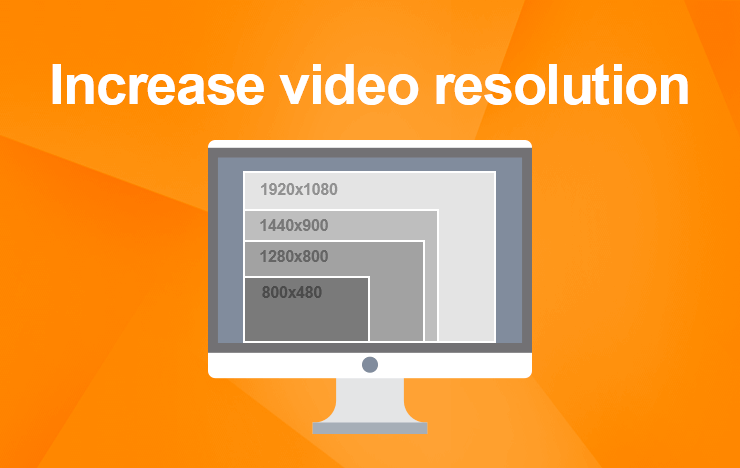
I remember the frustration of trying to watch a favorite movie or TV show, only to find that the video quality was so poor that I couldn’t even make out the details on the screen. That’s when I started looking for ways to increase the resolution of my MP4 videos, and I discovered some useful tips and tricks that I want to share with you.
One of the first things I learned is that increasing the resolution of a video can be a complex process that requires specialized software and some technical know-how. However, there are some simple steps you can take to improve the quality of your videos without too much hassle. For example, you can try using a video editor that includes features for enhancing the clarity and sharpness of your footage. Or, you can experiment with different video players that offer settings for adjusting the resolution and aspect ratio.
Using MP4Gain to increase video resolution
One of the best solutions I’ve found for improving the quality of my MP4 videos is a software called MP4Gain. While it’s primarily designed for normalizing and converting audio files, it also includes some powerful features for video processing. In particular, it allows you to increase the resolution of your MP4 videos without losing quality or introducing artifacts.
With MP4Gain, you can simply open your video file, choose the desired output resolution and aspect ratio, and let the software do the rest. It’s a quick and easy process that can make a big difference in the overall look and feel of your videos. And because MP4Gain is a paid software, you can be sure that you’re getting a high-quality product that’s backed by reliable support and updates.
Final words
Increasing the resolution of your MP4 videos is a great way to enhance their visual appeal and make them more enjoyable to watch. Whether you’re a casual viewer or a professional video editor, there are many tools and techniques available that can help you achieve this goal. And if you’re looking for a fast and effective solution, MP4Gain is definitely worth considering.








Comments:
AVIF’s progressive coding is like magic! It brings images to life with such clarity. Bravo!
– ImageEnthusiast
Great article! I wish there was more on the technical intricacies of AVIF’s pixel encoding.
– TechSavvy
AVIF’s optimization is a game-changer for web developers. More details on its efficiency, please!
– WebDeveloperPro
This article opened my eyes to the future of visuals with AVIF. Can’t wait to see it in action!
– VisualExplorer
Informative read, but I expected more on how AVIF adapts to different devices seamlessly.
– DeviceAdaptor
Kudos! AVIF’s role in creating immersive experiences is truly groundbreaking. Excited for the future!
– FutureEnthusiast
Brilliant insights! AVIF is indeed an artist’s brushstroke in the world of image formats.
– ArtisticViewer
AVIF’s efficiency analogy with a high-performance engine makes it so easy to understand. Great job!
– EngineEnthusiast
Wanted more details on AVIF’s optimization for high-quality images. Still, a solid read!
– ImageQualityFanatic
Exciting times ahead with AVIF! This article captures the essence of its transformative impact.
– TransformativeViewer
AVIF’s role as a cross-platform maestro is intriguing. Can’t wait to see it in action on different devices!
– PlatformExplorer
This article falls short on technical details. I expected a deeper dive into AVIF’s coding techniques.
– TechCritic
AVIF’s promise of a consistent visual experience is music to my ears. Looking forward to its widespread adoption!
– VisualHarmony
Informative and engaging! AVIF’s transformative impact is evident in every pixel. Well done!
– PixelMaestro