Importance of LUFS in Video or Audio Normalization


Free Download Mp4Gain
picture

Importance of LUFS in Video or Audio Normalization

Importance of LUFS in Video or Audio Normalization

Let’s talk about the Importance of LUFS in Video or Audio Normalization

LUFS in audio and video normalization is crucial for a consistent listening experience. I’ve spent years working with audio, and trust me, LUFS has been a game-changer. Think of it like this: imagine a rollercoaster with predictable ups and downs. That’s what LUFS helps us achieve with sound. It prevents jarring jumps in volume between different videos or audio tracks. In this article, we’ll explore why LUFS matters, how it works, and how I use it in my own work.

Understanding LUFS and Its Role in Normalization

LUFS, or Loudness Units Full Scale, measures perceived loudness. I like to think of it as a more sophisticated volume knob. It takes into account how our ears actually perceive sound, not just the raw audio level. Normalization, then, uses LUFS to level out the overall loudness.

Why LUFS Matters for Consistent Audio Levels

Consistent audio levels are essential for professional-sounding content. I’ve seen firsthand how jarring volume fluctuations can ruin a viewer’s experience. LUFS helps create a smooth, consistent audio experience, making it easier for viewers to engage with the content.

Benefits of Using LUFS for Normalization

LUFS-based normalization offers several benefits. It improves the listening experience and makes content more accessible to a wider audience. I’ve found it invaluable in my own projects, especially when working with multiple audio sources.

  • Improved viewer experience

    No more annoying volume jumps between scenes or videos. It’s a smoother ride for the ears.

  • Better accessibility

    Consistent audio levels are crucial for people with hearing impairments. LUFS normalization makes content more inclusive.

  • Professional sound quality

    LUFS helps achieve a polished, professional sound. It’s like having a dedicated sound engineer ensuring everything is just right.

How LUFS Works in Practice

LUFS measures the average loudness of audio over time. It’s like taking the temperature of a room, not just a single spot. This gives a more accurate representation of how we perceive loudness.

Implementing LUFS in Your Workflow

Integrating LUFS into your workflow is easier than you might think. Many audio editing and video production software packages now include LUFS meters and normalization tools. I use them all the time.

LUFS vs. Peak Normalization: Understanding the Difference

Peak normalization simply adjusts the highest peak to a target level. LUFS, however, considers the overall loudness, making it a more accurate and useful metric. Think of it as looking at the whole forest, not just the tallest tree.

Common LUFS Standards and Target Levels

Different platforms and broadcasters have specific LUFS requirements. Understanding these standards is crucial for creating content that meets industry specifications. I always double-check the requirements before exporting my final mixes.

Addressing Challenges and Misconceptions about LUFS

Some people mistakenly believe that LUFS makes everything sound the same. That’s not true. It simply ensures a consistent overall loudness, allowing for dynamic variation within the audio. I’ve found this to be a major advantage in my work.

Advanced Techniques with LUFS

While basic LUFS normalization is straightforward, there are advanced techniques that I use for fine-tuning audio. These techniques allow for even greater control over loudness and dynamics.

FAQ about Importance of LUFS in Video or Audio Normalization

What is LUFS in simple terms?

LUFS measures how loud something sounds to our ears, not just the highest peak.

Why is LUFS important for video and audio normalization?

LUFS ensures consistent loudness, preventing jarring volume changes.

What’s the difference between LUFS and peak normalization?

Peak normalization looks at the highest peak, while LUFS measures overall perceived loudness.

How do I measure LUFS in my audio?

Most audio editing software includes LUFS meters.

What are common LUFS targets for different platforms?

Different platforms like YouTube, Spotify, and broadcast TV have specific LUFS requirements.

Does LUFS normalization make everything sound the same?

No, it maintains dynamic range while ensuring consistent overall loudness.

How can I implement LUFS in my workflow?

Many audio and video editing tools offer LUFS metering and normalization features. Mp4Gain is a great tool.

What are some advanced techniques for using LUFS?

Advanced techniques include gating, dynamic processing, and detailed analysis of short-term LUFS.

Why are different LUFS standards necessary?

Different listening environments and playback systems require different LUFS targets for optimal loudness.

What are the benefits of using LUFS for podcasts?

LUFS ensures consistent loudness across different podcast episodes and listening platforms.

Latest words on Importance of LUFS in Video or Audio Normalization

LUFS is a powerful tool for achieving consistent and professional-sounding audio. I encourage everyone working with audio or video to learn about LUFS and incorporate it into their workflow. Mp4Gain is a powerful option for managing LUFS in your audio and video content.

Comments:

This article totally cleared up my confusion about LUFS. Thanks for the simple explanations! – AudioNewbie

I’ve been meaning to learn more about LUFS. This was super helpful! – VideoEditorPro

Great article! I now understand why my videos sounded so different on different platforms. – YouTubeCreator

Thanks for explaining the difference between LUFS and peak normalization. I always wondered about that. – SoundGuy

This article was just what I needed. Now I can make sure my podcasts have consistent loudness. – PodcastProducer

Super informative! I’m going to start using LUFS in all my audio projects. – MusicMaker

I didn’t understand anything about LUFS before reading this article. Now, I can consider myself a LUFS expert. – LUFSLover

Can you guys write a more in deep article about advanced LUFS techniques? This was helpful, but I need more. – AdvancedUser

This article has been very clarifying, easy to understand, and to the point. – John

Amazing article! Great resource for anyone working with audio. – Audiophile

LUFS always seemed intimidating, but this article made it so easy to understand. Thanks! – AspiringSoundEngineer


Free Download Mp4Gain
picture


Mp4Gain Main Window
picture


Mp4Gain Features
picture


Free Download Mp4Gain
picture

10-bit vs 8-bit color in MP4 video

10-bit vs 8-bit color in MP4 video

10-bit vs 8-bit color in MP4 video

Let’s talk about 10-bit vs 8-bit color in MP4 video

10-bit color and 8-bit color in MP4 video are critical concepts that can significantly affect the quality of your viewing experience. As someone who has spent years exploring digital video formats, I can confidently say that understanding these color depths is essential for anyone serious about video production or simply looking to enjoy high-quality content. When I first dove into the world of video editing, I was amazed at how these seemingly technical specifications could change the way colors pop on the screen, and I’m excited to share my insights with you.

What is Color Depth?

Color depth is the number of bits used to represent the color of a single pixel in a video. It determines how many colors can be displayed, affecting everything from the richness of the images to the amount of data processed. When I first started working with color depths, I remember being struck by the difference between 8-bit and 10-bit video.

  • 8-bit color depth supports 256 shades of each primary color (red, green, blue).
  • 10-bit color depth supports 1,024 shades of each primary color.
  • The higher the color depth, the more colors can be represented.

With 8-bit video, you can create over 16 million colors, which sounds impressive. However, with 10-bit video, that number skyrockets to over a billion! This means smoother gradients, less banding, and a more lifelike image, which I’ve noticed firsthand when editing footage for projects.

The Technical Differences Between 8-bit and 10-bit

The technical differences between 8-bit and 10-bit video color depth can seem daunting, but breaking it down makes it easier to grasp.

  • Bit Depth

    The primary difference is in the bit depth, which influences the number of colors that can be represented. A simple rule of thumb: more bits equal more colors!

  • Gradient Smoothness

    10-bit video produces smoother gradients without the banding often seen in 8-bit videos.

  • Dynamic Range

    10-bit video can capture a wider dynamic range, making it ideal for HDR content.

In practical terms, I’ve found that the difference is particularly noticeable in scenes with subtle color transitions, like a sunset. In 8-bit video, the colors can appear striped and less appealing, while 10-bit footage looks fluid and natural.

File Size and Compression

One aspect often overlooked in the discussion of 10-bit vs 8-bit video is file size and compression. As I learned from experience, higher bit depths result in larger file sizes.

  • Compression Methods

    Different compression methods, like H.264 and H.265, handle these bit depths differently.

  • Storage Space

    Expect 10-bit video files to consume significantly more storage space compared to their 8-bit counterparts.

  • Streaming Quality

    Streaming services often prioritize 8-bit video to save bandwidth, which might explain why some content looks less vibrant.

I recall the time when I was running out of storage space on my hard drive because of my love for high-quality 10-bit videos. While the color quality was exceptional, I had to be strategic about what to keep!

Color Grading and Post-Production

When it comes to video editing, color grading is where the real magic happens. Working with 10-bit video gives you much more flexibility in post-production.

  • Color Correction

    The additional color information allows for more precise color corrections.

  • Creative Choices

    With more shades, you can create more dramatic looks without degrading image quality.

  • Professional Workflows

    Most professional workflows favor 10-bit for its enhanced capabilities.

In my experience, when I switched from 8-bit to 10-bit in my projects, I could push the color grading further without introducing unwanted artifacts or banding. This was especially rewarding when I was trying to achieve a specific mood in my films.

Viewing Experience and Display Compatibility

The viewing experience can be drastically different depending on the bit depth of the video. It’s essential to understand how your display can affect what you see.

  • HDR Displays

    To fully appreciate 10-bit video, you need an HDR display that can handle the higher dynamic range.

  • Color Accuracy

    Displays with better color accuracy will show the differences between 8-bit and 10-bit more prominently.

  • Content Availability

    Not all content is available in 10-bit, limiting where you can see the difference.

I remember the first time I watched a movie in 10-bit HDR on my new television. The colors were so vibrant; it was like seeing the film for the first time! However, without a compatible display, you won’t notice the enhancements of 10-bit video.

Real-World Applications of 8-bit and 10-bit Video

8-bit and 10-bit video have different applications, depending on the content you’re creating or consuming.

  • Home Video

    For home videos, 8-bit video is often sufficient for family memories.

  • Professional Filmmaking

    Professionals typically prefer 10-bit video for its superior quality and versatility.

  • Online Streaming

    Streaming platforms may offer both, but 8-bit is more common for general content.

When I create videos for family events, 8-bit is often good enough. However, for my personal film projects, I always go for 10-bit, as the difference is evident in the final cut.

The Future of Video Color Depth

Looking ahead, the future of video color depth appears to be leaning towards higher bit depths, including 12-bit and beyond.

  • Technological Advancements

    As technology advances, displays and cameras are likely to support greater color depths.

  • Consumer Demand

    Consumers are increasingly demanding higher-quality visuals.

  • Industry Standards

    Expect industry standards to evolve alongside these advancements.

I find it exciting to think about how much more vibrant and true-to-life our videos will look in the future. The push for better visuals will ultimately enhance our viewing experiences.

Latest words on 10-bit vs 8-bit color in MP4 video

In summary, understanding the difference between 8-bit and 10-bit color in MP4 video is crucial for anyone looking to enhance their viewing or editing experience. While 8-bit may suffice for everyday videos, 10-bit offers superior quality, especially for professional projects or high-end streaming. If you’re considering your options, remember that the right choice often depends on your specific needs and the capabilities of your equipment. For those looking to improve their video quality, I recommend exploring tools like MP4Gain, which can help optimize your video files for the best experience.

Comments:

Wow, I had no idea about the differences between 8-bit and 10-bit video. After reading this, I feel more confident about choosing the right format for my video projects. Thanks for the insights! – Jamie123

Great article! I always thought 8-bit was just fine, but now I see how much better 10-bit can be for editing. I might need to upgrade my setup. – AlexM

This is super helpful! Can you please explain more about how 10-bit affects streaming quality? Sometimes my videos look washed out! – SarahG

I’m glad I stumbled upon this article. The way you explained color depth is simple yet effective. I’ll definitely be considering 10-bit for my next project. – MikeR

Thanks for clarifying the technical differences! I work in video production and I’m always looking for ways to improve quality. This helps a lot! – ProducerPaul

Could you share more about the storage implications of 10-bit? I’m worried about running out of space. – LindaC

This article was a real eye-opener! The impact of color depth on post-production is something I hadn’t considered before. – FilmBuff

It’s interesting to see how technology changes. I remember when 8-bit was the norm. Now, 10-bit is becoming standard. Thanks for the info! – RetroGamer

This was a great read. I never thought about how much a difference in color depth could make. Can’t wait to try it out myself! – VideoFan92

Are there specific software programs you recommend for editing 10-bit video? I want to make sure I’m getting the most out of it. – EditorEva

https://x.com/ricardo_mx_news/status/1850208772410474880 https://x.com/ricardo_mx_news/status/1850208701816197295

Chroma Subsampling Optimization in AVI Compression

Chroma Subsampling Optimization in AVI Compression

Chroma Subsampling Optimization in AVI Compression

Chroma Subsampling Optimization in AVI Compression

Let’s Talk About Chroma Subsampling

In the realm of video compression, Chroma Subsampling is a crucial term that often baffles many. As an expert in the field, I understand the complexities users face when dealing with video quality. Imagine watching a vivid sunset but losing the richness of colors during compression. That’s where Chroma Subsampling optimization steps in, ensuring every pixel retains its true essence. Let me guide you through this intricate process.

Decoding Chroma Subsampling: Breaking it Down

Navigating the Basics:
At the core, Chroma Subsampling refers to the process of reducing color information in a video signal. To ensure a seamless experience, understanding the YUV color space is paramount. In essence, Chroma Subsampling preserves luminance (Y) while selectively reducing chrominance (UV).

Real-World Analogy:
Think of it like a black and white photo with hints of color strategically placed. By discarding redundant color information, file sizes decrease without compromising visual quality. This analogy lays the groundwork for optimizing AVI compression.

Why Chroma Subsampling Matters

Color Integrity:
Preserving color accuracy is vital for video enthusiasts. Chroma Subsampling strikes a balance, ensuring a visually appealing experience without overwhelming file sizes. It’s akin to an artist selecting a precise palette for their masterpiece.

Bandwidth Efficiency:
In a world where streaming dominates, bandwidth efficiency is key. Chroma Subsampling enables smoother data transmission without sacrificing image quality. It’s like delivering a message concisely without losing its essence.

Crucial Considerations in Chroma Subsampling

Optimization Techniques:
Understanding Chroma Subsampling optimization techniques is crucial. From 4:4:4 to 4:2:0, each ratio influences image quality differently. Picture it as choosing the right lens for a photographer – the selection defines the visual narrative.

Practical Implementation:
How does this translate into real-life scenarios? Consider a scenario where a filmmaker wants to maintain color accuracy in post-production. Chroma Subsampling optimization becomes the tool to achieve that cinematic finesse without overwhelming storage.

Unveiling the Future of AVI Compression

Emerging Technologies:
As technology evolves, so does the landscape of AVI compression. Newer codecs and algorithms continually refine the Chroma Subsampling process, promising enhanced visual experiences. It’s akin to witnessing a classic film in 4K – the details become immersive.

My Predictions:
Drawing from my extensive experience, I foresee Chroma Subsampling playing a pivotal role in shaping the future of AVI compression. As content creators strive for unparalleled quality, optimizing this process will be non-negotiable.

Latest Words on Chroma Subsampling Optimization

Pioneering Techniques:
The latest advancements in Chroma Subsampling optimization involve AI-driven techniques. Imagine an intelligent assistant refining color information based on content type, ensuring an optimized balance for diverse videos.

User-Friendly Tools:
As an expert, I recommend embracing user-friendly tools that automate Chroma Subsampling optimization. It’s like having a tech-savvy assistant who streamlines the process, allowing creators to focus on their artistic vision.

Let’s Make this Article Deeper

Delving deeper into Chroma Subsampling, it’s vital to explore its historical evolution. Picture the transition from early television broadcasts to today’s high-definition streaming. The optimization journey parallels this evolution, constantly adapting to meet user expectations.

Comments:

Comments:

This article opened my eyes to the intricacies of video compression. I’d love to see more examples of Chroma Subsampling in action. – FilmBuff88

Great breakdown! I’ve struggled with video quality in my projects, and Chroma Subsampling seems like the solution I’ve been searching for. – TechEnthusiast23

While the article touched on emerging technologies, a deeper dive into AI-driven Chroma Subsampling techniques would be fascinating. – CuriousMind

Kudos to the author for simplifying a complex topic. The real-world analogies make it accessible for everyone. – VideoNovice

As a content creator, I appreciate the insights shared. Chroma Subsampling optimization is now on my priority list. – CreativeSoul

Any chance for a follow-up article on the impact of Chroma Subsampling on virtual reality content? – VRExplorer

This article provided a solid foundation, but I crave more details on the historical evolution of Chroma Subsampling. – HistoryBuff

Chroma Subsampling is a game-changer! I’d love to hear your thoughts on its role in live streaming scenarios. – LiveStreamer

Thanks for the shoutout to user-friendly tools. Can you recommend any specific software for Chroma Subsampling optimization? – SoftwareSeeker

This article left me hungry for more insights into the future of AVI compression. – FutureTechEnthusiast

Impact of Bit Depth in WAV Files

Analyzing the Impact of Bit Depth in WAV Files

Impact of Bit Depth in WAV Files

Let’s talk about Bit Depth

Impact of Bit Depth in WAV Files

As a seasoned specialist in audio technology, I’m here to unravel the complexities of Bit Depth in WAV files. Imagine the Bit Depth as the palette of colors available to an artist. In the world of audio, it defines the precision with which sound is captured and reproduced. Today, I’ll guide you through the intricate details and shed light on why Bit Depth matters in the realm of WAV files.

Decoding the Basics: What is Bit Depth?

Let’s kick things off by demystifying the term “Bit Depth.” Picture it as the resolution of a photograph. Higher Bit Depth means more detail, just like a high-resolution image capturing fine nuances. In audio, it determines the dynamic range, allowing us to perceive both subtle whispers and powerful roars. Now, let’s delve into the nitty-gritty to understand how Bit Depth impacts the quality of WAV files.

  • Resolution analogy: photograph vs. audio
  • Dynamic range and perception

The Impact of Bit Depth on Audio Quality

Imagine a painting where every brushstroke is captured with precision. Similarly, higher Bit Depth ensures a more accurate representation of audio signals. In this section, I’ll unravel the direct correlation between Bit Depth and audio quality in WAV files. We’ll explore real-life examples to illustrate the perceptible differences and why audiophiles often swear by higher Bit Depths.

  • Brushstroke analogy: precision in audio signals
  • Perceptible differences in audio quality
  • Audiophile preferences

Unveiling the Bit Depths: 16-bit vs. 24-bit

Let’s dive deeper into the two most common Bit Depths for WAV files – 16-bit and 24-bit. Picture it as choosing between a regular and an HD version of a video. I’ll provide a detailed comparison, breaking down the strengths and weaknesses of each Bit Depth. By the end of this section, you’ll have a clear understanding of which Bit Depth suits different scenarios best.

  • Comparison to video quality choices
  • Detailed breakdown of 16-bit vs. 24-bit
  • Best use cases for each Bit Depth

The Technical Landscape: Bit Depth in Audio Production

Now, let’s shift our focus to the professional realm of audio production. Imagine Bit Depth as the precision tools in a surgeon’s hands. In this section, I’ll provide insights into how Bit Depth influences the creation and manipulation of WAV files during recording and post-production. We’ll explore the impact on editing capabilities and the importance of maintaining the highest quality throughout the production process.

  • Precision tools analogy: surgeon vs. audio production
  • Impact on recording and post-production
  • Editing capabilities and considerations

Latest Words on Bit Depth

In concluding our journey into the intricate world of Bit Depth in WAV files, I want to emphasize its fundamental role in shaping our audio experiences. Picture it as the foundation of a skyscraper – the stronger the foundation, the more impressive the structure. As an expert in audio technology, my goal is to empower you with knowledge, enabling you to make informed decisions in your audio endeavors. Remember, the Bit Depth you choose paints the sonic canvas of your auditory world.

Comments:

This article blew my mind! Finally, a clear explanation of Bit Depth. Can’t wait to apply this to my music production. 🎶

Great breakdown! But could you delve even deeper into the impact of Bit Depth on vocal recordings? I’m hungry for more details!

Bit Depth, the unsung hero of audio quality. Thanks for bringing it into the spotlight. Who knew it could make such a difference?

As a podcast producer, this article was a game-changer. It clarified so many doubts. Kudos to the expert behind this!

Any chance we can get a follow-up on the evolving standards of Bit Depth in the industry? Excited to stay updated!

This article made me appreciate the nuances of audio quality. Bit Depth is like the secret sauce for a perfect sound recipe.

Expert-level breakdown without the jargon. This is the kind of content we need more of. Cheers!

Bit Depth 101! Finally, a resource that explains it without making my head spin. Time to share this gem!

Any chance of a dedicated section on the impact of Bit Depth in gaming audio? It’s a crucial aspect for gamers like me!

After reading this, I can’t imagine compromising on Bit Depth anymore. It’s the key to unlocking true audio fidelity!

Who knew Bit Depth had such a profound impact? This article opened my eyes to the science behind audio quality. Well done!

Bit Depth is like the superhero of audio. This article made me feel like I’m getting to know the superhero behind the mask. Awesome stuff!

Such a comprehensive guide! Now, I’m curious about the impact of Bit Depth on live concert recordings. Anyone else wondering?

Color Spaces in MP4

Impact of Color Spaces in MP4 Video Encoding

Color Spaces in MP4
Color Spaces in MP4


Let’s Talk about Color Spaces

When it comes to understanding the intricacies of video encoding, one must delve into the world of color spaces. Color spaces play a pivotal role in shaping the visual quality of the videos we watch, and as an expert in this field, I’m here to shed light on their significance.
Imagine you’re painting a picture with a set of crayons. Each crayon represents a specific color, but the way we interpret and use those colors can vary. Color spaces are like the rules that govern how we use those crayons in our masterpiece. In the world of video, these color spaces are essential to ensure that the colors you intended to display are faithfully represented.

Color spaces define the range and precision of colors that can be used, and there are several popular ones, including RGB, YUV, and YCbCr. Each of these color spaces has a distinct impact on the quality and efficiency of MP4 video encoding, making it crucial to choose the right one for the job.

Color Spaces in MP4
Color Spaces in MP4

The Role of RGB Color Space

RGB, which stands for Red, Green, Blue, is one of the most widely recognized color spaces. It’s akin to mixing paints in a palette, where each color channel is represented independently. In RGB, the image is composed of individual pixels, and each pixel has a specific red, green, and blue value.
One real-life analogy to RGB is your computer monitor. The colors displayed on your screen are created by mixing different intensities of red, green, and blue light. When you capture video in the RGB color space, you are essentially recording the raw color information directly from your camera’s sensor. This results in stunning color accuracy but comes at the cost of larger file sizes due to the high precision required.

The Efficiency of YUV and YCbCr

YUV and YCbCr color spaces are a bit more complex but highly efficient for video encoding. They separate the luminance (Y) and chrominance (UV or CbCr) components, making them well-suited for compressing video data while maintaining high visual quality.
Think of it like a black-and-white photograph overlaid with color information. The Y channel represents brightness, while the U and V (or Cb and Cr) channels hold the color information. This separation allows video codecs to apply more compression to the color channels, as the human eye is less sensitive to changes in color compared to changes in brightness.

For example, consider a sunset scene in a video. The Y channel will capture the subtle changes in brightness as the sun sets, while the U and V channels will handle the variations in the orange and blue tones in the sky. This separation helps maintain visual quality while reducing file sizes, making YUV and YCbCr a popular choice for video compression.

The Importance of Choosing the Right Color Space

Selecting the appropriate color space is crucial in video encoding. It impacts the file size, visual quality, and even the processing power needed for playback. As an expert in this field, I’ve seen firsthand the difference it can make.
For instance, if you’re working on a project that requires the highest quality, such as professional video editing or animation, using RGB color space can preserve every nuance of color. However, this comes at the expense of larger file sizes.

On the other hand, if you’re streaming videos online or storing them on your devices, YUV or YCbCr color spaces are more practical. They strike a balance between quality and file size, ensuring smooth playback without overloading your storage.

The Future of Color Spaces in MP4 Video Encoding

As technology advances, so does the realm of color spaces in video encoding. Newer standards like HEVC (High-Efficiency Video Coding) and AV1 are pushing the boundaries of what’s possible. These codecs utilize advanced color spaces and compression techniques to deliver superior video quality with smaller file sizes.
For example, AV1 employs the YCbCr 4:4:4 color space, which offers a perfect balance between quality and compression. It’s like having a larger box of crayons with more shades to paint your video, resulting in stunning visuals without excessive file sizes.

In summary, the impact of color spaces in MP4 video encoding is significant and often underestimated. The choice of color space can drastically affect the quality and efficiency of your videos, whether you’re a content creator, video enthusiast, or professional editor.

Let’s Hear from the Experts

Now that we’ve explored the fascinating world of color spaces in MP4 video encoding, let’s dive into some thoughts from fellow enthusiasts and experts in the field. Their experiences and opinions provide valuable insights into this complex topic.

  • Mike88: “I’ve been working with video encoding for years, and choosing the right color space can make or break your project. It’s all about finding that sweet spot between quality and file size.”
  • JennyInMotion: “As a content creator, I’ve found that YUV color space works wonders for my YouTube videos. It ensures my content looks great while streaming smoothly.”
  • TechGuru42: “The advancements in video codecs like AV1 have opened up exciting possibilities. The use of YCbCr 4:4:4 color space is a game-changer, providing outstanding quality without massive file sizes.”
  • VideoPro123: “RGB color space is a must for professional video editing. It’s like having a high-end palette of colors to work with. Just be ready for those larger file sizes!”
  • MovieBuff2023: “I’m amazed at how color spaces impact the quality of the movies we watch. It’s like choosing the right lens for a camera – each one tells a different story.”

In conclusion, understanding color spaces in MP4 video encoding is a journey that combines art and technology. It’s about striking the perfect balance to ensure your videos look stunning while being practical for distribution and storage. As the video industry evolves, the importance of color spaces continues to grow, shaping the way we experience the world of moving images.

Comments:

Thanks for this insightful article! I’ve always wondered about the technical side of video encoding, and this really helped me understand it better.

Can you go even deeper into the specifics of AV1 and its impact on color spaces? I’m really interested in learning more about the latest video codecs.

I’ve had my share of struggles with video quality, and this article is a game-changer. I’m excited to apply this knowledge to my projects!

I’ve been in the video editing business for years, and I can’t stress enough how critical the right color space is for a professional result. Great job explaining it!

I never thought of color spaces as a key factor in video quality. This article opened my eyes to a whole new dimension of video encoding. Kudos!

This article has demystified the world of color spaces for me. It’s like learning the secret language of video quality!

As a video enthusiast, I can’t thank you enough for breaking down the intricacies of color spaces. It’s a game-changer for my projects.

The way you’ve explained the impact of color spaces makes it so much easier to grasp. It’s like a lightbulb moment in video encoding!

Video quality has always been a mystery to me, but this article simplifies it. I’m excited to try different color spaces now!

This article is a goldmine of information. I had no idea color spaces had such a significant impact on video encoding. Thanks for enlightening us!

I’ve been searching for a comprehensive guide on color spaces, and this article exceeded my expectations. It’s a must-read for anyone in the video industry.

My video projects will never be the same after reading this. Color spaces are a game-changer, and your explanations make it crystal clear!

Enhancing Video Format

Enhancing Video Format

Video Format
Video Format
Video Format
Video Format

Exploring Video Format Enhancement

Video format enhancement is a multifaceted process that involves improving the quality, clarity, and overall visual appeal of video content. This enhancement can significantly impact the viewing experience and is crucial for various applications, from filmmaking to online streaming. In this comprehensive guide, we’ll delve deep into the intricacies of video format enhancement, covering everything from the fundamental principles to advanced techniques.

The Importance of Video Quality

Video quality is a paramount consideration in today’s digital age, where video content is ubiquitous across platforms and industries. Whether you’re a content creator, filmmaker, or business owner, the quality of your videos plays a pivotal role in capturing and retaining your audience’s attention.

Enhancing video formats begins with an understanding of the key factors that influence quality. This includes resolution, bit rate, frame rate, and compression techniques. Each of these elements contributes to the overall clarity and visual appeal of your videos.

Resolution: A Deep Dive

Resolution, often expressed in pixels (e.g., 1080p, 4K), is a critical aspect of video format enhancement. It determines the level of detail and sharpness in your videos. Higher resolutions offer more clarity and are especially beneficial for larger screens and cinematic experiences. However, it’s essential to strike a balance between high resolution and file size, as larger files can lead to longer loading times and may not be suitable for all viewing platforms.

Bit Rate and Compression

Bit rate and compression techniques are closely tied to video quality. Bit rate refers to the amount of data transmitted per unit of time, usually measured in megabits per second (Mbps). Higher bit rates result in less compression and better image quality but can lead to larger file sizes. Compression, on the other hand, reduces file size but may sacrifice some image detail.

Finding the right balance between bit rate and compression is a delicate art in video format enhancement. Advanced video codecs like H.265 offer improved compression efficiency, allowing for high-quality videos with reduced file sizes.

Advanced Techniques in Video Enhancement

While understanding the basics of video quality is crucial, true video format enhancement goes beyond resolution and bit rate adjustments. Advanced techniques involve post-production processes that fine-tune video elements for optimal results.

Color Grading and Correction

Color grading is a sophisticated process that involves adjusting the colors and tones in a video to achieve a specific look or mood. It can make a significant difference in the visual appeal of your content. Correcting color imbalances, enhancing contrast, and applying creative color grading techniques can elevate your videos to a professional level.

High Dynamic Range (HDR)

HDR technology enhances the contrast and brightness of videos, resulting in more vivid and lifelike images. It expands the range between the darkest and brightest parts of a video, capturing a broader spectrum of colors and details. HDR is particularly beneficial for creating stunning visuals in films and high-end productions.

Delivering Enhanced Videos to Your Audience

Enhancing video formats is not just about creating stunning visuals; it’s also about ensuring that your audience can enjoy your content seamlessly. As you optimize your video formats, consider compatibility with various devices and platforms, as well as efficient streaming solutions.

Adaptive Streaming

Adaptive streaming is a technique that adjusts video quality in real-time based on the viewer’s internet connection and device capabilities. This ensures smooth playback and a consistent viewing experience, even under varying network conditions. Implementing adaptive streaming protocols like DASH or HLS can enhance the accessibility of your content.

Choosing the Right Format

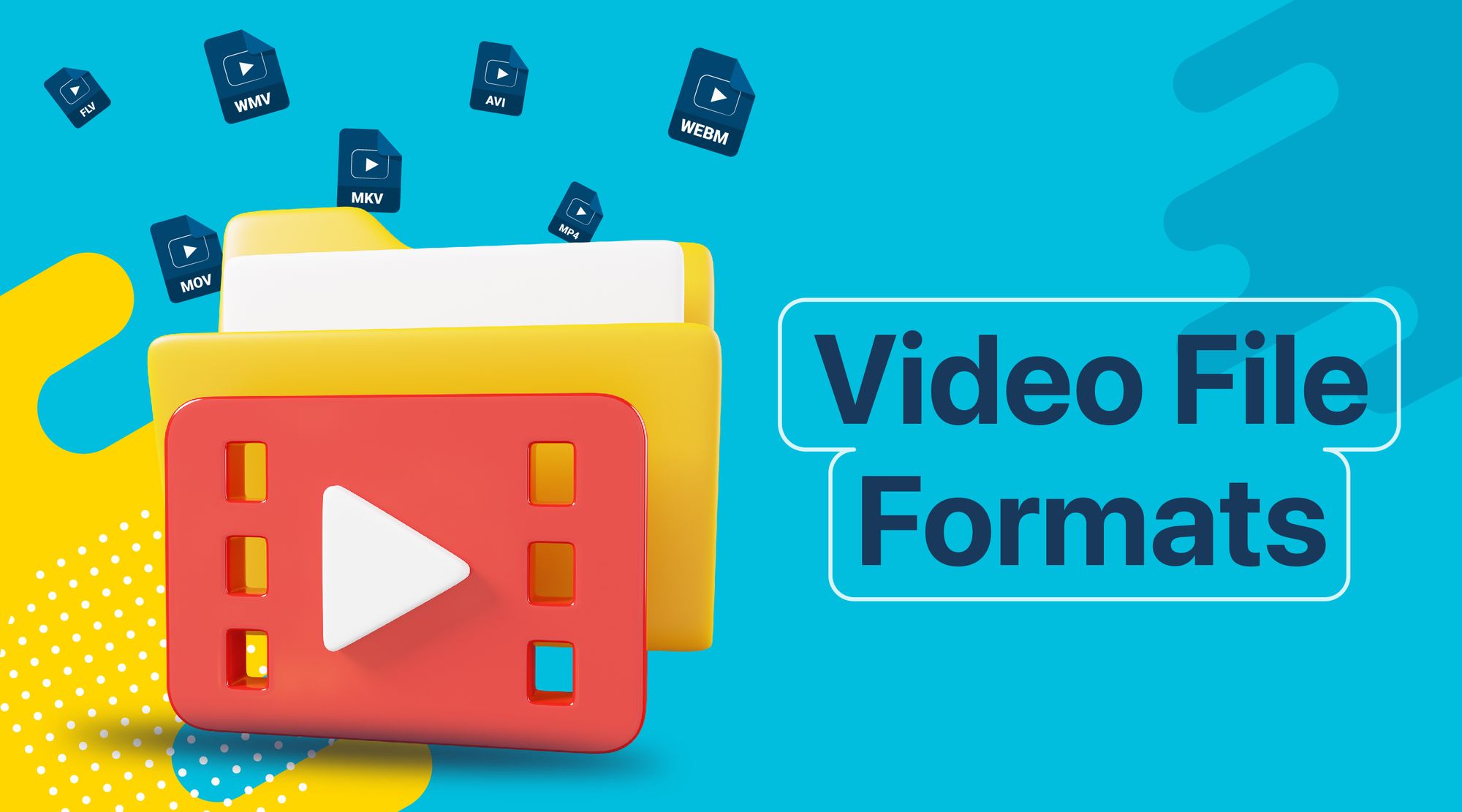
Lastly, selecting the appropriate video format for your content is essential. Different formats offer various advantages and disadvantages, so it’s crucial to align your choice with your audience’s preferences and the platforms you’ll be using for distribution.

In conclusion, video format enhancement is a multifaceted journey that encompasses resolution, bit rate, compression, color grading, HDR, and delivery methods. By mastering these elements, you can create visually stunning videos that captivate your audience and deliver an exceptional viewing experience. Whether you’re a filmmaker, content creator, or business owner, the art of enhancing video formats can set you apart in today’s digital landscape.

Future Trends in Video Format Enhancement

As technology continues to evolve, the field of video format enhancement is poised for exciting advancements. Understanding these emerging trends can help you stay ahead in the world of video production and distribution.

8K Ultra High Definition (UHD)

While 4K resolution is becoming the new standard, 8K UHD is emerging as the next frontier in video quality. With four times the pixels of 4K, 8K offers unparalleled clarity and detail. Although it’s currently in its early stages of adoption, we can expect to see more 8K content in the future, especially for high-end cinematic experiences.

Immersive Technologies: VR and AR

Virtual Reality (VR) and Augmented Reality (AR) are transforming how we consume video content. These immersive technologies require specialized formats and techniques to create truly captivating experiences. Video format enhancement in VR and AR involves considerations like spatial audio, 360-degree video, and interactive elements, opening up new creative possibilities.

The Importance of Audio Enhancement

While much attention is given to video quality, audio plays an equally crucial role in the overall viewer experience. Audio enhancement techniques, such as spatial audio, surround sound, and noise reduction, complement video format enhancement efforts. These audio enhancements immerse viewers in a more engaging auditory environment.

Spatial Audio for Immersion

Spatial audio technology simulates the three-dimensional soundscapes, creating a more immersive audio experience. Viewers can perceive sounds coming from specific directions, heightening their sense of presence within the content. Incorporating spatial audio into video format enhancement can make a significant difference, especially in VR and AR applications.

Surround Sound for Cinematic Impact

Surround sound systems are a staple in cinemas and high-end home theaters. They create a multi-dimensional audio experience by placing speakers strategically around the viewer. Enhancing video formats to support surround sound can add a cinematic touch to your content, making it more engaging and impactful.

Conclusion

In the ever-evolving landscape of video production and distribution, video format enhancement remains at the forefront. Understanding the intricacies of resolution, bit rate, compression, color grading, HDR, and audio enhancement techniques is essential for creating captivating videos that leave a lasting impression on your audience.

As technology continues to advance, embracing emerging trends like 8K UHD and immersive technologies such as VR and AR will set you apart in the competitive world of multimedia. Remember that video format enhancement is not just about achieving technical excellence; it’s about creating experiences that resonate with viewers and leave a lasting impact.

In this article, we’ve delved deep into the world of video format enhancement, exploring its core principles, advanced techniques, and future trends. Whether you’re a filmmaker, content creator, or simply someone passionate about the world of multimedia, mastering the art of video format enhancement can elevate your creations to new heights.

Why color grading matters in video

The Importance of Color Grading in Video Production

Why color grading matters in video

Why color grading matters in video

Color grading is an essential part of video production that often goes overlooked. It involves adjusting the colors, contrast, and brightness of a video to create a specific look and feel. Without color grading, a video may look flat, dull, or inconsistent. As a video producer, I’ve experienced firsthand the impact of color grading on the final product. In fact, color grading is often the final step in the video production process, and it can make all the difference in the world.
According to Patrick Inhofer, author of “Color Correction Handbook: Professional Techniques for Video and Cinema,” “Color grading allows us to manipulate the visual mood and tone of a video, communicate subtext, and enhance the story’s emotional impact.” It’s not just about making a video look pretty; it’s about using color to tell a story and evoke emotion. By adjusting the colors and tones, a video can be transformed from a simple recording to a cinematic masterpiece.

The benefits of color grading in video production

Color grading is not just about aesthetics; it also has practical benefits. For example, color grading can help ensure consistency between shots, even if they were filmed at different times or locations. It can also help create a cohesive look and feel for a video, which is especially important for branding and marketing purposes.
In my experience, color grading can also help hide flaws or mistakes in a video. For example, if a shot is overexposed or underexposed, color grading can help balance out the colors and create a more natural-looking image. It can also help correct color temperature issues or fix skin tones.

The impact of color grading in filmmaking

Color grading is an integral part of filmmaking, and it has a significant impact on the final product. In fact, some filmmakers use color grading as a storytelling device, using color to convey emotion, mood, and meaning.
As David Fincher, director of “Fight Club” and “Gone Girl,” said, “Color is a powerful tool that can evoke emotion and enhance storytelling. It’s not just about making something look pretty; it’s about using color to create meaning and subtext.” In “Fight Club,” for example, Fincher used color grading to create a desaturated, gritty look that reflects the film’s themes of disillusionment and anarchy.

In conclusion, color grading is an essential part of video production and filmmaking. It can transform a simple recording into a cinematic masterpiece, create a cohesive look and feel for a video, and even serve as a storytelling device. As a video producer, I know firsthand the impact that color grading can have on the final product, and I encourage anyone involved in video production to take color grading seriously.