10-bit vs 8-bit color in MP4 video


Free Download Mp4Gain
picture

10-bit vs 8-bit color in MP4 video
10-bit vs 8-bit color in MP4 video

Let’s talk about 10-bit vs 8-bit color in MP4 video

10-bit color and 8-bit color in MP4 video are critical concepts that can significantly affect the quality of your viewing experience. As someone who has spent years exploring digital video formats, I can confidently say that understanding these color depths is essential for anyone serious about video production or simply looking to enjoy high-quality content. When I first dove into the world of video editing, I was amazed at how these seemingly technical specifications could change the way colors pop on the screen, and I’m excited to share my insights with you.

What is Color Depth?

Color depth is the number of bits used to represent the color of a single pixel in a video. It determines how many colors can be displayed, affecting everything from the richness of the images to the amount of data processed. When I first started working with color depths, I remember being struck by the difference between 8-bit and 10-bit video.

  • 8-bit color depth supports 256 shades of each primary color (red, green, blue).
  • 10-bit color depth supports 1,024 shades of each primary color.
  • The higher the color depth, the more colors can be represented.

With 8-bit video, you can create over 16 million colors, which sounds impressive. However, with 10-bit video, that number skyrockets to over a billion! This means smoother gradients, less banding, and a more lifelike image, which I’ve noticed firsthand when editing footage for projects.

The Technical Differences Between 8-bit and 10-bit

The technical differences between 8-bit and 10-bit video color depth can seem daunting, but breaking it down makes it easier to grasp.

  • Bit Depth

    The primary difference is in the bit depth, which influences the number of colors that can be represented. A simple rule of thumb: more bits equal more colors!

  • Gradient Smoothness

    10-bit video produces smoother gradients without the banding often seen in 8-bit videos.

  • Dynamic Range

    10-bit video can capture a wider dynamic range, making it ideal for HDR content.

In practical terms, I’ve found that the difference is particularly noticeable in scenes with subtle color transitions, like a sunset. In 8-bit video, the colors can appear striped and less appealing, while 10-bit footage looks fluid and natural.

File Size and Compression

One aspect often overlooked in the discussion of 10-bit vs 8-bit video is file size and compression. As I learned from experience, higher bit depths result in larger file sizes.

  • Compression Methods

    Different compression methods, like H.264 and H.265, handle these bit depths differently.

  • Storage Space

    Expect 10-bit video files to consume significantly more storage space compared to their 8-bit counterparts.

  • Streaming Quality

    Streaming services often prioritize 8-bit video to save bandwidth, which might explain why some content looks less vibrant.

I recall the time when I was running out of storage space on my hard drive because of my love for high-quality 10-bit videos. While the color quality was exceptional, I had to be strategic about what to keep!

Color Grading and Post-Production

When it comes to video editing, color grading is where the real magic happens. Working with 10-bit video gives you much more flexibility in post-production.

  • Color Correction

    The additional color information allows for more precise color corrections.

  • Creative Choices

    With more shades, you can create more dramatic looks without degrading image quality.

  • Professional Workflows

    Most professional workflows favor 10-bit for its enhanced capabilities.

In my experience, when I switched from 8-bit to 10-bit in my projects, I could push the color grading further without introducing unwanted artifacts or banding. This was especially rewarding when I was trying to achieve a specific mood in my films.

Viewing Experience and Display Compatibility

The viewing experience can be drastically different depending on the bit depth of the video. It’s essential to understand how your display can affect what you see.

  • HDR Displays

    To fully appreciate 10-bit video, you need an HDR display that can handle the higher dynamic range.

  • Color Accuracy

    Displays with better color accuracy will show the differences between 8-bit and 10-bit more prominently.

  • Content Availability

    Not all content is available in 10-bit, limiting where you can see the difference.

I remember the first time I watched a movie in 10-bit HDR on my new television. The colors were so vibrant; it was like seeing the film for the first time! However, without a compatible display, you won’t notice the enhancements of 10-bit video.

Real-World Applications of 8-bit and 10-bit Video

8-bit and 10-bit video have different applications, depending on the content you’re creating or consuming.

  • Home Video

    For home videos, 8-bit video is often sufficient for family memories.

  • Professional Filmmaking

    Professionals typically prefer 10-bit video for its superior quality and versatility.

  • Online Streaming

    Streaming platforms may offer both, but 8-bit is more common for general content.

When I create videos for family events, 8-bit is often good enough. However, for my personal film projects, I always go for 10-bit, as the difference is evident in the final cut.

The Future of Video Color Depth

Looking ahead, the future of video color depth appears to be leaning towards higher bit depths, including 12-bit and beyond.

  • Technological Advancements

    As technology advances, displays and cameras are likely to support greater color depths.

  • Consumer Demand

    Consumers are increasingly demanding higher-quality visuals.

  • Industry Standards

    Expect industry standards to evolve alongside these advancements.

I find it exciting to think about how much more vibrant and true-to-life our videos will look in the future. The push for better visuals will ultimately enhance our viewing experiences.

Latest words on 10-bit vs 8-bit color in MP4 video

In summary, understanding the difference between 8-bit and 10-bit color in MP4 video is crucial for anyone looking to enhance their viewing or editing experience. While 8-bit may suffice for everyday videos, 10-bit offers superior quality, especially for professional projects or high-end streaming. If you’re considering your options, remember that the right choice often depends on your specific needs and the capabilities of your equipment. For those looking to improve their video quality, I recommend exploring tools like MP4Gain, which can help optimize your video files for the best experience.

Comments:

Wow, I had no idea about the differences between 8-bit and 10-bit video. After reading this, I feel more confident about choosing the right format for my video projects. Thanks for the insights! – Jamie123

Great article! I always thought 8-bit was just fine, but now I see how much better 10-bit can be for editing. I might need to upgrade my setup. – AlexM

This is super helpful! Can you please explain more about how 10-bit affects streaming quality? Sometimes my videos look washed out! – SarahG

I’m glad I stumbled upon this article. The way you explained color depth is simple yet effective. I’ll definitely be considering 10-bit for my next project. – MikeR

Thanks for clarifying the technical differences! I work in video production and I’m always looking for ways to improve quality. This helps a lot! – ProducerPaul

Could you share more about the storage implications of 10-bit? I’m worried about running out of space. – LindaC

This article was a real eye-opener! The impact of color depth on post-production is something I hadn’t considered before. – FilmBuff

It’s interesting to see how technology changes. I remember when 8-bit was the norm. Now, 10-bit is becoming standard. Thanks for the info! – RetroGamer

This was a great read. I never thought about how much a difference in color depth could make. Can’t wait to try it out myself! – VideoFan92

Are there specific software programs you recommend for editing 10-bit video? I want to make sure I’m getting the most out of it. – EditorEva

https://x.com/ricardo_mx_news/status/1850208772410474880 https://x.com/ricardo_mx_news/status/1850208701816197295


Free Download Mp4Gain
picture


Mp4Gain Main Window
picture


Mp4Gain Features
picture


Free Download Mp4Gain
picture

WAV File Header

WAV File Header: Decoding the Gateway to Digital Audio

WAV File Header
WAV File Header
WAV File Header
WAV File Header

Let’s Talk about WAV File Headers

WAV File Header
WAV File Header

Embarking on a journey into the heart of digital audio, let’s unravel the mysteries behind WAV file headers. As a seasoned specialist in audio technology, I’ve witnessed the pivotal role these headers play in shaping our digital sonic experience. Today, I’ll guide you through the intricate world of WAV file headers, providing insights that go beyond the basics.

Understanding the Anatomy of a WAV File

Imagine a WAV file as a treasure chest of sound, and the header as the key to unlocking its riches. In this section, we’ll explore the crucial components of a WAV file header, from the format chunk to the data chunk. Each element plays a unique role in ensuring the fidelity and accuracy of the digital audio it encapsulates.

The Format Chunk: Blueprint of Digital Sound

At the core of every WAV file header lies the format chunk, acting as the blueprint for the digital sound it encapsulates. This section dictates essential parameters like sample rate, bit depth, and channel information. It’s akin to a recipe that ensures the playback device interprets the audio data correctly, preserving its original quality.

The Data Chunk: Where Sound Comes to Life

As we delve into the intricacies of WAV file headers, the data chunk emerges as the soul of the audio. Here, the actual sound information resides, presented in a format that mirrors the specifications outlined in the format chunk. It’s like the pages of a book where the story (audio data) unfolds, ready to be translated into a symphony of sound.

Latest Words on WAV File Headers

While many discussions touch upon the basics of WAV file headers, we’ve journeyed deeper, uncovering the nuances that truly define the digital audio experience. In the realm of audio technology, understanding the intricacies of WAV file headers is paramount, and I’m here to provide insights that go beyond the conventional.

Let’s Talk Bit Depth: The Palette of Digital Sound

Picture bit depth as the artist’s palette, determining the range of colors available to paint the sonic canvas. In this section, we’ll explore how bit depth influences the richness and precision of digital audio. From 16-bit to 24-bit, each choice adds a layer of depth to the sonic masterpiece, impacting the listener’s experience.

The Impact of Bit Depth on Sound Fidelity

As an audio specialist, I’ve experimented with various bit depths, observing the direct correlation between higher bit depths and enhanced sound fidelity. It’s like upgrading from a standard definition TV to a 4K display—the details become crisper, the nuances more pronounced. Dive with me into the realm of bit depth, where audio perfection is crafted.

Unveiling WAV File Compression Techniques

Compression is a buzzword in the digital audio realm, and it directly affects the size of WAV files. In this section, I’ll share insights into different compression techniques, from the lossless to the lossy. It’s like choosing between a zip file that preserves every detail and an MP3 that sacrifices some nuances for a smaller footprint.

The Balance Between File Size and Audio Quality

Exploring WAV file compression is akin to finding the equilibrium between file size and audio quality. As an enthusiast who values both storage efficiency and sonic richness, I’ll guide you through the decision-making process. It’s a journey where every megabyte saved is weighed against the potential loss or preservation of audio nuances.

Let’s Talk Error Handling: Safeguarding Sonic Integrity

In the dynamic world of digital audio, errors are inevitable. In this section, I’ll shed light on how WAV file headers incorporate error-handling mechanisms to ensure the integrity of the audio data. It’s like having a vigilant guardian that detects and rectifies anomalies, preserving the purity of the sonic experience.

The Role of CRC Checksums: Guardians of Sonic Purity

As we delve into error handling, CRC checksums emerge as the unsung heroes, silently ensuring the integrity of WAV files. Think of them as vigilant sentinels that patrol the digital realm, identifying and rectifying errors that could otherwise compromise the sonic purity. Join me in uncovering the layers of protection that safeguard your audio treasures.

Latest Words on WAV File Security

Security in the digital audio realm goes beyond antivirus software. In this section, I’ll share insights into encryption techniques and digital signatures embedded within WAV file headers. It’s like placing a digital lock on your audio files, ensuring that only authorized ears can unlock and revel in the sonic treasures within.

Breaking the Myth: WAV Files and Storage

There’s a prevalent myth that WAV files are storage hogs. In this section, I’ll debunk this misconception, revealing how advancements in storage technology and the option to compress WAV files have transformed their storage dynamics. It’s like witnessing the evolution of a technology that adapts to the ever-changing landscape of digital storage.

Storage Efficiency Without Compromising Quality

As someone deeply immersed in the digital audio landscape, I’ve witnessed the transformative power of technology. Today, storing WAV files is no longer a battle against limited space. With smarter compression techniques and innovative storage solutions, you can have your audio cake and eat it too—optimal storage efficiency without compromising sonic quality.

Let’s Talk about WAV File Future: The Sonic Frontier

The future of WAV files is an exciting frontier filled with possibilities. In this final section, I’ll share my vision for the evolution of WAV file headers and their role in shaping the next era of digital audio. It’s like glimpsing into a sonic crystal ball, where innovation and advancements promise an even more immersive and authentic audio experience.

Wrapping Up the WAV Odyssey

As we conclude this in-depth exploration of WAV file headers, I hope you’ve gained a newfound appreciation for the intricacies that define our digital sonic landscape. From the format chunk to error handling, each aspect contributes to the symphony of digital audio. Remember, the WAV file is not just a container; it’s a gateway to a world where sound is both an art and a science.

Comments:

This article brilliantly demystified WAV file headers. Now I understand their crucial role in preserving audio quality.

– SonicExplorer

Can we dive even deeper into the world of compression techniques? I’m hungry for more details!

– AudioAdventurer

Great job debunking the storage myth! It’s refreshing to see accurate information about WAV files.

– TechSavvyListener

This article left me wanting more insights into the future of WAV files. Exciting times ahead!

– FutureListener

As an aspiring audio engineer, your article provided valuable insights. Kudos!

– SoundCraftsman

Any chance we can explore advanced error-handling mechanisms in future articles? Loving this content!

– ErrorDetective

Thanks for addressing the misconception about WAV files and storage. Clear and informative!

– StorageMythBuster

Looking forward to more articles from this expert. Your insights make complex topics easy to understand.

– AudioEnthusiast

This article sparked my interest in audio technology. Can’t wait to explore WAV files further!

– TechCurious

Informative and well-written. It’s evident that the author has a deep understanding of the subject.

– KnowledgeSeeker

Digital Bit Depth in Audio

Digital Bit Depth in Audio

Digital Bit Depth in Audio

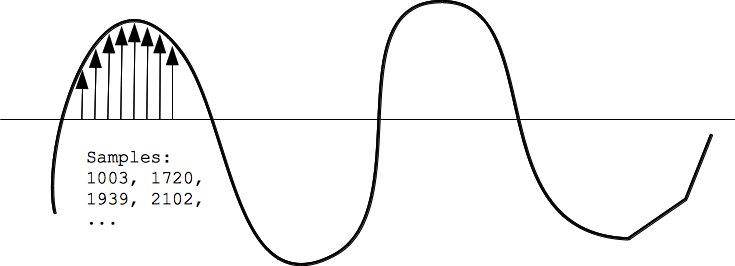
Digital bit depth in audio is a fundamental concept that impacts the quality and fidelity of digital sound. Bit depth, also known as audio resolution, refers to the number of bits used to represent the amplitude of an audio signal at a specific point in time. It essentially quantifies how finely audio samples are taken in the digital domain.

To put it simply, the bit depth determines the precision with which sound is captured and stored digitally. Common bit depths in digital audio are 16-bit, 24-bit, and 32-bit, with higher numbers providing greater precision.

Audio Bit Depth Explained

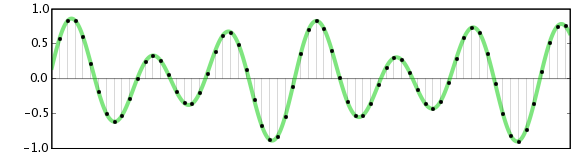
Understanding audio bit depth is essential for anyone seeking to grasp the intricacies of digital audio recording and playback. At its core, audio bit depth is a measure of how accurately an analog sound wave’s amplitude is captured and converted into a digital signal.

In practical terms, a higher bit depth signifies that the digital representation of an audio waveform closely mirrors the original analog signal, resulting in reduced quantization error or “noise.” Quantization error occurs when an analog value is approximated to the nearest digital value, and lower bit depths can make this error more noticeable, especially in quieter sections of audio.

Bit Depth and Audio Quality

Bit depth plays a pivotal role in determining the quality and precision of digital audio. The relationship between bit depth and audio quality is akin to an artist’s palette of colors. A higher bit depth provides a broader spectrum of shades and nuances, making the digital representation of sound more faithful to the original analog source.

For example, a 16-bit system offers 65,536 discrete amplitude levels, whereas a 24-bit system provides an astonishing 16,777,216 levels. This heightened precision results in smoother and more detailed audio representation, particularly in the subtle and quiet passages of a recording.

Digital Audio Resolution

Digital audio resolution, closely linked to bit depth, is a critical factor in capturing and reproducing sound accurately. It refers to the level of detail and clarity in digital audio. The greater the bit depth, the higher the resolution, and the finer the nuances that can be captured.

In the realm of audio production, higher digital audio resolution means that the subtle nuances, such as the intricacies of a singer’s voice or the delicate harmonics of a musical instrument, are preserved with remarkable fidelity.

Bit Depth in Music Recording

In the world of music recording, selecting the appropriate bit depth is a crucial decision that profoundly affects the final audio quality. Musicians and producers carefully consider bit depth when recording to ensure that the nuances and dynamics of their performances are accurately captured.

In practice, 24-bit recording is a popular choice among music professionals. This bit depth provides an ideal balance between precision and file size, allowing for the capture of subtle details while minimizing the risk of bit-depth noise in quieter sections of the recording.

Audio Signal Precision

Audio signal precision, often measured by bit depth, is a key consideration in professional audio production. It relates to how faithfully an audio system can reproduce the original sound. The higher the bit depth, the greater the precision in representing the analog signal, resulting in cleaner and more accurate audio playback.

For audio engineers and producers, achieving optimal audio signal precision is paramount. It ensures that the music they create is heard as intended, with all the intricacies and subtleties faithfully reproduced.

Bit Depth in Analog-to-Digital Conversion

Understanding how bit depth influences analog-to-digital conversion is essential for maintaining audio fidelity. Analog-to-digital conversion is the process of transforming continuous analog signals into discrete digital values. Bit depth determines the number of discrete values that can represent the amplitude of the analog signal during this conversion.

In essence, higher bit depth means that the analog-to-digital conversion process captures more precise details from the analog signal. This is particularly critical when working with high-quality audio sources where preserving every nuance is paramount.

Sound Fidelity and Bit Depth

Sound fidelity, the faithfulness with which audio is reproduced, is intricately linked to bit depth. A higher bit depth generally results in better audio fidelity, as it allows for the accurate representation of both subtle nuances and powerful crescendos in music.

Consider classical music or jazz, where dynamics play a significant role. With a higher bit depth, the audio system can faithfully reproduce the full range of soft and loud passages, ensuring that the listener experiences the music as intended by the performers and composers.

Impact of Bit Depth on Audio Playback

The impact of bit depth on audio playback is a critical factor in delivering a high-quality listening experience. When you listen to digital audio, the bit depth of the source file significantly affects what you hear.

In simple terms, higher bit depth in the source audio file results in a more faithful and detailed listening experience. This becomes especially noticeable in acoustic instruments, where the subtle nuances of a violin’s bowing or a pianist’s touch can be lost in lower bit depth recordings.

How Does Bit Depth Affect the Quality of Digital Audio?

Exploring how bit depth affects the quality of digital audio is crucial for audiophiles and audio professionals alike. It’s the bit depth that determines how accurately the audio signal is captured and reproduced, ultimately influencing the overall audio quality.

A higher bit depth translates to a more faithful representation of the original sound, with fewer imperfections or noise introduced during the recording and playback processes. This improvement in audio quality is particularly noticeable in genres that require a wide dynamic range and high levels of detail.

What Is the Role of Bit Depth in Recording Music Digitally?

The role of bit depth in recording music digitally is a multifaceted aspect of audio production. When musicians and engineers step into the studio, they must make critical decisions about bit depth to ensure that their recordings capture the essence of the music.

Choosing the appropriate bit depth is a balancing act. While higher bit depths provide greater precision and fidelity, they also result in larger file sizes. Musicians often opt for 24-bit recordings as they strike a harmonious balance between capturing subtle details and managing storage requirements.

How Is Audio Fidelity Influenced by Digital Bit Depth?

Understanding how digital bit depth influences audio fidelity is key to achieving top-tier sound quality. Audio fidelity, often described as the faithfulness of audio reproduction to the original source, is a critical consideration for audio professionals and enthusiasts.

With a higher bit depth, audio fidelity is enhanced because the digital representation of the sound is more detailed and accurate. This is especially crucial in professional audio production, where maintaining the highest possible fidelity is paramount.

Can You Explain the Importance of Bit Depth in Analog-to-Digital Conversion for Audio?

Explaining the importance of bit depth in analog-to-digital conversion sheds light on the intricacies of audio processing. Analog-to-digital conversion is the bridge that allows analog sound to be translated into a digital format that can be manipulated and stored. Bit depth plays a pivotal role in this process.

Higher bit depths ensure that the analog-to-digital conversion process captures more fine-grained details from the original analog signal. This is essential for preserving the richness and subtleties of audio, whether it’s a soaring vocal performance, the resonance of a musical instrument, or the ambiance of a recording environment.

What Is the Relationship Between Bit Depth and Dynamic Range in Digital Audio?

The relationship between bit depth and dynamic range in digital audio is a crucial one to understand. Dynamic range refers to the difference between the softest and loudest sounds that an audio system can reproduce. Bit depth plays a pivotal role in defining this dynamic range.

Higher bit depths translate to a wider dynamic range, allowing for the faithful reproduction of both subtle nuances and powerful crescendos in music. This is essential for maintaining audio fidelity, especially in genres with a wide range of dynamics, such as classical music and jazz.

How Does Bit Depth Impact the Accuracy of Audio Playback?

The impact of bit depth on the accuracy of audio playback cannot be overstated. When you listen to music or any digital audio content, the bit depth of the source file has a profound influence on what you hear.

Higher bit depth in the source audio file means that the playback faithfully represents the original recording. It allows for the subtlest details and nuances to shine through, creating a more immersive and engaging listening experience. In essence, higher bit depth contributes to the accuracy and realism of audio playback.

Are There Industry Standards for Bit Depth in Digital Audio Recording?

In the world of professional audio recording, industry standards play a vital role in guiding the use of bit depth. While there’s flexibility in choosing bit depths based on specific requirements, certain standards are commonly followed.

For instance, most audio CDs use 16-bit resolution, which offers high-quality playback suitable for the majority of consumers. However, in the realm of studio recording and mastering, 24-bit and even 32-bit formats are commonly employed to ensure the highest level of fidelity.

What Are the Advantages of Using Higher Bit Depth in Audio Processing?

Using higher bit depth in audio processing offers several distinct advantages. These advantages extend to both recording and post-production stages, and they significantly impact the overall quality of audio content.

Enhanced Audio Fidelity

One of the primary advantages is enhanced audio fidelity. Higher bit depths provide more precision in capturing and reproducing audio, resulting in recordings that faithfully preserve the original sound. This is particularly important in professional music production and critical listening environments.

Greater Dynamic Range

Higher bit depths also grant a greater dynamic range, allowing for the faithful representation of a wide range of sound intensities. This is particularly beneficial in genres of music or audio content with stark differences in volume, as it ensures that both delicate subtleties and powerful peaks are accurately reproduced.

How Can I Optimize Bit Depth for Better Audio Resolution?

For those involved in audio production or seeking the best listening experience, optimizing bit depth is crucial. It’s not just about using the highest available bit depth but also considering the entire audio workflow and ensuring that bit depth aligns with specific needs.

Matching Bit Depth to Audio Source

When recording audio, it’s essential to match the bit depth to the dynamic range of the audio source. For instance, a live jazz performance with wide dynamic swings benefits from 24-bit recording, while a podcast with a more consistent volume may suffice with 16-bit. This approach minimizes bit-depth noise while preserving audio quality.

Post-Production Considerations

During post-production, maintaining a high bit depth throughout the editing and mixing process is advisable. Only when preparing the final distribution format, such as a CD or streaming file, should the audio be converted to a lower bit depth to match the destination format.

The Benefits of Greater Bit Depth in Digital Audio Systems

As technology advances, digital audio systems are offering higher bit depths as an option. But what are the practical advantages of embracing these extended bit depths?

Future-Proofing Audio

One significant advantage is future-proofing your audio recordings. With higher bit depths, your recordings are better equipped to stand the test of time. As playback systems and formats improve, your high-bit-depth recordings will continue to sound exceptional, ensuring that your music or audio content remains relevant for years to come.

Editing Flexibility

Greater bit depths also provide increased editing flexibility. Audio engineers can apply effects and processing without worrying as much about introducing quantization errors or compromising audio quality. This freedom allows for more creative experimentation during the mixing and mastering stages, ultimately leading to more polished and refined audio content.

In conclusion, digital bit depth is a critical factor in the world of audio, influencing both recording and playback quality. Understanding its importance, selecting the appropriate bit depth for various scenarios, and embracing higher bit depths when possible can lead to an audio experience that is richer, more immersive, and of the highest fidelity. Whether you’re a musician, audio engineer, or simply a music enthusiast, appreciating the role of bit depth can elevate your audio journey to new heights.

Bit Depth in Audio

Bit Depth in Audio

Bit Depth in Audio
Bit Depth in Audio
Bit Depth in Audio
Bit Depth in Audio

Audio Bit Depth Explained

Audio bit depth refers to the number of bits used to represent the amplitude of an audio signal at each sample point. In simpler terms, it determines the dynamic range of digital audio. A higher bit depth allows for a more detailed representation of sound, capturing subtle nuances and minimizing quantization noise.
Imagine bit depth as a measurement of how finely audio is divided into individual steps. For instance, a 16-bit audio recording has 65,536 possible amplitude levels, while a 24-bit recording offers a staggering 16,777,216 levels. This increased granularity results in smoother, more accurate sound reproduction.

Understanding Bit Depth in Audio

To grasp the significance of bit depth, consider it as the shades of color in a painting. A higher bit depth provides a broader palette of colors, allowing for a more accurate depiction of the original image. Similarly, in audio, a greater bit depth captures a wider range of volume levels, preserving the subtleties of a musical performance or the nuances of a voice.
In practical terms, when you listen to music or a podcast, a higher bit depth ensures that you can hear the softest whispers and the loudest drum hits without distortion or loss of detail. It’s like having a more precise lens to view the sonic landscape.

Audio Resolution and Bit Depth

Bit depth and audio resolution are closely linked. Audio resolution refers to the level of detail and accuracy in an audio recording. Bit depth plays a pivotal role in determining this resolution. Think of it as the difference between watching a video in standard definition versus high definition. A higher bit depth offers a more lifelike and faithful representation of sound.
When recording or listening to music, you’ll often encounter terms like “16-bit” or “24-bit.” These numbers indicate the bit depth of the audio, with 24-bit audio being the gold standard for high-quality recordings. It’s akin to having a sharper, more detailed image in photography.

Now, let’s explore more facets of bit depth in audio.

Importance of Bit Depth in Sound

Bit depth is paramount in the world of sound because it directly impacts audio fidelity and the ability to reproduce music or voice accurately. It ensures that every subtle nuance, from the softest piano notes to the powerful guitar riffs, is faithfully captured and played back with precision.
Consider this: when recording a classical piano performance, the pianist’s delicate touch on the keys is as vital as the thunderous crescendos. A higher bit depth preserves the intricate dynamics, making you feel as if you are sitting in the concert hall, immersed in the music.

Bit depth is the foundation of audio quality, and understanding its role can help you appreciate the importance of using higher bit depths in audio production and playback.

How Bit Depth Affects Audio Quality

The impact of bit depth on audio quality is akin to the role of paint quality in a masterpiece. Just as a skilled artist requires high-quality pigments for a vivid painting, audio engineers rely on a greater bit depth for lifelike and rich audio recordings.
A lower bit depth might result in noticeable “stepping” or quantization noise, especially in quiet passages of a recording. This noise can be distracting and diminish the overall listening experience. On the other hand, a higher bit depth provides a smooth, natural curve to the audio waveform, minimizing these artifacts and delivering pristine sound.

Consider your favorite music track—the artist’s emotions, the resonance of instruments, and the atmosphere of the recording venue. All these subtleties are better preserved and conveyed through higher bit depth, elevating your listening experience to a new level.

Bit Depth in Digital Audio

In the digital realm, bit depth plays a pivotal role in the accuracy of audio representation. Think of it as pixels in a high-resolution photograph; more pixels mean finer details. Similarly, a higher bit depth translates to a more accurate depiction of sound.
In applications like digital audio workstations (DAWs) and music players, you often have the option to choose between different bit depths for your audio projects. Opting for a higher bit depth can lead to more professional-sounding results, particularly in the realms of music production, film scoring, and sound design.

Bit Depth vs. Sample Rate

While bit depth and sample rate are both critical aspects of digital audio, they serve different purposes. Bit depth determines the accuracy of amplitude representation, while sample rate governs how often the audio waveform is sampled per second.
Picture bit depth as the color depth in a photograph and sample rate as the frames per second in a video. A higher bit depth allows for greater tonal accuracy, while a higher sample rate captures more audio snapshots per second, preserving high-frequency content.

In many scenarios, a balanced approach between bit depth and sample rate is essential to achieve optimal audio quality. The synergy between these two factors ensures that audio recordings faithfully capture the richness and subtleties of the original source.

Bit Depth in Music Production

For music producers, bit depth is a critical consideration when working on audio projects. It influences the quality of sound recordings and the ability to manipulate audio during the production process.
When mixing and mastering music, a higher bit depth provides ample headroom for processing audio without introducing artifacts or degrading quality. This allows producers to apply effects, equalization, and compression with greater precision.

Additionally, when releasing music, opting for a higher bit depth ensures that your audience experiences the full depth and nuance of your compositions, whether they’re listening through high-end headphones or a powerful sound system.

16-Bit vs. 24-Bit Audio

The choice between 16-bit and 24-bit audio often arises when considering audio quality and storage requirements. A 16-bit audio file occupies less space compared to a 24-bit file, but it also has limitations in capturing subtle audio details.
16-bit audio is akin to a compact camera with limited resolution, suitable for casual snapshots. In contrast, 24-bit audio offers the quality of a professional DSLR camera, capturing a broader dynamic range and preserving the finer nuances of sound.

When deciding between the two, it’s essential to consider the specific use case. For audiophiles, professional audio production, and high-end sound systems, 24-bit audio is the preferred choice for its ability to deliver an immersive and faithful listening experience.

Bit Depth for Audio Recording

In the realm of audio recording, selecting the appropriate bit depth is a pivotal decision. It directly affects the quality and flexibility of the recorded material, whether you’re tracking vocals, instruments, or ambient sounds.
Recording at a higher bit depth, such as 24-bit, provides audio engineers with a safety net during the recording process. It allows them to capture a wide dynamic range without the risk of clipping or distortion. This is particularly valuable when dealing with unpredictable elements in live recordings or capturing the subtleties of acoustic instruments.

In essence, bit depth choice during audio recording is like choosing the canvas size for a painting. A larger canvas provides more room for creativity and detail, and a higher bit depth offers greater sonic canvas for audio professionals.

Final Words

In the realm of audio, bit depth serves as the bedrock of quality and fidelity. It determines how faithfully sound is captured, preserved, and reproduced. Understanding the importance of bit depth allows you to appreciate the nuances in your favorite music, the clarity in podcasts, and the immersive soundscapes in movies.
Whether you’re an aspiring musician, an audio engineer, or simply a passionate listener, recognizing the role of bit depth in audio enriches your experience. It’s the difference between seeing the world in black and white and experiencing it in full color.

So, the next time you enjoy your favorite song or immerse yourself in a cinematic adventure, remember that bit depth is the silent hero behind the scenes, ensuring that every sonic detail reaches your ears with precision and clarity.