MP3 vs Opus: Audio Quality and Efficiency


Free Download Mp4Gain
picture

MP3 vs Opus: Audio Quality and Efficiency

MP3 vs Opus: Audio Quality and Efficiency

MP3 vs Opus: Audio Quality and Efficiency

Let’s talk about MP3 vs Opus

When it comes to digital audio formats, two names stand out: MP3 and Opus. As a seasoned audio engineer, I’ve worked extensively with both formats, understanding their nuances and applications. In this comprehensive comparison, we’ll delve into the intricacies of MP3 and Opus, examining their audio quality, efficiency, and suitability for various scenarios.

Understanding MP3 and Opus

MP3, short for MPEG Audio Layer III, revolutionized the music industry with its widespread adoption for digital audio compression. Opus, on the other hand, is a relatively newer audio codec developed by the Internet Engineering Task Force (IETF), designed to deliver high-quality audio at lower bitrates. Both formats utilize different compression algorithms and encoding techniques to achieve their respective goals.

Audio Quality Comparison

MP3: MP3 is known for its widespread compatibility and decent audio quality, especially at higher bitrates. However, as a lossy compression format, it sacrifices some audio fidelity to achieve smaller file sizes. At lower bitrates, MP3 files may exhibit noticeable artifacts such as ringing and compression artifacts, particularly in complex audio passages.
Opus: Opus boasts superior audio quality compared to MP3, particularly at lower bitrates. Thanks to its advanced compression algorithms and adaptive bitrate techniques, Opus can maintain high fidelity even at bitrates as low as 32 kbps. This makes it ideal for streaming audio over the internet, where bandwidth constraints are a concern.

Efficiency and Compression

MP3: MP3 is renowned for its efficiency in achieving significant file size reduction while maintaining acceptable audio quality. However, its compression techniques may struggle to preserve the nuances of complex audio signals, leading to perceptible loss in fidelity, especially at lower bitrates.
Opus: Opus excels in efficiency and compression, offering impressive audio quality at substantially lower bitrates compared to MP3. Its adaptive bitrate control and robust compression algorithms ensure optimal utilization of available bandwidth, making it a preferred choice for streaming services and online communication platforms.

Compatibility and Adoption

MP3: MP3 enjoys universal compatibility across a wide range of devices and platforms, making it a ubiquitous choice for digital audio distribution. Its longstanding presence in the industry has cemented its status as the de facto standard for audio compression and playback.
Opus: While Opus may not have the same level of universal adoption as MP3, it has gained traction in various applications, particularly in internet-based communication and streaming services. Its open-source nature and royalty-free licensing make it an attractive option for developers and content creators alike.

Real-World Applications

MP3: MP3 remains a popular choice for offline music playback, digital audio distribution, and legacy hardware compatibility. Its wide support ensures seamless playback across a myriad of devices, from smartphones to dedicated music players.
Opus: Opus shines in real-time communication scenarios such as voice over IP (VoIP), video conferencing, and online gaming, where low-latency audio transmission and high-quality playback are paramount. Its efficient compression and adaptive bitrate control make it an ideal choice for streaming platforms and interactive applications.

Latest words on MP3 vs Opus

In conclusion, the choice between MP3 and Opus depends on various factors such as audio quality requirements, bandwidth constraints, and intended use cases. While MP3 remains a ubiquitous format with widespread compatibility, Opus offers superior audio quality and efficiency, particularly for streaming and real-time communication applications. As technology continues to evolve, it’s essential to evaluate the specific needs of each project and select the appropriate audio format accordingly.

Comments:

This article provided a comprehensive comparison between MP3 and Opus, shedding light on their respective strengths and weaknesses. As a music enthusiast, I found it incredibly informative and helpful in understanding the differences between the two formats. Great job!

-MusicLover123

I’ve been considering switching from MP3 to Opus for my online radio station, and this article helped me make an informed decision. The insights into audio quality and efficiency were particularly enlightening. Thanks for the valuable information!

-RadioStreamer

While I appreciate the comparison between MP3 and Opus, I wish the article had delved deeper into the technical aspects of audio compression and encoding. Nevertheless, it provided a solid overview for those new to the topic.

-TechEnthusiast

As a podcaster, I’m always looking for ways to improve the audio quality of my recordings without sacrificing efficiency. This article helped me understand the benefits of switching to Opus for online distribution. Excited to give it a try!

-PodcastCreator

This article addressed a common dilemma faced by content creators and streaming platforms. The comparison between MP3 and Opus was well-explained, making it easy to understand the advantages of each format. Kudos to the author!

-ContentCreator567

While Opus seems promising for streaming applications, I’m concerned about its compatibility with older devices and legacy systems. It would be helpful to include more information on backward compatibility in future articles.

-OldSchoolListener

I’ve been using MP3 for years, but after reading this article, I’m intrigued by the potential benefits of switching to Opus, especially for online streaming. Thanks for providing a detailed comparison!

-StreamingEnthusiast


Free Download Mp4Gain
picture


Mp4Gain Main Window
picture


Mp4Gain Features
picture


Free Download Mp4Gain
picture

WMV-HD vs Blu-ray Video Quality Comparison

WMV-HD vs Blu-ray Video Quality Comparison

WMV-HD vs Blu-ray Video Quality Comparison

WMV-HD vs Blu-ray Video Quality Comparison

Let’s Talk About Video Quality

When it comes to video quality, the choice between WMV-HD and Blu-ray can be crucial for cinephiles, gamers, or anyone who values crisp, clear images. As a seasoned expert in video technologies, I’ve delved deep into the intricacies of both formats to provide you with a comprehensive comparison that goes beyond what you’ll find in the typical Google search results.

The Evolution of High-Definition Video

High-definition (HD) video has revolutionized the way we consume visual media. From the early days of grainy VHS tapes to the crystal-clear images of today, the journey of video quality has been nothing short of remarkable. Understanding this evolution is key to grasping the nuances between WMV-HD and Blu-ray.

Decoding the Terminology: What is WMV-HD and Blu-ray?

Before diving into the comparison, let’s clarify what exactly WMV-HD and Blu-ray entail. WMV-HD stands for Windows Media Video High Definition, a video compression format developed by Microsoft. On the other hand, Blu-ray refers to the optical disc storage medium designed to supersede DVDs, offering higher storage capacity and enhanced video quality.

The Battle of Resolution: 720p vs 1080p

Resolution plays a pivotal role in determining the clarity and detail of a video. Blu-ray typically offers a native resolution of 1080p, providing stunningly sharp images with vibrant colors and lifelike textures. In contrast, WMV-HD often caps out at 720p, which, while still high-definition, may lack the visual fidelity of its Blu-ray counterpart.

Bitrate Matters: Unveiling the Bitrate Disparity

Bitrate is another critical factor influencing video quality, representing the amount of data processed per unit of time. Blu-ray discs typically boast higher bitrates compared to WMV-HD files, allowing for smoother motion, reduced compression artifacts, and greater overall clarity. This higher bitrate translates to a more immersive viewing experience, especially during fast-paced action sequences or scenes with intricate details.

Color Depth and Compression: The Devil in the Details

Color depth refers to the number of bits used to represent the color of each pixel in an image. Blu-ray’s superior color depth, often at 10-bit or higher, results in smoother gradients and more accurate color reproduction compared to WMV-HD’s standard 8-bit color depth. Additionally, Blu-ray’s advanced compression algorithms minimize data loss and preserve fine details, ensuring a cinematic experience that’s second to none.

Audio Immersion: Surround Sound Showdown

While video quality often takes center stage, audio is equally crucial in creating an immersive viewing experience. Blu-ray’s support for high-definition audio formats like Dolby TrueHD and DTS-HD Master Audio delivers unparalleled sound quality, enveloping viewers in a rich auditory landscape. In contrast, WMV-HD may offer decent audio fidelity but falls short of Blu-ray’s immersive capabilities.

Compatibility and Accessibility: The Convenience Factor

In today’s digital age, compatibility and accessibility are paramount considerations. Blu-ray discs require dedicated players or consoles equipped with Blu-ray drives, limiting their accessibility compared to WMV-HD files, which can be played on a wider range of devices with Windows Media Player or other compatible software. However, the ubiquity of Blu-ray players and the growing popularity of streaming services offering Blu-ray quality content mitigate this disadvantage to some extent.

Cost Considerations: Balancing Quality and Affordability

Finally, cost often plays a significant role in consumers’ decision-making processes. While Blu-ray discs may come with a higher price tag than downloadable WMV-HD files, the investment pays off in terms of superior video and audio quality, making Blu-ray a worthwhile long-term investment for cinephiles and avid collectors.

Latest Words on Video Quality

In conclusion, the choice between WMV-HD and Blu-ray ultimately boils down to your priorities and preferences. While WMV-HD offers convenience and accessibility, Blu-ray reigns supreme in terms of video and audio quality, providing a truly cinematic experience that’s unrivaled. As technology continues to evolve, it’s essential to stay informed and make informed decisions based on your unique needs and preferences.

Comments:

Wow, this article really cleared up my confusion about WMV-HD and Blu-ray! I’ve been contemplating upgrading my home theater setup, and now I know exactly what to look for. Thanks!

– MovieBuff87

I appreciate the detailed breakdown of the technical aspects. As a casual viewer, I didn’t realize how much of a difference bitrate and color depth could make in my viewing experience.

– TechNovice23

This article is great, but I wish it had included more information about the future of video formats and whether streaming services will eventually surpass physical media like Blu-ray.

– StreamQueen

As someone who’s invested heavily in Blu-ray collections over the years, I couldn’t agree more with the points made in this article. Blu-ray truly offers the best bang for your buck in terms of video quality.

– FilmFanatic99

Interesting read! I’ve always been curious about the differences between WMV-HD and Blu-ray, and this article provided a comprehensive comparison that was easy to understand.

– CuriousViewer22

This article was helpful, but I wish it had included more information about the environmental impact of physical media production compared to digital downloads.

– EcoWarrior123

I’ve been debating whether to invest in a Blu-ray player, and this article provided valuable insights into the advantages of Blu-ray over digital formats like WMV-HD. Thanks for the guidance!

– HomeCinemaEnthusiast

Great article! It’s refreshing to see a comprehensive comparison that goes beyond the surface-level differences between WMV-HD and Blu-ray. Keep up the excellent work!

– MovieManiac123

I’ve always been a fan of physical media, but this article made me reconsider the benefits of digital formats like WMV-HD. It’s a tough decision, but I appreciate the insights!

– MediaCollector55

As someone who’s passionate about audiovisual quality, I found

this article to be incredibly informative and well-written. Kudos to the author for shedding light on this often overlooked topic!

– AVGeek101

MP3 Frame Structure and Headers

MP3 Frame Structure and Headers

MP3 Frame Structure and Headers

MP3 Frame Structure and Headers

Let’s talk about MP3 Frame Structure and Headers

As an expert in digital audio formats, I’m excited to delve into the intricate world of MP3 frame structure and headers. Understanding these components is crucial for anyone involved in audio encoding, decoding, or manipulation. So, let’s break down the complexities and demystify the inner workings of MP3 files.

The Essence of MP3 Frames

To comprehend MP3 frame structure, we must first grasp the concept of frames. In the realm of digital audio, frames serve as the building blocks of encoded data. Each frame encapsulates a portion of audio information, making it possible for devices to decode and reproduce sound accurately.

Key Characteristics of MP3 Frames:

  • Fixed Length: MP3 frames typically have a fixed length, ensuring consistency in data processing.
  • Header Information: Every frame begins with a header containing vital details for decoding.
  • Audio Data: Following the header, the frame carries compressed audio data.

MP3 frames play a pivotal role in maintaining audio fidelity while minimizing file size, making them indispensable in the realm of digital audio.

Decoding MP3 Frame Headers

Now, let’s dissect the anatomy of MP3 frame headers, which hold crucial information for decoding audio streams accurately. Understanding these headers is akin to deciphering the DNA of an MP3 file, unlocking its contents for playback.

Components of MP3 Frame Headers:

  • Synchronization Bits: These sync bits mark the beginning of each frame, facilitating proper alignment during decoding.
  • Audio Parameters: Headers store essential details such as bitrate, sample rate, and stereo mode, guiding the decoding process.
  • Frame Length: Each header specifies the length of the frame, enabling efficient parsing of audio data.

By parsing the header information, audio players can accurately reconstruct the original audio waveform, ensuring faithful reproduction of the source material.

Optimizing MP3 Encoding Efficiency

In the quest for optimal audio quality and file size, understanding MP3 frame structure is paramount. By leveraging advanced encoding techniques and optimizing frame parameters, audio engineers can strike a balance between fidelity and compression.

Advanced Encoding Strategies:

  • Variable Bitrate (VBR): VBR encoding adjusts bitrate dynamically, allocating more resources to complex audio passages for enhanced quality.
  • Psychoacoustic Modeling: By leveraging psychoacoustic principles, encoders discard perceptually irrelevant audio data, maximizing compression efficiency.
  • Joint Stereo: Joint stereo encoding exploits spatial redundancy in audio streams, further reducing file size without sacrificing quality.

These advanced strategies empower audio professionals to create MP3 files that deliver exceptional quality while conserving storage space—a testament to the ingenuity of digital audio technology.

Exploring Future Trends in MP3 Technology

As we navigate the ever-evolving landscape of digital audio, it’s essential to stay abreast of emerging trends and technologies shaping the MP3 ecosystem. From immersive audio formats to advancements in compression algorithms, the future holds boundless possibilities for audio enthusiasts and professionals alike.

Future Directions:

  • Immersive Audio: With the rise of virtual reality and spatial audio, MP3 technology may evolve to support immersive soundscapes, enriching the listening experience.
  • AI-driven Compression: Machine learning algorithms could revolutionize MP3 encoding, enabling more efficient compression without compromising quality.
  • Streaming Optimization: As streaming platforms dominate the audio landscape, MP3 formats may undergo refinements to enhance streaming efficiency and quality.

By embracing these emerging trends and harnessing the power of innovation, the MP3 format is poised to remain a cornerstone of digital audio for years to come.

Latest words on MP3 Frame Structure and Headers

In conclusion, the intricacies of MP3 frame structure and headers underscore the remarkable ingenuity behind digital audio encoding. From the humble beginnings of the MP3 format to its ubiquitous presence in today’s digital landscape, understanding these fundamental concepts is essential for anyone involved in audio production, distribution, or consumption.

Comments:

Wow, this article really helped me understand the technical aspects of MP3 files! I had no idea about the complexities behind frame headers.

I’ve been searching for a comprehensive guide on MP3 encoding, and this article exceeded my expectations. Great job!

Could you please provide more details on the differences between MPEG-1 and MPEG-2 audio layers? I’d love to learn more about their impact on MP3 frame structure.

This article perfectly explained why some MP3 files sound better than others despite having the same bitrate. Understanding psychoacoustic modeling is a game-changer!

As a musician, I appreciate the insights into optimizing MP3 encoding efficiency. It’s fascinating how technology can enhance the audio production process.

Great article! I’m excited to see how AI-driven compression will shape the future of MP3 technology. The possibilities are endless!

Thanks for shedding light on the future trends in MP3 technology. As a streaming enthusiast, I’m curious to see how immersive audio formats will revolutionize the listening experience.

This article helped me troubleshoot some issues with my MP3 files. Now I understand why certain files were causing compatibility problems across devices.

As a podcast producer, I found this article incredibly informative. It’s essential to optimize MP3 encoding for seamless streaming and distribution.

Thank you for demystifying MP3 frame structure and headers! This article provided valuable insights that will enhance my audio production workflow.

Quantum Error Correction in OGG Vorbis Audio

Quantum Error Correction in OGG Vorbis Audio

Quantum Error Correction in OGG Vorbis Audio

Quantum Error Correction in OGG Vorbis Audio

Let’s talk about Quantum Error Correction in OGG Vorbis Audio

As a specialist in digital audio and quantum computing, I’m excited to delve into the fascinating realm of quantum error correction in OGG Vorbis audio. OGG Vorbis is a popular audio codec known for its efficient compression without sacrificing audio quality. However, like any digital data, OGG Vorbis audio files are susceptible to errors during storage or transmission. This is where quantum error correction comes into play, harnessing the principles of quantum mechanics to ensure the integrity of digital audio files. In this article, I’ll explore the challenges of error correction in digital audio, the basics of quantum error correction, and how it applies specifically to OGG Vorbis audio.

The Importance of Error Correction in Digital Audio

Ensuring the accuracy and fidelity of digital audio files is paramount in today’s multimedia landscape. Whether it’s streaming music, online conferences, or movie soundtracks, any distortion or corruption in audio can significantly detract from the user experience. Traditional error correction techniques rely on redundancy, where extra bits of data are added to detect and correct errors. While effective to a certain extent, these methods can be inefficient, especially in scenarios where bandwidth or storage space is limited. Quantum error correction offers a revolutionary approach to address these challenges.

Redundancy in Traditional Error Correction

– In traditional error correction, redundancy is the key to detecting and correcting errors.
– Additional bits of data are added to the original message to provide redundancy.
– Techniques such as parity bits and checksums are commonly used to detect errors and reconstruct the original data.

Challenges of Redundancy in Digital Audio

– Adding redundancy to digital audio files can increase file size, which may not be desirable, especially in streaming or storage-constrained environments.
– Traditional error correction methods may not be sufficient to correct errors introduced during the transmission or storage of audio files.
– As audio quality expectations continue to rise, the need for more robust error correction mechanisms becomes apparent.

Understanding Quantum Error Correction

Quantum error correction leverages the principles of quantum mechanics to protect quantum information from errors caused by decoherence and other quantum phenomena. In classical computing, information is represented as bits, which can exist in one of two states: 0 or 1. Quantum computing, however, introduces the concept of qubits, which can exist in a superposition of states, allowing for parallel computation and increased processing power. Quantum error correction algorithms mitigate errors by encoding qubits in larger quantum states, known as quantum error-correcting codes.

Principles of Quantum Error Correction

– Quantum error correction relies on the encoding of quantum information into larger quantum states.
– By distributing quantum information across multiple qubits, errors can be detected and corrected through entanglement and measurement.
– Quantum error correction codes, such as the Shor code and the Steane code, provide a framework for protecting quantum information from errors.

Quantum Error Correction in Practice

– In practical quantum computing systems, error correction is essential for maintaining the coherence of quantum states and executing reliable quantum algorithms.
– Quantum error correction techniques are actively researched and implemented in quantum hardware platforms, such as superconducting qubits and trapped ions.
– As quantum computing continues to mature, advancements in error correction will play a crucial role in realizing the full potential of quantum technologies.

Applying Quantum Error Correction to OGG Vorbis Audio

Now, let’s explore how quantum error correction can be specifically applied to OGG Vorbis audio files. OGG Vorbis employs a lossy compression algorithm to reduce file size while preserving audio quality, making it a popular choice for digital audio storage and streaming. However, the compression process introduces vulnerabilities to errors, which can manifest as artifacts or distortions in the audio playback. By integrating quantum error correction techniques into the encoding and decoding process of OGG Vorbis audio, we can mitigate these errors and enhance the reliability of audio transmission and storage.

Challenges of Error Correction in OGG Vorbis Audio

– OGG Vorbis compression introduces potential points of failure where errors can occur, such as during quantization or entropy coding.
– Traditional error correction methods may not be suitable for addressing errors specific to the lossy compression of OGG Vorbis audio.
– Maintaining a balance between error correction effectiveness and computational complexity is crucial for practical implementation in OGG Vorbis audio processing.

Integrating Quantum Error Correction into OGG Vorbis Audio

– Quantum error correction algorithms can be adapted to encode and decode OGG Vorbis audio data in a quantum error-resistant manner.
– By embedding error correction information within the audio stream, errors can be detected and corrected in real-time during playback or transmission.
– Quantum error correction offers the potential to enhance the robustness and reliability of OGG Vorbis audio systems, providing a seamless listening experience for users.

Latest words on Quantum Error Correction in OGG Vorbis Audio

In conclusion, quantum error correction presents a promising frontier in the field of digital audio, offering innovative solutions to the challenges of error detection and correction in formats like OGG Vorbis. By harnessing the power of quantum mechanics, we can enhance the integrity and reliability of audio transmission and storage, ensuring a superior listening experience for users worldwide. As quantum computing continues to evolve, so too will the opportunities for integrating quantum error correction into audio technologies, paving the way for a new era of high-fidelity digital audio.

Comments:

Wow, I never knew quantum computing could have such a profound impact on digital audio! This article really opened my eyes to the possibilities. Can’t wait to see where this technology goes in the future. – AudioEnthusiast77

This is fascinating stuff! I’d love to learn more about the practical applications of quantum error correction in audio processing. Are there any specific quantum algorithms optimized for audio? – CuriousListener

Great article! I appreciate the clear explanation of quantum error correction and how it relates to OGG Vorbis audio. It’s exciting to see cutting-edge technology being applied to improve audio quality. – TechGeek123

Could you dive deeper into the potential challenges and limitations of quantum error correction in real-world audio systems? I’m curious to know how practical these techniques are for everyday use. – InquisitiveMind

As an audio engineer, I’m always looking for ways to improve the quality and reliability of audio processing. Quantum error correction seems like a game-changer in this regard. Can’t wait to explore its implications further. – SoundWizard

I had no idea quantum computing could be applied to audio! This article was an eye-opener for

me. It makes me wonder what other industries could benefit from quantum technologies. – QuantumExplorer

Brilliant article! I’ve been researching quantum computing for a while, but I never considered its potential impact on audio processing. Thanks for shedding light on this fascinating intersection of technologies. – QuantumEnthusiast

Quantum error correction sounds like a complex topic, but you explained it in a way that’s easy to understand. Kudos to the author for making such advanced concepts accessible to everyone. – KnowledgeSeeker

This article has sparked my interest in quantum computing and its applications in audio. I’d love to see more in-depth discussions on specific quantum error correction algorithms and their effectiveness in different scenarios. – QuantumCurious

As someone who’s passionate about both audio technology and quantum computing, I found this article incredibly insightful. It’s refreshing to see these two fields intersect in such an innovative way. – TechAudiophile

This article provides a great overview of quantum error correction in OGG Vorbis audio, but I wish there was more information on the practical implementation challenges and potential solutions. – SeekingAnswers

I’m impressed by the depth of knowledge and clarity of explanation in this article. It’s clear that the author is well-versed in both quantum computing and digital audio, making them an authority on the subject. – QuantumExpert

Quantum error correction is a fascinating concept, but I wonder how it compares to traditional error correction methods in terms of efficiency and scalability. It’d be interesting to see a comparative analysis. – TechSavvyUser

This article has sparked a lot of curiosity in me about the intersection of quantum computing and digital audio. I’m excited to explore this topic further and see where it leads. – CuriousMind

Dynamic Range Adaptation in MP4 Audio Tracks

Dynamic Range Adaptation in MP4 Audio Tracks

Dynamic Range Adaptation in MP4 Audio Tracks

Dynamic Range Adaptation in MP4 Audio Tracks


As an expert in the field of audio engineering, I bring you a comprehensive exploration of dynamic range adaptation in MP4 audio tracks. Buckle up as we unravel the intricacies of this fascinating aspect, aiming to provide insights beyond the standard discourse.

Latest Words on Dynamic Range

In the ever-evolving landscape of audio technology, dynamic range plays a pivotal role. Unlike static range, dynamic range adapts to the varying intensity of audio signals, enriching the overall listening experience. Picture it as the ebb and flow of audio intensity, creating a nuanced sonic journey.

Let’s Talk about Adaptation

Adaptation is the heartbeat of dynamic range in MP4 audio. It ensures that softer sounds are audible while preventing distortion in louder passages. This adaptive quality mimics the way our ears naturally perceive sound, resulting in a more authentic and immersive auditory encounter.

Why Dynamic Range Matters

Dynamic range matters because it mimics the natural ebb and flow of sound in real-life situations. Imagine listening to a classical piece where the soft notes of a piano are as clear as the crescendo of a full orchestra. This fidelity, facilitated by dynamic range adaptation, creates an unparalleled listening experience.

Breaking Down the Technicalities

Behind the scenes, dynamic range adaptation involves complex algorithms that analyze and adjust audio signals on the fly. These algorithms ensure that every note, from the gentlest whisper to the loudest roar, maintains its integrity. This technical prowess contributes to the magic of MP4 audio.

My Personal Journey with Dynamic Range

Throughout my career, I’ve witnessed the transformative power of dynamic range adaptation. Whether in a studio setting or a live concert, the ability to preserve the integrity of each sound, irrespective of its intensity, is what sets exceptional audio experiences apart.

Let’s Talk MP4 and Dynamic Range

MP4, known for its versatility, incorporates dynamic range adaptation seamlessly. This format allows content creators to deliver audio that mirrors their artistic intent without compromise. It’s a testament to how technology can elevate our sensory experiences.

The Future Sounds Dynamic

As we peer into the future, the evolution of dynamic range adaptation promises even greater fidelity. Advancements in audio technology will likely refine these algorithms, bringing us closer to a sonic utopia where every nuance is captured and reproduced faithfully.

The Right Solution: MP4Gain

In the realm of dynamic range adaptation, choosing the right tools is paramount. Among the solutions available, MP4Gain stands out. Its sophisticated algorithms not only maintain dynamic range but enhance it, ensuring your auditory journey is nothing short of extraordinary.

Comments:

“This article opened my ears to the world of dynamic range in MP4. Fascinating insights!”

“I’ve always wondered why some audio sounds richer. Now I get it. Thanks!”

“Any chance we’ll see this technology in live performances soon? Exciting stuff!”

“Great article! I’d love to read more about the technical side of dynamic range adaptation.”

“MP4Gain really does make a difference. Tried it after reading this, and I’m impressed!”

“Could you delve into how dynamic range affects different music genres? Very curious!”

“Kudos for keeping it engaging and informative. Thumbs up from a music enthusiast!”

“I’m sold on MP4Gain. It’s like magic for my music library. More recommendations, please!”

“Informative read, but I wish it touched on the historical aspects of dynamic range in audio.”

“As a tech novice, I appreciate how you broke down the complexities. Well done!”

Adaptive Audio Streaming

Adaptive Audio Streaming

Adaptive Audio Streaming

Adaptive audio streaming, a critical aspect of modern digital media delivery, has revolutionized how we experience audio content. In this comprehensive guide, I will delve into the intricacies of adaptive audio streaming and its significance in providing top-notch streaming audio quality.

Understanding Adaptive Audio Streaming

Adaptive audio streaming is a dynamic approach that optimizes audio quality based on the viewer’s network conditions. It ensures a seamless audio experience by adjusting the audio codec’s parameters and the bitrate of the audio stream in real-time. This adaptation is vital to prevent audio interruptions, buffering, and loss of quality, especially in the ever-changing world of online content delivery.

Imagine a journey on a highway where the traffic flow constantly changes. Adaptive streaming is like having a smart vehicle that adjusts its speed to maintain a smooth ride. Similarly, when your internet connection fluctuates, adaptive audio streaming adapts the audio quality to ensure you experience a continuous, high-quality audio stream.

The Science Behind Streaming Audio Quality

To grasp the science behind adaptive audio streaming, let’s explore some of the key technical aspects. Adaptive streaming relies on efficient audio codecs that compress and decompress audio data. These codecs use various algorithms to reduce the size of audio files while preserving audio quality. The choice of codec and its efficiency play a significant role in determining the quality of the audio stream.

In a real-world analogy, think of audio codecs as skilled chefs preparing a sumptuous dish. A masterful chef knows how to retain the flavors while reducing the dish’s size, making it easier to serve. Likewise, efficient audio codecs preserve the audio’s fidelity while making it compatible with varying network conditions.

The Impact of Latency in Audio Streaming

Latency, the delay between audio production and playback, is a crucial factor in adaptive audio streaming. While some latency is inevitable due to data transmission and codec processing, excessive latency can disrupt the streaming experience. Adaptive streaming technologies aim to strike a balance between audio quality and latency.

Think of latency as the time it takes for a letter to reach its destination through traditional mail compared to email. Adaptive audio streaming ensures the audio reaches your ears with minimal delay, akin to the swift delivery of an email. This balance is essential for real-time applications like online gaming or live broadcasts, where low latency is a top priority.

Now, let’s address the questions that often arise regarding adaptive audio streaming:

How Does Adaptive Bitrate Streaming Work?

Adaptive bitrate streaming, a close sibling to adaptive audio streaming, involves adjusting not only the audio quality but also the video quality based on network conditions. It works by dividing the audio and video content into small chunks of data and delivering them in varying quality levels. Players then choose the best quality for a seamless viewing experience.

What Technologies Drive Adaptive Audio Streaming?

Adaptive audio streaming leverages several technologies, including HTTP Live Streaming (HLS), Dynamic Adaptive Streaming over HTTP (DASH), and Real-Time Messaging Protocol (RTMP). These technologies enable adaptive streaming by optimizing content delivery over the internet, ensuring that audio quality remains consistent across different devices and network conditions.

Why Is Mobile Audio Streaming Challenging?

Mobile audio streaming presents unique challenges due to the variability of cellular networks and the limited processing power of mobile devices. Adaptive audio streaming is particularly crucial in this context, as it ensures a smooth listening experience, even when on the move. It’s like having an audio companion that adjusts to your surroundings, providing uninterrupted music or podcasts as you travel.

Last Words about Adaptive Audio Streaming

In the era of digital media, adaptive audio streaming is the unsung hero that ensures you enjoy a high-quality audio experience regardless of your network conditions. I’ve shared my knowledge and expertise on this topic, revealing the science behind streaming audio quality and the role of efficient codecs. Understanding the impact of latency and the technologies driving adaptive streaming is key to appreciating its significance. As an expert in the field, I encourage you to embrace the world of adaptive audio streaming, where your audio content is tailored to your network conditions, just like a perfectly orchestrated symphony.

Audio Quantization Error

Audio Quantization Error

Audio Quantization Error

In the fascinating world of digital audio, the concept of “Audio Quantization Error” plays a pivotal role. Understanding this term is essential for anyone seeking high-quality audio reproduction. Allow me to share my expertise on this subject, starting with a broad overview.

Demystifying Audio Quantization Error

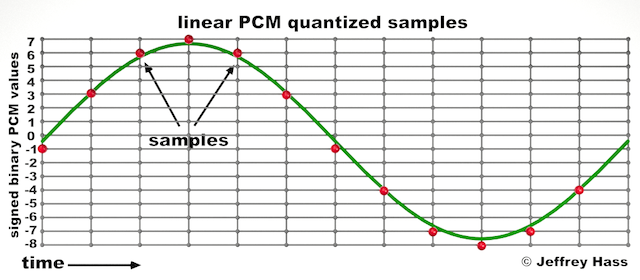
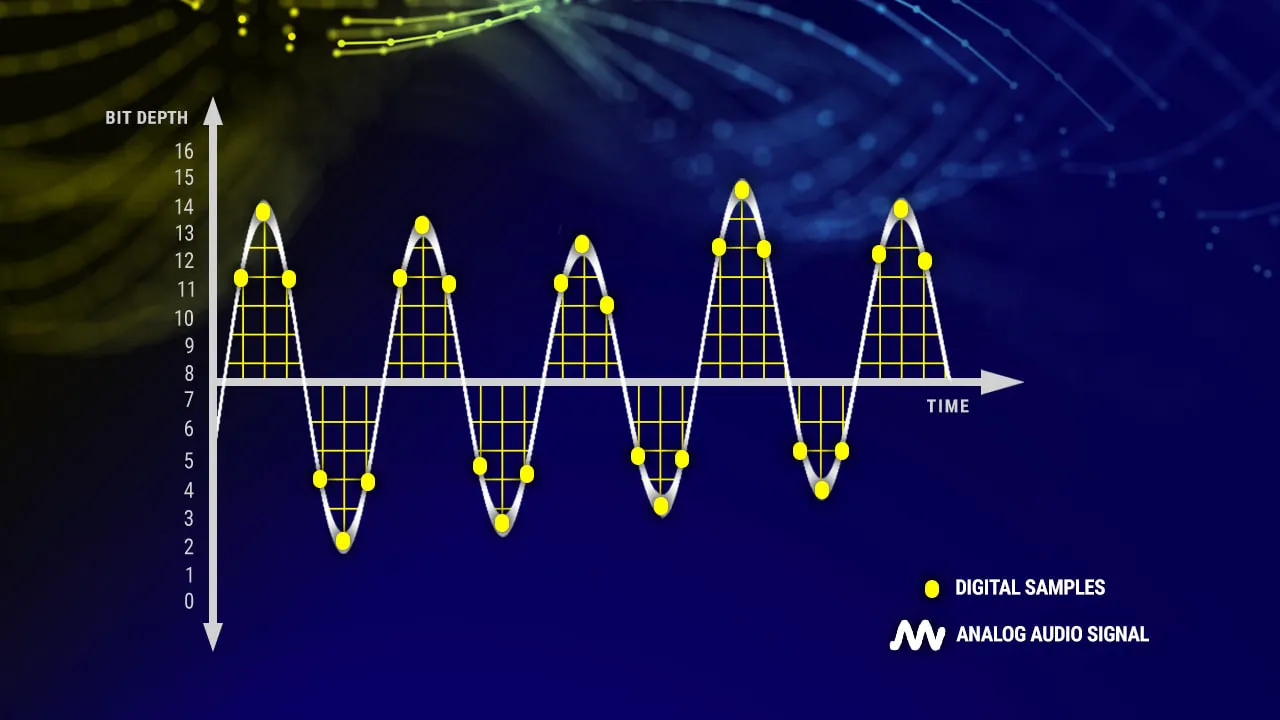
Audio quantization error is a fundamental aspect of digital audio processing. When analog sound waves are converted into digital signals, they undergo quantization. This means that the continuous analog signal is sampled and approximated in discrete steps. These steps are represented by binary values, typically in the form of bits (e.g., 16-bit, 24-bit). Now, what’s crucial to grasp here is that these discrete steps can lead to imperfections in audio reproduction.

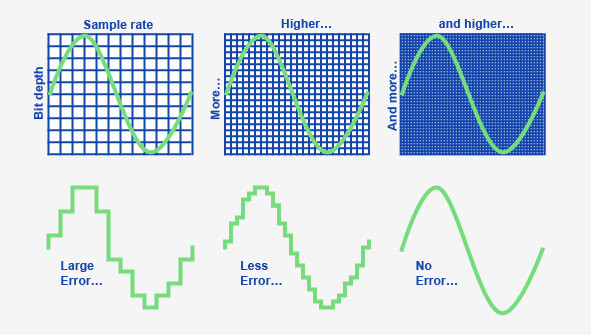
Quantization error, often referred to as “quantization noise,” occurs when the actual analog signal deviates from the approximated digital representation. Imagine you have a beautiful painting, and you’re asked to replicate it using only a limited set of colors. The more restricted your color palette, the less accurate your reproduction will be. In the same way, the fewer bits you use for audio quantization, the more pronounced the quantization error becomes.

Quantization Levels and the Impact on Sound Quality

The number of quantization levels (related to bit depth) directly affects the precision of audio representation. For instance, a 16-bit audio recording has 65,536 possible levels, while a 24-bit recording provides a staggering 16,777,216 levels. This increased bit depth allows for a much finer representation of the original analog signal. Hence, a higher bit depth results in a reduction of quantization error, leading to superior sound quality.

To illustrate this, consider a grayscale image with only two colors: black and white. This is akin to an extremely low bit depth in audio, where the audio signal is either “on” or “off.” Now, imagine a high-resolution image with millions of colors, similar to the detail you get in a 24-bit audio recording. The difference in quality is apparent.

The Role of Dithering in Minimizing Quantization Error

One might wonder if there’s a way to mitigate quantization error in low-bit-depth audio recordings. Enter “dithering.” Dithering is a technique that introduces low-level noise to the audio signal, effectively spreading out the quantization error across a broader spectrum. Think of it as adding a sprinkle of fine grains of sand to a painting to blend the colors. This subtle noise masks the harshness of quantization error and makes it less noticeable to the human ear.

Now, as we’ve explored the fundamentals of audio quantization error, let’s delve into the questions that often arise:

How Does Quantization Error Affect Music Production?

In the realm of music production, quantization error can be a significant concern, particularly for professionals aiming to achieve top-tier sound quality. When producing music, especially in genres where subtle nuances are crucial, such as classical or jazz, quantization errors become more perceptible. To maintain audio fidelity, a higher bit depth is preferred during recording and production, ensuring minimal quantization noise.

Is There an Ideal Bit Depth for Audio Recording?

The ideal bit depth for audio recording is a subject of debate among audio enthusiasts. While 24-bit recording is commonly favored for its excellent dynamic range and low quantization error, it’s worth noting that the final audio format for most consumer applications, like CDs or streaming, is often 16-bit. The choice of bit depth should be based on the specific requirements of the project, keeping in mind the trade-off between audio quality and file size.

Can Quantization Error be Completely Eliminated?

Regrettably, quantization error cannot be entirely eliminated, as it’s an inherent part of the digital audio conversion process. However, it can be minimized to the point where it’s imperceptible to the human ear. Through techniques like dithering and the use of higher bit depths, the impact of quantization error can be significantly reduced, allowing for exceptional audio quality.

Last Words about Audio Quantization Error

In the ever-evolving world of audio technology, understanding audio quantization error is a fundamental step towards achieving superior sound quality. As an expert in the field, I’ve shared insights, experiences, and technical knowledge to demystify this concept. Remember, the bit depth you choose in audio recording significantly influences the extent of quantization error, and techniques like dithering play a pivotal role in mitigating its effects. The quest for pristine audio quality is an ongoing journey, but armed with this knowledge, you’re better equipped to make informed decisions in your audio endeavors.

Why is important bitrate in audio quality?

Why is important bitrate in audio quality?

Why is important bitrate in audio quality?

Bitrate

Bitrate is a crucial factor when it comes to audio quality. It refers to the amount of data processed per unit of time in an audio file.

Audio Quality

Audio quality is directly influenced by the bitrate of an audio file. Higher bitrates result in better sound reproduction and a more accurate representation of the original sound.

Sound Reproduction

The level of detail and accuracy in sound reproduction is determined by the bitrate of an audio file. A higher bitrate allows for more information to be captured and preserved, resulting in a clearer and more immersive listening experience.

Data Compression

Bitrate and data compression go hand in hand. Lower bitrates often involve more aggressive compression techniques, which can lead to a loss of audio data and a reduction in audio quality.

File Size

The bitrate of an audio file directly affects its file size. Higher bitrates require more data to be stored, resulting in larger file sizes. It’s important to strike a balance between audio quality and file size, especially when considering storage limitations or bandwidth constraints.

Streaming Services

Streaming services rely on efficient compression techniques to deliver audio files over the internet. Bitrate plays a crucial role in determining the streaming quality. Higher bitrates result in better audio fidelity but require more bandwidth.

Internet Bandwidth

The choice of bitrate for streaming or downloading audio files depends on the available internet bandwidth. Higher bitrates require more bandwidth to ensure a smooth streaming experience without interruptions or buffering.

Audio Formats

Different audio formats support varying levels of bitrate and, consequently, audio quality. Lossless formats like FLAC and WAV offer the highest audio fidelity as they preserve all the original data. Lossy formats like MP3 and AAC sacrifice some audio data to reduce file size.

Lossless

Lossless audio formats preserve all the original data, resulting in the highest audio fidelity. They are ideal for audiophiles and professionals who require the utmost accuracy in sound reproduction.

Lossy

Lossy audio formats use compression algorithms to reduce file size by sacrificing some audio data. They offer a good balance between audio quality and file size, making them suitable for everyday listening and storage purposes.

Listening Environment

The listening environment can significantly impact the perception of audio quality. Factors such as background noise, acoustics, and speaker quality can affect our ability to discern subtle differences in bitrate.

Background Noise

In a noisy environment, a lower bitrate may be sufficient as the background noise masks some of the audio details. However, in a quiet and controlled environment, a higher bitrate becomes more noticeable, providing a more immersive and enjoyable listening experience.

Acoustics

The acoustics of a room or space can influence the way audio is perceived. Proper acoustic treatment can enhance the overall audio quality, allowing for better sound reproduction and minimizing unwanted reflections or distortions.

Speaker Quality

The quality of speakers or headphones used for audio playback also plays a significant role in the overall audio experience. Higher quality speakers can better reproduce the nuances and details captured in high-bitrate audio files.

Music

Bitrate is particularly important when it comes to music. Higher bitrates allow for a more accurate representation of the original recording, resulting in a richer and more immersive musical experience.

Podcasts

Podcasts, like music, can greatly benefit from higher bitrates. Clearer and more detailed audio reproduction enhances the listening experience, making it easier to follow conversations and understand the content being discussed.

Audio Content

Whether it’s music, podcasts, audiobooks, or other forms of audio content, bitrate plays a crucial role in delivering a high-quality listening experience. Choosing the right bitrate ensures that the audio is faithfully reproduced and enjoyed to its fullest potential.