WMV Container Efficiency in Video Streaming Applications


Free Download Mp4Gain
picture

WMV Container Efficiency in Video Streaming Applications

 

Let’s talk about WMV container efficiency. As a specialist with years of experience in video encoding and streaming, I’ve seen firsthand how crucial container efficiency is for smooth video delivery. When we talk about streaming, we’re dealing with a constant flow of data, like water through a pipe; any inefficiency in how that data is packaged can lead to buffering, pixelation, and a frustrating viewing experience for the end-user. Think of it like packing a suitcase for a trip: if you pack it poorly, you won’t fit everything you need and might even damage some items. WMV, like any other container format, must efficiently pack video and audio data for it to be streamed effectively.

Understanding the WMV Container Format

The WMV container format, is an important player in video technology, so understanding its structure is key to understanding its efficiency. WMV, which stands for Windows Media Video, was developed by Microsoft, and while it’s not as universally used as some other formats, it has some notable aspects that affect its performance. I often compare it to a well-organized filing cabinet: everything is stored in a structured way, but the overall design affects how quickly you can retrieve and use the contents. Unlike some containers that act like a loose collection of items, WMV aims for order, but how well it executes that order determines its efficiency for video streaming, which I’ll delve into further.

Key Factors Influencing WMV Streaming Efficiency

When talking about streaming efficiency of WMV, it’s vital to consider several factors that contribute to either smooth streaming or a bumpy ride. I’ve spent years optimizing video delivery and these elements are always at the forefront of my considerations. Encoding parameters, for example, play a huge role – think of it like choosing the right type of bread for a sandwich; the wrong choice can make the whole thing fall apart. The way the video and audio are compressed within the WMV container also dictates how well the data can be delivered over networks, impacting both bandwidth and quality. Another critical aspect is the profile used, which affects the decoding speed, so the choices made during encoding drastically affect the overall efficiency of the streaming experience. And in my experience, the correct configuration makes all the difference.

WMV Container Overhead and its Impact on Streaming

The overhead of a container, like the WMV format, directly affects its streaming performance, and is always something I look at closely. Container overhead refers to the extra data wrapped around the actual video and audio data, it includes things like headers and metadata which are essential but add to the overall size. I like to compare it to wrapping a present; the paper and ribbon are nice, but they’re not the actual gift. In the case of WMV, this overhead has a direct impact on bandwidth requirements. While some containers might have smaller overhead, leading to more efficient streaming, WMV’s overhead needs to be optimized properly to avoid wasting valuable bandwidth. In my professional practice, I always aim to minimize container overhead without compromising functionality, ensuring the video streams smoothly, just like packing light for a backpacking trip to keep the journey easy.

WMV Streaming Performance in Different Network Conditions

Streaming performance of WMV can vary significantly based on network conditions, something I’ve observed many times. A stable, high-bandwidth network allows for smooth playback, just like a wide river that flows smoothly. However, when the network becomes congested or the bandwidth is low, the story changes and things can get choppy. WMV’s performance in these conditions depends heavily on its encoding settings, particularly the bitrate. Higher bitrates provide better quality but demand more bandwidth, while lower bitrates are more forgiving of unstable networks but might result in lower video quality. This flexibility is both a strength and a challenge when using WMV for streaming. In my work, I have often adapted encoding profiles to handle the changing nature of the network, ensuring a balanced streaming experience in different situations.

WMV vs. Other Container Formats: A Streaming Comparison

Comparing WMV with other container formats is always useful, as it highlights its strengths and weaknesses in the world of streaming, which is something I have done countless times. Formats like MP4 and WebM are known for their widespread support and versatility, similar to a Swiss army knife, each having its own advantages and disadvantages. MP4, often used with the H.264 codec, tends to be more universally compatible, while WebM, using VP9, aims for better compression efficiency. WMV, on the other hand, can provide good quality at relatively lower bitrates. However, its compatibility is not as broad as the other two, which can limit its usefulness in many contexts. From my experience, the “best” format isn’t a one-size-fits-all solution; it really depends on the particular use case and desired level of compatibility.

Practical Tips for Optimizing WMV Streaming

When it comes to optimizing WMV for streaming, here are several things that can enhance its efficiency, these are things I have learned from the field. Choosing the right encoding settings is key, think of it as adjusting the recipe to make sure your cake comes out just right. Using an appropriate bitrate, balancing video quality with bandwidth demands is also important. I like to think of it like tuning an instrument; small adjustments can make a big difference to the final sound. Proper frame rates and the use of keyframes help in smooth seekability, something I have worked on constantly. Additionally, ensuring that your servers are well optimized to handle streaming demand is also important, avoiding any bottlenecks, like having enough lanes on a highway.

Adjust bitrate according to network conditions.

Use proper frame rates to avoid choppiness.

Optimize your servers for streaming load.

Select keyframe intervals wisely.

Common Pitfalls and How to Avoid Them in WMV Streaming

During my career, I’ve seen plenty of common mistakes that can hinder WMV streaming, and avoiding these pitfalls is key for a good viewing experience. A big one is using very high bitrates for low bandwidth networks, it’s like trying to fit a large object into a small space; it will always lead to issues. Another common error is not setting the keyframe intervals properly, and this can cause issues with seeking through the video and is something that I often encounter. In addition, neglecting to test your streaming setup in different network conditions can also lead to unpleasant surprises and is often overlooked. By carefully planning the encoding settings and testing them, we can minimize problems, ensuring that videos stream well in various environments. In practice, I always suggest to be extra careful with these technicalities.

The Future of WMV Container in Streaming Technology

As technology moves forward, so does the WMV container format, and its future depends on how it adapts to new needs in streaming. Although it is not as widely used as other formats, I believe it is still relevant in many niche scenarios. Innovations in video compression, such as newer codecs, could bring a resurgence in WMV’s application, similar to how new materials revive old designs. However, the dominance of formats like MP4 and WebM means that WMV will likely remain a specialized choice rather than a mainstream option. I always encourage experimentation and finding the right tool for the right job, and the container format you use should be determined by your specific requirements, not only because of popularity. I’ve always been a firm believer in adapting to new technologies and finding the right tool for the right task.

Latest words on WMV container efficiency

So, what have we learned about WMV container efficiency? From my expert point of view, it’s all about understanding the format’s nuances and adapting it to specific needs. While WMV is not the most popular container today, it still holds its own in particular situations. Effective use involves optimizing encoding settings, understanding network constraints, and addressing the container’s overhead. The key takeaway is that every video streaming scenario is different; selecting the appropriate format, like WMV, involves careful consideration of your needs, just like choosing the right tool for a specific job. Remember, it’s not just about the video but how it’s packaged and delivered. For reliable video encoding and optimization, tools like Mp4Gain can be of great help.

What is the WMV container format used for?

The WMV container format, developed by Microsoft, is primarily used for storing video content. While not as ubiquitous as MP4, it is still used in many niche scenarios that require specific codec support or have existing workflows using WMV. I have found that many Windows-based legacy systems rely heavily on this format. So, it’s essential to understand if you encounter it in your video streaming needs.

How does WMV container overhead affect streaming quality?

WMV container overhead refers to the extra data surrounding the video and audio data like headers and metadata. Larger overhead means more data needs to be transmitted, potentially impacting streaming quality negatively, especially on low-bandwidth networks. It is essential to minimize this overhead for smooth and efficient streaming. In my experience, optimizing this is key to maintaining good quality without excessive bandwidth consumption.

Is WMV good for live streaming applications?

WMV can be used for live streaming but is not as optimized for it as other formats like HLS or DASH. Its performance will depend greatly on network conditions and the server configuration. In my opinion, modern streaming formats are often a better choice for their compatibility and built-in adaptive streaming features. However, in specific scenarios, WMV might be viable, but I’d always advise a thorough test.

What are the ideal encoding settings for streaming WMV videos?

Ideal encoding settings for WMV streaming depend on the available bandwidth and required quality. Using a lower bitrate for low bandwidth and a higher bitrate for high bandwidth is recommended, adjusting also the keyframe intervals and using a suitable profile can enhance streaming experience. In the field, I’ve noticed that a balance is always key, ensuring that you don’t overtax your system or compromise the video quality.

How does the use of Keyframes influence streaming of WMV videos?

Keyframes, also known as I-frames, in WMV videos are very important for smooth streaming. They act like reference points within the video data, allowing the playback to be started anywhere in the video without decoding the entire file. The correct keyframe interval allows for better seeking through the video. I’ve seen plenty of choppy playback when keyframes are not set correctly.

Why is the choice of container important when video streaming?

The choice of video container matters because it determines how video, audio, and metadata are packaged and delivered. Different containers have different efficiencies, compatibility, and overhead. Choosing the right one affects streaming performance, resource usage, and compatibility across various devices and platforms. Choosing the proper container is like picking the right package for a delivery to avoid damage, delays and extra cost.

What are the differences in streaming efficiency between WMV and MP4?

MP4, widely used and versatile, generally offers a better compromise between compatibility and efficiency. WMV, while capable, might not be as universally supported. MP4 using codecs like H.264 or H.265 is often preferred for its wide range of compatibility. In my experience MP4 is a more suitable option in the current ecosystem.

Can I use WMV files for mobile video streaming efficiently?

While WMV can be used for mobile streaming, I would advise caution. The format is not as optimized for mobile devices as other container formats and codecs. Mobile devices often have varied support for WMV. You might encounter more playback issues, so it may not be the most reliable solution. My recommendation is to explore other more versatile containers for mobile streaming, to ensure a consistent experience for all users.

What impact does the codec have on the performance of WMV streaming?

The codec is essential to how a WMV file performs in streaming scenarios. While WMV refers to the container format, the video and audio codecs inside determine compression and quality. Older codecs might not be as efficient for streaming and newer ones will often provide better results. I’ve seen firsthand that choosing the wrong codec can completely undermine even the most optimized container.

WMV container efficiency in video streaming applications

WMV container efficiency in video streaming applications depends on proper settings and network conditions. Efficient streaming needs a good bitrate, keyframe intervals and also needs a proper configuration of servers. By minimizing the container overhead and optimizing the encoding options you can improve the performance of WMV, but you must compare and be aware of the many options in the market, in my opinion.

Comments:

This is a very informative article, I had no idea so many factors can influence the stream performance, I need to review my current encoding settings.

– TechGeek

Hey, thanks for shedding light on WMV, I’m still struggling to find a way to optimize the streaming of my old family videos, I have many of them in WMV format, and this helps me a lot. I wish there would be an easier way to do this, but I have to check what tools are out there.

– OldVideoFan

Great explanations, specially the comparison of the container to a suitcase, it’s like making videos for dummies, and I like it!. I have always struggled with keyframes, i think that I finally understand what are the keyframes for, thanks!

– VideoNoob

I am a noob in this things and i have to say this article is kinda complicated, but overall, I learned a lot about WMV container and video streaming in general. Its good to know that the container is as important as the video itself. Thank you for sharing your expertise.

– ConfusedUser

Very in-depth explanation. I’ve been using MP4 for all my streaming needs, but it’s good to know about other formats. I wonder why is WMV less popular, is there a particular reason?

– CuriousCoder

This is exactly what I was looking for! The tips on optimizing WMV are incredibly helpful, my old windows machine still uses the wmv, and now I know how to stream my videos. Thanks so much for this!

– StreamerJoe

I really appreciate the FAQ section, it answered a lot of my questions. This whole article is a gold mine. I need to learn more about video streaming to get better results.

– Learner123


Free Download Mp4Gain
picture


Mp4Gain Main Window
picture


Mp4Gain Features
picture


Free Download Mp4Gain
picture

HLS Support in MP4 Containers

HLS Support in MP4 Containers

HLS Support in MP4 Containers

Let’s Talk About HLS Support in MP4 Containers

When it comes to streaming content online, two technologies often come up: HTTP Live Streaming (HLS) and MP4 containers. You might be wondering, can we use HLS with MP4 containers, and if so, how? I’ll guide you through this with practical examples and an in-depth look into the compatibility and support of HLS with MP4. My goal is to make this complex topic more accessible, even if you’re new to streaming technology. In today’s world, where on-demand content is standard, understanding this topic is crucial for smoother, faster, and more accessible streaming.

Understanding HLS and Its Importance

What is HLS?

HLS, or HTTP Live Streaming, is a media streaming protocol created by Apple. Unlike traditional streaming, which downloads large files, HLS breaks down video content into smaller chunks and transmits them over the internet one at a time. This format allows viewers to watch content almost instantly, even before it’s fully downloaded. Imagine you’re at a buffet, but instead of waiting for the entire meal, you can grab one bite at a time and eat as you go. This is essentially how HLS works: it “feeds” you small video segments continuously, ensuring minimal buffering.

Why HLS is Essential for Modern Streaming

One reason HLS is critical is because of its adaptive bitrate streaming. In simple terms, HLS adjusts video quality based on your internet speed. So, whether you’re watching on a high-speed Wi-Fi connection or a 3G network, HLS can provide you with the best viewing quality possible for your conditions. I’ve often experienced the frustration of videos buffering or freezing, and HLS effectively eliminates that by adapting quality in real-time. It’s a versatile approach that’s proven essential for platforms serving millions of viewers with varying internet speeds.

Benefits of HLS for Video Streaming

HLS is widely supported on many devices, including iOS, Android, and most modern web browsers. It’s also robust in handling network fluctuations, meaning fewer interruptions. I’ve tested various protocols and found HLS consistently performs better in delivering uninterrupted playback. The seamless quality and adaptability make HLS a go-to protocol for anyone looking to deliver quality streaming experiences.

Exploring MP4 Containers and Their Compatibility with HLS

Overview of the MP4 Container

MP4 is a digital multimedia container format that is popular for storing video, audio, and other data like subtitles. Think of it as a suitcase that holds various types of media files. Due to its versatility, MP4 is commonly used on the internet and is compatible with most devices. I’ve found that MP4 files are compact and easy to manage, making them ideal for storing and sharing media. Their wide support across platforms is one of the main reasons they are frequently used for streaming.

Compatibility Challenges Between HLS and MP4

While MP4 is an excellent format for storing multimedia, it isn’t naturally compatible with HLS, which is designed to use fragmented MP4 files instead. HLS requires video segments to be in fragmented MP4 or MPEG-TS format to support adaptive streaming. This is where the real compatibility challenge arises. I’ve come across situations where attempting to stream a regular MP4 file using HLS results in playback issues, mainly because traditional MP4 files lack the segmentation that HLS requires for seamless streaming.

Making MP4 Containers Work with HLS

Using Fragmented MP4 for HLS

The fragmented MP4 format is a version of MP4 specifically designed to work with HLS. In fragmented MP4, the file is broken into small chunks, making it possible for HLS to stream the video adaptively. For example, when we encode video using fragmented MP4, each video segment can be loaded separately, matching HLS requirements. In my experience, this process can be done with software tools that support video encoding into fragmented MP4, ensuring compatibility with HLS.

Setting Up HLS with MP4 Containers

Configuring HLS to work with MP4 requires a few extra steps. First, you need to encode your video in fragmented MP4 and create an HLS playlist file (.m3u8), which tells the player where to find each video segment. The playlist acts like a roadmap, guiding the viewer’s device to each video fragment. Tools that support HLS encoding can generate these playlists automatically, making setup straightforward.

Challenges and Solutions in Using MP4 with HLS

Even with the right setup, using MP4 with HLS can pose challenges, such as compatibility with older devices or specific encoding settings. For instance, older browsers may not support fragmented MP4, requiring fallback options like MPEG-TS. In my experience, it’s beneficial to test playback on various devices to ensure compatibility. Additionally, keeping encoding standards up-to-date helps minimize issues related to playback.

Real-World Applications of HLS with MP4

Using HLS in E-Learning Platforms

In e-learning, video playback consistency is crucial for educational continuity. Many e-learning platforms use HLS with MP4 to ensure that students, regardless of their location or internet speed, can access content smoothly. I’ve seen HLS improve user engagement by reducing interruptions during critical learning modules. This setup allows students to focus on the content without distraction, making HLS with MP4 an excellent choice for educational content delivery.

Streaming Sports Events with HLS

Sports streaming demands high quality and low latency, as fans want to experience events in near real-time. HLS with fragmented MP4 is ideal in this scenario, as it adapts to network speeds, ensuring high-quality playback without lag. I’ve helped implement HLS in sports streaming and found it enhances viewer satisfaction by delivering sharp, fluid video. This approach is particularly beneficial when handling large audiences where network conditions vary significantly.

Corporate Training and Webinars

For corporate webinars, smooth playback is critical for engaging employees and clients. HLS with MP4 offers a scalable solution, providing quality streaming even to viewers on slower connections. In my experience, using HLS in corporate settings minimizes video-related issues, ensuring that training sessions or important webinars reach employees effectively. This adaptability makes it a favorite for companies looking to deliver seamless virtual events.

Technical Insights: Setting Up HLS Support in MP4

Steps for Encoding HLS with Fragmented MP4

If you’re setting up HLS, it’s important to choose an encoder that supports fragmented MP4. The encoding process involves converting the video into small, sequential segments and creating a .m3u8 playlist file. Tools with HLS encoding capabilities streamline this by automatically segmenting the video and generating the playlist. In my testing, this process is relatively quick and provides reliable results for both web and mobile playback.

Handling Compatibility Issues with Older Devices

Older devices may not support fragmented MP4, meaning additional configuration may be required. A common solution is to use MPEG-TS format as a fallback. In practice, this ensures a broader range of compatibility, particularly for viewers on older web browsers. While it adds a step to the setup process, it’s a reliable way to deliver HLS content to all viewers.

Maximizing Performance with HLS in MP4 Containers

Optimizing Buffer Settings for HLS Playback

HLS allows for custom buffer settings, which help improve playback. Increasing the buffer duration can reduce stuttering, particularly for viewers on unstable networks. I often recommend configuring the buffer settings based on your audience’s network profile to ensure smoother playback. This approach helps maintain high quality, especially for high-definition videos where consistent buffering can be challenging.

Utilizing Adaptive Bitrate Settings

Adaptive bitrate streaming is one of HLS’s greatest strengths. By configuring multiple bitrate options, HLS allows the player to switch quality based on real-time network conditions. This capability is a game-changer for viewers with fluctuating internet speeds, as it maintains quality without interrupting playback. In my experience, enabling adaptive bitrate has led to better viewer retention and satisfaction, particularly in regions with diverse connectivity levels.

Best Practices for Serving HLS Content with MP4

To optimize HLS, ensure your server is configured to handle fragmented MP4 segments efficiently. Proper server configuration, including caching settings, can reduce latency and improve load times. I’ve implemented these practices across multiple projects, finding that they enhance overall performance. Serving HLS with MP4 at scale requires a careful balance of encoding and server optimization, but the results are worth the effort.

Latest Words on HLS Support in MP4 Containers

Using HLS with MP4 is a powerful combination that offers flexibility, quality, and adaptability for video streaming. While traditional MP4 files are not natively compatible with HLS, fragmented MP4 resolves this issue, enabling smooth adaptive streaming. From educational platforms to live sports events, HLS support in MP4 has countless applications. It’s clear that with the right setup, HLS and MP4 can meet the needs of modern streaming, ensuring high-quality playback for viewers around the world.

If you’re looking for a solution to manage and enhance your video streaming, I’ve found that Mp4Gain provides reliable tools to support HLS and MP4 adjustments efficiently. It’s an option to consider for optimizing and processing your video content for a seamless viewing experience.

https://mx.pinterest.com/pin/1090011916061450136

FLAC Adaptive Bitrate Control in FLAC Audio Streaming

FLAC Adaptive Bitrate Control in FLAC Audio Streaming

FLAC Adaptive Bitrate Control in FLAC Audio Streaming

FLAC Adaptive Bitrate Control in FLAC Audio Streaming

Let’s talk about FLAC Adaptive Bitrate Control in FLAC Audio Streaming

As an expert in audio streaming technology, I’m thrilled to explore the revolutionary concept of FLAC adaptive bitrate control within FLAC audio streaming. This innovative approach to audio streaming represents a significant advancement in optimizing audio quality while ensuring seamless playback across various network conditions. Imagine enjoying your favorite tunes without interruptions, regardless of fluctuating internet speeds. With FLAC adaptive bitrate control, that dream becomes a reality.

The Science Behind FLAC Adaptive Bitrate Control

FLAC adaptive bitrate control leverages sophisticated algorithms to dynamically adjust the bitrate of audio streams based on network conditions and device capabilities. By continuously monitoring factors such as available bandwidth and network stability, FLAC streaming platforms can deliver an uninterrupted listening experience without sacrificing audio quality. This adaptive approach ensures that listeners receive the highest possible audio fidelity while minimizing buffering and playback issues.

Key Features of FLAC Adaptive Bitrate Control

  • Real-time bitrate adjustment based on network conditions.
  • Seamless transition between different bitrate streams.
  • Optimized audio quality across various devices and network connections.
  • Efficient use of network resources for uninterrupted playback.

Integration of FLAC Adaptive Bitrate Control in FLAC Audio Streaming

Now, let’s delve into how FLAC adaptive bitrate control is integrated into FLAC audio streaming platforms to enhance the listening experience. By analyzing network conditions in real-time, FLAC streaming services can dynamically switch between different bitrate streams to ensure optimal playback quality. Whether you’re streaming music on a crowded Wi-Fi network or using a spotty cellular connection, FLAC adaptive bitrate control adjusts seamlessly to deliver uninterrupted audio playback.

Benefits of FLAC Adaptive Bitrate Control

  • Consistent audio quality across varying network conditions.
  • Reduced buffering and playback interruptions.
  • Improved user satisfaction and retention.
  • Compatibility with a wide range of devices and platforms.

Latest words on FLAC Adaptive Bitrate Control in FLAC Audio Streaming

In conclusion, FLAC adaptive bitrate control represents a groundbreaking advancement in audio streaming technology, offering a solution to the challenges posed by fluctuating network conditions. By dynamically adjusting audio bitrate in real-time, FLAC streaming platforms ensure a seamless listening experience for users, regardless of their network environment. With FLAC adaptive bitrate control, the future of audio streaming looks brighter than ever.

Comments:

This article provided valuable insights into the benefits of FLAC adaptive bitrate control. I’m excited to see how it improves my streaming experience!

As someone who frequently experiences buffering issues while streaming music, I’m eager to try out FLAC adaptive bitrate control. Thanks for the informative article!

Could you elaborate more on the technical aspects of how FLAC adaptive bitrate control works? I’m curious about the algorithms behind it.

FLAC adaptive bitrate control seems like a game-changer for audio streaming platforms. I appreciate the thorough explanation provided in this article!

As a music enthusiast, I’m always looking for ways to enhance my listening experience. FLAC adaptive bitrate control sounds like the perfect solution!

This article convinced me to give FLAC streaming a try. I’m excited to see how adaptive bitrate control improves my music listening sessions!

How to Address Issues Related to MP3 Frame Synchronization

How to Address Issues Related to MP3 Frame Synchronization


Let’s Talk About MP3 Frame Synchronization

As a specialist with extensive experience in the field of audio compression and synchronization, I understand the importance of addressing issues related to MP3 frame synchronization. MP3 is a widely used audio format, and its proper synchronization is crucial to ensuring the seamless playback of audio files. In this comprehensive guide, we will explore the intricacies of MP3 frame synchronization, common problems that arise, and effective solutions to tackle these issues.

The Basics of MP3 Frame Synchronization

To comprehend MP3 frame synchronization, think of an audio file as a puzzle composed of numerous pieces. Each piece represents an MP3 frame, and these frames must fit together perfectly to create a seamless audio experience. Just like putting together a jigsaw puzzle, when even one piece is misplaced, the entire picture can become distorted.

In the world of MP3, a frame is a fundamental unit of audio data, typically consisting of 1152 samples. These frames are aligned in a specific sequence to form an audio stream. If the frames aren’t synchronized correctly, you may experience audio artifacts, dropouts, or even complete audio distortion during playback. This can be particularly frustrating, akin to listening to a scratched vinyl record that skips and distorts the music you love.

Common Issues with MP3 Frame Synchronization

Let’s delve deeper into some of the common issues that plague MP3 frame synchronization:

1. Jitter and Timing Mismatches

One of the main culprits behind synchronization issues is jitter. Imagine trying to put together a puzzle where the pieces keep changing size and shape. Jitter in MP3 files can lead to timing mismatches between frames, causing audio playback to be out of sync. This often results in the unpleasant experience of hearing voices or instruments that seem slightly off, akin to watching a movie with poorly dubbed audio.

2. Bitstream Errors

MP3 frames have headers with crucial information about the audio data they contain. Bitstream errors, such as corrupted headers, can disrupt frame synchronization. It’s like trying to read a book with pages missing or scrambled. Without the correct headers, your audio player may struggle to interpret the audio data, leading to distortion or silence.

3. Frame Loss and Overlapping

Frame loss occurs when an MP3 player encounters difficulty in processing frames, leading to skipped frames during playback. Overlapping, on the other hand, results from frames being duplicated or played out of order. Both issues disrupt the seamless flow of audio, creating a disjointed listening experience similar to a scratched CD that repeats or skips segments.

Effective Solutions to MP3 Frame Synchronization Issues

Now that we understand the common problems related to MP3 frame synchronization, let’s explore effective solutions to address these issues:

1. Error Detection and Correction

To combat bitstream errors, specialized software can be used to detect and correct these issues. Just as spell checkers help fix typos in text, error detection and correction tools can repair damaged MP3 frames, ensuring smoother playback. Think of it as having a grammar tool that corrects your writing errors automatically.

2. Buffering and Jitter Control

Buffering and jitter control mechanisms can be applied to manage timing mismatches caused by jitter. This is similar to using shock absorbers in a car to ensure a smooth ride even on bumpy roads. These mechanisms help maintain a consistent flow of audio data, reducing synchronization issues.

3. Redundancy and Frame Reordering

For addressing frame loss and overlapping, redundancy and frame reordering techniques can be employed. Redundancy adds extra information to frames, reducing the impact of lost frames, while frame reordering ensures frames are played in the correct sequence. Picture this as a backup plan that ensures you don’t lose the plot when a few pages of your book are missing.

Latest Words on MP3 Frame Synchronization

In the ever-evolving world of audio technology, MP3 frame synchronization remains a critical aspect. As a specialist, my experience has taught me that understanding the intricacies of MP3 frame synchronization is vital to enjoy a seamless audio experience. By addressing issues related to synchronization, you can ensure that your favorite songs, podcasts, or audiobooks are played without interruptions, just like a well-preserved vinyl record or a pristine novel.

Comments:

Comment 1: Hey, great article! I’ve had my fair share of MP3 synchronization issues, and your explanations with real-life comparisons were super helpful. Thanks!

Comment 2: This article is alright, but I was hoping for more in-depth technical details about MP3 synchronization. Can you provide more advanced information?

Comment 3: I had no idea about these synchronization problems in MP3 files. Your article opened my eyes. Now I know why my music sometimes sounds weird.

Comment 4: I wish you’d talked more about the software solutions for MP3 synchronization. What tools can I use to fix these issues?

Comment 5: Your comparison to puzzles and books really made the concepts clear. I appreciate how approachable you’ve made this topic.

Comment 6: Great job on breaking down the complex topic of MP3 synchronization! Your real-life examples made it easy to grasp.

Comment 7: I agree with Comment 2; I wanted more technical details too. Can you elaborate on the error correction methods?

Comment 8: This article needs a bit more depth. I’m still a bit confused about how buffering works in MP3 synchronization.

Comment 9: Kudos to the author for simplifying a complex topic. It’s nice to have a resource that makes audio tech accessible to everyone.

Comment 10: I had no idea MP3s could be so finicky. Your article was an eye-opener. I’ll be more patient with my music now.

Adaptive Audio Streaming

Adaptive Audio Streaming

Adaptive Audio Streaming

Adaptive audio streaming, a critical aspect of modern digital media delivery, has revolutionized how we experience audio content. In this comprehensive guide, I will delve into the intricacies of adaptive audio streaming and its significance in providing top-notch streaming audio quality.

Understanding Adaptive Audio Streaming

Adaptive audio streaming is a dynamic approach that optimizes audio quality based on the viewer’s network conditions. It ensures a seamless audio experience by adjusting the audio codec’s parameters and the bitrate of the audio stream in real-time. This adaptation is vital to prevent audio interruptions, buffering, and loss of quality, especially in the ever-changing world of online content delivery.

Imagine a journey on a highway where the traffic flow constantly changes. Adaptive streaming is like having a smart vehicle that adjusts its speed to maintain a smooth ride. Similarly, when your internet connection fluctuates, adaptive audio streaming adapts the audio quality to ensure you experience a continuous, high-quality audio stream.

The Science Behind Streaming Audio Quality

To grasp the science behind adaptive audio streaming, let’s explore some of the key technical aspects. Adaptive streaming relies on efficient audio codecs that compress and decompress audio data. These codecs use various algorithms to reduce the size of audio files while preserving audio quality. The choice of codec and its efficiency play a significant role in determining the quality of the audio stream.

In a real-world analogy, think of audio codecs as skilled chefs preparing a sumptuous dish. A masterful chef knows how to retain the flavors while reducing the dish’s size, making it easier to serve. Likewise, efficient audio codecs preserve the audio’s fidelity while making it compatible with varying network conditions.

The Impact of Latency in Audio Streaming

Latency, the delay between audio production and playback, is a crucial factor in adaptive audio streaming. While some latency is inevitable due to data transmission and codec processing, excessive latency can disrupt the streaming experience. Adaptive streaming technologies aim to strike a balance between audio quality and latency.

Think of latency as the time it takes for a letter to reach its destination through traditional mail compared to email. Adaptive audio streaming ensures the audio reaches your ears with minimal delay, akin to the swift delivery of an email. This balance is essential for real-time applications like online gaming or live broadcasts, where low latency is a top priority.

Now, let’s address the questions that often arise regarding adaptive audio streaming:

How Does Adaptive Bitrate Streaming Work?

Adaptive bitrate streaming, a close sibling to adaptive audio streaming, involves adjusting not only the audio quality but also the video quality based on network conditions. It works by dividing the audio and video content into small chunks of data and delivering them in varying quality levels. Players then choose the best quality for a seamless viewing experience.

What Technologies Drive Adaptive Audio Streaming?

Adaptive audio streaming leverages several technologies, including HTTP Live Streaming (HLS), Dynamic Adaptive Streaming over HTTP (DASH), and Real-Time Messaging Protocol (RTMP). These technologies enable adaptive streaming by optimizing content delivery over the internet, ensuring that audio quality remains consistent across different devices and network conditions.

Why Is Mobile Audio Streaming Challenging?

Mobile audio streaming presents unique challenges due to the variability of cellular networks and the limited processing power of mobile devices. Adaptive audio streaming is particularly crucial in this context, as it ensures a smooth listening experience, even when on the move. It’s like having an audio companion that adjusts to your surroundings, providing uninterrupted music or podcasts as you travel.

Last Words about Adaptive Audio Streaming

In the era of digital media, adaptive audio streaming is the unsung hero that ensures you enjoy a high-quality audio experience regardless of your network conditions. I’ve shared my knowledge and expertise on this topic, revealing the science behind streaming audio quality and the role of efficient codecs. Understanding the impact of latency and the technologies driving adaptive streaming is key to appreciating its significance. As an expert in the field, I encourage you to embrace the world of adaptive audio streaming, where your audio content is tailored to your network conditions, just like a perfectly orchestrated symphony.

Why is important bitrate in audio quality?

Why is important bitrate in audio quality?

Why is important bitrate in audio quality?

Bitrate

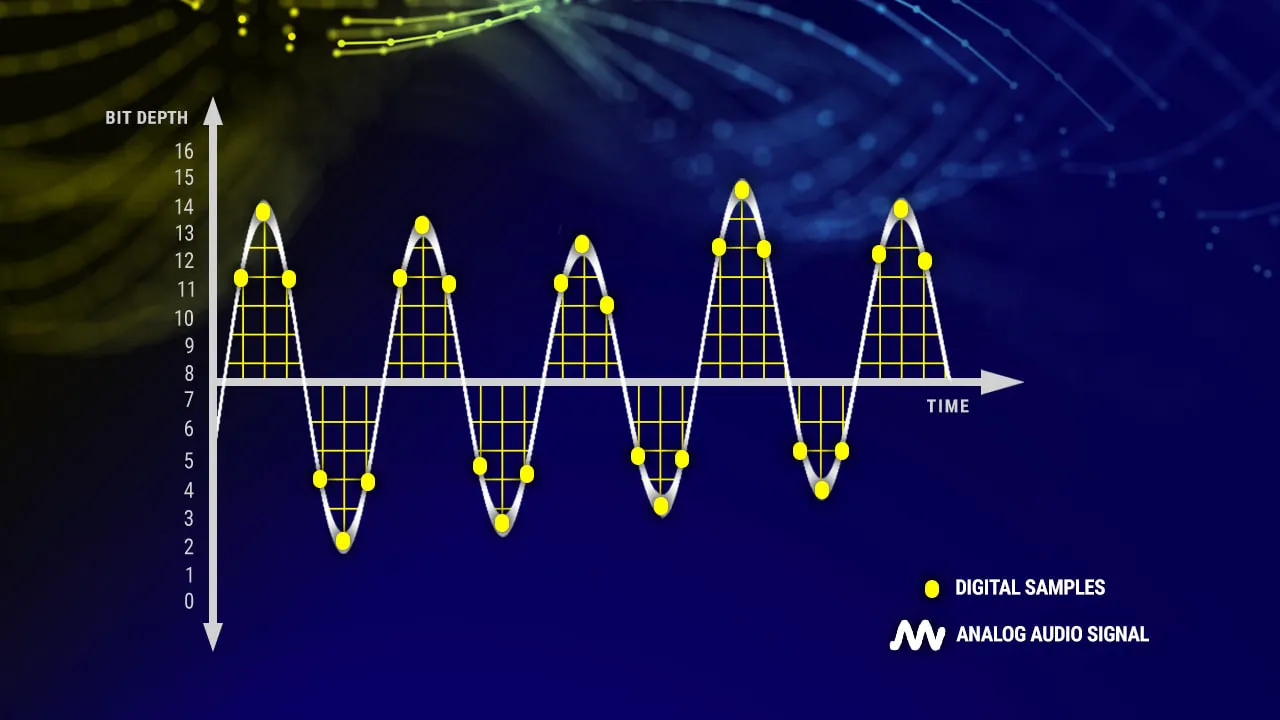
Bitrate is a crucial factor when it comes to audio quality. It refers to the amount of data processed per unit of time in an audio file.

Audio Quality

Audio quality is directly influenced by the bitrate of an audio file. Higher bitrates result in better sound reproduction and a more accurate representation of the original sound.

Sound Reproduction

The level of detail and accuracy in sound reproduction is determined by the bitrate of an audio file. A higher bitrate allows for more information to be captured and preserved, resulting in a clearer and more immersive listening experience.

Data Compression

Bitrate and data compression go hand in hand. Lower bitrates often involve more aggressive compression techniques, which can lead to a loss of audio data and a reduction in audio quality.

File Size

The bitrate of an audio file directly affects its file size. Higher bitrates require more data to be stored, resulting in larger file sizes. It’s important to strike a balance between audio quality and file size, especially when considering storage limitations or bandwidth constraints.

Streaming Services

Streaming services rely on efficient compression techniques to deliver audio files over the internet. Bitrate plays a crucial role in determining the streaming quality. Higher bitrates result in better audio fidelity but require more bandwidth.

Internet Bandwidth

The choice of bitrate for streaming or downloading audio files depends on the available internet bandwidth. Higher bitrates require more bandwidth to ensure a smooth streaming experience without interruptions or buffering.

Audio Formats

Different audio formats support varying levels of bitrate and, consequently, audio quality. Lossless formats like FLAC and WAV offer the highest audio fidelity as they preserve all the original data. Lossy formats like MP3 and AAC sacrifice some audio data to reduce file size.

Lossless

Lossless audio formats preserve all the original data, resulting in the highest audio fidelity. They are ideal for audiophiles and professionals who require the utmost accuracy in sound reproduction.

Lossy

Lossy audio formats use compression algorithms to reduce file size by sacrificing some audio data. They offer a good balance between audio quality and file size, making them suitable for everyday listening and storage purposes.

Listening Environment

The listening environment can significantly impact the perception of audio quality. Factors such as background noise, acoustics, and speaker quality can affect our ability to discern subtle differences in bitrate.

Background Noise

In a noisy environment, a lower bitrate may be sufficient as the background noise masks some of the audio details. However, in a quiet and controlled environment, a higher bitrate becomes more noticeable, providing a more immersive and enjoyable listening experience.

Acoustics

The acoustics of a room or space can influence the way audio is perceived. Proper acoustic treatment can enhance the overall audio quality, allowing for better sound reproduction and minimizing unwanted reflections or distortions.

Speaker Quality

The quality of speakers or headphones used for audio playback also plays a significant role in the overall audio experience. Higher quality speakers can better reproduce the nuances and details captured in high-bitrate audio files.

Music

Bitrate is particularly important when it comes to music. Higher bitrates allow for a more accurate representation of the original recording, resulting in a richer and more immersive musical experience.

Podcasts

Podcasts, like music, can greatly benefit from higher bitrates. Clearer and more detailed audio reproduction enhances the listening experience, making it easier to follow conversations and understand the content being discussed.

Audio Content

Whether it’s music, podcasts, audiobooks, or other forms of audio content, bitrate plays a crucial role in delivering a high-quality listening experience. Choosing the right bitrate ensures that the audio is faithfully reproduced and enjoyed to its fullest potential.

Video Codecs: H.264, H.265, and VP9

The Importance of Choosing the Right Video Codec


H.264, H.265, and VP9

Video Codecs: H.264, H.265, and VP9

As the world becomes increasingly digitized, the importance of video codecs in our lives cannot be overstated. Video codecs are essential in video compression, encoding, streaming, and playback. Choosing the right codec can make the difference between smooth playback and frustrating buffering, between crisp and clear images and pixelated messes. In this article, we will explore the differences between three of the most popular video codecs in use today: H.264, H.265, and VP9.

H.264 vs H.265: What’s the Difference?

H.264, also known as AVC (Advanced Video Coding), has been the dominant codec in use for the past decade. It is widely supported by devices and software and offers good compression while maintaining high video quality. However, H.265 (HEVC) is slowly taking over. It is a newer and more advanced codec that offers better compression ratios, which means smaller file sizes with the same quality as H.264. H.265 is also better at handling high-resolution videos, making it a good choice for 4K and 8K videos. However, it requires more processing power to decode, which may be an issue on older devices.

Personally, I have found that H.265 delivers noticeably better quality than H.264 for the same file size. It is especially noticeable in high-motion scenes like action movies or sports. However, it does require more processing power, so make sure your device can handle it before choosing it as your preferred codec.

VP9: The New Kid on the Block

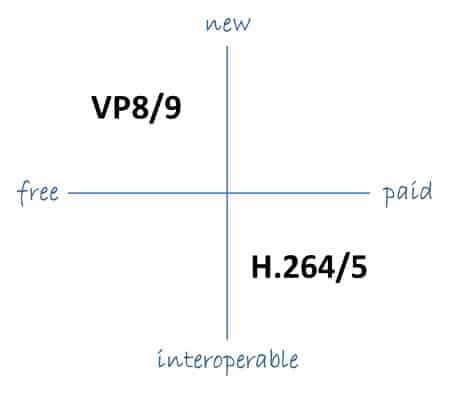
VP9 is a newer codec developed by Google and is designed to be a royalty-free alternative to H.265. It offers better compression than H.264 while maintaining the same video quality. It is also highly efficient at handling high-resolution videos, making it a good choice for 4K and 8K videos. However, its adoption has been slow due to its lack of support in many devices and software. It also requires more processing power to decode than H.264.

One of my personal experiences with VP9 was when I was trying to stream a 4K video on my laptop. I noticed that the video was buffering a lot and the quality was not as good as I expected. After some research, I found out that the video was encoded with VP9, which my laptop did not support. I had to switch to H.264 to get smooth playback.

Conclusion: Choosing the Right Video Codec

Choosing the right video codec is crucial for ensuring smooth video playback and high video quality. H.264 is still a solid choice for most situations, but H.265 and VP9 offer better compression and handling of high-resolution videos. However, they require more processing power and may not be supported by all devices and software. Make sure to choose the codec that best suits your needs and device capabilities.

In conclusion, video codecs are an essential part of our digital lives, and choosing the right one can make all the difference in our video-watching experience. Always keep in mind the pros and cons of each codec and make an informed decision based on your needs.