How Variable Bitrate Encoding Affects MP4 Video Quality


Free Download Mp4Gain
picture

How Variable Bitrate Encoding Affects MP4 Video Quality

How Variable Bitrate Encoding Affects MP4 Video Quality

As a seasoned video encoding specialist, I’ve seen firsthand how variable bitrate encoding affects MP4 video quality. Variable bitrate is the technique that adjusts the data rate of a video file based on the complexity of the content. Encoding video properly is the key to achieving optimal quality and file size. There is no single answer, because understanding how VBR impacts video quality can help you make smarter choices about your encoding settings.

Let’s talk about How Variable Bitrate Encoding Affects MP4 Video Quality

Variable bitrate, also known as VBR, encoding significantly affects MP4 video quality. Think of it like this: imagine you’re painting a picture. When you get to a simple part, like a clear blue sky, you don’t need to use a lot of paint. But when you get to a complicated part, like a detailed forest, you need to use more paint to capture all the detail. VBR works the same way. High video quality can be achieved with the correct settings. I’ll break down the technical aspects of VBR. So my intention is to make it easy to understand how it works. I will share my experience about choosing the best settings. By the end, you’ll have the knowledge to optimize your MP4 video encoding for the best possible quality.

Understanding Bitrate in Video Encoding

Understanding bitrate is crucial for understanding video encoding. It refers to the amount of data used to encode a video per unit of time, usually measured in kilobits per second (kbps) or megabits per second (Mbps). Think of it like a water pipe; the bitrate is the diameter of the pipe. If the pipe is too narrow, the water flow will be restricted, and you won’t get enough water. The quality of the final result has a direct impact on the bitrate. I am keen to discuss both constant and variable bitrates.

What is Bitrate?

  • Bitrate determines video quality and file size.
  • Higher bitrates mean more data and better quality.
  • Lower bitrates mean less data and lower quality.
  • Measured in kilobits per second (kbps) or megabits per second (Mbps).

As a video specialist, I’ve always emphasized the importance of bitrate selection to my clients. I remember helping a small business create promotional videos for their website. They wanted their videos to look professional, but they were also concerned about file size. I carefully explained the trade-offs between bitrate, quality, and file size. By choosing a bitrate that was high enough to deliver good quality, but low enough to keep the file size manageable, I was able to create videos that looked great and loaded quickly on their website.

Constant Bitrate (CBR) vs. Variable Bitrate (VBR)

Constant Bitrate and Variable Bitrate are two main types of bitrate encoding. CBR maintains a constant bitrate throughout the entire video. This is like using the same amount of paint for every part of the picture. I’ve found that VBR offers more flexibility and better results for most types of video content.

Constant Bitrate (CBR)

  • CBR uses a fixed bitrate throughout the entire video.
  • Simple to implement and predictable file sizes.
  • Can waste bandwidth on simple scenes.
  • Quality suffers during complex scenes.

I vividly recall a project where CBR was not the right choice. It was a nature documentary with long periods of static scenery followed by sudden bursts of action. Using CBR resulted in wasting bandwidth during the static scenes. This meant that the complex action scenes didn’t receive enough data, resulting in noticeable quality loss. From that day forward, I always carefully considered whether CBR was appropriate for the content I was encoding.

Variable Bitrate (VBR)

  • VBR adjusts the bitrate based on the complexity of the video content.
  • Allocates more data to complex scenes.
  • Reduces data for simple scenes.
  • Provides better overall quality compared to CBR.

VBR is like a smart traffic system that directs more resources to the areas that need them most. It allocates more data to complex scenes. When I worked on a project for a local film school, the student films often contained a mix of simple and complex scenes. VBR allowed me to encode those films with excellent overall quality. Because the more complex scenes received the data they needed to shine, while the simpler scenes didn’t waste bandwidth.

How VBR Works in MP4 Encoding

VBR works by analyzing the video content and adjusting the bitrate accordingly. It is like a smart thermostat that adjusts the temperature based on the environment. Choosing the right settings for VBR is crucial to maximize the benefits of variable bitrate encoding.

Analysis of Video Content

  • The encoder analyzes each frame of the video.
  • It identifies areas of high and low complexity.
  • Complexity is determined by the amount of detail and motion.

I’ve always been amazed by the sophistication of modern video encoders. They can analyze each frame of the video. They identify areas of high and low complexity with remarkable accuracy. Think of it like a detective carefully examining a crime scene. It needs to be able to get the full picture.

Bitrate Adjustment

  • The encoder assigns a higher bitrate to complex scenes.
  • It assigns a lower bitrate to simple scenes.
  • The goal is to maintain consistent video quality.

The encoder adjusts the bitrate on a frame-by-frame basis, allocating more data to the scenes that need it most. It’s like a skilled chef adding spices to a dish. This means that the encoder is always adjusting the bitrate to optimize video quality.

The Impact of VBR on MP4 Video Quality

VBR encoding has a significant impact on MP4 video quality. Because it adapts to the complexity of the video. The result is that it delivers superior quality compared to constant bitrate encoding. VBR improves compression efficiency.

Improved Compression Efficiency

  • VBR reduces file size without sacrificing video quality.
  • Allocates data more efficiently compared to CBR.
  • Reduces bandwidth requirements for streaming.

I remember helping a small non-profit organization encode their training videos for online distribution. They were concerned about bandwidth costs. VBR allowed them to compress their videos more efficiently. This reduced file size, without significantly sacrificing video quality. This meant that they could reach a wider audience without incurring excessive bandwidth charges.

Enhanced Visual Quality

  • VBR preserves detail in complex scenes.
  • Reduces artifacts and distortion.
  • Provides a more consistent viewing experience.

VBR is like a skilled artist who knows how to use light and shadow to create a more lifelike image. When I worked on a project for a local art gallery, I encoded their videos using VBR to ensure that the fine details of the artwork were preserved. It was like bringing the artwork to life on the screen.

Factors Affecting VBR Performance

Several factors affect VBR performance in MP4 encoding. One factor is the video content itself. VBR performs best on content with a mix of simple and complex scenes.

Video Content Complexity

  • VBR is most effective with variable content.
  • Simple content may not benefit significantly from VBR.
  • Highly complex content may require higher bitrates.

I’ve noticed that VBR shines when encoding content that has both simple and complex scenes. For example, it gives a better video result. In my opinion, I have also experienced that with highly complex content higher bitrates are required.

Encoder Settings

  • Encoder settings significantly affect VBR quality.
  • Set appropriate minimum and maximum bitrates.
  • Experiment with different settings to find the optimal balance.

I’ve always emphasized the importance of experimenting with different encoder settings. I was once helping a client optimize their video encoding workflow. Through careful experimentation with different VBR settings, I was able to improve video quality by reducing file size. It was like fine-tuning an engine to achieve peak performance.

Practical Tips for Using VBR in MP4 Encoding

Several practical tips exist for getting the most out of VBR in MP4 encoding. One is to set appropriate bitrate ranges. This is like setting the temperature range on a thermostat.

Set Appropriate Bitrate Ranges

  • Specify a minimum and maximum bitrate for VBR.
  • The minimum bitrate ensures a baseline quality level.
  • The maximum bitrate prevents excessive file sizes.

I always start by setting appropriate bitrate ranges to ensure a good balance between quality and file size. Setting a minimum bitrate ensures that even the simplest scenes receive enough data. Also setting a maximum bitrate prevents file sizes from becoming too large during complex scenes.

Test Different Settings

  • Experiment with different VBR settings.
  • Compare the results visually.
  • Use metrics like PSNR and SSIM to evaluate quality.

I’ve learned through trial and error that there’s no substitute for careful testing and visual comparison. There will always be something new to discover about VBR, and there is no single “best” setting.

Latest words on How Variable Bitrate Encoding Affects MP4 Video Quality

Variable bitrate, also known as VBR, encoding significantly affects MP4 video quality. Providing a better balance between quality and file size compared to constant bitrate encoding. The right VBR settings will improve the viewing experience. For even more precise control, consider tools such as Mp4Gain, because these tools allow you to fine-tune the video and audio levels. You also improve the overall results. Therefore, the video settings will be properly encoded.

How does variable bitrate encoding improve MP4 video quality compared to constant bitrate?

Variable Bitrate (VBR) improves MP4 video quality by adjusting the data rate based on the complexity of the video content. It allocates more data to complex scenes and less to simple scenes, providing better overall quality compared to Constant Bitrate (CBR).

In what scenarios is VBR encoding most effective for MP4 videos?

VBR encoding is most effective for MP4 videos with variable content. This content includes scenes with both high and low complexity, such as action movies or mixed-content documentaries, where allocating data dynamically enhances the overall quality.

What role does video content complexity play in VBR encoding for MP4?

Video content complexity significantly impacts VBR encoding for MP4. Higher complexity scenes receive higher bitrates to maintain quality, while simpler scenes receive lower bitrates, improving overall efficiency.

How do minimum and maximum bitrate settings affect VBR-encoded MP4 videos?

Setting appropriate minimum and maximum bitrates for VBR ensures a balance between quality and file size. The minimum bitrate prevents quality from dropping too low, while the maximum bitrate avoids excessively large file sizes.

What are the key benefits of using VBR for streaming MP4 videos?

The key benefits of using VBR for streaming MP4 videos include reduced bandwidth requirements without significant loss in visual quality, efficient use of data resources, and a more consistent viewing experience for users with varying internet speeds.

Does encoder selection have an effect on the outcome of VBR MP4 video quality?

Yes, encoder selection significantly affects VBR MP4 video quality, because different encoders use varying algorithms and settings, which can lead to noticeable differences in efficiency and visual results.

What metrics can be used to evaluate the video quality of VBR-encoded MP4 files?

Metrics like PSNR (Peak Signal-to-Noise Ratio) and SSIM (Structural Similarity Index) can be used to evaluate the video quality of VBR-encoded MP4 files, as they provide quantitative measures of video fidelity.

Can VBR encoding entirely prevent artifacts and distortion in MP4 videos?

VBR encoding cannot entirely prevent artifacts and distortion in MP4 videos but reduces them significantly by allocating more data to complex scenes, resulting in a cleaner and more visually accurate output.

Are specific tools available to fine-tune video and audio levels beyond VBR encoding adjustments for MP4?

Yes, for even more precise control, consider tools such as Mp4Gain, as these tools allow you to fine-tune the video and audio levels, ensuring the settings are properly encoded for an optimized viewing and listening experience.

What kind of impact do the frame rates have on video quality, when using Variable bitrate encoding for MP4 files?

MP4 files has a huge impact of frame rates on video quality, when using Variable bitrate encoding. High frame rates needs a higher bitrate range, specially in variable bitrate encodings, if not the visual experience can be affected. Its important to consider the right configuration.

Comments:

This article was a game-changer for me! I’ve been struggling with video quality issues, and the explanation of VBR vs. CBR finally made sense. Thanks so much!

I’m still a bit confused about the “encoder settings” part. Are there any specific numbers you recommend for minimum and maximum bitrate ranges? It is very important to have a good quality for me.

I agree, the real-world examples were super helpful! Now I know why my action videos always look so pixelated. I need to switch to VBR pronto!

Great tips! Great to see people sharing this knowledge, it’s very helpful for people in the video production industry, VBR is awesome!!

Excellent article! This is great info to use. Now I can start improving all my projects!

Thanks a lot for this information! I am a filmmaker and it helped me a lot. Regards!

I used this article a lot! Great quality! This is a game changer. Thanks


Free Download Mp4Gain
picture


Mp4Gain Main Window
picture


Mp4Gain Features
picture


Free Download Mp4Gain
picture

Comparing WMV to MPEG-2 for Legacy Video Storage

Comparing WMV to MPEG-2 for Legacy Video Storage

Comparing WMV to MPEG-2 for Legacy Video Storage

As a video specialist for years, comparing WMV to MPEG-2 for legacy video storage has been something I’ve navigated countless times. Choosing the right format has always been crucial for preserving valuable memories and content. Different video formats serve distinct purposes. In legacy video storage, the choice between WMV and MPEG-2 really depends on the specific needs of the project, because no single format is always superior.

Let’s talk about Comparing WMV to MPEG-2 for Legacy Video Storage

When it comes to preserving your precious videos for the long haul, the decision between WMV and MPEG-2 video formats is paramount. It impacts how well those memories survive. This comparison is vital. Think of it as picking the right container to keep your favorite cookies fresh. You wouldn’t want them to go stale quickly, right? The same goes for your old family videos, training tapes, or that groundbreaking documentary you made back in the day. So, the purpose of this entire article is to provide a comprehensive comparison of WMV and MPEG-2 for legacy video storage. We’ll explore their strengths, weaknesses, real-world applications and provide you with the insight to make the best choice for your specific needs. I have seen both formats succeed and fail in different scenarios, and I want to share what I’ve learned.

Understanding Legacy Video Storage

Proper understanding of legacy video storage is critical for long-term preservation. It means recognizing the importance of keeping older video formats accessible and usable for future generations. Preserving legacy video is like archiving old family photos. You want to ensure future generations can view them without losing quality. For me, understanding the nuances of different codecs has made a big difference in how I approach these projects.

Why is Legacy Video Storage Important?

  • Ensuring that valuable historical content remains accessible is the key.
  • Preserving family memories for future generations is also important.
  • Maintaining access to important training materials is essential.
  • Protecting valuable cultural artifacts and content is also a goal.

As a video specialist, I’ve seen many organizations and families struggle with this challenge. I vividly remember helping a local historical society digitize their collection of old VHS tapes. Without proper encoding, those tapes would eventually degrade and their valuable content would be lost forever. Choosing the right video formats became the foundation for ensuring that those historical materials remain available for many years to come.

What is WMV (Windows Media Video)?

Windows Media Video, known as WMV, stands out as a proprietary video compression format from Microsoft. It was originally designed for streaming and online distribution. WMV is like a versatile tool in a digital artist’s toolbox. It can be used for many different tasks, but it has its own strengths and weaknesses.

Key Features of WMV

  • Good compression ratios provide smaller file sizes.
  • Compatibility with Windows-based systems is a plus.
  • Digital Rights Management (DRM) support is also included.
  • Streaming capabilities are important for online content.

WMV is like a digital chameleon, able to adapt to various settings, but it’s crucial to be aware of its compatibility limitations. I recall one time I had a client who wanted to distribute training videos internally, and WMV was the perfect choice because everyone in their company used Windows computers. However, when they tried to share those videos with external partners who used Macs, they ran into compatibility issues. This highlighted the importance of understanding the ecosystem you’re operating in when choosing a video format.

What is MPEG-2?

As a dominant standard, MPEG-2 is used for digital television, DVDs, and other broadcasting applications. It’s designed for high-quality video and audio encoding. Thinking of MPEG-2, I see it as the workhorse of the digital video world. It gets the job done reliably, even if it’s not the flashiest format out there.

Key Features of MPEG-2

  • High video quality is one of its greatest strenghts.
  • Broad compatibility with playback devices is also very important.
  • Support for interlaced video is also a factor to consider.
  • Standard for DVDs and digital television is a key asset.

I’ve encountered many situations where MPEG-2 was the clear winner. When I worked on a project for a local TV station to archive their broadcast tapes, MPEG-2 was the only viable option. The station needed a format that could handle the interlaced video and deliver the quality required for future broadcasts. It just goes to show, sometimes the older, established formats are still the best for certain applications.

WMV Advantages for Legacy Video Storage

WMV provides several advantages that make it a contender for legacy video storage. Key among these is its efficient compression. It is perfect for reducing file sizes. The key, however, is balancing compression with quality. It’s like squeezing oranges to make juice; you want to get as much juice as possible, but you don’t want to crush the peel and make it bitter.

Smaller File Sizes

  • Efficient compression reduces storage space needed.
  • Easier to share files online due to smaller size.
  • Lower bandwidth requirements for streaming are also good.

I have seen many benefits from WMV’s smaller file sizes in real-world scenarios. I remember helping a small non-profit organization archive their collection of lectures and presentations. They were on a tight budget and had limited storage space. WMV allowed them to store more videos without sacrificing too much quality. This meant that they could preserve their content without breaking the bank.

Compatibility with Windows Systems

  • Seamless playback on Windows operating systems is a plus.
  • No need for additional codecs on Windows machines.
  • Easier integration with Windows-based workflows is also good.

As a video specialist, I’ve often recommended WMV for organizations that primarily use Windows-based systems. WMV is a perfect fit in these environments. I recall a project where a large corporation needed to archive training videos for their employees. Since the entire company used Windows computers, WMV was an easy choice. The videos played flawlessly on every machine, and there were no compatibility headaches. This shows that knowing your audience and their technology setup is key.

MPEG-2 Advantages for Legacy Video Storage

MPEG-2 also provides unique advantages, especially when prioritizing high quality. This format excels in maintaining video fidelity. This is akin to preserving a fine painting; you want to ensure that every brushstroke and color nuance remains intact. The key to MPEG-2 is that while the files can be larger, the visual information is retained with greater accuracy.

Superior Video Quality

  • MPEG-2 preserves video quality better than WMV.
  • Suitable for high-resolution video storage is also a good factor.
  • Ideal for archiving master copies is important too.

I’ve been a staunch advocate for MPEG-2 in projects where quality is paramount. When I assisted a film school with archiving their student films, MPEG-2 was the obvious choice. These were aspiring filmmakers creating their masterpieces, and it was critical to preserve every detail of their work. MPEG-2 allowed us to capture the full resolution and color depth, ensuring that the films would look as good in the future as they did on the day they were created. Preserving the artistic vision was our top priority.

Broad Playback Compatibility

  • Compatible with many devices, like DVD players.
  • Widely supported by video editing software.
  • Standard for digital television broadcasting is also important.

MPEG-2’s compatibility across different devices is a major win in many scenarios. One notable project involved helping a local community center digitize their collection of home videos. They wanted to create a DVD archive that could be easily viewed on standard DVD players. MPEG-2 was the perfect solution because it was universally compatible with DVD technology. This allowed the community center to share these precious memories with everyone, regardless of their technical capabilities.

WMV Disadvantages for Legacy Video Storage

WMV does have its drawbacks, despite its advantages. One significant limitation is its lossy compression. Lossy compression is like making a copy of a copy. Each time, you lose a little bit of detail, but the file gets smaller. While this can be beneficial for storage, it can also result in reduced video quality over time, particularly with multiple compressions.

Lossy Compression Issues

  • Lossy compression sacrifices video quality for smaller file sizes.
  • Repeated encoding can degrade video quality further.
  • Not ideal for long-term archiving of high-quality video.

I vividly remember a situation where WMV’s lossy compression became a major problem. I was working on a project to restore old family videos that had been converted to WMV. After a few encoding and decoding cycles, the quality had deteriorated so much that the videos became almost unwatchable. This experience taught me a valuable lesson about the importance of choosing the right format for long-term preservation.

Compatibility Limitations

  • Best compatibility is for Windows, not macOS or Linux.
  • Requires specific codecs on non-Windows systems.
  • May have playback issues on older devices.

I’ve seen many times where compatibility problems became a major hurdle with WMV. I worked with a diverse team that used different operating systems, and sharing WMV files often caused headaches. Some team members struggled to play the files, while others experienced choppy playback or distorted video. These kinds of compatibility issues can disrupt workflows and create unnecessary frustration.

MPEG-2 Disadvantages for Legacy Video Storage

MPEG-2 comes with its own set of limitations. One of the most significant is its larger file sizes compared to more modern codecs. It’s like choosing between a large, sturdy toolbox and a smaller, more compact one. The larger toolbox can hold more tools, but it’s also heavier and takes up more space. The same applies to MPEG-2 files; they offer excellent quality, but require more storage.

Larger File Sizes

  • MPEG-2 requires more storage space than WMV.
  • Transferring large files can be slow and cumbersome.
  • May be less suitable for online streaming due to bandwidth requirements.

I learned the hard way about MPEG-2’s larger file sizes when I worked on a project for a small museum. They wanted to digitize their collection of historical films, but they quickly ran out of storage space. The high-quality MPEG-2 files ate up their storage capacity faster than they had anticipated. As a result, they had to invest in additional storage solutions, which strained their limited budget.

Complexity and Encoding Time

  • MPEG-2 encoding can be complex and time-consuming.
  • Requires specialized software and hardware for optimal encoding.
  • Encoding time can be longer compared to WMV.

In my experience, MPEG-2 encoding is something that requires patience and expertise. I remember spending countless hours tweaking settings and experimenting with different encoders to get the best results. It’s like trying to bake the perfect cake; you need to follow the recipe carefully and adjust the oven temperature to achieve the desired outcome. This complexity can be a barrier for those who are new to video encoding.

Comparing WMV to MPEG-2 for Legacy Video Storage

Comparing WMV to MPEG-2 for legacy video storage reveals distinct advantages and disadvantages. To make the right decision, consider your priorities. Its like deciding whether to buy a practical sedan or a high-performance sports car. The sedan is more affordable and fuel-efficient, while the sports car offers thrilling performance at a higher cost.

Video Quality

  • MPEG-2 generally offers higher video quality than WMV.
  • WMV sacrifices quality for smaller file sizes.
  • Choose MPEG-2 if quality is a top priority.

I’ve seen the difference in video quality firsthand on countless occasions. When archiving irreplaceable content, I always lean towards MPEG-2 to capture every detail. I still remember the time when I was helping a local TV station archive their broadcast tapes. The quality difference between MPEG-2 and WMV was night and day. MPEG-2 retained the crispness and clarity of the original recordings, while WMV looked noticeably softer and less detailed. It was like comparing a high-resolution photograph to a low-resolution snapshot.

File Size

  • WMV files are smaller than MPEG-2 files.
  • MPEG-2 files require more storage space.
  • Choose WMV if storage space is limited.

There have been times when limited storage made WMV the more practical choice. I recall assisting a small non-profit organization archive their collection of lectures and presentations. They were on a shoestring budget and had very little storage space. WMV allowed them to compress their videos without sacrificing too much quality. This meant they could preserve more videos without breaking the bank.

Compatibility

  • WMV has the best compatibility with Windows.
  • MPEG-2 has broad compatibility across devices.
  • Consider playback devices when choosing a format.

I can’t stress enough the importance of considering compatibility when archiving videos. If you know that your audience primarily uses Windows computers, WMV might be a convenient option. However, if you need your videos to play on a variety of devices, MPEG-2’s broad compatibility makes it a safer choice. I worked on a project where the videos needed to be compatible with older DVD players, so MPEG-2 was the obvious option. It ensured that everyone could watch the videos, regardless of their technology setup.

Real-World Applications for WMV and MPEG-2

Knowing how these formats perform in real-world situations is important. It is like learning how to use a hammer and a screwdriver. Both are tools, but they’re designed for different jobs. Recognizing when to use WMV and when to use MPEG-2 can make a big difference in the success of your project.

WMV Applications

  • Online video streaming is one area where WMV excels.
  • Internal training videos for Windows-based organizations are good.
  • Archiving personal video collections for Windows users is nice.

I’ve seen WMV work well for streaming applications where bandwidth is limited. I helped a company with a webinar to archive their past events for on-demand viewing. WMV’s compression made it possible to stream the videos smoothly, even for viewers with slower internet connections.

MPEG-2 Applications

  • DVD video archiving is one place where MPEG-2 has shone.
  • Digital television broadcasting uses MPEG-2.
  • Professional video archiving needs MPEG-2 quality.

I’ve consistently relied on MPEG-2 for archiving critical broadcast-quality footage. When working with local television stations, MPEG-2 was the standard for archiving master copies of their broadcasts. The superior quality of MPEG-2 ensured that these recordings would remain pristine for years to come.

Latest words on Comparing WMV to MPEG-2 for Legacy Video Storage

Making an informed decision on what you now know about comparing WMV to MPEG-2 for legacy video storage truly depends on specific needs. It’s like choosing the right tool for a job. For high-quality archiving where storage isn’t a major concern, MPEG-2 is the better choice. However, WMV may be more appropriate if storage space is limited and the primary audience uses Windows systems. I personally lean towards MPEG-2 for long-term preservation, but I always assess each project’s unique requirements before making a final decision. Also, many new solutions like Mp4Gain can solve the volume problem, allowing you to reduce the size of an MPEG-2 file without any loss of quality, which may be something to explore!

Why is comparing WMV to MPEG-2 for legacy video storage crucial?

Choosing the right format will ensure your precious videos remain accessible for future generations, because the incorrect format may degrade the quality or render the videos unplayable over time.

Is WMV a good option for legacy video archives?

WMV is a good choice if you primarily use Windows systems and need to minimize file size for storage or streaming. It is not recommended for high-quality archival due to its lossy compression.

What are the main advantages of using MPEG-2 for long-term video preservation?

MPEG-2 offers superior video quality and broad compatibility with playback devices, making it ideal for high-resolution video storage and professional video archiving.

Are there compatibility issues when choosing WMV for legacy video?

Yes, WMV has better compatibility with Windows but requires specific codecs on non-Windows systems, possibly causing playback issues on older devices.

How do file sizes compare between MPEG-2 and WMV?

MPEG-2 files are typically larger than WMV files, requiring more storage space, but WMV file compression comes at the cost of quality.

In which real-world scenarios is WMV better than MPEG-2?

WMV is better for online video streaming, internal training videos for Windows-based organizations, and for Windows users archiving personal video collections.

When should I choose MPEG-2 over WMV for video preservation?

You should choose MPEG-2 over WMV for DVD video archiving, digital television broadcasting, and whenever professional video archiving is needed because these require better video quality.

What compression methods do WMV and MPEG-2 use?

WMV uses lossy compression, which reduces file size by sacrificing video quality, while MPEG-2 can use both lossy and lossless compression, prioritizing high quality.

Is it possible to convert videos from WMV to MPEG-2 or vice versa?

Yes, you can convert videos between WMV and MPEG-2 using video editing software or online tools. However, converting a highly compressed WMV file to MPEG-2 will not restore the lost quality.

Considering comparing WMV to MPEG-2 for legacy video storage , should consider file reduction technics?

Indeed, solutions like Mp4Gain can solve the volume problem, allowing you to reduce the size of an MPEG-2 file without any loss of quality, which may be something to explore!

Comments:

Hey, this article was great! I’ve been struggling with deciding how to archive my old home videos, and the MPEG-2 vs. WMV thing was confusing me. This really broke it down in a way I could understand. Now I know MPEG-2 is the way to go for quality. Thanks!

I’m still a bit confused about the technical stuff. What exactly is “lossy compression” anyway? Can you explain it like I’m five? Lol. But overall, good article. helped alot.

I completely agree! The part about real-world applications was super helpful. I’m using WMV for my online training videos because, hey, everyone at work has Windows. But now I realize I need something better for my family videos. MPEG-2 here I come!

You touched on storage space being a problem with MPEG-2. True, been there, done that. But the quality difference is worth it IMO. I just had to invest in a bigger external hard drive. Worth every penny!

Wow, I didn’t even think about the encoding time for MPEG-2 being longer. That’s a good point. I’m not the most patient person lol, but it’s great to know what to expect. Thanks for the heads up.

Great article! I am a digital archivist and had been looking for specific information in this field comparing WMV and MPEG-2. Now I am more in the know about the advantages and disadvantages, this helps a lot in my day to day job. THanks

This article help me a lot to decife about the right video formats for my company, we needed to store a big amount of videos and i was in doubts about which option its the best for us.

WMV Container Efficiency in Video Streaming Applications

WMV Container Efficiency in Video Streaming Applications


Let’s talk about WMV container efficiency. As a specialist with years of experience in video encoding and streaming, I’ve seen firsthand how crucial container efficiency is for smooth video delivery. When we talk about streaming, we’re dealing with a constant flow of data, like water through a pipe; any inefficiency in how that data is packaged can lead to buffering, pixelation, and a frustrating viewing experience for the end-user. Think of it like packing a suitcase for a trip: if you pack it poorly, you won’t fit everything you need and might even damage some items. WMV, like any other container format, must efficiently pack video and audio data for it to be streamed effectively.

Understanding the WMV Container Format

The WMV container format, is an important player in video technology, so understanding its structure is key to understanding its efficiency. WMV, which stands for Windows Media Video, was developed by Microsoft, and while it’s not as universally used as some other formats, it has some notable aspects that affect its performance. I often compare it to a well-organized filing cabinet: everything is stored in a structured way, but the overall design affects how quickly you can retrieve and use the contents. Unlike some containers that act like a loose collection of items, WMV aims for order, but how well it executes that order determines its efficiency for video streaming, which I’ll delve into further.

Key Factors Influencing WMV Streaming Efficiency

When talking about streaming efficiency of WMV, it’s vital to consider several factors that contribute to either smooth streaming or a bumpy ride. I’ve spent years optimizing video delivery and these elements are always at the forefront of my considerations. Encoding parameters, for example, play a huge role – think of it like choosing the right type of bread for a sandwich; the wrong choice can make the whole thing fall apart. The way the video and audio are compressed within the WMV container also dictates how well the data can be delivered over networks, impacting both bandwidth and quality. Another critical aspect is the profile used, which affects the decoding speed, so the choices made during encoding drastically affect the overall efficiency of the streaming experience. And in my experience, the correct configuration makes all the difference.

WMV Container Overhead and its Impact on Streaming

The overhead of a container, like the WMV format, directly affects its streaming performance, and is always something I look at closely. Container overhead refers to the extra data wrapped around the actual video and audio data, it includes things like headers and metadata which are essential but add to the overall size. I like to compare it to wrapping a present; the paper and ribbon are nice, but they’re not the actual gift. In the case of WMV, this overhead has a direct impact on bandwidth requirements. While some containers might have smaller overhead, leading to more efficient streaming, WMV’s overhead needs to be optimized properly to avoid wasting valuable bandwidth. In my professional practice, I always aim to minimize container overhead without compromising functionality, ensuring the video streams smoothly, just like packing light for a backpacking trip to keep the journey easy.

WMV Streaming Performance in Different Network Conditions

Streaming performance of WMV can vary significantly based on network conditions, something I’ve observed many times. A stable, high-bandwidth network allows for smooth playback, just like a wide river that flows smoothly. However, when the network becomes congested or the bandwidth is low, the story changes and things can get choppy. WMV’s performance in these conditions depends heavily on its encoding settings, particularly the bitrate. Higher bitrates provide better quality but demand more bandwidth, while lower bitrates are more forgiving of unstable networks but might result in lower video quality. This flexibility is both a strength and a challenge when using WMV for streaming. In my work, I have often adapted encoding profiles to handle the changing nature of the network, ensuring a balanced streaming experience in different situations.

WMV vs. Other Container Formats: A Streaming Comparison

Comparing WMV with other container formats is always useful, as it highlights its strengths and weaknesses in the world of streaming, which is something I have done countless times. Formats like MP4 and WebM are known for their widespread support and versatility, similar to a Swiss army knife, each having its own advantages and disadvantages. MP4, often used with the H.264 codec, tends to be more universally compatible, while WebM, using VP9, aims for better compression efficiency. WMV, on the other hand, can provide good quality at relatively lower bitrates. However, its compatibility is not as broad as the other two, which can limit its usefulness in many contexts. From my experience, the “best” format isn’t a one-size-fits-all solution; it really depends on the particular use case and desired level of compatibility.

Practical Tips for Optimizing WMV Streaming

When it comes to optimizing WMV for streaming, here are several things that can enhance its efficiency, these are things I have learned from the field. Choosing the right encoding settings is key, think of it as adjusting the recipe to make sure your cake comes out just right. Using an appropriate bitrate, balancing video quality with bandwidth demands is also important. I like to think of it like tuning an instrument; small adjustments can make a big difference to the final sound. Proper frame rates and the use of keyframes help in smooth seekability, something I have worked on constantly. Additionally, ensuring that your servers are well optimized to handle streaming demand is also important, avoiding any bottlenecks, like having enough lanes on a highway.

Adjust bitrate according to network conditions.

Use proper frame rates to avoid choppiness.

Optimize your servers for streaming load.

Select keyframe intervals wisely.

Common Pitfalls and How to Avoid Them in WMV Streaming

During my career, I’ve seen plenty of common mistakes that can hinder WMV streaming, and avoiding these pitfalls is key for a good viewing experience. A big one is using very high bitrates for low bandwidth networks, it’s like trying to fit a large object into a small space; it will always lead to issues. Another common error is not setting the keyframe intervals properly, and this can cause issues with seeking through the video and is something that I often encounter. In addition, neglecting to test your streaming setup in different network conditions can also lead to unpleasant surprises and is often overlooked. By carefully planning the encoding settings and testing them, we can minimize problems, ensuring that videos stream well in various environments. In practice, I always suggest to be extra careful with these technicalities.

The Future of WMV Container in Streaming Technology

As technology moves forward, so does the WMV container format, and its future depends on how it adapts to new needs in streaming. Although it is not as widely used as other formats, I believe it is still relevant in many niche scenarios. Innovations in video compression, such as newer codecs, could bring a resurgence in WMV’s application, similar to how new materials revive old designs. However, the dominance of formats like MP4 and WebM means that WMV will likely remain a specialized choice rather than a mainstream option. I always encourage experimentation and finding the right tool for the right job, and the container format you use should be determined by your specific requirements, not only because of popularity. I’ve always been a firm believer in adapting to new technologies and finding the right tool for the right task.

Latest words on WMV container efficiency

So, what have we learned about WMV container efficiency? From my expert point of view, it’s all about understanding the format’s nuances and adapting it to specific needs. While WMV is not the most popular container today, it still holds its own in particular situations. Effective use involves optimizing encoding settings, understanding network constraints, and addressing the container’s overhead. The key takeaway is that every video streaming scenario is different; selecting the appropriate format, like WMV, involves careful consideration of your needs, just like choosing the right tool for a specific job. Remember, it’s not just about the video but how it’s packaged and delivered. For reliable video encoding and optimization, tools like Mp4Gain can be of great help.

What is the WMV container format used for?

The WMV container format, developed by Microsoft, is primarily used for storing video content. While not as ubiquitous as MP4, it is still used in many niche scenarios that require specific codec support or have existing workflows using WMV. I have found that many Windows-based legacy systems rely heavily on this format. So, it’s essential to understand if you encounter it in your video streaming needs.

How does WMV container overhead affect streaming quality?

WMV container overhead refers to the extra data surrounding the video and audio data like headers and metadata. Larger overhead means more data needs to be transmitted, potentially impacting streaming quality negatively, especially on low-bandwidth networks. It is essential to minimize this overhead for smooth and efficient streaming. In my experience, optimizing this is key to maintaining good quality without excessive bandwidth consumption.

Is WMV good for live streaming applications?

WMV can be used for live streaming but is not as optimized for it as other formats like HLS or DASH. Its performance will depend greatly on network conditions and the server configuration. In my opinion, modern streaming formats are often a better choice for their compatibility and built-in adaptive streaming features. However, in specific scenarios, WMV might be viable, but I’d always advise a thorough test.

What are the ideal encoding settings for streaming WMV videos?

Ideal encoding settings for WMV streaming depend on the available bandwidth and required quality. Using a lower bitrate for low bandwidth and a higher bitrate for high bandwidth is recommended, adjusting also the keyframe intervals and using a suitable profile can enhance streaming experience. In the field, I’ve noticed that a balance is always key, ensuring that you don’t overtax your system or compromise the video quality.

How does the use of Keyframes influence streaming of WMV videos?

Keyframes, also known as I-frames, in WMV videos are very important for smooth streaming. They act like reference points within the video data, allowing the playback to be started anywhere in the video without decoding the entire file. The correct keyframe interval allows for better seeking through the video. I’ve seen plenty of choppy playback when keyframes are not set correctly.

Why is the choice of container important when video streaming?

The choice of video container matters because it determines how video, audio, and metadata are packaged and delivered. Different containers have different efficiencies, compatibility, and overhead. Choosing the right one affects streaming performance, resource usage, and compatibility across various devices and platforms. Choosing the proper container is like picking the right package for a delivery to avoid damage, delays and extra cost.

What are the differences in streaming efficiency between WMV and MP4?

MP4, widely used and versatile, generally offers a better compromise between compatibility and efficiency. WMV, while capable, might not be as universally supported. MP4 using codecs like H.264 or H.265 is often preferred for its wide range of compatibility. In my experience MP4 is a more suitable option in the current ecosystem.

Can I use WMV files for mobile video streaming efficiently?

While WMV can be used for mobile streaming, I would advise caution. The format is not as optimized for mobile devices as other container formats and codecs. Mobile devices often have varied support for WMV. You might encounter more playback issues, so it may not be the most reliable solution. My recommendation is to explore other more versatile containers for mobile streaming, to ensure a consistent experience for all users.

What impact does the codec have on the performance of WMV streaming?

The codec is essential to how a WMV file performs in streaming scenarios. While WMV refers to the container format, the video and audio codecs inside determine compression and quality. Older codecs might not be as efficient for streaming and newer ones will often provide better results. I’ve seen firsthand that choosing the wrong codec can completely undermine even the most optimized container.

WMV container efficiency in video streaming applications

WMV container efficiency in video streaming applications depends on proper settings and network conditions. Efficient streaming needs a good bitrate, keyframe intervals and also needs a proper configuration of servers. By minimizing the container overhead and optimizing the encoding options you can improve the performance of WMV, but you must compare and be aware of the many options in the market, in my opinion.

Comments:

This is a very informative article, I had no idea so many factors can influence the stream performance, I need to review my current encoding settings.

– TechGeek

Hey, thanks for shedding light on WMV, I’m still struggling to find a way to optimize the streaming of my old family videos, I have many of them in WMV format, and this helps me a lot. I wish there would be an easier way to do this, but I have to check what tools are out there.

– OldVideoFan

Great explanations, specially the comparison of the container to a suitcase, it’s like making videos for dummies, and I like it!. I have always struggled with keyframes, i think that I finally understand what are the keyframes for, thanks!

– VideoNoob

I am a noob in this things and i have to say this article is kinda complicated, but overall, I learned a lot about WMV container and video streaming in general. Its good to know that the container is as important as the video itself. Thank you for sharing your expertise.

– ConfusedUser

Very in-depth explanation. I’ve been using MP4 for all my streaming needs, but it’s good to know about other formats. I wonder why is WMV less popular, is there a particular reason?

– CuriousCoder

This is exactly what I was looking for! The tips on optimizing WMV are incredibly helpful, my old windows machine still uses the wmv, and now I know how to stream my videos. Thanks so much for this!

– StreamerJoe

I really appreciate the FAQ section, it answered a lot of my questions. This whole article is a gold mine. I need to learn more about video streaming to get better results.

– Learner123

Bitrate Control Methods in MP4 Encoding

Bitrate Control Methods in MP4 Encoding

Bitrate Control Methods in MP4 Encoding

Let’s Talk About Bitrate Control in MP4 Encoding

Bitrate control is more than just a technical setting; it’s the backbone of video quality and file size management. When encoding MP4 files, we decide how much data is used to represent each second of video, and that choice impacts everything from playback clarity to download times. Think of bitrate as the “detail level” you choose to capture in a painting—the more paint (or data) you use, the clearer the image, but with more size to handle. Let’s explore why bitrate control matters in MP4 encoding, how various methods impact your final file, and how you can choose the right one to fit your needs.

Why Bitrate Control is Essential in Video Encoding

In video encoding, bitrate control isn’t just about file size; it affects the visual and auditory experience. Higher bitrates can make an image sharper and richer, while lower bitrates save space but may sacrifice some quality. Imagine watching a movie at different quality levels—at the highest quality, you see every detail clearly, but if it’s too low, it’s like watching through frosted glass. Getting the bitrate right means balancing quality with practicality, and that’s where bitrate control techniques come into play.

Understanding Bitrate Control: Constant Bitrate (CBR) vs. Variable Bitrate (VBR)

Different encoding methods affect how bitrate is distributed across a video file. Here’s an in-depth look at the two primary methods: Constant Bitrate (CBR) and Variable Bitrate (VBR).

  • Constant Bitrate (CBR): Pros, Cons, and Practical Applications

CBR uses a fixed bitrate throughout the video, keeping data usage steady. This method is straightforward and predictable—no matter the scene, the bitrate remains the same, which can be helpful for streaming on low-bandwidth networks. But there’s a downside: since CBR doesn’t adjust to scene complexity, it may waste data on simple scenes or underrepresent complex scenes. Imagine painting every square inch of a mural with the same amount of paint, even on spots that don’t need it.

  • Variable Bitrate (VBR): Advantages, Drawbacks, and Usage Scenarios

VBR adapts the bitrate based on content complexity, dedicating more data to complex scenes while using less for simpler ones. This flexibility improves overall quality while optimizing file size, but it can increase encoding time. It’s like adjusting brush strokes based on the level of detail needed—more for a detailed section, less for plain areas. VBR is excellent for content where quality is a priority, such as HD movies or high-action scenes, but it requires more computing power and time.

  • Real-World Scenarios Using CBR and VBR in Video Encoding

CBR is typically chosen for live streaming, where a steady bitrate keeps the stream stable. VBR, meanwhile, shines in offline content, where the file is created once, and quality can be optimized. Think of it this way: live sports streaming may benefit from CBR’s stability, while VBR’s adaptability suits a blockbuster movie’s intricate scenes.

Advanced Techniques for Bitrate Control

More sophisticated methods allow for even greater control over bitrate distribution and quality.

  • 2-Pass Encoding: What It Is and Why It Matters

Two-pass encoding allows for the best of both worlds in VBR. During the first pass, the encoder analyzes the video, and in the second pass, it adjusts bitrate distribution based on scene complexity. This approach maximizes quality and minimizes file size, though it takes double the time. If you’re creating high-stakes content like a music video, the time investment for a 2-pass VBR could make a big difference in quality.

  • Average Bitrate (ABR): Balancing Quality and File Size

ABR keeps a consistent average bitrate across the file, but unlike CBR, it allows some variation. This hybrid approach combines predictability with flexibility. For instance, encoding a training video where some scenes are complex and others are static can benefit from ABR’s moderate adaptability without the complexity of VBR.

  • Adaptive Bitrate Streaming and Machine Learning in Encoding

Adaptive bitrate streaming takes bitrate flexibility even further, adjusting in real time based on the viewer’s connection speed. Often used by streaming platforms, this technique ensures that viewers experience the best quality possible without buffering. Machine learning enhances this by predicting viewer needs based on past data, making encoding smarter and more efficient.

Factors Influencing Bitrate Control Decisions

Choosing a bitrate control method is more than a technical choice; it’s a matter of balancing multiple factors.

  • Source Video Quality and Resolution

Higher resolution content demands higher bitrate to maintain quality. Encoding a 4K video requires far more data than standard definition to retain clarity, so your bitrate control needs to match the resolution to avoid pixelation.

  • Playback Device Requirements and Limitations

If your content will be viewed on mobile devices, encoding should prioritize smaller file sizes and efficient compression. For larger screens, prioritize quality, as viewers will notice subtle details. It’s like packing for a trip: you’d bring different gear for hiking than for a beach vacation.

  • Bandwidth and Storage Considerations

Encoding for low-bandwidth areas calls for bitrate control methods that preserve quality with minimal data usage. When file storage is limited, efficient compression methods like 2-pass VBR become valuable.

Comparing Different MP4 Encoding Tools and Their Bitrate Control Capabilities

Various encoding tools handle bitrate differently. While all offer CBR and VBR, some excel with advanced features like 2-pass encoding or adaptive bitrate capabilities. High-end tools often support machine learning, analyzing content to maximize compression efficiency without sacrificing quality.

Common Challenges in Bitrate Control and How to Address Them

Bitrate control brings unique challenges, from maintaining quality to managing file size.

  • Maintaining Quality in Low-Bandwidth Conditions

Encoding for low-bandwidth requires carefully balancing bitrate and compression to avoid quality loss. VBR or ABR can help by prioritizing quality in key scenes while conserving data in others.

  • Optimizing for Different Platforms and Devices

Each platform has its playback standards; for instance, social media may require smaller file sizes. Adjust bitrate control to meet these standards without compromising quality.

  • Managing File Size without Losing Quality

It’s tricky to balance quality with small file sizes. Using 2-pass encoding or adaptive bitrate control can help optimize quality by ensuring each scene gets the right amount of data.

Choosing the Best Bitrate Control Method for Your Needs

Selecting the ideal bitrate control method depends on your video type, audience, and storage limits. For a polished product, 2-pass VBR often yields the best results, while live streaming benefits from CBR. Experiment with these methods to find the right fit.

Latest Words on Bitrate Control in MP4 Encoding

Bitrate control continues to evolve, with new tools leveraging machine learning to optimize compression. In the future, we may see real-time adaptive methods that adjust based on user preferences and network conditions, creating smoother viewing experiences than ever. Ultimately, understanding bitrate control empowers you to create videos that balance quality and efficiency.


https://x.com/ricardo_mx_news

Analysis of Variable Frame Rate in H.264 Video Compression

Analysis of Variable Frame Rate in H.264 Video Compression

Analysis of Variable Frame Rate in H.264 Video Compression

Analysis of Variable Frame Rate in H.264 Video Compression

Let’s talk about Variable Frame Rate in H.264 Video Compression

As a specialist with years of experience in video compression technologies, I’m here to delve deep into the intricacies of Variable Frame Rate (VFR) within the context of H.264 video compression. Understanding VFR is crucial for anyone working with video content, as it directly impacts the quality, file size, and playback smoothness of compressed videos. So, let’s dive into the fascinating world of VFR and uncover its significance in H.264 compression.

Understanding Variable Frame Rate

Variable Frame Rate (VFR) is a video compression technique that allows for varying the number of frames per second (fps) throughout a video sequence. Unlike Constant Frame Rate (CFR), where each frame is displayed for an equal duration, VFR dynamically adjusts frame rates based on the complexity of the content. This adaptive approach optimizes compression efficiency by allocating more frames to scenes with high motion or detail and fewer frames to static or less demanding sequences.

VFR adapts frame rates based on scene complexity.
Unlike CFR, VFR allows for varying frame durations.
It optimizes compression efficiency by allocating frames dynamically.
In practical terms, imagine watching a video of a scenic landscape where the frames remain static for several seconds, followed by a fast-paced action sequence. With VFR, fewer frames are allocated to the static scenes, reducing file size without sacrificing quality, while more frames are dedicated to the action scenes, ensuring smooth playback and preserving detail.

Benefits of Variable Frame Rate in H.264 Compression

VFR offers several advantages within the realm of H.264 compression, making it a preferred choice for various applications, including streaming, video production, and content distribution.

Enhanced Compression Efficiency: By dynamically adjusting frame rates, VFR optimizes compression efficiency, resulting in smaller file sizes while maintaining visual quality. This is particularly beneficial for streaming platforms where bandwidth and storage considerations are paramount.

Improved Playback Smoothness: In scenarios with varying scene complexity, such as mixed static and dynamic content, VFR ensures smoother playback by allocating more frames to demanding sequences and fewer frames to static scenes. This results in a seamless viewing experience for the audience.

Preservation of Visual Quality: Despite the variability in frame rates, VFR maintains visual quality by intelligently allocating frames where they are most needed. This ensures that critical details are preserved, even in high-motion scenes, without significant degradation.

Flexibility in Content Creation: For video producers and content creators, VFR offers greater flexibility in capturing and editing footage. It allows for the preservation of the original frame rates during recording, enabling creative control over the pacing and visual aesthetics of the final product.

Challenges and Considerations

While VFR provides significant benefits, it also introduces certain challenges and considerations that need to be addressed:

Compatibility Issues: Not all playback devices and platforms fully support VFR-encoded content, leading to potential compatibility issues. Ensuring broad compatibility may require additional transcoding or optimization steps.

Editing Complexity: Working with VFR footage can be more complex during the editing process, as varying frame rates may necessitate adjustments in editing software settings and workflows. Editors must carefully manage frame rate inconsistencies to maintain coherence and visual consistency.

Quality Fluctuations: In some cases, aggressive frame rate variations can lead to perceptible quality fluctuations, especially during scene transitions or rapid changes in motion. Balancing compression efficiency with visual quality is essential to mitigate these issues.

Streaming Considerations: While VFR can reduce bandwidth requirements for streaming, it may also pose challenges for adaptive bitrate streaming systems, which rely on consistent frame rates for efficient encoding and delivery.

Latest words on Variable Frame Rate in H.264 Compression

In conclusion, Variable Frame Rate (VFR) plays a crucial role in H.264 video compression, offering enhanced compression efficiency, improved playback smoothness, and flexibility in content creation. However, it’s essential to consider compatibility issues, editing complexity, and quality fluctuations when utilizing VFR in production workflows. By understanding these nuances and leveraging VFR effectively, content creators can optimize their compression strategies and deliver high-quality video experiences to audiences worldwide.

Comments:

This article provided valuable insights into VFR and its impact on video compression. As a video editor, I appreciate the detailed explanation of the benefits and challenges associated with VFR.

I found this article very informative. I was struggling to understand the concept of VFR, but now I feel much more confident in applying it to my video production projects. Thank you!

Great article! However, I would love to see more discussion on how VFR impacts streaming platforms and the steps content creators can take to ensure compatibility across devices.

As someone who is new to video compression, I found this article to be extremely helpful in demystifying the concept of VFR. The examples provided made it easy to understand the benefits and challenges associated with VFR in H.264 compression.

This article was a great introduction to VFR and its application in H.264 compression. I’m excited to explore how I can leverage VFR to optimize my video production workflows and deliver high-quality content to my audience.

While the article provided a good overview of VFR, I was hoping for more in-depth discussion on the technical aspects of how VFR affects compression efficiency and playback quality. Nonetheless, it was a valuable read.

Thank you for shedding light on the importance of VFR in video compression. As a content creator, understanding VFR will undoubtedly help me improve the quality and efficiency of my video production process.

This article was a game-changer for me! I had heard about VFR before but never fully understood its significance until now. The real-life examples and practical insights provided in this article made all the difference.

As someone who is passionate about video production, I found this article to be incredibly insightful. The author’s expertise and clear explanations made complex concepts like VFR easy to grasp. Looking forward to more content like this!

I stumbled upon this article while researching video compression techniques, and I’m so glad I did! The information presented here was comprehensive yet easy to understand, making it a valuable resource for anyone interested in the subject.

This article provided a solid overview of VFR and its implications for video compression. However, I would have liked to see more discussion on real-world examples of how VFR is being used in different industries.

As a videographer, I found this article to be incredibly helpful in expanding my understanding of VFR and its role in video compression. The practical tips and insights shared here will undoubtedly inform my future projects.

Great article! I’ve been searching for resources to help me better understand VFR, and this article exceeded my expectations. The explanations were clear, concise, and accompanied by relevant examples, making it easy to grasp the key concepts.

H.265 Prediction Unit Structure

H.265 Prediction Unit Structure

H.265 Prediction Unit Structure

H.265 Prediction Unit Structure

Let’s talk about H.265 Prediction Unit Structure

In the realm of video compression, H.265 stands out as a significant advancement, offering enhanced efficiency and quality compared to its predecessors. As a specialist in video coding standards, I’ll delve into the intricate details of the H.265 prediction unit structure and its implications for video encoding and decoding processes.

Understanding H.265 Prediction Units

Video compression relies heavily on predictive coding techniques to reduce redundancy and achieve higher compression ratios. The prediction unit (PU) plays a crucial role in this process by estimating the motion and texture information of video blocks. By accurately predicting the content of neighboring blocks, the encoder can generate more compact representations of the video data.

  • Definition of Prediction Units
  • Types of Prediction Units
  • Role of Prediction Units in Video Compression

The H.265 standard introduces several improvements to the prediction unit structure, including support for larger block sizes and more sophisticated motion estimation algorithms. These enhancements contribute to higher compression efficiency and better visual quality, especially in scenarios with complex motion and texture patterns.

Advancements in H.265 Prediction Unit Design

  • Larger Block Sizes
  • Adaptive Block Partitioning
  • Intra Prediction Modes

One of the key advancements in H.265 is the ability to support larger block sizes, allowing for more accurate motion estimation and compensation. Additionally, the standard introduces adaptive block partitioning, which enables the encoder to choose the optimal block size based on the content characteristics. This flexibility improves compression efficiency and reduces artifacts in the encoded video.

Implications for Video Encoding and Decoding

  • Improved Compression Efficiency
  • Enhanced Visual Quality
  • Reduced Bandwidth Requirements

The enhanced prediction unit structure in H.265 has significant implications for video encoding and decoding workflows. By leveraging advanced motion estimation and intra prediction techniques, H.265 encoders can achieve higher compression efficiency without sacrificing visual quality. This results in reduced bandwidth requirements for streaming and storage applications, making H.265 an attractive choice for various multimedia applications.

Latest words on H.265 Prediction Unit Structure

In conclusion, the H.265 prediction unit structure represents a significant leap forward in video compression technology. Its advancements in motion estimation and intra prediction pave the way for higher compression efficiency and better visual quality. As the industry continues to embrace H.265, we can expect further innovations that will shape the future of video encoding and decoding.

Comments:

This article provided a comprehensive overview of H.265 prediction unit structure. However, I would have liked to see more real-life examples illustrating its practical applications.

– VideoEnthusiast123

Great job on explaining the intricacies of H.265 prediction units! As a software developer, I found this article to be incredibly informative and useful.

– CodeMaster55

I appreciated the detailed breakdown of H.265 prediction unit design. It’s fascinating to see how advancements in video compression technology continue to push the boundaries of what’s possible.

– TechSavvy77

This article left me with a better understanding of H.265 prediction units and their importance in video compression. Kudos to the author for providing such valuable insights!

– DigitalNomad55

As someone new to the world of video compression, I found this article to be incredibly helpful in demystifying the concept of H.265 prediction units. Looking forward to more articles like this!

– NoviceViewer

Media File Formats for Mobile Devices: 3GP, M4, and More

Media File Formats for Mobile Devices: 3GP, M4, and More

Media File Formats for Mobile Devices

My Experience with Media File Formats

As someone who has been using mobile devices for years, I have encountered a wide range of media file formats. From 3GP to M4V, each format has its own strengths and weaknesses, and choosing the right format can be a challenge. In this article, I will explore some of the most common media file formats for mobile devices, and provide some tips for choosing the right format for your needs.

Understanding Media File Formats

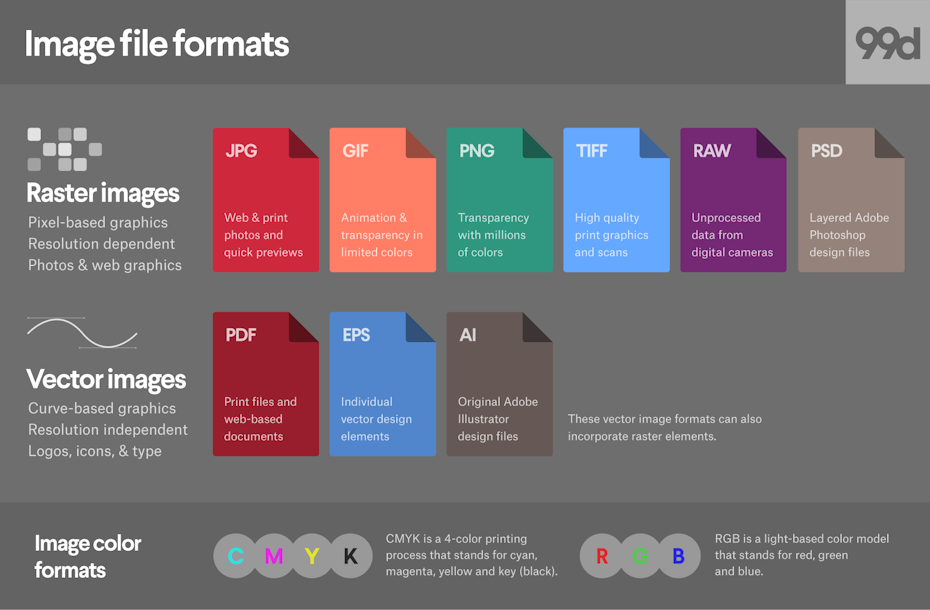
Media file formats are essentially containers that hold audio and video data. Each format has its own unique characteristics, including compression algorithms, video resolutions, and audio quality. Some of the most common media file formats for mobile devices include:
3GP: This format is commonly used for video content on mobile devices, and is known for its small file size and low bandwidth requirements.
M4V: This format is similar to MP4, but is specifically designed for use with Apple devices. It supports high-quality video and audio, and is often used for streaming and downloading content from the iTunes Store.
MP4: This format is widely used for video content on mobile devices, and is known for its high-quality video and audio, as well as its compatibility with a wide range of devices and platforms.

“Choosing the right media file format for your needs can be a challenge, but it is important to consider factors such as file size, video quality, and compatibility with your device and platform.”

Other Media File Formats

In addition to 3GP, M4V, and MP4, there are a number of other media file formats that are commonly used for mobile devices. These include:
AVI: This format is widely used for video content on desktop computers, but is less common on mobile devices due to its large file size and limited compatibility.
WMV: This format is commonly used for video content on Windows devices, and is known for its high-quality video and audio.
MOV: This format is commonly used for video content on Apple devices, and is known for its high-quality video and audio, as well as its compatibility with a wide range of devices and platforms.

“While there are a number of media file formats available for mobile devices, it is important to choose the right format for your specific needs. Factors such as file size, video quality, and compatibility with your device and platform can all play a role in determining the best format for your needs.”

Final Words

As someone who has been using mobile devices for years, I have learned the importance of choosing the right media file format for my needs. Whether I am streaming video content or downloading music, the right format can make all the difference in terms of quality and compatibility. By understanding the various media file formats available for mobile devices, and considering factors such as file size, video quality, and compatibility, you can ensure that your media content looks and sounds its best.

Media File Formats, Mobile Devices, 3GP, M4V, MP4, AVI, WMV, MOV, Audio Quality, Video Quality, Compression Algorithms, Compatibility, File Size, Streaming, Downloading, iTunes Store, Apple Devices, Windows Devices, Desktop Computers, Video Content, Audio Data, Containers, Bandwidth Requirements, High-Quality Video, High-Quality Audio, Video Resolutions, Choosing the Right Format, Quality and Compatibility.
Media File Formats, Mobile Devices, 3GP, M4V, MP4, AVI, WMV, MOV Audio Quality, Video Quality, Compression Algorithms, Compatibility, File Size, Streaming, Downloading, iTunes Store, Apple Devices, Windows Devices, Desktop Computers, Video Content, Audio Data, Containers, Bandwidth Requirements, High-Quality Video, High-Quality Audio, Video Resolutions, Choosing the Right Format, Quality and Compatibility, Media Content, Video Streaming, Audio Streaming, Video Downloading, Audio Downloading, Mobile Video Formats, Mobile Audio Formats, Mobile Media Formats, Mobile Video Quality, Mobile Audio Quality, Mobile Video Compression, Mobile Audio Compression, Mobile Video Resolution, Mobile Audio Resolution, Mobile Video Compatibility, Mobile Audio Compatibility, Mobile Video File Size, Mobile Audio File Size, Mobile Video Streaming Quality, Mobile Audio Streaming Quality, Mobile Video Downloading Quality, Mobile Audio Downloading Quality, Mobile Video Playback, Mobile Audio Playback, Mobile Video Conversion, Mobile Audio Conversion, Mobile Video Editing, Mobile Audio Editing, Mobile Video Production, Mobile Audio Production, Mobile Video Distribution, Mobile Audio Distribution.