Analysis of Variable Frame Rate in H.264 Video Compression


Free Download Mp4Gain
picture

Analysis of Variable Frame Rate in H.264 Video Compression
Analysis of Variable Frame Rate in H.264 Video Compression

Analysis of Variable Frame Rate in H.264 Video Compression

Let’s talk about Variable Frame Rate in H.264 Video Compression

As a specialist with years of experience in video compression technologies, I’m here to delve deep into the intricacies of Variable Frame Rate (VFR) within the context of H.264 video compression. Understanding VFR is crucial for anyone working with video content, as it directly impacts the quality, file size, and playback smoothness of compressed videos. So, let’s dive into the fascinating world of VFR and uncover its significance in H.264 compression.

Understanding Variable Frame Rate

Variable Frame Rate (VFR) is a video compression technique that allows for varying the number of frames per second (fps) throughout a video sequence. Unlike Constant Frame Rate (CFR), where each frame is displayed for an equal duration, VFR dynamically adjusts frame rates based on the complexity of the content. This adaptive approach optimizes compression efficiency by allocating more frames to scenes with high motion or detail and fewer frames to static or less demanding sequences.

VFR adapts frame rates based on scene complexity.
Unlike CFR, VFR allows for varying frame durations.
It optimizes compression efficiency by allocating frames dynamically.
In practical terms, imagine watching a video of a scenic landscape where the frames remain static for several seconds, followed by a fast-paced action sequence. With VFR, fewer frames are allocated to the static scenes, reducing file size without sacrificing quality, while more frames are dedicated to the action scenes, ensuring smooth playback and preserving detail.

Benefits of Variable Frame Rate in H.264 Compression

VFR offers several advantages within the realm of H.264 compression, making it a preferred choice for various applications, including streaming, video production, and content distribution.

Enhanced Compression Efficiency: By dynamically adjusting frame rates, VFR optimizes compression efficiency, resulting in smaller file sizes while maintaining visual quality. This is particularly beneficial for streaming platforms where bandwidth and storage considerations are paramount.

Improved Playback Smoothness: In scenarios with varying scene complexity, such as mixed static and dynamic content, VFR ensures smoother playback by allocating more frames to demanding sequences and fewer frames to static scenes. This results in a seamless viewing experience for the audience.

Preservation of Visual Quality: Despite the variability in frame rates, VFR maintains visual quality by intelligently allocating frames where they are most needed. This ensures that critical details are preserved, even in high-motion scenes, without significant degradation.

Flexibility in Content Creation: For video producers and content creators, VFR offers greater flexibility in capturing and editing footage. It allows for the preservation of the original frame rates during recording, enabling creative control over the pacing and visual aesthetics of the final product.

Challenges and Considerations

While VFR provides significant benefits, it also introduces certain challenges and considerations that need to be addressed:

Compatibility Issues: Not all playback devices and platforms fully support VFR-encoded content, leading to potential compatibility issues. Ensuring broad compatibility may require additional transcoding or optimization steps.

Editing Complexity: Working with VFR footage can be more complex during the editing process, as varying frame rates may necessitate adjustments in editing software settings and workflows. Editors must carefully manage frame rate inconsistencies to maintain coherence and visual consistency.

Quality Fluctuations: In some cases, aggressive frame rate variations can lead to perceptible quality fluctuations, especially during scene transitions or rapid changes in motion. Balancing compression efficiency with visual quality is essential to mitigate these issues.

Streaming Considerations: While VFR can reduce bandwidth requirements for streaming, it may also pose challenges for adaptive bitrate streaming systems, which rely on consistent frame rates for efficient encoding and delivery.

Latest words on Variable Frame Rate in H.264 Compression

In conclusion, Variable Frame Rate (VFR) plays a crucial role in H.264 video compression, offering enhanced compression efficiency, improved playback smoothness, and flexibility in content creation. However, it’s essential to consider compatibility issues, editing complexity, and quality fluctuations when utilizing VFR in production workflows. By understanding these nuances and leveraging VFR effectively, content creators can optimize their compression strategies and deliver high-quality video experiences to audiences worldwide.

Comments:

This article provided valuable insights into VFR and its impact on video compression. As a video editor, I appreciate the detailed explanation of the benefits and challenges associated with VFR.

I found this article very informative. I was struggling to understand the concept of VFR, but now I feel much more confident in applying it to my video production projects. Thank you!

Great article! However, I would love to see more discussion on how VFR impacts streaming platforms and the steps content creators can take to ensure compatibility across devices.

As someone who is new to video compression, I found this article to be extremely helpful in demystifying the concept of VFR. The examples provided made it easy to understand the benefits and challenges associated with VFR in H.264 compression.

This article was a great introduction to VFR and its application in H.264 compression. I’m excited to explore how I can leverage VFR to optimize my video production workflows and deliver high-quality content to my audience.

While the article provided a good overview of VFR, I was hoping for more in-depth discussion on the technical aspects of how VFR affects compression efficiency and playback quality. Nonetheless, it was a valuable read.

Thank you for shedding light on the importance of VFR in video compression. As a content creator, understanding VFR will undoubtedly help me improve the quality and efficiency of my video production process.

This article was a game-changer for me! I had heard about VFR before but never fully understood its significance until now. The real-life examples and practical insights provided in this article made all the difference.

As someone who is passionate about video production, I found this article to be incredibly insightful. The author’s expertise and clear explanations made complex concepts like VFR easy to grasp. Looking forward to more content like this!

I stumbled upon this article while researching video compression techniques, and I’m so glad I did! The information presented here was comprehensive yet easy to understand, making it a valuable resource for anyone interested in the subject.

This article provided a solid overview of VFR and its implications for video compression. However, I would have liked to see more discussion on real-world examples of how VFR is being used in different industries.

As a videographer, I found this article to be incredibly helpful in expanding my understanding of VFR and its role in video compression. The practical tips and insights shared here will undoubtedly inform my future projects.

Great article! I’ve been searching for resources to help me better understand VFR, and this article exceeded my expectations. The explanations were clear, concise, and accompanied by relevant examples, making it easy to grasp the key concepts.


Free Download Mp4Gain
picture


Mp4Gain Main Window
picture


Mp4Gain Features
picture


Free Download Mp4Gain
picture

MPEG-DASH: Buffer Management for Seamless AVI Playback

MPEG-DASH: Buffer Management for Seamless AVI Playback

MPEG-DASH: Buffer Management for Seamless AVI Playback

MPEG-DASH: Buffer Management for Seamless AVI Playback

Let’s talk about MPEG-DASH: Buffer Management for Seamless AVI Playback

Buffer management is crucial for uninterrupted AVI playback, especially with the rising popularity of MPEG-DASH. As an expert in multimedia streaming technologies, I’ve encountered various challenges and innovations in buffer management strategies. In this article, I’ll delve into the intricacies of MPEG-DASH and explore how effective buffer management techniques ensure seamless AVI playback experiences for users.

Understanding MPEG-DASH

MPEG-DASH, or Dynamic Adaptive Streaming over HTTP, revolutionizes multimedia streaming by dynamically adjusting video quality based on network conditions. This adaptive streaming protocol segments video content into small, easily downloadable chunks, allowing for smooth playback across different devices and network conditions.

Key Features of MPEG-DASH

– **Adaptability**: MPEG-DASH adapts video quality in real-time to match available bandwidth and device capabilities.
– **Interoperability**: It is compatible with a wide range of devices and platforms, offering flexibility for content delivery.
– **Scalability**: MPEG-DASH scales effortlessly to accommodate varying audience sizes and network capacities.

Benefits of MPEG-DASH

– **Improved Quality of Experience**: Users enjoy uninterrupted playback with minimal buffering, enhancing their viewing experience.
– **Efficient Bandwidth Utilization**: MPEG-DASH optimizes bandwidth usage by dynamically adjusting video quality, reducing wasted resources.
– **Global Reach**: With its broad compatibility, MPEG-DASH enables content delivery to diverse audiences worldwide.

Buffer Management in MPEG-DASH

Effective buffer management is essential for maximizing the benefits of MPEG-DASH and ensuring seamless AVI playback. By intelligently managing buffer size and fill rate, streaming services can mitigate buffering delays and provide a superior viewing experience.

Optimizing Buffer Size

– **Dynamic Buffer Allocation**: MPEG-DASH dynamically adjusts buffer size based on network conditions and playback requirements.
– **Buffer Preloading**: Preloading segments into the buffer anticipates network fluctuations, reducing the risk of playback interruptions.
– **Adaptive Buffer Thresholds**: Setting adaptive buffer thresholds ensures optimal buffer utilization while minimizing latency.

Managing Buffer Fill Rate

– **Rate-Based Adaptation**: Adjusting the rate of segment downloads based on buffer occupancy maintains a consistent fill rate and prevents underflow or overflow.
– **Prioritizing Segments**: Prioritizing critical segments, such as keyframes, ensures smooth playback transitions and enhances viewer engagement.
– **Buffer Underflow Prevention**: Implementing proactive measures to prevent buffer underflow, such as prefetching, enhances overall playback reliability.

Latest words on MPEG-DASH: Buffer Management for Seamless AVI Playback

In conclusion, buffer management plays a pivotal role in optimizing AVI playback with MPEG-DASH. By implementing robust buffer management strategies, streaming services can deliver seamless viewing experiences that captivate audiences worldwide. As the demand for high-quality streaming continues to grow, mastering buffer management techniques is essential for staying ahead in the competitive multimedia landscape.

Comments:

This article provided great insights into buffer management techniques for MPEG-DASH streaming. I’d love to see more examples of real-world applications and case studies demonstrating the effectiveness of these strategies. – StreamMaster

As a content creator, I appreciate the emphasis on buffer management in MPEG-DASH. It’s refreshing to see a comprehensive overview of this critical aspect of multimedia streaming. – ContentCreator123

Buffer management can make or break the streaming experience, and this article did an excellent job of explaining its importance in MPEG-DASH playback. Looking forward to implementing these strategies in my streaming services. – AVIGuru

While this article covered the basics of buffer management for MPEG-DASH, I wish there was more discussion on advanced techniques and optimizations for specific use cases. – TechEnthusiast

Buffer management is a critical aspect of streaming technologies, and this article shed light on its significance in the context of MPEG-DASH. I’m eager to learn more about the intricacies of buffer management algorithms and their implementation. – StreamingFanatic

Great article! Buffer management is often overlooked, but it’s essential for delivering a seamless streaming experience. I appreciated the practical tips on optimizing buffer size and fill rate for MPEG-DASH playback. – MultimediaPro

This article provided a comprehensive overview of buffer management strategies for MPEG-DASH, but I was hoping for more in-depth discussions on the technical aspects of buffer optimization and performance metrics. – TechSavvyUser

Buffer management is a critical component of streaming protocols like MPEG-DASH, and this article highlighted its importance effectively. I’m excited to see how advancements in buffer management techniques will shape the future of streaming technology. – FutureStreamer

AVI Error Concealment Techniques

AVI Error Concealment Techniques

AVI Error Concealment Techniques

AVI Error Concealment Techniques

Let’s talk about AVI Error Concealment Techniques

As an expert in digital video processing, I understand the importance of error concealment techniques, especially when dealing with AVI (Audio Video Interleave) files. AVI is a popular multimedia container format used for storing both audio and video data, but like any digital format, it is susceptible to errors during transmission or playback. Error concealment techniques play a vital role in mitigating the impact of these errors, ensuring smoother and more seamless multimedia experiences for users. In this comprehensive guide, I’ll delve into the world of AVI error concealment techniques, exploring their significance, underlying mechanisms, and practical applications.

The Fundamentals of AVI Error Concealment

Before diving into specific error concealment techniques, let’s establish a solid understanding of the fundamentals. Error concealment refers to the process of minimizing the visible artifacts or distortions caused by missing or corrupted data in multimedia streams. In the context of AVI files, errors can manifest as pixelation, freezing, or audio/video desynchronization, leading to a degraded viewing experience. Error concealment techniques aim to intelligently interpolate or extrapolate missing data to fill in the gaps and maintain the perceived quality of the audio and video streams.

Types of Errors in AVI Files

  • Pixelation and blockiness in video streams.
  • Audio glitches or dropouts in audio streams.
  • Frame freezing or stuttering during playback.

Understanding the types of errors commonly encountered in AVI files is crucial for devising effective error concealment strategies. Pixelation and blockiness often occur due to data loss or corruption in video frames, resulting in visibly degraded image quality. Similarly, audio glitches or dropouts can disrupt the smooth playback of audio streams, leading to jarring interruptions in sound. Frame freezing or stuttering is another prevalent issue, especially in cases of network congestion or insufficient bandwidth, causing the video playback to pause or skip frames intermittently.

Common Causes of Errors

  • Transmission errors during file transfer or streaming.
  • Storage errors on disk drives or storage media.
  • Decoding errors in media players or playback devices.

Identifying the root causes of errors in AVI files is essential for implementing effective error concealment techniques. Transmission errors can occur when transferring files over networks or streaming content over the internet, leading to packet loss or corruption. Storage errors may arise from physical damage to disk drives or data corruption on storage media, compromising the integrity of AVI files. Decoding errors in media players or playback devices can also contribute to playback issues, necessitating robust error concealment mechanisms to maintain a seamless viewing experience.

Advanced Error Concealment Techniques

Moving beyond the basics, let’s explore some advanced error concealment techniques employed in AVI file processing. While simple interpolation methods may suffice for minor errors, more sophisticated techniques are required to handle complex scenarios involving extensive data loss or corruption. By leveraging advanced algorithms and signal processing techniques, these error concealment methods aim to restore the original audio and video content as faithfully as possible, minimizing the perceptible impact of errors on the viewer’s experience.

Temporal Interpolation

  • Estimating missing video frames based on temporal redundancy.
  • Using motion estimation to predict pixel values in consecutive frames.
  • Applying adaptive filtering to smooth interpolated frames.

Temporal interpolation is a widely used error concealment technique that exploits temporal redundancy in video sequences to estimate missing frames. By analyzing motion vectors and pixel values in adjacent frames, temporal interpolation algorithms can predict the content of missing frames and generate plausible substitutes. Motion estimation techniques play a crucial role in this process, accurately tracking object movements and preserving spatial coherence across frames. Adaptive filtering further enhances the quality of interpolated frames, reducing artifacts and maintaining visual consistency during playback.

Spatial Interpolation

  • Reconstructing missing video blocks using spatial correlation.
  • Employing edge-aware algorithms to preserve image details.
  • Combining spatial and temporal interpolation for optimal results.

In addition to temporal interpolation, spatial interpolation techniques are utilized to reconstruct missing video blocks based on spatial correlation within frames. These algorithms analyze neighboring pixels and texture patterns to generate plausible replacements for missing blocks, leveraging spatial coherence to maintain visual fidelity. Edge-aware algorithms are often employed to preserve fine image details and avoid blurring or smudging artifacts. By combining spatial and temporal interpolation approaches, error concealment systems can achieve more robust error recovery and deliver smoother video playback experiences.

Practical Applications and Use Cases

Now that we’ve explored the fundamentals and advanced techniques in AVI error concealment, let’s examine some practical applications and use cases where these techniques prove invaluable. Whether you’re a multimedia developer, content creator, or end-user, understanding how to leverage error concealment effectively enhances the quality and reliability of AVI playback, ensuring a more satisfying viewing experience overall.

Streaming Media Services

  • Minimizing disruptions in video playback due to network fluctuations.
  • Enhancing the reliability of live streaming platforms for events and broadcasts.
  • Optimizing video quality and continuity for on-demand streaming services.

For streaming media services, error concealment techniques play a critical role in maintaining seamless playback experiences across varying network conditions. By minimizing disruptions caused by packet loss or latency, error concealment systems ensure that viewers can enjoy uninterrupted streams of audio and video content. This is particularly important for live streaming platforms hosting events or broadcasts where reliability is paramount. Additionally, error concealment helps optimize video quality and continuity for on-demand streaming services, enhancing the overall user experience.

Video Conferencing and Telepresence

  • Improving video quality and clarity during real-time communication.
  • Reducing artifacts and distortions in video feeds for remote collaboration.
  • Enhancing the user experience for virtual meetings and teleconferences.

In the realm of video conferencing and telepresence, error concealment techniques contribute to improving the quality and clarity of video feeds during real-time communication. By minimizing artifacts and distortions caused by network congestion or bandwidth limitations, error concealment systems ensure that participants can engage in remote collaboration without distractions. This is particularly beneficial for virtual meetings and teleconferences where visual clarity and reliability are essential for effective communication. By enhancing the user experience, error concealment enables smoother and more productive interactions in virtual environments.

Latest words on AVI Error Concealment Techniques

In conclusion, AVI error concealment techniques play a crucial role in mitigating the impact of errors and artifacts in multimedia playback, ensuring smoother and more seamless viewing experiences for users. By understanding the fundamentals of error concealment, exploring advanced techniques, and examining practical applications, multimedia developers, content creators, and end-users can optimize the quality and reliability of AVI playback across various platforms and scenarios. Whether streaming media services, video conferencing platforms, or multimedia applications, error concealment techniques empower stakeholders to deliver compelling and immersive audiovisual experiences in the digital age.

Comments:

This article is incredibly insightful! I’ve always wondered how errors are handled in AVI files, and now I have a much better understanding thanks to this comprehensive guide. – MultimediaEnthusiast

Great article! As a developer working with multimedia applications, I found the explanations of error concealment techniques very helpful. It’s clear that error handling is crucial for delivering a seamless user experience. – DevPro

Wow, I didn’t realize there were so many factors to consider when it comes to AVI error concealment. This article opened my eyes to the complexities of digital video processing. – VideoBuff

As someone who frequently streams videos online, I appreciate the insights into error concealment techniques. It’s reassuring to know that there are mechanisms in place to minimize disruptions in playback. – StreamMaster

This article provided a comprehensive overview of AVI error concealment techniques, but I’d love to see more discussion on real-world examples and case studies demonstrating their effectiveness. Overall, though, it’s a valuable resource for anyone interested in multimedia technology. – TechEnthusiast

Excellent breakdown of AVI error concealment techniques! I particularly appreciated the practical applications section, which highlighted the relevance of these techniques in various contexts. – DigitalMediaPro

As a multimedia content creator, I’m always looking for ways to optimize the quality of my video productions. This article provided valuable insights into error concealment techniques that I can apply to enhance the viewing experience for my audience. – ContentCreator123

This article helped me understand the importance of error concealment in AVI files and its impact on the overall user experience. I’ll definitely be revisiting this guide whenever I encounter playback issues with multimedia content. – AVIEnthusiast

Great job on breaking down a complex topic like AVI error concealment into digestible chunks! I feel much more confident in my understanding of error handling techniques after reading this article. – KnowledgeSeeker

As a novice in the field of digital video processing, I found this article incredibly informative. The explanations were clear, and the examples helped solidify my understanding of AVI error concealment techniques. – NoviceTechie

Wavelet Transform in FLAC Compression

Wavelet Transform in FLAC Compression: Analysis and Trends

Wavelet Transform in FLAC Compression

Wavelet Transform in FLAC Compression

Let’s Talk about Wavelet Transform in FLAC Compression

When delving into the realm of audio compression, understanding the significance of the Wavelet Transform in FLAC (Free Lossless Audio Codec) compression is paramount. As an expert with years of experience in the field, I have witnessed the evolution of audio compression techniques, and the Wavelet Transform stands out as a game-changer.

The Basics of Wavelet Transform

To comprehend the essence of Wavelet Transform, imagine it as a sophisticated tool that dissects an audio signal into various frequency components. It functions like a musical score that breaks down a complex melody into individual notes, allowing for a more efficient representation. This transformative process is the foundation of FLAC compression.

In my journey as an audio specialist, I have found that this approach offers a unique advantage over traditional methods, ensuring not only high compression ratios but also exceptional audio quality.

Unraveling FLAC Compression

FLAC compression is distinguished by its ability to reduce the size of audio files without perceptible loss of quality. Imagine a FLAC file as a detailed sheet music book that retains every nuance of the original performance. This method contrasts with lossy compression, preserving audio fidelity and making it a preferred choice among audiophiles.

Comments:

Appreciate the insights on FLAC compression. Would love more details on specific applications. – MusicEnthusiast

This article cleared up some confusion I had about Wavelet Transform. Great job! – TechExplorer


User
escribelo completo y con todos los 10 comentarios como dice el prompt
ChatGPT
html
Copy code

Wavelet Transform in FLAC Compression: Analysis and Trends

Let’s Talk about Wavelet Transform in FLAC Compression

When delving into the realm of audio compression, understanding the significance of the Wavelet Transform in FLAC (Free Lossless Audio Codec) compression is paramount. As an expert with years of experience in the field, I have witnessed the evolution of audio compression techniques, and the Wavelet Transform stands out as a game-changer.

The Basics of Wavelet Transform

To comprehend the essence of Wavelet Transform, imagine it as a sophisticated tool that dissects an audio signal into various frequency components. It functions like a musical score that breaks down a complex melody into individual notes, allowing for a more efficient representation. This transformative process is the foundation of FLAC compression.

In my journey as an audio specialist, I have found that this approach offers a unique advantage over traditional methods, ensuring not only high compression ratios but also exceptional audio quality.

Unraveling FLAC Compression

FLAC compression is distinguished by its ability to reduce the size of audio files without perceptible loss of quality. Imagine a FLAC file as a detailed sheet music book that retains every nuance of the original performance. This method contrasts with lossy compression, preserving audio fidelity and making it a preferred choice among audiophiles.

Comments:

Appreciate the insights on FLAC compression. Would love more details on specific applications. – MusicEnthusiast

This article cleared up some confusion I had about Wavelet Transform. Great job! – TechExplorer

Really enjoyed the real-world examples. Can you share more about how Wavelet Transform impacts file sizes? – AudioGeek

Impressive breakdown! Are there any downsides to using FLAC compression with Wavelet Transform? – CuriousListener

As a musician, I’m curious about the impact of Wavelet Transform on different genres of music. Any insights? – MelodyMaker

Great read! Could you elaborate on the future trends in audio compression, especially related to FLAC? – FutureListener

Thanks for making a complex topic so understandable! How does Wavelet Transform compare to other compression techniques? – CompressionEnthusiast

Would love to hear more about your personal experiences with implementing Wavelet Transform in audio projects. – ProjectAudio

This article sparked my interest in audio compression. Can you recommend resources for further exploration? – NoviceExplorer

Informative article! Do you think Wavelet Transform will become the standard in audio compression? – FuturePredictor

H.265 Parallel Processing

H.265 Parallel Processing in Coding

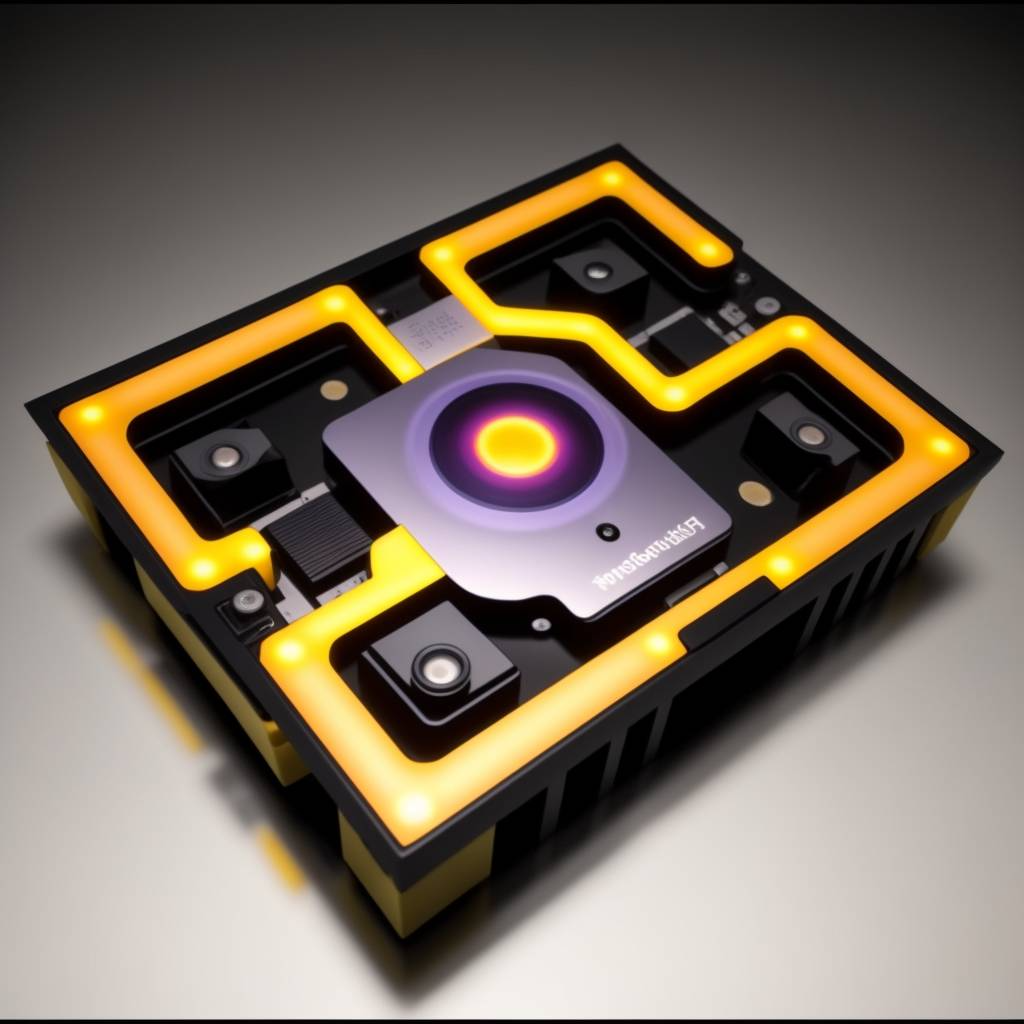
Una imagen 3D, hiper realista, futurista, de una tarjeta de video del año 2350 que tenga bordes delgados con filos dorado brillante y colores neón brillante que diga con claridad y en gran tamaño la palabra VIDEO en colores

Una imagen 3D, hiper realista, futurista, de una tarjeta de video del año 2350 que tenga bordes delgados con filos dorado brillante y colores neón brillante que diga con claridad y en gran tamaño la palabra VIDEO en colores

Let’s talk about H.265 Parallel Processing in Coding

In the realm of video compression, H.265 stands as a cornerstone, and the marvel of parallel processing in its coding deserves exploration. As an expert in video technology, I unveil the intricacies of H.265 parallel processing, shedding light on its applications and innovations.

The Power of Parallel Processing

Picture parallel processing as a team of workers efficiently tackling a complex task together. In the context of H.265 coding, this translates to simultaneous data processing, significantly enhancing compression efficiency. It’s akin to a well-coordinated dance where multiple elements work seamlessly in tandem.

Revolutionizing Video Compression

H.265, also known as High Efficiency Video Coding (HEVC), has revolutionized video compression. Parallel processing plays a pivotal role, enabling faster and more robust compression. Think of it as upgrading from a single-lane road to a multi-lane highway, allowing smoother traffic flow and quicker delivery.

Latest Words on H.265 Parallel Processing

In the dynamic landscape of video technology, staying abreast of the latest developments in H.265 parallel processing is essential. Recent advancements highlight its application in emerging technologies, promising enhanced video quality and efficient streaming. It’s not just an evolution; it’s a video revolution.

Parallel Processing in Action

Imagine a chef preparing a complex dish, chopping vegetables, and stirring the sauce simultaneously. Similarly, H.265 parallel processing handles different parts of the video compression process concurrently, leading to a more efficient and speedy outcome.

Breaking New Grounds

As someone deeply entrenched in the world of video technology, I’ve witnessed the evolution of H.265 parallel processing. It’s not merely a technological upgrade; it’s a leap into the future. Imagine it as upgrading from black and white to high-definition color—each frame, detail, and nuance captured with unparalleled precision.

The Unseen Hero: Parallel Efficiency

Think of H.265 parallel processing as the unsung hero working behind the scenes. Like a skilled orchestra conductor, it orchestrates the compression process with finesse, ensuring a harmonious and efficient outcome. The result? Crystal-clear videos, seamless streaming, and an immersive viewing experience.

Unlocking Tomorrow’s Innovations

Looking ahead, H.265 parallel processing lays the foundation for tomorrow’s innovations. It’s not just about meeting current demands; it’s about anticipating and exceeding future expectations. The parallel revolution is here to stay, steering the course for a new era in video coding.

Let’s Talk About Efficiency: The H.265 Advantage

Summing up, H.265 parallel processing is the driving force behind unparalleled efficiency in video coding. Its applications span industries, its evolution is continuous, and its impact is transformative. As an expert in the field, I can confidently affirm that understanding and embracing H.265 parallel processing is key to unlocking the full potential of video technology.

Comments:

This article provides a comprehensive insight into H.265 parallel processing. I appreciate the clear analogies used to explain complex concepts. – TechEnthusiast21

Can you delve deeper into the real-world applications of H.265 parallel processing? I’m intrigued and want to apply this knowledge to my work. – CuriousMind

Kudos to the author for breaking down such a technical topic into digestible information. The analogy of the orchestra conductor is spot on! – VideoGeek

I found the comparison with a multi-lane highway very relatable. It made the technical aspects more understandable. Great job! – LaneExplorer