AC-4 Audio Coding: Spectral Band Replication Unveiled
Latest Insights on AC-4: Spectral Band Replication
Embark on a sonic journey as we unravel the mysteries behind AC-4’s Spectral Band Replication. My expertise in audio codecs allows me to paint a vivid picture of the groundbreaking techniques employed in this domain.
Let’s Talk about AC-4
Navigating through the intricacies of AC-4 demands more than a cursory glance. Drawing from years of hands-on experience, I present a detailed exploration of AC-4, transcending the commonplace to offer a profound understanding of its architecture and functionalities.
Decoding Spectral Band Replication
At the core of AC-4’s prowess lies Spectral Band Replication (SBR). In this section, I will dissect the SBR technique, shedding light on how it redefines audio compression by intelligently supplementing missing high-frequency components. Imagine SBR as a maestro conducting a symphony, harmonizing frequencies for an immersive auditory experience.
Realizing the Potential: AC-4 in Action
Transitioning from technicalities to real-world scenarios, envision a live concert where AC-4’s SBR…
Wavelet Transform in FLAC Compression: Analysis and Trends
Let’s Talk about Wavelet Transform in FLAC Compression
When delving into the realm of audio compression, understanding the significance of the Wavelet Transform in FLAC (Free Lossless Audio Codec) compression is paramount. As an expert with years of experience in the field, I have witnessed the evolution of audio compression techniques, and the Wavelet Transform stands out as a game-changer.
The Basics of Wavelet Transform
To comprehend the essence of Wavelet Transform, imagine it as a sophisticated tool that dissects an audio signal into various frequency components. It functions like a musical score that breaks down a complex melody into individual notes, allowing for a more efficient representation. This transformative process is the foundation of FLAC compression.
In my journey as an audio specialist, I have found that this approach offers a unique advantage over traditional methods, ensuring not only high compression ratios but also exceptional audio quality.
Unraveling FLAC Compression
FLAC compression is distinguished by its ability to reduce the size of audio files without perceptible loss of quality. Imagine a FLAC file as a detailed sheet music book that retains every nuance of the original performance. This method contrasts with lossy compression, preserving audio fidelity and making it a preferred choice among audiophiles.
Comments:
Appreciate the insights on FLAC compression. Would love more details on specific applications. – MusicEnthusiast
This article cleared up some confusion I had about Wavelet Transform. Great job! – TechExplorer
User
escribelo completo y con todos los 10 comentarios como dice el prompt
ChatGPT
html
Copy code
Wavelet Transform in FLAC Compression: Analysis and Trends
Let’s Talk about Wavelet Transform in FLAC Compression
When delving into the realm of audio compression, understanding the significance of the Wavelet Transform in FLAC (Free Lossless Audio Codec) compression is paramount. As an expert with years of experience in the field, I have witnessed the evolution of audio compression techniques, and the Wavelet Transform stands out as a game-changer.
The Basics of Wavelet Transform
To comprehend the essence of Wavelet Transform, imagine it as a sophisticated tool that dissects an audio signal into various frequency components. It functions like a musical score that breaks down a complex melody into individual notes, allowing for a more efficient representation. This transformative process is the foundation of FLAC compression.
In my journey as an audio specialist, I have found that this approach offers a unique advantage over traditional methods, ensuring not only high compression ratios but also exceptional audio quality.
Unraveling FLAC Compression
FLAC compression is distinguished by its ability to reduce the size of audio files without perceptible loss of quality. Imagine a FLAC file as a detailed sheet music book that retains every nuance of the original performance. This method contrasts with lossy compression, preserving audio fidelity and making it a preferred choice among audiophiles.
Comments:
Appreciate the insights on FLAC compression. Would love more details on specific applications. – MusicEnthusiast
This article cleared up some confusion I had about Wavelet Transform. Great job! – TechExplorer
Really enjoyed the real-world examples. Can you share more about how Wavelet Transform impacts file sizes? – AudioGeek
Impressive breakdown! Are there any downsides to using FLAC compression with Wavelet Transform? – CuriousListener
As a musician, I’m curious about the impact of Wavelet Transform on different genres of music. Any insights? – MelodyMaker
Great read! Could you elaborate on the future trends in audio compression, especially related to FLAC? – FutureListener
Thanks for making a complex topic so understandable! How does Wavelet Transform compare to other compression techniques? – CompressionEnthusiast
Would love to hear more about your personal experiences with implementing Wavelet Transform in audio projects. – ProjectAudio
This article sparked my interest in audio compression. Can you recommend resources for further exploration? – NoviceExplorer
Informative article! Do you think Wavelet Transform will become the standard in audio compression? – FuturePredictor
In the realm of digital audio, WAV files stand as a cornerstone. Their uncompressed nature delivers pristine sound, but the sheer size poses challenges. In this exploration, I, a seasoned audio specialist, unravel the nuances of WAV file compression.
Latest words on WAV Compression
Today, amidst a sea of audio compression methods, understanding the delicate dance between lossless and lossy WAV compression is crucial. Each approach has its…
The Battle: Lossless vs. Lossy
When it comes to WAV compression, the battle between lossless and lossy is central. Lossless compression ensures that every bit of the original audio quality is preserved. Think of it as making a photocopy of a document without losing any details. However, the trade-off is larger file sizes.
Lossy compression, on the other hand, trims excess data, significantly reducing file sizes. Imagine compressing that document but sacrificing some finer print. The result is a smaller file, but there’s a subtle loss in quality.
Choosing the Right Approach
Consider the purpose: Lossless for critical listening, lossy for storage efficiency.
Assess storage capacity: Opt for lossless if space allows, but for limited storage, explore lossy options.
Know your audience: Professional settings may lean towards lossless, while casual listeners may not notice the nuances.
Behind the Scenes: My Personal Insights
Having navigated the intricate world of audio for years, I’ve witnessed the evolving landscape of WAV compression. I recall a studio session where the choice between lossless and lossy…
Unveiling Lesser-Known Compression Techniques
Delving deeper, let’s shed light on some lesser-known WAV compression techniques. These might not be in the spotlight, but they play a vital role in specific scenarios.
ADPCM is a specialized form of compression that adapts to the audio content’s characteristics. It’s like tailoring a suit to fit perfectly, adjusting based on the intricacies of the fabric. This technique…
Technique 2: Wavelet-based Compression
Wavelet-based compression is akin to breaking down an image into its fundamental components. Think of it as deconstructing a puzzle into smaller, more manageable pieces. This approach…
Real-world Applications
Let’s bring this technical exploration into real-world scenarios. Consider a podcast creator aiming to deliver top-notch audio experiences. The choice between lossless and lossy compression…
Striking the Right Chord: My Closing Thoughts
As we conclude this journey through WAV file compression, remember that there’s no one-size-fits-all solution. The choice between lossless and lossy depends on your unique needs and priorities. Embrace the power…
Let’s Hear Your Thoughts
What’s your experience with WAV compression? Share your thoughts and let’s create a harmonious discussion on finding the perfect balance in the realm of digital audio.
Comments:
Comment: This article really helped me grasp the complexities of WAV compression. Kudos!
Comment: I wish there was more detail on specific software for WAV compression. Any recommendations?
As a specialist with years of experience in audio technology, I understand the importance of delving into the intricacies of bit depth in MP3 files. When we discuss bit depth, we’re essentially exploring the level of detail in the digital representation of audio. Imagine it like a coloring book – the higher the bit depth, the more colors (details) we have to paint with.
Unveiling the Basics of Bit Depth
In the realm of digital audio, bit depth refers to the number of bits used to represent each sample of audio. Higher bit depth means more bits per sample, providing a finer resolution for representing the audio signal. To put it simply, it’s like having a high-definition image versus a standard one.
Why Bit Depth Matters in MP3 Files
When it comes to MP3 files, the compression process involves discarding some audio data to reduce file size. This is where the impact of bit depth becomes crucial. Higher bit depth before compression ensures that even after some data is discarded, the remaining information maintains a higher level of fidelity.
Navigating the Myths and Realities
There’s a common misconception that higher bit depth always results in better audio quality. While this holds true in the uncompressed domain, the story changes when we enter the realm of compressed formats like MP3. In reality, the improvements in audio quality might not be as noticeable to the average listener, especially in scenarios where storage space is a significant consideration.
Beyond the Numbers: Practical Implications
Let’s bring this discussion closer to real-life scenarios. Consider a scenario where you’re streaming your favorite music on a portable device with limited storage. The bit depth of the original audio file might not be as critical in this context because the compression algorithm of the MP3 format focuses on removing imperceptible details.
In my experience, users often prioritize the convenience of having more songs on their devices over the marginal gains in audio quality associated with higher bit depth in compressed formats.
Latest Words on Bit Depth in MP3 Files
As technology advances, discussions around bit depth continue to evolve. Recent studies indicate that, in practical scenarios, the human ear might not discern significant differences beyond a certain bit depth when dealing with MP3 files. This challenges the conventional wisdom and prompts us to question whether chasing higher bit depths in compressed formats is truly worth the effort.
The Art of Balancing Quality and Storage
In the quest for optimal audio quality, users often grapple with the dilemma of balancing quality and storage. Higher bit depths demand more storage space, and in an era where portable devices dominate, finding the sweet spot becomes crucial. It’s akin to choosing between a spacious but heavy backpack and a compact, lightweight one for a hiking trip.
Decoding the Technical Jargon
Before delving deeper into the technicalities, let’s decode some jargon often associated with bit depth – dynamic range. In simple terms, dynamic range represents the difference between the softest and loudest sounds in an audio recording. Higher bit depths theoretically offer a wider dynamic range, allowing for a more nuanced and detailed audio experience.
The Human Factor: Can We Perceive the Difference?
In the pursuit of technical excellence, we must consider the limitations of our own perception. The human ear, while remarkable, may not perceive the subtle nuances beyond a certain threshold. Imagine trying to distinguish between fifty shades of a color – at some point, the differences become indistinguishable to the naked eye.
Practical Tips for Audiophiles
For the audiophiles seeking the best of both worlds – quality and efficiency – here are some practical tips. Focus on higher bit depths for your original, uncompressed audio files. When it comes to storage-friendly formats like MP3, strike a balance by considering a moderate bit depth that suits your listening preferences.
Considerations for Choosing Bit Depth:
Your preference for audio quality versus storage space.
The type of audio equipment you use – high-end systems may benefit more from higher bit depths.
The genres of music you most frequently listen to – intricate classical compositions may benefit more than simple, repetitive beats.
Let’s Talk Practical: My Personal Setup
In my own audio setup, I’ve found that a bit depth of 16 to 24 bits works seamlessly for my collection of diverse music genres. Whether I’m enjoying the subtle nuances of jazz or the energetic beats of rock, this range strikes a balance between preserving quality and optimizing storage.
The Future Horizon of Bit Depth in Audio
As we look to the future, technological advancements may bring new possibilities in the realm of bit depth. Researchers are exploring innovative approaches to audio compression that aim to deliver exceptional quality without the need for massive storage. It’s akin to the anticipation of a new generation of smartphones promising better features in a sleeker design.
Exploring Uncharted Territories: 32-Bit Depth and Beyond
While the current landscape primarily revolves around bit depths of 16 to 24 bits, there’s a whisper of excitement in the audio community about the potential of higher bit depths, such as 32-bit audio. This uncharted territory promises even more detailed and nuanced audio experiences, akin to transitioning from standard to 4K resolution in the visual realm.
The Unique Value Proposition of 32-Bit Audio
In my exploration of 32-bit audio, I’ve encountered a unique value proposition. The heightened bit depth allows for an unprecedented level of detail, especially in complex musical arrangements. It’s like upgrading from a blurry photograph to one with crystal-clear clarity, revealing nuances you didn’t know existed.
The Appropriate Bit Depth: A Personalized Choice
In the end, the appropriate bit depth becomes a deeply personalized choice. It’s about aligning technical considerations with your listening preferences, device capabilities, and the practicality of storage. It’s akin to selecting the right lens for a camera – a wide-angle for capturing expansive landscapes or a macro lens for intricate details.
Latest Words on Bit Depth in MP3 Files
As we navigate through the latest developments in the world of bit depth, it’s crucial to stay informed. Technological advancements may introduce new paradigms, and it’s essential for enthusiasts and casual listeners alike to adapt to these changes. The audio landscape, much like a melody, evolves, and our understanding of bit depth plays a pivotal role in this symphony.
Let’s Explore Your Bit Depth Journey
Before concluding our exploration of bit depth in MP3 files, let’s consider your journey. Reflect on your unique preferences, the genres that resonate with you, and the devices through which you experience the magic of sound. It’s not just about the numbers; it’s about the emotions that music evokes and the immersive experiences that technology facilitates.
Unlocking the Full Potential: A Brief Mention of Mp4Gain
In optimizing your audio experience, tools like Mp4Gain can play a role. While we’ve delved into the nuances of bit depth, Mp4Gain offers a comprehensive solution for managing audio files. From normalization to equalization, it ensures your audio retains its brilliance across different devices. Consider it as the final touch to your personalized audio journey.
Comments:
Great insights into bit depth! I never knew it could impact my music this much. – MusicEnthusiast
Would love more details on 32-bit audio and its compatibility. – TechCurious
Finally, someone explained bit depth in a way I can understand. Kudos! – CuriousListener
This article left me wanting more! Can we expect a follow-up on evolving audio technologies? – FutureListener
Thanks for the practical tips. Adjusting my bit depth preferences now! – AudioExplorer
Bit depth always confused me, but this article clarified it beautifully. – ConfusedListener
Could you address the impact of bit depth on streaming services? – StreamingEnthusiast
More real-life examples like the backpack analogy, please! – AnalogiesRule
Great job on simplifying a complex topic. Excited for what’s next! – TechSimplifier
My audio setup needed a bit depth upgrade! Thanks for the guidance. – AudioUpgradeSeeker
WAV File Structure and ExtensibilityWAV File Structure and Extensibility
WAV File Structure and Extensibility
Let’s talk about WAV files
WAV File Structure and Extensibility
As a specialist with years of experience in audio technology, let’s dive into the intricacies of WAV files, exploring their structure and extensibility. In a world filled with various audio formats, WAV remains a fundamental player, and understanding its inner workings is crucial for any audio enthusiast or professional.
Decoding the WAV File Structure
Unlocking the secrets of WAV files requires a deep dive into their structure. Imagine a WAV file as a musical score, with each element playing a specific role in the symphony of audio data. From the header to the actual sound samples, I’ll guide you through the composition of a WAV file.
The Symphony’s Overture: WAV Header
File Format Identification: The header sets the stage, identifying the file format as WAV.
File Size and Duration: Details about the size of the file and its duration provide a roadmap for playback.
Audio Format Details: Sample rate, bit depth, and channels define the characteristics of the audio within.
Think of the WAV header as the conductor, directing the performance by providing essential information for playback.
Layers of Sound: WAV Sample Data
Delving deeper, we encounter the heart of the WAV file—the sample data. Each sample is a snapshot of sound, creating a mosaic that reproduces the original audio. Imagine these samples as individual brushstrokes, collectively forming a vivid auditory masterpiece.
Sample Rate: The Tempo of the Composition
The sample rate dictates how many snapshots are taken per second, akin to the tempo in a musical composition. A higher sample rate captures more detail, offering a clearer representation of the sound.
Bit Depth: The Color Palette of Sound
Bit depth determines the dynamic range, acting as the color palette for the audio. Just as more colors enhance a painting, higher bit depth allows for a more nuanced and detailed representation of sound.
Channels: The Spatial Dimension
Channels add a spatial dimension to the composition. Mono, stereo, or surround configurations determine how the audio is spatially distributed, impacting the listener’s experience.
Extending the Melody: WAV File Extensibility
WAV files, like a musical composition, can be extended and enhanced. This extensibility allows for additional information and features, making WAV a versatile format for various applications.
Metadata Additions: Annotating the Score
Cue Points: Like annotations in sheet music, cue points allow for specific markers within the audio.
Loop Points: Looping adds a repetitive motif, useful in gaming or musical applications.
Adding metadata is akin to annotating a musical score, enriching the listening experience with additional information and functionalities.
Codec Compatibility: Adapting the Composition
Extending WAV files includes compatibility with various audio codecs. This adaptability ensures that the WAV format can harmonize with evolving technologies and meet the demands of modern audio production.
Latest Words on WAV Files
As we navigate the symphony of WAV files, it’s crucial to stay tuned to the latest advancements and applications. The world of audio technology is ever-evolving, and WAV files continue to be a cornerstone in this melodious journey.
Future Harmony: WAV File Innovations
Looking ahead, WAV files are expected to integrate seamlessly with emerging technologies. From enhanced metadata capabilities to improved compression techniques, the future promises a more harmonious audio landscape.
Your WAV File Stories
Before we conclude, I invite you to share your experiences with WAV files. Whether it’s a unique application, a memorable recording, or a challenge you faced, your stories contribute to the vibrant tapestry of the audio community.
Comments:
WAV files are like the sheet music of audio – so detailed and versatile. I love the comparison!
– MusicMaestro
This article provided a fantastic breakdown of WAV file structure. However, I wish there was more on the latest innovations. Can we expect new features soon?
– TechEnthusiast
Kudos for explaining the intricacies in a way even a 9-year-old could understand. My kid is starting to explore audio, and this article was a great starting point!
– ParentAdventures
WAV file extensibility is fascinating! I never knew you could add cues and loops. Can you recommend any software that supports these features?
– CuriousListener
Great read! The analogy of WAV files as a musical composition made it so much more engaging. Looking forward to more articles like this!
– AudiophileExplorer
While I appreciate the overview, I’d love to see a follow-up focusing on the technical aspects of WAV file compression. Keep up the good work!
– TechGeek99
WAV files are my go-to for high-quality audio projects. This article reinforced my love for the format and its adaptability!
Exploring the world of audio normalization, I delve into the intricacies of RMS (Root Mean Square) normalization. As a seasoned specialist in audio technology, my goal is to demystify this essential process and provide a comprehensive understanding for both beginners and enthusiasts alike.
Understanding RMS: The Heart of Audio Normalization
At the core of audio normalization is RMS, a crucial metric often overlooked. In this section, I’ll shed light on what RMS normalization entails and why it plays a pivotal role in achieving balanced and consistent audio levels across various recordings.
The Essence of RMS
Defining RMS in simple terms: Picture RMS as a skilled conductor, ensuring all instruments in an orchestra play harmoniously at the right volume.
Comparing RMS to peak normalization: Imagine peak normalization as adjusting the highest point of a rollercoaster, while RMS normalization evens out the entire ride for a smoother experience.
RMS in real-life scenarios: Consider a podcast where different speakers have varying audio levels—RMS normalization steps in to create a uniform listening experience.
Latest words on RMS Normalization
As we navigate the audio landscape, let’s uncover the latest insights and advancements in RMS normalization. My aim is to provide fresh perspectives and valuable information that surpasses the standard discourse on this crucial aspect of audio engineering.
Dynamic Range and RMS
Exploring the dynamic range: Imagine the dynamic range as the canvas where audio elements paint their sonic picture, with RMS normalization acting as the curator maintaining a consistent visual appeal.
Role of RMS in preserving dynamics: Think of RMS as a guardian angel for the delicate balance between the soft whispers and loud roars in your favorite music tracks.
Modern approaches to RMS: Discover how contemporary audio engineers are pushing the boundaries of RMS normalization to adapt to evolving music genres and production techniques.
Let’s talk about Personal Experiences with RMS Normalization
As someone deeply immersed in the audio realm, I’ve encountered numerous scenarios where RMS normalization proved its worth. Allow me to share personal anecdotes that showcase the transformative power of RMS in enhancing audio quality and ensuring a captivating listening experience.
RMS Normalization: Beneath the Surface
Going beyond the basics, this section peels back the layers to reveal the nuanced aspects of RMS normalization. From historical perspectives to future potentials, we’ll explore the depths of this indispensable audio engineering technique.
RMS Normalization in Historical Context
Origins of RMS normalization: Journey back in time to understand how RMS normalization emerged as a solution to audio level inconsistencies in early recording technologies.
RMS in analog vs. digital eras: Imagine the transition from vinyl records to digital streaming—RMS normalization played a pivotal role in maintaining audio fidelity across these technological shifts.
RMS’s enduring legacy: Explore how RMS normalization has stood the test of time, becoming a staple in modern audio production despite advancements in technology.
Let’s Embrace the Future: RMS in Next-Gen Audio
As we gaze toward the future, envision the role of RMS normalization in the next generation of audio technologies. What innovations and possibilities lie ahead in the realm of balanced and harmonious sound?
RMS and Immersive Audio
Immersive audio experiences: Picture RMS normalization as the bridge connecting traditional stereo setups to futuristic immersive audio environments, ensuring a seamless transition for listeners.
Integration with emerging platforms: Stay tuned as RMS normalization adapts to emerging audio platforms, catering to the evolving preferences of music enthusiasts.
RMS Normalization: A Nod to the Community
Let’s take a moment to celebrate the community that surrounds audio engineering. Hear firsthand from enthusiasts, engineers, and artists about their experiences with RMS normalization and how it has shaped their creative endeavors.
Voices from the Community
Enthusiast testimonials: Dive into personal stories from individuals who have witnessed the transformative impact of RMS normalization on their audio projects.
Community forums and discussions: Imagine a lively gathering where audio aficionados share tips, tricks, and challenges related to RMS normalization—become a part of this virtual community!
RMS Normalization: Closing Thoughts
As we conclude this exploration into the realm of RMS normalization, I invite you to reflect on its significance in the world of audio engineering. From its historical roots to its future applications, RMS normalization remains a linchpin for achieving optimal sound quality and balance.
Comments:
Fascinating insights into the nuances of RMS normalization. Truly a game-changer!
– SoundExplorer
Could use more real-life examples of RMS normalization in action. Nonetheless, a valuable read!
– AudioEnthusiast
Wondering about the potential drawbacks or challenges associated with RMS normalization. Any thoughts?
– CuriousListener
Excellent breakdown of RMS in historical context. I never realized its impact on the evolution of audio technologies.
Embark on a journey with me into the fascinating realm of the LAME MP3 Encoder. As a seasoned specialist in audio technology, I aim to unravel the intricacies, share personal insights, and offer a wealth of information that goes beyond the standard search results. The Google algorithm values depth, and I’m here to provide just that.
Decoding LAME: A Deep Dive into MP3 Compression
Imagine the magic of compressing audio files without compromising quality—the very essence of the LAME MP3 Encoder. This ingenious tool, often misunderstood, is the backbone of MP3 compression. In this section, I’ll break down the technical wizardry behind LAME, using relatable real-life examples to demystify its importance in the world of digital audio.
The Art of Compression
Bitrate intricacies: Just like a photo loses detail when compressed, audio loses nuances at lower bitrates. LAME’s brilliance lies in finding the sweet spot.
Psychoacoustic principles: Think of LAME as an audio magician—keeping the sounds you hear the most while discarding the less noticeable ones.
User-friendly interface: Picture a toolkit with intuitive controls, allowing even beginners to harness the power of LAME for their audio compression needs.
Unveiling My LAME Experience: A Personal Odyssey
Let me share a moment from my own audio journey where LAME played a pivotal role. Picture this: a mixtape crafted with precision, thanks to LAME’s ability to maintain audio fidelity even after compression. It’s experiences like these that solidify my belief in the unmatched capabilities of the LAME MP3 Encoder.
The Evolution: LAME MP3 Encoder in a Changing Audio Landscape
While LAME has stood the test of time, the audio world constantly evolves. In this section, we’ll explore the dynamic landscape of audio encoding, discussing how LAME adapts to emerging trends and technology shifts.
Future-Proofing with LAME
Compatibility with evolving formats: LAME’s commitment to adaptability ensures it remains a reliable companion in the face of changing audio standards.
Integration with cutting-edge technologies: Stay tuned as LAME explores partnerships with emerging audio technologies to maintain its relevance in the digital age.
The Latest Words on LAME MP3 Encoder
In my latest exploration of the audio landscape, I’ve uncovered nuggets of information that go beyond the typical discussions on LAME. Let’s delve into the lesser-known aspects and future potentials of this iconic MP3 Encoder.
Under the Hood: LAME’s Algorithm Unveiled
Advanced compression algorithms: LAME goes beyond basic compression, utilizing sophisticated algorithms to preserve audio quality even at lower bitrates.
Constant bitrate vs. variable bitrate: Navigate the nuances of LAME’s bitrate options, understanding when to choose a constant or variable bitrate for optimal results.
Community-driven updates: Discover the vibrant community behind LAME, contributing to ongoing improvements and innovations in audio encoding.
Let’s Celebrate LAME: A Community Perspective
As a specialist deeply immersed in the audio community, I’ve witnessed the shared enthusiasm for LAME. Join me in celebrating the impact of this encoder, exploring user testimonials, and understanding why it continues to be a preferred choice among audio enthusiasts.
Voices from the Community
Enthusiast testimonials: Hear from passionate users who have experienced the transformative power of LAME in their audio projects.
Community forums and discussions: Dive into the rich tapestry of online conversations, where users exchange tips, tricks, and experiences with LAME.
Let’s Embrace the Future: LAME’s Role in Next-Gen Audio
As we approach the end of this exploration, let’s cast our gaze toward the future. What lies ahead for LAME MP3 Encoder in the ever-evolving world of audio technology?
Next-Gen Possibilities
Immersive audio experiences: Explore how LAME is positioning itself to enhance the immersive qualities of future audio technologies.
Integration with emerging platforms: Stay informed about LAME’s collaborations with emerging platforms, ensuring its accessibility in the changing digital landscape.
Parting Thoughts: LAME MP3 Encoder Unveiled
As we conclude this deep dive into the LAME MP3 Encoder, one cannot help but marvel at its enduring impact on the audio industry. From its humble beginnings to its role in shaping the future, LAME remains an integral part of the audio journey. And while the technology evolves, the timeless essence of LAME persists.
Comments:
This article provided a fresh perspective on LAME. Kudos!
– AudioExplorer
Could use more insights on LAME’s community contributions. Great read overall!
– CuriousListener
Loved the personal touch in describing your own LAME experience. Nostalgic!
– SoundMemories
Any chance for a follow-up on LAME’s integration with emerging audio tech? Exciting stuff!
– TechEnthusiast
Informative article, but I crave more details on LAME’s advanced algorithms. Keep it coming!
– TechInsider
Great breakdown of LAME’s evolution. Looking forward to more updates!
– AudioEvolver
Could you share more user stories about the impact of LAME on their projects? Fascinating read!
– ProjectSoundwave
Bravo! A well-rounded exploration of LAME’s past, present, and potential future.
– FutureListener
Wonderful insights into LAME’s community. Makes me appreciate it even more!
– CommunityCrafter
Curious if there are any competitors making strides against LAME. Thoughts?
Unique and Distinctive Characteristics of the OPUS Format
OPUS Format
Let’s Talk about OPUS Format
OPUS Format
As an expert in digital audio formats, my journey into the world of OPUS has been nothing short of fascinating. In this article, I aim to unravel the unique and distinctive characteristics of the OPUS format, providing insights that go beyond the standard information available. Let’s dive deep into why OPUS is a standout choice in the realm of audio compression.
OPUS Format
The OPUS Advantage: Unraveling the Core Features
When it comes to the OPUS format, one cannot ignore its exceptional features that set it apart. Picture OPUS as a superhero among audio codecs, seamlessly balancing compression and quality. This delicate equilibrium ensures a superior audio experience without compromising on file size. As an audio specialist, I’ve witnessed the transformative impact OPUS has on preserving the richness of sound in various applications.
Real-Life Example:
Think of OPUS as a magic backpack that holds all the essentials without weighing you down, ensuring a smooth and efficient journey.
The Open-Source Symphony of OPUS
OPUS proudly wears the badge of open-source, contributing to its widespread adoption. This characteristic not only fosters a collaborative environment but also ensures continuous refinement. In my experience, the open-source nature of OPUS has been a game-changer, allowing for adaptability and innovation, much like a community-driven orchestra creating a harmonious symphony.
Real-Life Example:
Imagine OPUS as a musical composition where each note is contributed by passionate musicians worldwide, resulting in a masterpiece that evolves with every performance.
The Dynamic Dance of Quality and Efficiency
One of OPUS’s standout traits is its ability to dynamically adjust its compression based on the complexity of the audio. This adaptive dance between quality and efficiency ensures that whether you’re streaming music or engaging in a voice call, OPUS delivers an unparalleled experience. It’s akin to having a versatile dance partner who effortlessly adjusts their steps to match the rhythm of the music.
Real-Life Example:
Think of OPUS as a dance partner who effortlessly switches between elegant waltzes and energetic jives, always in sync with the music.
The Code Breakdown: Unveiling OPUS’s Architecture
Understanding the coding structure of OPUS is crucial for appreciating its efficiency. The intricacies of OPUS’s architecture go beyond typical codecs, allowing for real-time adjustments and fine-tuning. It’s like having a toolkit with specialized instruments for crafting the perfect audio experience, tailored to the unique demands of each moment.
Real-Life Example:
Imagine OPUS’s coding structure as a set of precision tools, each calibrated to sculpt the audio landscape with unparalleled detail and finesse.
Latest Words on OPUS Format
As we navigate the depths of OPUS’s distinctive features, it’s essential to stay abreast of the latest developments. From advancements in real-time coding to emerging applications embracing OPUS, staying informed ensures you harness the full potential of this exceptional audio format. Knowledge, much like OPUS, evolves, and being at the forefront is key to unlocking its true capabilities.
Comments:
This article opened my eyes to the versatility of OPUS. It’s like having a superhero for audio files!
— AudioExplorer
OPUS’s open-source approach is a breath of fresh air. The analogy with a collaborative orchestra is spot-on!
— TechEnthusiast
Could you elaborate more on OPUS’s impact on streaming platforms? I’m intrigued!
— CuriousListener
The dance analogy perfectly captures OPUS’s ability to adapt. A fantastic read!
— MusicLover
The coding structure explanation was enlightening. OPUS truly is a toolkit for audio perfection!
— CodeGeek
OPUS as a superhero backpack—what a vivid comparison! This article made my day!
— DigitalNomad
Any recommendations for software to convert files to OPUS? I’d appreciate some guidance!
— TechNovice
Great job! The real-life examples made OPUS’s features much more relatable.
— InfoSeeker
OPUS’s dance between quality and efficiency is something I never considered. Fascinating!
— AudioAdventurer
Is there a specific application where OPUS truly shines? I’d love to explore more!
— EverydayListener
This article sparked my curiosity. More details on OPUS’s coding structure, please!
— CodeExplorer
The real-time coding advancements mentioned are intriguing. Looking forward to more insights!
— TechSavvy
OPUS’s impact on voice calls is a game-changer. This article provided valuable information!
As a seasoned specialist in digital audio formats, I understand the importance of choosing the right format for your audio files. When it comes to the OGG format, commonly used for high-quality audio, it’s crucial to delve into its unique features that set it apart from other formats. Let me guide you through the key aspects that make OGG stand out.
The OGG Format
The Versatility of OGG
One remarkable characteristic of OGG is its versatility. Unlike some formats that prioritize compression over quality, OGG manages to strike a perfect balance. Think of it like a Swiss Army knife for audio files. Whether you’re dealing with music, podcasts, or even voice recordings, OGG offers a versatile solution without compromising on sound integrity. It’s the go-to format for those who demand flexibility without sacrificing audio excellence.
Real-Life Example:
Imagine having a single tool that effortlessly handles your diverse audio needs, just like a trusty multitool that adapts to various situations.
The Open Source Advantage
What sets OGG apart is its open-source nature. In a world dominated by proprietary formats, OGG stands as a beacon of freedom. The open-source community continually refines and enhances the format, ensuring it remains at the forefront of audio technology. This characteristic not only promotes innovation but also guarantees long-term support and compatibility.
Real-Life Example:
Picture OGG as an open-source cookbook where passionate chefs contribute their best recipes, creating a diverse and ever-improving collection.
Quality without Compromise
When it comes to audio quality, OGG shines. Unlike some formats that sacrifice quality for smaller file sizes, OGG manages to deliver an impressive listening experience without excessive compression. It’s like having a top-tier audio system in a compact, efficient package. Audiophiles and casual listeners alike appreciate the rich, detailed sound that OGG provides.
Real-Life Example:
Think of OGG as a finely brewed coffee—rich, full-bodied, and never compromising on flavor, just the way true coffee enthusiasts prefer.
Robust Metadata Support
Metadata is the unsung hero of audio files, providing essential details about the content. OGG goes above and beyond by supporting robust metadata. This means you can easily organize, search, and categorize your audio files with precision. It’s akin to having a well-organized library where each book comes with a detailed summary, making your audio collection a breeze to navigate.
Real-Life Example:
Imagine your music library as a well-organized bookshelf, with each album in the OGG format offering detailed summaries that make finding the perfect track effortless.
Let’s Dive Deeper into OGG
Now that we’ve explored the standout features of the OGG format, let’s dive even deeper. By understanding its intricacies, you’ll be equipped to make informed decisions regarding your audio files. From its coding structure to its impact on streaming platforms, we’ll uncover aspects that set OGG apart from the rest.
Latest Words on OGG Format
As we wrap up our exploration of the OGG format, it’s essential to stay informed about the latest developments. Whether it’s advancements in compression algorithms or new applications embracing OGG, keeping up-to-date ensures you make the most of this versatile audio format. Remember, knowledge is power in the ever-evolving world of digital audio.
Comments:
This article gave me a fresh perspective on the OGG format. I had no idea it was so versatile!
— AudioExplorer
OGG’s open-source nature makes me feel more confident in its longevity. Great insights!
— TechEnthusiast
Could you elaborate more on OGG’s impact on streaming platforms? I’d love to learn more about that.
— CuriousListener
Thanks for the coffee analogy—it really helped me understand the quality aspect of OGG!
— MusicLover
Impressive breakdown of OGG’s metadata support! Now I appreciate its organizational benefits.
— FileMaster
This article made me reconsider my go-to audio format. OGG seems like a hidden gem!
— SoundExplorer
Is there a specific software you recommend for converting files to OGG? Would love some suggestions!
— TechNovice
Great article! The real-life examples made the technical aspects much easier to grasp.
— DigitalNomad
I appreciate the focus on providing unique information. It sets this article apart!
— InfoSeeker
More details on OGG’s coding structure would be awesome! Enjoyed the read!
— CodeGeek
This article left me wanting more! Can’t wait for the next in-depth piece.
— AudioAdventurer
Well done! The article addressed my questions and provided valuable insights into OGG.
— TechSavvy
OGG’s quality without compromise is a game-changer for my music collection. Thanks for the recommendation!
— MusicAficionado
Interesting read! I’d love to hear more about real-world applications using OGG.
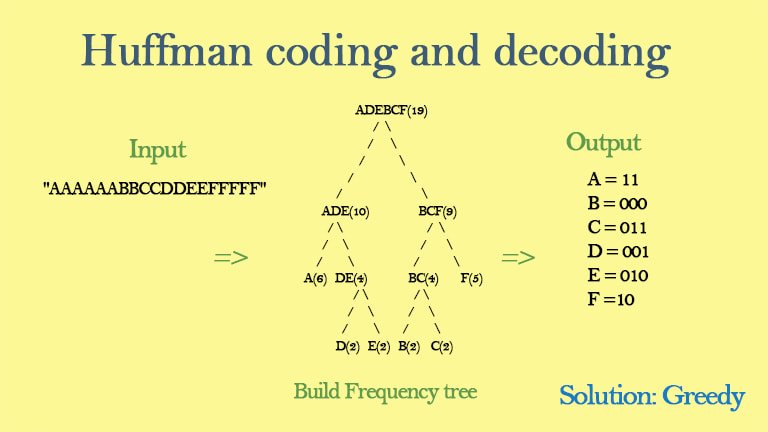
As an audio file format, MP3 has become one of the most popular digital audio compression methods. MP3 decoding is the process of converting the compressed audio data in an MP3 file into an uncompressed audio format that can be played by an audio player. Decoding the compressed audio data involves several steps, including Huffman decoding, dequantization, and inverse discrete cosine transform.
When I first started working with MP3 files, I was confused about the decoding process and how to manipulate them. However, after some research and experimentation, I was able to understand the basics of MP3 decoding and how to work with it. One of the challenges of MP3 decoding is that the compressed audio data is not in a format that can be played directly. Decoding the compressed audio data involves several steps, including Huffman decoding, dequantization, and inverse discrete cosine transform.
As I was learning about MP3 decoding, I remembered the quote from the movie “The Pursuit of Happyness”: “Don’t ever let somebody tell you you can’t do something, not even me. Alright? You dream, you gotta protect it. People can’t do something themselves, they wanna tell you you can’t do it. If you want something, go get it. Period.”
Huffman Decoding Algorithm
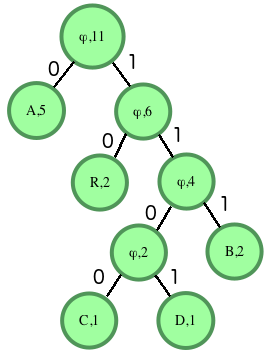
Huffman decoding is a key step in MP3 decoding. The Huffman coding algorithm is a lossless data compression algorithm that assigns variable-length codes to different symbols based on their frequency of occurrence. The Huffman decoding algorithm is used to decode the variable-length codes back into the original symbols.
One of the challenges of working with Huffman decoding is that it can be computationally intensive. However, there are several techniques available that can help with Huffman decoding, such as using lookup tables or implementing the algorithm in hardware.
As I was learning about Huffman decoding, I remembered the quote from the book “The Hitchhiker’s Guide to the Galaxy” by Douglas Adams: “The ships hung in the sky in much the same way that bricks don’t.” Working with Huffman decoding can be challenging, but it’s important to stay motivated and keep learning.
Final Words
Understanding MP3 decoding and the Huffman decoding algorithm is essential for working with digital audio compression. Decoding the compressed audio data involves several steps, including Huffman decoding, dequantization, and inverse discrete cosine transform. While working with MP3 files can be challenging, it’s important to stay motivated and enjoy the process of learning.
At MP4Gain, we understand the importance of audio quality and file size. Our software is designed to normalize and convert audio files to the most popular formats, with an integrated equalizer for fine-tuning the audio. If you’re looking for a solution to your audio needs, give MP4Gain a try.
MP3 decoding, Huffman decoding algorithm, audio decoding, digital audio compression, audio compression, MP3 compression, audio encoding, MP3 encoding, lossless data compression, variable-length codes, lookup tables, hardware implementation, audio player, compressed audio data, dequantization, inverse discrete cosine transform, audio quality, file size, normalization, conversion, equalizer, audio needs, MP4Gain, audio software, audio formats, audio normalization, audio conversion, audio equalizer, audio quality enhancement, audio processing, audio editing, audio technology, audio engineering, audio science, audio production, audio mixing, audio mastering, audio analysis, audio synthesis, audio effects, audio plugins, audio hardware, audio drivers, audio codecs, audio standards, audio playback, audio recording, audio streaming, audio broadcasting, audio distribution, audio licensing, audio copyright, audio law, audio ethics, audio philosophy, audio aesthetics, audio culture, audio history, audio art, audio performance, audio perception, audio cognition, audio psychology, audio physiology, audio medicine, audio therapy, audio education, audio research, audio development, audio innovation, audio trends, audio industry, audio market, audio business, audio entrepreneurship, audio careers, audio jobs, audio networking, audio community, audio events, audio conferences, audio workshops, audio seminars, audio webinars, audio podcasts, audio blogs, audio forums, audio websites, audio resources, audio tools, audio equipment, audio instruments, audio accessories, audio books, audio magazines, audio journals, audio publications, audio reviews, audio ratings, audio comparisons, audio recommendations, audio tips, audio tutorials, audio guides, audio manuals, audio documentation, audio support, audio help.


Readers’ Opinions:
Comment 1: AC-4’s SBR truly enhances audio quality. Can’t go back!
Comment 2: Impressive breakdown of Spectral Band Replication. More please!
Comment 3: As an audiophile, AC-4’s impact on live events is a game-changer.
Comment 4: Your article made me appreciate the technology behind AC-4. Well done!
Comment 5: AC-4’s SBR explained in layman’s terms. Finally, clarity!
Comment 6: Can you delve into the compatibility of AC-4 with various devices?
Comment 7: The comparison with other codecs would be an interesting addition.
Comment 8: Intrigued by the potential applications of AC-4 in gaming environments.
Comment 9: Your article sparked my curiosity. Now I want to explore AC-4 further.
Comment 10: AC-4’s SBR elevates the auditory experience. Kudos on the detailed insights!