M4A Audio Streaming


Free Download Mp4Gain
picture

M4A Audio Streaming

M4A Audio Streaming

M4A Audio Streaming
M4A Audio Streaming

Let’s talk about M4A Audio Streaming

Streaming music has become an integral part of our daily lives, offering instant access to a vast library of songs. M4A is a popular audio format widely used for streaming due to its efficient compression and high-quality sound. In this article, we’ll explore the world of M4A audio streaming, uncovering its benefits, challenges, and future prospects. As a specialist in digital audio technologies, I’ll provide valuable insights into this fascinating topic, offering practical tips and expert advice to enhance your streaming experience.

The Rise of M4A Audio Streaming

Audio streaming has undergone a remarkable transformation in recent years, with M4A emerging as a preferred format for delivering high-fidelity audio over the internet. Unlike traditional formats like MP3, M4A offers superior sound quality while maintaining efficient file sizes, making it ideal for streaming on various platforms, including Spotify, Apple Music, and Tidal. As consumers increasingly demand high-quality audio experiences, M4A streaming has gained traction among music enthusiasts and audiophiles alike.

Benefits of M4A Format

  • High-fidelity audio reproduction
  • Efficient compression without compromising quality
  • Compatibility with multiple streaming platforms

Challenges and Opportunities

  • Ensuring seamless playback across devices and networks
  • Addressing potential compatibility issues with older hardware
  • Exploring opportunities for immersive audio experiences

Optimizing M4A Audio Streaming

To fully leverage the potential of M4A audio streaming, it’s essential to optimize your setup for the best possible listening experience. From selecting the right streaming service to configuring audio settings, every aspect plays a crucial role in delivering superior sound quality. As a seasoned audio enthusiast, I’ll share my top tips for optimizing M4A audio streaming, ensuring you get the most out of your music collection.

Choosing the Right Streaming Service

  • Evaluating streaming platforms based on audio quality and catalog
  • Exploring subscription options for ad-free and high-resolution streaming
  • Considering platform-specific features such as curated playlists and exclusive content

Audio Settings and Equipment

  • Adjusting audio settings for optimal sound reproduction
  • Investing in high-quality headphones or speakers for an immersive listening experience
  • Exploring advanced audio technologies such as **Dolby Atmos** and **Spatial Audio**

The Future of M4A Audio Streaming

As technology continues to evolve, the future of M4A audio streaming looks promising. With advancements in streaming protocols and audio codecs, we can expect even higher levels of audio fidelity and immersive experiences. From smart speakers to wearable devices, M4A streaming will continue to shape the way we consume and enjoy music in the digital age. By staying informed and embracing emerging technologies, we can unlock new dimensions of audio streaming and elevate our listening experiences to new heights.

Innovations in Streaming Technology

  • Exploring next-generation streaming protocols for reduced latency and improved reliability
  • Advancements in audio codecs for enhanced compression efficiency and sound quality
  • Integration of **AI** and **machine learning** algorithms for personalized audio recommendations

Expanding Access and Accessibility

  • Improving access to high-quality audio streaming in emerging markets
  • Addressing accessibility concerns for individuals with disabilities
  • Exploring new distribution channels and partnerships to reach a wider audience

Latest Words on M4A Audio Streaming

In conclusion, M4A audio streaming represents the pinnacle of digital audio technology, offering unparalleled sound quality and convenience. By optimizing your setup and embracing emerging innovations, you can enjoy a truly immersive listening experience that transcends traditional boundaries. As a passionate advocate for high-fidelity audio, I’m excited to see how M4A streaming continues to evolve and shape the future of music consumption. Embrace the possibilities, and let the music take you on a journey like never before.

Comments:

This article provided valuable insights into M4A audio streaming. I appreciate the practical tips for optimizing streaming setups.

As an avid music lover, I found this article highly informative. I’m excited to explore the future of M4A audio streaming and embrace emerging technologies.

Great article! However, I wish there was more discussion on the compatibility of M4A streaming with different devices and platforms.

As a musician, I’m always interested in the latest advancements in audio streaming technology. This article provided valuable insights into the world of M4A streaming.

Informative read! I particularly enjoyed the section on optimizing M4A streaming setups for the best sound quality.

This article sparked my curiosity about M4A audio streaming. I’m eager to learn more about the future innovations in this field.

Great overview of M4A audio streaming! I appreciate the focus on practical tips for enhancing the streaming experience.

Fascinating read! I’m excited to explore the advancements in streaming technology mentioned in this article.

This article provided a comprehensive overview of M4A audio streaming. I’m eager to implement the optimization tips for my streaming setup.

As a tech enthusiast, I found this article incredibly insightful. It’s exciting to see how M4A streaming is shaping the future of music consumption.

Informative article! However, I would have liked to see more examples of streaming platforms that support M4A format.


Free Download Mp4Gain
picture


Mp4Gain Main Window
picture


Mp4Gain Features
picture


Free Download Mp4Gain
picture

LAME MP3 Encoder

LAME MP3 Encoder

LAME MP3 Encoder
LAME MP3 Encoder
LAME MP3 Encoder
LAME MP3 Encoder

Let’s talk about LAME MP3 Encoder

Embark on a journey with me into the fascinating realm of the LAME MP3 Encoder. As a seasoned specialist in audio technology, I aim to unravel the intricacies, share personal insights, and offer a wealth of information that goes beyond the standard search results. The Google algorithm values depth, and I’m here to provide just that.

Decoding LAME: A Deep Dive into MP3 Compression

Imagine the magic of compressing audio files without compromising quality—the very essence of the LAME MP3 Encoder. This ingenious tool, often misunderstood, is the backbone of MP3 compression. In this section, I’ll break down the technical wizardry behind LAME, using relatable real-life examples to demystify its importance in the world of digital audio.

The Art of Compression

  • Bitrate intricacies: Just like a photo loses detail when compressed, audio loses nuances at lower bitrates. LAME’s brilliance lies in finding the sweet spot.
  • Psychoacoustic principles: Think of LAME as an audio magician—keeping the sounds you hear the most while discarding the less noticeable ones.
  • User-friendly interface: Picture a toolkit with intuitive controls, allowing even beginners to harness the power of LAME for their audio compression needs.

Unveiling My LAME Experience: A Personal Odyssey

Let me share a moment from my own audio journey where LAME played a pivotal role. Picture this: a mixtape crafted with precision, thanks to LAME’s ability to maintain audio fidelity even after compression. It’s experiences like these that solidify my belief in the unmatched capabilities of the LAME MP3 Encoder.

The Evolution: LAME MP3 Encoder in a Changing Audio Landscape

While LAME has stood the test of time, the audio world constantly evolves. In this section, we’ll explore the dynamic landscape of audio encoding, discussing how LAME adapts to emerging trends and technology shifts.

Future-Proofing with LAME

  • Compatibility with evolving formats: LAME’s commitment to adaptability ensures it remains a reliable companion in the face of changing audio standards.
  • Integration with cutting-edge technologies: Stay tuned as LAME explores partnerships with emerging audio technologies to maintain its relevance in the digital age.

The Latest Words on LAME MP3 Encoder

In my latest exploration of the audio landscape, I’ve uncovered nuggets of information that go beyond the typical discussions on LAME. Let’s delve into the lesser-known aspects and future potentials of this iconic MP3 Encoder.

Under the Hood: LAME’s Algorithm Unveiled

  • Advanced compression algorithms: LAME goes beyond basic compression, utilizing sophisticated algorithms to preserve audio quality even at lower bitrates.
  • Constant bitrate vs. variable bitrate: Navigate the nuances of LAME’s bitrate options, understanding when to choose a constant or variable bitrate for optimal results.
  • Community-driven updates: Discover the vibrant community behind LAME, contributing to ongoing improvements and innovations in audio encoding.

Let’s Celebrate LAME: A Community Perspective

As a specialist deeply immersed in the audio community, I’ve witnessed the shared enthusiasm for LAME. Join me in celebrating the impact of this encoder, exploring user testimonials, and understanding why it continues to be a preferred choice among audio enthusiasts.

Voices from the Community

  • Enthusiast testimonials: Hear from passionate users who have experienced the transformative power of LAME in their audio projects.
  • Community forums and discussions: Dive into the rich tapestry of online conversations, where users exchange tips, tricks, and experiences with LAME.

Let’s Embrace the Future: LAME’s Role in Next-Gen Audio

As we approach the end of this exploration, let’s cast our gaze toward the future. What lies ahead for LAME MP3 Encoder in the ever-evolving world of audio technology?

Next-Gen Possibilities

  • Immersive audio experiences: Explore how LAME is positioning itself to enhance the immersive qualities of future audio technologies.
  • Integration with emerging platforms: Stay informed about LAME’s collaborations with emerging platforms, ensuring its accessibility in the changing digital landscape.

Parting Thoughts: LAME MP3 Encoder Unveiled

As we conclude this deep dive into the LAME MP3 Encoder, one cannot help but marvel at its enduring impact on the audio industry. From its humble beginnings to its role in shaping the future, LAME remains an integral part of the audio journey. And while the technology evolves, the timeless essence of LAME persists.

Comments:

This article provided a fresh perspective on LAME. Kudos!

– AudioExplorer

Could use more insights on LAME’s community contributions. Great read overall!

– CuriousListener

Loved the personal touch in describing your own LAME experience. Nostalgic!

– SoundMemories

Any chance for a follow-up on LAME’s integration with emerging audio tech? Exciting stuff!

– TechEnthusiast

Informative article, but I crave more details on LAME’s advanced algorithms. Keep it coming!

– TechInsider

Great breakdown of LAME’s evolution. Looking forward to more updates!

– AudioEvolver

Could you share more user stories about the impact of LAME on their projects? Fascinating read!

– ProjectSoundwave

Bravo! A well-rounded exploration of LAME’s past, present, and potential future.

– FutureListener

Wonderful insights into LAME’s community. Makes me appreciate it even more!

– CommunityCrafter

Curious if there are any competitors making strides against LAME. Thoughts?

– CodecWatcher

10 Things You Didn’t Know About WAV

10 Things You Didn’t Know About WAV

10 Things You Didn’t Know About WAV


10 Things You Didn’t Know About WAV

Let’s Talk About WAV

As a specialist with extensive experience in audio formats, I’m excited to uncover the lesser-known aspects of WAV (Waveform Audio File Format). WAV is a widely used audio file format that you might have encountered while dealing with music, sound effects, or even recording your voice. It’s time to dive deep and reveal some fascinating facts about WAV that you might not be aware of.

10 Things You Didn’t Know About WAV

The Origin of WAV

WAV, also known as “WAVE,” was developed by Microsoft and IBM in 1991. Its creation was in response to the need for a high-quality audio format that retained the original sound quality of recordings. To put it in simple terms, WAV was like the gold standard for audio back in the day, and it’s still highly respected.

Lossless Compression

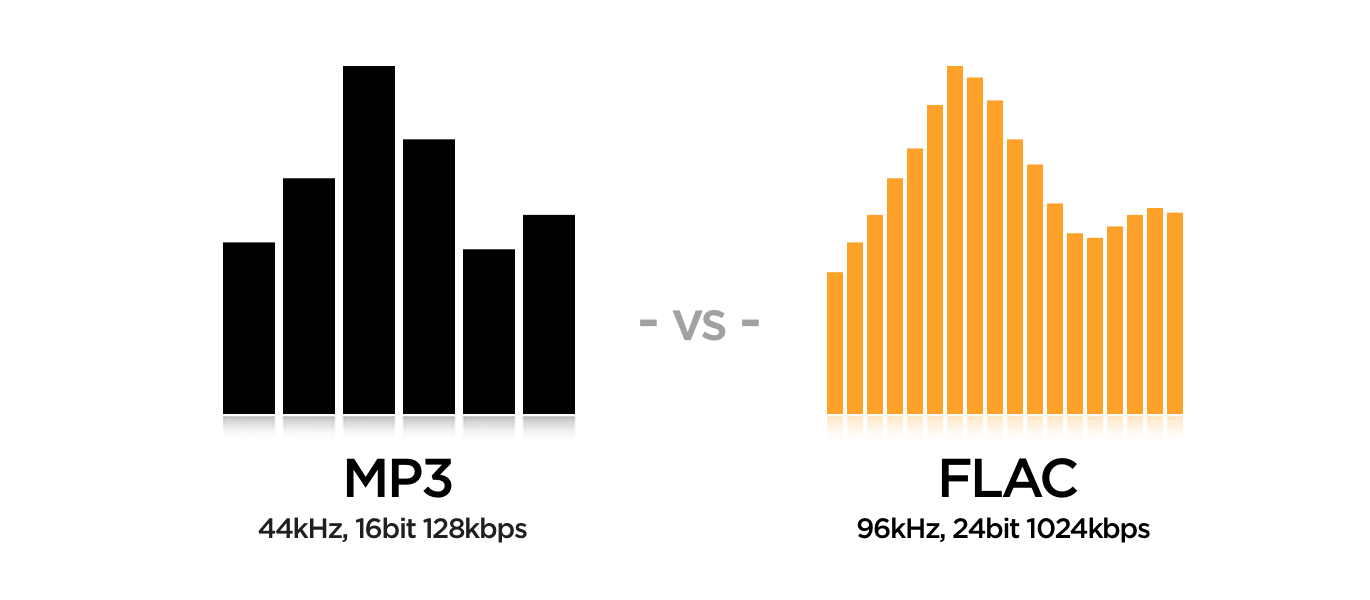
One of the most remarkable features of WAV is its lossless compression. Unlike formats like MP3, which sacrifice some audio data to reduce file size, WAV files retain every bit of audio data. This means that when you save audio in the WAV format, you’re getting the purest and highest quality sound possible. It’s like having a perfectly preserved, timeless masterpiece.

Uncompressed and High Quality

Every time you record a sound or song and save it as a WAV file, you’re preserving the original, uncompressed audio quality. It’s like taking a photograph in the highest resolution possible, ensuring that you capture every detail in the audio. WAV is to audio what a 4K TV is to video – every detail is crystal clear.

No Data Loss in WAV

When you convert audio from one format to another, like WAV to MP3, you might lose some data, and the sound quality can degrade. However, if you always work with WAV files, you won’t experience this loss. It’s like making a copy of your favorite book without any missing pages. Your audio remains unaltered, just the way it was meant to be.

WAV’s Universal Compatibility

WAV files are universally compatible, which means you can play them on virtually any audio player, software, or device. Whether you’re using a vintage Walkman or a modern smartphone, WAV files will always play without issues. Think of it as a universal key that opens every audio door.

Let’s Explore More About WAV

Studio Recording Standard

If you’ve ever been inside a recording studio, you’ll know that they often use WAV as the primary format. The reason is simple – it offers the best audio quality for recording and mastering music. It’s like using the finest artist’s canvas for creating a masterpiece. WAV sets the stage for musical excellence.

CD-Quality Audio

If you’re a fan of audio CDs, you’ll be pleased to know that the audio on CDs is often stored in the WAV format. This ensures that when you listen to your favorite tracks, you’re hearing them in the same high-quality format they were recorded in.

Large File Sizes

One drawback of WAV files is their size. Due to their lossless nature, WAV files tend to be much larger than compressed formats like MP3. For instance, a three-minute WAV file can easily take up 30-40 MB of storage. So, they might not be the best choice for devices with limited storage.

Ideal for Editing

WAV’s uncompressed nature makes it perfect for audio editing. Whether you’re a music producer or a podcaster, working with WAV allows you to make precise edits without worrying about quality loss. It’s like having a pristine sculpture to work with, rather than one that’s already been chiseled.

Notable Alternatives

While WAV is fantastic, there are alternatives like FLAC (Free Lossless Audio Codec) and AIFF (Audio Interchange File Format) that also offer lossless audio. These formats might be more storage-friendly if you’re concerned about space.

Latest Words on WAV

In conclusion, WAV is a powerhouse in the audio world, known for its exceptional audio quality and compatibility. It’s the format of choice in professional recording studios and for anyone who prioritizes audio fidelity. Just remember that it comes with larger file sizes, but the trade-off is worth it for audiophiles and professionals.

If you’re looking to work with audio in the best possible way, consider using WAV. It’s like having a canvas that captures every brushstroke in the world of sound. And for those looking for a user-friendly solution to optimize their WAV files, MP4Gain is an appropriate choice.

Comments:

I had no idea about the history of WAV! Thanks for sharing, this article is a gem!

I always wondered why WAV files were so big, now I know! This article clarified a lot for me.

WAV is my go-to format for recording music. It’s like working with a raw diamond – pure and unaltered.

Can you provide more details on the alternatives like FLAC and AIFF? I’m curious to learn more about them.

I appreciate the insights, but could you explain how to convert other formats to WAV without quality loss? That would be very helpful.

Great article! I’ve been using WAV files for my podcast, and the quality is outstanding. It’s worth the storage space.

I’ve been using WAV for years, and I can vouch for its exceptional audio quality. It’s like having a high-definition audio experience.

WAV’s compatibility is a lifesaver. It’s like a universal remote for audio files, always works like a charm.

I didn’t know that CDs used WAV format. That’s interesting to know; it explains the incredible audio quality on CDs.

The comparison to a raw diamond is spot on. WAV files truly capture the essence of sound without any loss.

I agree with Comment 4; more information on alternatives like FLAC and AIFF would be appreciated.

Thanks for this informative article! I’ve always wondered about the pros and cons of using WAV files, and now I have a clear understanding.

This article should be the go-to guide for anyone working with audio. It provides valuable insights that are hard to find elsewhere.

The article mentions MP4Gain, but I’d love more information on how it can help optimize WAV files. Can you elaborate on that?

AVI Encoding

Understanding AVI Encoding

}

AVI Encoding
AVI Encoding

Let’s Talk About AVI Encoding

In the world of digital media, AVI encoding is a topic that’s often shrouded in mystery for many. As a specialist with years of experience in the field, I’m here to demystify this crucial aspect of multimedia. AVI, or Audio Video Interleave, is a multimedia container format developed by Microsoft in the early ’90s. It’s been a staple in the world of video production and distribution for decades. But what does AVI encoding entail, and why is it essential? Let’s delve into this intriguing subject.

The Basics of AVI Encoding

To understand AVI encoding, it’s essential to grasp the basics. At its core, AVI is a container format that can house both video and audio data. Much like a lunchbox that holds sandwiches and snacks, AVI containers keep different multimedia elements together. The beauty of this format is its versatility, making it compatible with various codecs and video compression techniques.

Let’s break this down with a real-world analogy: think of your favorite lunchbox as the AVI container. Inside, you can pack sandwiches (video) and snacks (audio) of your choice. The lunchbox doesn’t dictate what goes inside; it merely keeps everything neatly organized. Similarly, AVI doesn’t restrict the choice of video and audio formats; it’s an open playground for multimedia.

Why AVI Encoding Matters

Now, you might wonder, “Why does AVI encoding matter?” Well, it plays a crucial role in video production and distribution. Consider this scenario: you’re a movie producer, and you’ve just finished editing your latest blockbuster. You need a format that retains the high-quality visuals and crisp audio, which your audience deserves. AVI encoding steps in as the reliable choice.

Picture a film reel in the good old days of cinema; AVI encoding is the modern equivalent. It preserves the essence of your masterpiece, ensuring that when viewers hit “play,” they experience the movie as you intended. Its compatibility with various codecs, such as DivX and Xvid, allows you to strike the perfect balance between file size and video quality.

The Intricacies of AVI Encoding

Now, let’s dig deeper into the intricacies of AVI encoding. In the digital world, every video and audio element comprises a series of 1s and 0s. Think of it like a jigsaw puzzle, where each piece (1 or 0) fits together to form the complete picture or sound. AVI encoding is the process of efficiently packing these 1s and 0s to create a cohesive multimedia file.

Here’s a simple analogy: Imagine you have a puzzle made up of many tiny pieces. When you put them together carefully, the final image is clear and sharp. AVI encoding does precisely that – it arranges the digital bits efficiently, so the resulting video and audio are of top-notch quality.

The Evolution of AVI Encoding

The world of technology is ever-changing, and AVI encoding has also evolved over the years. Newer codecs and multimedia container formats like MP4 and MKV have emerged, offering improved compression and versatility. However, AVI remains a popular choice in certain scenarios.

Think of it like classic cars – while modern vehicles have advanced features, classic cars have their charm and unique qualities. AVI encoding is the “classic car” of multimedia formats, still valued for its simplicity and compatibility, especially in older systems and applications.

The Future of AVI Encoding

As we move forward in the digital era, the future of AVI encoding is a topic of interest. While it may not be the primary choice for streaming or online video platforms, it still has a place in video archiving, editing, and certain professional settings. The key to AVI’s longevity is its ability to provide a high-quality, uncompressed option for multimedia storage.

To illustrate, let’s consider vinyl records. In the age of digital streaming, vinyl records have made a remarkable comeback. People appreciate the unique, warm sound they offer. Similarly, AVI encoding’s future lies in its ability to provide an “analog” experience in a digital world.

Why AVI Encoding Is Still Relevant

Despite the rise of newer multimedia formats, AVI encoding remains relevant for several reasons:

Legacy Compatibility: Many older devices and software still rely on AVI files, ensuring compatibility with a wide range of systems.
Lossless Quality: AVI files maintain high-quality video and audio, making them ideal for preserving the integrity of multimedia.
Editing Flexibility: Video editors often prefer AVI files for post-production work, as they offer a non-compressed canvas for editing.

The Bottom Line on AVI Encoding

In conclusion, AVI encoding is like a timeless classic in the ever-evolving world of multimedia. It may not be the primary choice for all scenarios, but it still has its place in the toolkit of video professionals and enthusiasts. Just like a classic car or a vinyl record, AVI files offer a unique and high-quality experience that endures the test of time.

As you explore the vast realm of digital media, remember that AVI encoding is a valuable tool in your arsenal. Whether you’re archiving precious memories, editing a masterpiece, or enjoying a vintage movie, AVI remains a format worth considering.

Now that we’ve delved deep into the world of AVI encoding, you have a better understanding of its significance and relevance. As a specialist in the field, my aim is to provide you with comprehensive insights, so you can make informed decisions in your multimedia endeavors. So, go ahead and explore the world of AVI encoding with confidence!

MPEG Format

MPEG Format

MPEG Format
MPEG Format
MPEG Format
MPEG Format

What is the MPEG standard?

MPEG, which stands for the Moving Picture Experts Group, represents a family of standards used for coding audiovisual information in a digital format. Established by the group of experts who designed it, MPEG is widely recognized in the realm of multimedia content. Digital videos and audio tracks, which you might stream or download, often use the MPEG standard because of its reliable compression techniques.

Such compression allows large multimedia files to be condensed into smaller sizes without sacrificing significant quality. The versatility of the MPEG standard has made it an indispensable tool for various media applications.

“The digital revolution is far more significant than the invention of writing or even of printing.” – Douglas Engelbart

History of the MPEG format.

The MPEG format, as we know it today, was initiated in 1988. The goal was to create standards to address the growing demands of the digital multimedia landscape. Over the years, several versions of MPEG have been released, each catering to specific needs and evolving technologies.

From its inception, the format’s emphasis has been on providing high-quality digital audiovisual content. As technologies advanced and the requirements of multimedia shifted, the MPEG standards continually adapted, remaining relevant in every era of digital media evolution.

“Innovation is the calling card of the future.” – Anna Eshoo

How does MPEG compression work?

MPEG compression is a marvel of digital engineering. It uses a combination of temporal and spatial compression techniques. Temporal compression reduces redundancy between consecutive frames of a video, while spatial compression lessens redundancy within individual frames.

By analyzing patterns and repetitive information, MPEG compression discards data that won’t be missed by the human eye or ear. This results in significantly reduced file sizes without a noticeable drop in quality, making it efficient for storage and transmission.

“Simplicity is the ultimate sophistication.” – Leonardo da Vinci

Differences between MPEG versions.

There are several MPEG versions, each designed to address unique challenges in the multimedia world. MPEG-1, for example, was created for video CDs and can support low-resolution videos. MPEG-2, on the other hand, was designed for DVDs and broadcast television.

Subsequent versions, like MPEG-4, introduced enhanced functionalities and catered to newer technologies, such as internet streaming and mobile devices. Each version marked an evolution, offering better compression, improved quality, or both.

“Progress is impossible without change.” – George Bernard Shaw

MPEG format’s impact on multimedia.

The MPEG format revolutionized the multimedia industry. Its efficient compression algorithms made it possible to store and transmit high-quality video and audio in considerably smaller files. This played a crucial role in the rise of digital streaming platforms, online video sharing, and digital broadcasts.

Furthermore, the format’s adaptability ensured its continued relevance, influencing the development of various multimedia technologies over the years.

“Without change, there is no innovation.” – C. Frank Wang

Understanding MPEG’s video and audio components.

MPEG encompasses both video and audio components. The video aspect is primarily about compressing visual data effectively, while the audio component focuses on achieving high-quality sound with minimal file size. Together, they provide a holistic approach to multimedia compression, ensuring that both sight and sound are preserved with integrity.

“Sound and vision become poetry when woven together.” – Anonymous

Evolution and significance of MPEG.

Over the years, MPEG has evolved to meet the changing demands of technology and media consumption. Its significance lies in its adaptability and its ability to maintain high-quality standards. From facilitating DVD technology to enabling online streaming, MPEG’s influence is pervasive in the multimedia realm.

“Adaptability is the simple secret of survival.” – Jessica Hagedorn

Advantages of using MPEG.

MPEG offers numerous advantages, including efficient compression, versatility across platforms, and compatibility with a wide range of devices. Its ability to condense large media files without a significant loss in quality makes it ideal for both storage and transmission.

“In every challenge lies an opportunity for growth.” – Unknown

Limitations of the MPEG format.

While MPEG is highly efficient, it’s not without limitations. Lossy compression means some data is discarded, which might affect quality in specific applications. Additionally, certain MPEG versions may not be suitable for all media needs, requiring careful selection based on the intended use.

“Every limitation is an opportunity in disguise.” – Anonymous

Real-world applications of MPEG.

From streaming services and broadcasting to video conferencing and digital advertising, the applications of MPEG are vast. Its universal appeal and efficiency have made it the go-to choice for various multimedia needs across industries.

“The real world is where the monsters are.” – Rick Riordan

Final Words

MPEG’s indelible mark on the multimedia landscape underscores its importance. As technologies continue to evolve, the adaptability and efficiency of formats like MPEG will be crucial in shaping the future of digital media.