Comparison of AAC and MP3 compression


Free Download Mp4Gain
picture

Comparison of AAC and MP3 Compression
Comparison of AAC and MP3 compression

Let’s talk about AAC and MP3 compression

When I first began exploring audio compression, the difference between AAC and MP3 stood out as crucial. Both are popular, but AAC often feels like the more efficient option. It’s like comparing an old-school flip phone to a modern smartphone—they both work, but one offers so much more with the same resources. AAC provides higher sound quality at similar bitrates, which makes it a favorite for streaming services and high-quality playback.

MP3, however, has been around longer and is compatible with virtually every device. I’ve used MP3 files on ancient MP3 players that AAC wouldn’t even recognize. But as audio technology evolves, AAC is becoming the go-to choice for those who value efficiency and superior sound.

How does audio compression work?

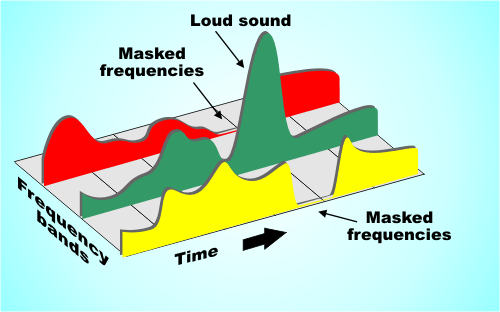
Compression works by removing parts of the audio that most people won’t notice. Imagine you’re cleaning out your closet—you toss items you haven’t used in years, freeing up space without really losing anything important. That’s essentially what AAC and MP3 do with audio data. They strip out redundant or less noticeable sounds to shrink the file size.

MP3 uses an older algorithm, which means it’s like using a blunt tool. AAC, on the other hand, employs advanced techniques to preserve more detail. When I listen to an AAC file, I often catch subtle nuances like soft background harmonies that might disappear in an MP3 version.

Sound quality differences between AAC and MP3

When I compare AAC and MP3 at the same bitrate, AAC consistently sounds better. For example, at 128 kbps, AAC audio feels fuller and richer, while MP3 can sound flat or distorted. It’s like the difference between watching a high-definition video and a blurry old VHS tape—both convey the same message, but one does it with far more clarity.

In real-life situations, like playing music in my car or through my phone’s speakers, AAC handles compression artifacts better. MP3 files often introduce a noticeable hiss or clipping in quieter passages, which can be distracting if you’re a music enthusiast like me.

Device compatibility and support

MP3 wins when it comes to compatibility. It’s the universal format that works on everything from 90s-era CD players to modern smartphones. I’ve even found old alarm clocks with MP3 support. AAC, however, isn’t always as widely supported, especially on older hardware.

That said, most newer devices and platforms, like iPhones, Android phones, and streaming services like Spotify, fully support AAC. If you’re living in the modern tech world, AAC compatibility likely won’t be an issue.

Bitrate efficiency: AAC vs. MP3

AAC is more efficient than MP3 at delivering high-quality audio at lower bitrates. Think of it like a fuel-efficient car—AAC gets more “miles per gallon.” At 96 kbps, AAC can sound as good as or better than MP3 at 128 kbps. This is why streaming platforms and digital radio stations prefer AAC; it saves bandwidth while maintaining quality.

I’ve tested this myself by converting the same song into both formats at different bitrates. AAC consistently performed better, preserving details like crisp vocals and dynamic bass lines that MP3 often muddled.

Use cases for AAC and MP3

Both formats have their ideal use cases. MP3 is perfect for older devices or situations where compatibility is critical. For instance, I still use MP3 for transferring music to a friend’s vintage MP3 player or for simple tasks like ringtones.

AAC shines in modern applications, particularly streaming. Apple Music and YouTube use AAC to deliver high-quality audio efficiently. It’s also great for personal libraries if you prioritize quality over universal compatibility.

  • MP3: Best for older hardware and universal compatibility.
  • AAC: Ideal for streaming, modern devices, and high-quality playback.

File size comparison

When I tested file sizes, AAC files were generally smaller than MP3 files at the same perceived quality level. For example, a three-minute song at 128 kbps might take up 3 MB as an MP3 but only 2.5 MB as AAC. Over a large library, this adds up to significant space savings.

It’s like packing a suitcase—AAC is the expert packer who fits everything neatly, while MP3 takes up more room with less care for efficiency.

Encoding speed and performance

Encoding AAC files tends to be slightly slower than MP3 because of its more advanced algorithm. However, in real-world use, this difference is negligible unless you’re encoding hundreds of files at once. I’ve converted albums into both formats, and while AAC took a bit longer, the improved quality made the wait worthwhile.

Which format is better for streaming?

Streaming platforms almost universally prefer AAC. Its efficiency means smoother playback with less buffering, even on slower internet connections. I’ve noticed that AAC streams maintain consistent quality, while MP3 streams can dip or distort under the same conditions.

For streaming, AAC also supports features like HE-AAC, which optimizes audio even further for low-bandwidth scenarios. It’s why platforms like Netflix and YouTube rely on AAC for their audio streams.

Latest words on AAC and MP3 compression

If you’re deciding between AAC and MP3, consider your needs. AAC offers better quality at smaller file sizes and is perfect for modern devices and streaming. MP3, while older, remains reliable and universally compatible. Personally, I’ve transitioned most of my library to AAC, as it delivers superior sound for my listening setup.

For those looking to manage and optimize audio files, tools like Mp4Gain can help you analyze and convert formats efficiently. It’s an excellent way to ensure your files are ready for any playback scenario.

FAQ

Which format offers better audio quality, AAC or MP3?

AAC typically offers better audio quality than MP3 at the same bitrate, delivering richer and clearer sound.

Is AAC better than MP3 for streaming?

Yes, AAC is more efficient and widely used for streaming due to its ability to deliver high-quality audio at lower bitrates.

Can all devices play AAC files?

Most modern devices support AAC, but older hardware might only recognize MP3 files.

Why is AAC more efficient than MP3?

AAC uses advanced compression techniques to retain more audio detail at lower bitrates compared to MP3.

Comments:

Wow, I didn’t know AAC could save that much space without sacrificing quality. Thanks for the detailed comparison!

I’ve always used MP3 for compatibility, but maybe it’s time to switch to AAC for my streaming playlists. Good info here.

Can you explain more about HE-AAC? I feel like it wasn’t covered enough in the article. Thanks in advance!

Great article! I’ve been debating which format to use for my music library. This helped a lot.

I tried converting some MP3 files to AAC, but they didn’t sound much better. Is that normal?


Free Download Mp4Gain
picture


Mp4Gain Main Window
picture


Mp4Gain Features
picture


Free Download Mp4Gain
picture

Stereo and Surround Sound Encoding in MP3 and AAC

Stereo and Surround Sound Encoding in MP3 and AAC

Stereo and Surround Sound Encoding in MP3 and AAC

Let’s talk about stereo and surround sound encoding in MP3 and AAC

Stereo and surround sound encoding in MP3 and AAC formats is a fascinating area where technology meets art. As someone deeply invested in audio quality, I’ve always marveled at how these formats tackle spatial audio. Imagine standing in a concert hall; stereo encoding captures the left and right channels, while surround sound brings the immersive feel of instruments and audience from every direction. Understanding how MP3 and AAC achieve this is key to selecting the right format for your audio needs.

How MP3 handles stereo and surround sound

MP3, a format we’ve used for decades, was primarily designed for stereo. It uses joint stereo encoding to save space, combining similar data from both channels. This works well for most songs but can sometimes muddy the spatial effects. For surround sound, MP3 struggles because it wasn’t built to natively support multichannel audio. Imagine trying to fit a puzzle with extra pieces into a fixed-sized frame; that’s MP3 trying to handle surround sound.

The advantages of AAC in stereo and surround sound

AAC shines where MP3 falters, especially in surround sound encoding. With native support for up to 48 channels, AAC is ideal for movies and immersive audio. When I first played a movie encoded in AAC, the surround effect was breathtaking. It felt like sitting in a theater, with dialogues, music, and effects seamlessly positioned. This makes AAC a superior choice for anyone who values audio clarity and depth.

Key differences between stereo and surround sound encoding

Stereo focuses on two audio channels, while surround sound involves multiple channels for an immersive experience. Picture a pair of headphones delivering stereo; now think of a home theater system for surround sound. Encoding stereo is simpler and requires less data. Surround sound, however, involves complex algorithms to position audio correctly. AAC does this exceptionally well due to its advanced compression techniques, whereas MP3 often struggles to maintain quality.

Common use cases for MP3 and AAC stereo encoding

MP3 stereo is widely used for music streaming and portable players because it balances quality with file size. I still use MP3 for quick downloads when space is a concern. AAC stereo, however, is better for streaming platforms like YouTube or Apple Music, where quality matters more. Its ability to preserve nuances makes AAC the go-to for audiophiles and anyone enjoying high-definition music.

Why AAC is better for surround sound

Surround sound encoded in AAC offers unparalleled clarity and realism. When I watch movies encoded in AAC, the background effects feel alive. You can hear footsteps behind you or the subtle rustle of leaves. MP3 simply can’t replicate this experience due to its limited channel support. AAC’s efficiency in handling high-bitrate audio makes it the preferred choice for surround sound systems.

Real-world examples of AAC’s superior performance

I recently tested AAC and MP3 files side-by-side using a home theater system. The AAC file delivered crisp dialogues and immersive background effects. Meanwhile, the MP3 version sounded flat, missing the spatial richness. For gaming, AAC also provides a tactical advantage by accurately positioning sounds, helping players locate movements and actions.

How compression affects stereo and surround sound

Compression is a double-edged sword. It reduces file size but can degrade quality. MP3 sacrifices spatial detail to save space, leading to flatter audio. AAC, however, uses more advanced algorithms to compress without significant quality loss. Imagine shrinking a photo; MP3 might lose sharpness, while AAC retains the details.

Latest words on stereo and surround sound encoding in MP3 and AAC

Choosing between MP3 and AAC depends on your priorities. If file size and compatibility matter, MP3 is a practical option. However, for superior audio quality, especially in surround sound, AAC is unmatched. As someone passionate about audio, I recommend using AAC for movies, games, and music where depth matters. And if you need an efficient tool to enhance your audio files, Mp4Gain is a reliable solution for optimizing stereo and surround sound.

Stereo and Surround Sound Encoding in MP3 and AAC – FAQs

What is the difference between stereo and surround sound?

Stereo sound uses two channels (left and right) to create a sense of direction and depth. Surround sound, on the other hand, utilizes multiple channels (often 5.1 or more) to provide an immersive audio experience where sounds can seem to come from all directions, enhancing movies, games, and music experiences.

How does MP3 handle surround sound?

MP3 was designed primarily for stereo sound and doesn’t natively support true surround sound. It uses techniques like joint stereo to save space, which works for most stereo content but is limited for immersive, multichannel audio.

Why is AAC better for surround sound encoding?

AAC supports up to 48 channels of audio, making it ideal for surround sound setups. It delivers superior quality at lower bitrates and preserves spatial accuracy, which is crucial for an immersive experience in movies, games, and high-quality music streaming.

Can I convert MP3 to AAC to improve sound quality?

Converting MP3 to AAC won’t improve the original sound quality since the data loss during MP3 compression cannot be recovered. However, using AAC for new recordings or direct conversions from uncompressed formats like WAV will ensure better audio quality and efficient encoding.

Which format is better for music streaming: MP3 or AAC?

AAC is better for music streaming as it delivers higher quality audio at lower bitrates compared to MP3. Streaming platforms like Apple Music and YouTube prefer AAC for its efficiency and ability to maintain detailed sound even in compressed files.
Does AAC work with all devices?

Yes, AAC is widely supported on most modern devices, including smartphones, tablets, and computers. It is the default audio format for platforms like iTunes and YouTube and is compatible with both iOS and Android ecosystems.

How do surround sound channels enhance the audio experience?

Surround sound channels create a three-dimensional audio field, allowing sounds to be positioned around the listener. This adds depth and realism, making experiences like watching movies or playing games far more immersive.

What is joint stereo in MP3 encoding?

Joint stereo is a method used in MP3 encoding to reduce file size by combining the similar information from the left and right audio channels. While it saves space, it can sometimes reduce the perceived spatial separation of the sound.

Can AAC handle high-resolution audio?

Yes, AAC can handle high-resolution audio efficiently. It’s capable of preserving details in high-bitrate files, making it suitable for audiophiles who demand clarity and precision in their music.

Is AAC better than MP3 for portable devices?

AAC is better for portable devices as it offers better sound quality at lower bitrates, which means smaller file sizes and less storage usage without sacrificing audio clarity. This makes it an excellent choice for modern mobile devices.

Comments:

This article really opened my eyes! I always thought MP3 was good enough, but now I see why AAC is superior for surround sound. Thanks for explaining it so clearly.

I’ve been using MP3 for years, and I didn’t realize how much I was missing out on. Gonna try AAC for my next movie night and see the difference!

Great article, but I wish it went deeper into the history of these formats. Like, how did AAC come to be so much better for surround sound?

I appreciate the practical examples here. It’s so true about MP3 sounding flat compared to AAC, especially when you’re gaming or watching movies.

This was super helpful! I’ve been struggling with bad audio quality in my home theater setup. Switching to AAC might be the fix I need.

Thanks for breaking it down. I’ve heard a lot of tech jargon about audio formats, but this made it so easy to understand.

I’m an audiophile, and I’ve been advocating for AAC for years. Glad to see someone explaining why it’s better in such detail!

Interesting article! Could you dive more into how AAC achieves better compression without losing quality? That part really fascinates me.

I tried comparing MP3 and AAC myself after reading this, and you’re absolutely right. The difference is huge when you have good speakers.

This article is gold for someone like me, who just got a surround sound setup. Didn’t realize how much AAC could improve the experience!

I’m new to all this audio stuff, but this article helped me decide to switch to AAC for my music collection. Thanks a lot!

I’ve always been skeptical about AAC vs MP3 debates. After reading this, I feel like I need to test it out for myself. Great info!

Honestly, I didn’t expect to learn so much from this. Thanks for breaking it down with real-life examples. It made it super relatable!

Wow, AAC is really impressive for surround sound. I wish I knew this earlier. Thanks for such an insightful article.

Can you share more about tools for optimizing MP3 and AAC files? This article was great, but I’m curious about that aspect too.

Advantages of MP3 Format

Advantages of MP3 Format

Advantages of MP3 Format

Let’s talk about MP3 format

As a seasoned expert in the audio industry, I embark on a journey to explore the intricacies of the MP3 format. In a world saturated with various audio formats, MP3 stands as a ubiquitous and often misunderstood format. Let’s unravel the layers and discover the unique advantages that make MP3 a stalwart in the realm of digital audio.

Advantages of MP3 Format

The Evolution of MP3: A Digital Revolution

In the early days of digital audio, the emergence of MP3 marked a revolutionary shift. Imagine the transition from traditional telephones to smartphones—MP3 brought a similar leap in audio accessibility. The format revolutionized the way we consume music, allowing us to carry thousands of songs in our pockets. It’s the pocket-sized jukebox that changed the way we experience music on the go.

Optimal Balance: Quality vs. File Size

One of the defining features of MP3 is its ability to strike a delicate balance between audio quality and file size. Think of it as a well-crafted sandwich—you get the richness of flavors without the bulk. MP3 achieves this balance through a process called compression, where it trims down file sizes without compromising the essence of the audio. It’s like having your cake and eating it too—crisp audio without overwhelming storage demands.

Every Beat Counts: Efficient Compression

In the realm of audio compression, MP3 takes center stage. The format employs efficient algorithms to discard redundant information, focusing on preserving the essential elements of the sound. Picture a skilled chef reducing a sauce to intensify the flavor—MP3 refines audio, discarding excess data while retaining the core musicality. It’s this efficiency that makes MP3 the preferred choice for streaming and downloading.

The MP3 Advantage in Digital Landscape

Streaming Symphony: MP3 in Online Platforms

In the age of music streaming, MP3 emerges as the maestro of online audio. Its efficient compression ensures swift streaming, delivering a seamless musical experience without buffering interruptions. It’s like having a concert at your fingertips, where every note flows effortlessly, thanks to MP3’s prowess in handling data over the internet.

Podcasting Power: MP3 in Digital Content

For content creators, especially in the podcasting realm, MP3 is the go-to format. Its optimal balance between quality and size ensures that podcasts are easily downloadable and shareable. It’s akin to sending a postcard—you get the message without the bulk. MP3’s compatibility across devices ensures that listeners can enjoy podcasts anytime, anywhere, making it the linchpin of digital content distribution.

Dynamic Range: MP3 in Musical Diversity

MP3’s efficient compression also plays a pivotal role in preserving the dynamic range of music. In simpler terms, it ensures that the soft whispers and thunderous roars of a song remain intact. It’s like watching a movie in high definition, where every detail is vivid. MP3 allows the nuances of each instrument and vocal to shine through, creating an immersive musical experience.

Behind the Scenes: MP3 in Audio Production

As someone deeply entrenched in audio production, I’ve witnessed firsthand the impact of MP3 in the studio. Its efficient compression streamlines the workflow, making it an ally for producers and artists. It’s like having a reliable assistant—MP3 ensures that the final mix retains its brilliance without overwhelming storage or complicating the editing process.

Latest Words on MP3 Format

Sound Waves of the Future: MP3 Beyond the Basics

As we navigate the evolving landscape of digital audio, MP3 continues to adapt and thrive. It’s not just a format; it’s a vessel for the future of sound. The efficiency, compatibility, and quality of MP3 make it a timeless companion in our daily audio adventures.

Unveiling the Layers: MP3 and Audio Quality

One aspect often overlooked is the impact of MP3 on shaping our perception of audio quality. In the era of convenience, MP3 has become synonymous with accessible, high-quality audio. It’s like upgrading from a standard TV to a 4K display—the difference is palpable. MP3 ensures that we don’t compromise on audio excellence, even in the hustle and bustle of our digital lives.

MP3 and the Digital Renaissance

In the grand symphony of digital audio, MP3 orchestrates a renaissance, bringing music to the masses with unparalleled accessibility. It’s not just a format; it’s a cultural phenomenon that transcends generations. MP3 has redefined how we consume, produce, and share music, leaving an indelible mark on the sonic landscape.

Let Your Ears Decide

In conclusion, the advantages of the MP3 format extend far beyond the technical realm. It’s a format that speaks to the heart of audio accessibility and convenience. As an expert in the field, I invite you to let your ears decide. The next time you stream a song, enjoy a podcast, or delve into the world of digital audio, remember that MP3 is not just a format—it’s the key to a universe of musical possibilities.

Comments:

This article opened my eyes to the magic of MP3 in preserving audio quality. Kudos for the insightful journey!

Nick: AudioExplorer

MP3 is my companion in every road trip. The balance of quality and file size is a game-changer!

Nick: RoadTunes

Great article, but I crave more insights on how MP3 handles different genres of music. Keep it up!

Nick: MusicMaestro

MP3 and streaming—a match made in audio heaven! Thanks for shedding light on its role in the digital era.

Nick: StreamMaster

Any recommendations for maximizing MP3 quality during the production process? Share your secrets!

Nick: StudioSorcerer

MP3’s impact on podcasting is undeniable. It’s like the unsung hero of the digital content world!

Nick: PodcasterPro

How does MP3 stack up against emerging audio formats? A comparison would be fascinating!

Nick: FutureListener

MP3’s role in shaping our digital audio landscape is commendable. Exciting times ahead!

Nick: DigitalHarmony

Can we delve deeper into MP3’s influence on the democratization of music production? Intriguing topic!

Nick: MusicDemocratizer

MP3’s journey from revolution to renaissance—a captivating read! More articles like this, please!

Nick: RenaissanceReader

How does MP3 work?

How does MP3 work?

mp3 compression

1. The common name for portable MP3 player. a portable player
used to play music in MP3 format (now compatible with wma, wav and other formats).

MP3 Compression

Portable MP3 Player was originally developed by Korean Wenguang Su and Huang Dingxia (Moon & Hwang) Invented in 1997 and applied for related patents Detailed explanation of the
technology development of the MP3 format Format, which is designed to drastically reduce the amount of audio data, while for most users the playback quality is not appreciably degraded from the original uncompressed audio. It was invented and standardized in 1991 by a group of engineers from the Fraunhofer-Gesellschaft research organization in Erlangen, Germany. MPEG-1 Audio Layer 3, often referred to as MP3, is one of the most popular lossy compression and digital audio encoding formats today. There is no noticeable drop in sound quality compared to the original uncompressed audio. It was invented and standardized in 1991 by a group of engineers from the Fraunhofer-Gesellschaft research organization in Erlangen, Germany. General information MP3 is a data compression format. It discards pulse code modulation (PCM) audio data that is not important to the human ear (similar to how JPEG is lossy image compression), resulting in a much smaller file size. Various techniques are used in MP3, including psychoacoustics, to determine which parts of the audio can be discarded. MP3 audio can be compressed at different bit rates, providing a variety of trade-offs between data size and sound quality. The MP3 format uses a hybrid conversion mechanism to convert the time domain signal to the frequency domain signal: * 32-Band Polyphase Integrating Filter (PQF)
* Modified 36 or 12 tap discrete cosine filter (
MDCT); each subband size is independently selectable between 0…1 and 2…31 However, due to the unprecedented popularity of MP3, the success of any other format is currently unlikely. MP3 not only has extensive client software support, but also has a lot of hardware support, such as portable media players (referring to MP3 players), DVD and CD players.
The development of
MPEG-1 Audio Layer 2 encoding started with the German Deutsche Forschungs- und Versuchsanstalt für Luft- und Raumfahrt (later called Deutsches Zentrum für Luft- und Raumfahrt, German Space Center) Digital Audio Broadcasting (DAB) managed by Egon Meier-Project Engelen . This project is funded by the European Union as a EUREKA research project, and its name is commonly known as EU-147. The study period for EU-147 was from 1987 to 1994.
By 1991 there were already two proposals: Musicam (called Layer 2) and ASPEC (Adaptive Spectrum Sensing Entropy Coding). The Musicam method proposed by Philips of the Netherlands, CCETT of France, and the Institut für Rundfunktechnik of Germany was chosen due to its simplicity, robustness against errors, and lower computational effort in high-quality compression. The Musicam format based on subband coding is a key factor in determining the MPEG audio compression format (sampling rate, frame structure, data header, sample points per frame). This technology and its design philosophy are fully integrated into the definition of ISO MPEG Audio Layer I, II and later Layer III (MP3) formats. The standard was developed by Leon van de Kerkhof (Layer I) and Gerhard Stoll (Layer II) under the auspices of Prof. Mussmann (University of Hannover).
A working group consisting of Leon Van de Kerkhof from the Netherlands, Gerhard Stoll from Germany, Yves-François Dehery from France, and Karlheinz Brandenburg from Germany absorbed design ideas from Musicam and ASPEC and added their own design ideas to develop MP3 , which can play MP2. Sound quality from 192kbit/s to 128kbit/s.
All of these algorithms eventually became part of the first group of MPEG standards, MPEG-1, in 1992, resulting in the ISO/IEC 11172-3 international standard published in 1993. Further work on MPEG audio eventually became part of the MPEG-2 standard, a second group of MPEG standards developed in 1994, officially known as ISO/IEC 13818-3, first published in 1995.
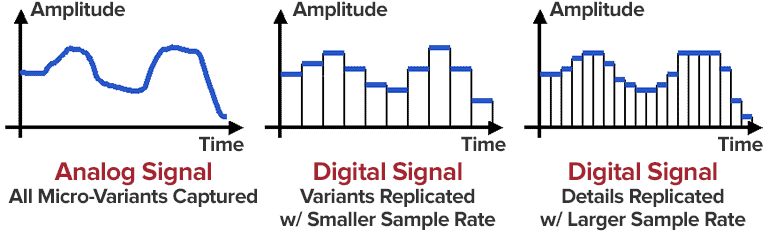
The compression efficiency of an encoder is usually defined by the bit rate, since the compression rate depends on the number of bits.