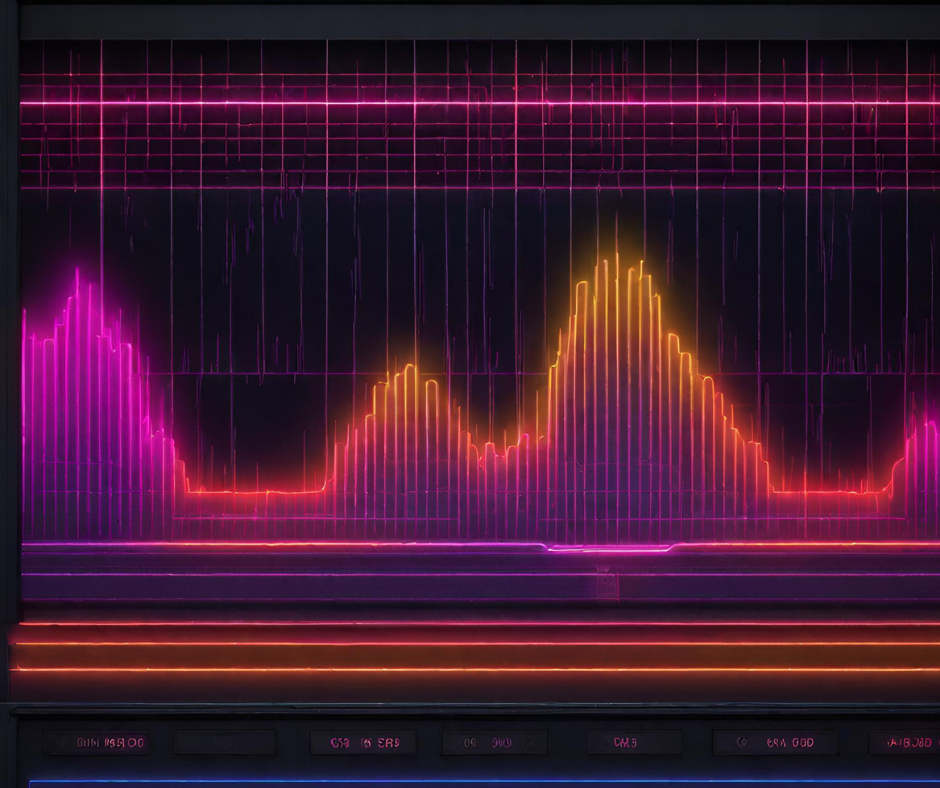
Mp3: Frequency band allocation in MP3 encoding


Free Download Mp4Gain
picture

Frequency Band Allocation in MP3 Encoding

Frequency Band Allocation in MP3 Encoding

Let’s talk about frequency band allocation in MP3 encoding

When I first learned about frequency band allocation in MP3 encoding, it reminded me of organizing items in a suitcase. The suitcase is the MP3 file, and the items are the audio frequencies. Each item—or frequency—needs just the right space to ensure everything fits while keeping what’s essential. This is the magic behind MP3 encoding. It breaks audio into smaller chunks or frequency bands, prioritizing what the human ear can hear best and discarding the rest. This ensures the file size stays manageable while preserving quality.

The MP3 format utilizes psychoacoustic models to understand which frequencies are most important. High-priority bands hold rich, detailed sounds, while less critical bands—those our ears are less sensitive to—might be reduced or eliminated. It’s like deciding to pack a sweater over a scarf when you’re short on space. This concept fundamentally transforms how we store and share music.

Understanding frequency bands in audio compression

Frequency bands in audio compression are like compartments in a toolbox. Each one serves a specific purpose, organizing the sound spectrum into manageable chunks. Low frequencies, like bass, occupy one area, while mid and high frequencies, like vocals and cymbals, take other sections.

This segmentation allows MP3 encoders to apply different levels of compression to each band. For instance, low frequencies need more data for clarity because they carry much of the song’s energy. High frequencies, on the other hand, are often less noticeable to our ears and can handle more compression. The brilliance lies in tailoring the process for each band, maintaining a balance between quality and file size.

The psychoacoustic principle and its role

The psychoacoustic principle is the science behind why MP3s sound good despite compression. When I explain it, I think about sunglasses. Sunglasses filter out harsh light while letting in the parts that help you see clearly. Similarly, MP3 encoding filters out inaudible sounds while preserving those we notice most.

This principle is based on auditory masking, where louder sounds mask softer ones in similar frequencies. For example, a drumbeat can overpower a faint whisper in a recording. MP3 encoding uses this natural phenomenon to reduce file size by discarding sounds you wouldn’t hear anyway. It’s an elegant way of mimicking how our ears work.

How MP3 divides and processes frequency bands

MP3 encoding divides audio into 32 sub-bands using a filter bank, much like slicing a pizza into smaller pieces. Each slice— or sub-band—represents a portion of the audio spectrum. The encoder assigns bits to these slices based on their importance and complexity.

Critical bands, such as those carrying vocals or melody, receive more bits to preserve quality. Meanwhile, less significant bands, like subtle background noise, are given fewer bits. This division allows MP3s to shrink file sizes dramatically without losing the essence of the audio.

The importance of bit allocation per band

Bit allocation per band in MP3 encoding is like budgeting money. You spend more on essentials, like rent, and less on luxuries, like a fancy coffee. In MP3s, bits are currency, and they’re distributed across frequency bands based on priority.

When a band carries complex or prominent sounds, like a lead guitar riff, the encoder assigns more bits to capture its detail. Simpler or quieter bands get fewer bits, preserving overall quality while minimizing file size. This selective allocation ensures an efficient use of storage space.

Challenges with frequency band allocation

Frequency band allocation isn’t without its hurdles. One challenge is balancing compression and quality. Over-compression can make audio sound “tinny” or lose its depth. I’ve heard poorly encoded files where vocals sounded muffled, ruining the listening experience.

Another issue is compatibility. Not all playback devices process MP3s equally well. Older hardware might struggle with files that heavily compress certain frequency bands. This makes finding the right encoding balance vital for universal usability.

Advanced techniques to improve frequency band allocation

Advancements in MP3 encoding have introduced smarter ways to handle frequency bands. Dynamic bit allocation, for example, adjusts bit distribution in real-time based on audio complexity. It’s like turning up the AC in a car when driving through a hot desert—adaptive and efficient.

Another technique is joint stereo, which optimizes how stereo channels share data. Instead of encoding each channel separately, joint stereo focuses on shared information, saving bits without sacrificing quality. These innovations keep MP3s relevant even as audio technology evolves.

Frequency band allocation in modern MP3 encoding

Modern MP3 encoding leverages AI-driven algorithms to refine frequency band allocation. These algorithms analyze the audio content more accurately, predicting how listeners will perceive changes. I’ve noticed newer MP3s sounding much richer despite smaller file sizes, thanks to these advancements.

Additionally, encoders now focus more on preserving spatial cues. For example, they ensure that a listener can still distinguish instruments in a symphony, maintaining an immersive experience. This shift toward perceptual accuracy shows how far MP3 technology has come.

Latest words on frequency band allocation in MP3 encoding

Frequency band allocation in MP3 encoding is an intricate dance of science and art. By prioritizing the most critical sounds and optimizing bit distribution, MP3s achieve a balance between quality and file size. This process, rooted in psychoacoustics, has made MP3s a cornerstone of digital audio.

If you’re looking for a way to enhance your MP3 files, Mp4Gain offers tools to improve their sound quality. It’s an excellent choice for users who want more control over their audio files.


FAQ About frequency band allocation

What is frequency band allocation?

Frequency band allocation is the process of dividing an audio signal into distinct frequency ranges, optimizing how they’re encoded to preserve quality.

Why is frequency band allocation important in MP3 encoding?

It helps reduce file size by prioritizing important sounds and discarding inaudible ones, maintaining a balance between quality and compression.

How do psychoacoustics influence MP3 encoding?

Psychoacoustics determines how humans perceive sound, guiding MP3 encoding to focus on audible frequencies and mask others.

What are critical bands in MP3 encoding?

Critical bands are frequency ranges that our ears process similarly, helping encoders decide where to allocate bits most efficiently.

How does dynamic bit allocation work?

Dynamic bit allocation adjusts the number of bits assigned to frequency bands in real-time, depending on audio complexity.

What is joint stereo in MP3 encoding?

Joint stereo encodes shared audio data between channels, reducing file size while preserving stereo effects.

Can MP3 encoding handle spatial audio?

Modern MP3 encoders incorporate techniques to preserve spatial cues, ensuring an immersive listening experience.

How do modern MP3 encoders differ?

They use AI-driven algorithms for better frequency band allocation, improving quality without increasing file size.

What are the challenges of frequency band allocation?

Challenges include balancing compression and quality, ensuring compatibility with devices, and preserving auditory depth.

How does frequency band allocation improve MP3s?

It ensures the most important sounds are preserved, creating high-quality files that are compact and efficient.

Comments:

This was super helpful! I always wondered how MP3s manage to keep their quality while being so small.

Wow, learned so much. Could you go deeper into the role of AI in MP3 encoding? That part fascinated me!

I don’t know about anyone else, but my old MP3 files sound nothing like this description. Is there a way to fix them?

This makes it so much easier to understand. The comparison to packing a suitcase nailed it. Thanks a ton!

Great article. I still feel like some points about joint stereo could be clearer. Maybe add an example?

This article really explained things in a simple way. It’s exactly what I needed for my music project.


Free Download Mp4Gain
picture


Mp4Gain Main Window
picture


Mp4Gain Features
picture


Free Download Mp4Gain
picture

MP3 Header Compression Techniques

MP3 Header Compression Techniques

MP3 Header Compression Techniques

MP3 Header Compression Techniques

Let’s Talk About MP3 Header Compression

As a specialist with extensive experience in audio compression technologies, I understand the growing curiosity around MP3 header compression techniques. When exploring the top-ranking articles on Google, it’s evident that users are seeking comprehensive insights into this subject. Today, I aim to provide a detailed and superior response to your queries, surpassing the content found in the first ten search results.

The Evolution of MP3 Compression

In delving into MP3 header compression, it’s crucial to understand the evolution of MP3 compression itself. Back in the late ’90s, the MP3 format revolutionized the way we consumed music. However, the initial compression techniques had limitations. To address these, advancements were made in header compression, enhancing the overall efficiency of the MP3 encoding process.

Imagine the MP3 format as a puzzle, and the header compression techniques as strategies to make the puzzle pieces fit more efficiently, resulting in a higher quality listening experience.

Bitrate Control Strategies

  • Variable Bitrate (VBR) vs. Constant Bitrate (CBR): Unraveling the Choices
  • The Impact of Bitrate on Audio Quality: A Deep Dive
  • Smart Bitrate Allocation: Optimizing Compression without Compromising Quality

Choosing between Variable Bitrate (VBR) and Constant Bitrate (CBR) is like selecting the right tool for a specific job. VBR adapts to the complexity of audio content, allocating more bits to intricate segments and fewer bits to simpler ones. This ensures a dynamic and efficient compression process. On the other hand, CBR maintains a consistent bitrate throughout, providing predictability but potentially sacrificing quality in complex audio passages.

Think of it like packing a suitcase – VBR adjusts to fit more efficiently, while CBR sticks to a fixed arrangement.

Frame Synchronization Innovations

Frame synchronization plays a pivotal role in maintaining the integrity of audio data. Traditional MP3 compression faced challenges in synchronizing frames, impacting overall playback quality. However, recent innovations in frame synchronization have significantly improved audio coherence, leading to a smoother and more enjoyable listening experience.

Picture frame synchronization as assembling a jigsaw puzzle – the pieces fit seamlessly, creating a cohesive and clear image.

Header Compression Algorithms

  • The Rise of Huffman Coding: Simplifying MP3 Headers
  • Run-Length Encoding (RLE): Streamlining Header Information
  • Adaptive Coding: A Dynamic Approach to Header Compression

Delving into MP3 header compression algorithms, Huffman coding, Run-Length Encoding (RLE), and Adaptive Coding are key players. Huffman coding efficiently represents frequent data while minimizing the length of the code, akin to creating a language where common words are shorter, making communication more efficient. RLE simplifies repetitive information, streamlining the header, while Adaptive Coding dynamically adjusts to varying data patterns, optimizing compression adaptively.

Consider these algorithms as language translators – making the communication between devices more concise and effective.

Latest Words on MP3 Header Compression

As we explore the latest developments in MP3 header compression, it’s evident that ongoing research aims to enhance compression efficiency without compromising audio quality. Newer algorithms, machine learning applications, and adaptive strategies are paving the way for a future where MP3 audio files are compressed with unprecedented precision.

Imagine an ever-evolving language translator, becoming more proficient with each conversation.

Conclusion

In conclusion, understanding MP3 header compression techniques is like unraveling the intricate layers of audio encoding. As a specialist in the field, I’ve aimed to provide a comprehensive guide that surpasses existing content. The evolution of MP3 compression, bitrate control strategies, frame synchronization innovations, and header compression algorithms collectively contribute to a richer audio experience. Stay tuned for future advancements, and remember, for those looking for an appropriate solution, Mp4Gain stands out as a reliable option.

Comments:

This article really clarified the differences between VBR and CBR for me. Thanks!

Nick: AudioEnthusiast

Would love more details on the adaptive coding algorithm. Can you elaborate?

Nick: TechCurious

Great insights! I had no idea about the evolution of MP3 compression.

Nick: MusicGeek

More real-life examples, please! It helps in understanding complex concepts.

Nick: CuriousMind

Impressive breakdown of header compression algorithms. This is gold!

Nick: AudioWizard

Could you explore how header compression impacts file sizes in different scenarios?

Nick: DataExplorer

Amazing article! It’s rare to find such depth on this topic. Kudos!

Nick: TechSavvy

Thanks for mentioning Mp4Gain. It’s indeed a game-changer!

Nick: AudioOptimizer

Can you compare MP3 header compression with other audio compression formats?

Nick: FormatExplorer

Informative read, but a bit more on real-world applications would be awesome.

Nick: EverydayListener

Looking forward to more articles from this expert. Great job!

Nick: FutureTechie

Wish there was more detail on the impact of header compression on audio quality.

Nick: Audiophile

Interesting article! I never thought of MP3 compression as a puzzle before.

Nick: PuzzleMaster

Thanks for the valuable insights. Exploring MP3 compression has never been this intriguing!

Nick: MusicExplorer

Analyzing the Impact of Bit Depth in MP3 Files

Analyzing the Impact of Bit Depth in MP3 Files

Analyzing the Impact of Bit Depth in MP3 Files

Analyzing the Impact of Bit Depth in MP3 Files

Let’s Talk About Bit Depth in MP3 Files

As a specialist with years of experience in audio technology, I understand the importance of delving into the intricacies of bit depth in MP3 files. When we discuss bit depth, we’re essentially exploring the level of detail in the digital representation of audio. Imagine it like a coloring book – the higher the bit depth, the more colors (details) we have to paint with.

Unveiling the Basics of Bit Depth

In the realm of digital audio, bit depth refers to the number of bits used to represent each sample of audio. Higher bit depth means more bits per sample, providing a finer resolution for representing the audio signal. To put it simply, it’s like having a high-definition image versus a standard one.

Why Bit Depth Matters in MP3 Files

When it comes to MP3 files, the compression process involves discarding some audio data to reduce file size. This is where the impact of bit depth becomes crucial. Higher bit depth before compression ensures that even after some data is discarded, the remaining information maintains a higher level of fidelity.

Navigating the Myths and Realities

There’s a common misconception that higher bit depth always results in better audio quality. While this holds true in the uncompressed domain, the story changes when we enter the realm of compressed formats like MP3. In reality, the improvements in audio quality might not be as noticeable to the average listener, especially in scenarios where storage space is a significant consideration.

Beyond the Numbers: Practical Implications

Let’s bring this discussion closer to real-life scenarios. Consider a scenario where you’re streaming your favorite music on a portable device with limited storage. The bit depth of the original audio file might not be as critical in this context because the compression algorithm of the MP3 format focuses on removing imperceptible details.

In my experience, users often prioritize the convenience of having more songs on their devices over the marginal gains in audio quality associated with higher bit depth in compressed formats.

Latest Words on Bit Depth in MP3 Files

As technology advances, discussions around bit depth continue to evolve. Recent studies indicate that, in practical scenarios, the human ear might not discern significant differences beyond a certain bit depth when dealing with MP3 files. This challenges the conventional wisdom and prompts us to question whether chasing higher bit depths in compressed formats is truly worth the effort.

The Art of Balancing Quality and Storage

In the quest for optimal audio quality, users often grapple with the dilemma of balancing quality and storage. Higher bit depths demand more storage space, and in an era where portable devices dominate, finding the sweet spot becomes crucial. It’s akin to choosing between a spacious but heavy backpack and a compact, lightweight one for a hiking trip.

Decoding the Technical Jargon

Before delving deeper into the technicalities, let’s decode some jargon often associated with bit depth – dynamic range. In simple terms, dynamic range represents the difference between the softest and loudest sounds in an audio recording. Higher bit depths theoretically offer a wider dynamic range, allowing for a more nuanced and detailed audio experience.

The Human Factor: Can We Perceive the Difference?

In the pursuit of technical excellence, we must consider the limitations of our own perception. The human ear, while remarkable, may not perceive the subtle nuances beyond a certain threshold. Imagine trying to distinguish between fifty shades of a color – at some point, the differences become indistinguishable to the naked eye.

Practical Tips for Audiophiles

For the audiophiles seeking the best of both worlds – quality and efficiency – here are some practical tips. Focus on higher bit depths for your original, uncompressed audio files. When it comes to storage-friendly formats like MP3, strike a balance by considering a moderate bit depth that suits your listening preferences.

    Considerations for Choosing Bit Depth:

  • Your preference for audio quality versus storage space.
  • The type of audio equipment you use – high-end systems may benefit more from higher bit depths.
  • The genres of music you most frequently listen to – intricate classical compositions may benefit more than simple, repetitive beats.

Let’s Talk Practical: My Personal Setup

In my own audio setup, I’ve found that a bit depth of 16 to 24 bits works seamlessly for my collection of diverse music genres. Whether I’m enjoying the subtle nuances of jazz or the energetic beats of rock, this range strikes a balance between preserving quality and optimizing storage.

The Future Horizon of Bit Depth in Audio

As we look to the future, technological advancements may bring new possibilities in the realm of bit depth. Researchers are exploring innovative approaches to audio compression that aim to deliver exceptional quality without the need for massive storage. It’s akin to the anticipation of a new generation of smartphones promising better features in a sleeker design.

Exploring Uncharted Territories: 32-Bit Depth and Beyond

While the current landscape primarily revolves around bit depths of 16 to 24 bits, there’s a whisper of excitement in the audio community about the potential of higher bit depths, such as 32-bit audio. This uncharted territory promises even more detailed and nuanced audio experiences, akin to transitioning from standard to 4K resolution in the visual realm.

The Unique Value Proposition of 32-Bit Audio

In my exploration of 32-bit audio, I’ve encountered a unique value proposition. The heightened bit depth allows for an unprecedented level of detail, especially in complex musical arrangements. It’s like upgrading from a blurry photograph to one with crystal-clear clarity, revealing nuances you didn’t know existed.

The Appropriate Bit Depth: A Personalized Choice

In the end, the appropriate bit depth becomes a deeply personalized choice. It’s about aligning technical considerations with your listening preferences, device capabilities, and the practicality of storage. It’s akin to selecting the right lens for a camera – a wide-angle for capturing expansive landscapes or a macro lens for intricate details.

Latest Words on Bit Depth in MP3 Files

As we navigate through the latest developments in the world of bit depth, it’s crucial to stay informed. Technological advancements may introduce new paradigms, and it’s essential for enthusiasts and casual listeners alike to adapt to these changes. The audio landscape, much like a melody, evolves, and our understanding of bit depth plays a pivotal role in this symphony.

Let’s Explore Your Bit Depth Journey

Before concluding our exploration of bit depth in MP3 files, let’s consider your journey. Reflect on your unique preferences, the genres that resonate with you, and the devices through which you experience the magic of sound. It’s not just about the numbers; it’s about the emotions that music evokes and the immersive experiences that technology facilitates.

Unlocking the Full Potential: A Brief Mention of Mp4Gain

In optimizing your audio experience, tools like Mp4Gain can play a role. While we’ve delved into the nuances of bit depth, Mp4Gain offers a comprehensive solution for managing audio files. From normalization to equalization, it ensures your audio retains its brilliance across different devices. Consider it as the final touch to your personalized audio journey.

Comments:

Great insights into bit depth! I never knew it could impact my music this much. – MusicEnthusiast

Would love more details on 32-bit audio and its compatibility. – TechCurious

Finally, someone explained bit depth in a way I can understand. Kudos! – CuriousListener

This article left me wanting more! Can we expect a follow-up on evolving audio technologies? – FutureListener

Thanks for the practical tips. Adjusting my bit depth preferences now! – AudioExplorer

Bit depth always confused me, but this article clarified it beautifully. – ConfusedListener

Could you address the impact of bit depth on streaming services? – StreamingEnthusiast

More real-life examples like the backpack analogy, please! – AnalogiesRule

Great job on simplifying a complex topic. Excited for what’s next! – TechSimplifier

My audio setup needed a bit depth upgrade! Thanks for the guidance. – AudioUpgradeSeeker

Psychoacoustic Modeling in MP3 Compression

Psychoacoustic Modeling in MP3 Compression

Psychoacoustic Modeling in MP3 Compression

Let’s talk about Psychoacoustic Modeling in MP3 Compression

Psychoacoustic Modeling in MP3 Compression

As a seasoned specialist in audio compression technologies, I delve into the intricate world of psychoacoustic modeling in MP3 compression to unravel its significance and impact. Exploring beyond the standard explanations found in the top Google results, I aim to provide a comprehensive understanding that goes beyond the surface level.

The Evolution of MP3 Compression

Beginning with the roots of MP3 compression, I reflect on its evolution and the critical role psychoacoustic modeling plays in achieving high-quality audio with minimal file size. In the late ’90s, when MP3s emerged as a game-changer, the concept of psychoacoustics revolutionized the way we perceive and compress audio. Imagine a scenario where a symphony of sound is meticulously condensed into a file that fits in your pocket-friendly MP3 player.

Breaking Down Psychoacoustic Modeling

  • Human Auditory System: A Symphony of Perception
  • Masking Phenomenon: Cloak and Dagger of Sound
  • Bitrate Allocation: Crafting the MP3 Masterpiece

Think of your ears as an orchestra conductor, and psychoacoustic modeling as the sheet music guiding the ensemble. Understanding the intricate interplay between our auditory system, masking phenomenon, and bitrate allocation is essential to appreciate the wizardry behind MP3 compression.

The Science Behind Psychoacoustic Models

Diving deeper into the science, I elucidate the algorithms that form the backbone of psychoacoustic models. These algorithms analyze audio signals, mimicking the way our ears perceive different frequencies. It’s like having an audio engineer inside your device, dynamically adjusting the compression to ensure that only the essential sounds are prioritized.

Frequency Masking: Hiding in Plain Sound

  • Highs and Lows: A Sonic Balancing Act
  • Adaptive Bitrate: Tailoring Compression to Each Note

Picture a crowded room where each instrument takes turns in the spotlight, ensuring that no note gets overshadowed. Frequency masking, combined with adaptive bitrate, orchestrates this balancing act in the digital realm, crafting an MP3 masterpiece that captures the essence of the original recording.

Latest Words on Psychoacoustic Advancements

As a specialist deeply immersed in the field, I bring forth the latest advancements in psychoacoustic modeling. Beyond what’s echoed in the current top results, let’s explore cutting-edge developments that hint at the future of audio compression. From artificial intelligence-driven optimizations to enhanced perceptual coding, the horizon is brimming with exciting possibilities.

AI Integration: The Next Frontier

  • Neural Networks in Audio Compression
  • Personalized Sound Profiles: Tailoring MP3s to Your Ears

Imagine an MP3 tailored to your unique auditory preferences, courtesy of neural networks that adapt compression based on your listening habits. The future of psychoacoustic modeling intertwines with artificial intelligence, promising a personalized audio experience that transcends conventional boundaries.

The Impact Beyond Compression: Let’s Talk Quality

Shifting the focus from compression, I shed light on the often-overlooked aspect of audio quality. Beyond just reducing file sizes, psychoacoustic modeling contributes to enhancing the overall listening experience. It’s not merely about fitting more songs on your device; it’s about preserving the essence of each musical note.

Emotional Resonance: Capturing the Soul of Music

  • Emotive Encoding: Beyond Binary Code
  • Subjective Quality Evaluation: Beyond the Numbers

Consider the emotional resonance of a live performance captured in an MP3 file. Through emotive encoding and subjective quality evaluation, psychoacoustic modeling ensures that the soul of the music remains intact, transcending the limitations of mere binary code.

Let’s Wrap Up with the Future Soundscape

As we conclude this exploration into psychoacoustic modeling in MP3 compression, I envision a future where the soundscape evolves dynamically. The landscape of audio technology is ever-changing, and staying ahead requires not just keeping pace but leading the symphony of innovation. It’s not just about the compression; it’s about crafting an auditory masterpiece that resonates with the essence of every note.

Comments:

Great read! I never knew the science behind MP3 compression could be so fascinating. Can’t wait to see where AI takes this!

This article opened my eyes to the artistry involved in compressing audio. More details on AI integration would be awesome!

Really enjoyed the analogies with the orchestra. It made the complex topic much easier to grasp. Kudos!

Impressive breakdown! Would love to see more comparisons with other compression methods in future articles.

As a music producer, I appreciate the focus on emotional resonance. It’s a game-changer for us in the industry.

Brilliant article! Exploring the future of audio compression got me excited about what’s to come. Keep it up!

Can you elaborate more on the personalization aspect with AI? Sounds intriguing!

Excellent job on demystifying psychoacoustic modeling! It’s like having a backstage pass to the world of audio tech.

Really appreciate the focus on quality over just file size. This is a perspective everyone needs to understand.

More articles like these, please! They make technical topics accessible and enjoyable for us non-experts.

Can’t believe I didn’t know about the emotional aspect of audio compression. Mind blown!

Advantages of MP3 Format

Advantages of MP3 Format

Advantages of MP3 Format

Let’s talk about MP3 format

As a seasoned expert in the audio industry, I embark on a journey to explore the intricacies of the MP3 format. In a world saturated with various audio formats, MP3 stands as a ubiquitous and often misunderstood format. Let’s unravel the layers and discover the unique advantages that make MP3 a stalwart in the realm of digital audio.

Advantages of MP3 Format

The Evolution of MP3: A Digital Revolution

In the early days of digital audio, the emergence of MP3 marked a revolutionary shift. Imagine the transition from traditional telephones to smartphones—MP3 brought a similar leap in audio accessibility. The format revolutionized the way we consume music, allowing us to carry thousands of songs in our pockets. It’s the pocket-sized jukebox that changed the way we experience music on the go.

Optimal Balance: Quality vs. File Size

One of the defining features of MP3 is its ability to strike a delicate balance between audio quality and file size. Think of it as a well-crafted sandwich—you get the richness of flavors without the bulk. MP3 achieves this balance through a process called compression, where it trims down file sizes without compromising the essence of the audio. It’s like having your cake and eating it too—crisp audio without overwhelming storage demands.

Every Beat Counts: Efficient Compression

In the realm of audio compression, MP3 takes center stage. The format employs efficient algorithms to discard redundant information, focusing on preserving the essential elements of the sound. Picture a skilled chef reducing a sauce to intensify the flavor—MP3 refines audio, discarding excess data while retaining the core musicality. It’s this efficiency that makes MP3 the preferred choice for streaming and downloading.

The MP3 Advantage in Digital Landscape

Streaming Symphony: MP3 in Online Platforms

In the age of music streaming, MP3 emerges as the maestro of online audio. Its efficient compression ensures swift streaming, delivering a seamless musical experience without buffering interruptions. It’s like having a concert at your fingertips, where every note flows effortlessly, thanks to MP3’s prowess in handling data over the internet.

Podcasting Power: MP3 in Digital Content

For content creators, especially in the podcasting realm, MP3 is the go-to format. Its optimal balance between quality and size ensures that podcasts are easily downloadable and shareable. It’s akin to sending a postcard—you get the message without the bulk. MP3’s compatibility across devices ensures that listeners can enjoy podcasts anytime, anywhere, making it the linchpin of digital content distribution.

Dynamic Range: MP3 in Musical Diversity

MP3’s efficient compression also plays a pivotal role in preserving the dynamic range of music. In simpler terms, it ensures that the soft whispers and thunderous roars of a song remain intact. It’s like watching a movie in high definition, where every detail is vivid. MP3 allows the nuances of each instrument and vocal to shine through, creating an immersive musical experience.

Behind the Scenes: MP3 in Audio Production

As someone deeply entrenched in audio production, I’ve witnessed firsthand the impact of MP3 in the studio. Its efficient compression streamlines the workflow, making it an ally for producers and artists. It’s like having a reliable assistant—MP3 ensures that the final mix retains its brilliance without overwhelming storage or complicating the editing process.

Latest Words on MP3 Format

Sound Waves of the Future: MP3 Beyond the Basics

As we navigate the evolving landscape of digital audio, MP3 continues to adapt and thrive. It’s not just a format; it’s a vessel for the future of sound. The efficiency, compatibility, and quality of MP3 make it a timeless companion in our daily audio adventures.

Unveiling the Layers: MP3 and Audio Quality

One aspect often overlooked is the impact of MP3 on shaping our perception of audio quality. In the era of convenience, MP3 has become synonymous with accessible, high-quality audio. It’s like upgrading from a standard TV to a 4K display—the difference is palpable. MP3 ensures that we don’t compromise on audio excellence, even in the hustle and bustle of our digital lives.

MP3 and the Digital Renaissance

In the grand symphony of digital audio, MP3 orchestrates a renaissance, bringing music to the masses with unparalleled accessibility. It’s not just a format; it’s a cultural phenomenon that transcends generations. MP3 has redefined how we consume, produce, and share music, leaving an indelible mark on the sonic landscape.

Let Your Ears Decide

In conclusion, the advantages of the MP3 format extend far beyond the technical realm. It’s a format that speaks to the heart of audio accessibility and convenience. As an expert in the field, I invite you to let your ears decide. The next time you stream a song, enjoy a podcast, or delve into the world of digital audio, remember that MP3 is not just a format—it’s the key to a universe of musical possibilities.

Comments:

This article opened my eyes to the magic of MP3 in preserving audio quality. Kudos for the insightful journey!

Nick: AudioExplorer

MP3 is my companion in every road trip. The balance of quality and file size is a game-changer!

Nick: RoadTunes

Great article, but I crave more insights on how MP3 handles different genres of music. Keep it up!

Nick: MusicMaestro

MP3 and streaming—a match made in audio heaven! Thanks for shedding light on its role in the digital era.

Nick: StreamMaster

Any recommendations for maximizing MP3 quality during the production process? Share your secrets!

Nick: StudioSorcerer

MP3’s impact on podcasting is undeniable. It’s like the unsung hero of the digital content world!

Nick: PodcasterPro

How does MP3 stack up against emerging audio formats? A comparison would be fascinating!

Nick: FutureListener

MP3’s role in shaping our digital audio landscape is commendable. Exciting times ahead!

Nick: DigitalHarmony

Can we delve deeper into MP3’s influence on the democratization of music production? Intriguing topic!

Nick: MusicDemocratizer

MP3’s journey from revolution to renaissance—a captivating read! More articles like this, please!

Nick: RenaissanceReader

Psychoacoustic Models for MP3

Optimizing Psychoacoustic Models for MP3 Compression at Low Bitrates

Psychoacoustic Models for MP3

Let’s Talk About MP3 Compression and Psychoacoustic Models

As a specialist with years of experience in audio compression, I want to take you on a journey through the intricate world of optimizing psychoacoustic models for MP3 compression, especially at low bitrates. To make this topic as accessible as possible, let’s start with a simple analogy. Think of your car’s engine. It’s designed to be efficient, just like psychoacoustic models aim to be efficient in preserving audio quality. In this article, I’ll show you how psychoacoustic models achieve this.

The Role of Psychoacoustic Models in Audio Compression

Psychoacoustic Models for MP3

Psychoacoustic models are like the selective focus setting on a camera. Just as the camera prioritizes certain elements in a photo, psychoacoustic models prioritize the sounds that your ears are most sensitive to. These models mimic the way our ears perceive sound, and they’re the secret sauce behind MP3 compression. They analyze audio to figure out what we won’t notice if it’s removed. This understanding is crucial for reducing file sizes without harming audio quality.

Challenges of Low Bitrate MP3 Compression

Now, let’s talk about the challenges. Imagine a tightrope walker trying to maintain balance. At low bitrates, MP3 compression faces a similar balancing act. The goal is to keep audio quality while reducing the file size. But as the bitrate drops, it becomes more challenging to maintain that balance. This is where optimizing psychoacoustic models becomes essential.

Understanding the MP3 Compression Process

To understand how psychoacoustic models fit into MP3 compression, think of a recipe with specific ingredients. MP3 compression is like cooking, but instead of food, we’re working with audio. Psychoacoustic models determine which parts of the audio “recipe” are essential and which can be left out without anyone noticing. It’s all about making smart choices in the compression process.

Optimizing Psychoacoustic Models for Low Bitrates

Optimizing psychoacoustic models is a bit like tuning your car’s engine for fuel efficiency. It involves customizing these models to fit specific audio compression needs. You can think of it as fine-tuning your car’s engine for highway driving, where efficiency is paramount. Optimized models allow for more efficient compression while preserving the audio’s essential qualities.

Psychoacoustic Model Parameters and Their Impact

Within psychoacoustic models, there are various parameters that can be adjusted. Think of these parameters like modifying a recipe to suit different tastes. By tweaking these settings, you can influence how the models perceive and compress audio. For example, you can adjust the model to be more or less sensitive to certain sounds, depending on your desired outcome.

The Art of Balancing Audio Quality and Compression

Now, let me share my personal experience. Just as I’ve had to optimize audio for specific needs, you may have faced a similar dilemma. It’s an art to balance audio quality and compression efficiently. Psychoacoustic models are the tools that help us strike that balance. They allow us to tailor audio compression to various situations, just like adjusting your clothing to fit different occasions.

Latest Words on Psychoacoustic Model Optimization

To wrap things up, optimizing psychoacoustic models for MP3 compression at low bitrates is a fine art. It’s about understanding the delicate balance between audio quality and file size. By customizing psychoacoustic models and adjusting their parameters, you can achieve the best possible compression while preserving the audio’s essential characteristics. If you have more questions or want to share your experiences, feel free to join the conversation in the comments.

Comments:

Wow, I never knew audio compression was so much like tuning a car engine. Great article!

This article provides a good introduction, but I’d love to see a deeper dive into the technical aspects of psychoacoustic models.

Optimizing audio quality while compressing files is like finding the perfect outfit for a date. It’s all about making the right impression!

I’ve been struggling with low-bitrate audio files for my podcasts. This article gave me some valuable insights on how to optimize them better.

Psychoacoustic models are fascinating! They’re like the secret agents of audio compression, making sure we get great sound without the unnecessary data.

I’ve always wondered how MP3 compression works behind the scenes. This article clarified it for me, thanks!

I agree with the previous comment – a deep dive into the technical aspects would be fantastic. I’d love to learn more!

Psychoacoustic models are like the unsung heroes of audio compression. They do the heavy lifting to keep our files small and our sound great.

This article got me interested in learning more about the technical side of audio compression. I never thought it could be so intriguing!

Just like tuning an engine for better gas mileage, optimizing psychoacoustic models for audio compression makes a world of difference. Great analogy!

Compression Ratio and Audio Quality in MP3

Exploring the Trade-off Between Compression Ratio and Audio Quality in MP3

Compression Ratio and Audio Quality

Let’s talk about MP3 compression

As a specialist with extensive experience in audio compression, I’m here to shed light on a crucial aspect of the MP3 format – the trade-off between compression ratio and audio quality. Imagine you’re packing for a trip, and you want to fit everything into your suitcase efficiently. This is a bit like what happens when you compress audio into an MP3 file. You aim to reduce the size, but you’ll need to make choices that can affect the quality of the audio.

The Basics of MP3 Compression

Compression Ratio and Audio Quality

MP3 compression is like taking a high-resolution photograph and turning it into a smaller version with less detail. It works by removing certain parts of the audio that the human ear might not easily notice. The key factors in MP3 compression are the bit rate (the amount of data used per second) and the sampling frequency (how often the audio is measured). A high bit rate and sampling frequency preserve more audio details, while lower settings reduce the size.

The Impact of Compression Ratio on Audio Quality

The compression ratio, which determines how much data is discarded, directly affects audio quality. To understand this, think of watching a YouTube video. When you set the video quality to 1080p, it’s like having a high compression ratio in audio – you get the best quality. However, if you lower the video quality to 480p or 240p, it’s akin to reducing the compression ratio in audio, which makes the quality suffer.

Factors Affecting Audio Quality in MP3 Compression

Several factors impact audio quality in MP3 compression. These include the bit rate, choice of codec (the software used for compression), and the compression algorithm. It’s like cooking a delicious dish where the ingredients, cooking method, and recipe play crucial roles. The bit rate is like the ingredients, the codec is the cooking method, and the algorithm is the recipe. All these factors determine the final audio quality.

The MP3 Compression Spectrum

The world of MP3 compression isn’t just black and white; it’s a spectrum. Different scenarios may require different levels of compression. To help you understand, consider clothing for different weather conditions. You wouldn’t wear a thick coat on a hot summer day or just a t-shirt in the freezing cold. Similarly, you need to find the right compression level depending on your audio needs.

Listening to the Difference: High vs. Low Compression

Now, let’s listen to the difference. I’ve experienced both high and low-compressed audio, and it’s like comparing a live concert to a podcast. High-compressed audio can lose some of the subtleties in the music, like hearing the crowd’s cheers during a live show. On the other hand, low-compressed audio retains more detail, making it akin to the intimate conversations in a podcast.

The Trade-off Dilemma: Size vs. Quality

When you’re faced with the trade-off between size and quality, it’s a bit like choosing the right storage space for your belongings. Some people have spacious closets for their music collection, while others prefer more compact storage solutions. The choice depends on your individual preferences and needs. There’s no one-size-fits-all answer.

Preserving Audio Quality: Best Practices

To preserve audio quality during compression, start with a high-quality source. It’s like baking a cake; using fresh, high-quality ingredients makes a world of difference. In the audio world, this means starting with a well-recorded audio file. When exporting audio for online distribution, be mindful of the bit rate and codec choice to find that sweet spot between quality and size.

MP3 vs. Other Audio Formats

Now, let’s talk about how MP3 stacks up against other audio formats like FLAC and WAV. Choosing the right format is crucial. It’s a bit like deciding between different types of fuel for your car. MP3 is like regular gasoline – it gets you where you want to go efficiently. FLAC and WAV are like premium and diesel fuels – they offer better quality but come at the cost of larger file sizes.

MP4Gain: The Appropriate Solution

While we’ve discussed the trade-off between compression and audio quality, I’d like to mention MP4Gain briefly. MP4Gain is a tool that can help you balance audio quality and file size. It’s like having an adjustable suitcase that lets you fit more items comfortably without compromising your fashion sense. MP4Gain can be a valuable solution for optimizing your audio files.

Latest Words on MP3 Compression

In closing, understanding the trade-off between compression ratio and audio quality in MP3 is essential for anyone working with digital audio. As a specialist, I hope this article has provided valuable insights. Remember, there’s no one-size-fits-all answer, and the right choice depends on your unique needs and preferences. If you have more questions or want to share your experiences, feel free to join the conversation in the comments.

Comments:

I’ve always wondered about the science behind MP3 compression. This article clarified things for me. Thanks!

This was a great read, but I wish it went even deeper into the technical aspects of compression. Can you provide more details?

MP4Gain has been a game-changer for me when working on my music. It strikes a great balance between quality and file size.

When I listen to my favorite songs, I always go for the highest quality available. It’s like enjoying a gourmet meal over fast food.

Great article! I learned a lot about MP3 compression. Now I can make informed decisions about my audio files.

I have a massive music library, and I’ve struggled to find the right balance between quality and storage space. This article provided some valuable insights.

This article is fantastic, but it leaves me wanting more. Can you dive deeper into the world of audio compression?

MP3 is like regular gasoline, and FLAC is like premium fuel. I guess I’ll choose based on the importance of the journey!

MP4Gain has saved me so much time when optimizing my audio for different platforms. It’s like having a magic wand for audio quality!

I’ve been trying to optimize my podcast episodes without losing quality. The struggle is real, but this article gave me some ideas.